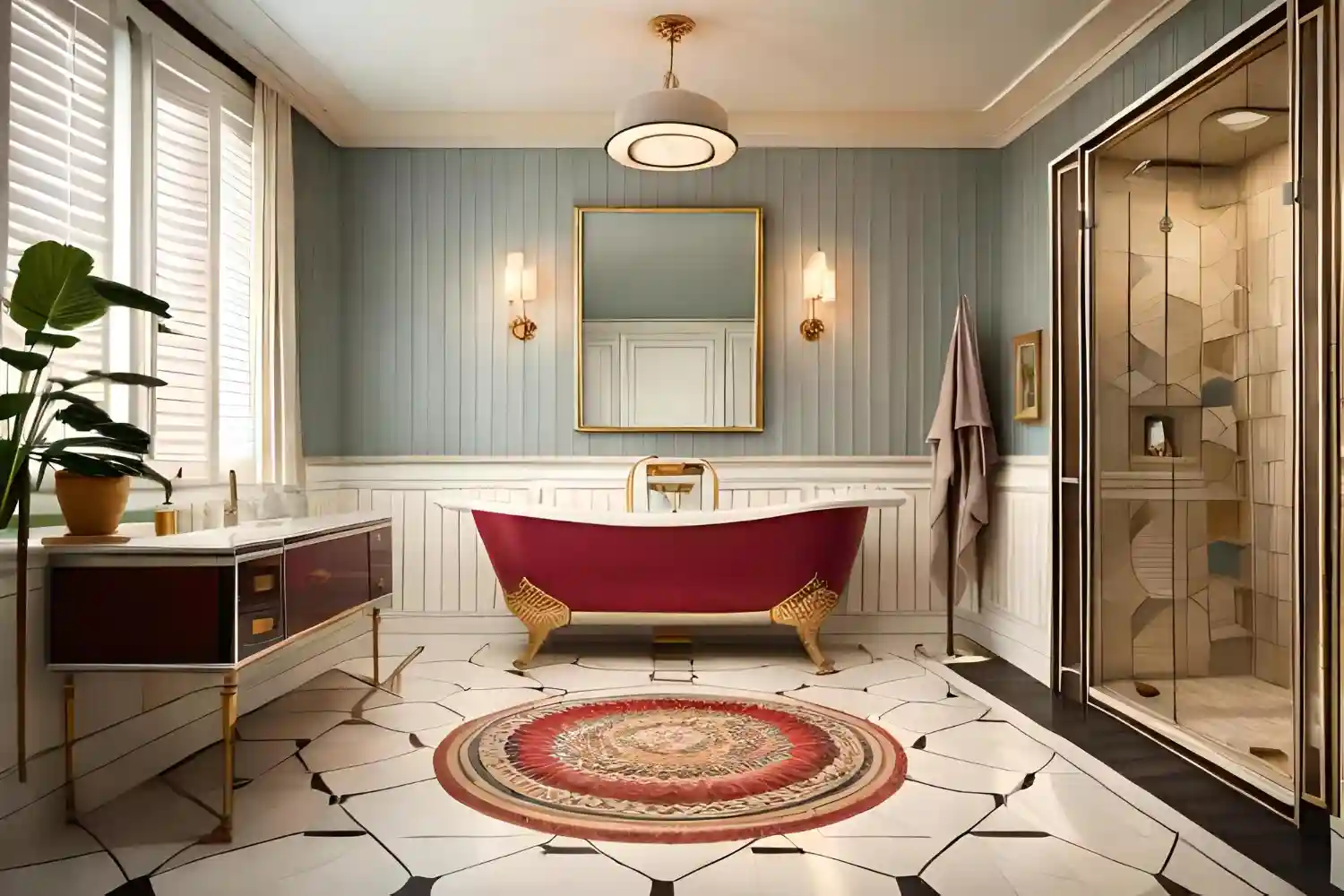
Why the Bathroom Floor Is the Last Thing We Style
A plush bath mat holds water long after your shower ends. That damp pad by the tub is the most overlooked textile in the house, and often the most dated one. The best bathroom rug ideas now skip the fuzzy matching set entirely and treat the floor like any other room in the home.
For years the standard was a three-piece set: a big rectangle, a small mat, and a contour piece hugging the toilet base. All in the same fuzzy chenille, usually the same flat color. That set is quietly on its way out. Designers are trading it for one flat-woven, washable rug that adds warmth and grip without staying soggy.
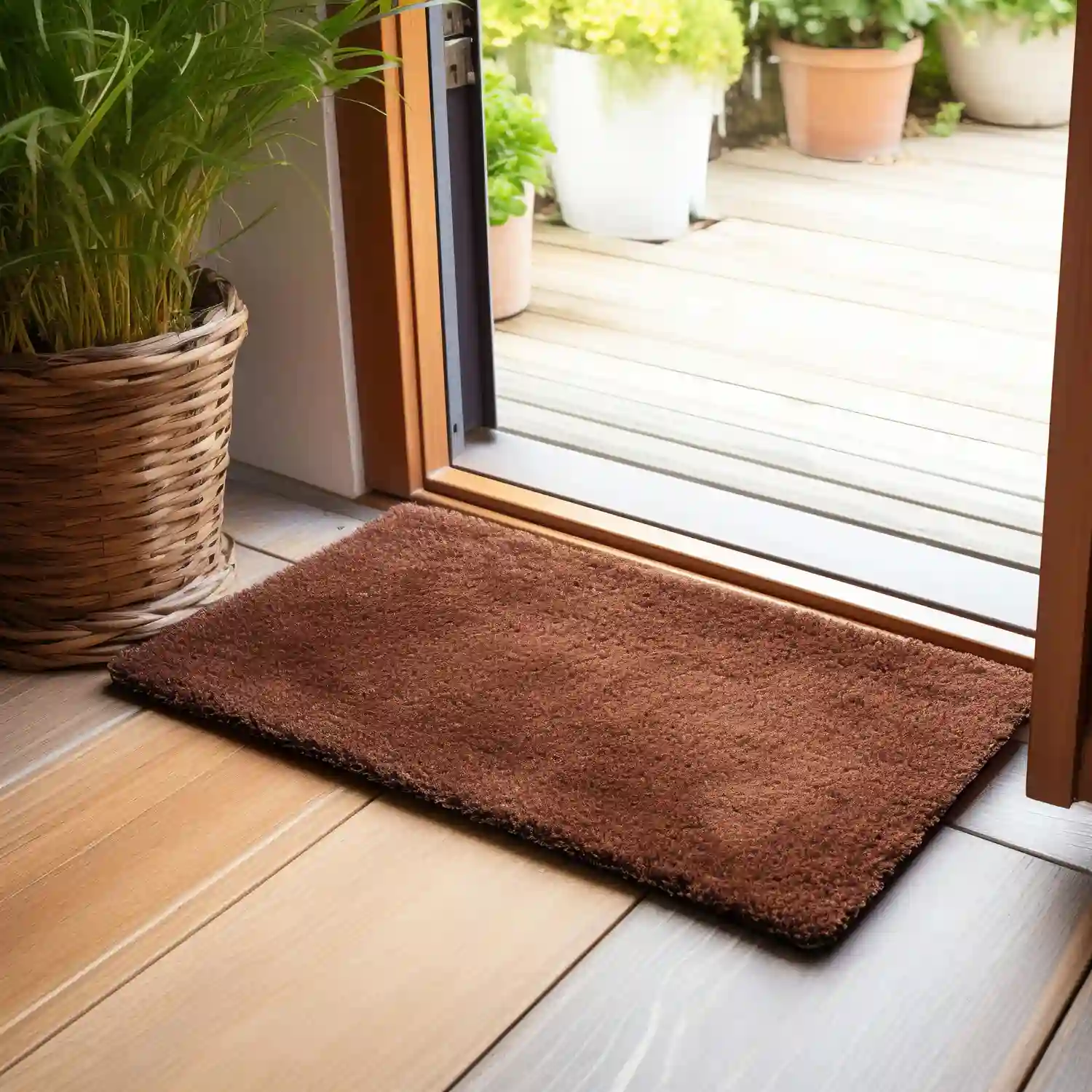
The best bathroom rug ideas start with one flat-woven, washable rug instead of a plush three-piece set. Pick a quick-drying material like cotton, microfiber, or a wood slat mat. Add a separate non-slip pad underneath for grip. Size it to your main standing zone, then match its color to your tile or vanity.
This shift is small but it changes the whole room. A good bath textile plan sits alongside the rest of your bathroom vanity ideas and finishes the space at floor level.
Editorial field note: A small bathroom with a fuzzy contour mat wrapped around the toilet base can feel cramped and a little tired. Swap in one flat cotton runner along the vanity, and the floor looks calmer while the room feels larger, before anything else changes.
Bookmark this guide for quick reference.
Bathroom Rug Checklist
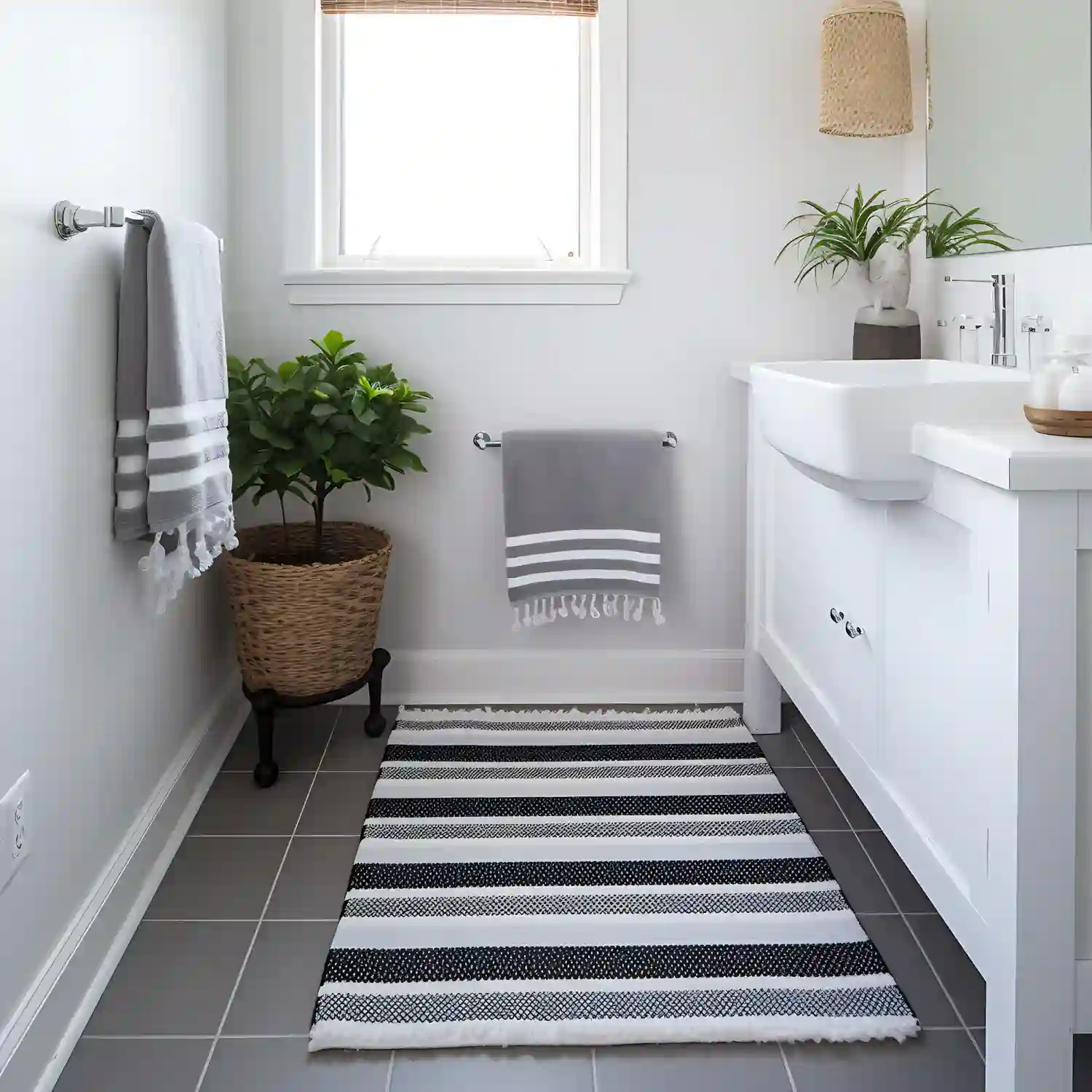
Use this quick list before you buy or restyle any bathroom rug.
- Choose one main rug for the wet standing zone, not a matching three-piece set.
- Pick a washable material: cotton, microfiber, or a flat-woven cotton blend.
- Add a separate non-slip underlay that covers the whole underside.
- Size the rug to your longest standing area, usually the vanity or tub edge.
- Wash the rug weekly and hang it to dry between uses.
- Match the color to your tile, vanity, or towels for a pulled-together floor.
- For wet zones, consider a teak or diatomaceous stone mat that dries fast.
KEY TAKEAWAY: One washable flat-woven rug plus a real non-slip pad beats any plush matching set on looks, hygiene, and grip.
Why the Plush Matching Set Is Quietly Fading
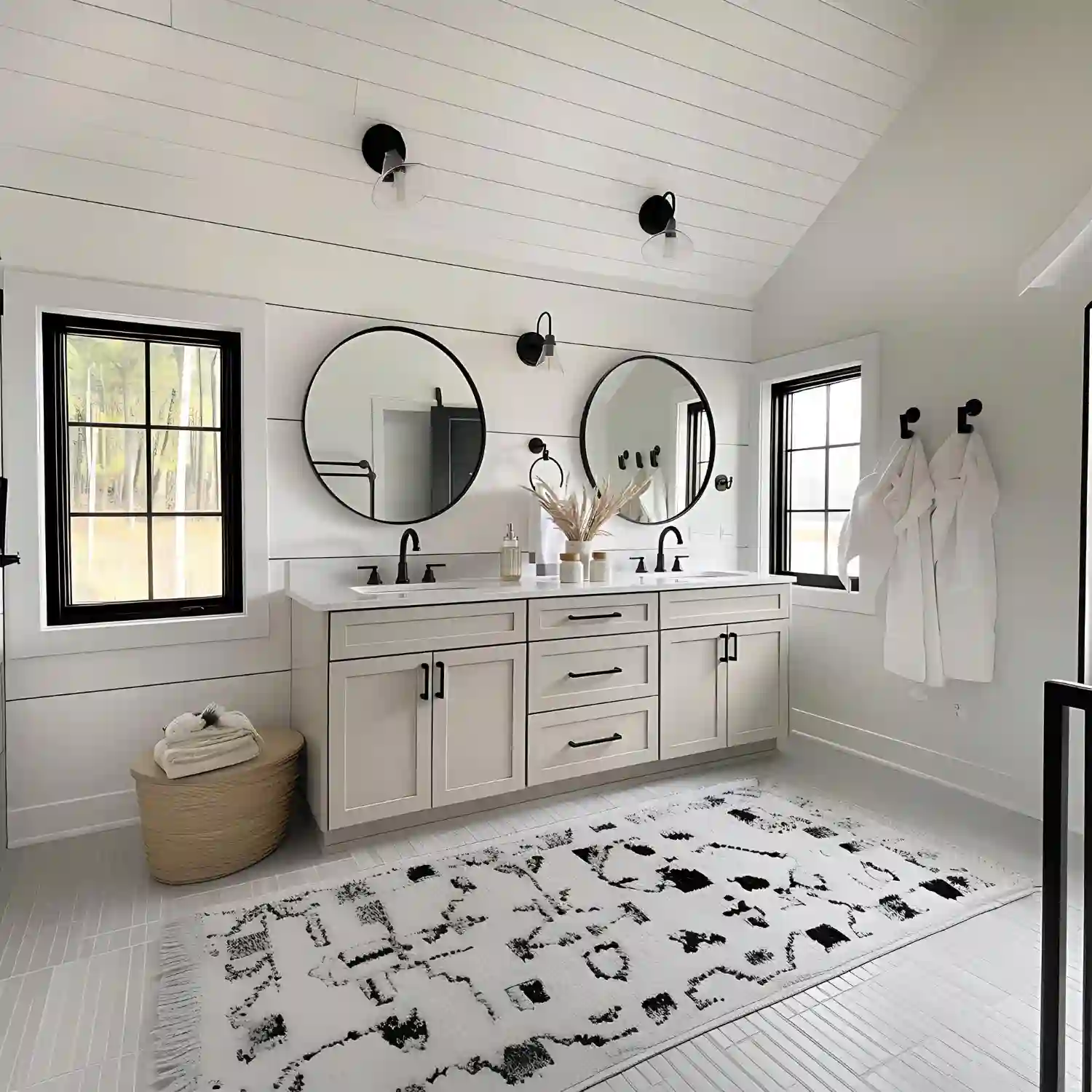
The plush matching set is fading for two plain reasons: hygiene and looks. A thick chenille or memory-foam mat traps water in its pile and dries slowly. According to House Digest’s 2026 bathroom rug trend, those textile fabrics hold moisture, which invites mold and mildew, and the coordinated set now simply looks dated.
Homeowners are replacing that set with a single rug chosen the way a living-room rug is chosen. Color, pattern, and texture come first. A flat-woven cotton runner or a vintage-style piece brings character that a solid fuzzy rectangle never did.
The floor is also the last flat surface most people update. New tile, paint, and a fresh vanity can all land in a bathroom that still has the same beige plush set from years ago. Changing that one textile closes the gap fast. For the bigger picture, our complete bathroom design guide shows where the floor fits in the whole plan.
What the New Bathroom Rug Looks Like
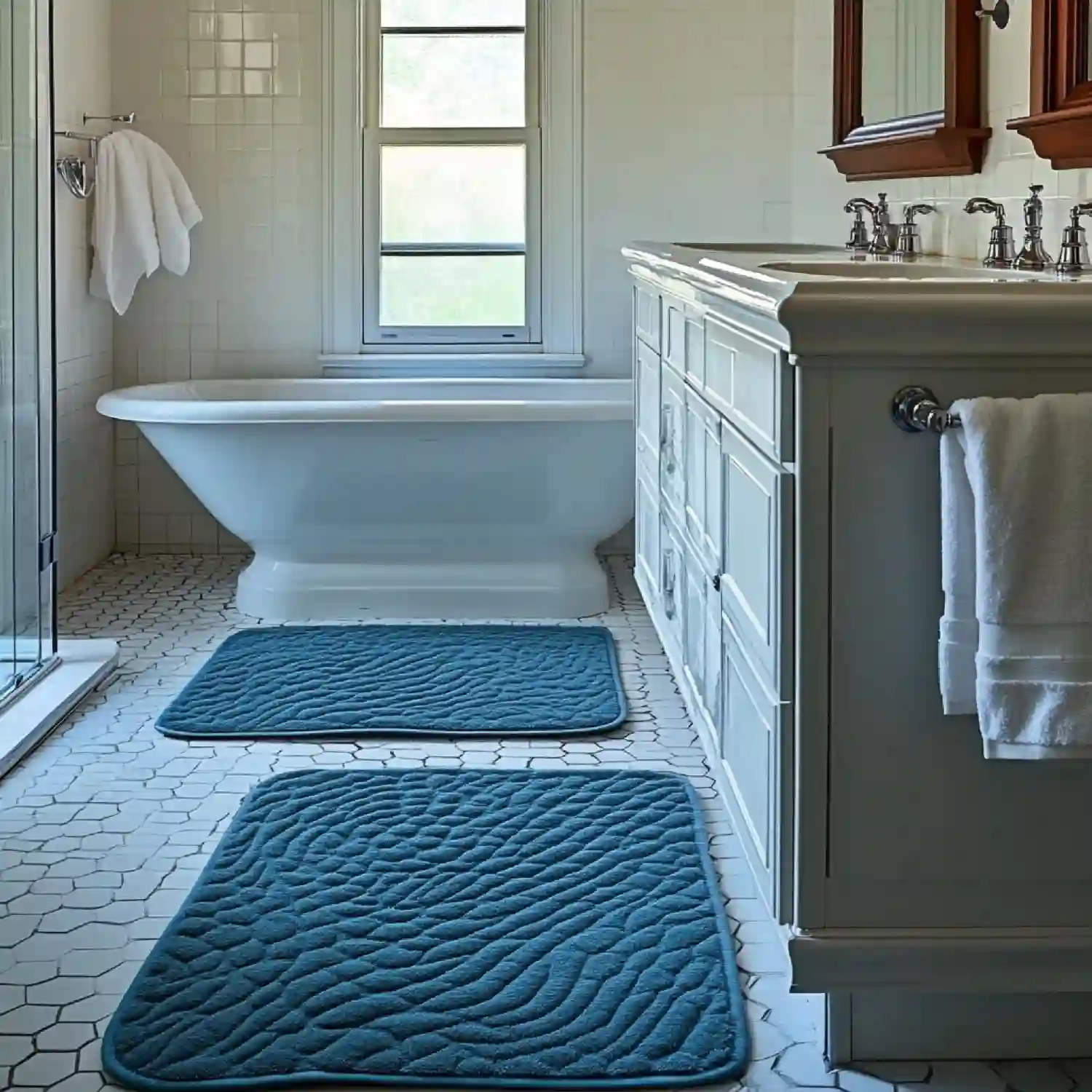
The new look is quieter, flatter, and more personal. Instead of one fuzzy shape in every zone, you get a real rug with pattern and grip. You can spot the same move styled across all our bathroom design ideas. Here are the four looks designers reach for most.
Flat-Woven Cotton and Vintage-Style Runners
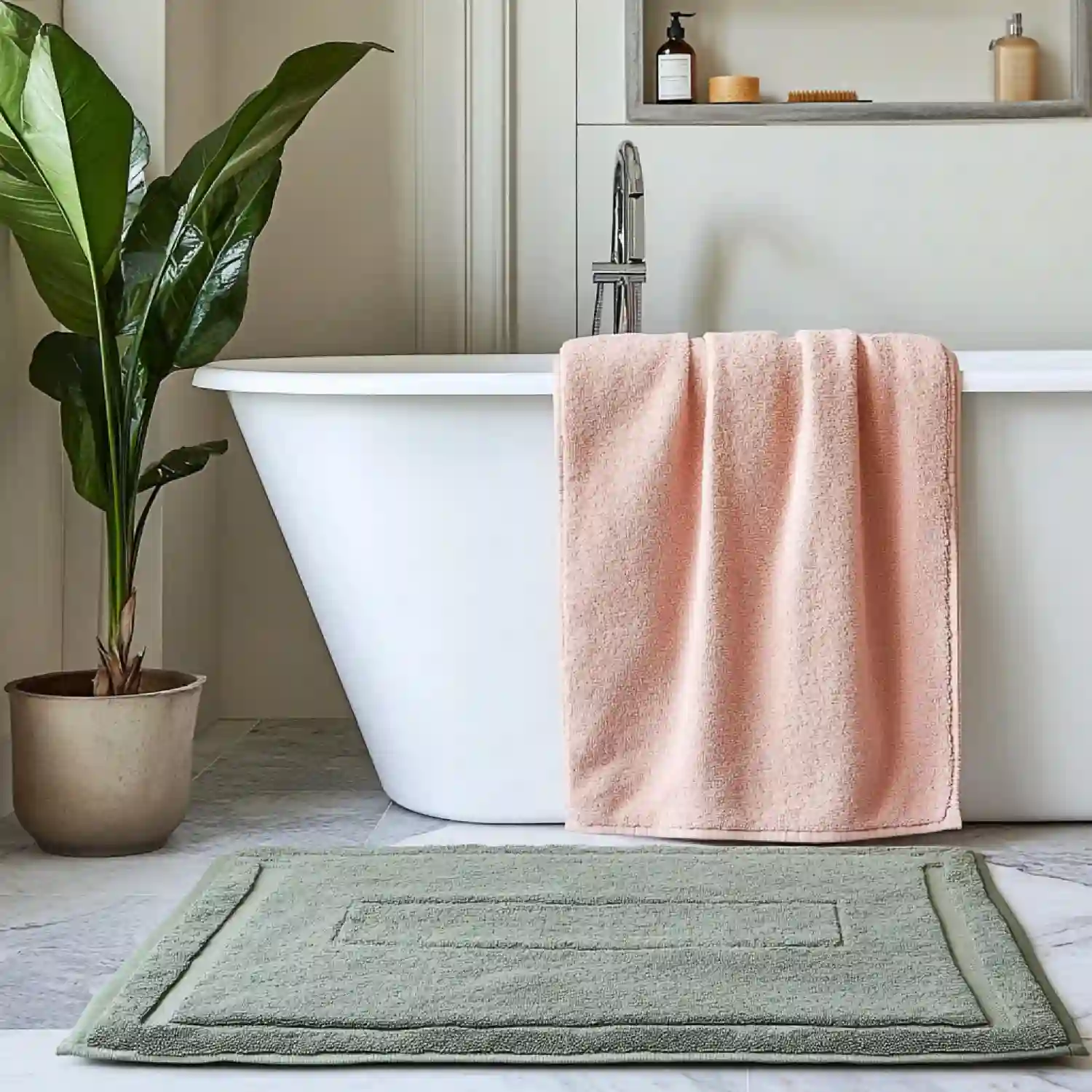
A flat-woven runner is the anchor of this whole shift. It lies close to the floor, dries faster than deep pile, and reads more like a real rug than a bath pad. A cotton flat weave in a faded stripe or a washed Persian-style pattern adds age and warmth to a plain tile floor.
Vintage-style patterns suit older and farmhouse spaces especially well. A muted rust, indigo, or sage runner along the vanity gives the floor a lived-in feel. These pieces pair naturally with the warm, rustic look in our cozy farmhouse bathroom guide.
Washable, Quick-Dry Fabrics Over Sodden Plush
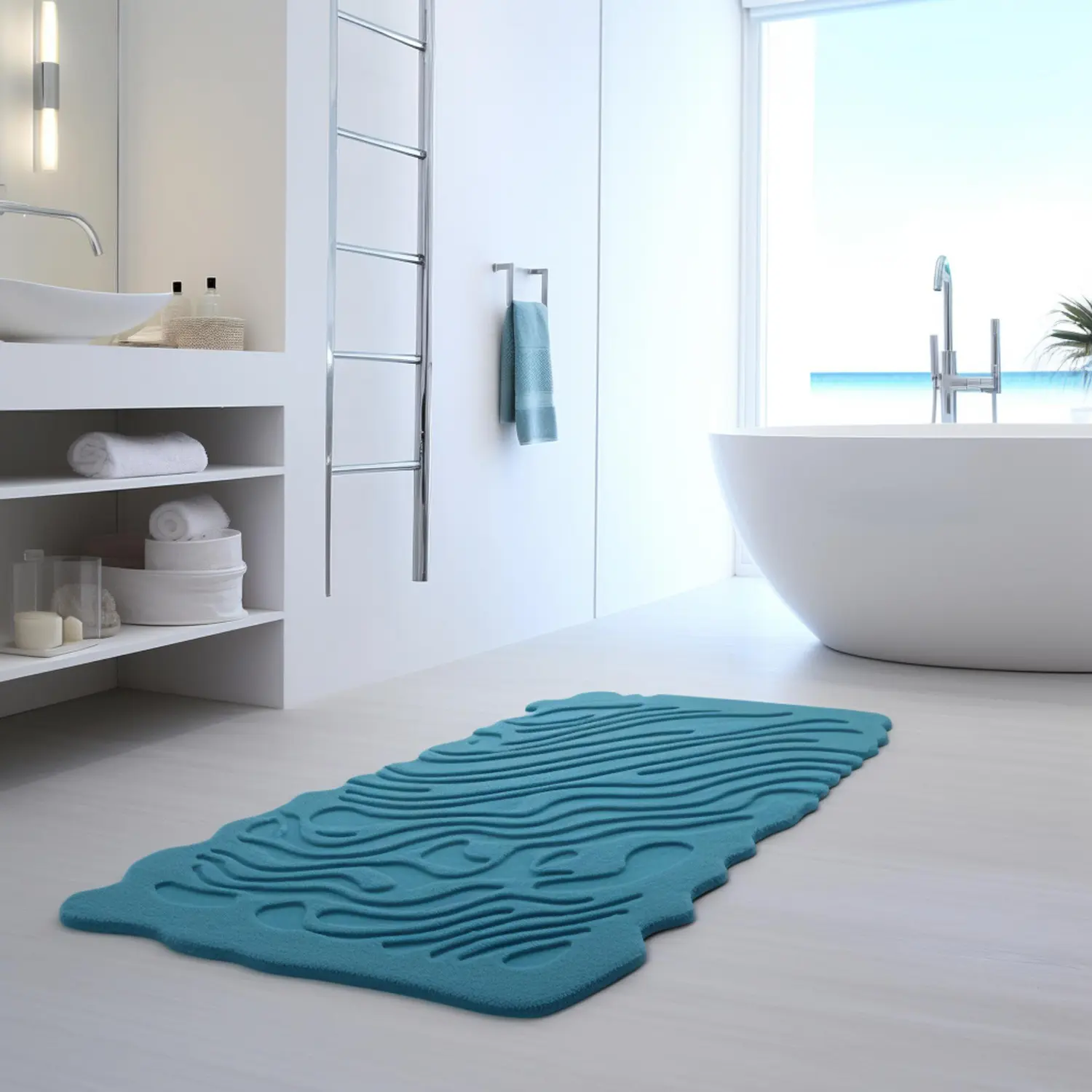
Material behavior is the whole game in a wet room. Cotton absorbs water well but dries slowly, so it needs good airflow to stay fresh. Per Badeloft’s bath mat material guide, microfiber dries faster than cotton and resists mildew better, while memory foam feels soft but holds moisture and should air-dry.
The practical answer is a thin, washable rug you can throw in the machine often. Skip the deep memory-foam pad that stays damp underneath. A flat cotton or microfiber rug rinses clean, dries on a bar, and never turns into the sour mat hiding by the tub.
DESIGNER TIP: Hang the rug over the tub edge or a towel bar to dry between uses — a mat left flat on cold tile is what actually breeds mildew.
One Rug, Not the Three-Piece Set
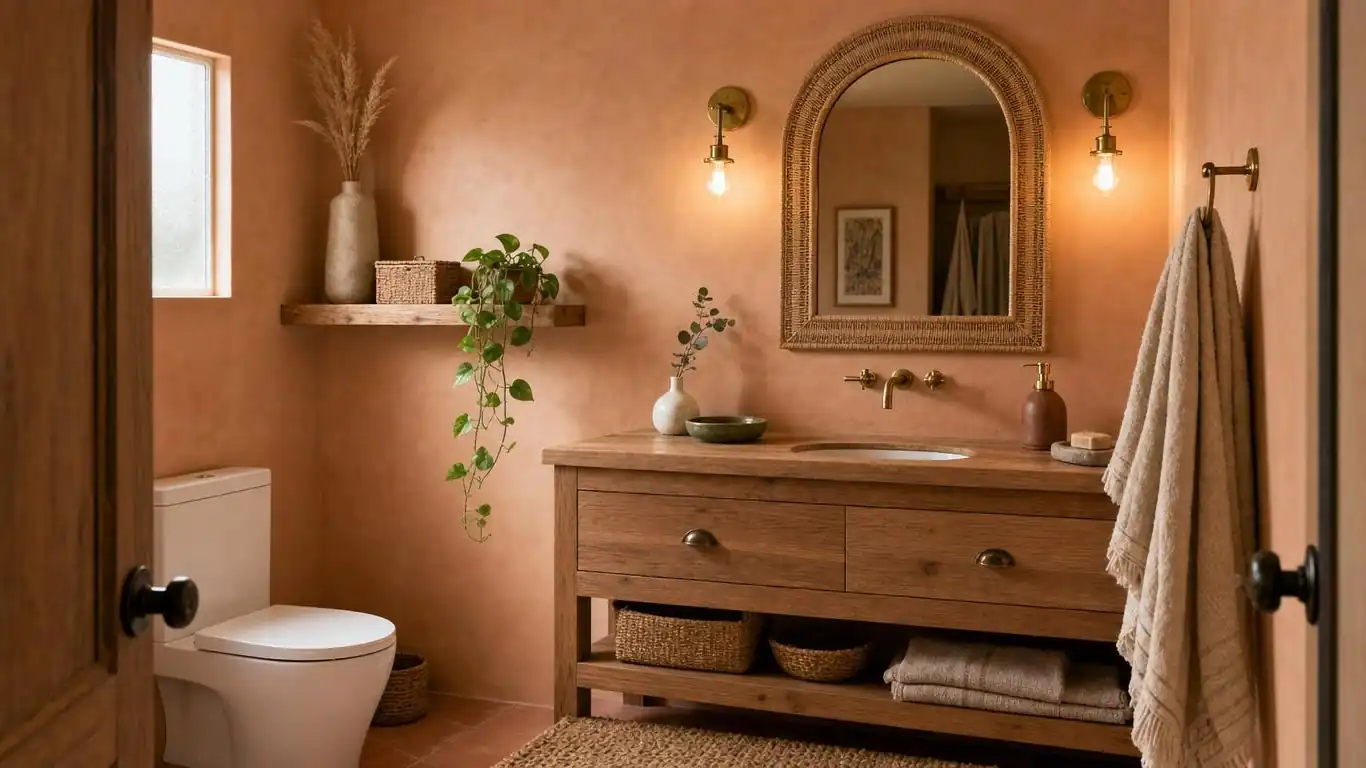
The single-rug rule is the fastest way to modernize the floor. Drop the toilet contour piece completely. That fuzzy U-shape around the base collects dust and dries slowly, and it dates a bathroom more than almost anything else on the floor.
Keep one rug where you actually stand: at the vanity, along the tub, or at the shower exit. A clear floor around the toilet looks cleaner and wipes down in seconds. If you want the towels to carry the softness instead, our towel storage ideas show how to keep them on display and within reach.
Natural Wood and Fiber Mats for Wet Zones
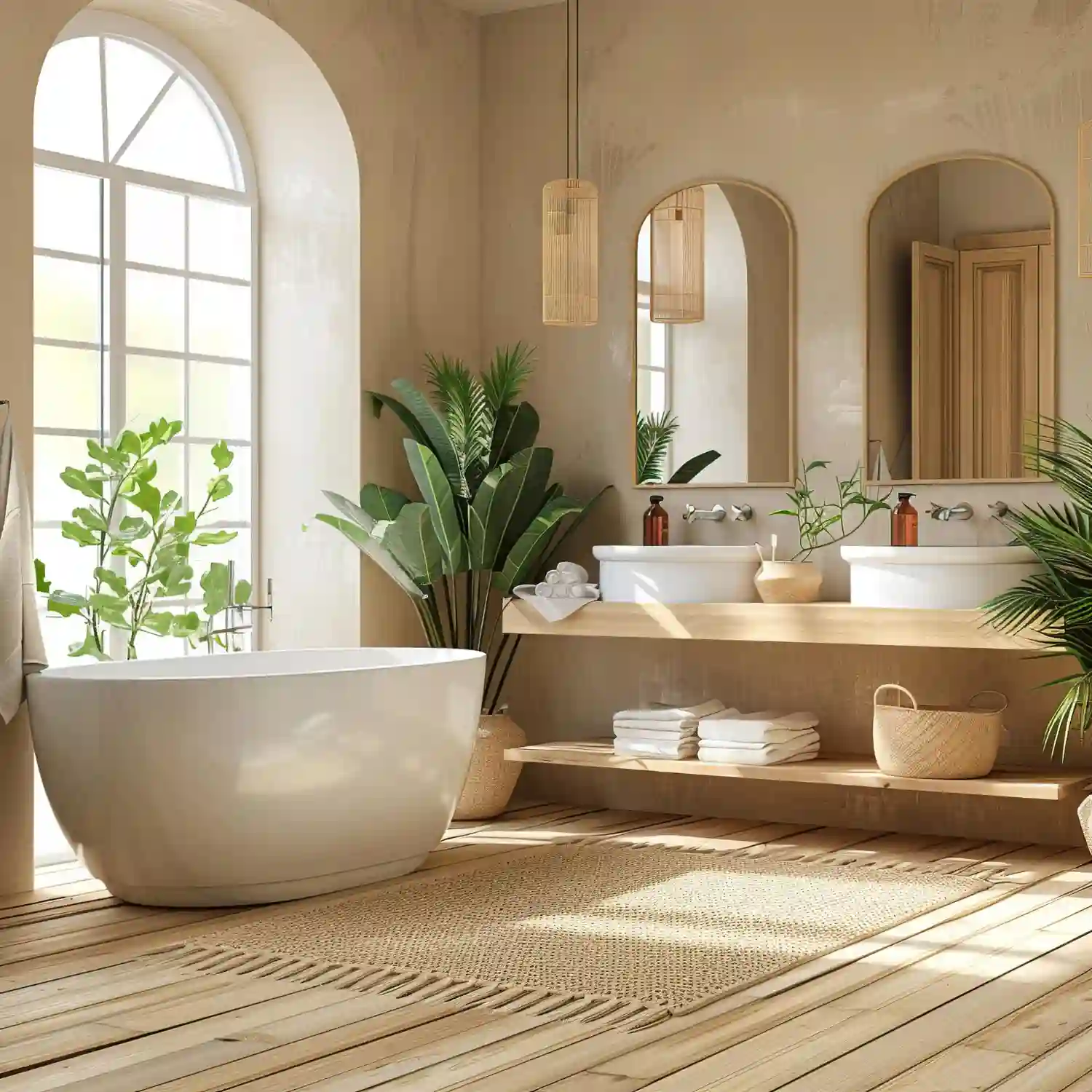
Wood and stone mats solve the wet-zone problem a different way. A teak or bamboo slat mat does not absorb water at all; the water evaporates off the slats instead, so it resists mold and dries almost on its own. It works beautifully right at the shower or tub exit where fabric struggles.
A diatomaceous-earth stone mat is the other quick-dry option. Material Note: a stone or wood mat pulls water off your feet fast and dries within minutes, but it feels firm underfoot, so pair it with a soft rug at the vanity. This mix suits a calm, natural spa bathroom especially well.
How to Get the Look at Home
Adopting this look takes three moves: get the size right, make it grip, and match the color. None of them cost much, and you can do all three in an afternoon. For the whole room in order, follow our step-by-step guide to decorating a bathroom.
How Big Should a Bathroom Rug Be?
A bathroom rug should cover your main standing zone, not the whole floor. For most vanities and tubs, a 2-by-6-foot or 2.5-by-7-foot runner covers the wet path far better than a small 20-by-32-inch mat. In a larger bathroom, a 4-by-6-foot rug can anchor the center while a smaller mat sits at the shower. The best bathroom rug ideas are sized to the room, so measure your open floor and how it meets the bathroom floor tile before you buy.
Position the rug where water and bare feet actually land: the shower exit, the tub edge, and the sink. Leave the floor around the toilet clear. This keeps the room looking open and makes the floor easy to clean.
DESIGNER TIP: Buy the runner one size up from the mat you think you need — a longer runner covers the full standing zone and looks intentional rather than like an afterthought.
How Do You Keep a Bathroom Rug From Slipping?
A non-slip underlay is not optional in a bathroom. A flat-woven rug has no rubber backing of its own, so it needs a separate grip pad that covers the entire underside. The Fall Prevention Foundation’s non-slip bathroom safety guide notes that the bathroom is one of the highest fall-risk rooms in the home.
Safety Note: choose a full-coverage rubber or PVC pad rather than one with only corner dots or strips, and replace it once the grip wears smooth. Wet tile plus a shifting rug is a real hazard, especially for children and older adults. A proper pad keeps the rug flat and your footing steady.
Match the Rug to Your Bathroom’s Color and Style
Color is what makes the rug look chosen instead of leftover. Pull the rug’s main shade from something already in the room: the tile, the vanity, the wall color, or the towels. A warm greige or soft clay runner suits the palette in our warm neutral bathroom ideas.
Match the rug’s texture to the room’s mood too. A flat cotton weave feels modern and simple. A vintage wool-look runner feels warm and collected, the kind of piece that suits a breezy coastal bathroom. One rug, one clear color story, and the floor finally looks part of the design.
Signs This Is Catching On
Signs This Is Catching On:
- Major home retailers like Anthropologie and Ruggable now sell washable “rugs for the bathroom,” not just plush mats.
- 2026 rug roundups favor texture and individual, lived-in pieces over flat, matching sets.
- Trend coverage now frames the standard plush bath mat as dated and a mildew risk, not a default.
- Flat-woven and vintage-style runners show up constantly in bathroom photos on Pinterest and design feeds.
This lines up with the wider direction in our bathroom design trends for 2026, where warmth, texture, and washable materials keep winning.
Where the Look Goes Wrong
Even a good rug swap can miss. These are the stumbles that undo the look, gathered from styling floors across our room-by-room inspiration.
- Buying another matching set out of habit. The three-piece chenille kit is the exact thing this shift replaces. Choose one rug for the standing zone and leave the toilet base bare.
- Skipping the non-slip pad. A flat rug with no grip slides on wet tile. Always add a full-coverage underlay, not corner dots, so the rug stays put.
- Picking a rug that is too small. A 20-by-32-inch mat floats in the middle of the floor. A longer runner covers the real wet path and looks planned.
- Letting a damp rug sit flat all day. A wet mat left on tile is what actually breeds the mildew smell. Hang it to dry and wash it weekly.
Budget & Cost
Most of this swap is affordable, and the pieces stack from a quick fix to a fuller floor plan.
| Project | Estimated Cost | Impact Level |
|---|---|---|
| Machine-washable cotton bath mat | $15-$35 | High |
| Flat-woven or vintage-style runner (2×6 ft) | $40-$120 | High |
| Full-coverage non-slip underlay | $10-$25 | Medium |
| Teak or diatomaceous stone mat | $30-$90 | Medium |
Best First Upgrade: Swap the plush set for one washable flat-woven runner plus a proper non-slip pad.
Skip for Now: The matching toilet-lid cover and contour mat — they add cost and date the room.
The Bottom Line
The Bottom Line: One washable flat-woven runner on a proper grip pad wins over any plush matching set, because it looks intentional, dries fast, and keeps you steady on wet tile.
This is a low-risk trend to adopt. It costs little, needs no tools, and reverses in a minute if you change your mind. The staying power is real too, since it lines up with the wider move toward washable, textured, natural materials across the whole bathroom.
Frequently Asked Questions
Conclusion
The strongest bathroom rug ideas come down to one move: replace the plush matching set with a single washable, flat-woven runner on a real non-slip pad. It dries fast, looks chosen, and keeps you steady on wet floors. For the bigger room plan, start with our home decor inspiration.
Next Steps
- Measure your main standing zone and pick a runner that covers the full wet path.
- Buy a full-coverage non-slip underlay to go under any flat-woven rug.
- Retire the toilet contour mat and leave the floor around the base clear.
- Match your new rug’s color to your tile, vanity, or towels for a pulled-together floor.
More Bathroom Vanity Ideas
- Bathroom Mirror Ideas: Why the Right Mirror Is Your Highest-Impact Upgrade
- Bathroom Lighting Ideas: Why Layered Light Beats a Single Overhead
- Bathroom Cabinet Ideas: Why Warm Wood Beats the White Box
- Walk-In Shower Ideas: Why the Curbless, Doorless Look Won
- Bathtub Ideas: The Freestanding Soaking Tub Now Leads the Room
- Dream Bathrooms: What Do the Best Ones Have in Common?
- Bathroom Curtain Ideas: The Soft Layer Most Bathrooms Skip
- Bathroom Sink Ideas: Is the Vessel Sink Still Worth It in 2026?