TL;DR
- Best felt: Wool-blend felt (wool-rayon) curls and cups into petals; acrylic felt is cheaper but stays flat.
- Realism: Shape every petal so it cups or curls. Real petals are almost never flat.
- Color: Tint petal edges a shade darker with pastels, then set the color with a light mist of hairspray.
- Stems: Wrap floral wire in floral tape for bendable, lifelike stems.
- Cost: One bloom runs about $0.50 to $2 in felt. A small bouquet runs about $10 to $30.
The One Move That Makes Felt Flowers Look Real
The gap between a felt flower that looks like a craft project and one that looks real comes down to a single move: shaping the petals so they cup and curl instead of lying flat. Real petals are almost never flat. The best felt flower craft ideas all start the same way, with wool-blend felt, shaped petals, and a thin wire stem.
If you have ever made a felt flower that came out stiff and cartoonish, you are not alone. Flat petals and one solid color are what give handmade flowers away. The good news is that the fixes are small. A little shaping, a little edge color, and a bendable stem do most of the work.
This guide walks through 15 felt flower craft ideas, from single roses and peonies to wreaths, bouquets, and a nursery mobile. You will also get real cost ranges and care tips. For more make-at-home projects, see our home decor inspiration and DIY decorating ideas. Bookmark this guide for quick reference.
KEY TAKEAWAY: Shaped petals, wool-blend felt, and a wired stem are what make a felt flower read as real instead of crafty.
| Quick Takeaways | |
|---|---|
| Felt | Wool-blend felt curls and cups best; acrylic felt is cheaper but flatter. |
| Shaping | Cup, curl, or slit every petal so none stays flat. |
| Color | Edge-tint with pastels, then set with hairspray for depth. |
| Stems | Wrap floral wire in floral tape for a bendable stem. |
| Cost | One bloom is $0.50 to $2; a small bouquet is $10 to $30. |
| Care | Dust dry, keep out of direct sun, and never wet felt flowers. |
What Makes Felt Flowers Look Realistic?
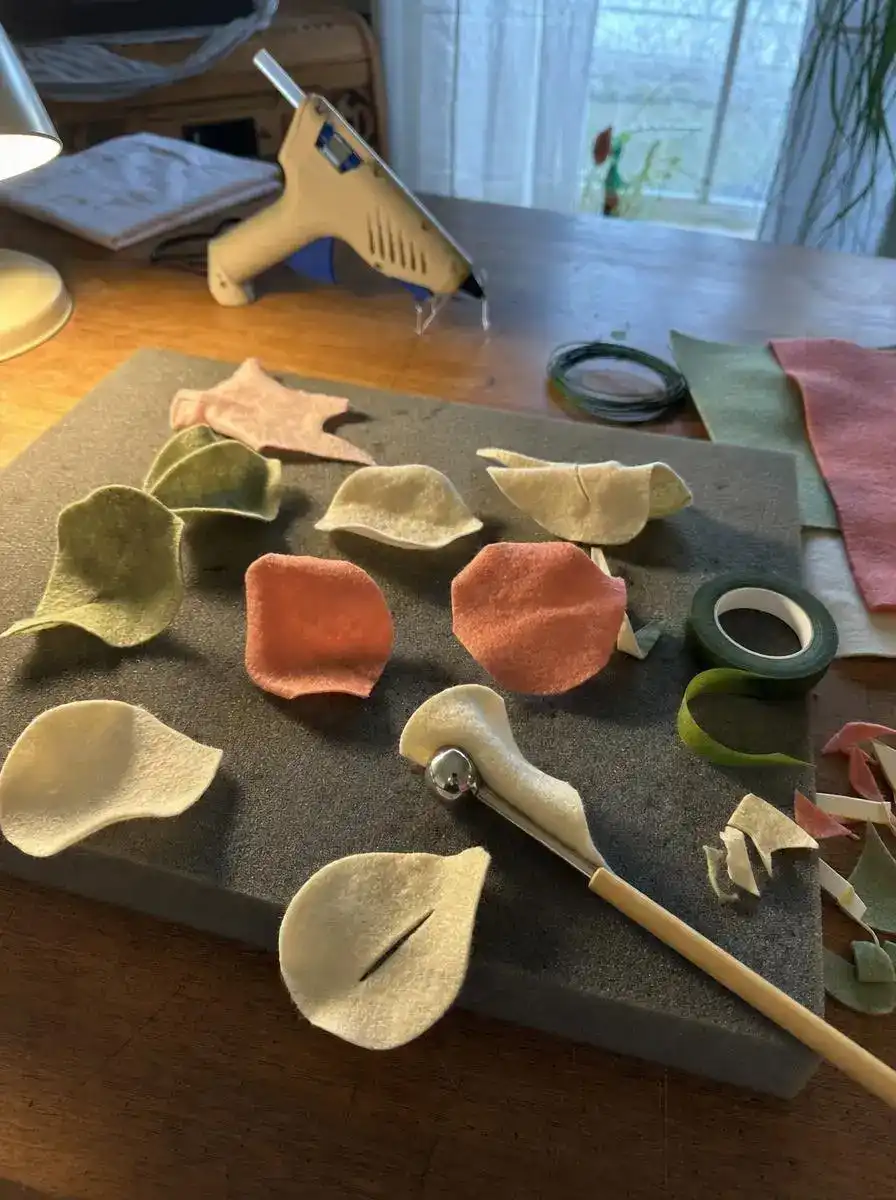
Felt is a non-woven fabric, so cut edges never fray and need no hemming. That gives you clean petals with no extra steps. Realism comes from four small habits. First, choose the right felt. Wool-blend felt holds a shaped curl far better than stiff acrylic felt. Material Note: wool-blend felt runs about 20 to 40 percent wool with the rest rayon, and it stretches into petal shapes while staying affordable.
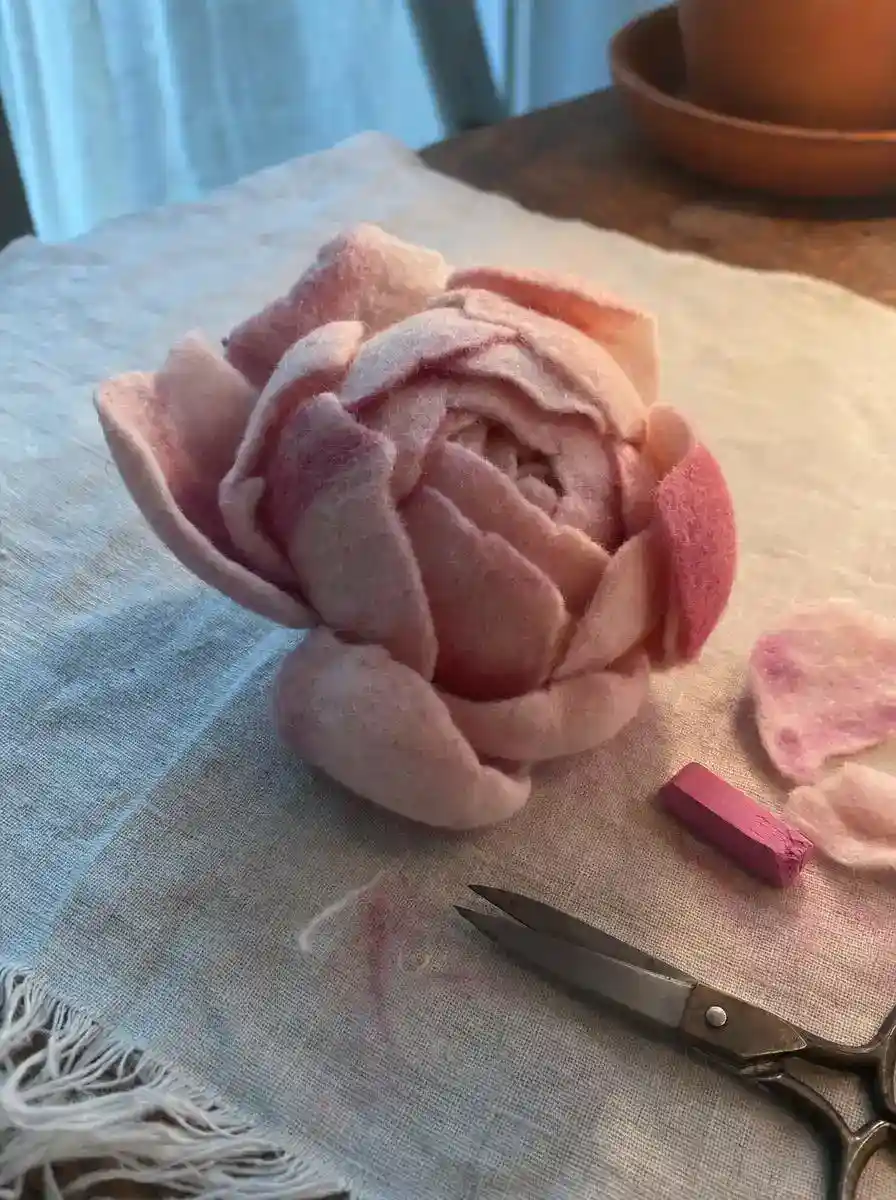
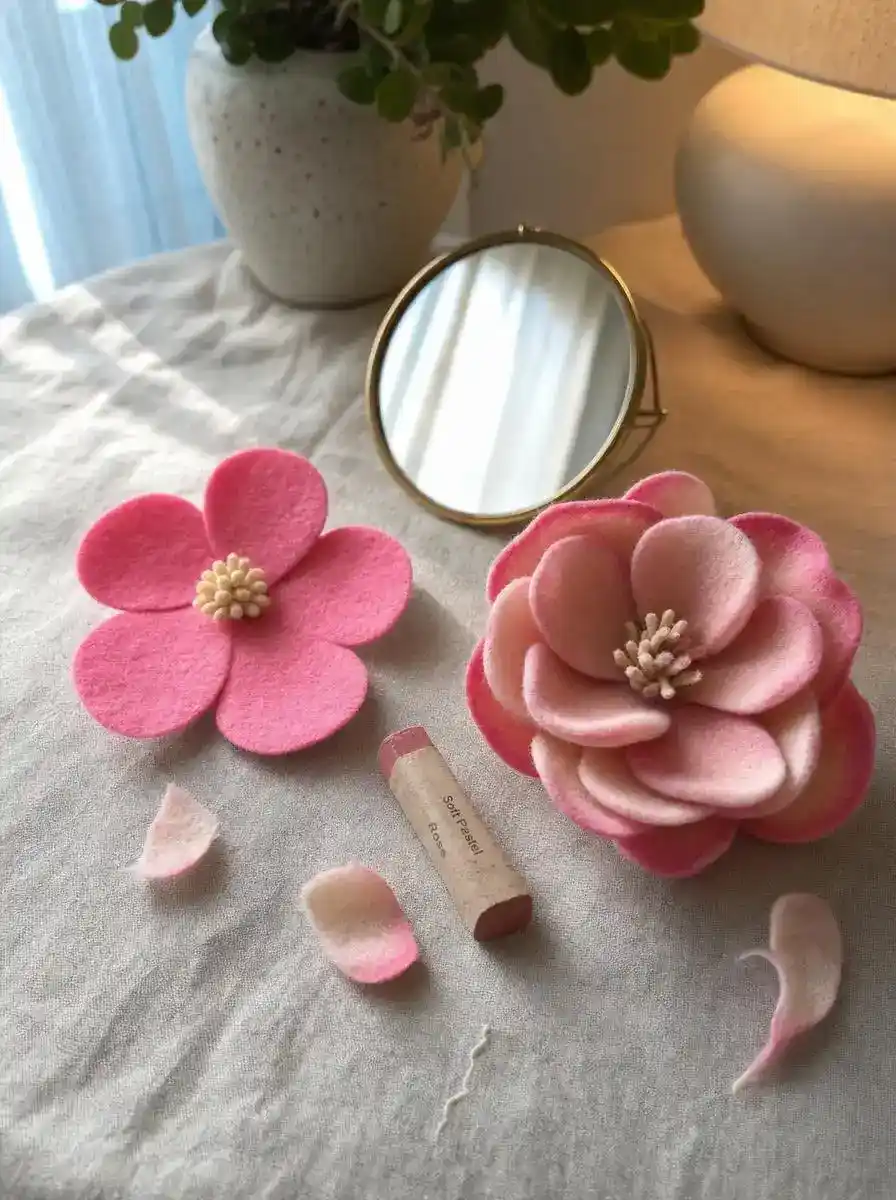
Second, shape every petal. Cup them, curl the edges, or cut a small slit and overlap it. You can also mist wool felt with water, pinch in some wrinkles, and let it dry to hold a ruffled form. Third, add color depth. Stroke a stick pastel along each petal edge, then seal it with a light mist of hairspray so it does not rub off. Safety Note: use hairspray and any fixative in a well-aired room, away from open flame.
Fourth, build a stem. Wrap floral wire in floral tape, which is wax-coated crepe paper that sticks only when you stretch it. Densely petaled blooms like ranunculus, peonies, roses, anemones, and poppies fake best in felt because the layered ruffles hide the assembly. A vintage craft room setup makes this kind of detailed work easier.
KEY TAKEAWAY: Right felt, shaped petals, edge color, and a wired stem are the four habits that turn flat felt into a real-looking bloom.
Realistic Single Blooms to Start With
The best way into felt flowers is one realistic bloom at a time. These beginner-friendly single flowers — roses, peonies, and poppies — teach the basic techniques you’ll reuse everywhere else.
1. A Rolled Felt Rose
The rolled rose is the easiest felt flower to learn. Cut a felt circle into a spiral with a wavy edge, then coil the strip from the outside in. Add a dab of hot glue about once per rotation. Keep the inner turns tight and let the outer turns splay loose, and the spiral opens up like a real rose. One rose takes only a few minutes once you find your rhythm.
2. A Layered Felt Peony
A peony is the showpiece of felt flowers. You cut petals in three or four sizes and layer them from smallest at the center to largest on the outside. Cup each petal and cut short slits near the base so the petals fold inward. Misting wool-blend felt with water helps the ruffles hold. A felt peony takes patience, but the soft, full bloom looks remarkably real on a stem.
3. A Ruffled Felt Ranunculus
Ranunculus translate beautifully to felt because their tightly packed petals hide every seam. Cut many small rounded petals in one color or a soft ombre set. Wrap the first few tight around a wire center, then add looser layers as you go. The result is a dense, swirled bloom with no obvious start or end. Sage green, dusty rose, and warm cream all read well here.
4. A Felt Poppy With a Fringed Center
Poppies get their charm from the center. Cut a small felt rectangle, fringe one long edge with sharp scissors, then roll it onto the wire to form fuzzy stamens. Add four or five cupped petals in poppy orange, soft white, or deep red. The dark, textured middle against bright petals is what sells the look. This is a quick bloom with a lot of payoff.
5. A Felt Anemone With a Dark Center
Anemones are striking and simple. Pair clean white or muted purple petals with a deep charcoal or black center for high contrast. Fringe a small dark felt strip for the middle, or stitch a few french knots for tiny stamens. Five or six rounded petals around that dark eye give you the signature anemone shape. These are a favorite for bouquets and mobiles because the shape stays flat and tidy.
DESIGNER TIP: Cut petals freehand instead of tracing every one. Slightly uneven petals read more like a real flower than perfectly matched ones.
KEY TAKEAWAY: Roses, peonies, ranunculus, poppies, and anemones fake best in felt because their layered or button-like centers hide the assembly.
Everlasting Arrangements and Faux Plants
Once you can make single blooms, combine them into lasting arrangements. These ideas — bouquets, potted succulents, and table centerpieces — bring everlasting greenery to any room.
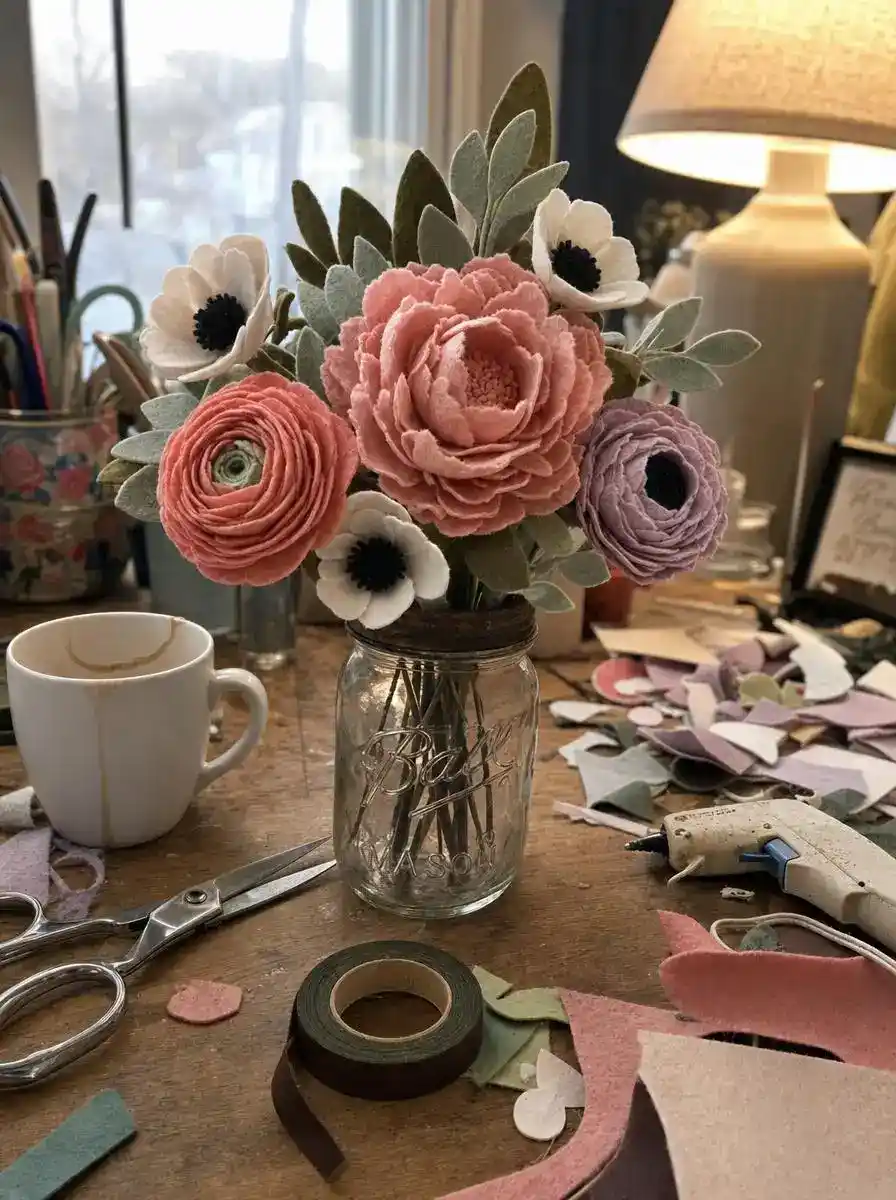
6. An Everlasting Felt Flower Bouquet
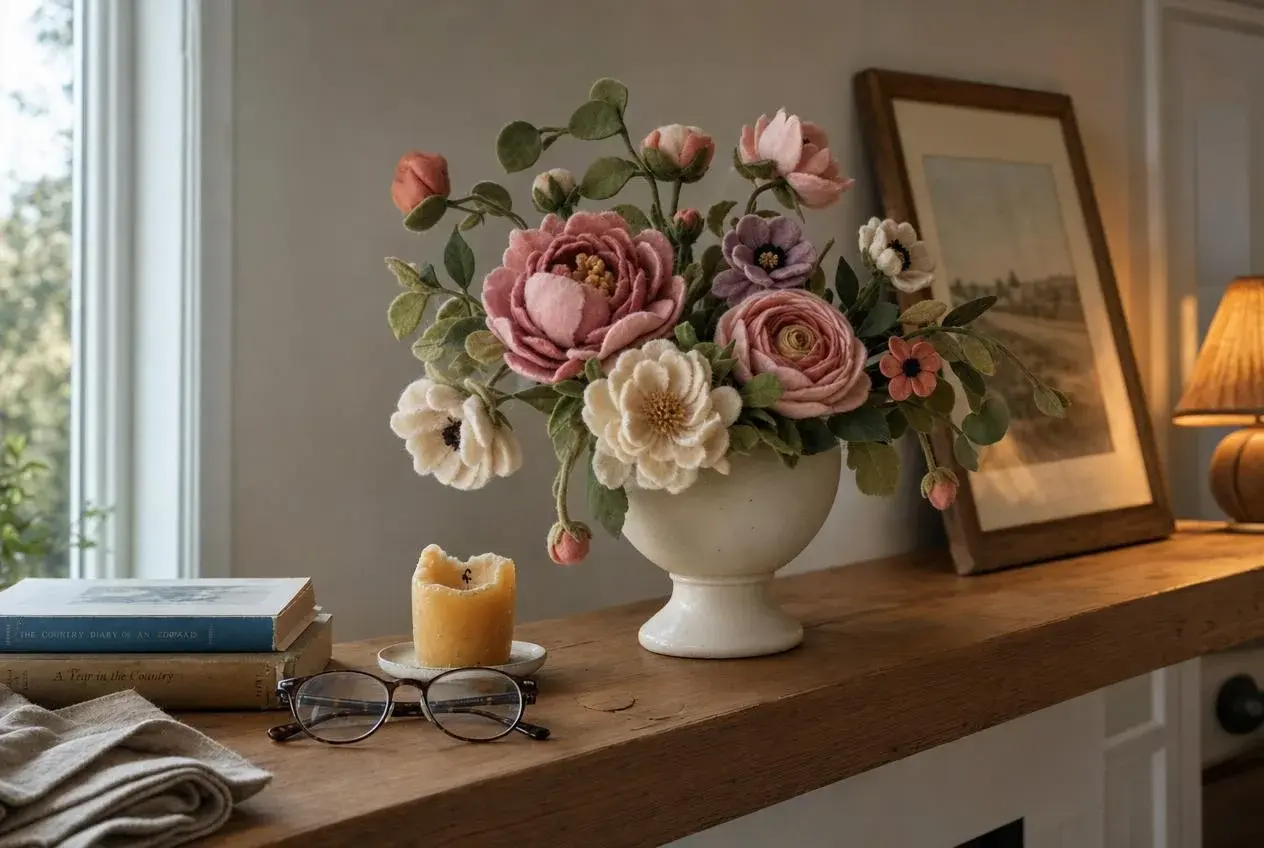
A felt bouquet never wilts and needs no water. Make 7 to 12 stemmed blooms in two or three flower types, then gather them in odd numbers and wrap the stems together with floral tape. Mix one statement flower, like a peony, with smaller filler blooms and a few felt leaves. A handmade felt bouquet works as a forever centerpiece or a keepsake gift. The same idea scales up for easy DIY wedding decor.
7. Potted Felt Succulents
Felt succulents are a faux-plant project with a real perk: no watering and no light needed. Cut layered teardrop leaves in soft greens, then build them up from a small center into a rosette. Set the finished succulent in a little terracotta pot with a bit of foam or floral putty. These suit a desk, a bathroom shelf, or any low-light corner where a live plant would struggle.
8. Bud-Vase Single Stems
Once you have a few wired felt stems, the simplest way to show them off is one or two per small bud vase. Line up three little vases with a single bloom in each for a low, modern look on a shelf or windowsill. Vary the flower type and height slightly so the trio feels gathered, not staged. It is an easy styling move that fits a spring coffee table refresh.
9. A Forever Table Centerpiece
For a table that always looks finished, arrange several wired felt stems in a low bowl or compote. Keep the height under the eye line so guests can see across the table. Group blooms in odd numbers and tuck felt leaves around the edge to soften the shape. Because nothing wilts, you can build it once and reuse it for months. It pairs well with simple spring tablescape ideas.
DESIGNER TIP: Arrange felt stems in odd numbers, like three, five, or seven, so the bunch looks naturally gathered rather than evenly spaced.
KEY TAKEAWAY: Felt flowers never wilt and need no water, so bouquets, potted succulents, and table arrangements last for years with light dusting.
Wall and Door Decor
Felt flowers scale up beautifully into wall and door pieces. These ideas — wreaths, framed floral art, and garlands — add soft, handmade color to larger spaces.
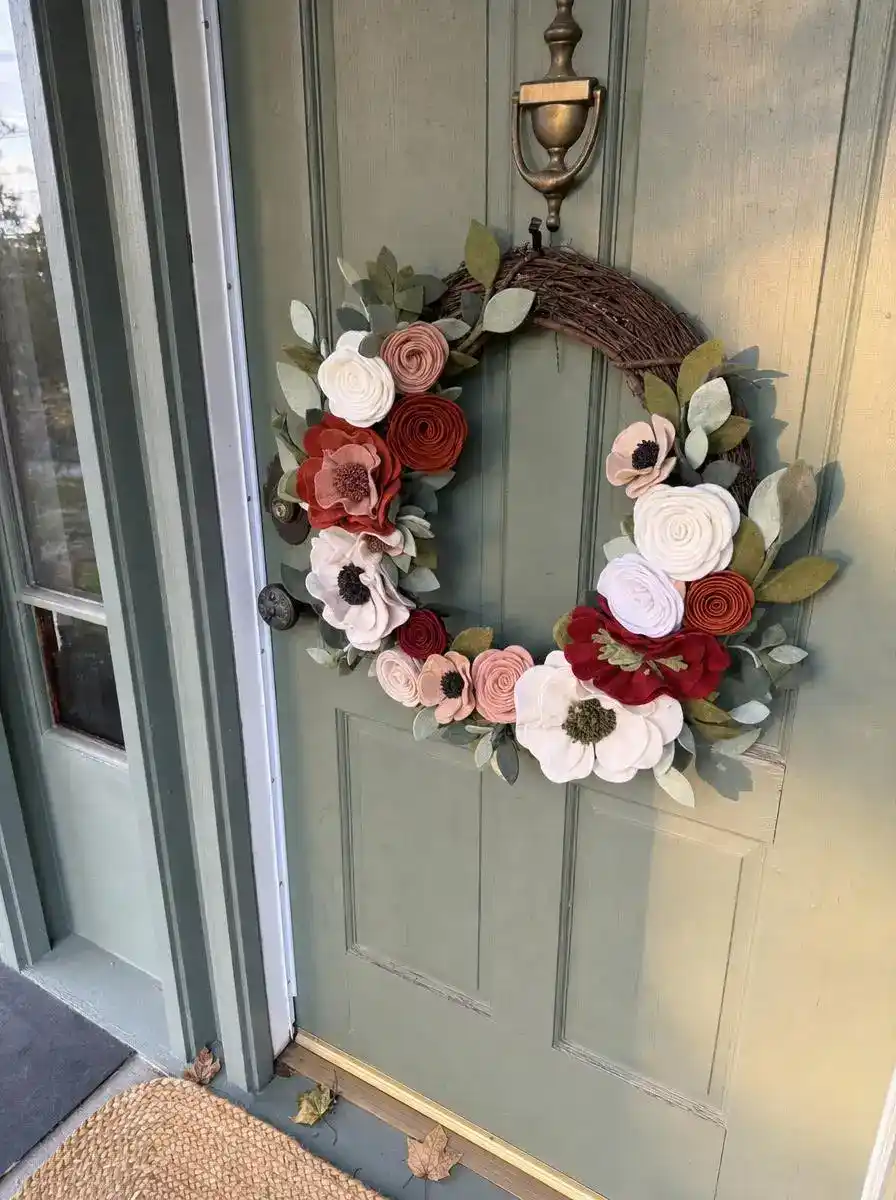
10. A Felt Flower Wreath
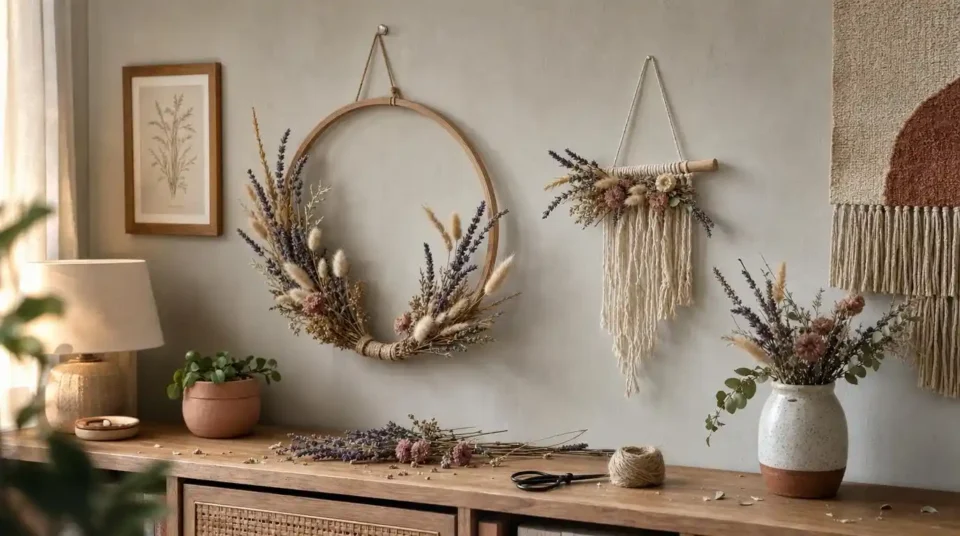
A felt flower wreath is a popular medium-effort project, usually about 45 minutes once your blooms are made. Start with a base, such as a grapevine ring, a foam ring, or an embroidery hoop. A grapevine base reads rustic; a foam ring or hoop reads more modern. Glue your largest flower first, then fill outward with smaller blooms and felt leaves. For seasonal swaps, compare it with our spring wreath for the front door ideas.
11. Framed Felt Flower Wall Art
Felt flowers look striking in a deep shadow-box frame. Arrange a small cluster of blooms in one corner or across a diagonal, then glue them to a linen or neutral fabric backing. The frame protects the flowers from dust and gives the piece a gallery feel. Hang a single frame over a console, or build a set of three for a wall grouping. It sits well alongside other spring wall art ideas.
12. A Felt Flower Garland or Bunting
A felt garland is a budget project, often around $8 to $10 in materials, with the ribbon as the biggest cost. String small blooms and leaves along a length of ribbon or twine, spacing them however suits the run. Drape it across a mantel, a shelf, or a nursery wall. No-sew, hot-glue versions go fast, and you can take it down and reuse it. See more felt and fabric wall hanging crafts for layout ideas.
KEY TAKEAWAY: Wreaths, shadow-box frames, and garlands turn loose felt blooms into wall and door decor you can reuse season after season.
Small Accents and Handmade Gifts
Leftover blooms are perfect for small, giftable projects. These finishing ideas — napkin rings, a nursery mobile, and hair clips — turn a few felt flowers into thoughtful handmade touches.
13. Felt Flower Napkin Rings
Felt flower napkin rings are a quick, no-sew way to dress a table. Make a small bloom, then attach it to a felt band or a simple rope ring that slips over a rolled napkin. Match the flower color to your plates or season for a pulled-together look. They cost very little and store flat between dinners. A set of six makes a thoughtful hostess gift.
14. A Felt Flower Nursery Mobile
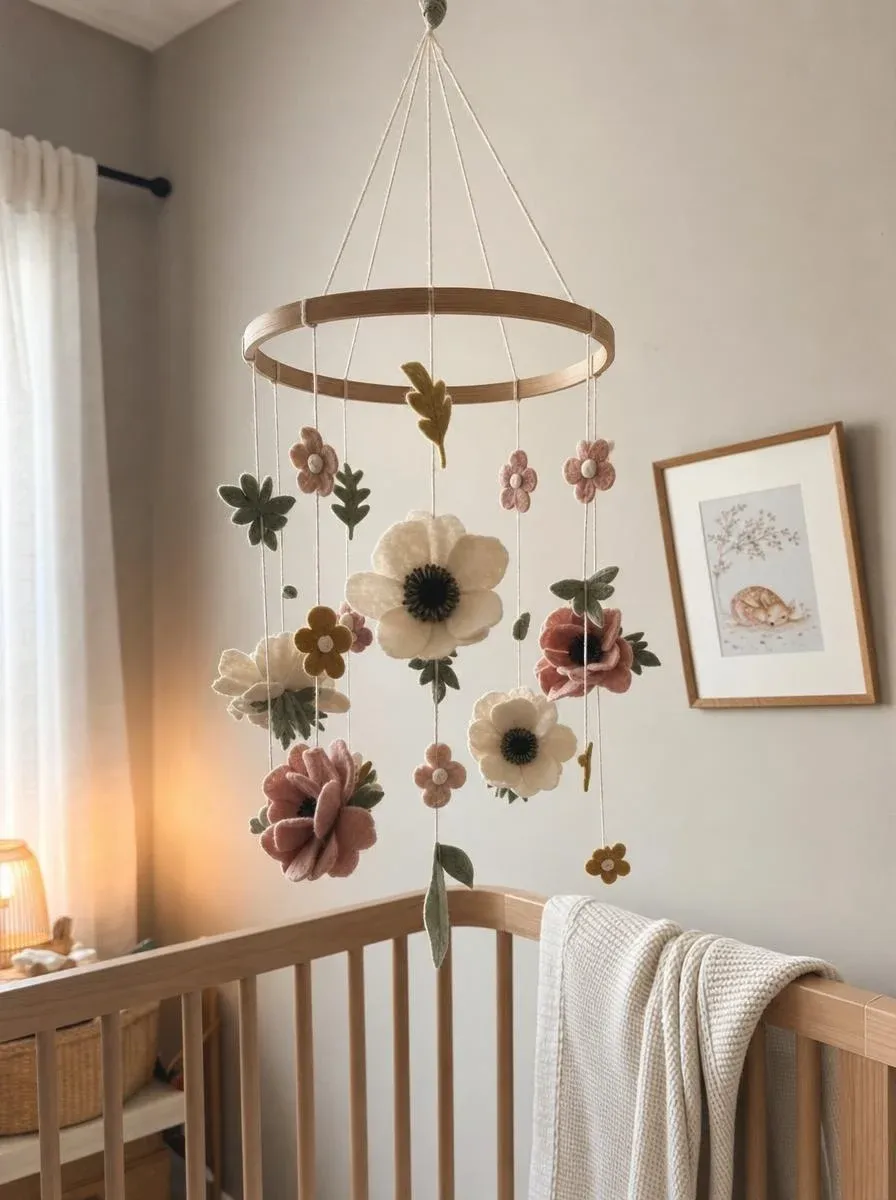
A felt flower mobile is a sweet nursery project, often around $14 with roughly ten small felt anemones. Hang lightweight blooms from a wood hoop with soft yarn. Safety Note: keep the mobile securely fastened and well out of the baby’s reach, and remove it once your baby can push up on hands and knees or by about 5 months, whichever comes first. Skip loose beads and tiny parts. It suits a soft scheme like a sage green nursery.
15. Felt Flower Hair Clips and Gift Toppers
Small felt blooms make fast, low-cost gifts. Glue a flower to a plain hair clip, or tie one onto a wrapped package as a reusable bow topper. These are a great way to use up felt scraps and leftover blooms from bigger projects, and the same scraps carry over to seasonal makes like felt Christmas decorations. A bulk pack of clips and a handful of flowers can become a stack of party favors in one sitting.
DESIGNER TIP: Make a few extra blooms in one sitting. Loose felt flowers become quick gift toppers, place cards, and last-minute accents.
KEY TAKEAWAY: Napkin rings, a nursery mobile, and clip-on blooms use small felt scraps to make low-cost, personal gifts.
Where Felt Flowers Go Wrong
Most felt flowers that look cheap share a few fixable habits. Fix these and your blooms jump from craft-fair to keepsake.
❌ Leaving petals flat → ✅ Cup, curl, and slit every petal so it catches light like a real bloom.
❌ Using stiff acrylic felt for layered flowers → ✅ Switch to wool-blend felt that drapes and holds a shaped curl.
❌ Visible hot-glue strings and stray beads → ✅ Use a low-temp glue gun, glue in thin dabs, and tuck centers to hide seams.
❌ One flat shade per flower → ✅ Tint petal edges a shade darker with pastels and set the color with hairspray.
KEY TAKEAWAY: Flat petals, stiff acrylic felt, visible glue, and single-shade color are the four habits that make felt flowers look cheap.
What You’ll Spend
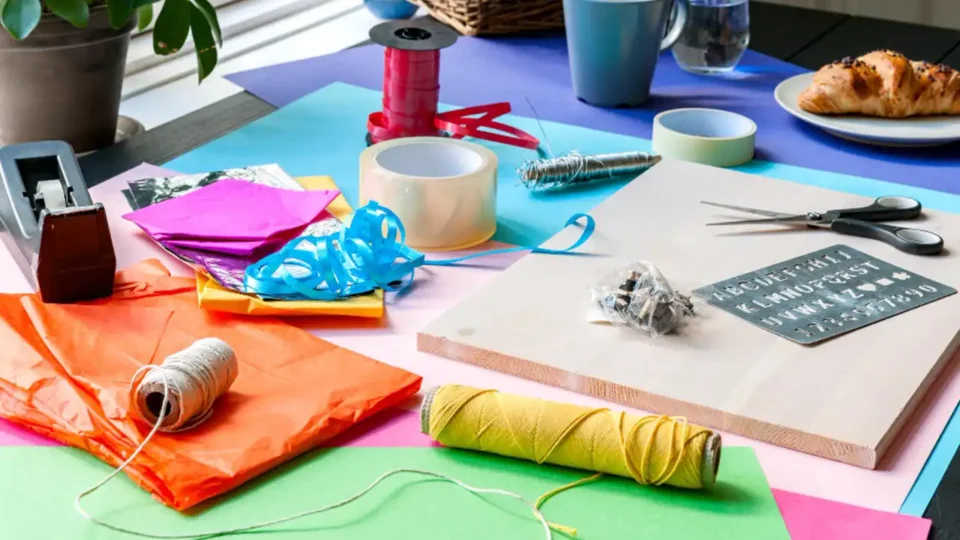
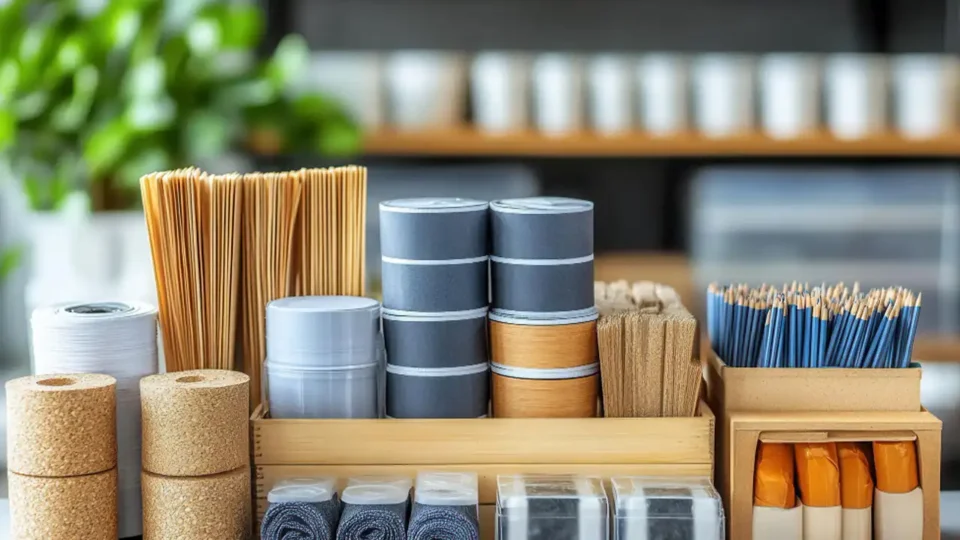
Felt flowers are a low-cost craft, and most projects share one small kit of felt, scissors, hot glue, and floral wire. The ranges below are typical estimates and shift with brand, color, and pack size.
| Project | Estimated Cost | Impact Level |
|---|---|---|
| Single felt flower (materials) | $0.50-$2 each | Very High |
| From-scratch beginner supply set | $40-$75 | High |
| Pre-cut felt flower kit (bouquet or wreath) | $25-$55 | Medium |
| 100% wool felt for heirloom blooms | $45-$117 / pack | Medium |
Best First Upgrade: A 10-sheet wool-blend felt bundle, about $16 to $18, gives you the colors and the drape to make almost any flower on this list.
Skip for Now: Hold off on full 100% wool felt packs until you sell or gift enough flowers to justify the heirloom-level price.
KEY TAKEAWAY: A small wool-blend felt bundle and a basic tool kit cover most felt flower craft ideas for well under the cost of a single fresh bouquet.
Felt Flowers for Nurseries, Weddings, and Sunny Windows
A few settings need extra thought. For a nursery, treat the mobile as the one piece with real safety rules. Small detached parts, such as beads, wire, or tiny centers, are choking hazards for children under three under the U.S. small-parts safety rule. Keep every part firmly attached and the mobile out of reach.
For a wedding, felt shines as an everlasting bouquet that survives the whole day and becomes a keepsake. Build it a little each night in the weeks before, since layered peonies and roses take time. For more reception details, our DIY wedding decor ideas cover the rest of the table.
For sunny rooms, watch for fading. Material Note: keep felt flowers out of direct sunlight, since strong light can pull color from fabric blooms over time. Dust them dry with a soft duster, a cool hairdryer, or compressed air, and never wet them, since water can distort felt and lift glue. If you store extra wool blooms, keep them clean in a sealed container, because clothes-moth larvae prefer soiled wool. A tidy sewing room storage setup keeps spare felt safe between projects.
KEY TAKEAWAY: Nursery mobiles need choking-safe parts and out-of-reach placement, while sunny-room blooms last longest kept dry and out of direct light.
Frequently Asked Questions
Conclusion
Felt flower craft ideas reward a few small habits more than any fancy tool. Choose wool-blend felt, shape every petal, add a touch of edge color, and wire a stem. A flat single-layer flower and a shaped, edge-tinted, layered one come from the same felt sheet, yet only one looks real. That gap is all technique, and technique is learnable in an afternoon.
Start with one rolled rose to build confidence, then work up to a peony or a small bouquet. Because felt never wilts, the blooms you make this weekend can decorate a mantel, a door, or a nursery for years. For more make-it-yourself projects, keep 101 Home Decor close as you plan your next piece.