The Sink Is the Part of the Bathroom You Use Most
For years I specified glossy vessel bowls on every bathroom I touched. They photographed beautifully. Then I watched the same clients scrub a ring of grime where the bowl met the counter, month after month, and quietly stopped loving them.
That is the honest tension behind most bathroom sink ideas: the basin that wins the photo is rarely the basin you enjoy at 7 a.m. A bathroom sink is the fixture you touch more than any other in the room, so it has to look right and stay easy to clean.
Here is the short answer. The best bathroom sink for daily use is an undermount or integrated basin, because both wipe clean in one motion and keep the counter line quiet. A statement sink still earns its place, but in 2026 that means warm fireclay, carved stone, or a matte-color basin, not a clear-glass bowl perched on a tall counter.
This guide walks through every sink style, the materials that last, the sizing and faucet rules that prevent mistakes, and where the trend is heading. The sink sits on your vanity, so plan both together with our bathroom vanity ideas hub. Everything here covers decor and styling choices, not plumbing work. If you are pulling a whole room together, start with our home decor inspiration.
Bookmark this guide for quick reference.
| Quick Takeaways | |
|---|---|
| Best all-rounder | An undermount basin gives clean lines, wipes straight in, and needs a stone or quartz top. |
| Small spaces | Wall-mounted or pedestal sinks keep the floor clear in powder rooms and half baths. |
| Statement look | Fireclay, carved stone, or a matte-color basin beats a glossy glass bowl. |
| Easiest to clean | An integrated sink-and-counter is one piece, with no rim or seam to scrub. |
| Skip | The clear-glass vessel on a tall counter dates fast and traps grime at the base. |
Bathroom Sink Checklist: Settle These Before You Buy
Run through these seven points before you order anything. They stop the two most expensive mistakes: a sink that will not fit your counter, and a faucet that will not fit your sink.
- Match the sink style to your countertop: an undermount basin needs stone or quartz, while a drop-in suits laminate.
- Measure the vanity first: a 36-inch cabinet takes a 20-24 inch wide basin with 5-8 inches of depth.
- Drop the vanity to about 30-32 inches if you want a vessel, so the rim lands near a usable 34-36 inches.
- Count your faucet holes before buying: single-hole, 4-inch centerset, or 8-inch widespread.
- Pick a material you will actually maintain, since natural stone needs sealing and copper builds a patina.
- In a powder room, choose a wall-mounted or pedestal sink to keep the floor visible.
- Coordinate the drain and faucet finish with your towel bars and other hardware.
KEY TAKEAWAY: Choose your sink around your countertop and your cleaning habits first. The look matters, but a basin you fight to clean stops feeling special within a month.
Why the Statement Bowl Is Losing to the Sink You Can Clean
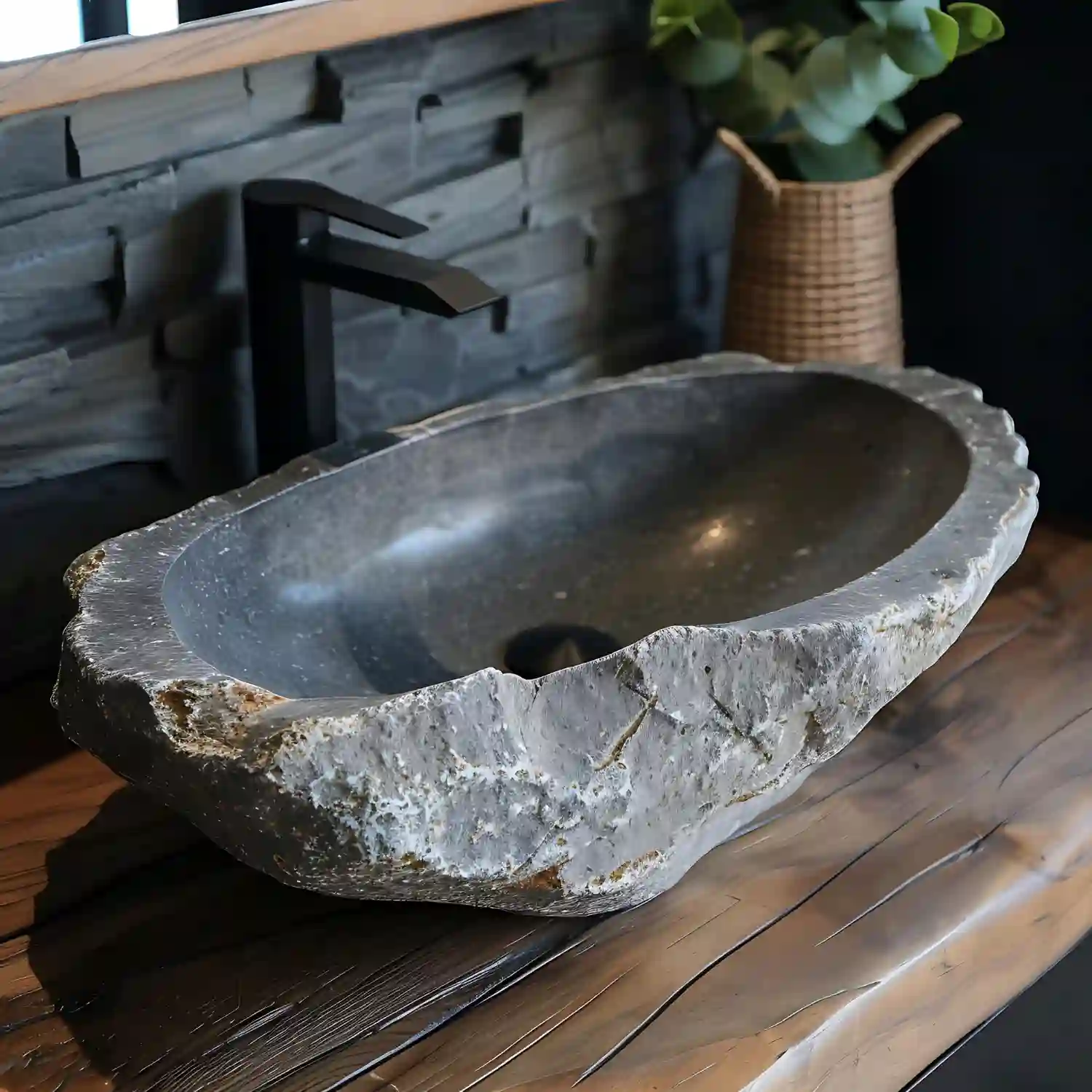
The vessel sink defined 2010s bathrooms. A bowl on the counter felt fresh and hotel-like, and it still shows up across more bathroom design ideas. The problem is practical, not just visual. The seam where a vessel meets the counter collects dust, mildew, and grime, and that curved base is awkward to reach with a cloth.
Designers are shifting toward basins that read as part of the room instead of an object placed on top of it. In its roundup of 2026 sink and faucet trends, Houzz points to integrated one-piece basins and sculptural stone forms leading the new look, alongside bold color from makers like Laufen and Kohler. The move is toward fewer seams and warmer materials.
This does not kill the statement sink. It changes what a statement sink is. A hand-finished fireclay basin, a carved travertine trough, or a matte terracotta bowl still turns a vanity into a focal point, which fits the warmer direction of our 2026 bathroom design trends. The difference is that these feel material-forward, not gimmicky, and most sit lower and clean more easily than the old glass bowl.
Signs This Shift Is Real:
- Manufacturers now lead with integrated and undermount basins in their 2026 collections.
- Warm fireclay, stone, and matte-color finishes are replacing clear tempered glass.
- Powder rooms increasingly pair a slim wall-mounted basin with one sculptural faucet.
The Main Bathroom Sink Styles, and Who Each One Suits
Eight sink styles cover almost every bathroom. Each one solves a different problem, so match the style to your space and how the room gets used, not to a trend alone. For design ideas across the rest of the home, our room-by-room inspiration covers every space.
Undermount Sink

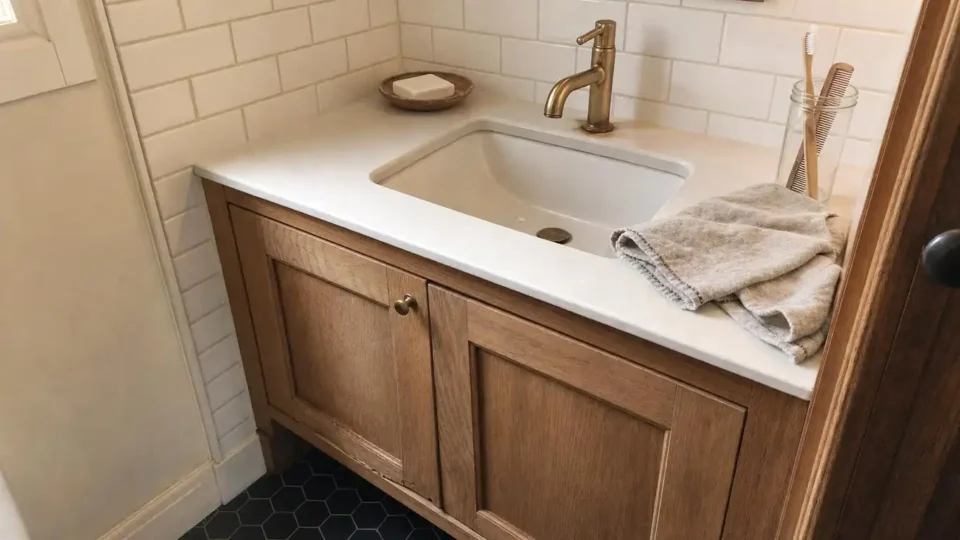
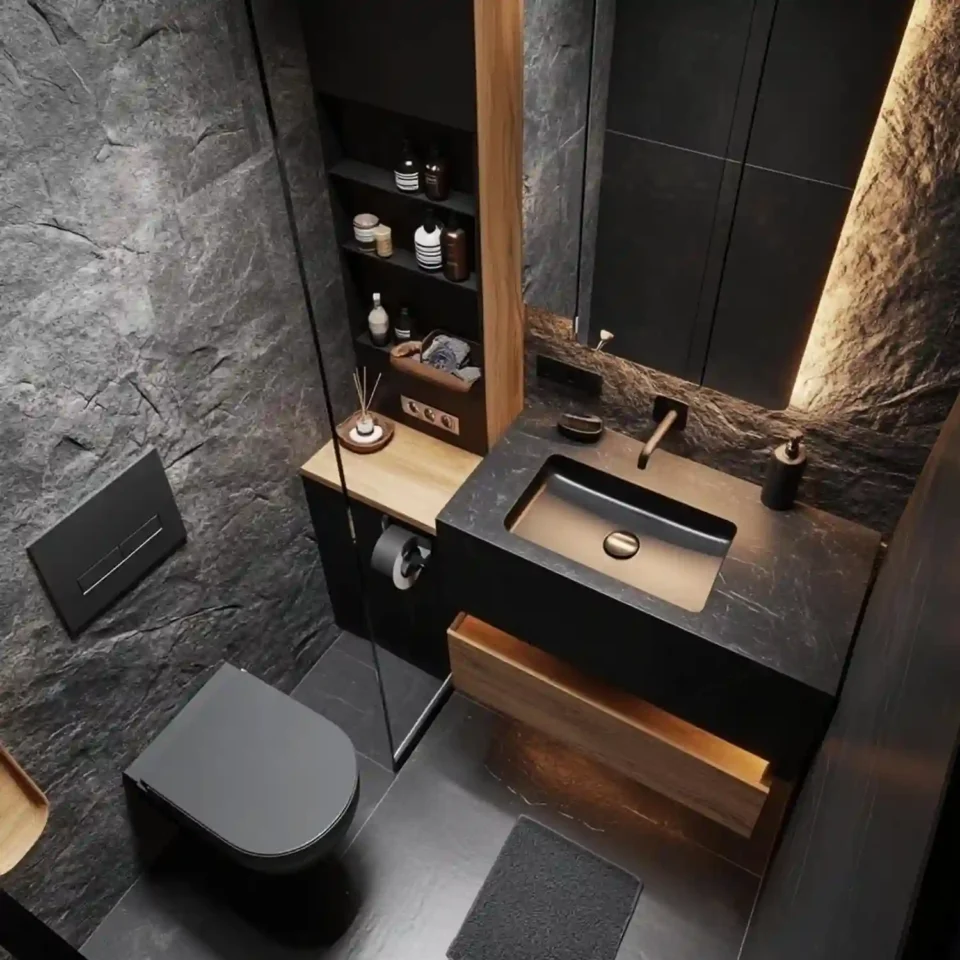
An undermount sink mounts below the counter, so water wipes straight off the stone into the basin with no rim in the way. This is the cleanest-looking and easiest-to-wipe option for a main bathroom. It needs a solid-surface top such as quartz, granite, or marble, and it should be professionally sealed. It suits a modern bathroom or a transitional vanity where you want a quiet, uninterrupted counter line.
Drop-In (Self-Rimming) Sink
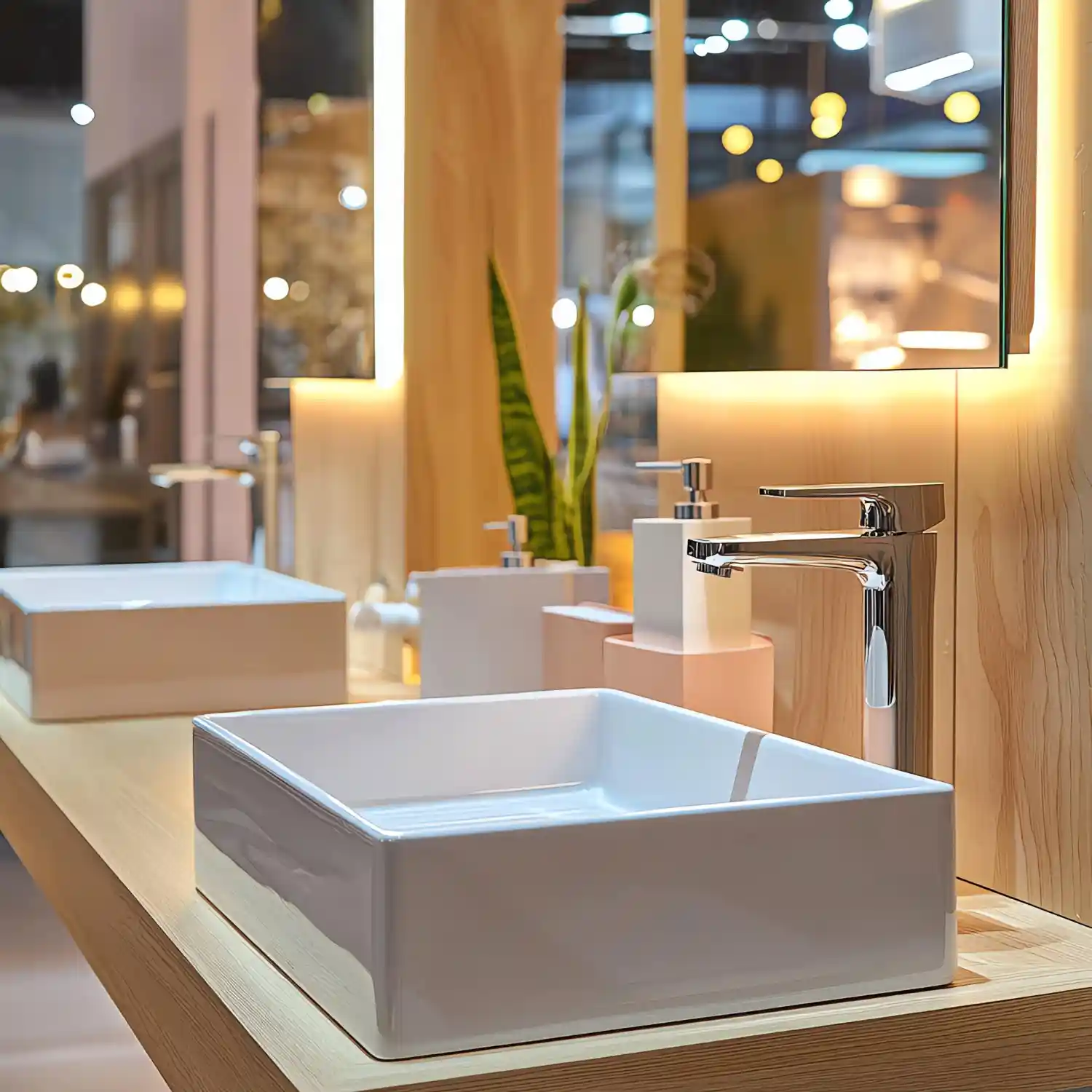
A drop-in sink rests in a cut-out with its rim sitting on the counter. It is the budget-friendly, DIY-friendly choice, and the only real option for a laminate top. Installation is fast and swaps are cheap, which makes it ideal for a rental or a quick refresh. The trade-off is the visible rim, which collects a thin line of grime you have to wipe around.
Vessel Sink
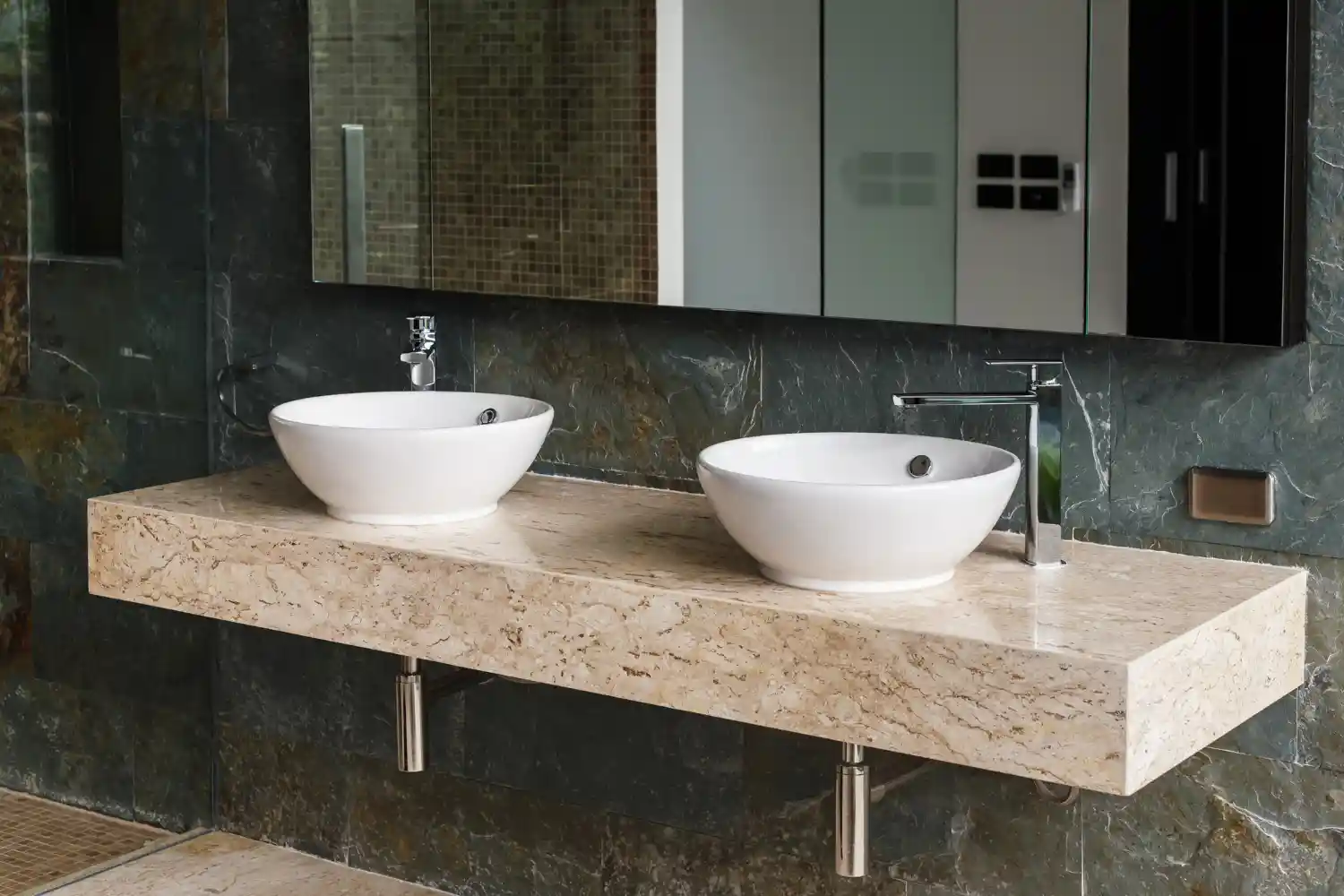
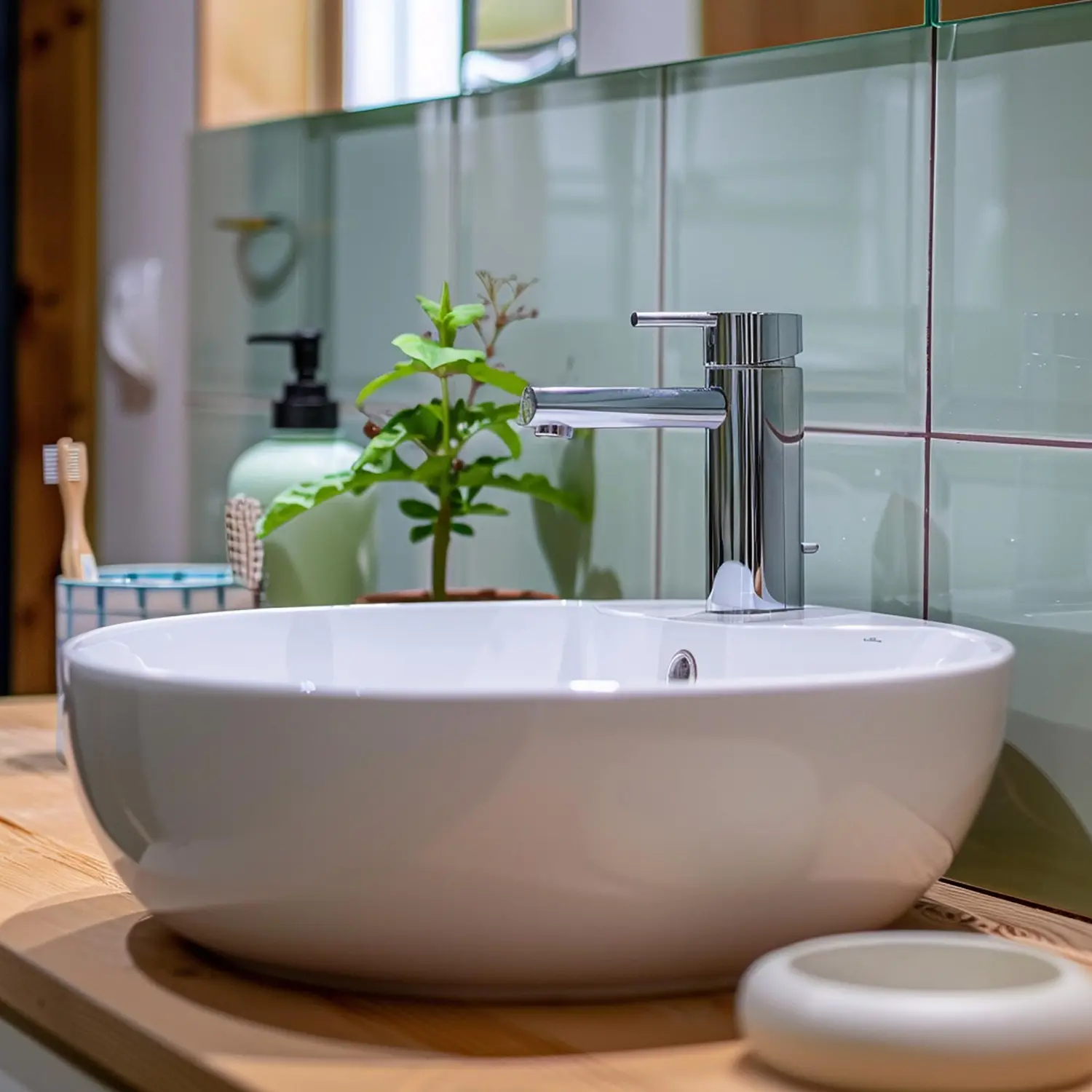
A vessel sink sits fully on top of the counter like a bowl. It still works as a bold, sculptural moment in a half bathroom or powder room. Studio McGee notes the exposed edges can chip and the added height can feel too tall for shorter users, so plan the vanity height carefully. Lower the cabinet to about 30-32 inches so the rim lands near 34-36 inches, and pick a warm fireclay or stone bowl over clear glass.
Integrated Sink-and-Countertop
An integrated sink is molded as one continuous piece with the countertop, usually in porcelain, solid surface, or a mineral composite. It is the easiest sink to clean because there is no rim, seam, or joint anywhere. The look is seamless and quietly modern, which is why it leads many 2026 collections. The one downside is a gently sloped surface that trims a little flat counter space.
Pedestal Sink
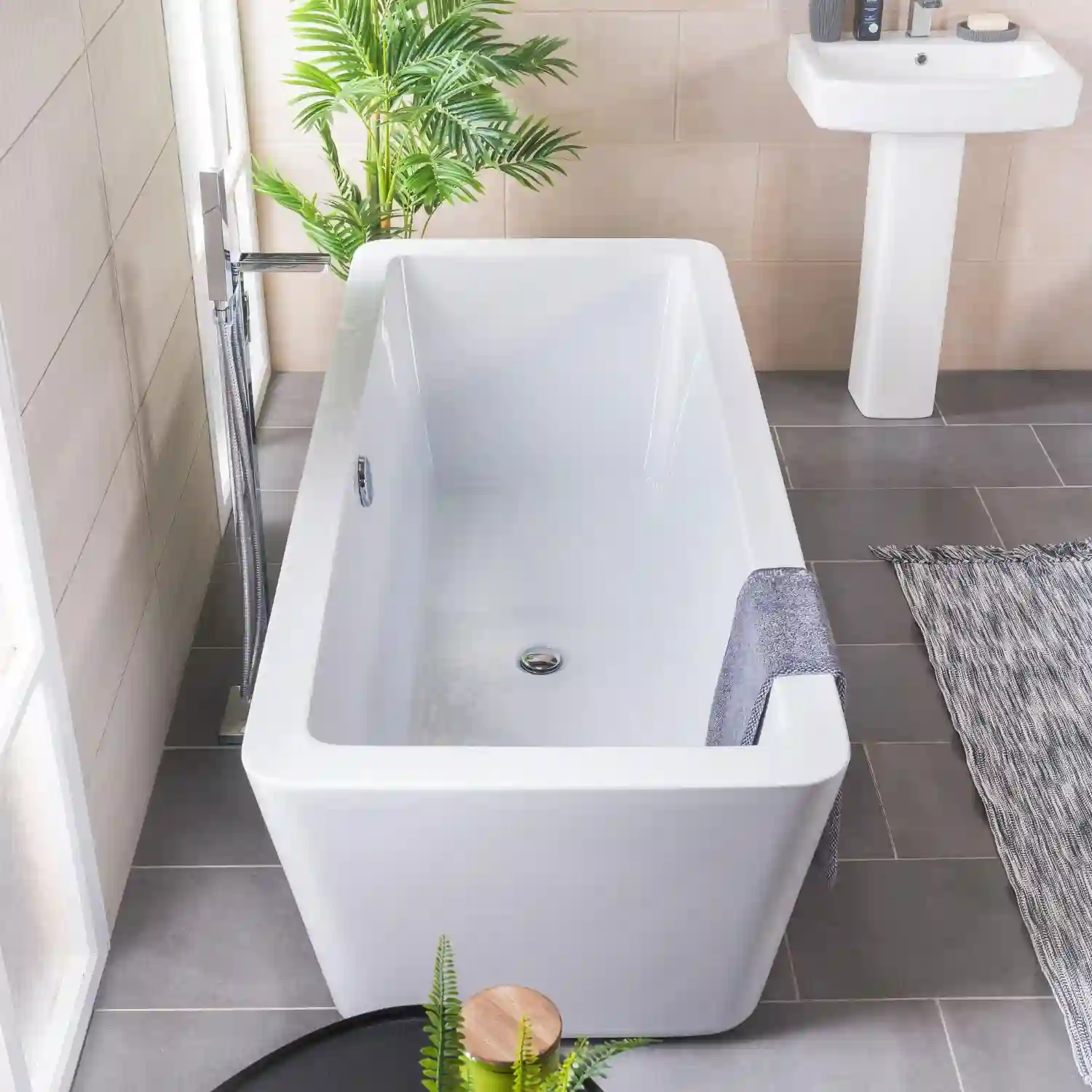
A pedestal sink is a basin on a slim column that hides the plumbing. It suits period, traditional, and cottage bathrooms, and it keeps a tight powder room from feeling boxed in. The clear cost is storage: there is no cabinet and almost no counter to set things on. Choose it when the room is small and the look matters more than stashing supplies.
Wall-Mounted (Wall-Hung) Sink
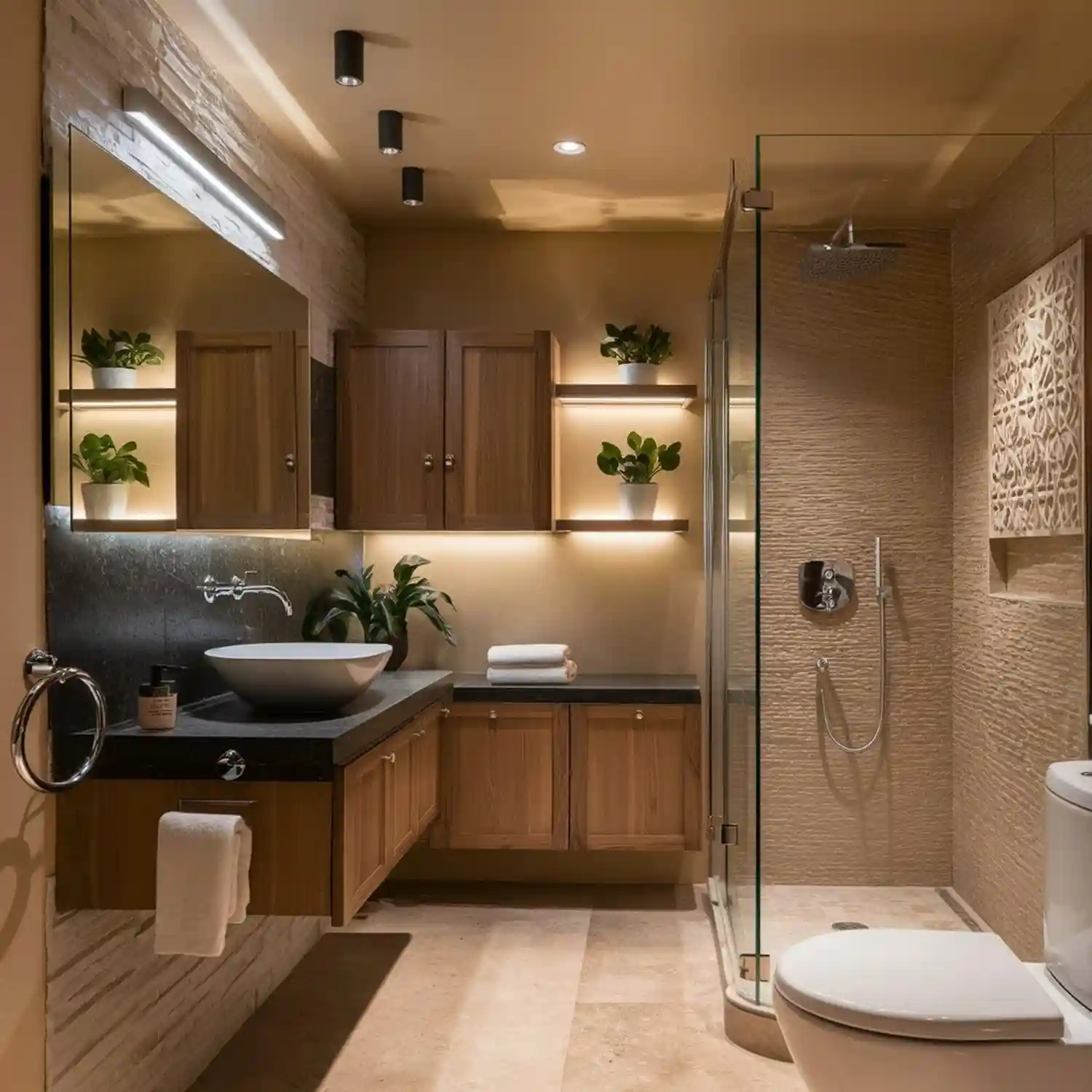
A wall-mounted sink fixes straight to the wall with open space beneath, giving the smallest footprint of any style. The clear floor makes a small bathroom feel larger and supports easier access. Because it carries real weight and water, the wall needs solid blocking behind it, which is a job for a plumber. Pair it with a floating shelf below for the storage it lacks.
Console Sink
A console sink sits on two or four legs, often in metal, so it feels lighter than a full cabinet. It gives you more counter than a pedestal plus an open shelf underneath for folded towels or a basket. Studio McGee recommends it for adding storage and texture without eating floor space. It looks polished in a guest bath or a mid-size main bathroom.
Trough or Double Sink
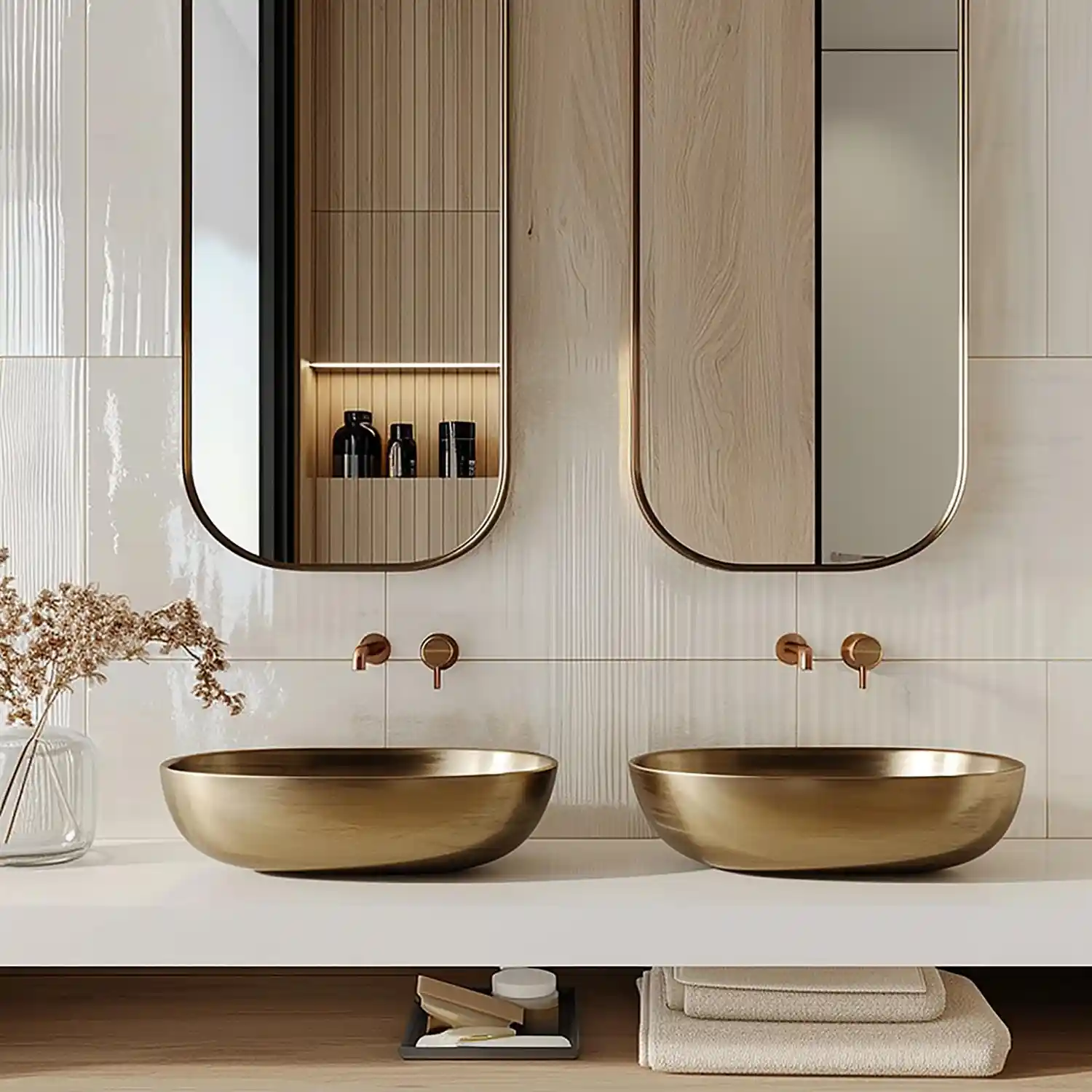
A trough sink is one long basin, and a double sink is two basins side by side. Both let two people share the vanity, which matters in a busy family or primary bathroom. A trough with two faucets is sleek and, as Studio McGee puts it, easy to clean because there is one continuous bowl. You need at least 60 inches of vanity width for a comfortable double setup.
Which Bathroom Sink Materials Actually Last?
Material decides how the sink ages, not just how it looks on day one. Vitreous china and porcelain are the default for good reason: they are hard, non-porous, and wipe clean with a soft cloth. Fireclay is a denser ceramic that resists chips and scratches, which is why an apron-front fireclay basin suits a farmhouse bathroom or a heavy-use family bath.
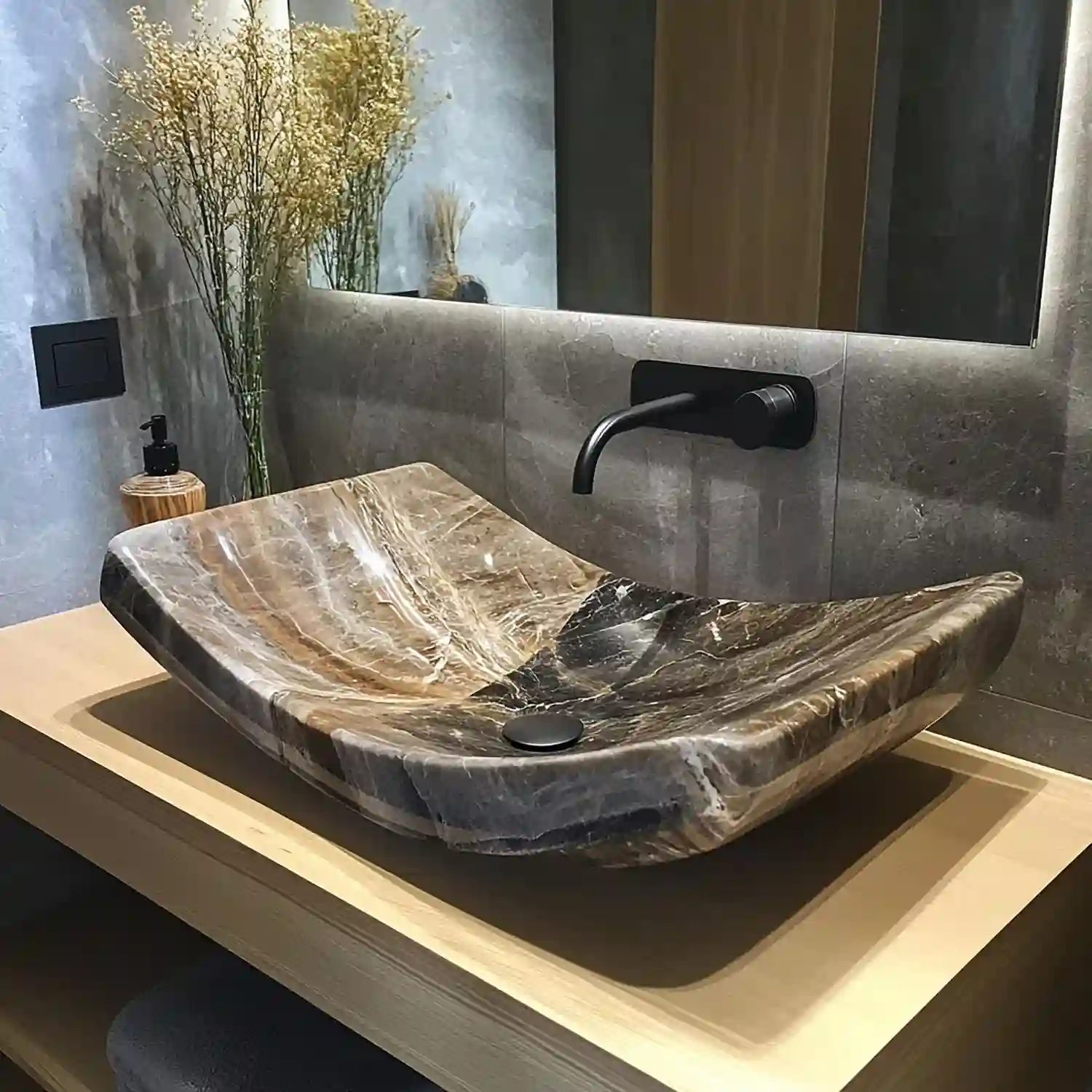
Natural stone basins in marble or travertine bring real drama and weight. Material Note: natural stone is porous, so it needs periodic sealing to resist water stains and soap etching. Concrete offers a matte, custom look but also needs sealing and can hairline-crack over years. Solid surface and quartz composite give you the seamless integrated look with easy upkeep and no sealing.
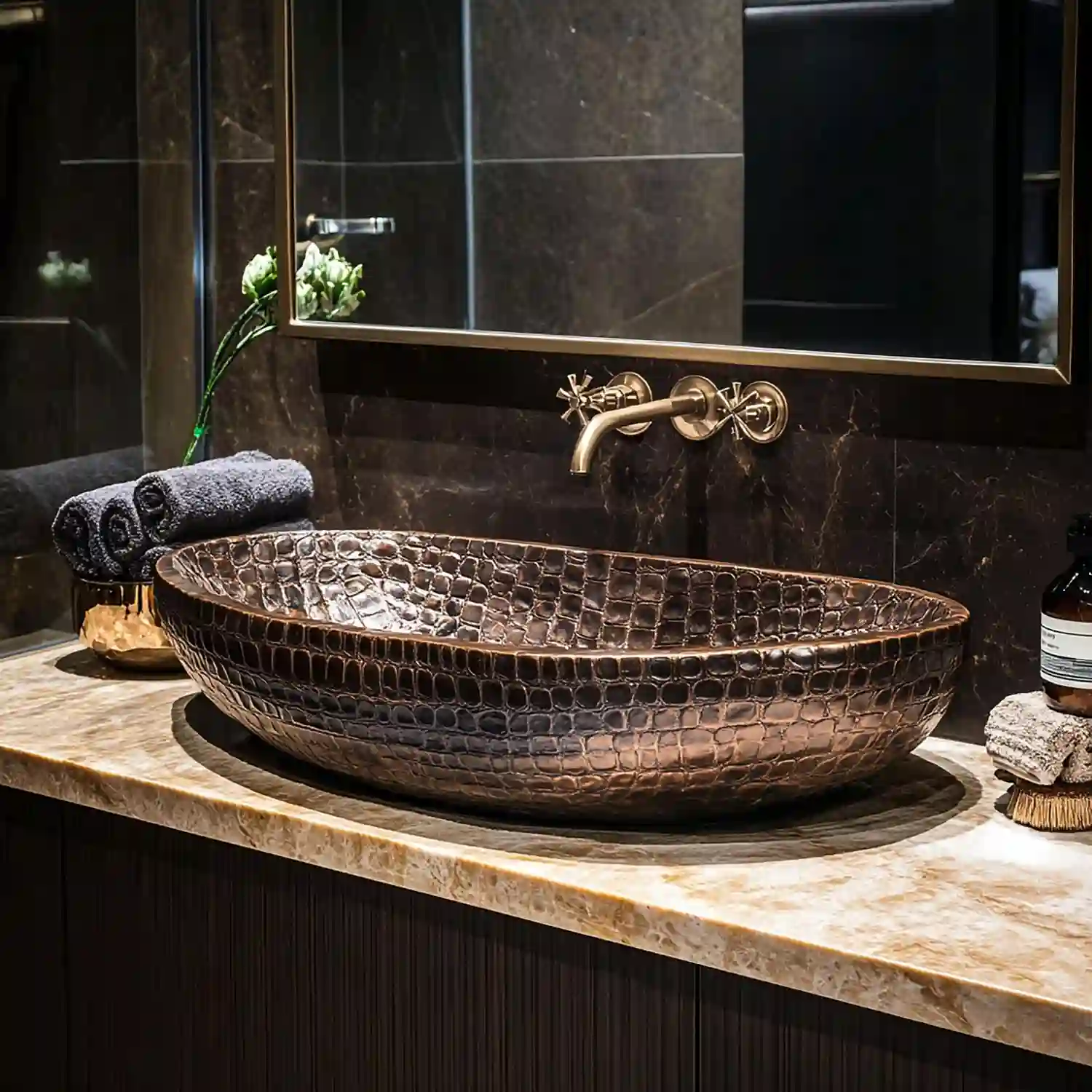
Metal and glass are the specialty picks. Hammered copper resists bacteria and develops a living patina, though it reacts to harsh cleaners. Tempered glass looks striking but shows every water spot and toothpaste splash, which is a large part of why the glass vessel is fading. Choose the material you are willing to maintain, because the prettiest basin fails fast if its care routine does not match your life.
| Material | Best For | Upkeep |
|---|---|---|
| Vitreous china / porcelain | Everyday main and family baths | Low — wipe clean, no sealing |
| Fireclay | Heavy use, statement basins | Low — very chip resistant |
| Natural stone / marble | Luxury, focal-point vanities | High — seal regularly |
| Solid surface / quartz | Seamless integrated sinks | Low — no sealing needed |
How Do You Match Sink Size, Height, and Faucet?
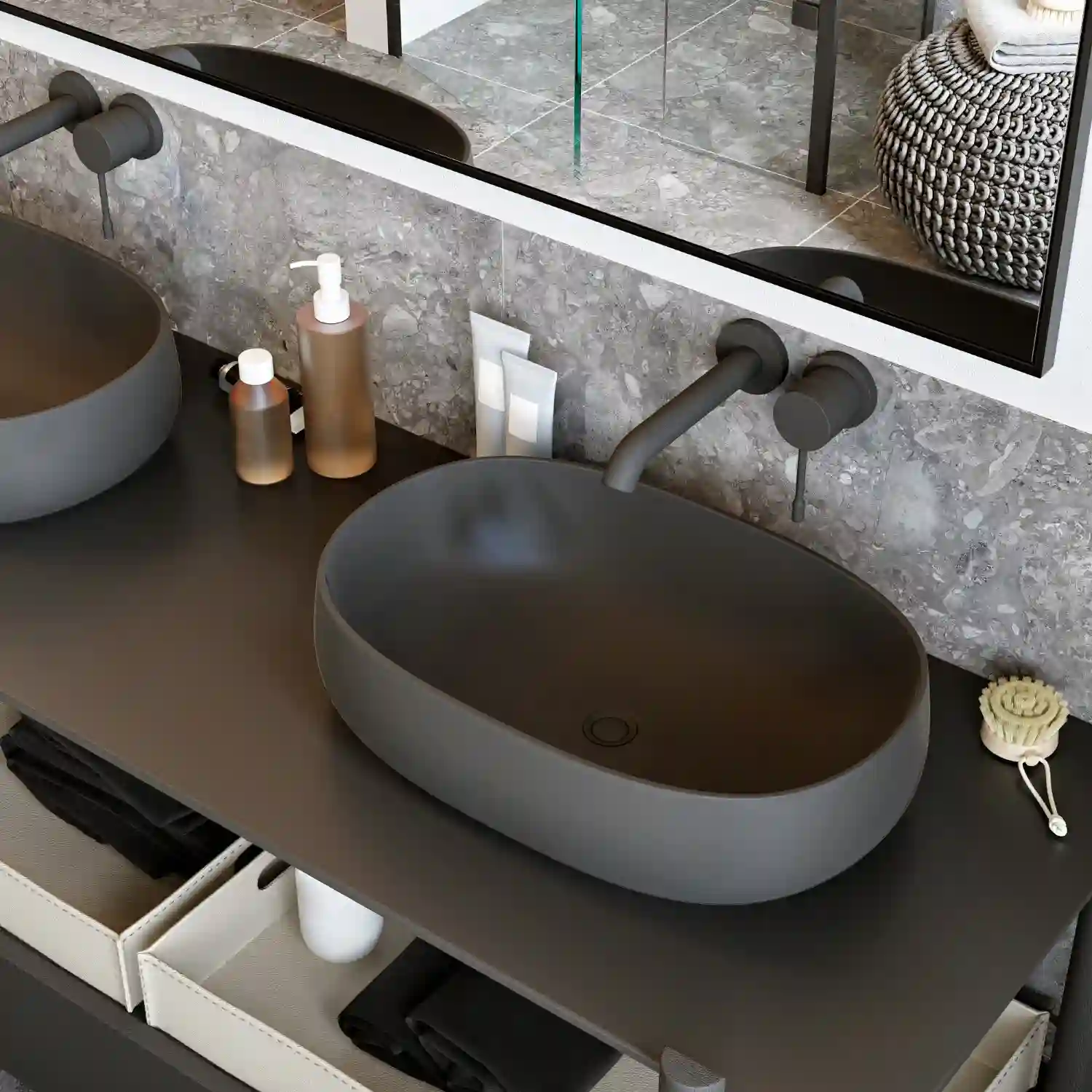
Sizing is where good bathroom sink ideas fall apart in practice. A standard drop-in basin runs about 16-24 inches wide, 12-20 inches front to back, with a 5-8 inch bowl depth. A 36-inch vanity comfortably takes a 20-24 inch wide sink. Shallower bowls near 5-7 inches cut splashing and help children and shorter users reach the drain. Water still reaches the wall, so pair an active basin with practical bathroom backsplash ideas to protect it.
Height is the detail people miss with vessels. A standard vanity is about 32-36 inches tall. A vessel adds its own height on top, so the cabinet has to drop to roughly 30-32 inches to keep the working rim usable. Get this wrong and the sink feels like a mixing bowl on a kitchen island.
Faucet fit is the last checkpoint, and it is simple once you know the three options. Faucet holes come in three standard layouts — single-hole, a 4-inch centerset, and an 8-inch widespread. Match the faucet drilling to the sink before you buy, since a widespread faucet will not fit a single-hole basin. A wall-mounted faucet is a fourth path that frees the counter but must be roughed into the wall by a plumber.
DESIGNER TIP: Buy the sink and faucet together, or at least confirm the hole count and spread in writing, so the two arrive as a matched pair.
What You’ll Spend
Sink prices swing widely by material and style. The ranges below cover the basin only. Installation, the faucet, and any plumbing are separate and belong with a licensed plumber, especially for undermount sealing or a wall-hung mount. For the rest of the room, our complete bathroom ideas guide covers the bigger plan.
| Project | Estimated Cost | Impact Level |
|---|---|---|
| Drop-in ceramic sink | $50-$150 | Medium |
| Undermount vitreous china basin | $120-$350 | High |
| Fireclay or carved stone basin | $300-$900 | High |
| Integrated stone or quartz sink-top | $500-$1,500 | Very High |
Best First Upgrade: If you already have a stone or quartz top, swapping a dated drop-in for an undermount basin gives the biggest visual gain for the money.
Skip for Now: Do not add a second sink or a double vanity unless two people genuinely share the mirror at the same time each day.
Where Sink Choices Go Wrong
The most common mistake is choosing a sink for the showroom photo and ignoring the counter it has to live on. An undermount basin on laminate cannot be sealed properly and will fail, so it needs a stone or quartz top. Confirm your countertop material before you fall for a style.
The second mistake is skipping the height math on a vessel sink. People install a bowl on a full-height vanity, then find the rim sits too high for comfortable washing. Drop the cabinet to about 30-32 inches first, then choose the bowl.
A third slip is buying the sink and faucet separately and discovering the hole count does not match. A widespread faucet needs three holes and a single-hole basin has one, so they cannot be forced together. Match the drilling before you order.
The last one is picking a material with a care routine you will not keep. A glass vessel or unsealed marble looks perfect for a week, then shows every spot and stain. Be honest about how much wiping and sealing you will actually do, and pick accordingly.
The Bottom Line
Designer’s Verdict: For a main bathroom, install an undermount or integrated basin in fireclay, vitreous china, or quartz — it keeps the counter line clean and wipes down in seconds. Save the sculptural vessel for a powder room, and choose warm stone or fireclay over glass when you do.
The sink also sets the tone for the hardware around it. Once the basin is chosen, coordinate the drain and faucet finish with your bathroom towel bar ideas so the metals match.
If storage is tight beneath the basin, our guide to under-sink organization makes that cabinet actually work.
Frequently Asked Questions
Conclusion
The best bathroom sink ideas start with your countertop and your cleaning habits, then let the look follow. Pick an undermount or integrated basin for daily ease, save a warm fireclay or stone statement sink for the powder room, and you will have a sink that still feels right long after the trend cycle moves on. For more ways to pull the room together, browse our home decor inspiration.
Next Steps
- Measure your vanity width, depth, and height, and confirm your countertop material.
- Decide undermount, integrated, or statement basin based on how the room is used.
- Count your faucet holes and choose a matching single-hole, centerset, or widespread faucet.
- Set a basin budget, then book a plumber for undermount sealing or a wall-hung mount.
More Bathroom Vanity Ideas
- Bathroom Mirror Ideas: Why the Right Mirror Is Your Highest-Impact Upgrade
- Bathroom Lighting Ideas: Why Layered Light Beats a Single Overhead
- Bathroom Cabinet Ideas: Why Warm Wood Beats the White Box
- Walk-In Shower Ideas: Why the Curbless, Doorless Look Won
- Bathtub Ideas: The Freestanding Soaking Tub Now Leads the Room
- Dream Bathrooms: What Do the Best Ones Have in Common?
- Bathroom Curtain Ideas: The Soft Layer Most Bathrooms Skip