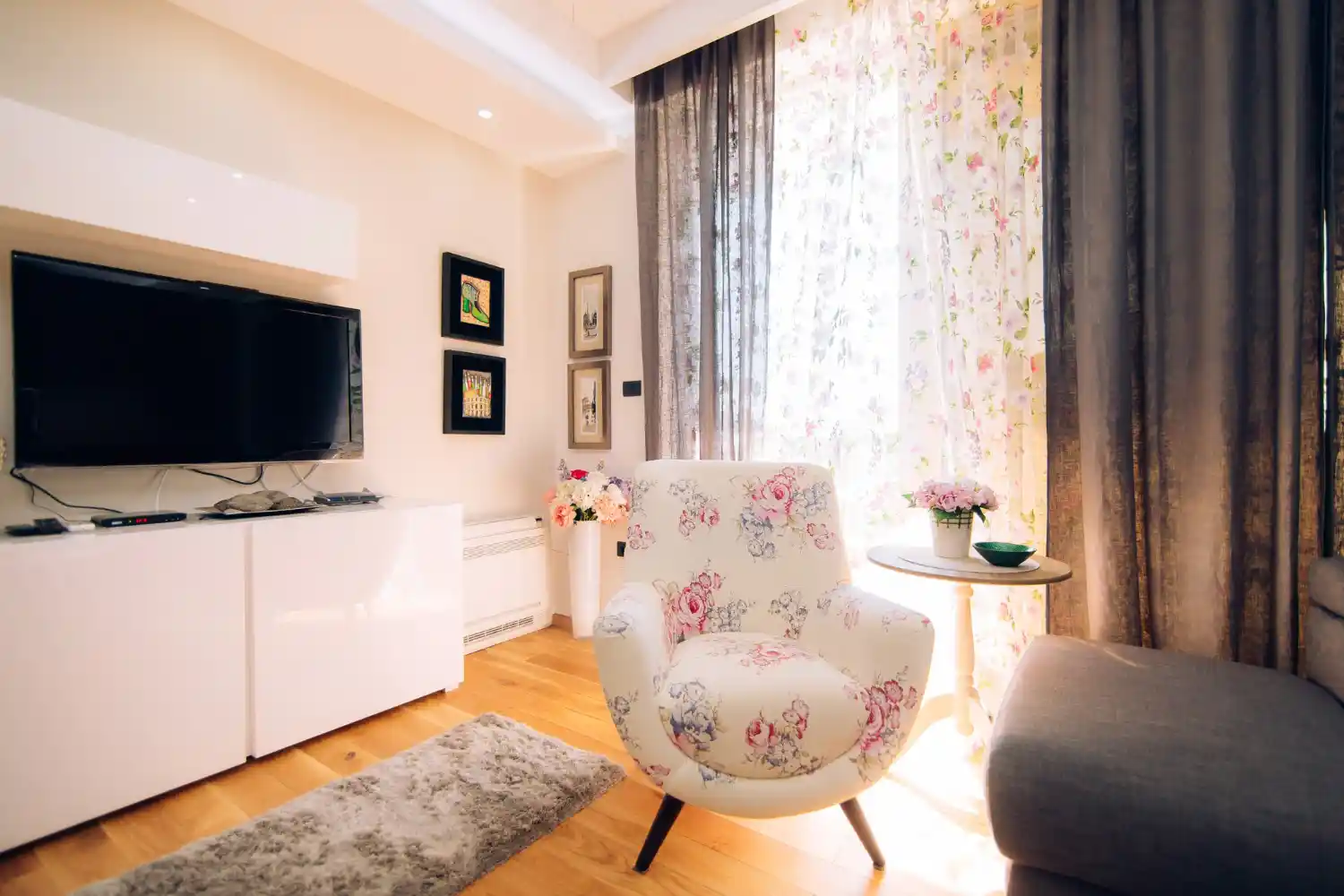
Why Does One Small Apartment Feel Bigger Than Another?
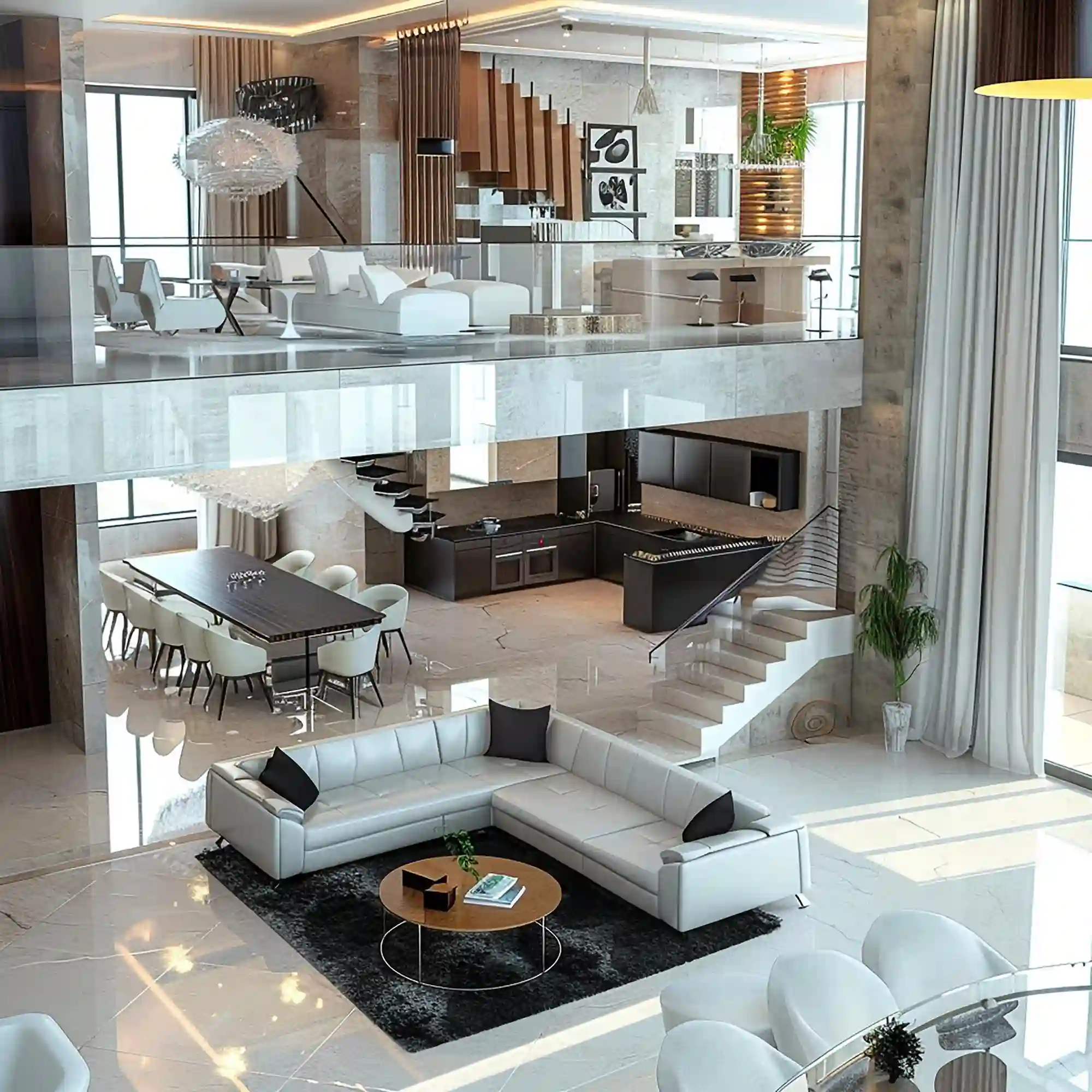
Why does one small apartment feel open and expensive while another the exact same size feels cramped and cheap? The answer is rarely square footage. It is how the space is zoned, scaled, and lit. If you have looked around your rental and thought it feels smaller than it should, you are not alone.
The smartest one bedroom apartment ideas make a small footprint feel bigger and look expensive without a renovation. Use one calm color palette, a few right-sized pieces, a large mirror across from the window, and layered warm lighting. Add a rug that fits, curtains hung high, and hidden storage. Together these moves stretch the space and lift the whole look on a renter budget.
Editorial field note: a one-bedroom often feels tight because ten small objects sit on every surface and one harsh ceiling light flattens the room. Clear the surfaces, swap in two warm lamps, and the space calms down before any furniture changes. This guide covers all 16 one bedroom apartment ideas, from zoning and storage to the expensive-looking details. For a full room-by-room plan, start with our bedroom ideas by room and who they’re for. You can also browse more creative small-apartment ideas or our full library of home decor inspiration. Bookmark this guide for quick reference.
1. Split the Space Into Two Clear Zones
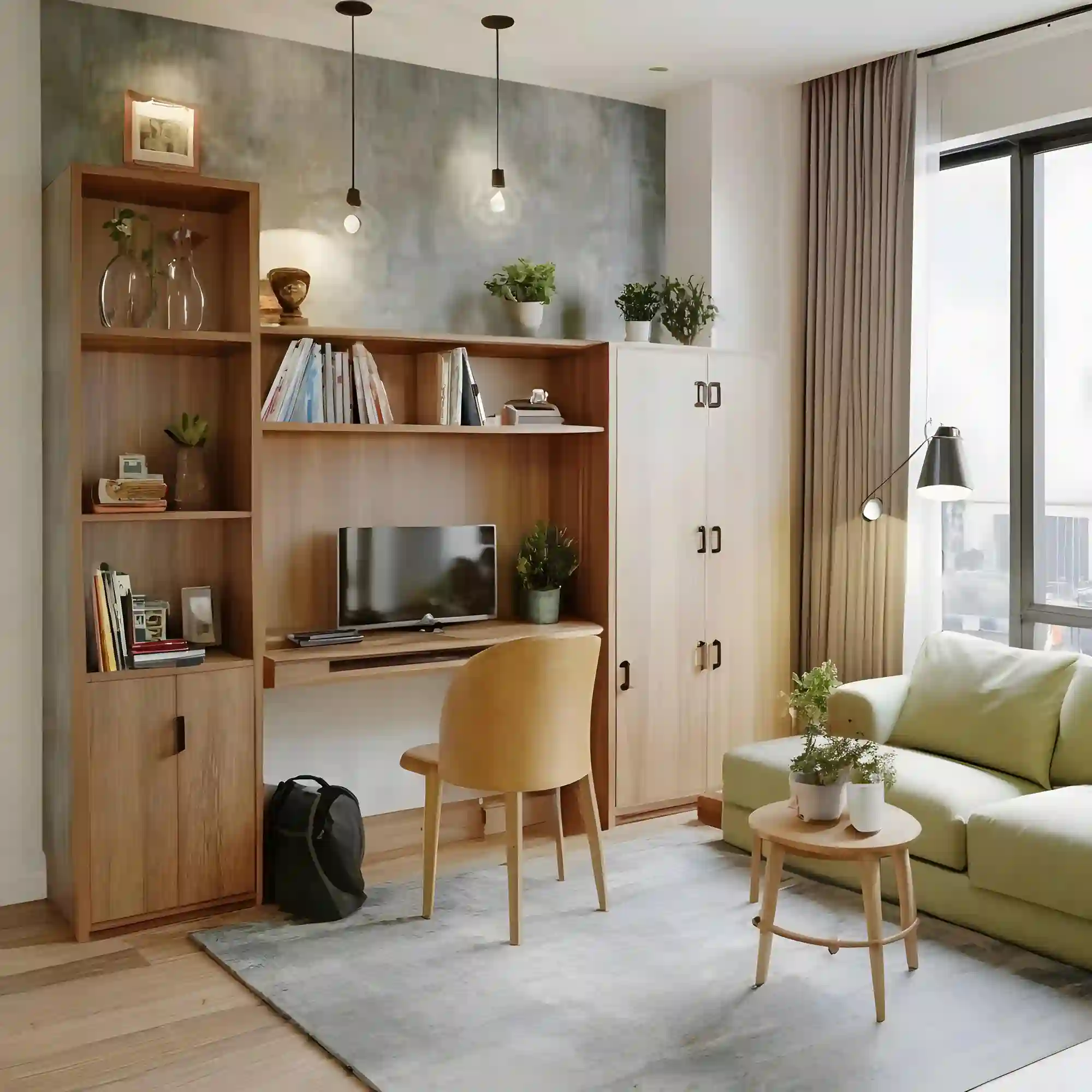
An open one-bedroom lives better when the living area and the sleeping-adjacent nooks feel like separate rooms. Use a low bookshelf, a slim console, or a large area rug to draw the line between lounging and everything else. Keep any divider under 42 inches so sightlines stay open and the room still feels wide. Face the sofa toward the living zone, not the front door. Clear zones are the first move in most smart studio apartment layout ideas. A defined layout makes a small footprint feel planned, not cramped.
2. Right-Size the Furniture With Fewer, Bigger Pieces
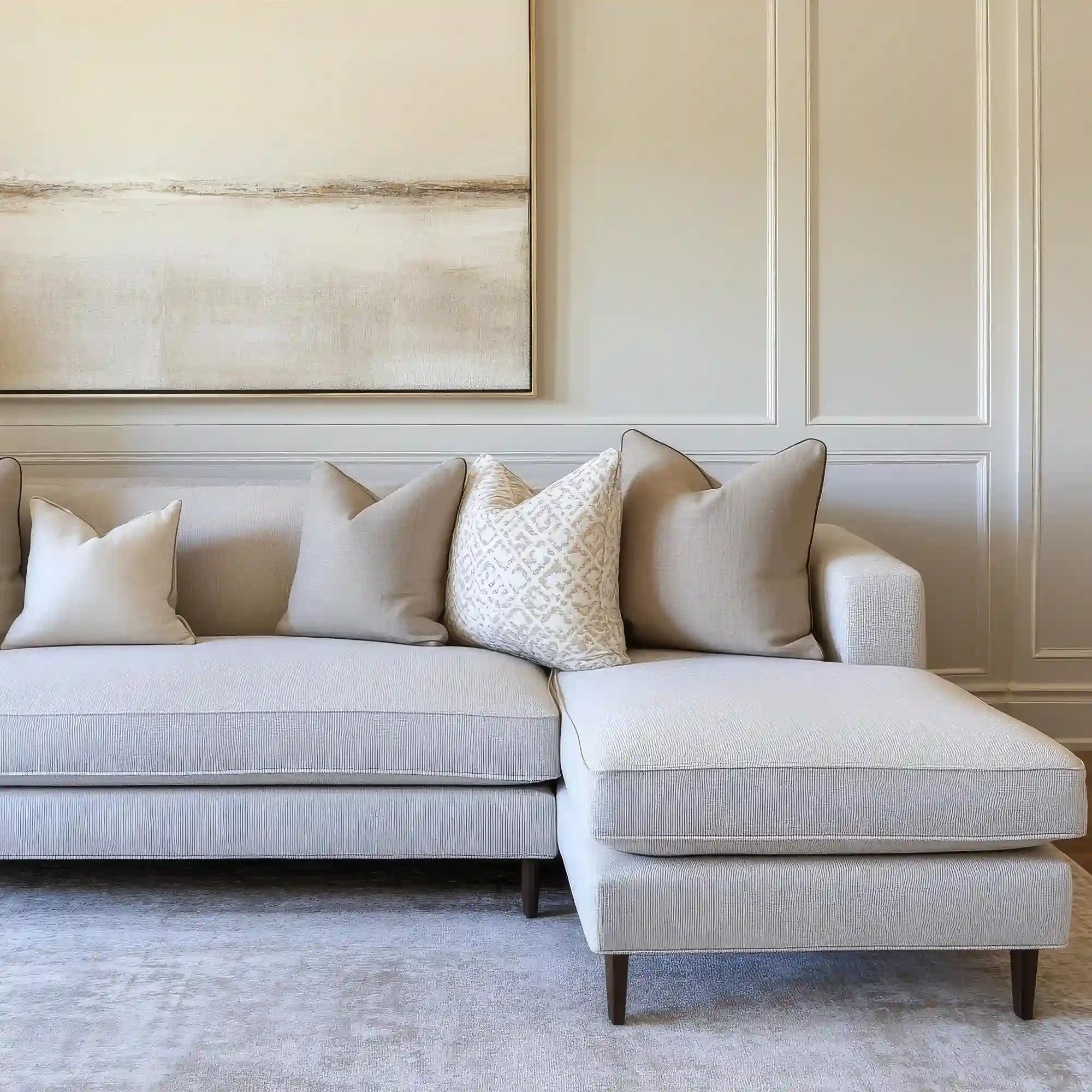
Small rooms do not need small furniture. Ten tiny pieces clutter a room faster than three well-scaled ones. Pick one proper sofa around 72 to 84 inches, one real coffee table, and skip the extra accent chairs that block the walk path. Leave at least 30 inches for walkways so the floor stays open. Choose legs you can see under, since raised furniture shows more floor and looks lighter. Right-scaled furniture is why a spare apartment can still feel expensive instead of dorm-like. Bigger anchor pieces look chosen, not leftover.
3. Hang One Large Mirror Opposite the Window
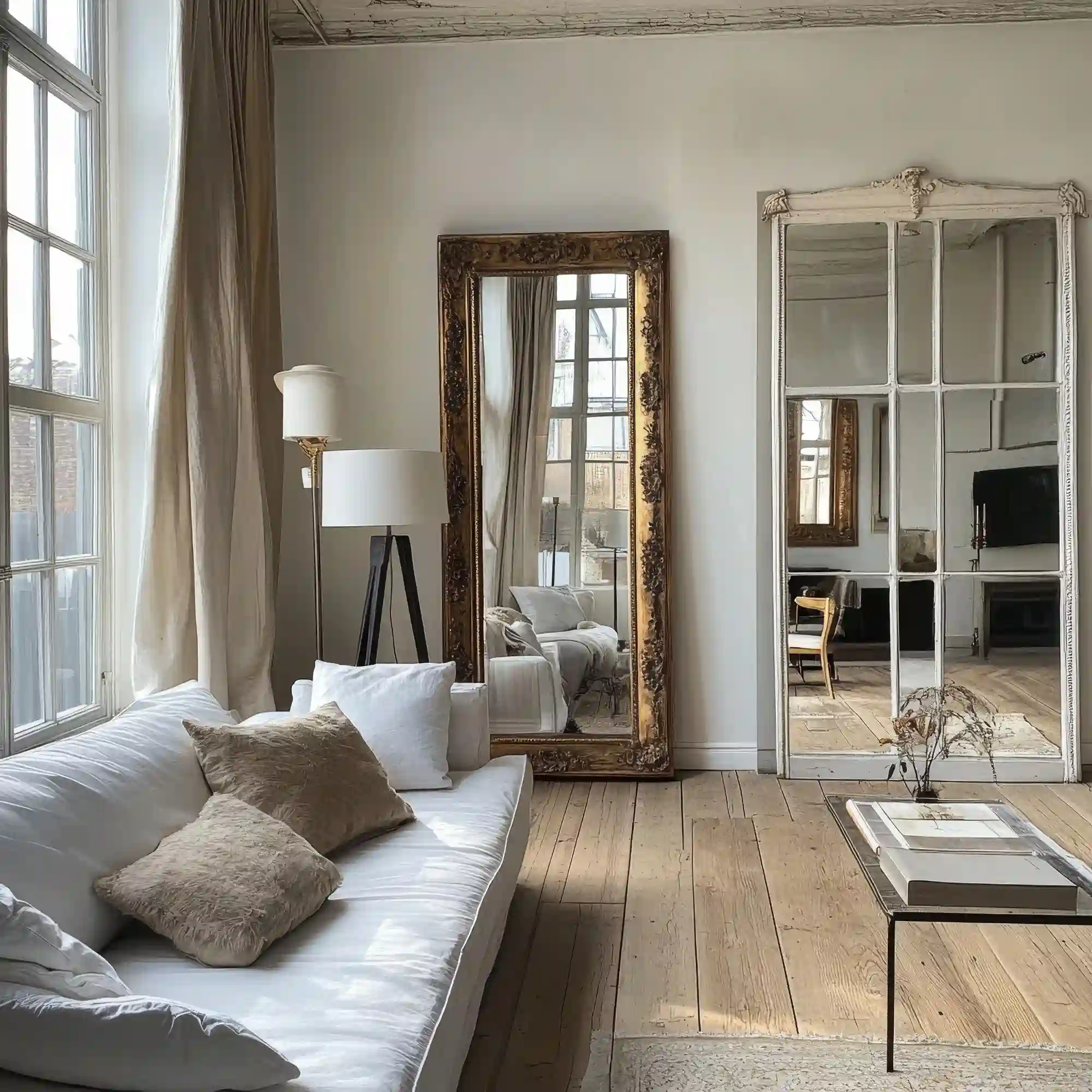
A large mirror is the cheapest way to make one room feel like two. Place a floor mirror or an oversized wall mirror on the wall across from your main window. The glass bounces daylight deep into the room and doubles the sense of space. Aim for a mirror at least 30 by 60 inches for real impact, because small mirrors disappear. A leaning arch mirror in brass or matte black adds an expensive-looking anchor with zero renovation.
DESIGNER TIP: center the mirror opposite the window, not opposite a lamp, so it reflects daylight and the view instead of a bright bulb.
4. Go Vertical With Storage
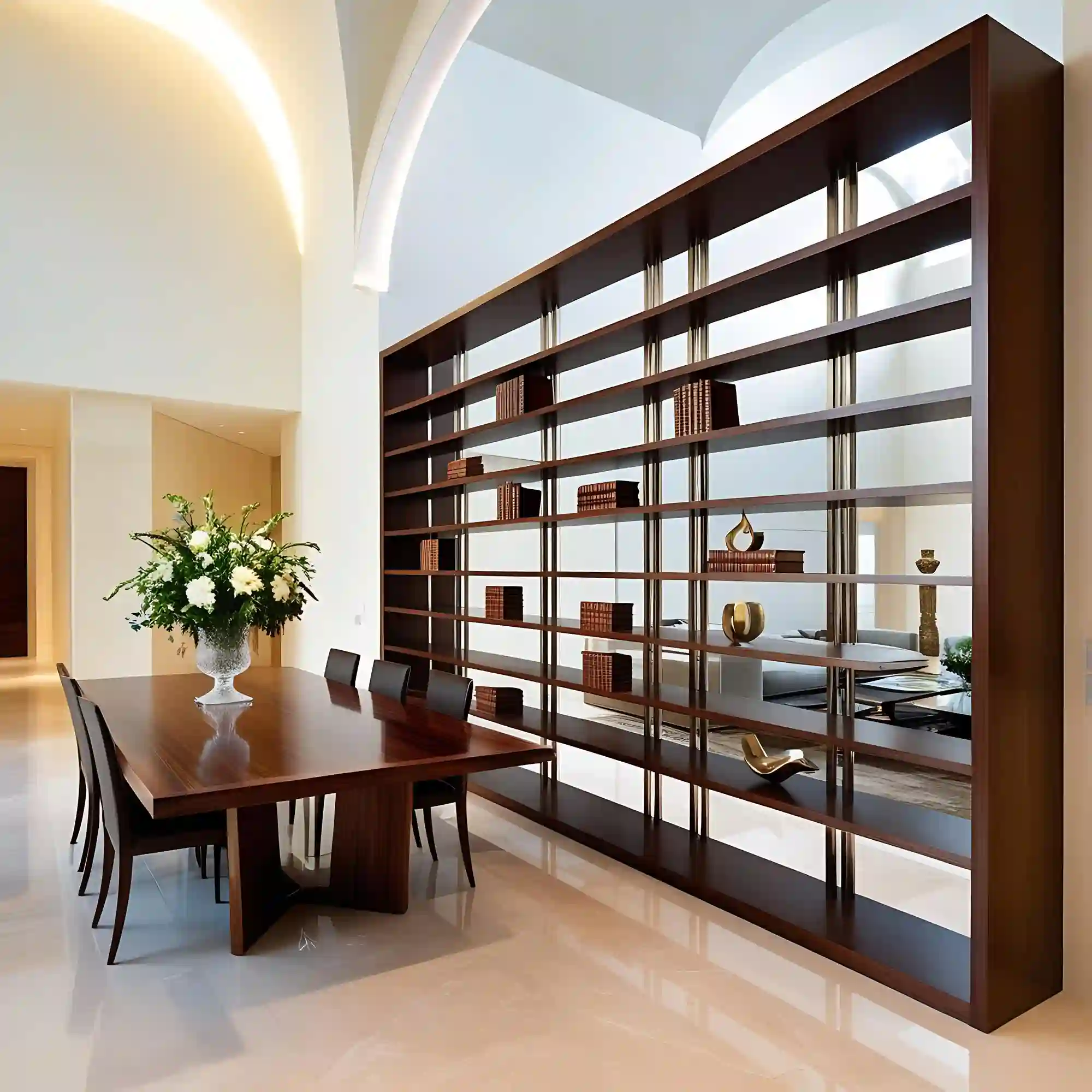
Floor space is limited, so build upward. Tall shelving that runs close to the ceiling pulls the eye up and makes walls feel higher. Use the top shelves for lightweight baskets and bins, and keep daily items at arm height. Wall-mounted shelves and hooks free the floor and cut the clutter that makes small rooms feel tight. A single floor-to-ceiling unit also holds more than three short ones. For a styled look, these bedroom storage ideas that stay stylish hide the mess without adding bulk.
5. Hang Curtains High and Wide
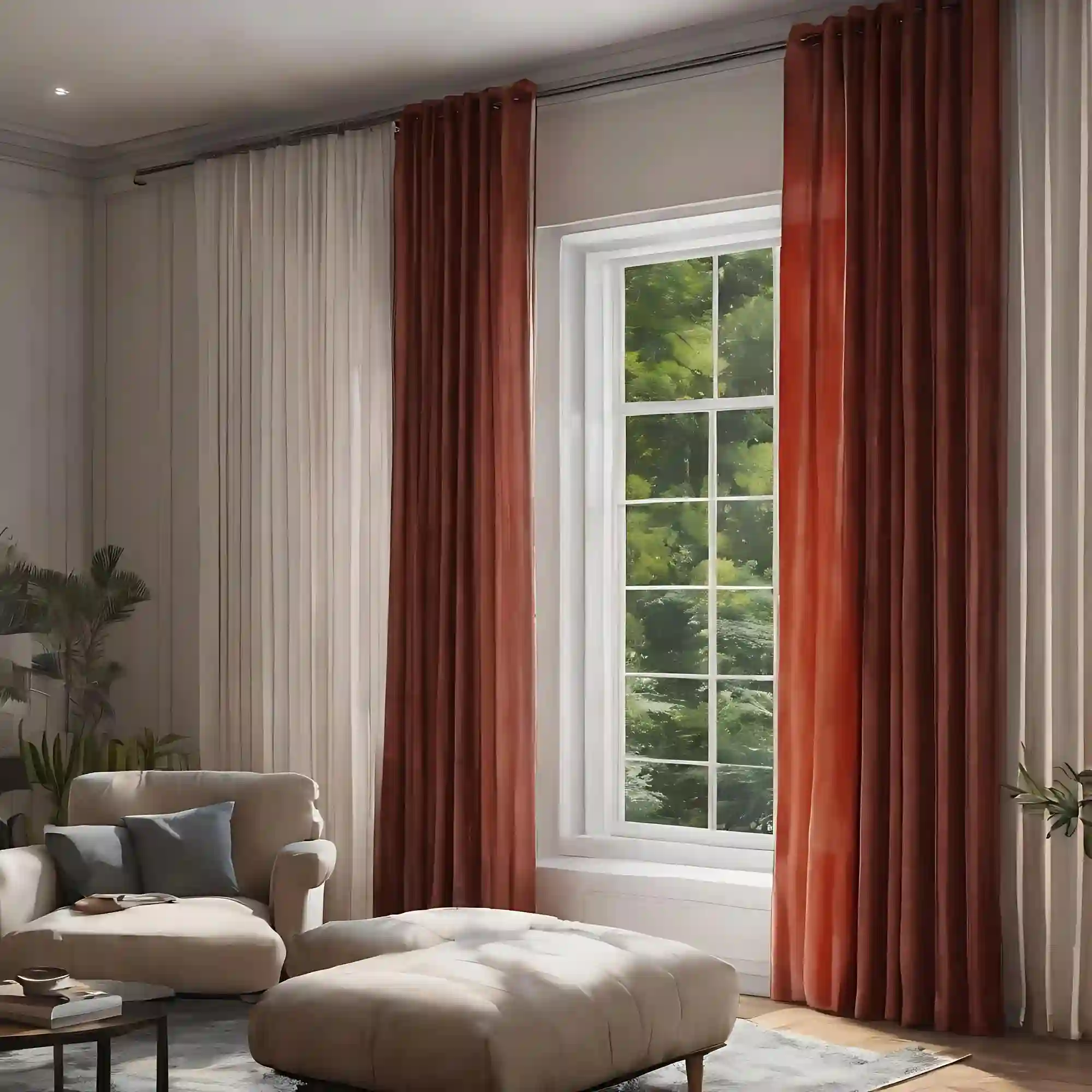
Curtain placement changes how tall a room feels. Mount the rod 4 to 6 inches above the window frame, or higher, near the ceiling, for the biggest lift. Extend the rod 8 to 12 inches past each side so the panels frame the glass instead of covering it. Use floor-length curtains that just kiss the floor, since short curtains cut the wall and shrink the room. Choose linen or cotton in warm cream or soft greige for a soft, expensive drape. High, wide curtains trick the eye into reading taller ceilings.
6. Layer Three Light Sources, Not One
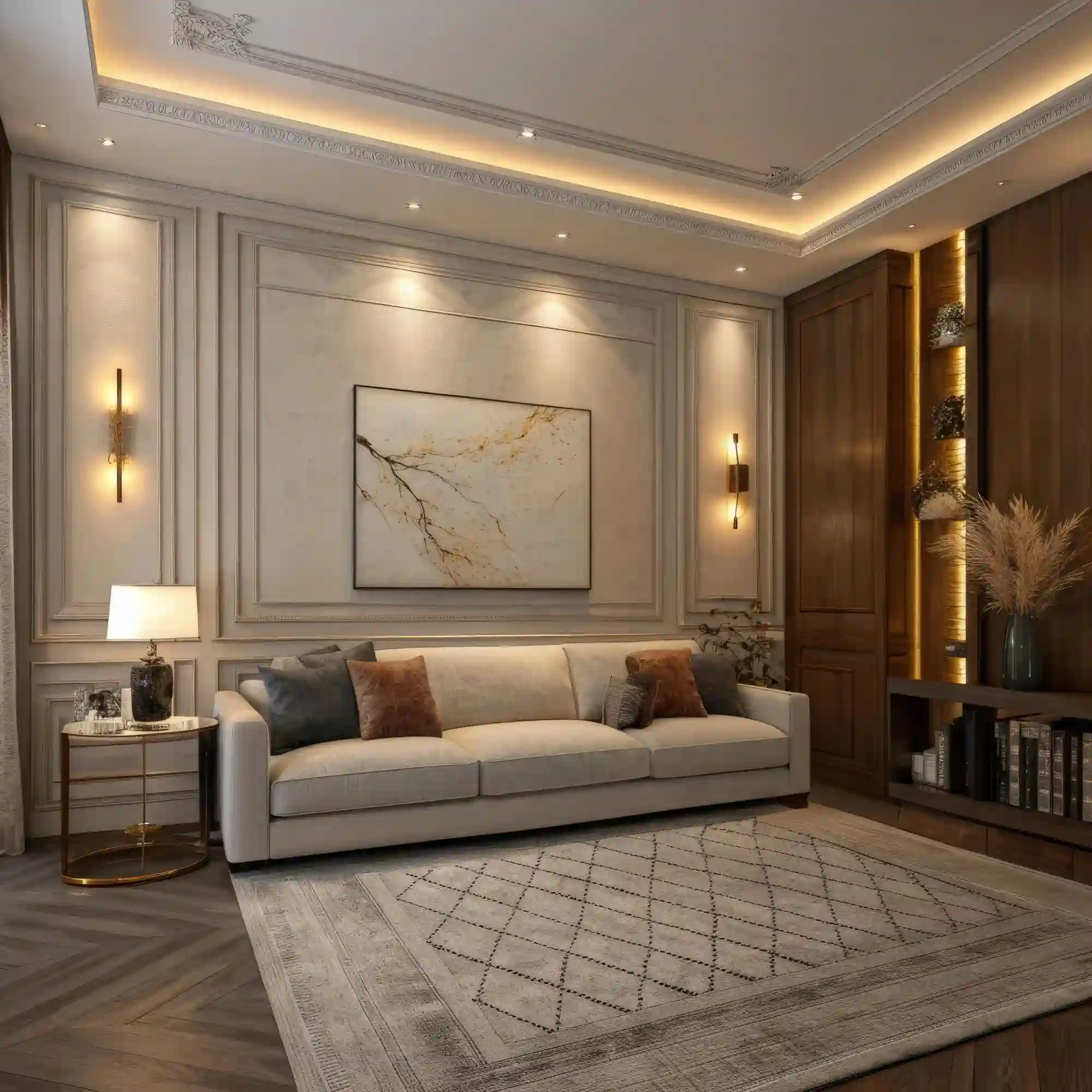
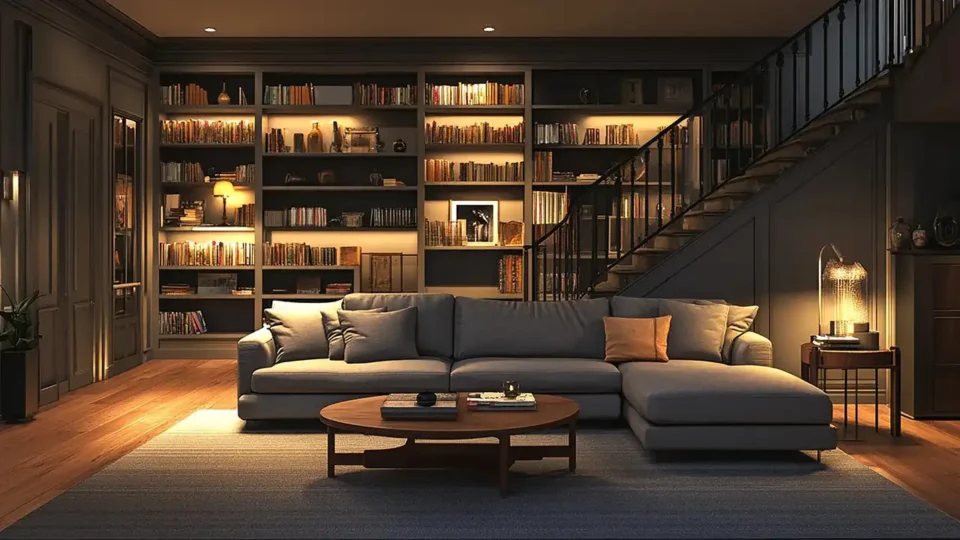
One overhead light flattens a room and casts hard shadows. Layer three warm sources instead: a floor lamp, a table lamp, and a small accent light or LED strip. Use warm bulbs around 2700K, which match the glow of old incandescent lamps; ENERGY STAR recommends these warm color temperatures for living and sleeping spaces. Put lamps on dimmers where you can. Layered, warm-toned lighting is the fastest way to make a rental feel calm and costly. See more cozy bedroom lighting ideas for the same glow.
7. Commit to One Limited Color Palette
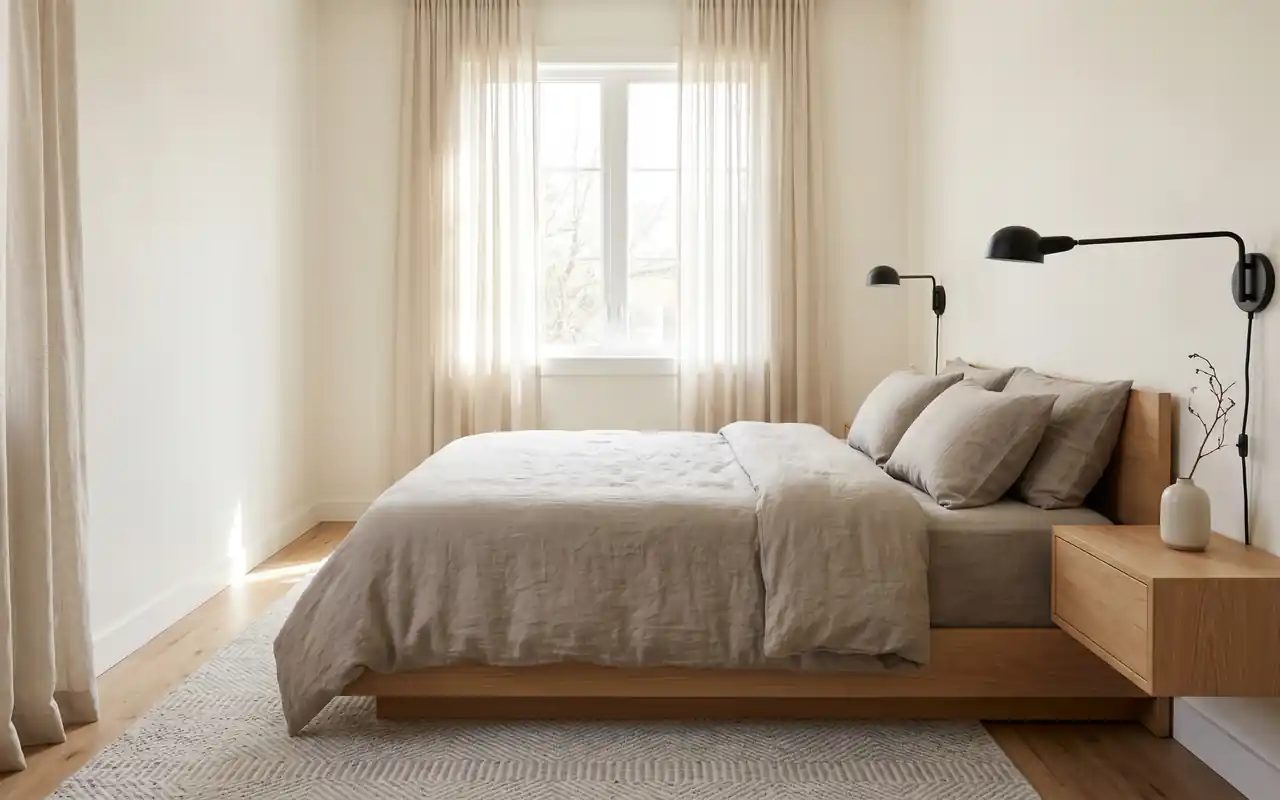
A single palette across the whole apartment makes the space feel like one calm room. Pick two or three main colors and repeat them everywhere: walls, sofa, bedding, and curtains. Warm neutrals like soft white, warm greige, and oat work in low light and stretch a small footprint. Add depth with texture, not a dozen colors, using linen, boucle, oak, and jute. If you can paint, these best paint colors for a small space keep walls light and open. A tight, matching palette always looks more expensive than a busy one.
8. Choose Furniture That Does Two Jobs
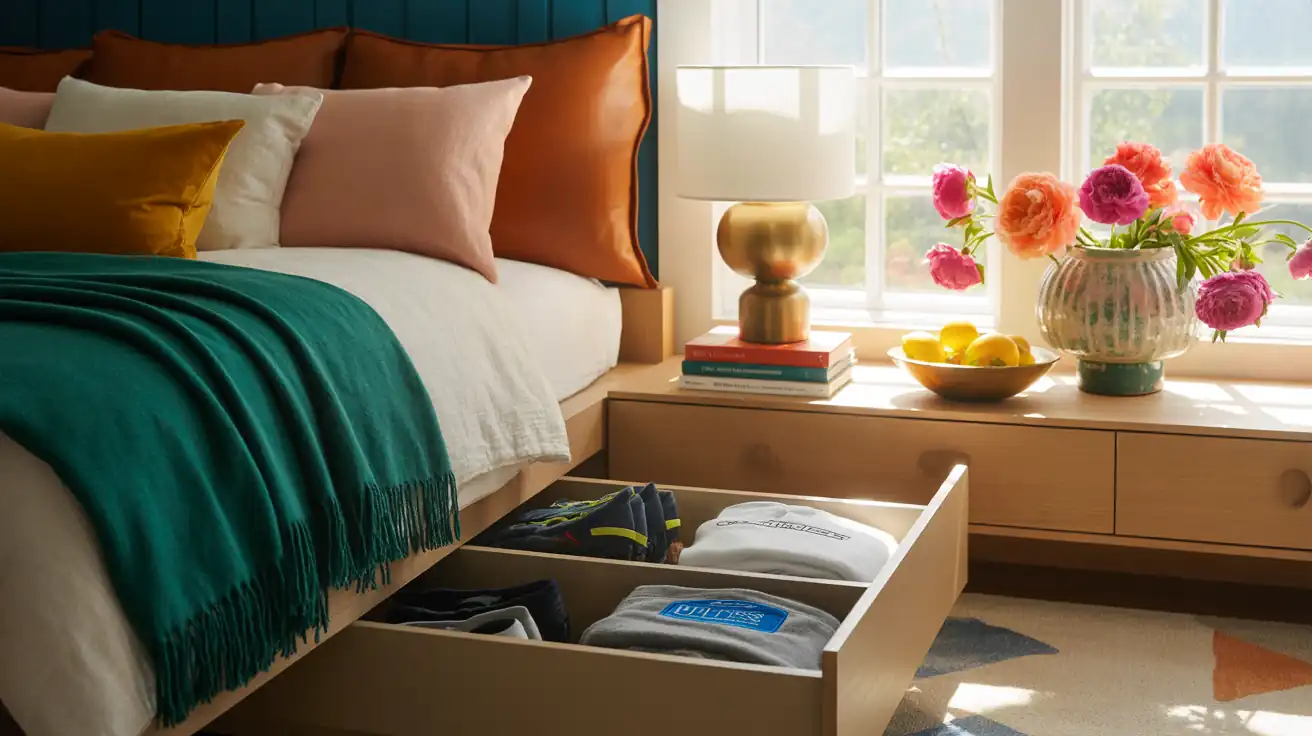
Multifunctional pieces earn their place in a one-bedroom. A storage bed hides off-season clothes, a sofa bed handles guests, and nesting tables tuck away when not in use. An ottoman with a lift top works as a footrest, a seat, and a hamper at once. Look for a desk that folds flat or doubles as a nightstand. Double-duty furniture is how one room quietly works like two. These studio apartment bedroom ideas show the same one-room-two-jobs trick in action.
9. Lay One Big Rug That Actually Fits
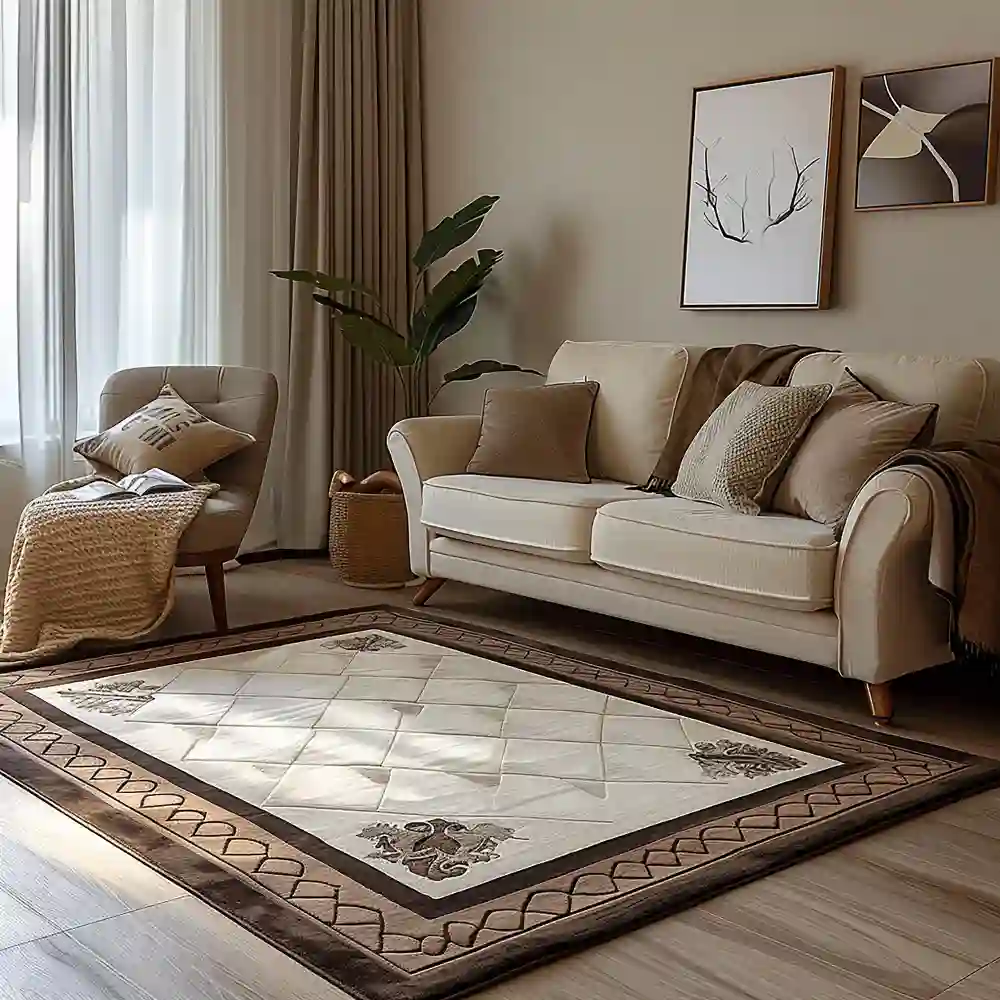
A too-small rug is the most common thing that makes a room look cheap. Size the rug so the front legs of the sofa and chairs sit on it, which ties the seating into one anchored zone. An 8 by 10-foot rug suits most living zones and leaves 18 to 24 inches of floor as a border. In the sleeping area, run a rug about two-thirds under the bed. A large jute or wool rug grounds the whole layout and warms the floor.
10. Declutter and Hide the Rest
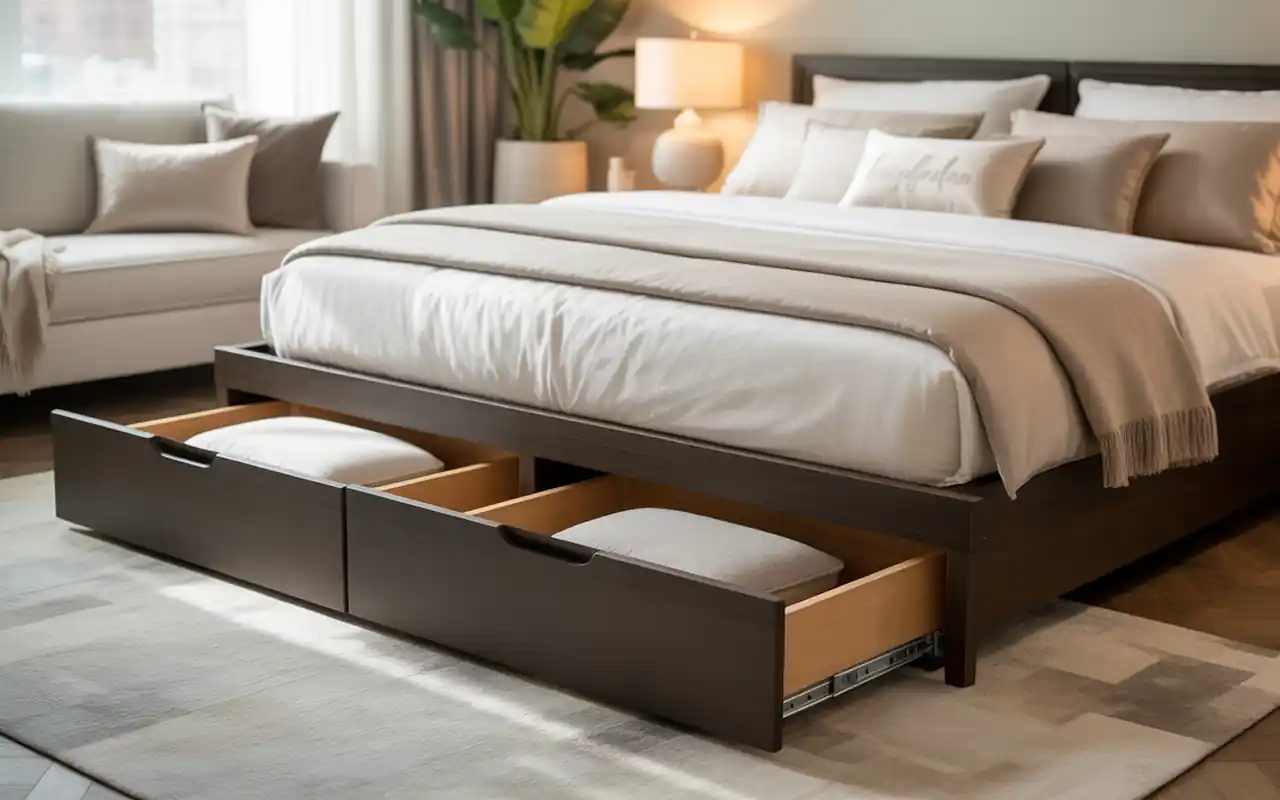
Empty surfaces look expensive, and crowded ones feel cramped. Clear the countertops, the nightstand, and the coffee table down to a few chosen objects. Hide the rest in closed storage: lidded baskets, under-bed bins, and a console with doors. A clutter-free surface makes even budget furniture look styled. Keep one tray to corral remotes and keys so the mess has a home. A clear room with one warm lamp already feels calmer before a single new item is bought.
11. Add One Elevated Material or Metal
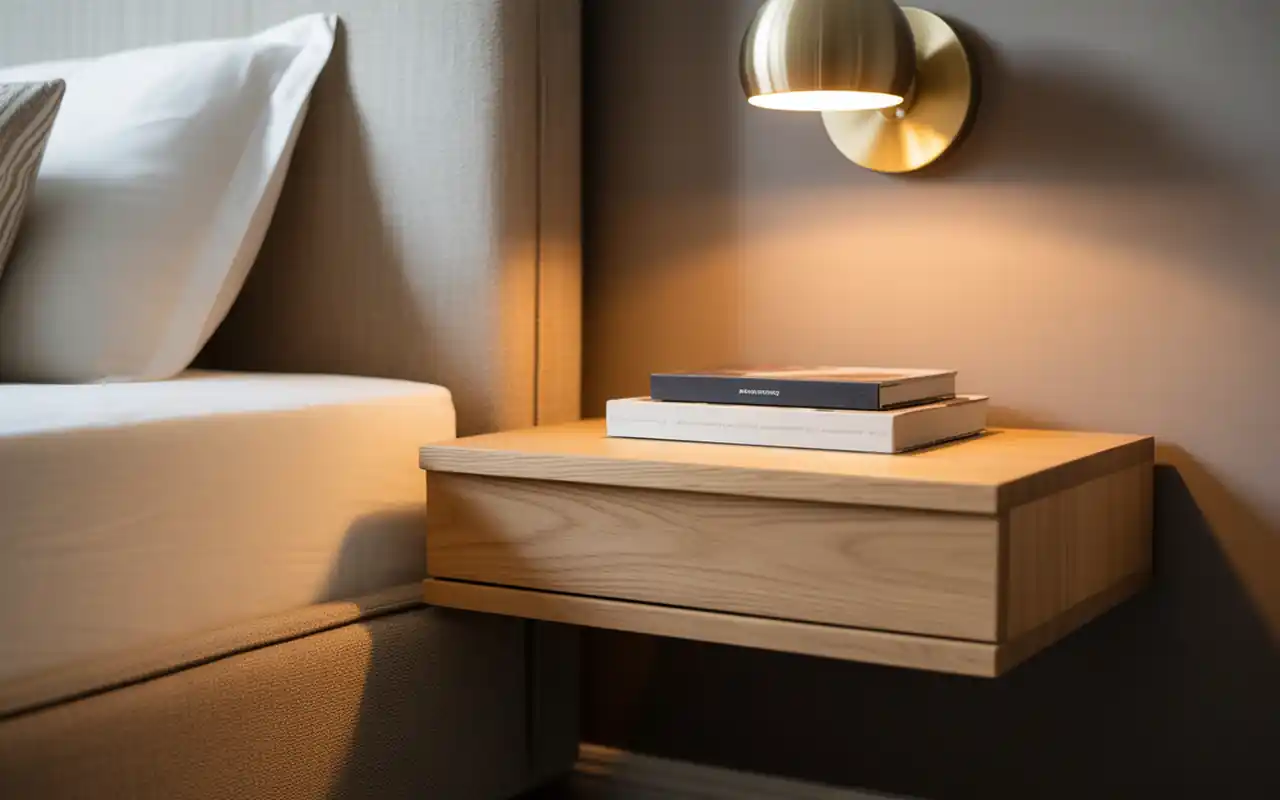
One rich material lifts the whole room. Bring in a brushed brass lamp, a marble or travertine tray, or a solid oak stool, and let it stand out against the neutrals. Metal accents in brass, matte black, or antique gold catch light and look custom. Keep it to one or two finishes, and repeat each at least twice so the look stays pulled together. A single expensive-looking material does more for the room than a dozen cheap ones. Quality shows most when it is used sparingly.
12. Bring In a Tall Plant for Height and Life
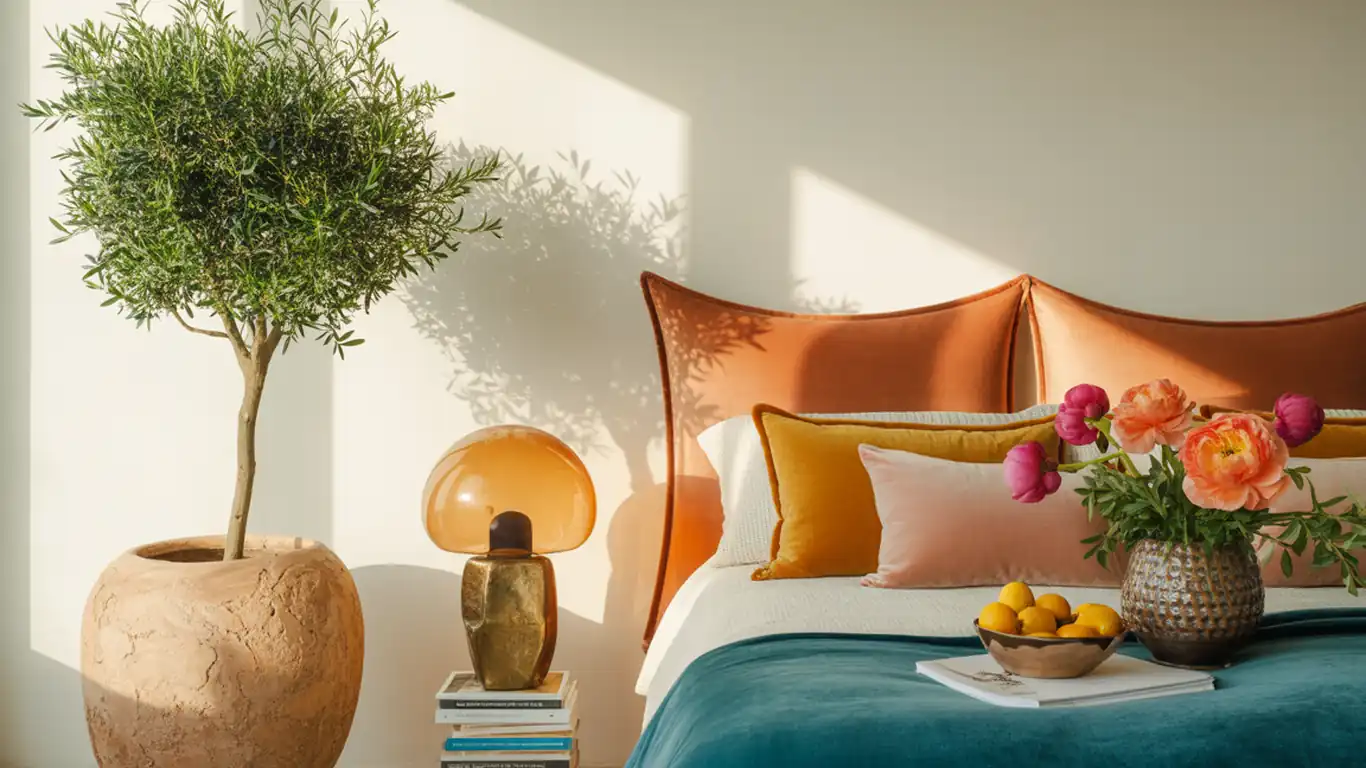
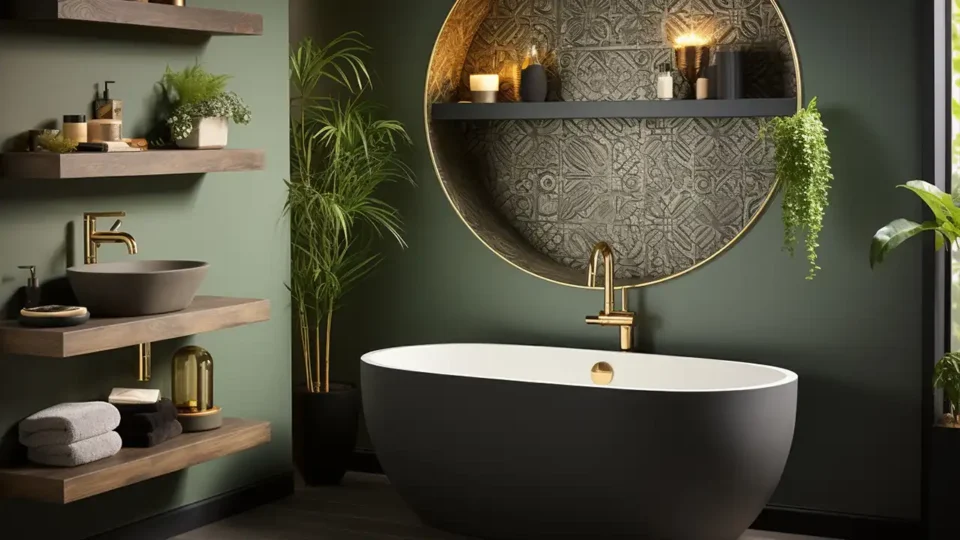
Greenery softens hard corners and adds the height a small room needs. One tall plant, like a fiddle-leaf fig, a bird of paradise, or a good faux version, fills an empty corner and draws the eye up. Group two or three smaller pots on a shelf for a layered look. Plants add color and life without taking floor space or costing much. A leafy corner is a quiet, low-cost way to make a rental feel settled and expensive. Skip fussy plants if your light is low.
13. Create a Real Entryway Moment
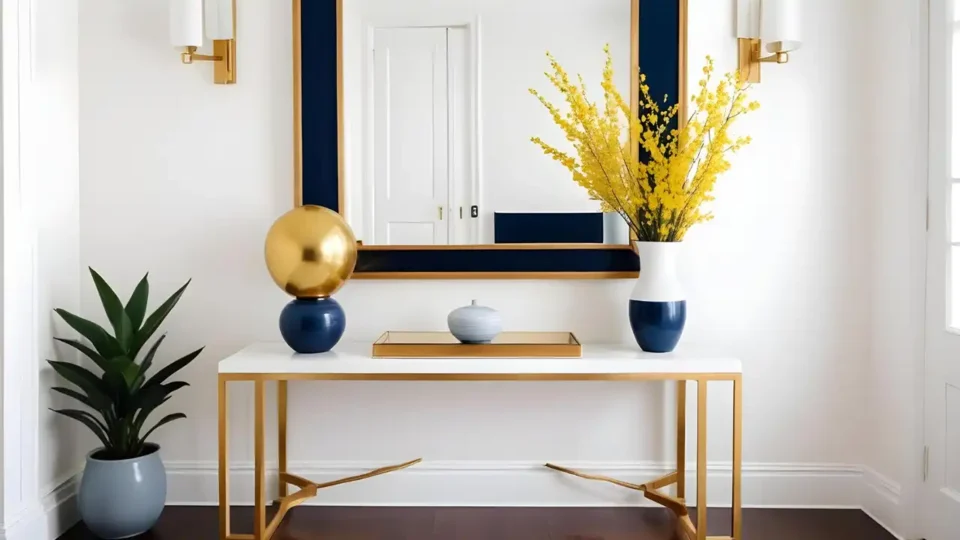
Most one-bedrooms open straight into the living area with no entry. Build one anyway. A slim console table, a few wall hooks, a small mirror, and a tray for keys turn a blank wall into a front-door moment. Add a runner or a small rug to mark the spot. An entry zone keeps clutter by the door and sets a styled first impression. Even 18 inches of wall can hold a narrow ledge and a hook rail. A defined entry makes the whole apartment feel more finished.
14. Turn the Bedroom Into a Retreat
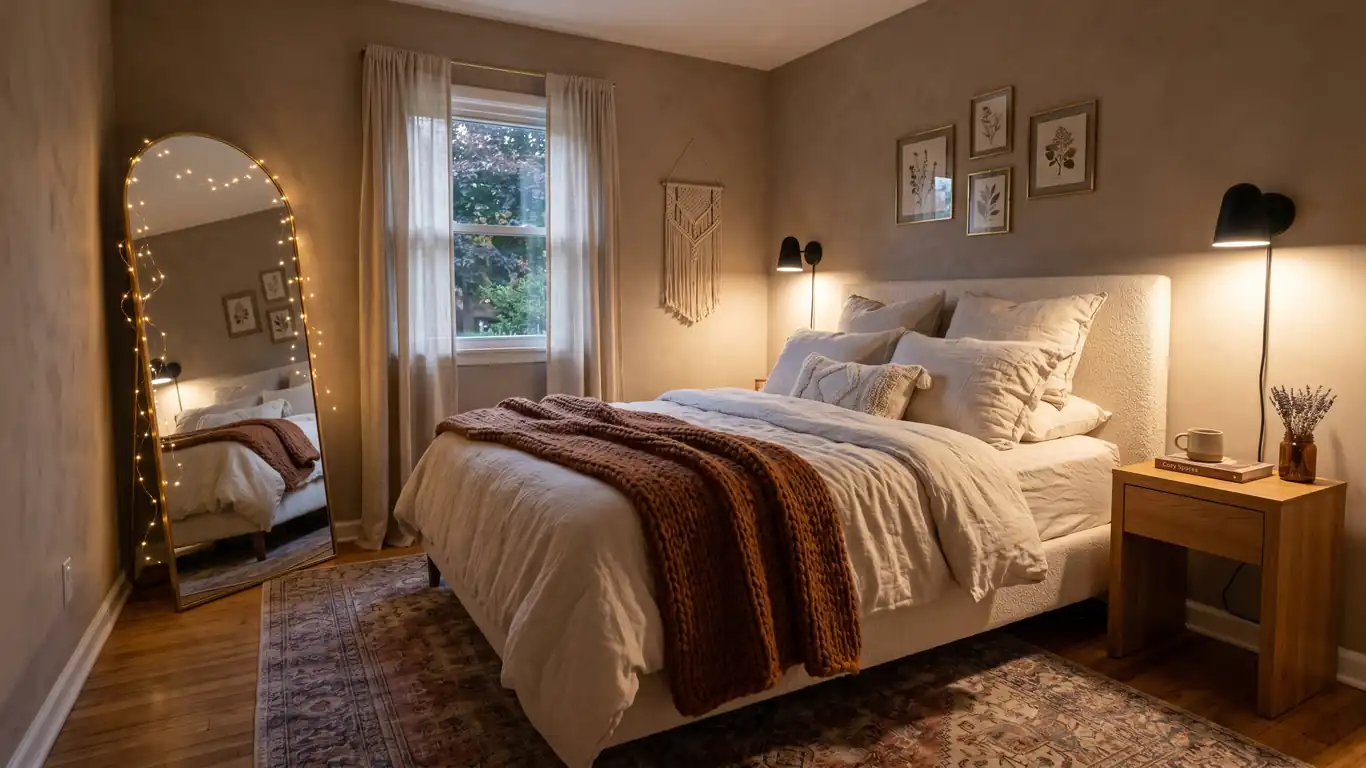
The sleeping area should feel like the calm heart of the apartment. Anchor it with a headboard, whether upholstered, faux, or a peel-and-stick panel, to give the bed weight and a hotel look. Layer bedding in linen and cotton with one warm throw and a couple of textured pillows. Keep nightstand clutter low and add one warm lamp. A real headboard gives even a small room a finished, costly feel. For more, these small bedroom ideas keep the retreat feel without crowding.
15. Hang Art at the Right Height and Scale
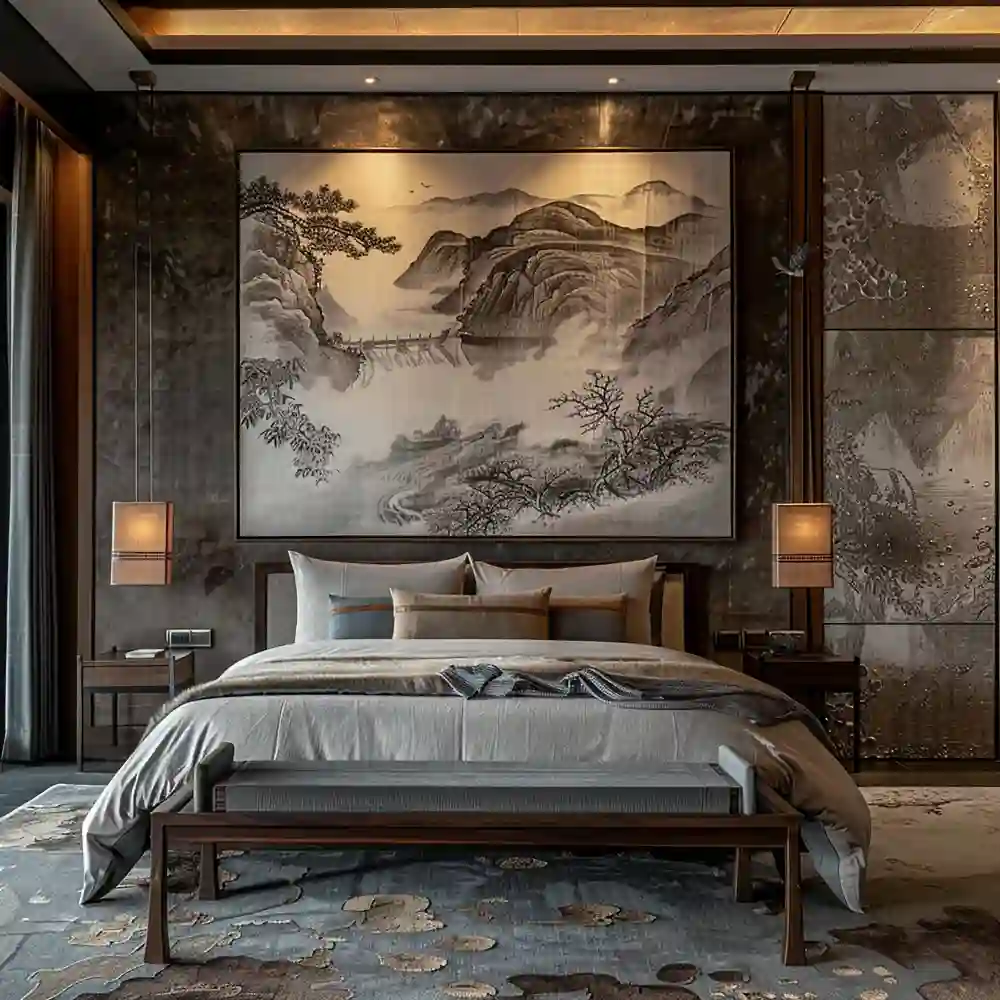
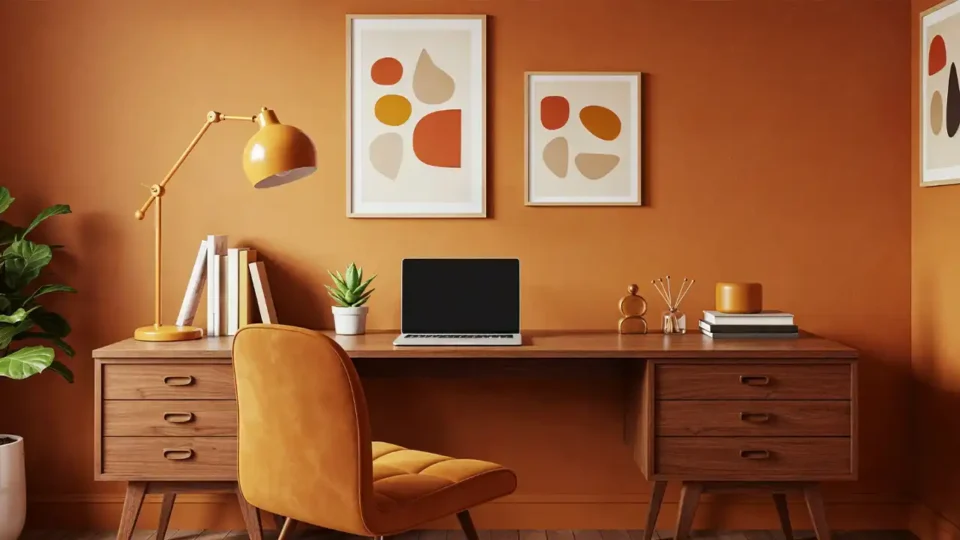
Art hung too high or too small makes a room feel unfinished. Center a piece so its middle sits about 57 to 60 inches from the floor, which is standard gallery height. Go big, because one oversized print looks more expensive than a wall of tiny frames. Above a sofa, fill about two-thirds of the sofa width with art. A large, well-placed piece anchors the wall and pulls the whole room together. Lean a framed print on a shelf if you cannot make holes.
16. Use Renter-Safe, No-Drill Upgrades
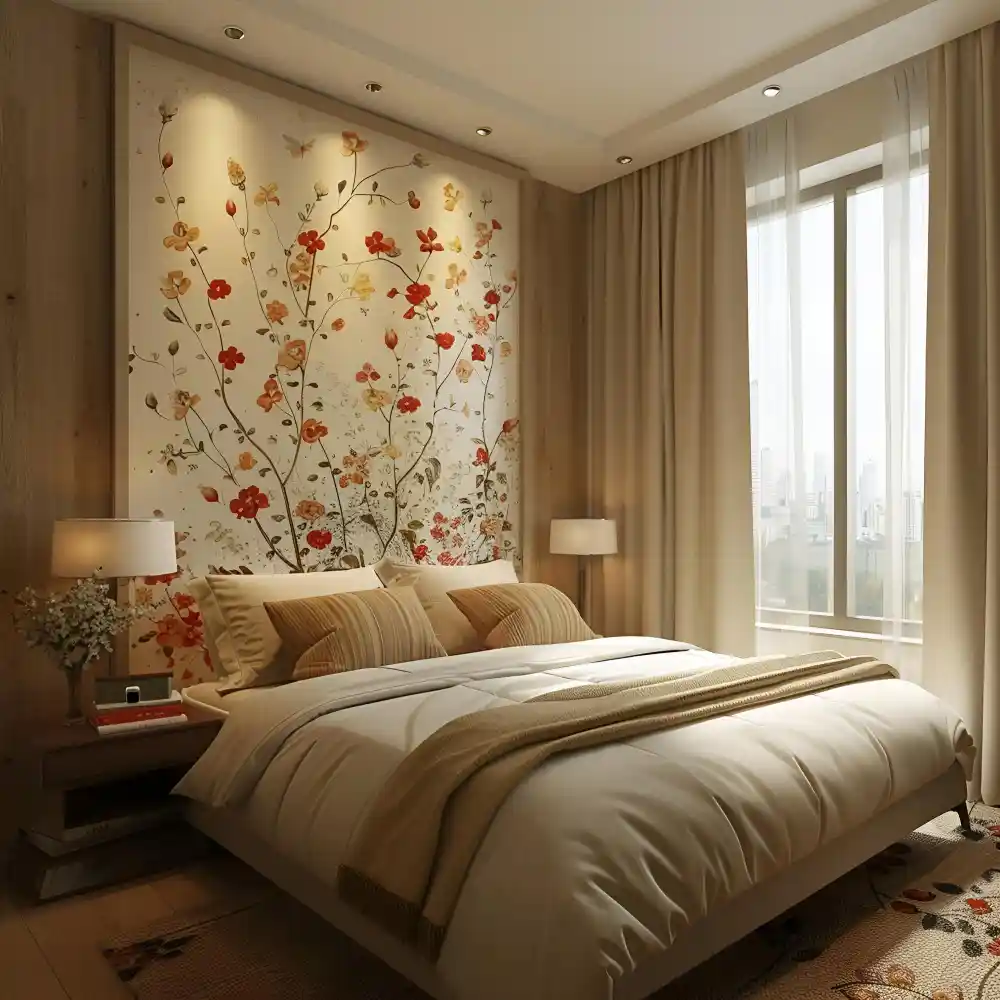
Renting does not mean settling for a bare box. Peel-and-stick wallpaper, removable tile, and no-drill rods change a room and come off clean at move-out. Large Command strips hold picture frames up to about 20 pounds on smooth walls, so you can hang mirrors and art without holes. Tension rods, adhesive hooks, and stick-on backsplash all reverse cleanly. These rental-friendly bedroom ideas protect your deposit while the place still looks designed.
Rental Note: test any adhesive on a hidden spot first and lift slowly to avoid pulling paint.
Making the Small Layout Work
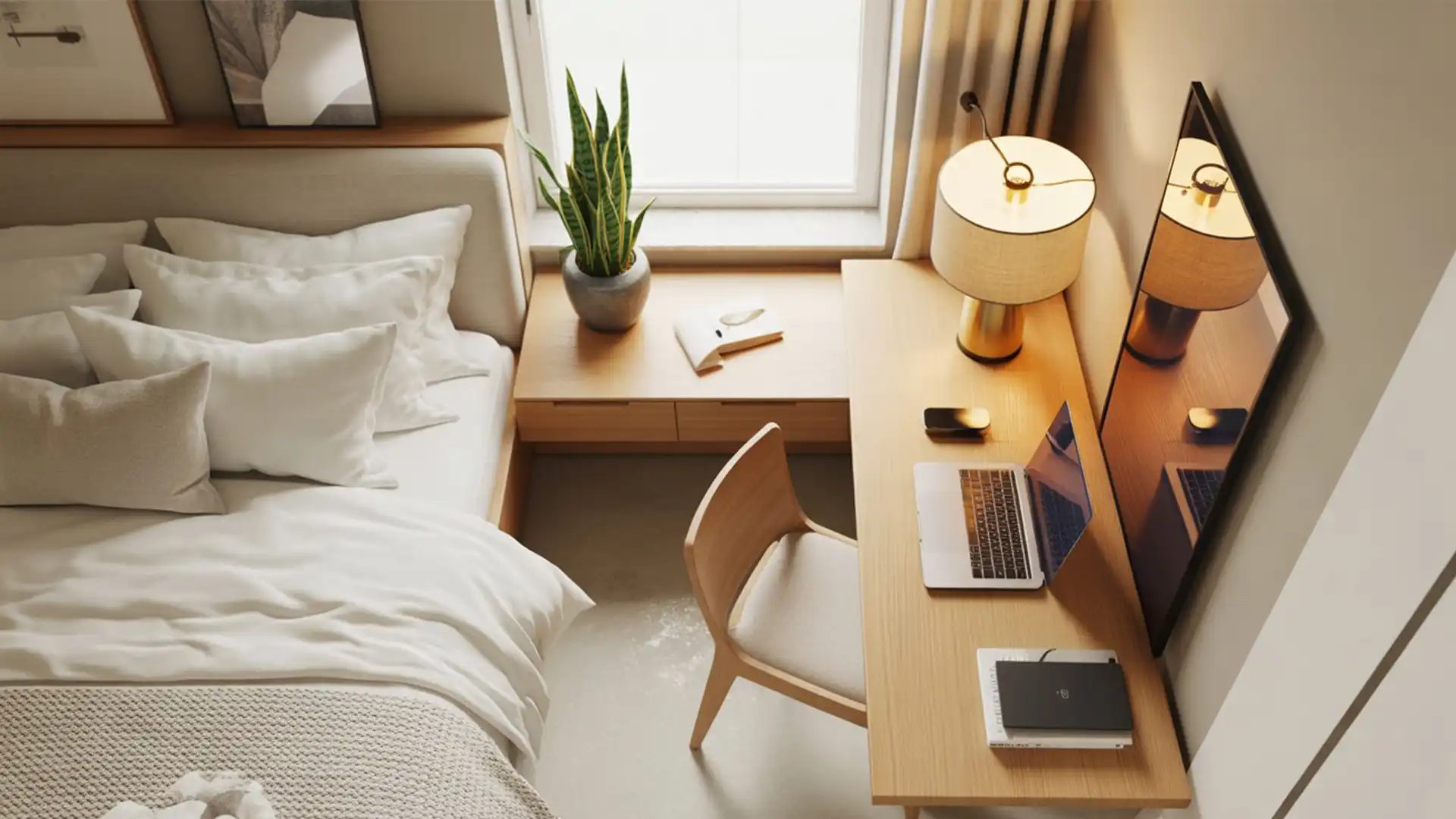
The best one bedroom apartment ideas treat the whole place as one connected space, not two rooms fighting for room. Let the living zone do the heavy lifting, since it is where guests sit and where the layout shows first. Borrow from these small living room ideas to arrange the sofa, rug, and coffee table without crowding the walk path.
Repeat your palette from the sleeping area into the living zone so the eye flows between them. Keep 30 inches clear for walkways and let one or two anchor pieces carry each zone. When both areas share color, light, and material, a small apartment finally feels like one calm, finished home. Browse more bedroom design ideas for the sleeping side.
One Bedroom Apartment Ideas: Your Setup Checklist
- Pick two or three warm neutrals and repeat them in both zones.
- Add three light sources at 2700K instead of one ceiling light.
- Hang one mirror at least 30 by 60 inches opposite the window.
- Size the living rug so the front sofa legs sit on it.
- Mount curtains 4 to 6 inches above the frame and floor-length.
- Choose one or two double-duty pieces, like a storage bed.
- Clear every surface to three objects and hide the rest.
KEY TAKEAWAY: Fix zoning, scale, light, and one cohesive palette first, because those four moves make a one-bedroom feel bigger and look expensive before you spend on anything new.
What Most People Get Wrong in a One-Bedroom
Instead of filling the room with lots of small furniture, Try three well-scaled pieces and leave the floor open.
Instead of one bright ceiling light, Try three warm lamps on dimmers for depth and calm.
Instead of a 5 by 7 rug floating in the middle, Try an 8 by 10 that catches the front furniture legs.
Instead of matching every finish, Try repeating two, like brass and matte black, at least twice each.
What You’ll Spend
None of these one bedroom apartment ideas require a renovation, and the highest-impact ones cost the least. For more low-cost wins across the home, browse all our rooms and spaces. The table below shows realistic ranges for the changes that move the needle most.
| Project | Estimated Cost | Impact Level |
|---|---|---|
| Warm 2700K LED bulbs plus one plug-in dimmer | $25-$60 | High |
| Large leaning mirror, 30 by 60 inches or bigger | $90-$250 | High |
| 8 by 10-foot area rug in jute or wool-blend | $150-$450 | Very High |
| Peel-and-stick headboard plus a wallpaper accent | $60-$200 | Medium |
Best First Upgrade: Swap to warm bulbs and add a big mirror opposite the window; together they cost under $300 and change how large and calm the whole apartment feels.
Skip for Now: Custom built-ins and hardwired ceiling fixtures, which drain a renter budget and rarely come back at move-out.
Frequently Asked Questions
Conclusion
A one-bedroom rarely needs more space to feel bigger and look expensive; it needs a plan, which the complete bedroom decorating guide lays out in full. The apartments that finally feel calm are the ones with clear surfaces, one cohesive palette, and warm lamps instead of a single ceiling light. Put these one bedroom apartment ideas to work starting with the mirror and the bulbs, then keep building with more home decor inspiration.
Next Steps
- Swap every bulb in the main room for a warm 2700K LED and add one plug-in dimmer.
- Measure the wall opposite your window and order a leaning mirror at least 30 by 60 inches.
- Pick two or three warm neutrals and repeat them across bedding, curtains, and the sofa.
- Choose one double-duty piece, like a storage bed or a lift-top ottoman, to cut visible clutter.
More Bedroom Ideas by Room Type
- 14 Apartment Bedroom Ideas That Make a Rental Feel Like Home
- 14 Teen Boy Bedroom Ideas That Are Cool, Functional, and Clean
- 15 Men’s Bedroom Ideas That Feel Modern and Masculine
- 15 Rental Bedroom Ideas That Look Stylish Without Risking Your Deposit
- 15 Studio Apartment Bedroom Ideas That Make One Room Feel Like Two
- 15 Women’s Bedroom Ideas That Feel Elegant, Feminine, and Fully Yours
- 16 Dorm Room Ideas That Make Any Tiny Space Feel Like Home
- 16 Teen Girl Bedroom Ideas for Every Aesthetic and Personality
- Cozy Master Bedroom Ideas That Feel Warm and Inviting
- Luxury Master Bedroom Ideas for a Hotel-Worthy Retreat