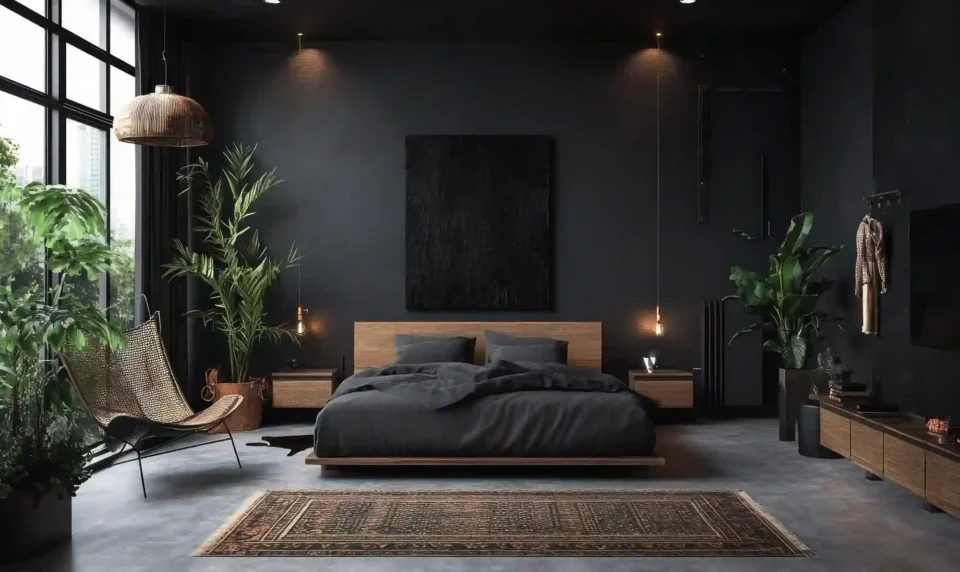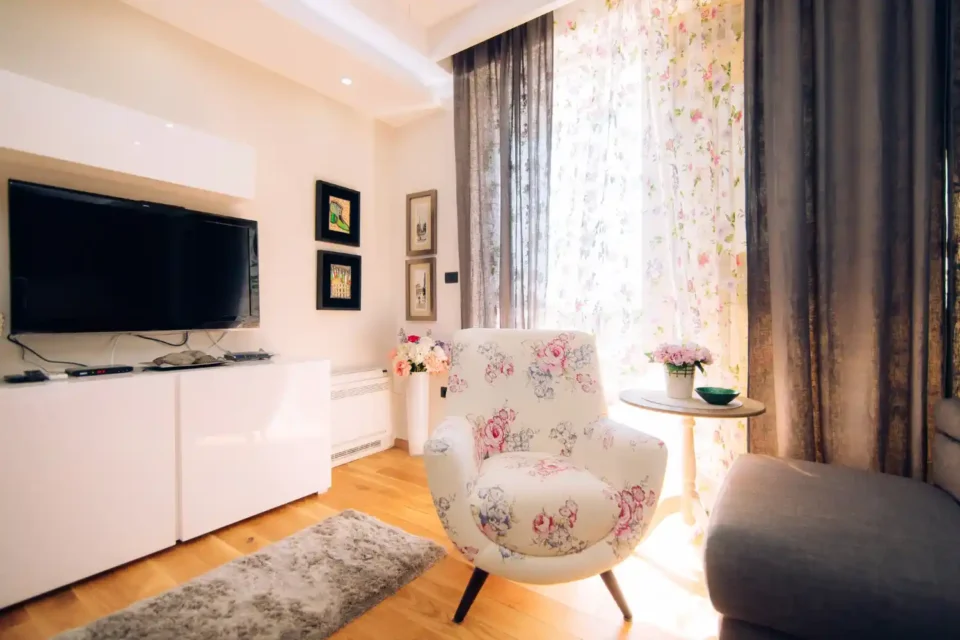

TL;DR
In a 400–600 sq ft studio, the sleeping zone fails not because the floor plan is too small, but because nothing draws the line between where living stops and sleeping begins. These 15 studio apartment bedroom ideas are organized in three stages — zone first (ideas 1–5), make it feel like a bedroom (ideas 6–10), and finish with detail and function (ideas 11–15). Each idea works in an open floor plan without walls, permits, or major renovation. Once a door separates the two zones the calculus changes, as shown in these one bedroom apartment ideas.
Why Studio Bedrooms Look and Feel Unfinished
The average US studio apartment measures around 457 square feet, according to RentCafe’s national apartment size data. In that footprint, a standard queen bed (60 × 80 inches) takes up roughly 33 square feet of floor — about 7% of total space. That is not a small footprint. It is furniture with the presence of architecture. The problem is that most people style the bed as an afterthought rather than treating it as the room’s anchor.
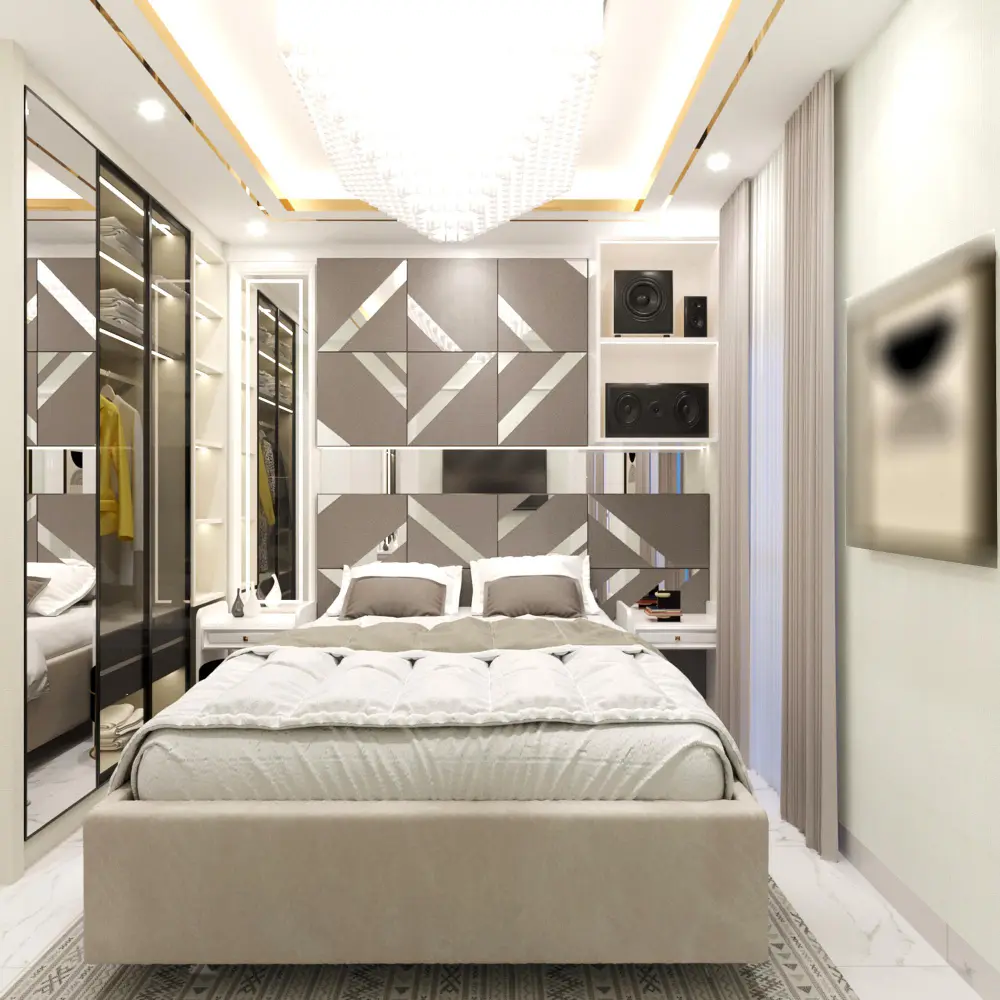
Editorial field note: A studio without a defined sleep zone reads as one large room where someone also has a bed. The chair looks too close to the bed, the ambient light covers everything evenly, and the eye never quite settles. The fix is almost never more furniture — it is drawing a line. Once you give the bed its own territory, palette, and light level, the whole apartment becomes easier to navigate and easier to live in.
This guide covers studio apartment bedroom ideas in three stages: anchor the sleeping zone first, then make the zone feel like a true bedroom, then finish with detail and function. Bookmark this guide for quick reference. Start with our home decor inspiration at 101homedecor.com and read through our broader Bedroom Ideas by Room and Who They’re For for room-type context before diving in.
KEY TAKEAWAY: A studio bedroom feels more like a real bedroom once the sleep zone has its own territory, light, and palette — not when more furniture is added.
| Quick Takeaways | |
|---|---|
| Zone First | Define the sleep boundary before buying a single decor piece. |
| Rug Size | An 8×10 ft rug anchors a queen bed zone and signals a floor boundary clearly. |
| Lighting | Switch to 2700K bedside lamps — warm, low, and separate from the living-side light. |
| Soft Divider | A ceiling curtain track costs $80–$200 and does more visual work than a piece of furniture. |
| Headboard Rule | Every real bedroom has a headboard. So should every studio bedroom zone. |
Zone First: Create the Bedroom Within the Room
Studio apartment bedroom ideas begin with one principle: the sleeping zone must have a clear boundary. Without a line — physical or implied — the living space bleeds into the sleeping space and neither feels settled. These first five ideas create that boundary.
1. Anchor the Bed Against the Right Wall
The first decision in a studio is which wall the bed belongs on. Place the bed against the wall farthest from the main door, ideally perpendicular to the living zone. This creates the longest possible visual distance between the sofa and the headboard — a gap the eye reads as “different rooms.” If two walls compete, choose the one that puts the bed with its back to the wall rather than floating in the centre of the floor. A bed floating mid-room in a studio has no boundary and no sense of arrival.
Centering the bed on the wall (rather than pushing it into a corner) also allows for matching bedside lighting on both sides — one of the fastest ways to make a studio sleep zone look well-planned.
2. Use a Ceiling-Track Curtain as a Soft Wall
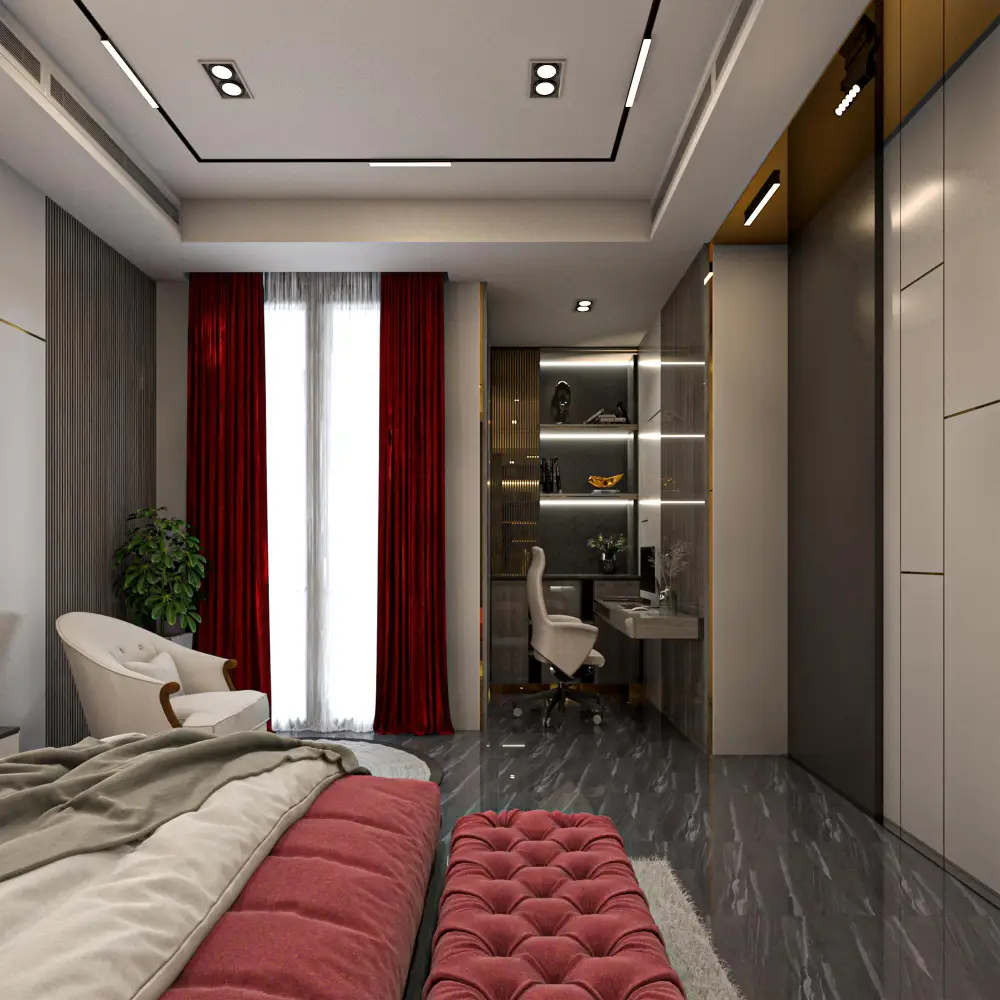
A ceiling-mounted curtain track is the most space-efficient divider available for a studio. IKEA’s VIDGA track system mounts directly to the ceiling joists with a drill and stud finder and runs floor-to-ceiling curtain panels across an open floor plan. The track can turn corners, so it can wrap three sides of the bed zone if the layout calls for it. Floor-length linen or cotton panels in warm white or soft greige work best — sheer enough to let light through when open, solid enough to signal a room boundary when drawn.
Rental Note: Ceiling-track installation requires drilling into ceiling joists. If your lease prohibits drilling, a tension-rod curtain suspended from a freestanding canopy frame achieves a similar visual effect without permanent fixings.
DESIGNER TIP: Run the curtain track at least 4 inches inside the perimeter of the sleep zone, not flush with the wall. This gives the curtain a natural drape and stops the panels from pressing flat against the wall, which looks like a theatre curtain rather than a room boundary.
3. Use a Bookcase as a Headboard Room Divider
A low-to-mid-height bookcase (48–60 inches tall) placed at the foot of the bed or along one open side of the sleeping zone acts as a soft architectural wall. It stops sightlines from the sofa to the bed without blocking natural light the way a solid partition would. Face the open shelves toward the living zone, styled with books and objects. The back of the unit (which faces the bed) can be wallpapered, painted, or left plain — it becomes the visual backdrop for the sleeping side.
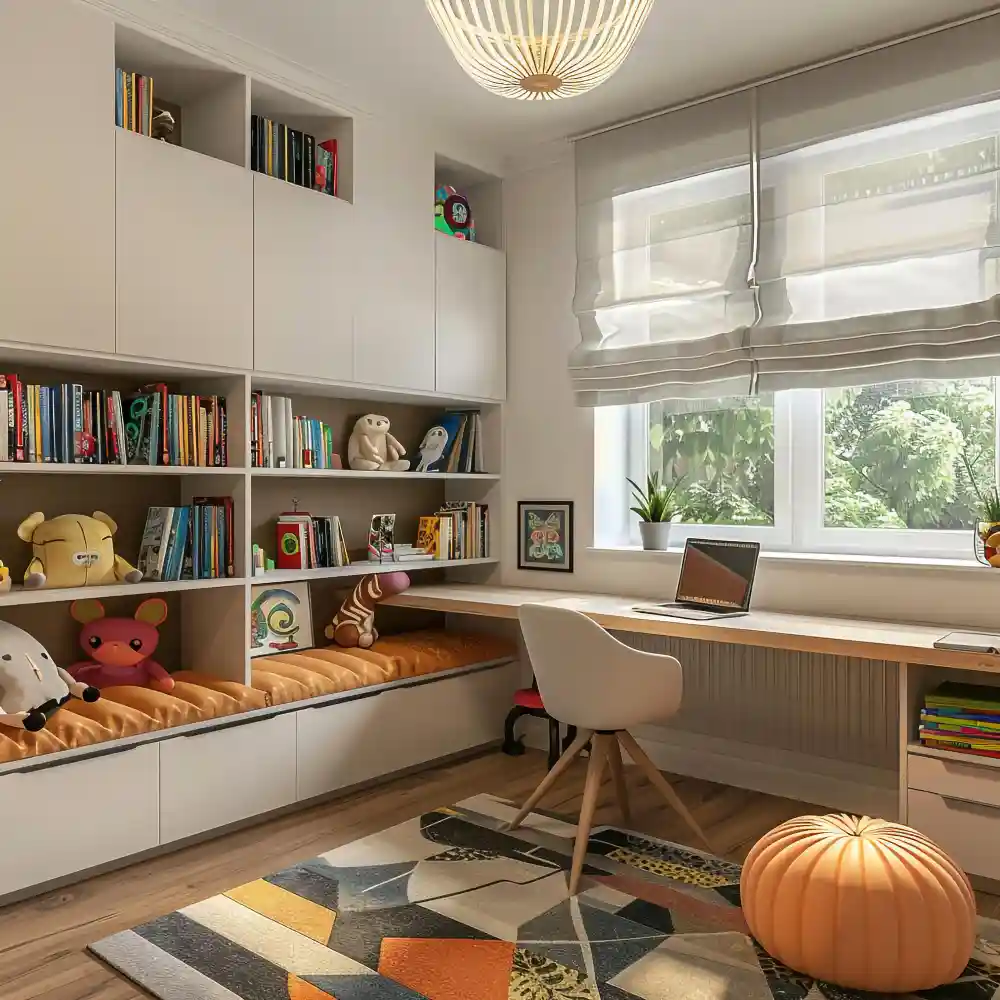
Choose a bookcase with a stable anti-tip anchor if it stands freestanding. Units under 48 inches do not provide enough visual separation; units over 72 inches risk blocking light in already-tight studios.
4. Lay an 8×10 Area Rug to Define the Sleep Floor Zone
A rug is the most underrated zone-defining tool in a studio. An 8×10 ft jute or low-pile wool rug placed under a queen or full bed — with at least 18–24 inches extending beyond the sides and foot — creates a floor boundary that is immediately legible. According to RugKnots’ bedroom rug placement guide, the front legs of all bed-zone furniture (nightstands, bench) should sit on the rug to keep the zone unified. When the living-side has a different rug or bare floor, the two zones are clearly separated without a single structural change.
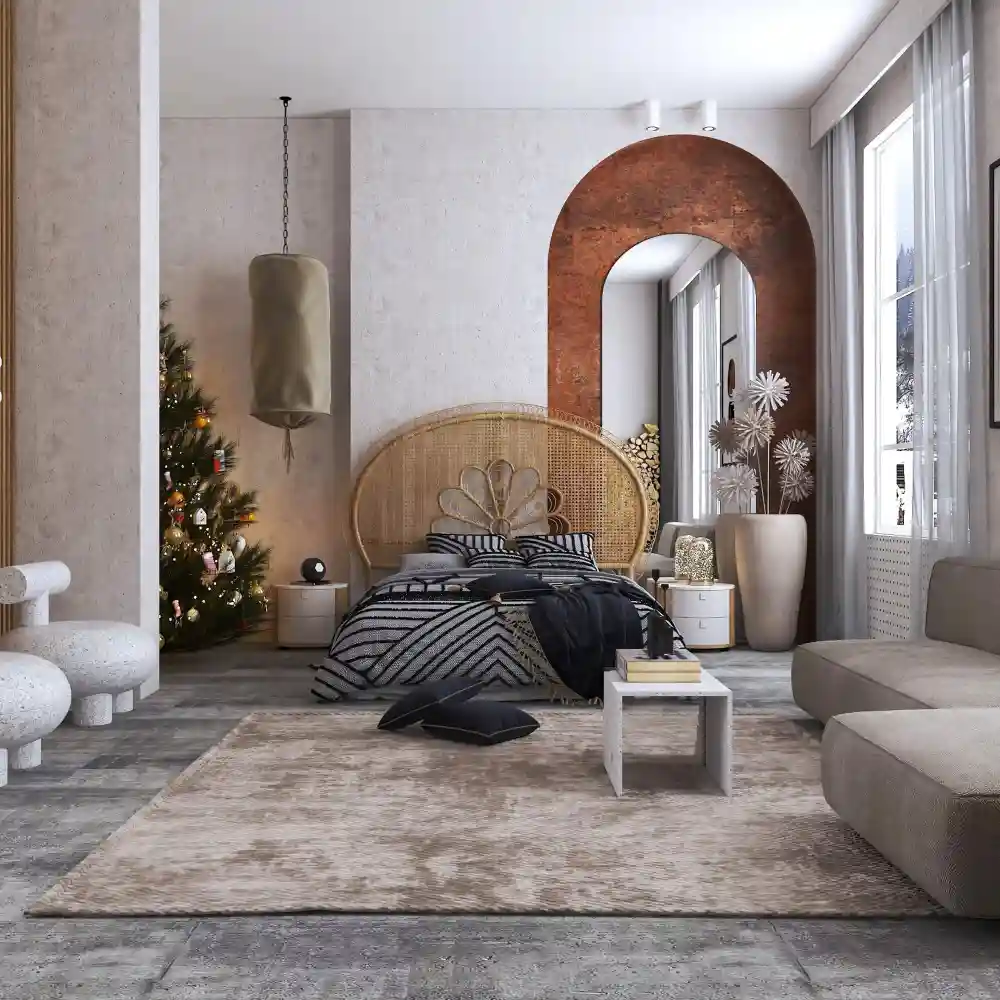
Go natural fiber — jute, sisal, or a low-pile cotton-blend — for the sleep zone. These materials read as quieter than the higher-pile or patterned rugs that often anchor a sofa cluster.
5. Consider a Loft Bed or Murphy Bed to Reclaim Total Floor Space
In studios under 400 sq ft, a murphy bed or loft bed is not a compromise — it is an upgrade. A queen murphy bed folds to 16–21 inches deep when stored, freeing the entire floor during waking hours. When open, it extends roughly 89 inches into the room, so plan for 7.5 feet of clear depth from the wall before choosing a murphy configuration. Loft beds raise the sleeping surface 5–6 feet off the floor, leaving a full workspace or lounge zone below.
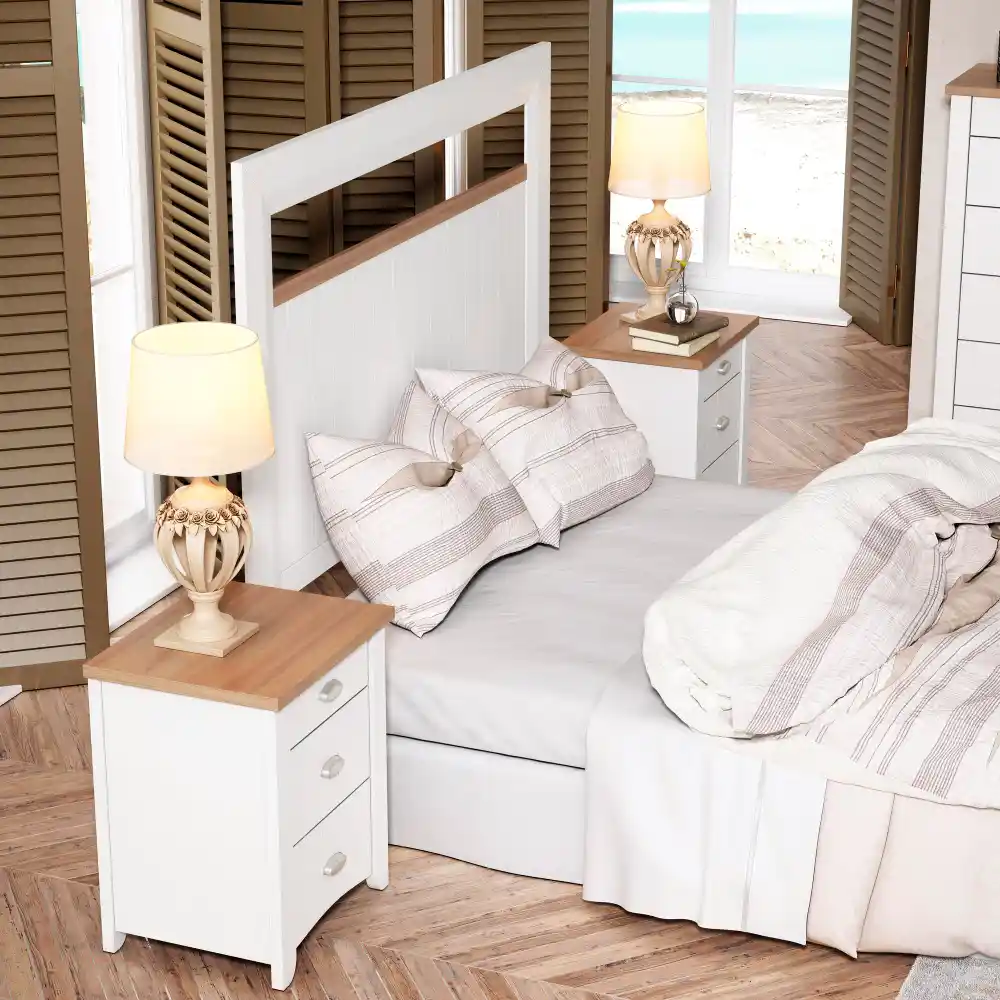
Both options reclaim floor space that a standard bed permanently occupies. They are most effective in truly tight studios where the bed takes up more than 15% of total usable floor.
KEY TAKEAWAY: Defining the sleeping zone with a wall placement, curtain track, bookcase, rug, and the right bed type is the foundation — without these, no amount of styling will make the studio feel like two rooms.
Make It Feel Like a Bedroom
Zone defined. Now make that zone feel unmistakably like a bedroom. These five ideas shift the sleep area from “bed in a studio” to a space that feels like its own room — one with a clear identity separate from the living side.
6. Install a Proper Headboard Even in an Open Plan
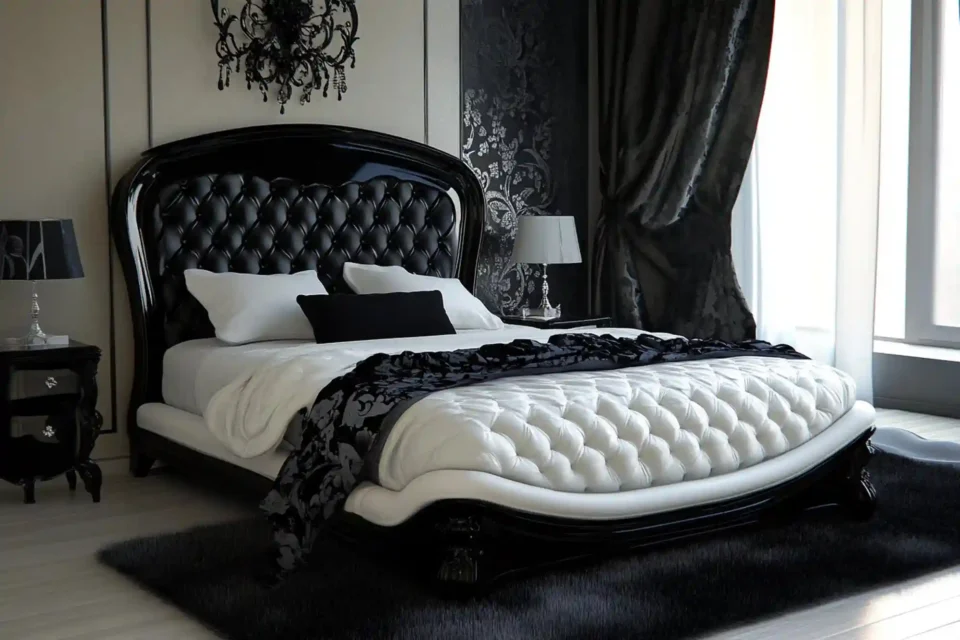
A bed without a headboard looks temporary. A headboard — even a simple upholstered linen panel or a wall-mounted fabric piece — gives the sleeping zone an architectural back wall. In an open-plan studio, the headboard doubles as the main focal point of the bedroom side. Mount it directly to the wall or choose a freestanding upholstered platform bed that includes the headboard as part of the frame.
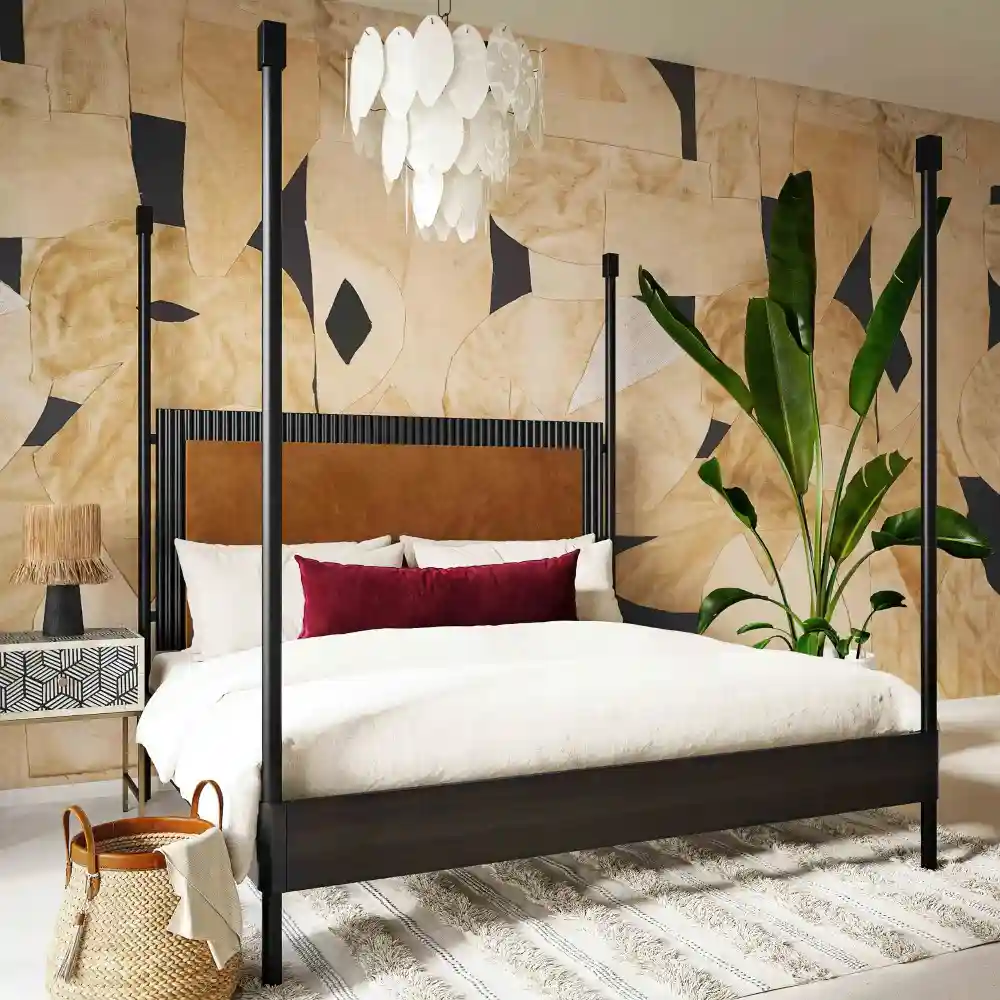
For studios with low ceilings, a horizontal padded headboard in warm cream or mushroom linen feels wide and grounded. For studios with ceilings over 9 feet, a taller headboard (48–58 inches above the mattress) adds height and drama that helps the zone feel more enclosed. See headboard ideas that make a bedroom feel luxurious for styles matched to different studio layouts.
7. Swap the Overhead Light for 2700K Bedside Lamps
The fastest way to destroy the sense of a separate bedroom in a studio is one overhead light that illuminates everything at the same intensity. The sleeping zone needs its own light source at its own color temperature. Two bedside lamps at 2700K — warm amber, not cool white — positioned at eye level when seated create a light boundary as effective as any physical divider.

Switch the living side to a slightly cooler lamp (3000K) or a different height. The color temperature contrast between the two zones tells the brain — and the eye — that these are different rooms. Designer Rule of Thumb: Warm bedside light at 2700K — the color temperature Feit Electric recommends for bedrooms — mimics late-day sun and avoids the cooler, activating light that makes winding down harder.
DESIGNER TIP: Both bedside lamps should sit with the bottom of the shade at roughly eye level when you are sitting up in bed — around 28–32 inches above the mattress surface. Lower than that, the light pools on the pillow. Higher than that, it becomes a reading beam rather than ambient glow.
8. Hang Floor-Length Curtains to Frame the Sleep Zone
If the bed sits adjacent to a window, floor-length curtains hung close to the ceiling create a framed, enclosed feel for the sleeping side. Mount the curtain rod 4–6 inches below the ceiling (or at the ceiling if tracks permit) and let the panels fall to the floor. This trick works even when the curtains serve no functional window-covering role — the vertical line from ceiling to floor signals “this is a distinct space.”
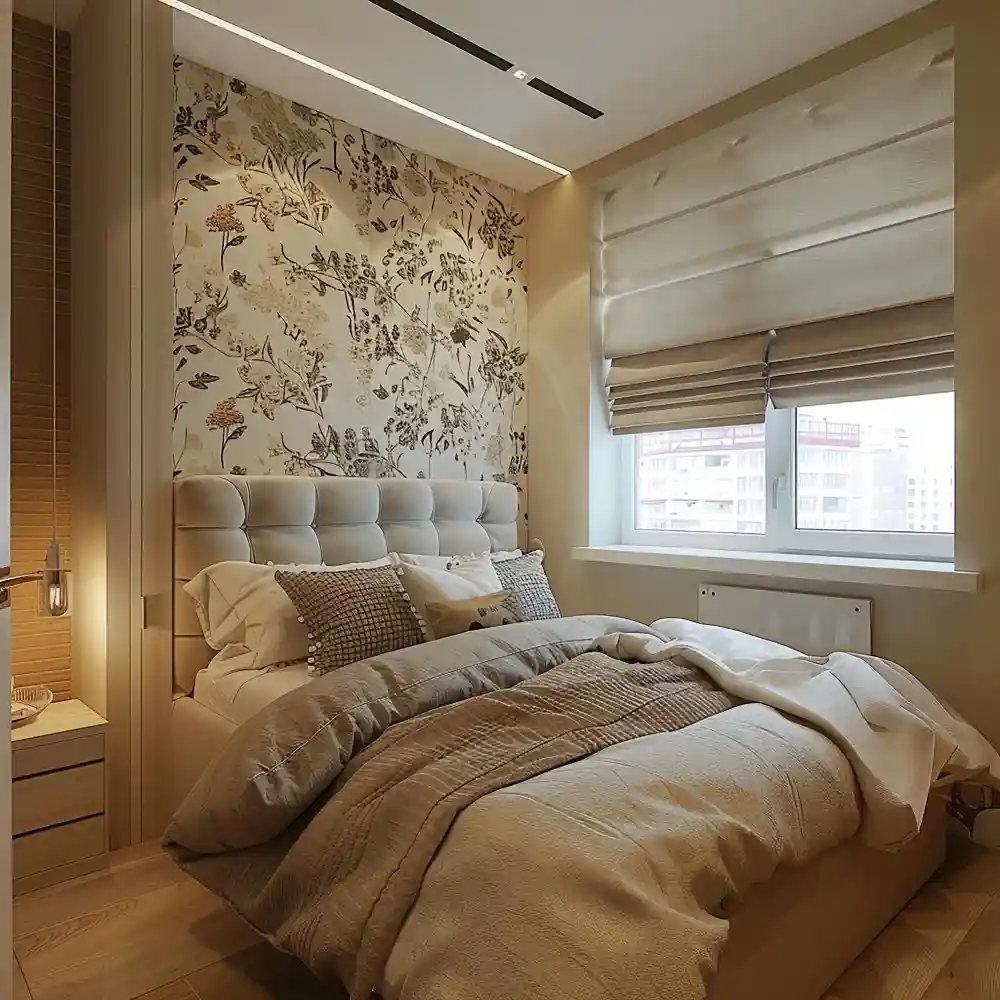
In a studio where the bed wall has no window, hang floor-length drape panels on the wall itself as a textile backdrop. A pair of warm white linen panels flanking the headboard creates a soft architectural frame. It is one of the most cost-effective studio apartment bedroom ideas available — two curtain panels and a ceiling-mounted rod cost $40–$100 at most retailers.
9. Give the Sleep Zone a Palette One Tone Calmer Than the Living Side
The bedroom zone in a studio benefits from its own color identity — ideally a step quieter than whatever palette anchors the sofa side. If the living zone uses warm greige, the sleep zone might deepen to a soft mushroom or dusty clay on the wall behind the headboard. If the sofa is navy or forest green, the bed zone might use soft white or cream.
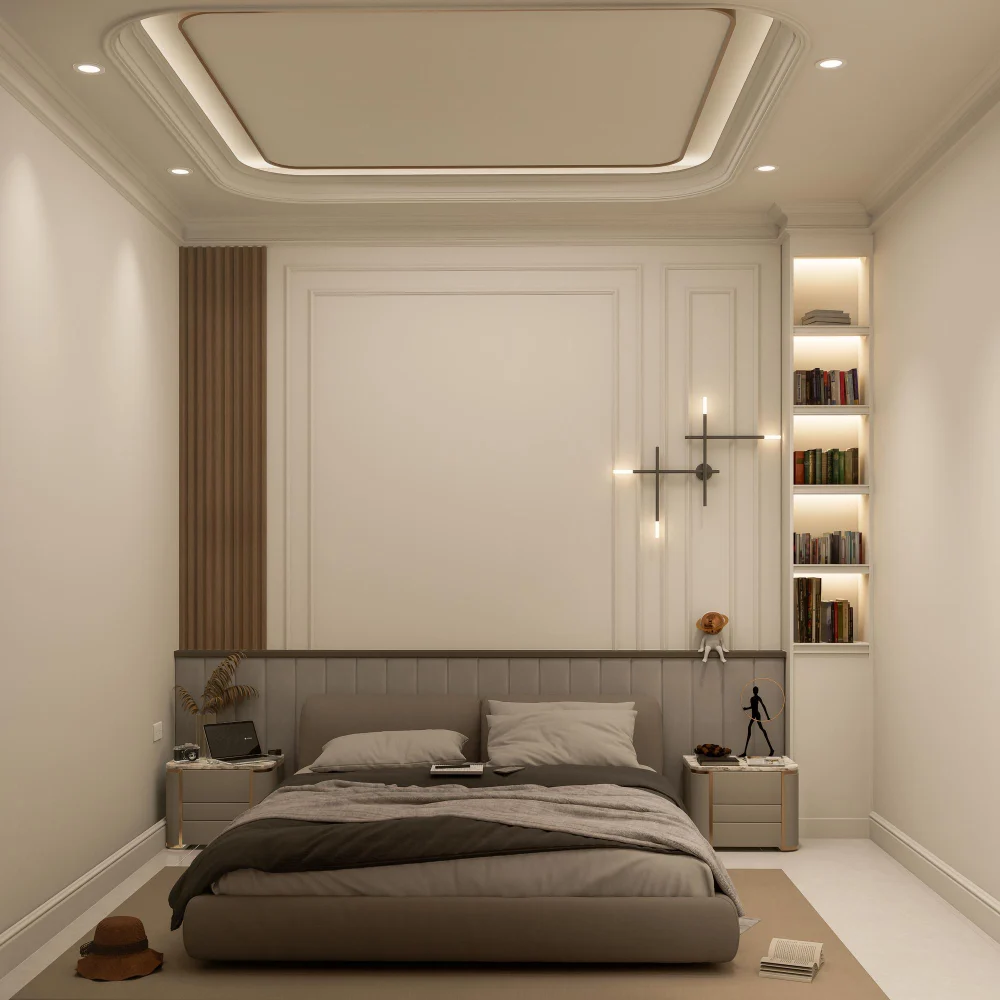
This one-tone shift does not require repainting the whole apartment. A single accent wall behind the bed — or even a large-format fabric panel as a backdrop — creates enough color differentiation to make the two zones feel distinct. For bedroom-specific color guidance, our bedroom color ideas guide covers palettes matched to every light condition and room type.
10. Fit Floating Nightstand Shelves Instead of Bulky Furniture
A standard bedside table needs at least 18–24 inches of floor clearance on each side of the bed. In a studio where every square foot counts, wall-mounted floating shelves at mattress height replace bulky nightstands without sacrificing surface area. A 10-inch-deep floating shelf in white oak or walnut holds a lamp, a book, and a glass of water — everything a nightstand does, at a fraction of the floor footprint.
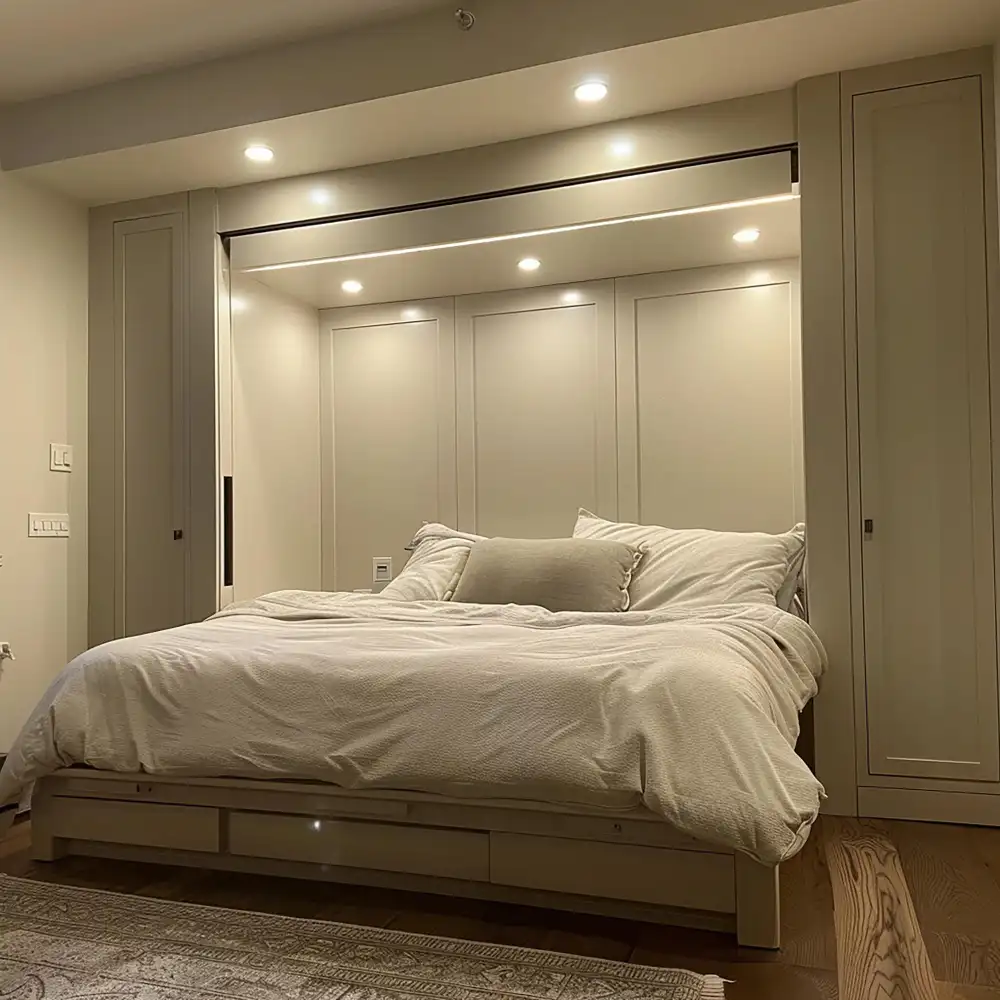
Two matching floating shelves flanking the bed also reinforce the zone boundary visually: they signal “this space was designed” rather than furniture being slotted in wherever it fit. For nightstand styling ideas that work for small surfaces, see our nightstand decor ideas guide.
KEY TAKEAWAY: A headboard, warm bedside lamps, framing curtains, a calm palette, and floating nightstands each do one job — together, they turn a sleeping zone into a bedroom.
Finish With Detail and Function
The zone is defined and it feels like a bedroom. Now the final five ideas sharpen the space — making it feel considered, personal, and fully separate from the living side.
11. Mount Vertical Floating Shelves Above the Bed Zone
Vertical storage above the bed zone does two things: it pulls the eye upward (adding perceived ceiling height) and it fills the zone with personality and context. Three narrow floating shelves staggered at different heights above the headboard carry small ceramics, a trailing pothos, a stack of paperbacks, and a sculptural object. The grouping acts as a stand-in for the built-in shelving a bedroom in a larger flat might have.
Keep the arrangement to one side of the headboard if the ceiling is under 8 feet — stacking shelves directly above the head looks heavy when the room is compact. Anchor all shelves into wall studs or use appropriate wall anchors rated for the weight you plan to load.
Safety Note: Floating shelves above a sleeping area must be anchored to wall studs or rated drywall anchors — never rely on standard drywall screws alone for shelves carrying ceramics or books directly above a bed.
DESIGNER TIP: Group objects on each shelf in odd numbers (3 or 5 items), vary heights from front to back, and leave at least one shelf partially empty. A fully packed shelf looks like storage; a thoughtfully sparse one looks like a styled bedroom.
12. Lean a Full-Length Mirror to Expand Perceived Space
A full-length leaning mirror placed at the edge of the sleeping zone — against the wall at a slight angle, facing toward the living side — reflects light and adds visual depth. In a studio, a 24×60 inch mirror at the corner of the bed zone creates the impression of an opening: the eye travels into the reflection and the room feels larger.
Position the mirror so it reflects the most attractive part of the bedroom zone — the bed, the curtains, the lamp glow — not the clutter of the living side. Warm-toned brass or natural oak frames keep the mirror on the calm end of the palette. Avoid placing it directly opposite a window if the studio is south-facing, as daytime glare makes the reflection hard to use.
13. Build a Clothes Rack and Curtain Mini Wardrobe Zone
Most studios have limited closet space. A freestanding clothes rack with a ceiling-height curtain panel on a tension rod creates a mini wardrobe zone adjacent to the sleeping area. Choose a matte black or natural brass rail, hang a linen or cotton curtain panel in the same palette as the bedroom zone, and the clothes storage becomes part of the design rather than a visual interruption.
A 48-inch clothes rack with the curtain drawn looks like a wardrobe alcove. This is one of the few studio apartment bedroom ideas that solves a storage problem and adds a zoning layer at the same time. For more storage ideas that look considered rather than improvised, see bedroom storage ideas that look stylish, not cluttered.
14. Style the Bed as the Studio Centerpiece — Hotel Bed Technique
In a studio, the bed is the most visible piece of furniture from almost every angle. Style it accordingly. The hotel bed technique: start with a fitted sheet in bright white cotton, layer a linen duvet in warm cream or soft oat, fold it back one-third from the top to show the sheet beneath, arrange two sleeping pillows at the back, two decorative shams in front, and finish with a folded throw draped across the foot. The result is a bed that looks composed and finished from the sofa, the kitchen, and the entry point.
Use a duvet insert one size larger than your mattress (a queen insert in a full bed, a king insert in a queen bed) — the extra fill creates the hotel-pillow drape that makes a bed look expensive from across the room. For a full breakdown of the technique, see how to style a bed like a designer.
DESIGNER TIP: The throw at the foot of the bed does the most visual work when it is folded in a long rectangle (not draped casually). Fold to roughly two-thirds of the bed width and drape it across the foot so both ends hang evenly. It signals intention from across the room.
15. Add One Accent Identity Piece: Wall Art Cluster, LED Strip, or Fabric Canopy
The final touch in a studio bedroom zone is one piece that signals this is a personal bedroom, not just a sleeping area. Three options work well in open-plan studios:
A wall art cluster above the headboard (three to five framed pieces in coordinating warm-toned mats) turns the wall behind the bed into a gallery moment. An LED strip light tucked behind the headboard or along the ceiling edge of the sleep zone creates a warm halo glow at 2700K that defines the zone’s boundaries in the evening. A fabric canopy — even a simple half-canopy of two sheer linen panels hung from a ceiling hook above the headboard — creates an enclosed overhead feeling that no other element achieves in a studio.
These are inexpensive. A wall art cluster costs $30–$100 in prints. An LED strip runs $15–$40. A half-canopy frame and fabric cost $50–$150. Each one gives the sleeping zone a visual signature distinct from the rest of the apartment. For full ideas on bedroom accent wall treatments and wall art options, the linked guides cover every material and budget.
KEY TAKEAWAY: Floating shelves, a leaning mirror, a clothes-rack wardrobe, a hotel-styled bed, and one identity accent piece are the finishing layer — they turn a defined zone into a bedroom that feels designed.
Why Does a Studio Bedroom Stop Feeling Like a Bedroom?
Most studio bedroom zones fail for the same four reasons — and each one has a direct fix.
❌ Using the same overhead light for the whole space → ✅ Give the sleep zone its own 2700K bedside lamps at eye level, and keep the living side at a different height or color temperature.
❌ Skipping the rug or going too small → ✅ An 8×10 ft rug anchors a queen bed properly. A 5×7 rug under the same bed makes the sleeping zone look like a hotel room’s luggage rack.
❌ No visual boundary between sleeping and living zones → ✅ A ceiling-track curtain, a bookcase at the foot of the bed, or a color shift on the wall behind the headboard each create a readable line between the two sides.
❌ A bare, headboard-free bed pushed against a wall → ✅ Every bedroom — even in a studio — needs a headboard to give the sleeping zone a focal point and a sense of arrival. Without it, the bed looks like a sofa substitute.
KEY TAKEAWAY: Studio bedroom zones fail when they share light, lack a rug boundary, have no visual divider, and have no headboard — fixing any one of these makes a visible difference.
What Does a Studio Bedroom Zone Cost to Set Up?
Setting up a proper sleeping zone in a studio does not require a full renovation. The table below covers four budget levels, from a quick-fix refresh to a fully considered zone.
| Project | Estimated Cost | Impact Level |
|---|---|---|
| Rug (8×10 jute or cotton-blend) + 2 bedside lamps at 2700K | $80 – $200 | High |
| Ceiling curtain track (VIDGA or similar) + 2 linen panels | $100 – $250 | Very High |
| Upholstered headboard + 2 floating nightstand shelves | $200 – $500 | High |
| Murphy bed (queen, wall-mounted system) | $800 – $2,500 | Very High |
Best First Upgrade: A ceiling curtain track with floor-length linen panels ($100–$250) creates more zone separation than any single furniture piece — and it is reversible.
Skip for Now: A murphy bed is worth the investment only if your studio is under 400 sq ft and the bed genuinely dominates the daily floor plan. In a 450–600 sq ft studio, a well-placed rug and curtain track achieve the same visual separation for a fraction of the cost.
KEY TAKEAWAY: A $100–$250 ceiling curtain track creates the highest zone-separation impact per dollar in most studio apartments.
Frequently Asked Questions
Conclusion
A studio apartment becomes livable — genuinely livable — the moment the sleeping zone has its own identity. Not a curtain thrown up as an afterthought. Not a rug three sizes too small. A defined zone with its own floor boundary, its own light level, its own palette, and its own finishing details. That is the full arc these 15 studio apartment bedroom ideas follow.
Editorial field note: The studios that feel most like real homes are almost always the ones where the sleeping zone was designed before anything else was placed. The rug went down first. The curtain track was installed before the sofa arrived. The headboard was chosen to anchor the wall, and the bedside lamps were the last things plugged in — warm, low, and separate from everything else in the room. That sequence matters more than any individual piece. Get the zone right, and the living side takes care of itself.
For more help with small-space bedroom planning, browse our Bedroom Decorating Ideas: The Complete Guide and explore the full small bedroom ideas hub — both cover layouts, storage, and styling for compact rooms. More studio-specific ideas live in our studio apartment archive and across our small spaces collection. For a wider range of bedroom and small-space inspiration, explore everything at 101homedecor.com.
More Bedroom Ideas by Room Type
- 14 Apartment Bedroom Ideas That Make a Rental Feel Like Home
- 14 Teen Boy Bedroom Ideas That Are Cool, Functional, and Clean
- 15 Men’s Bedroom Ideas That Feel Modern and Masculine
- 15 Rental Bedroom Ideas That Look Stylish Without Risking Your Deposit
- 15 Women’s Bedroom Ideas That Feel Elegant, Feminine, and Fully Yours
- 16 Dorm Room Ideas That Make Any Tiny Space Feel Like Home
- 16 One Bedroom Apartment Ideas That Feel Bigger and Look Expensive
- 16 Teen Girl Bedroom Ideas for Every Aesthetic and Personality
- Cozy Master Bedroom Ideas That Feel Warm and Inviting
- Luxury Master Bedroom Ideas for a Hotel-Worthy Retreat