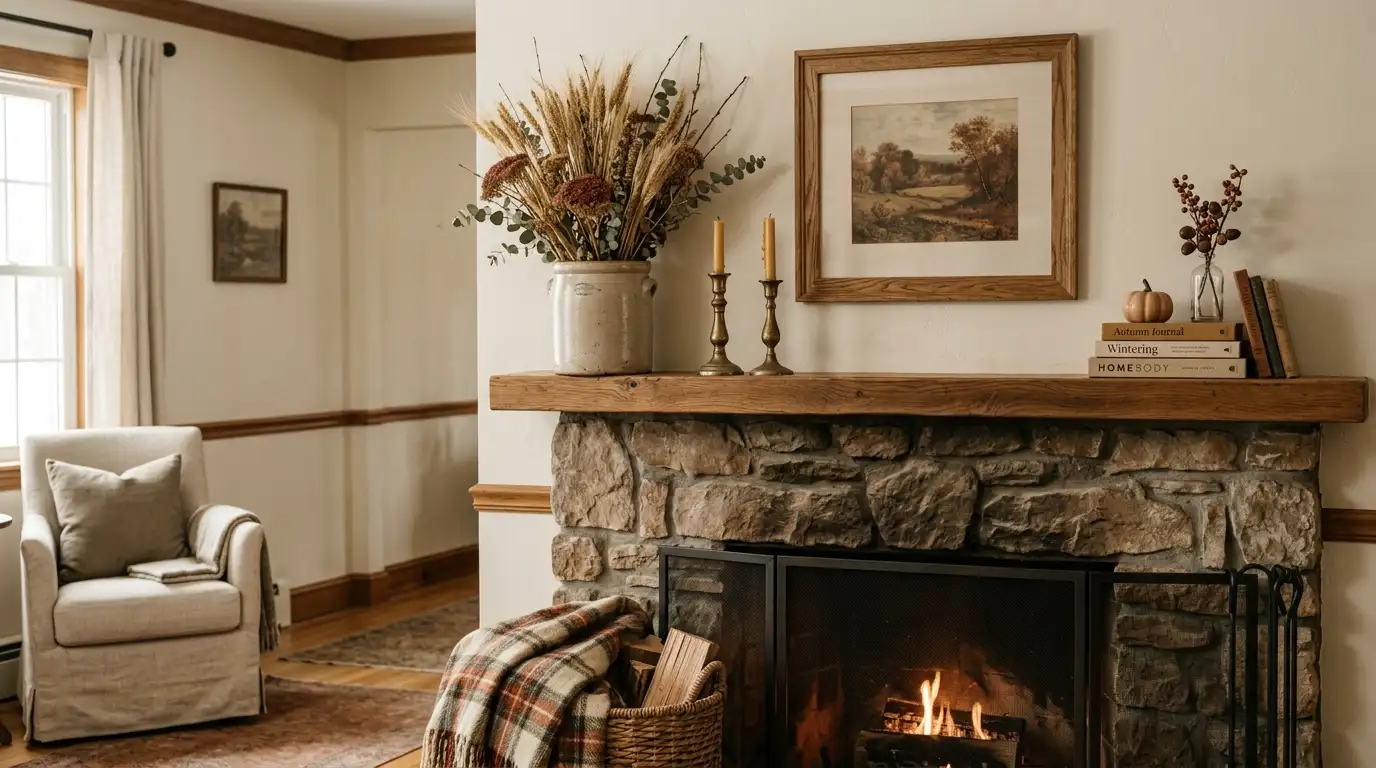
Why Does a Fall Mantel Look Cluttered So Fast?
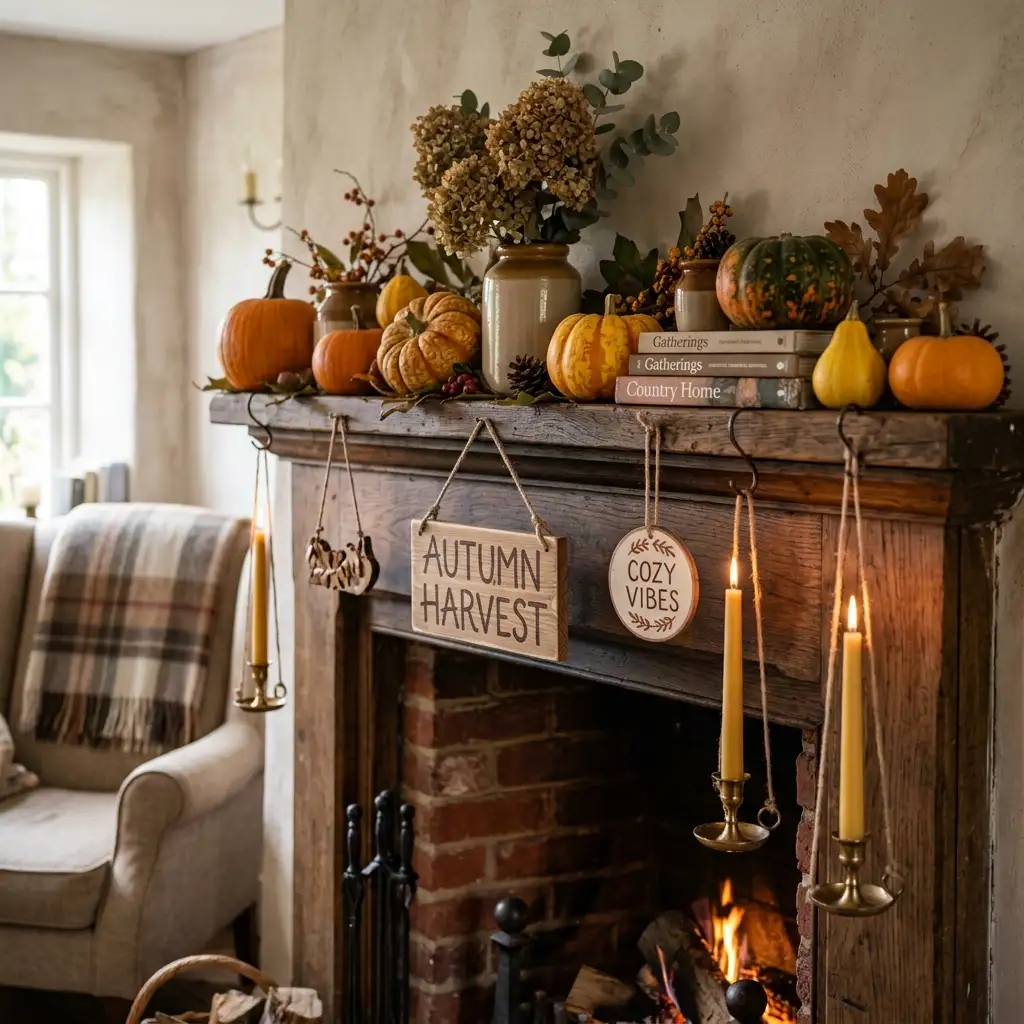
A standard fireplace mantel shelf runs six to eight inches deep. A medium pumpkin measures about nine inches across. That one gap explains more failed autumn mantels than any color choice does.
Fall mantel decor gets sold as a taste problem — pick the right pumpkins, the right garland, the right pair of candlesticks. It is closer to a fitting problem. The shelf is narrow, the wall above it usually holds a television or a mirror, and the firebox underneath may be lit three nights a week from October on. Those three facts decide what works before style enters the conversation. Our fall and autumn decor ideas cover the whole-home version of this season; the mantel has its own rules.
Looking for more ideas? Explore our full guide to Fall Decor by Room.
Fall mantel decor works when the pieces fit the shelf you already own. Measure the depth first, then choose objects that sit fully on the surface without hanging past the front edge. Set your tallest piece against whatever is fixed above the mantel — a mounted screen, a mirror, or open wall. Height and clearance decide the result more than the number of gourds.
What Changed: The Mantel Stopped Being a Blank Ledge
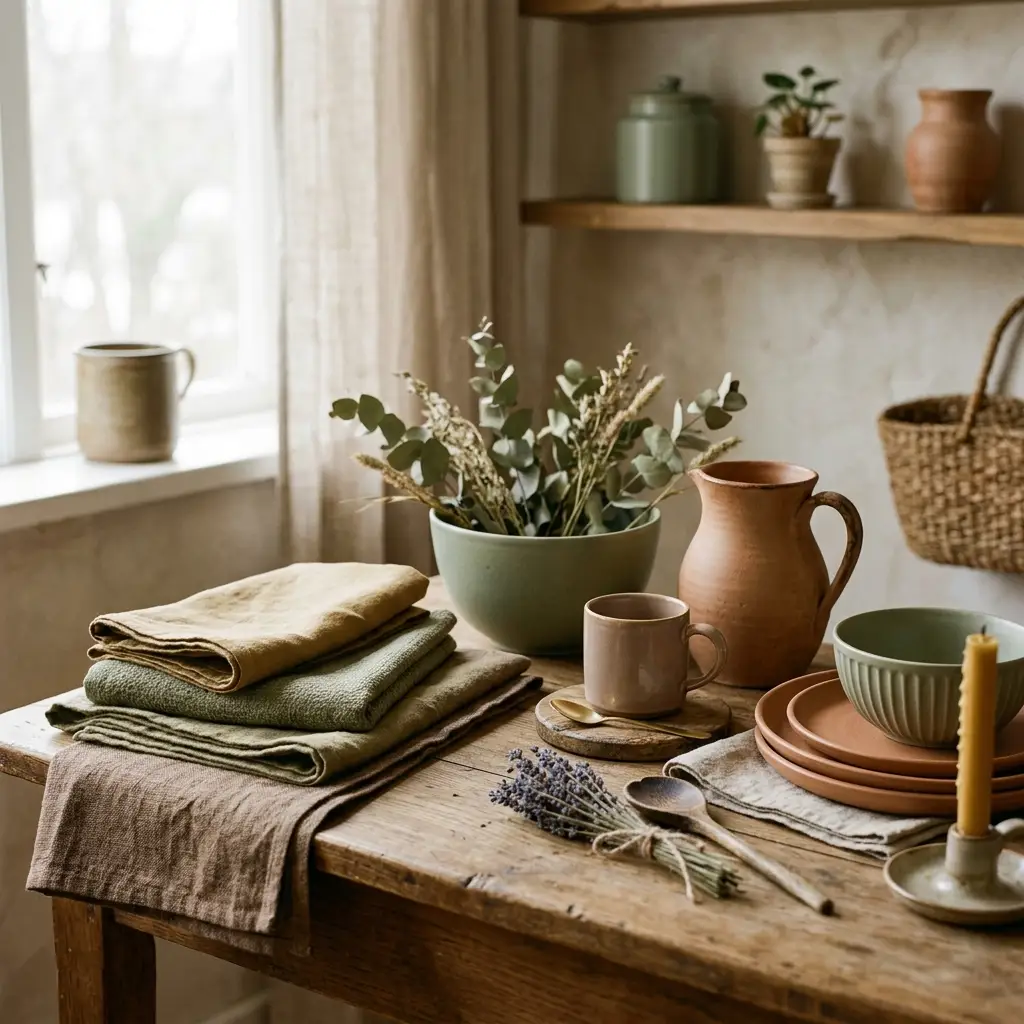
The mantel most decorating photos show — a deep painted shelf under an empty plaster wall — is now the minority. Linear gas fireboxes and electric inserts arrive with slim floating shelves rather than deep carved surrounds. Televisions moved over the firebox in a lot of open-plan rooms because it is the only wall the sofa faces. A fall mantel today is usually a shallow ledge under a screen, not a stage.
Signs This Is Catching On:
- Floating oak and painted beam mantels sit flush to the wall, giving five to seven inches of usable depth instead of twelve.
- Electric and linear gas inserts ship as a firebox plus an optional shelf, so the shelf is a decor accessory rather than structural trim.
- Media walls put the screen at the mantel’s centerline, which removes the classic symmetrical arrangement before you start.
Source Note: Mantel guidance from fireplace suppliers such as Mantels Direct puts standard mantel height at 54 to 60 inches from the floor, with 12 to 24 inches of clearance above the firebox opening.
That height matters for styling. At 54 inches the shelf sits above eye level for anyone seated, so objects are seen from below and their bases show. Tall thin pieces work better than wide flat ones on a high mantel. Rooms with a lower 48-inch modern mantel flip that — you look down on the surface, so a low bowl of dried wheat or hydrangea heads finally makes sense. The same styling logic runs through our living room decor ideas for other surfaces at seated height.
How Deep Is Your Mantel Shelf, Really?
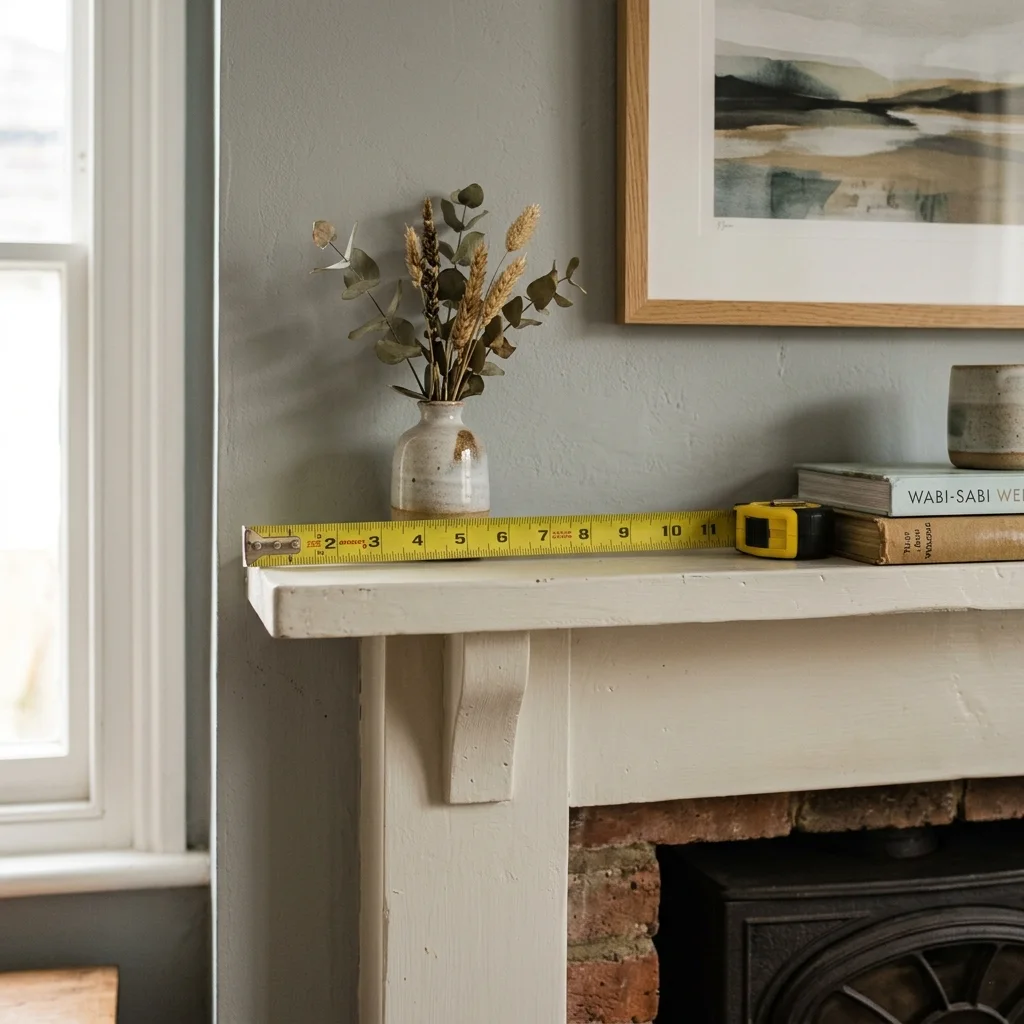
Measure from the wall to the front edge before you buy a single stem. Most mantel shelves land between six and eight inches deep. Traditional masonry surrounds can reach ten to twelve inches. Slim floating beams often stop at five. That number is your working width, and you should treat the front two inches as off-limits so nothing sits on the lip.
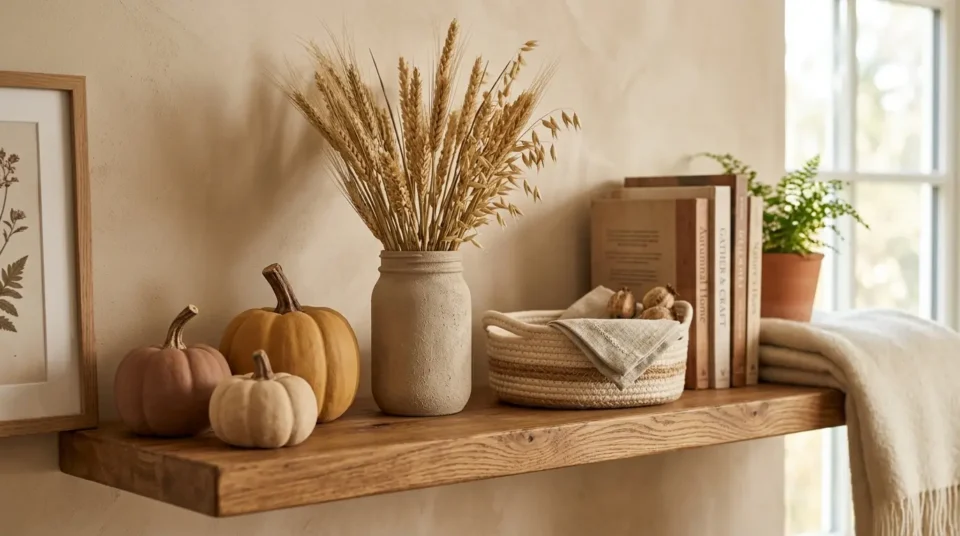
A six-inch shelf holds more than people expect once the objects are chosen for it. Taper candlesticks with a two to three inch base fit easily. Stoneware crocks, ironstone pitchers and small wood dough bowls in the five to six inch range sit flat. Books laid on their sides give height without depth. Mini pumpkins at three to four inches across group without crowding, while a full-size nine-inch pumpkin does not belong on the shelf at all — set it on the hearth instead.
DESIGNER TIP: Put the largest pumpkin on the floor beside the fireplace rather than on the mantel. The hearth has the depth the shelf does not, and the height difference makes both levels look planned.
What the Fire Code Says About Overhang
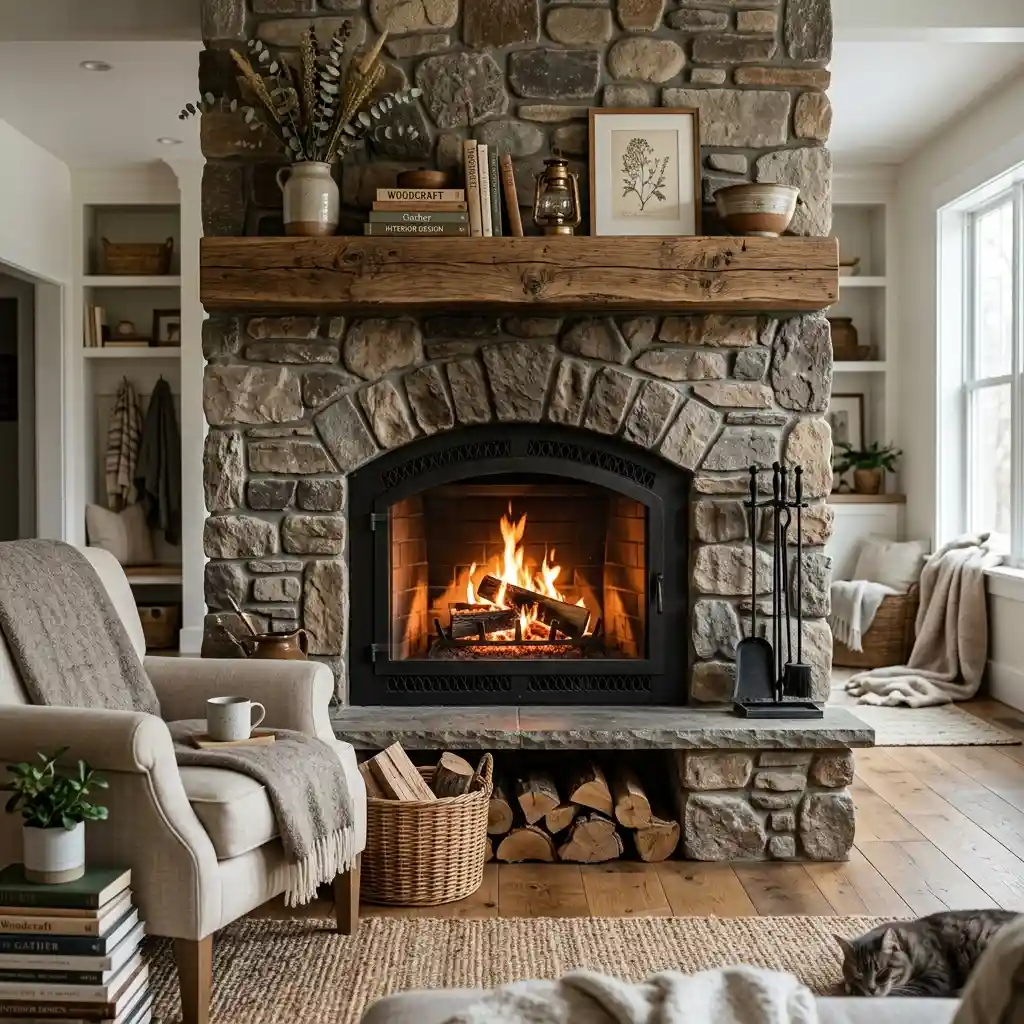
Fireplace clearance rules exist because wood and heat are a bad pair. The International Residential Code states that combustible material within 12 inches of a fireplace opening must not project more than 1/8 inch for each 1 inch of distance from that opening, and that combustible mantels or trim cannot sit within 6 inches of the opening at all.
Source Note: That code governs the mantel and trim themselves, not your decorations — but it shows how the building trade weighs overhang against heat.
The practical takeaway is simple. Anything that hangs out over the front edge of the shelf sits closer to rising heat than the shelf was designed for, and it looks unstable from the sofa. Keep bases fully on the surface. Let ribbon, stems and garland fall in front of the shelf face rather than tip over its edge.
What Hangs Above the Shelf Decides Everything
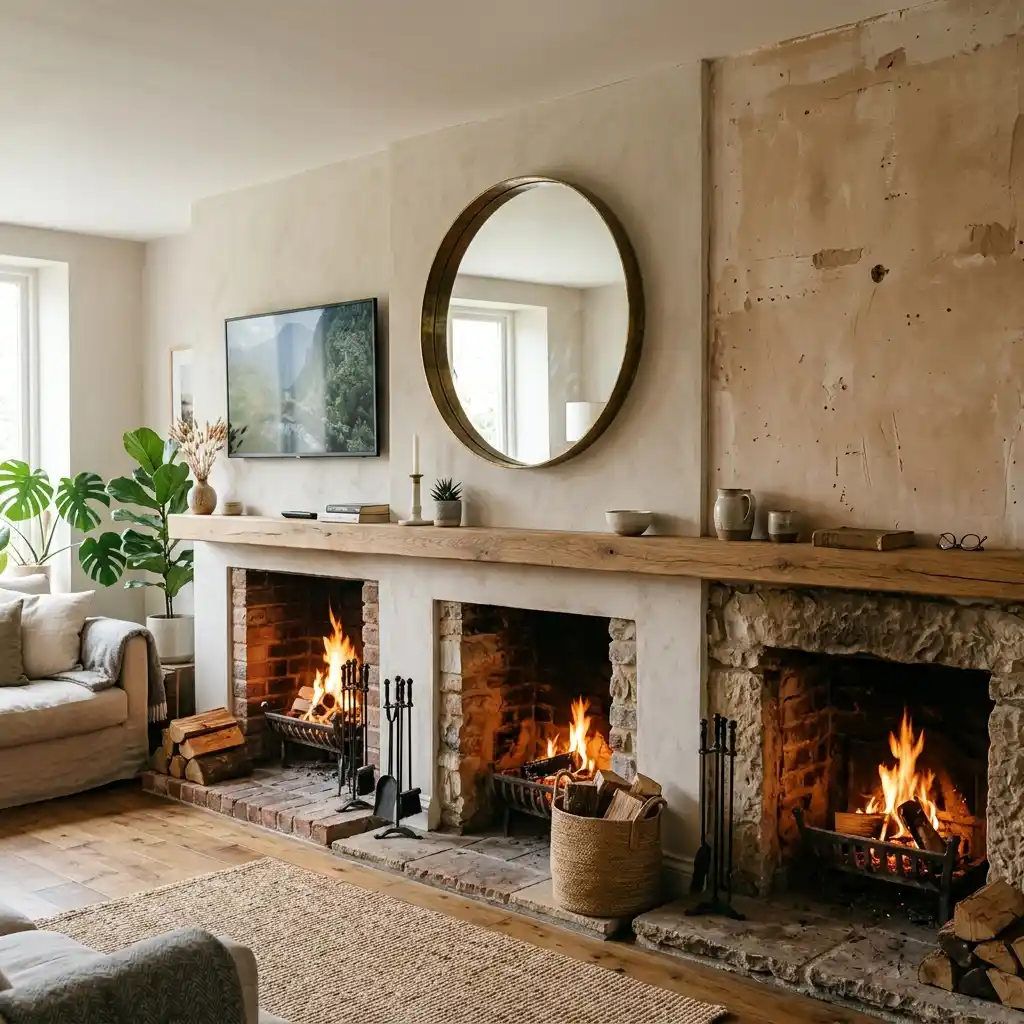
The wall above the mantel is the piece nobody accounts for. A television, a mirror or an empty wall each set a different ceiling for your tallest object, and each one changes whether symmetry helps or hurts. Pick your arrangement from that fixed element down, not from the shelf up. Wall treatments around a fireplace are worth planning together — our living room accent wall ideas cover the painted and paneled surround versions.
A fireplace wall is almost always the room’s main focal point, so what happens on the mantel sets the tone for everything facing it. Sofa placement, rug size and lamp height all answer to that wall. Our living room ideas for a designer look work through the rest of that arrangement.
A Fall Mantel Under a Mounted TV
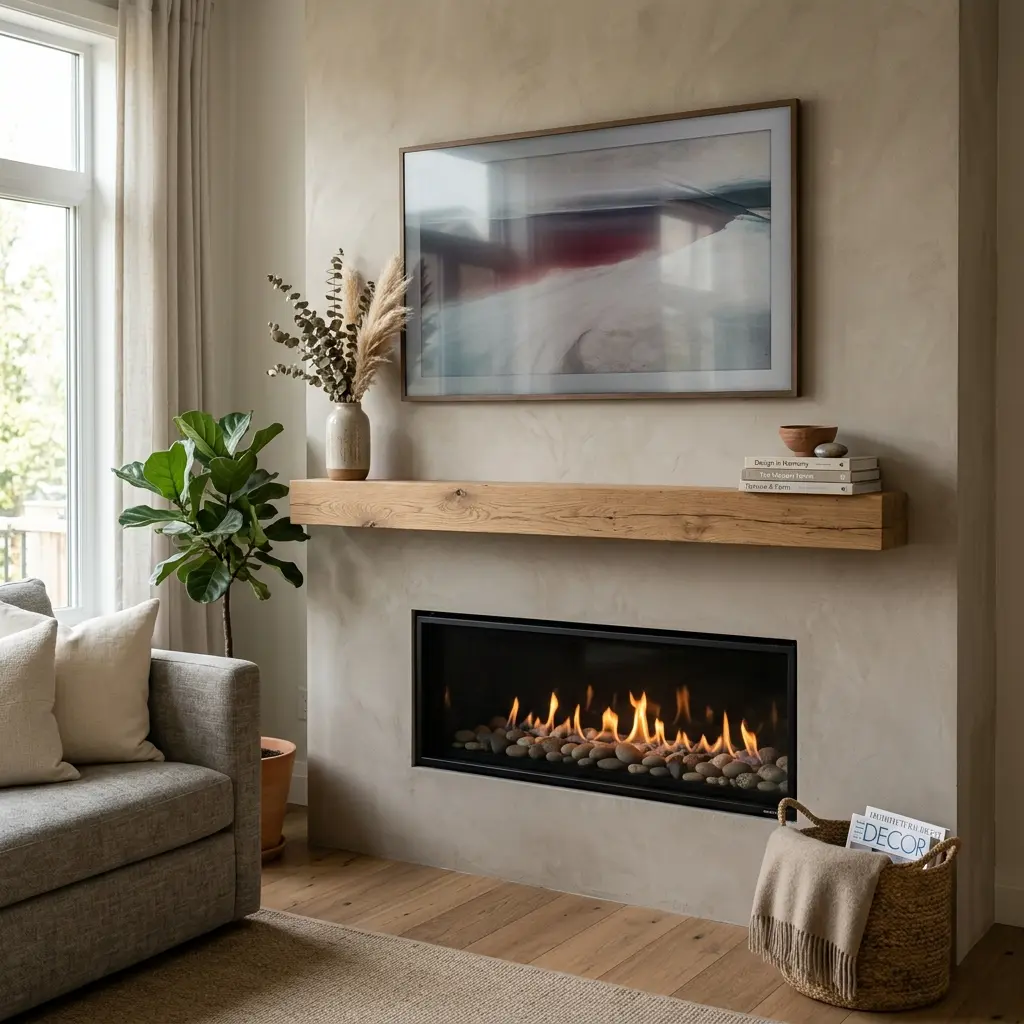
A mounted television kills symmetry, so stop fighting for it. The screen already owns the center of the wall, which means a matched pair flanking the middle just frames a black rectangle. Weight one end of the shelf instead: a tall vessel of dried grasses at the left third, then a stepped-down group of two or three smaller pieces trailing toward center, then nothing for the last third.
Keep every object below the bottom edge of the screen. A stem that crosses the bezel line looks like a mistake from every seat in the room. Warm materials help here too, since matte black, walnut and aged brass sit beside a dark screen better than glossy white ceramic does. Manufacturers rate televisions for normal room temperatures, so if you light real fires under a mounted screen it is worth checking the clearance your own manual specifies.
A Fall Mantel Under a Mirror
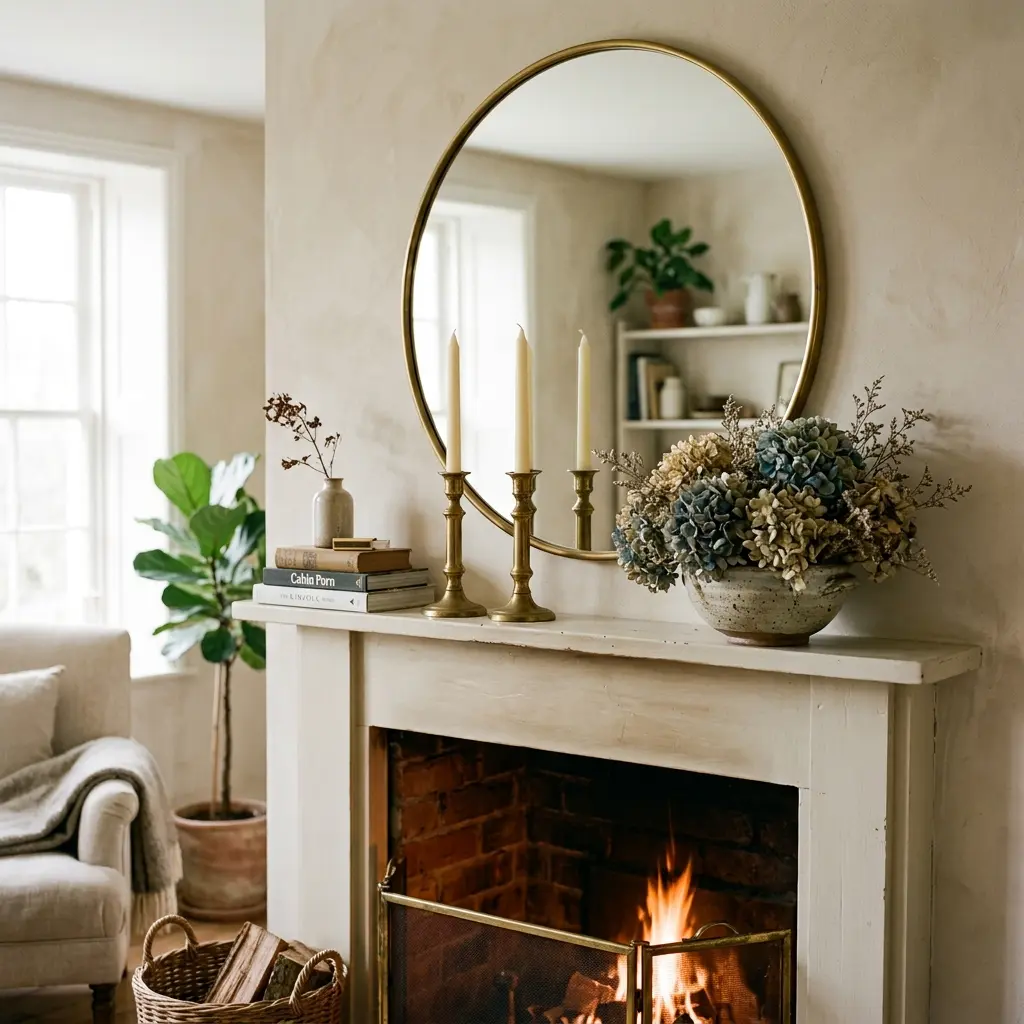
A mirror doubles whatever you put in front of it, so halve the object count. Five pieces below a large mirror look like ten. Two or three larger pieces are enough, and the back of every arrangement is now on show — which means the stems people usually leave bare at the back need filling out.
Candlelight is the real argument for a mirror above a fall mantel. Two taper candles reflect as four and lift the whole wall at 6pm in October. Keep the tallest object below the mirror’s bottom edge or sitting fully in front of the glass. An object that half-overlaps the frame splits its own reflection and looks accidental.
A Fall Mantel Under Art or a Bare Wall
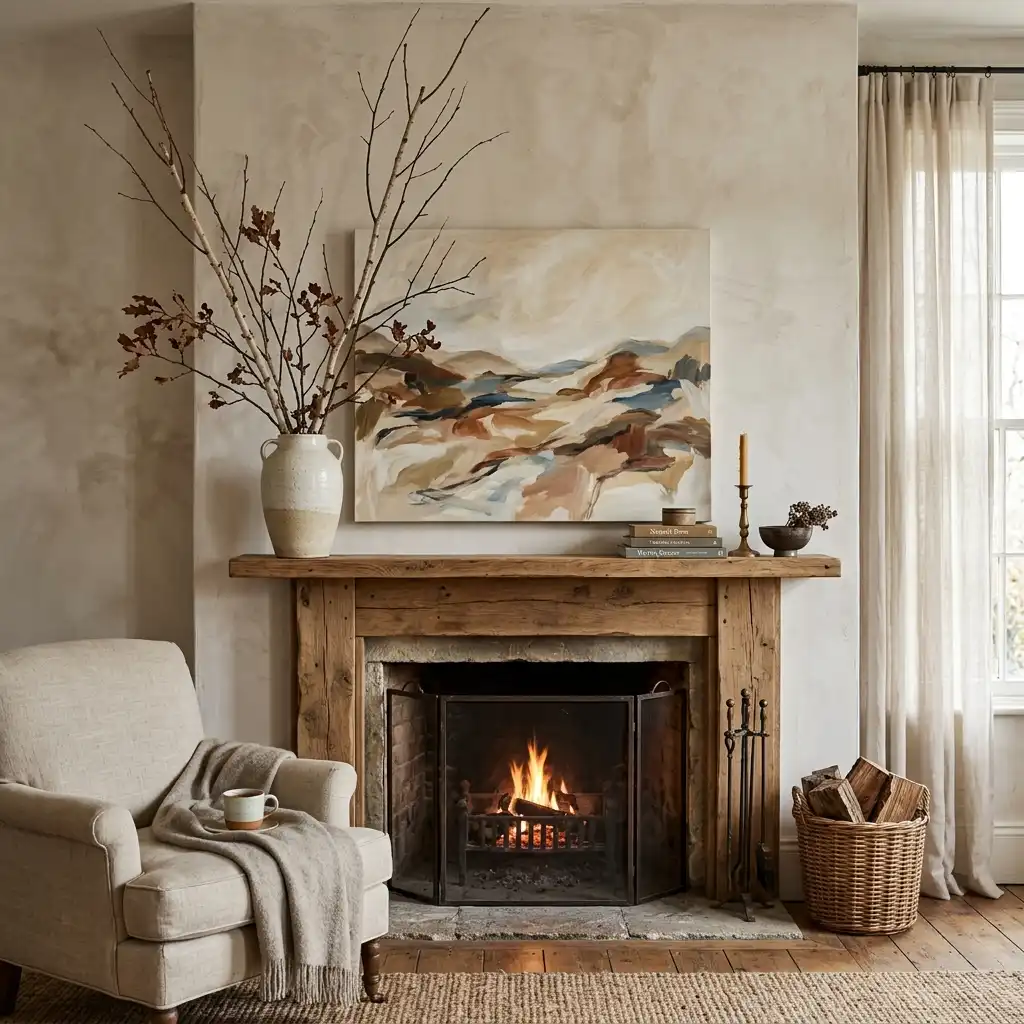
An open wall above the mantel is the only version where you can go tall. Bare branches, a two-foot dried arrangement or a leaning frame all work because nothing above them competes. This is also where a large leaning piece beats a small hung one. A 30-inch canvas propped against the wall covers the empty space a 12-inch frame leaves exposed, and it can shift sideways as the season changes. Gallery and leaning options are covered further in our living room wall decor ideas.
Flanking built-in shelving changes the math again, since the mantel stops being the only display surface on that wall. Those cases usually want less on the mantel, not more — see our guide to built-in shelves for living rooms for how the two surfaces share the load.
Where Should Fall Garland Sit on a Mantel?
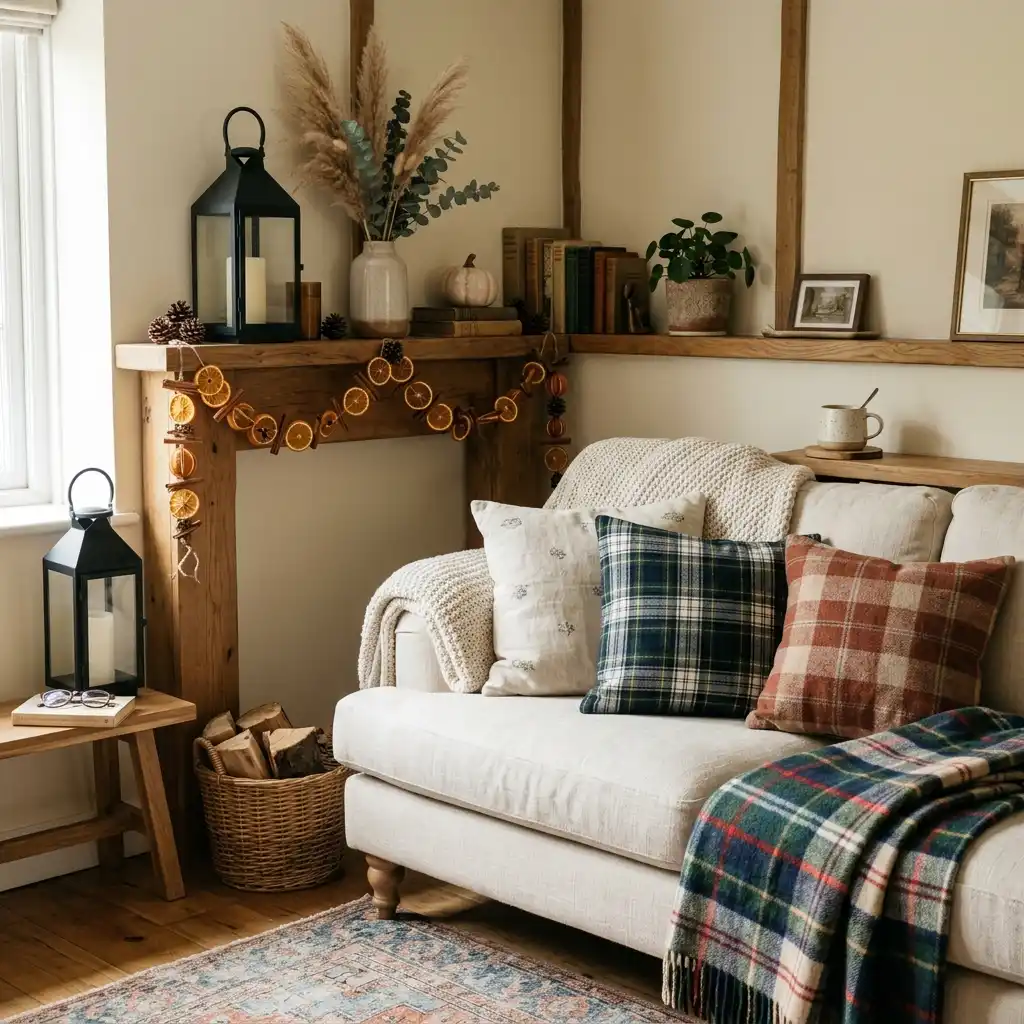
Fall garland is usually the biggest single purchase for a mantel, and it fails on hanging rather than on quality. Buy roughly one and a half times the mantel length — a 6-foot garland for a 4-foot shelf — so there is enough slack to drape rather than stretch. Anchor it under the front lip of the shelf with removable hooks so the weight hangs below the shelf line and the top surface stays clear for objects.
Asymmetric drape looks better than a matched swag on nearly every modern mantel. Run the garland along the shelf, let one long tail fall at one end, and stop the other end short. A dried eucalyptus, wheat or oak-leaf garland in muted olive, umber and cream holds that shape better than a dense faux maple rope, which flattens into a solid orange band from a few feet away.
Rental Note: Removable adhesive hooks rated for 3 to 5 pounds hold most dried garlands under a wood mantel lip without screws or lease trouble.
DESIGNER TIP: Never let a garland tail hang into the firebox opening, even on a fireplace you never light. It collects soot, and it puts fabric or dried plant material exactly where heat would rise.
Does Your Fireplace Actually Get Used?
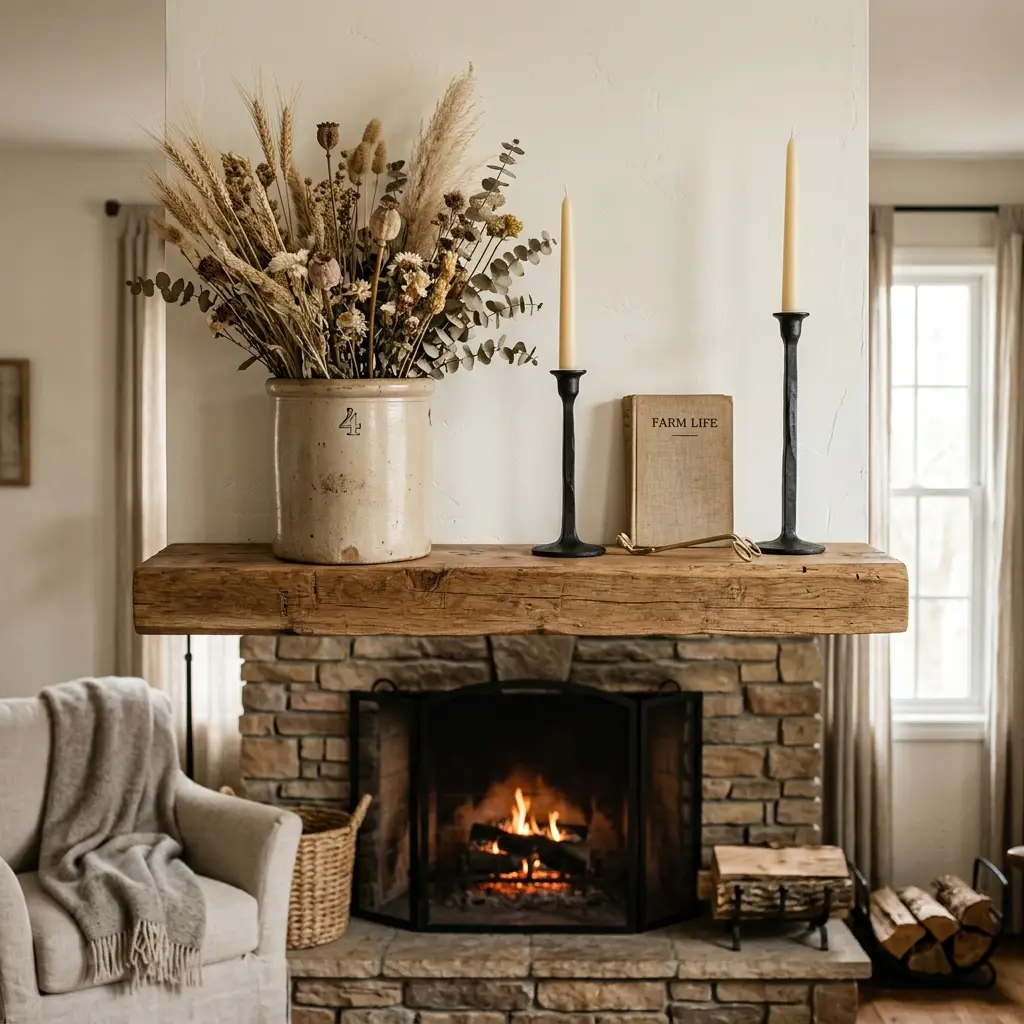
A working firebox and a decorative one are two different design briefs. If you light fires, everything on the mantel becomes temporary, and the test is whether the whole arrangement lifts off in one trip before you strike a match.
Safety Note: The U.S. Fire Administration advises keeping candles at least 12 inches away from anything that burns, and suggests battery-operated flameless candles as an alternative.
Material Note: Dried wheat, grasses, pampas and preserved eucalyptus catch fire quickly and are the most common fall mantel material — that 12-inch gap is the one measurement worth respecting on a shelf holding both.
Decorative fireboxes and sealed electric inserts remove that constraint, which is why they can carry a fuller arrangement all season. Sealed gas units still radiate heat through the surround, so check the glass front’s clearance before assuming the shelf above stays cool. Layered candlelight and lamp light around a fireplace wall are worth planning together — our living room lighting ideas cover the fixture side of that.
What If You Don’t Have a Real Mantel?
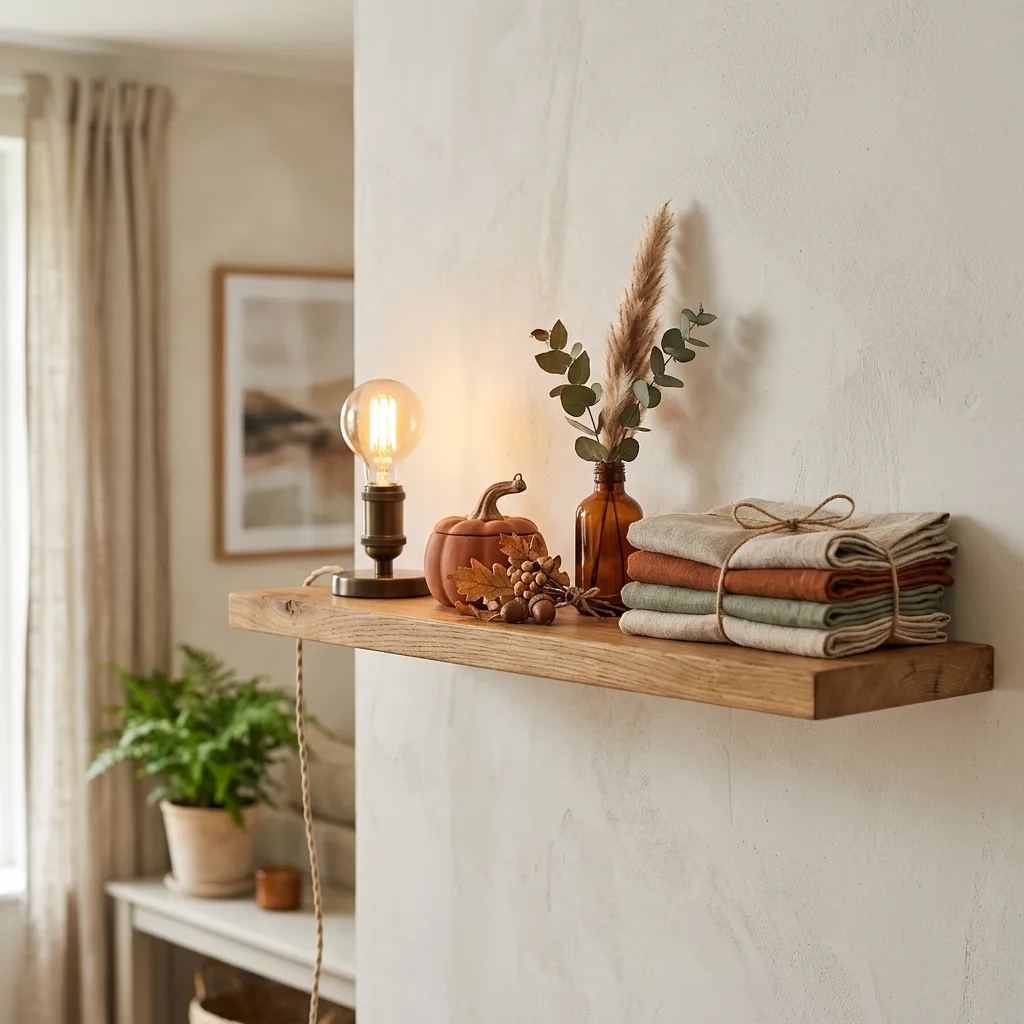
Plenty of homes have a fireplace with no shelf, or no fireplace at all. The rules transfer cleanly. A media console under a mounted television is the same problem: a shallow horizontal surface under a fixed rectangle, styled off-center with the tallest object kept below the bezel. A floating oak shelf mounted at 54 inches gives you the mantel line without the firebox. Rooms without a fireplace still need one clear focal wall, which is the starting point across our living room inspiration.
Renters get the easiest version of this. No firebox means no clearance rule and no heat, so real candles, dried stems and a full garland are all fair game on a plain floating shelf. A leaning arrangement on the floor against a blank wall — a large basket, a tall branch vase, two stacked crates — creates the same seasonal moment without a single fixing. Bedrooms take this treatment well too, as our fall bedroom refresh ideas show on dressers and low shelves.
Four Fall Mantel Decor Moves That Work on Any Shelf
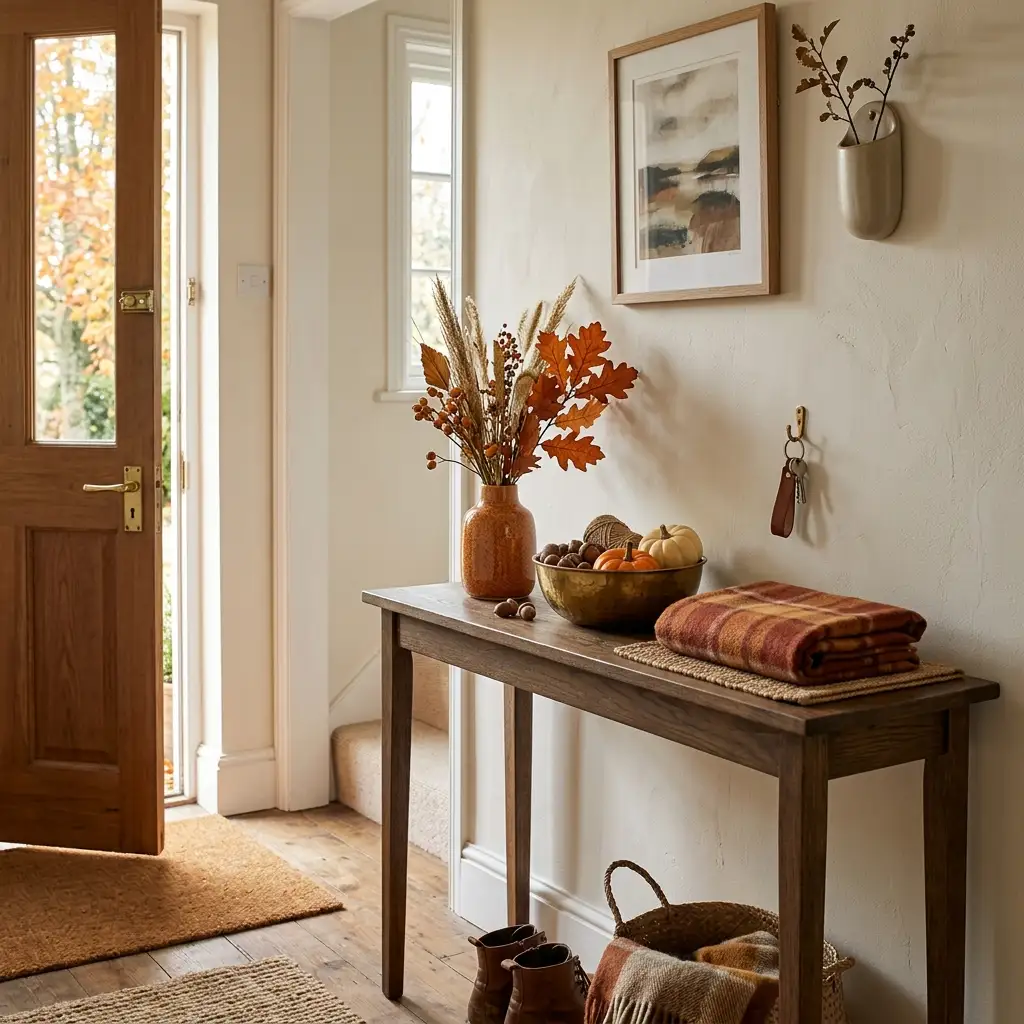
These four apply to a carved limestone surround and a five-inch floating oak beam alike. None of them require buying a full new set of autumn decor.
- Measure the depth and work two inches back from the front edge. Every object base should sit inside that line, which rules out large pumpkins and wide platters straight away.
- Set your tallest object against what hangs above. Below the TV bezel, below the mirror’s bottom edge, or free to run tall on an open wall.
- Hang garland from under the front lip rather than over the top face. The drape falls below the shelf line and the surface stays usable.
- Keep the arrangement liftable in one trip if you light real fires. If clearing it takes two hands and four journeys, it is too much for a working fireplace.
Warm rustic mantels respond especially well to move two, since the height contrast does the work that extra objects usually get asked to do — our modern farmhouse living room ideas show that balance across a full room.
Fall Mantel Checklist
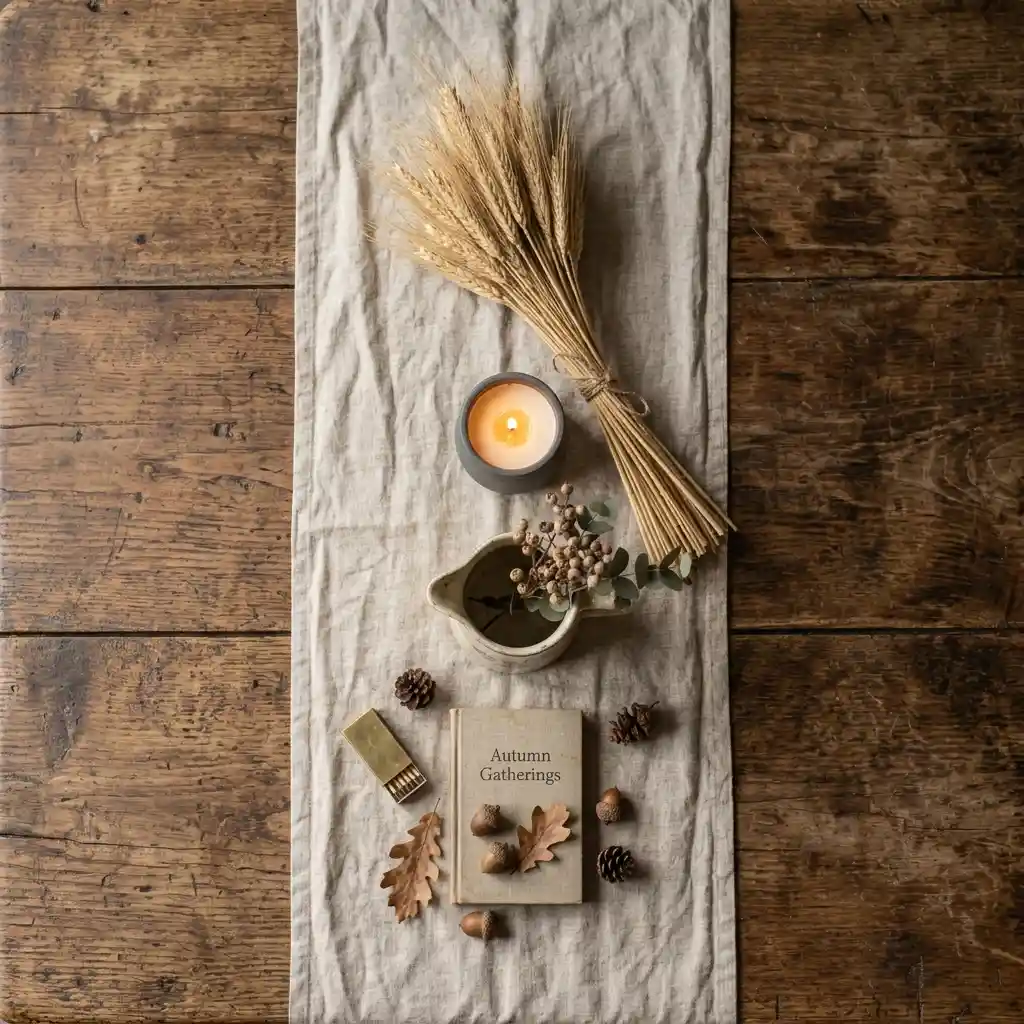
- Measure shelf depth and length before buying anything seasonal.
- Choose object bases under 6 inches wide so nothing overhangs the front lip.
- Identify the fixed element above — TV, mirror or bare wall — and cap your tallest piece to it.
- Buy garland at 1.5 times the mantel length and anchor it under the lip.
- Switch to battery candles if the firebox is used, and move dried stems well clear of heat.
KEY TAKEAWAY: The shelf depth and the object hanging above it decide a fall mantel long before the color palette does.
What to Avoid
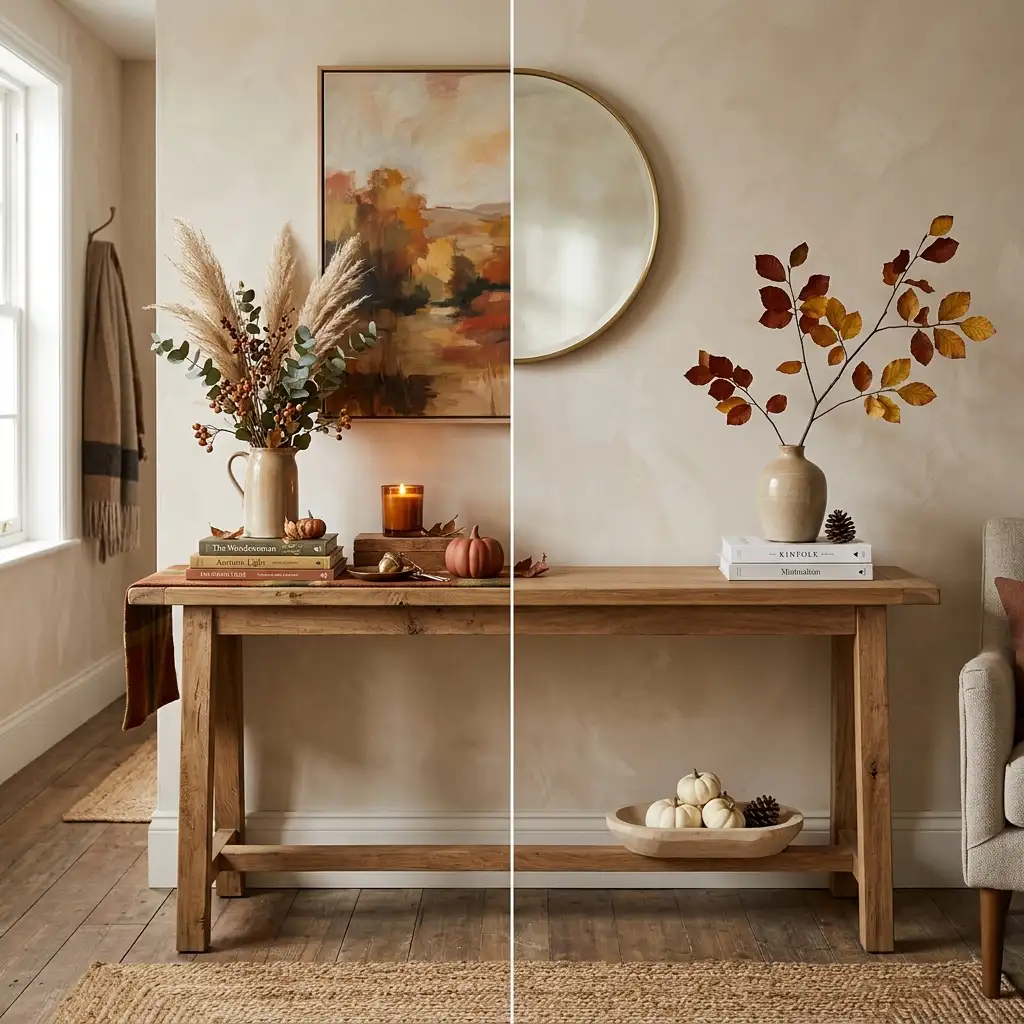
- Many people buy the decor before measuring, then force a nine-inch pumpkin onto a six-inch shelf. Measure the depth first and shop to that number, keeping the front two inches clear.
- Symmetrical pairs under a mounted television frame the screen instead of softening it. Weight one end of the shelf and let the other third stay empty.
- Dense faux maple garland flattens into a solid orange band from across the room. Dried eucalyptus, wheat or oak leaf in muted olive and umber keeps its texture at a distance.
- Long garland tails that hang into the firebox opening collect soot and sit in the path of rising heat. Stop the drape at the shelf face on any working fireplace.
- Small objects scattered edge to edge make the shelf look crowded rather than full. Three larger pieces hold a mantel better than eight small ones, and they clear off in seconds.
What You’ll Spend on a Fall Mantel
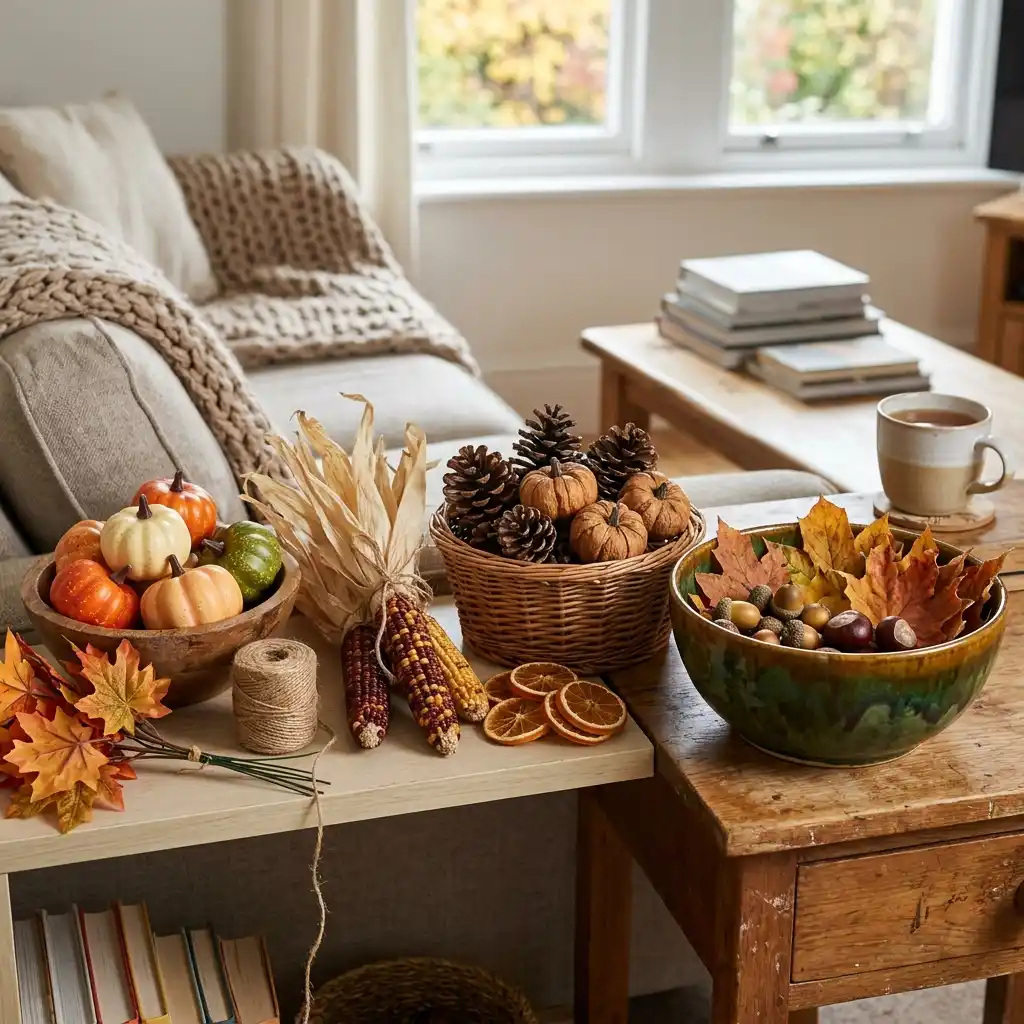
A mantel is one of the cheapest fall projects in the house because the surface is small and most of the pieces get reused. The split that works is money on the bases you keep and pocket change on the filler you replace. Budget versions land under $50 for stems, mini pumpkins and tapers. A good dried garland with hooks is the mid-range spend at roughly $45 to $110. Premium here means the reusable bases — a stoneware crock, brass candlesticks and a leaning frame together run $120 to $300 and outlast every season. Swap the stems for evergreen in December and those same vessels carry a cozy winter decor look with nothing new bought.
| Project | Estimated Cost | Impact Level |
|---|---|---|
| Dried stem bunches, mini pumpkins, taper candles | $20-$50 | High |
| 6-foot dried or preserved garland plus removable hooks | $45-$110 | High |
| Reusable bases: stoneware crock, brass candlesticks, leaning frame | $120-$300 | Very High |
Best First Upgrade: One wide stoneware or wood vessel that holds the center of the shelf on its own — it works in every season once the stems change.
Skip for Now: A second garland for the doorway or stair rail. Get the mantel arrangement right on one surface before spreading the same look thin across three.
The Bottom Line
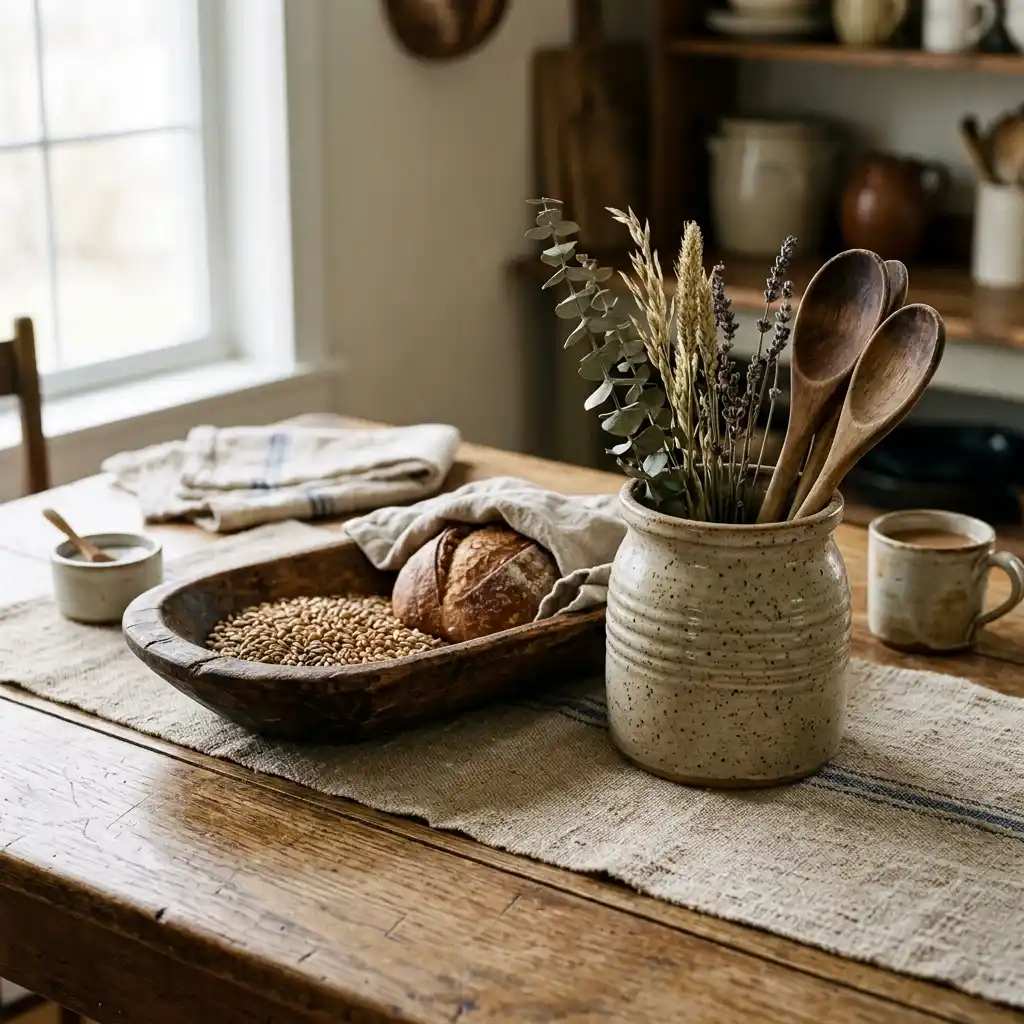
Designer’s Verdict: Measurement beats inspiration here — a mantel styled to its own depth and to the object hanging above it looks better with three pieces than a copied photo does with ten.
Frequently Asked Questions
Conclusion
Take a tape measure to the shelf before you buy anything else — depth and the fixed object above it settle almost every fall mantel decor question that follows. Everything after that is choosing three good pieces instead of eight small ones, and our home decor inspiration has the rest of the seasonal picture whenever you are ready to move past this one wall.