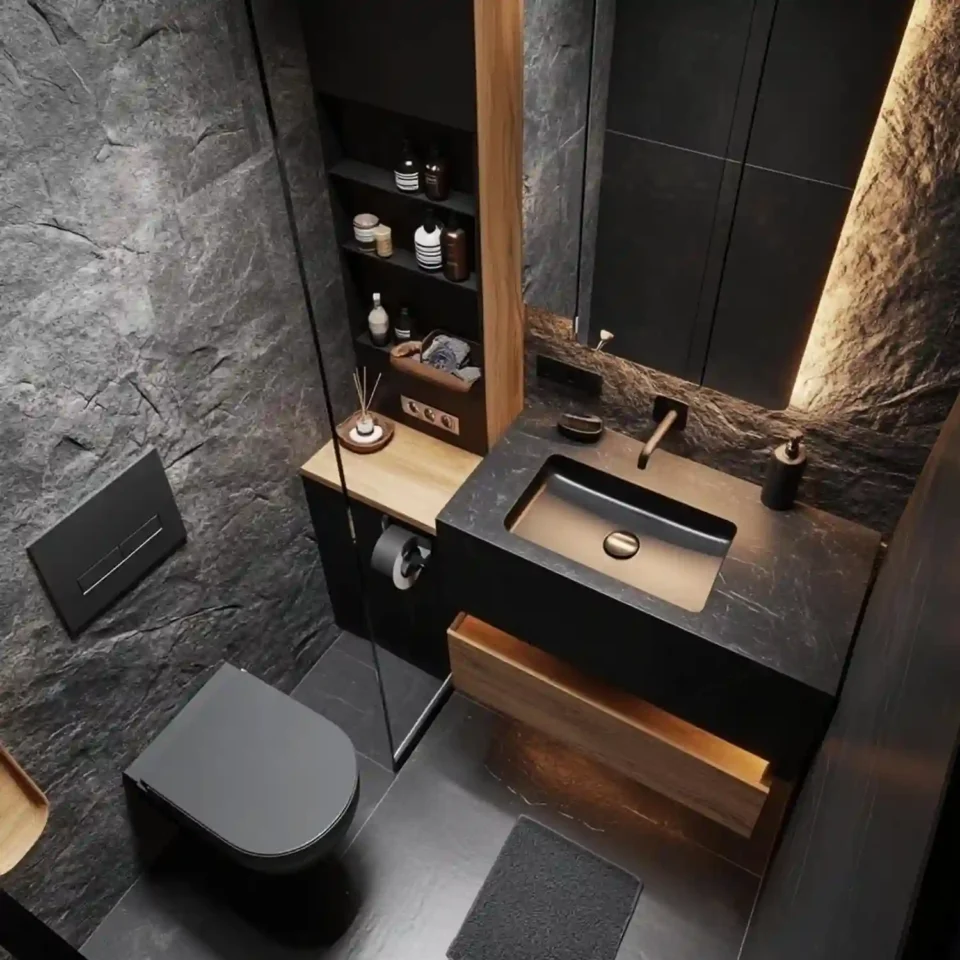
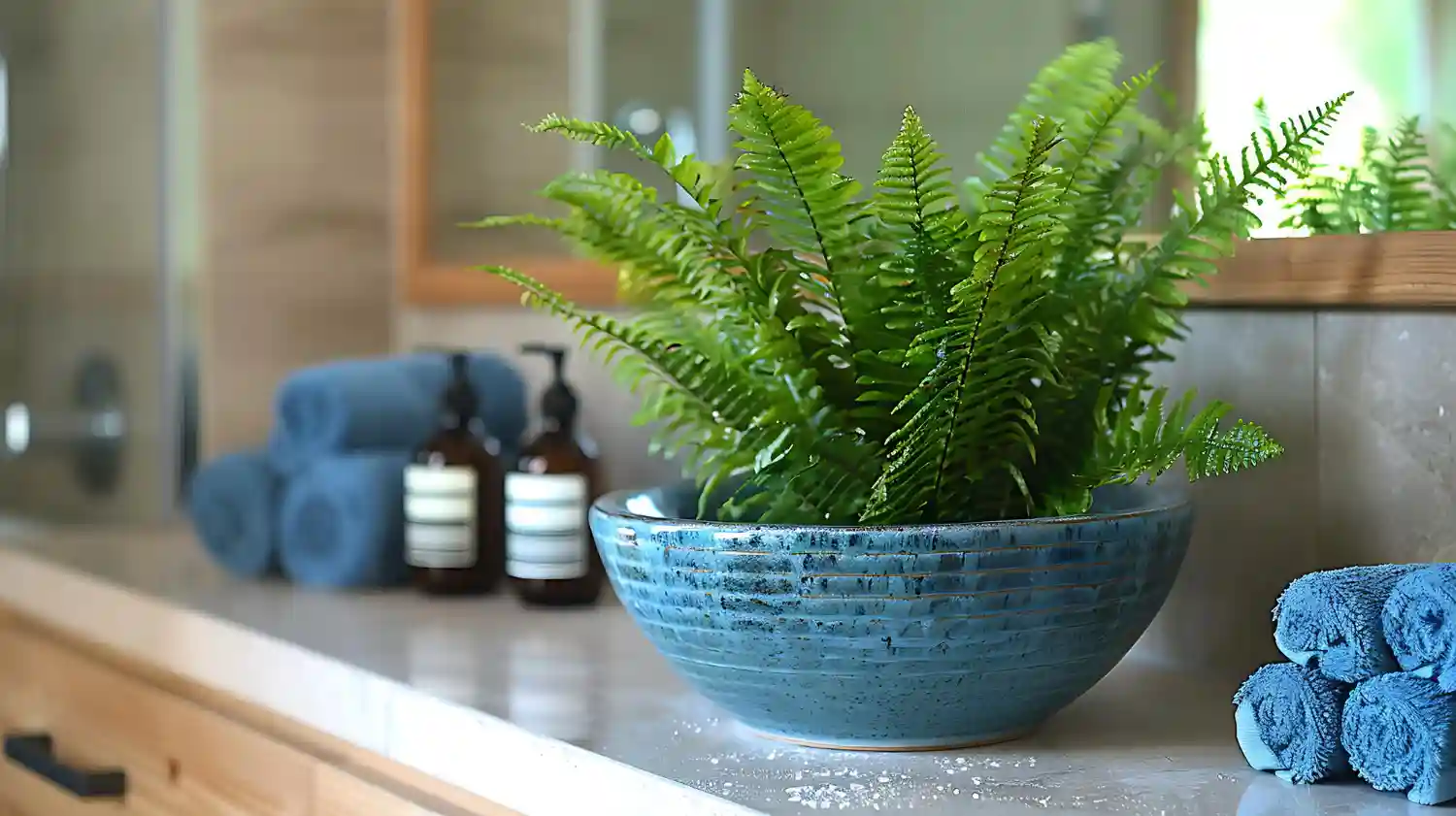
Why Everyone Is Adding Plants to the Bathroom?
Why do bathroom plants keep dying when the bathroom is the most humid room in the house? It feels backward. If you have watched a fern crisp up on a windowless vanity, you are not imagining it. The problem is almost never the moisture. It is the light.
The best bathroom plants are the ones that shrug off low light and love humid air. Snake plants, pothos, ZZ plants, and ferns lead the list. A bathroom copies the warm, damp air many houseplants grew up in. But no plant survives full darkness, so a windowless room needs a small grow light or a weekly swap to a brighter spot.
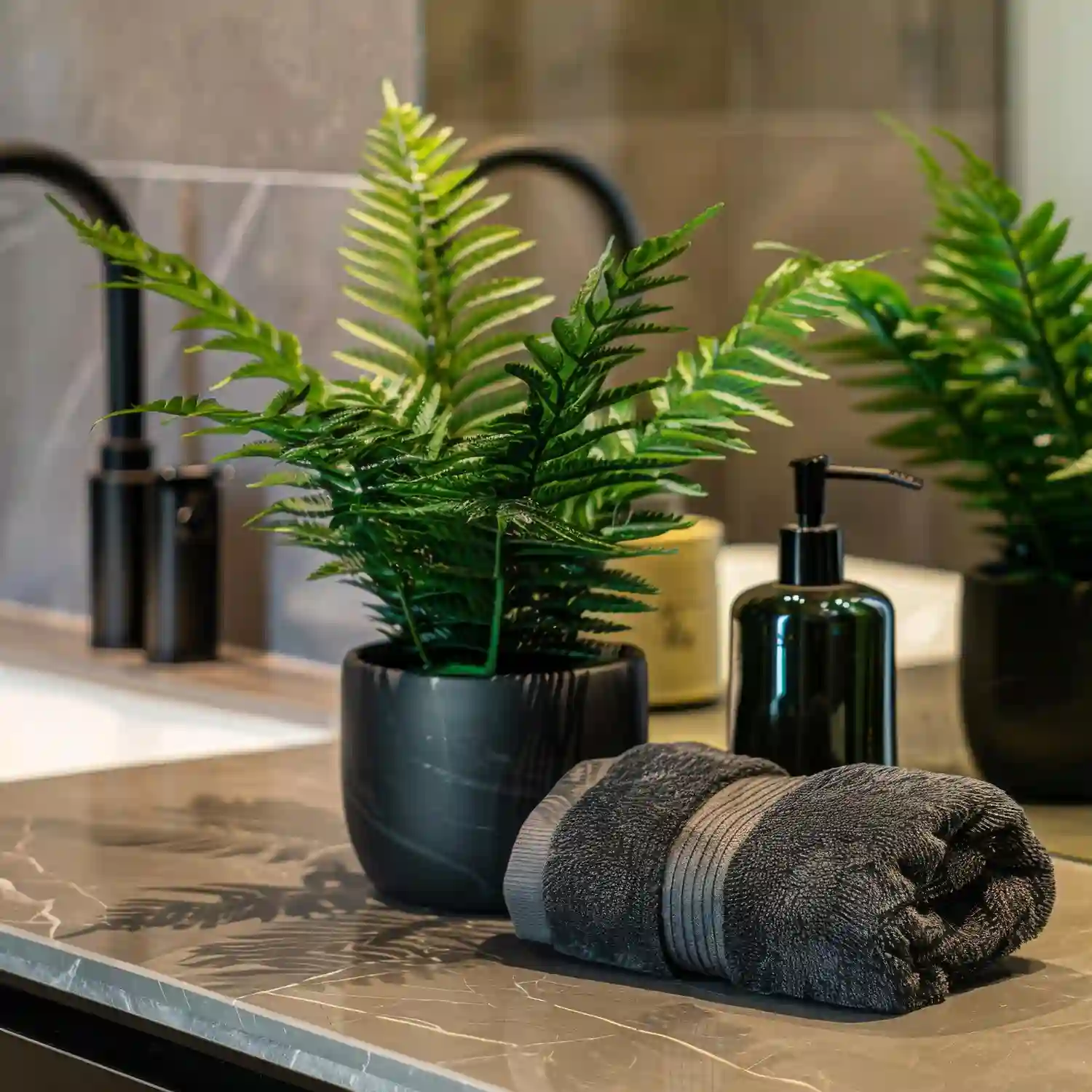
Editorial field note: A guest bath with one frosted window often feels flat and hard. One trailing pothos on a floating shelf softens the corner and pulls the eye up. The room reads calmer before anything else changes.
Green life is not a passing look either. Plants pair with almost every style, from a spa soak room to a boho vanity. This guide covers the toughest picks, the watering rules that matter, pet-safe swaps, and where each plant belongs. Start with our home decor inspiration for the bigger picture, then use these bathroom vanity ideas to style the counter your plant will sit on. Bookmark this guide for quick reference.
| Quick Takeaways | |
|---|---|
| Light | Most picks handle low light, but none survive zero light. |
| Humidity | Steam suits tropical plants like ferns, pothos, and orchids. |
| Watering | Damp air means water less; let the soil dry first. |
| Pets | Pothos, peace lily, and aloe are toxic; pick spider plant or fern. |
| Windowless | Add a small LED grow light or rotate to a bright room weekly. |
Why Humid Bathrooms Are Good for Plants
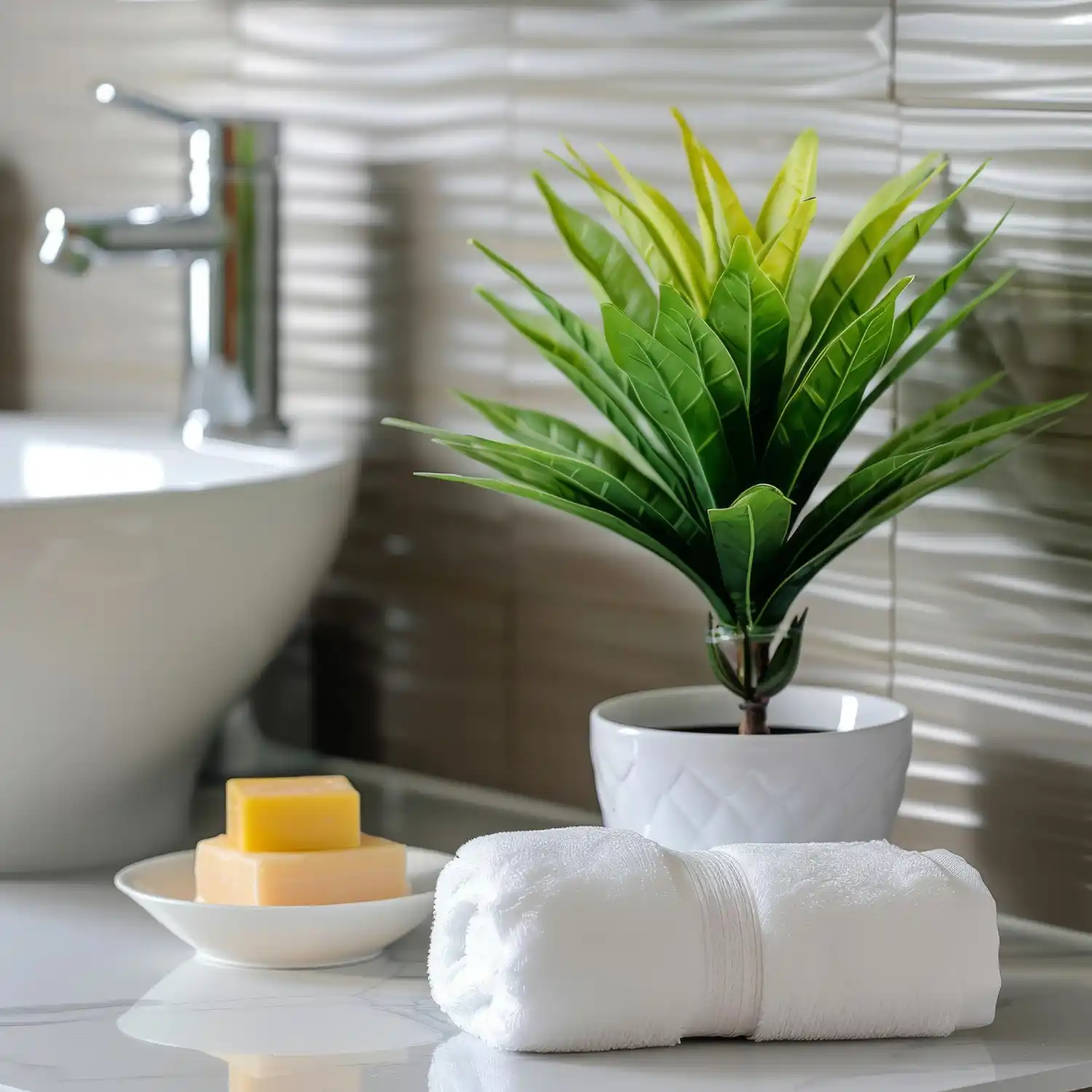
Most houseplants come from tropical forests. They grew under a canopy, in warm air, with dappled light and steady moisture. A bathroom repeats two of those three conditions almost perfectly. Warm shower steam raises the humidity, and the room holds heat longer than a hallway.
Humidity is measured as a percentage of moisture in the air. A living room often sits near 30 to 40 percent, while a bathroom after a shower can climb far higher. Ferns and calatheas drink that moisture through their leaves, so they need less watering than they would on a dry desk. Pothos and orchids love the same damp warmth.
The catch is the third condition: light. Steam cannot replace it. A bright, humid bathroom is a plant paradise. A dark, humid bathroom is a slow trap. That single gap explains most bathroom plant failures, and the picks below are chosen to survive it.
The Bathroom Plants That Actually Survive
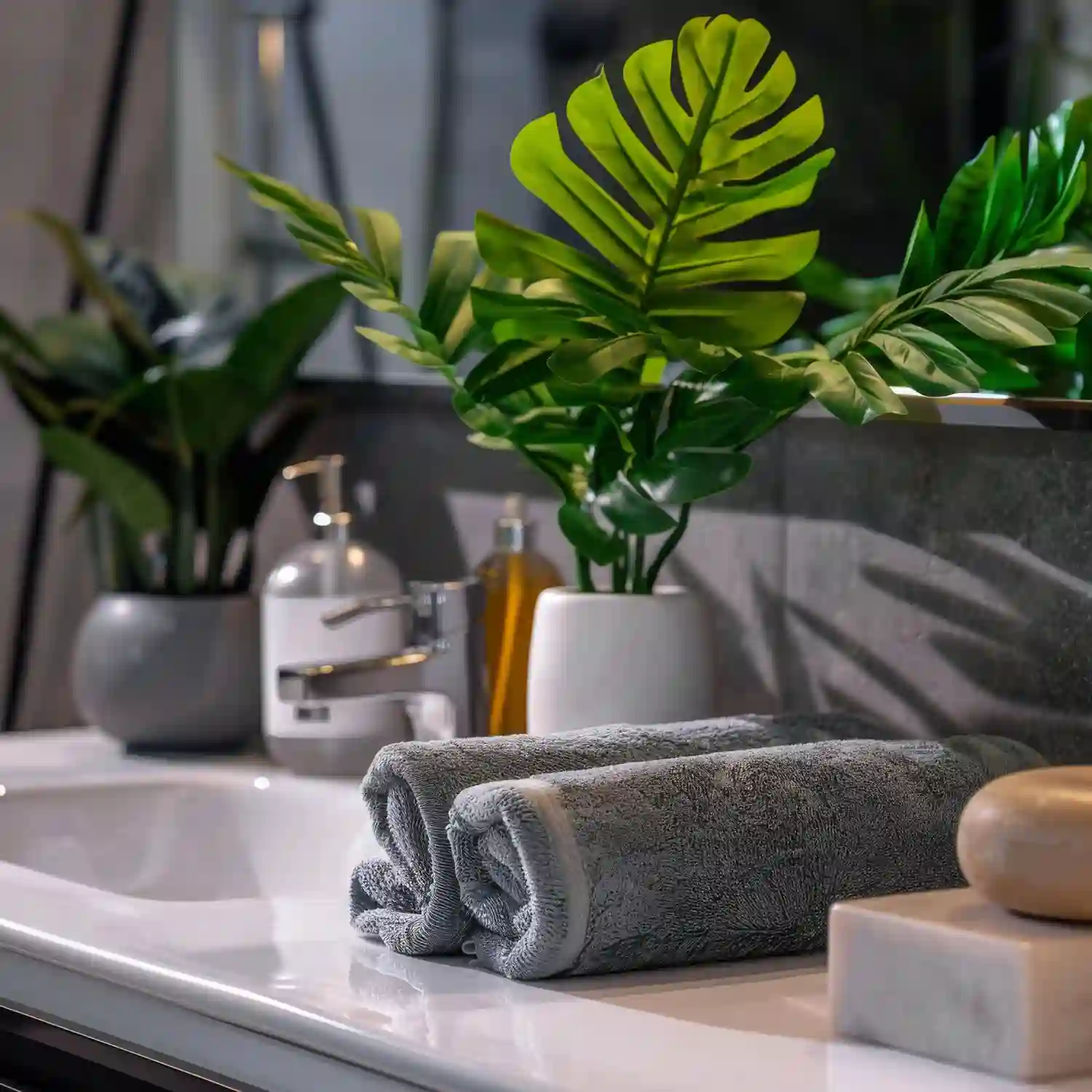
You do not need a rare plant to fill a bathroom with green. The best picks here are common, cheap, and forgiving. Each one below handles low light, likes humidity, or both. I have noted watering habits and pet safety so you can match a plant to your room and your household.
Snake Plant: The Low-Light Survivor
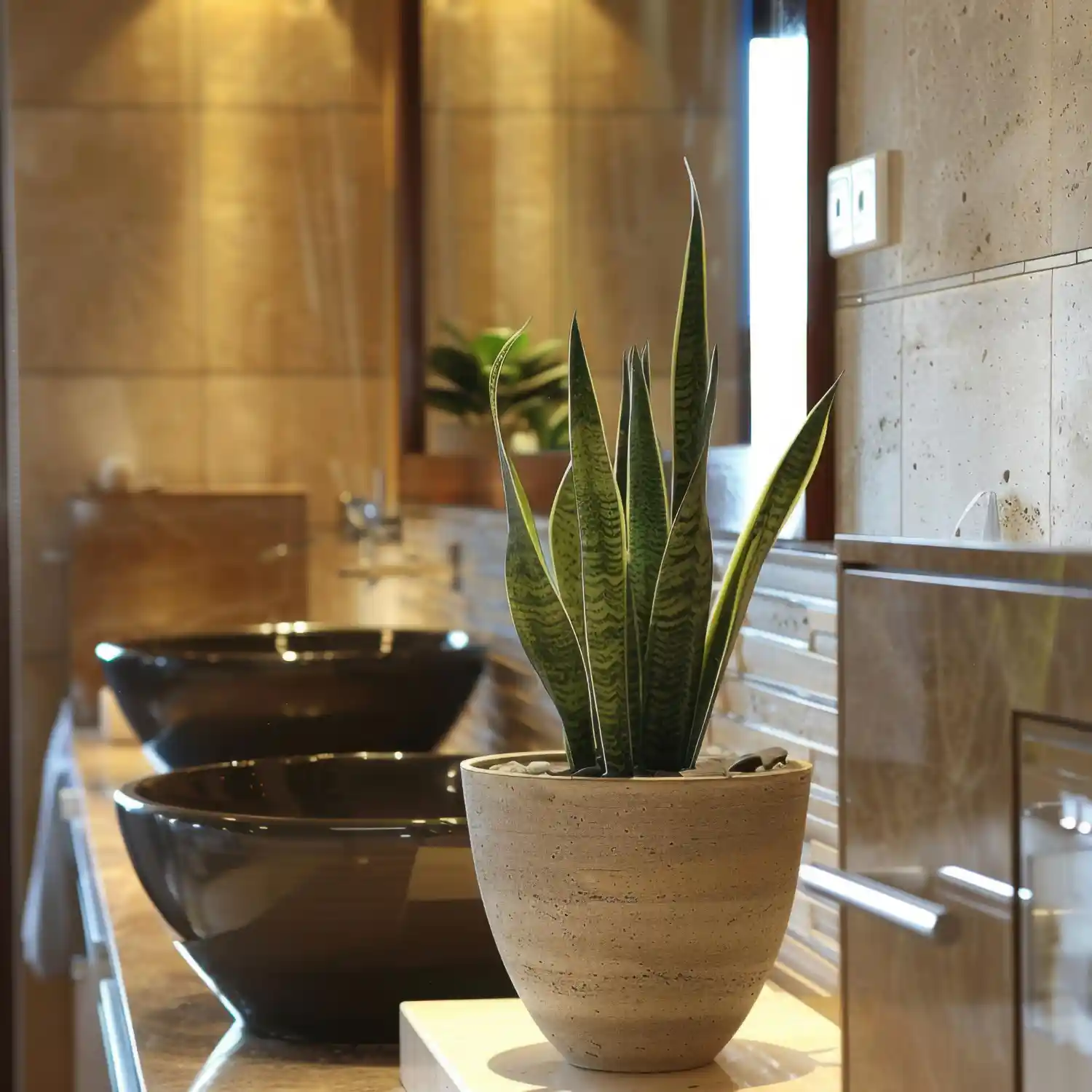
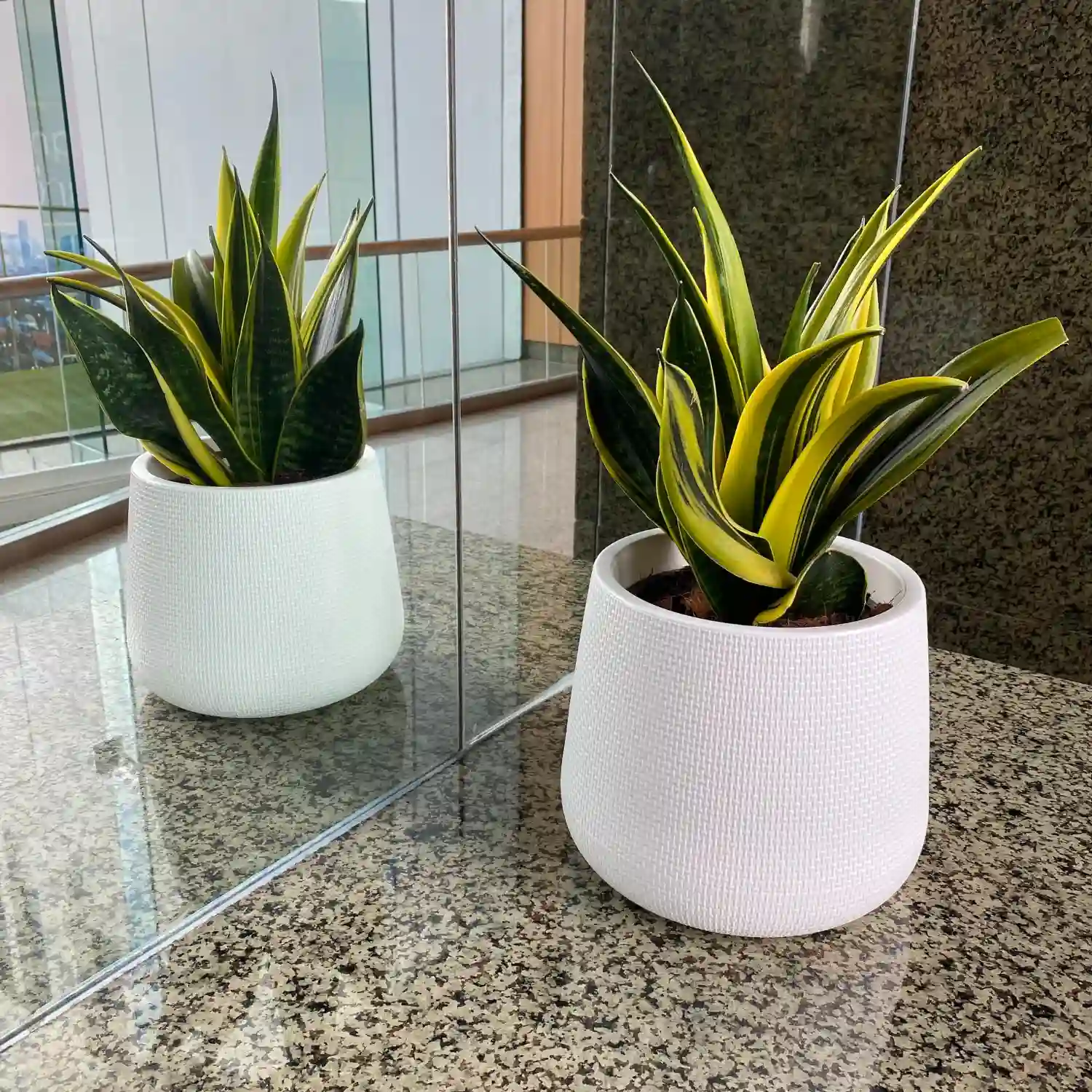
The snake plant is the toughest pick on this list. Its stiff, upright leaves handle low light, dim corners, and long gaps between watering. Snake plants store water inside their leaves, so bathroom steam plus a drink every one to two weeks is plenty. Set one on the toilet tank or a floating shelf where the sword-like shape adds height. One caution: snake plants are toxic to cats and dogs if chewed.
Pothos: The Forgiving Vine
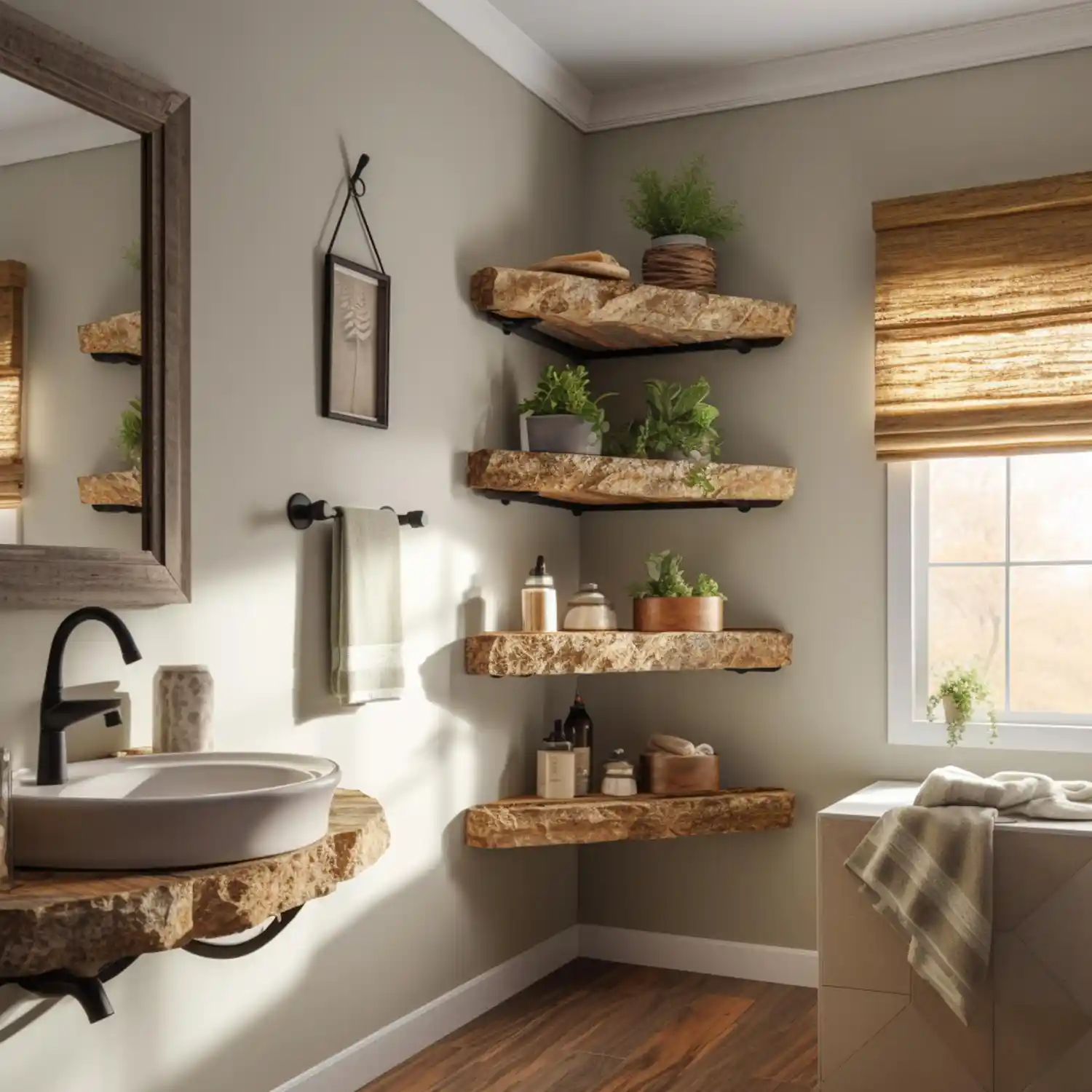
Pothos is the forgiving vine most people start with. It trails from a shelf or hanging pot and grows fast in warm, damp air. Pothos tolerates low light, though a brighter spot keeps the leaves fuller and more marbled. Let the top inch of soil dry, then water. Trailing pothos also works beautifully when you decorate a balcony with hanging plants, so a cutting can move outside in summer and back in fall.
ZZ Plant: Nearly Unkillable
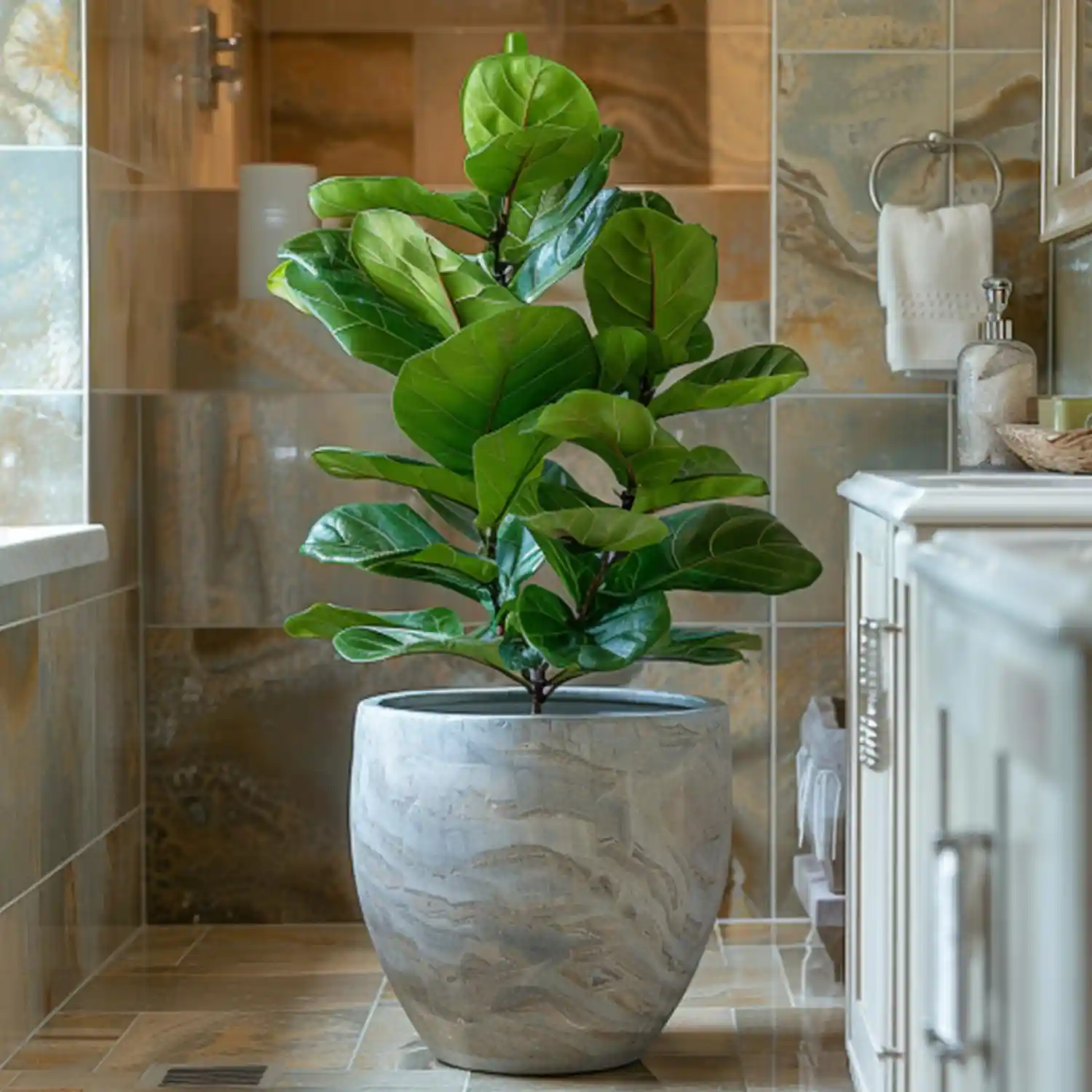
The ZZ plant is close to unkillable, which makes it right for a forgetful owner or a dim guest bath. Its waxy leaves catch what little light reaches them, and it wants water only every two to three weeks. ZZ plants rot from overwatering, not neglect, so keep it on the dry side. The glossy green foliage looks modern next to a stone vanity or matte black hardware. Note the ZZ plant is also toxic to pets.
Boston Fern: The Humidity Lover
The Boston fern is the humidity lover of the group. It drinks up shower steam and rewards you with soft, arching fronds. Ferns want steady moisture and bright, indirect light, so a spot near a frosted window suits them well. Keep the soil lightly damp and mist on dry days. Good news for pet homes: the Boston fern is non-toxic to cats and dogs, which makes it a safe and lush choice.
Pet-Safe Picks: Spider Plant and Calathea
If a cat or dog shares your home, plant choice matters more than looks. Many bathroom favorites are toxic, including pothos, peace lily, philodendron, and aloe. Safety Note: check any plant against the ASPCA’s toxic plant list before you buy it. Safe, humidity-friendly swaps include the spider plant and calathea. The spider plant handles low light and sends out baby offshoots you can pot up. Calathea loves damp air and adds bold, patterned leaves.
Orchids: The Shower-Shelf Showpiece
The moth orchid, or Phalaenopsis, turns a shower shelf into a small display. Orchids thrive on bathroom humidity and bright, indirect light, which copies their tropical home. Water by soaking the roots once a week, then let them drain fully so they never sit wet. A blooming orchid on the vanity brings soft color that most greenery cannot. Phalaenopsis orchids are non-toxic to pets, so they suit family bathrooms too.
Do Bathroom Plants Need a Window?
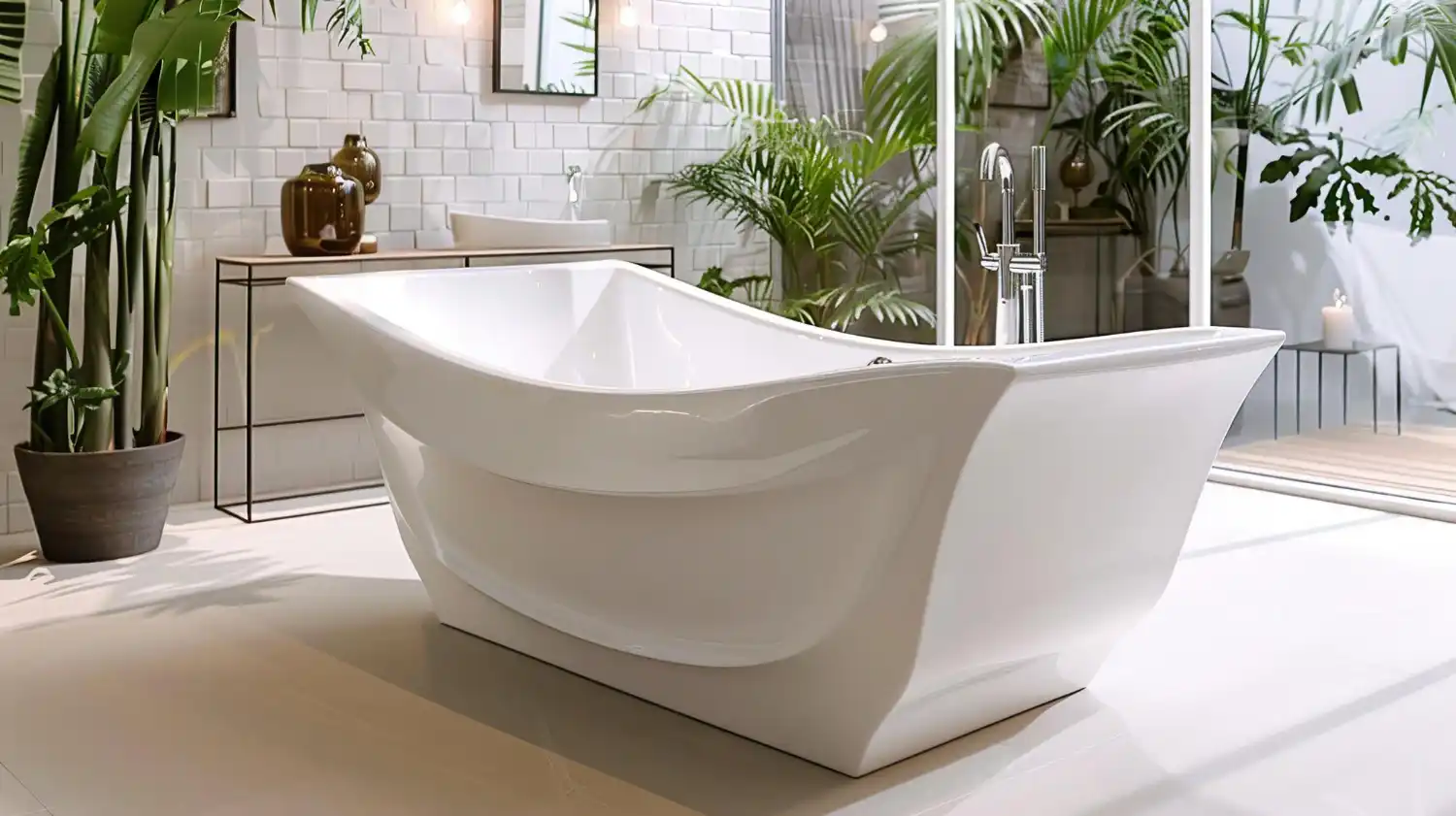
Yes. Every plant needs some light, even the tough ones. No houseplant survives a fully dark, windowless bathroom on room lighting alone. Standard ceiling bulbs are too weak to feed a plant, no matter how many hours they stay on. This is the single biggest reason these plants fail.
You have two honest options for a windowless bath. Designer Rule of Thumb: add a small LED grow light on a timer for 12 to 16 hours a day, mounted 12 to 24 inches above the leaves. The second option is rotation. Keep two plants in play, swap the bathroom plant for a bright-room plant every few days, and neither one stays in the dark long enough to suffer.
Humidity changes your watering habit, too. Damp air slows how fast soil dries, so bathroom plants often need less water than the same plant in a bedroom. Always feel the soil first. If the top inch is still moist, wait.
Where Plants Go Around the Vanity, Shower, and Window
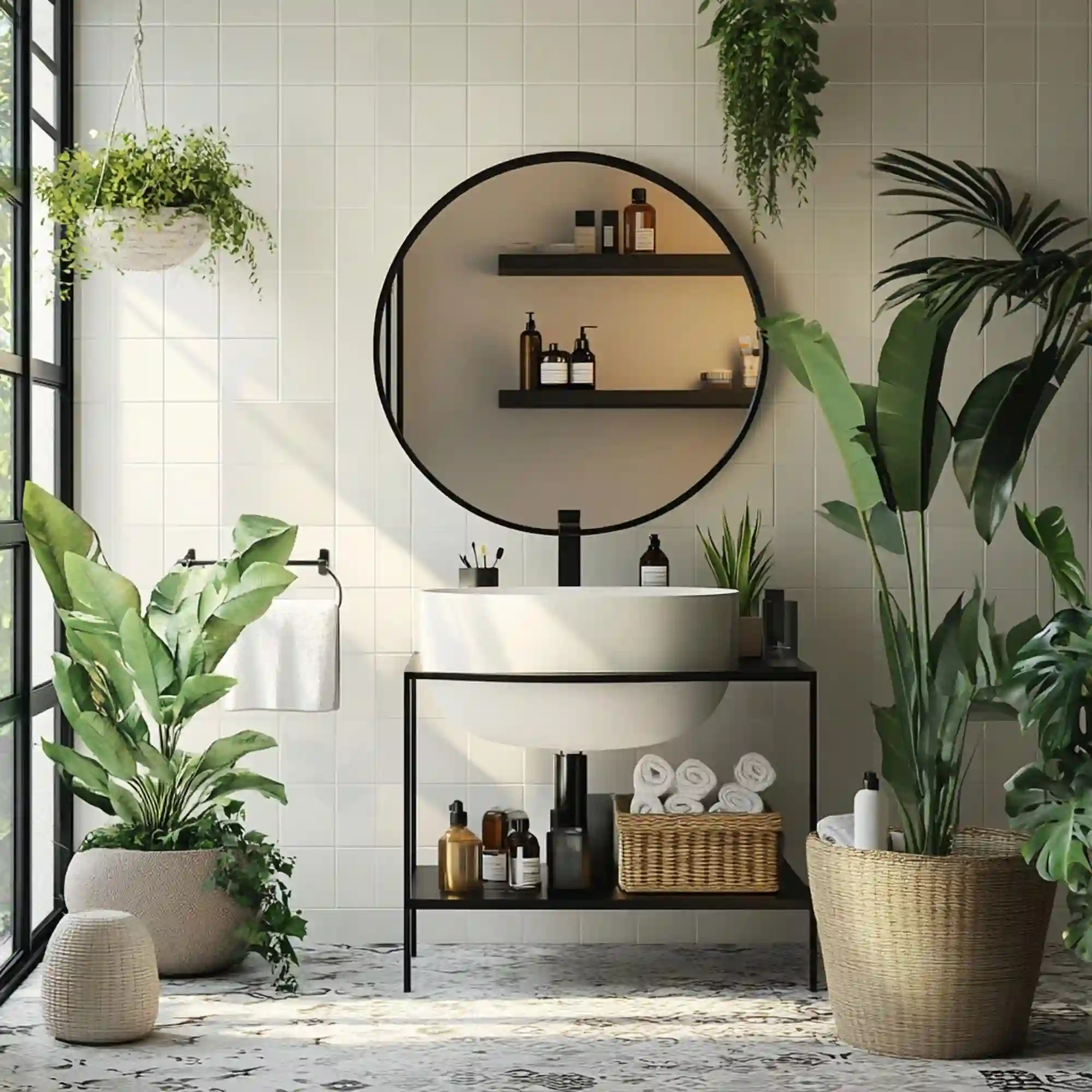
Placement decides whether a plant looks styled or stranded. Match each plant to the light and moisture of its exact spot, not just the room. Vary the heights so the greenery feels layered instead of lined up.
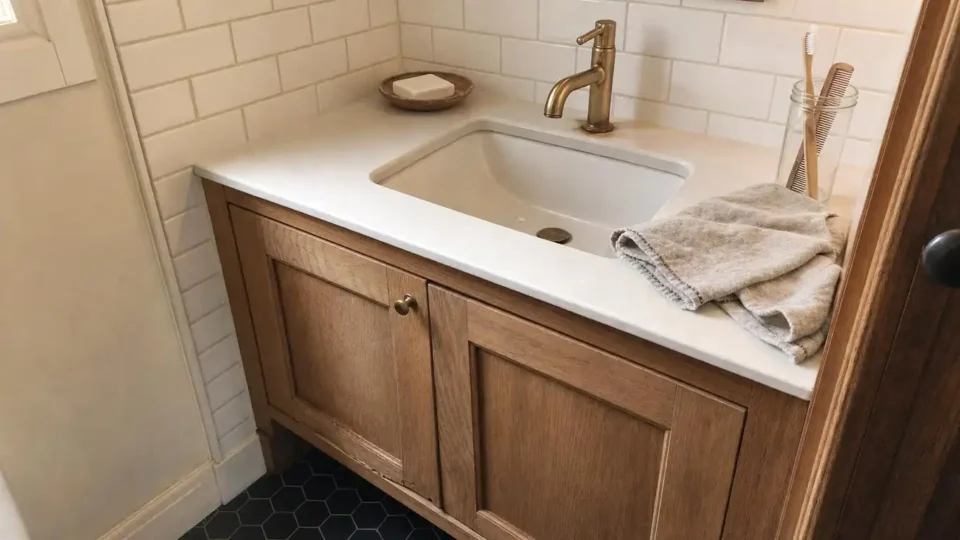
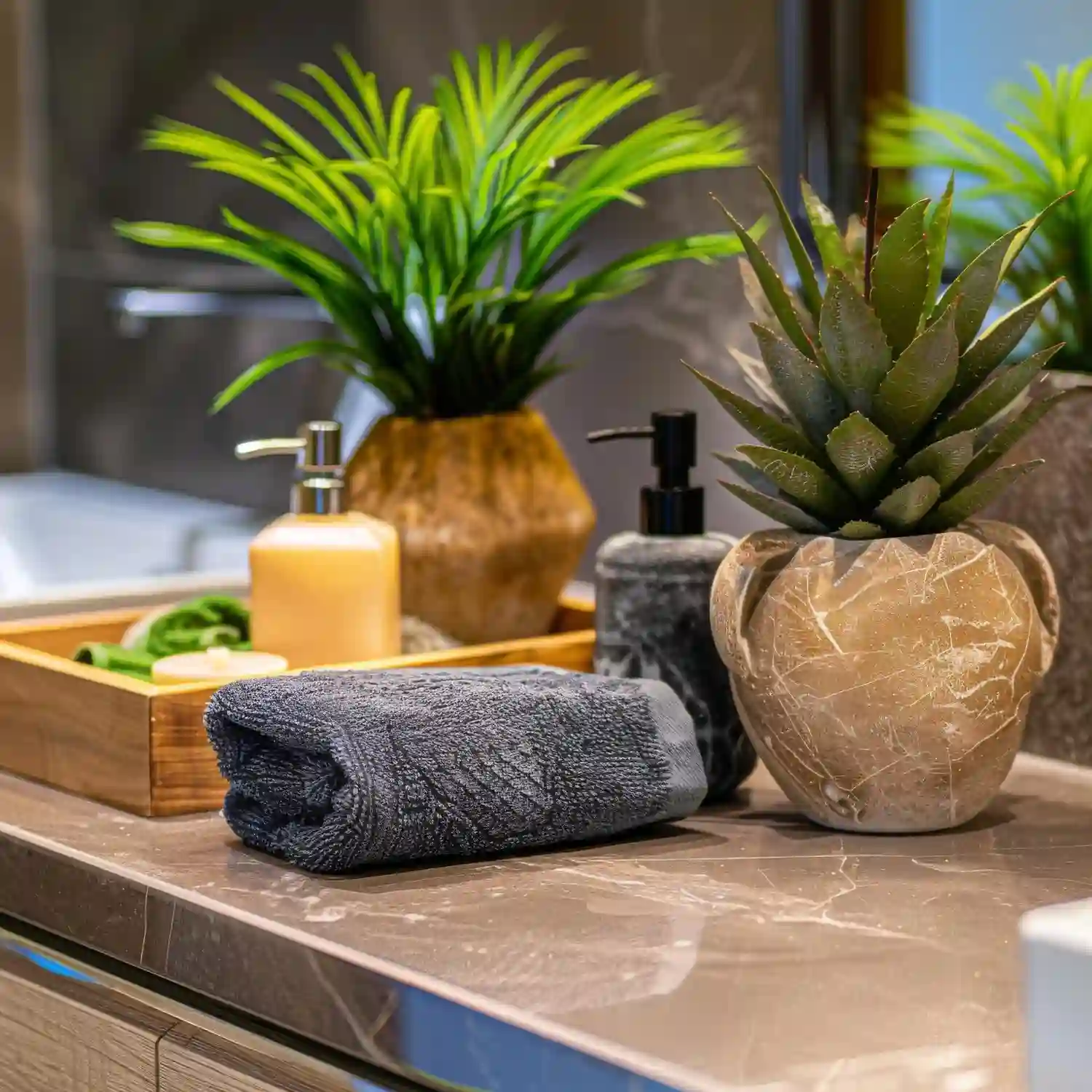
On the vanity, keep it small. A single snake plant, a short pothos, or a low bowl of trailing greenery leaves room for daily use. Pair it with a clear counter, since a crowded surface makes any plant look like clutter. These bathroom countertop organization ideas help you decide what earns a spot beside the sink.
Near the shower, lean into steam lovers. A fern or an orchid on a corner ledge soaks up the humidity you already make. On the windowsill, place your brightest-light plants, like calathea or a second fern. Use floating shelves for trailing vines above eye level; these bathroom shelf ideas show how to mount them so the leaves cascade without crowding the mirror. Group plants in odd numbers of one, three, or five for a natural, unforced look.
Bathroom Plant Checklist
- Match each plant to its exact light: brightest spot near the window, toughest picks in dim corners.
- In a windowless bath, add an LED grow light 12 to 24 inches above the leaves.
- Feel the top inch of soil before watering; damp air means you water less.
- Run the exhaust fan after showers so humidity helps plants without breeding mold.
- Check every plant against a pet-safety list before buying if you own a cat or dog.
- Group plants in odd numbers and vary heights for a layered, styled look.
- Wipe dust off broad leaves monthly so they can use the light they get.
KEY TAKEAWAY: Light and watering habits, not the plant label, decide whether bathroom plants live or die.
What Kills Bathroom Plants (and How to Stop It)
The failures are almost always about care, not the plant. Four mistakes cause most of them, and each has an easy fix.
- Many people overwater because a bathroom feels like a plant should be thirsty. In damp air, soil dries slowly, so overwatering rots the roots. Feel the soil first and let the top inch dry before you pour.
- Others place a plant in a dark, windowless bath and expect the ceiling light to carry it. Room bulbs are far too weak. Add a grow light or rotate the plant to a bright room every few days.
- Skipping ventilation lets moisture sit on walls and soil, which invites mold and fungus gnats. Run the exhaust fan after every shower so the humidity helps plants without hurting the room.
- Ignoring pet safety turns a pretty plant into a vet bill. Pothos, aloe, and peace lily are toxic if chewed, so confirm safety before you buy.
The Bottom Line
Designer’s Verdict: Bathroom plants are here to stay, not a fad, because a little greenery fixes the one thing hard surfaces cannot bring, which is soft life. If you buy one plant, make it a pothos or a snake plant. Both forgive low light, shrug off missed waterings, and look good on almost any vanity or shelf. A spa-style room only gets calmer with a fern in the corner, and these spa bathroom ideas show how greenery completes the mood.
What You’ll Spend
Plants are one of the cheapest upgrades a bathroom can get, and a starter plant costs less than a bath mat. Prices below reflect common pot sizes and a grow light for windowless rooms.
| Project | Estimated Cost | Impact Level |
|---|---|---|
| Starter pothos or snake plant, 6-inch pot | $10-$25 | High |
| Boston fern or calathea plus a ceramic planter | $30-$60 | Medium |
| Phalaenopsis orchid or large ZZ plant with stand | $50-$120 | Medium |
| LED grow light for a windowless bathroom | $20-$50 | Very High |
Best First Upgrade: A $15 pothos on a floating shelf gives the most green for the least money and effort.
Skip for Now: Rare or fussy plants; master a forgiving one before you spend on a diva.
If you are working with a tight footprint, these small bathroom ideas show how one plant can do the styling work of three accessories. A bright, airy palette also carries greenery well, which is why these coastal bathroom ideas lean on plants, and a plant-heavy boho bathroom or a calm aesthetic bathroom both start from the same idea.
Frequently Asked Questions
Conclusion
The right bathroom plants live for years, and the wrong ones die in weeks, but the difference is light and watering, not luck. Start with one pothos or snake plant, give it whatever light your room offers, and water only when the soil dries. For more ways to style the room around your greenery, browse our home decor ideas, all our bathroom design ideas, and the wider rooms inspiration library.
Next Steps
- Pick one forgiving plant, a pothos or snake plant, and place it where you get the most light.
- Check your plant against a pet-safety list if you own a cat or dog.
- Add a $20 to $50 LED grow light if your bathroom has no window.
- Set a weekly reminder to feel the soil before watering, not water on a fixed schedule.
More Bathroom Vanity Ideas
- Bathroom Mirror Ideas: Why the Right Mirror Is Your Highest-Impact Upgrade
- Bathroom Lighting Ideas: Why Layered Light Beats a Single Overhead
- Bathroom Cabinet Ideas: Why Warm Wood Beats the White Box
- Walk-In Shower Ideas: Why the Curbless, Doorless Look Won
- Bathtub Ideas: The Freestanding Soaking Tub Now Leads the Room
- Dream Bathrooms: What Do the Best Ones Have in Common?
- Bathroom Curtain Ideas: The Soft Layer Most Bathrooms Skip
- Bathroom Sink Ideas: Is the Vessel Sink Still Worth It in 2026?