TL;DR
These eight steps move from purpose and measurement to comfort, seating, media, lighting, storage, and decor. Fix room-shell concerns before styling, and spend first on the features used every day.
KEY TAKEAWAY: A successful man cave starts with a clear purpose and workable room plan, not a pile of themed decor.
Why Does a Man Cave Need a Plan First?
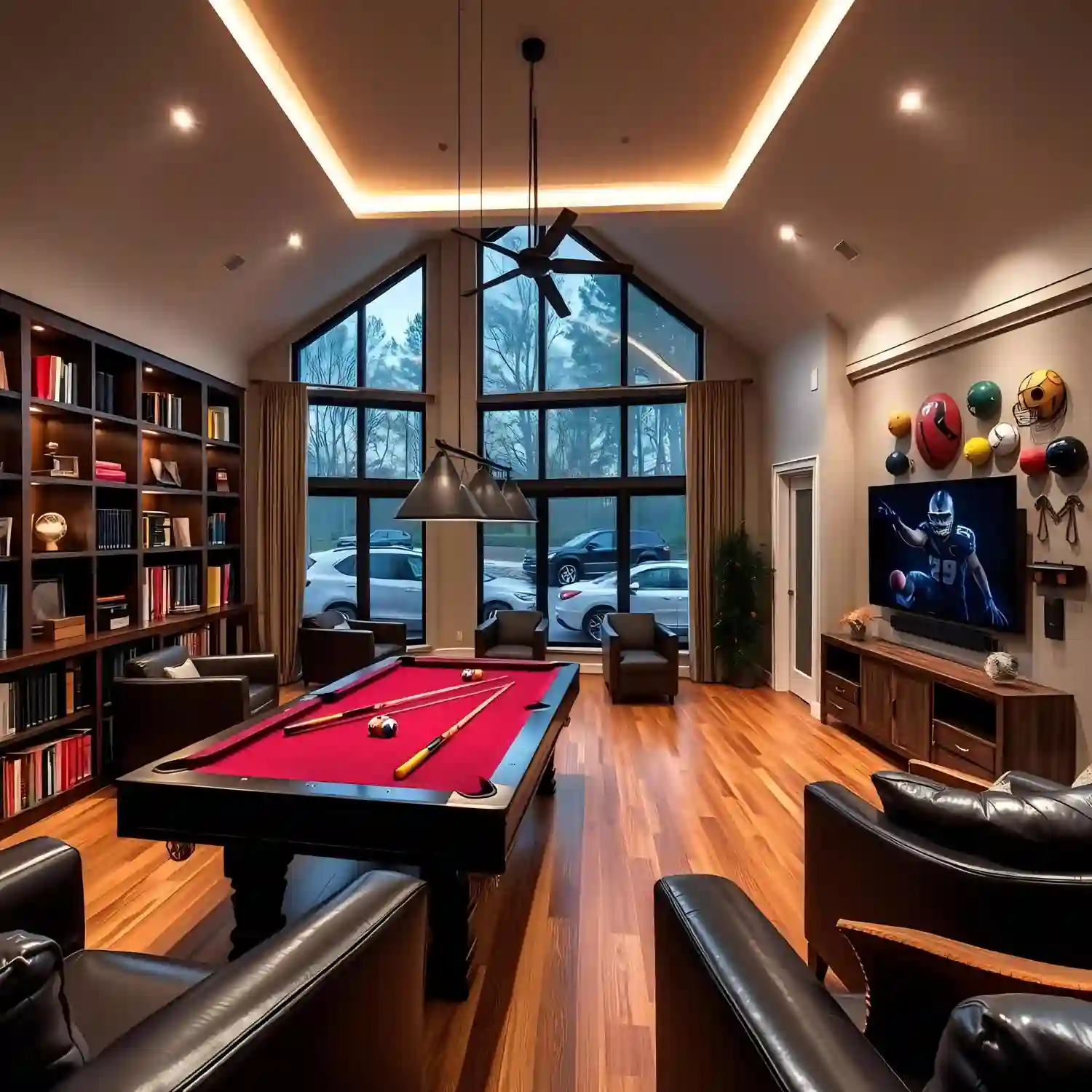
An empty basement, garage, or spare room can quickly become an awkward mix of chairs, cables, and collectibles. If you have ever planned to buy the big TV first and solve the room later, you are not alone. Where you put it shapes everything, so it helps to compare man cave ideas by room and location before you start.
The short answer to how to build a man cave is to choose one main activity, map the furniture, solve comfort issues, then add lighting and decor. Browse these complete man cave ideas before committing to a theme.
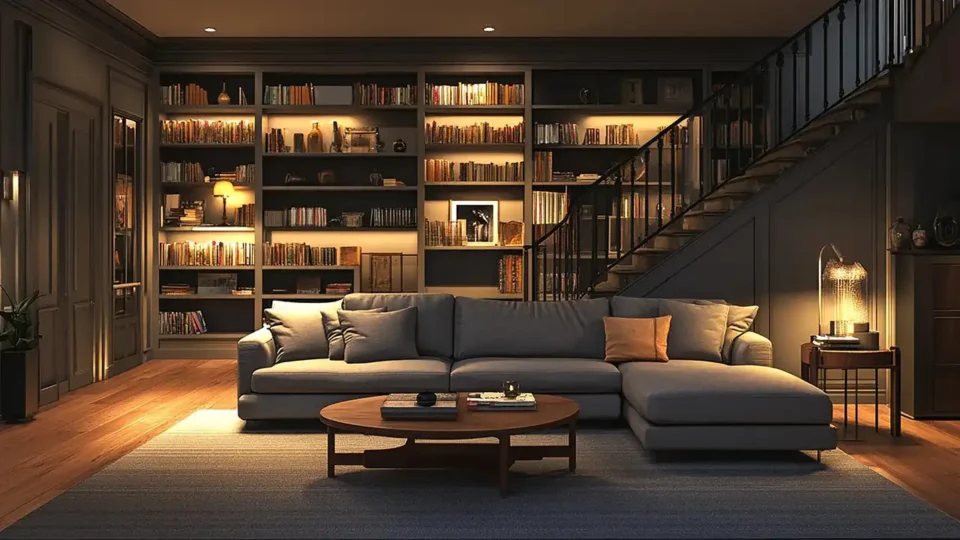
Editorial field note: a dark spare room with scattered sports pieces often feels smaller; one media wall, scaled seating, and two warm lamps make it look settled. Find more practical room planning at 101 Home Decor. Bookmark this guide for quick reference.
KEY TAKEAWAY: Decide how the room will be used most often before choosing its biggest object.
| Quick Takeaways | |
|---|---|
| Purpose | Choose one primary activity and no more than two supporting uses. |
| Layout | Place seating and screens before bars, shelves, or game tables. |
| Comfort | Check temperature, moisture, ventilation, and sound before adding finishes. |
| Lighting | Combine ambient, task, and accent light on separate controls where practical. |
| Budget | Buy the anchor seating first and leave decorative upgrades for later. |
What Do You Need Before Starting?
- A tape measure and a simple scaled floor plan
- One written purpose, such as gaming, movies, sports, music, or quiet reading
- A list of existing outlets, vents, windows, doors, and fixed equipment
- A comfortable seat count based on real use, not occasional parties
- Two or three light sources beyond the ceiling fixture
- A storage plan for controllers, bottles, records, tools, or memorabilia
- A fixed budget with a reserve for overlooked setup costs
The man cave theme guide helps match materials to use. For basements, the EPA’s remodeling guidance recommends fixing dampness and testing the lowest lived-in level for radon before finishing.
KEY TAKEAWAY: Measure the shell and resolve comfort risks before ordering furniture or electronics.
How to Build a Man Cave in 8 Steps
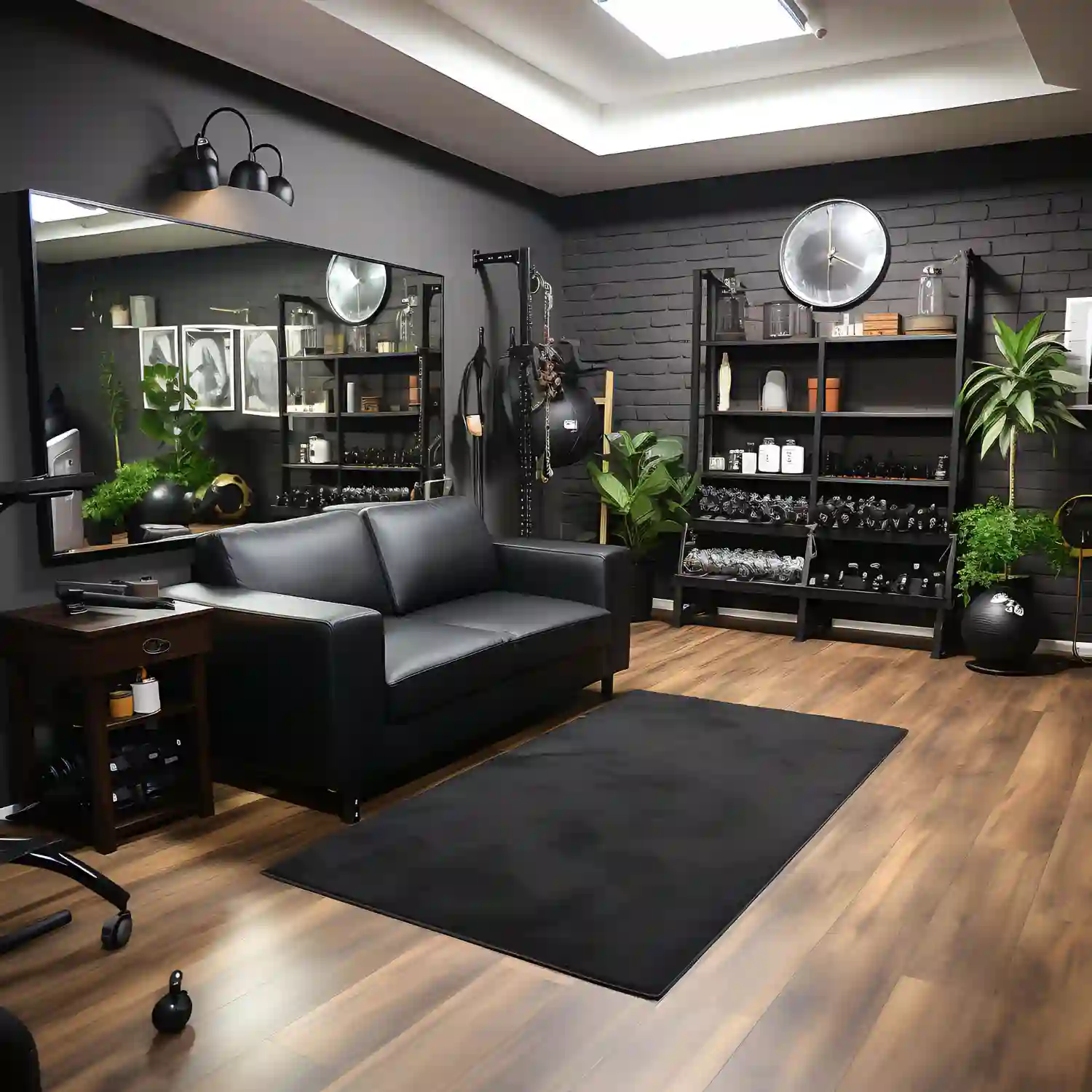
These eight steps cover a room setup, not structural, electrical, plumbing, or HVAC work. Confirm local requirements and use qualified trades for regulated work.
Step 1 — Choose the Man Cave’s Main Purpose
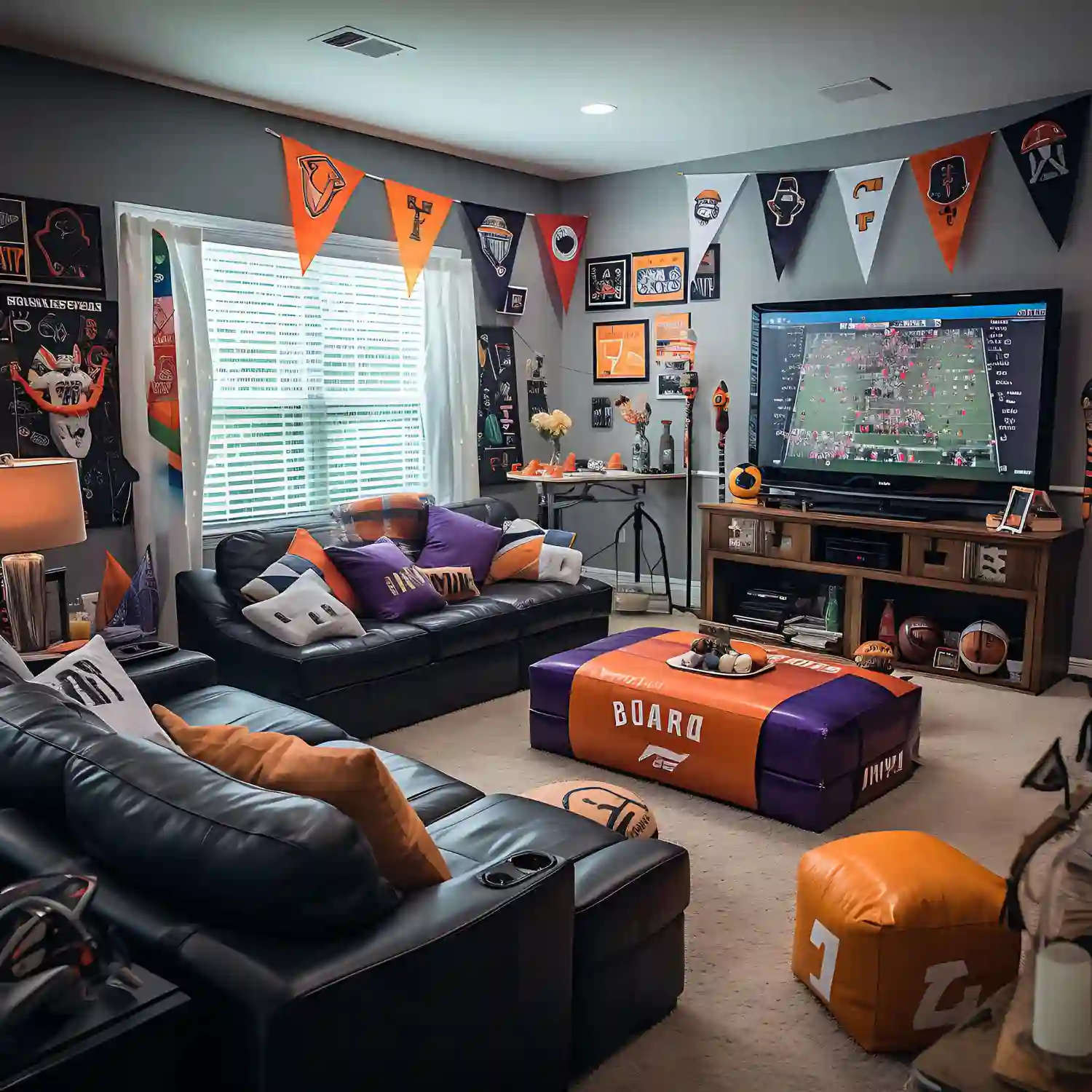
Write one sentence: “This room is mainly for ___.” Movies need clear screen views; gaming needs cable control and task light. If space is tight, use these small man cave ideas. This creates a shopping list based on use rather than impulse.
Step 2 — Measure and Draw the Layout
Record wall lengths, door swings, windows, outlets, vents, and fixed equipment. Draw large pieces to scale and keep the main route open. For separate lounge and storage zones, study these garage man cave ideas. The final plan needs one focal point and easy movement.
DESIGNER TIP: Mark furniture edges on the floor with painter’s tape, then sit and walk through the layout before ordering anything.
Step 3 — Fix Comfort and Safety Problems
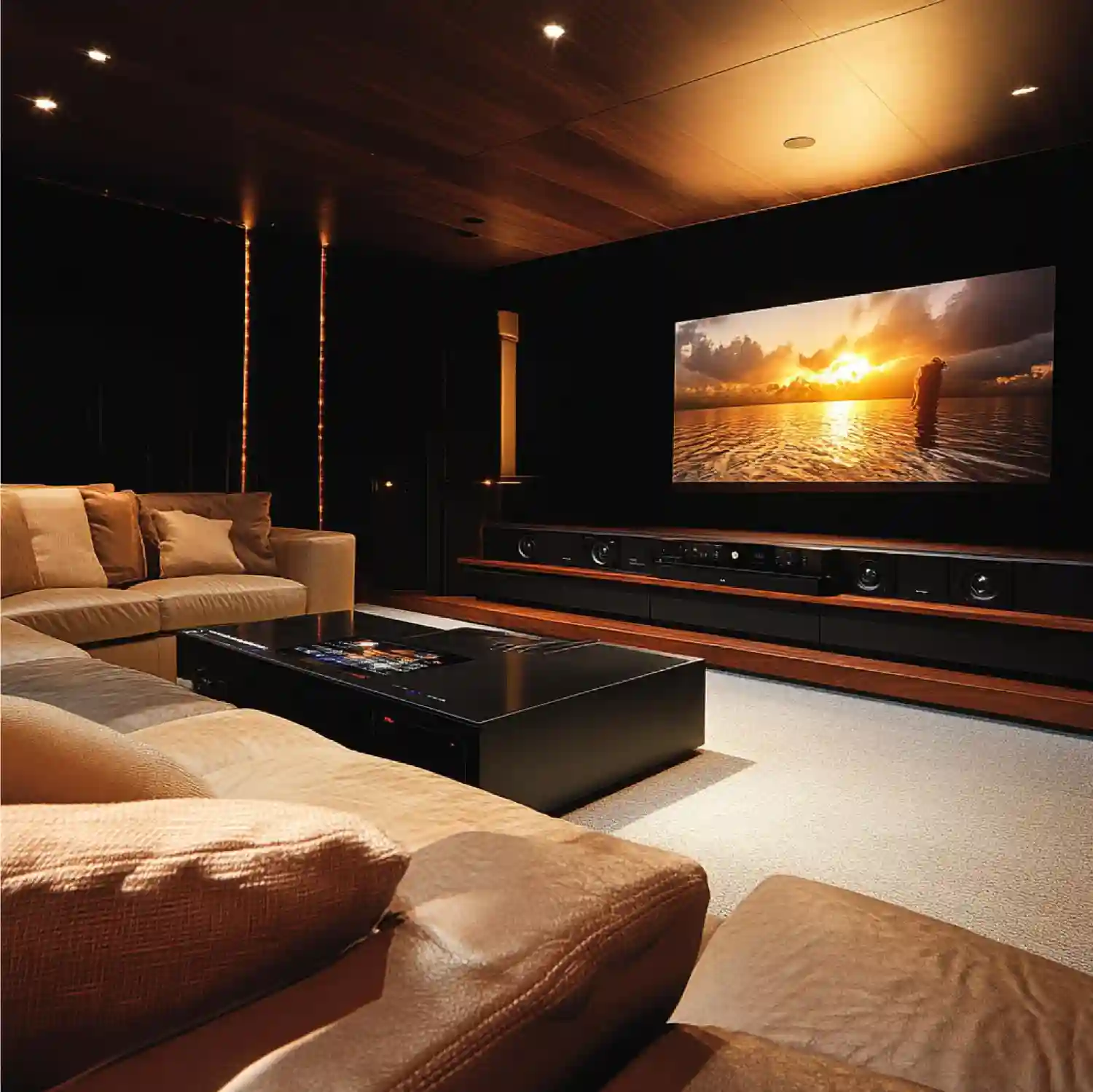
Check for dampness, stale air, glare, echoes, and temperature swings before decorating. In a basement, water-resistant flooring is easier to monitor than thick carpet; see these basement man cave ideas. Safety Note: use licensed professionals for wiring, combustion appliances, structural changes, and ventilation.
Step 4 — Pick a Tight Color and Material Palette
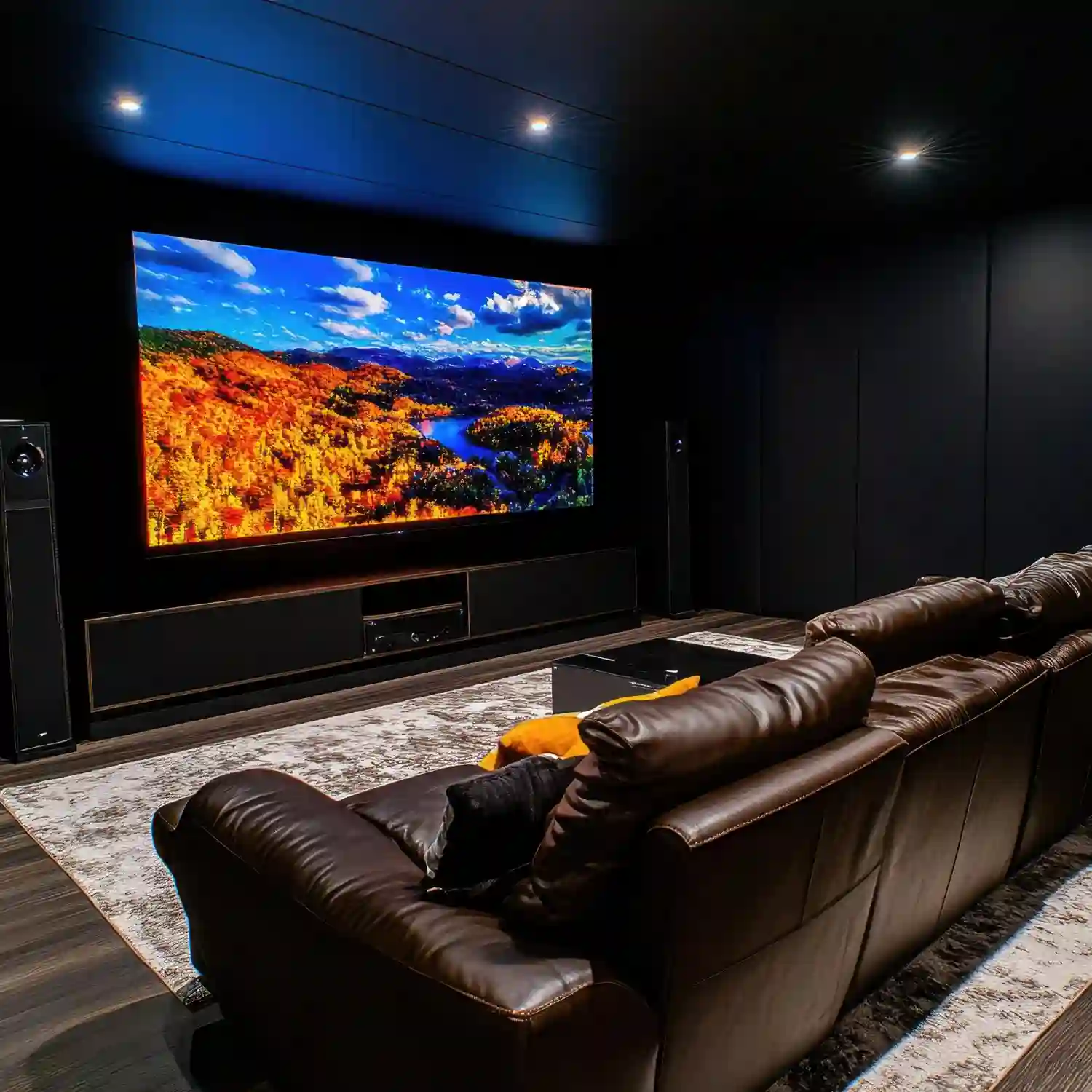
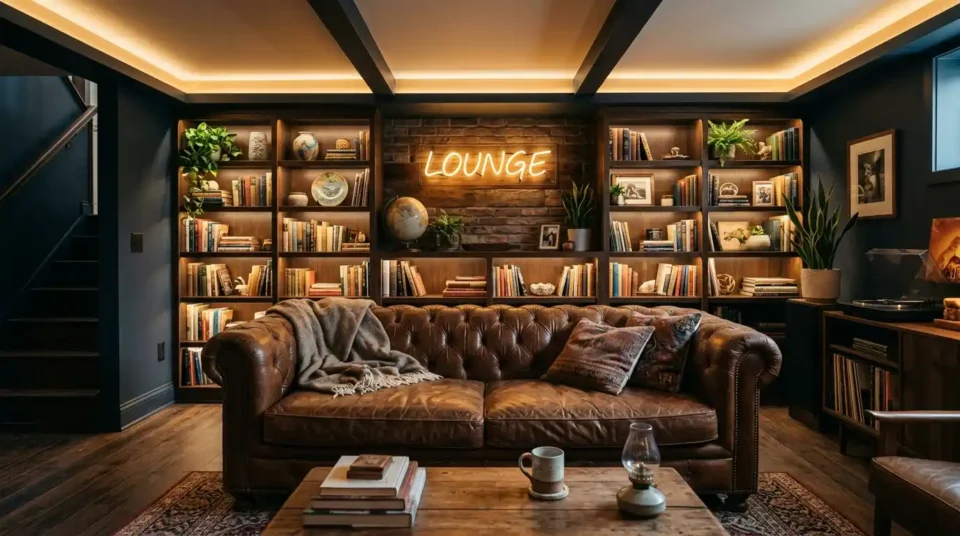
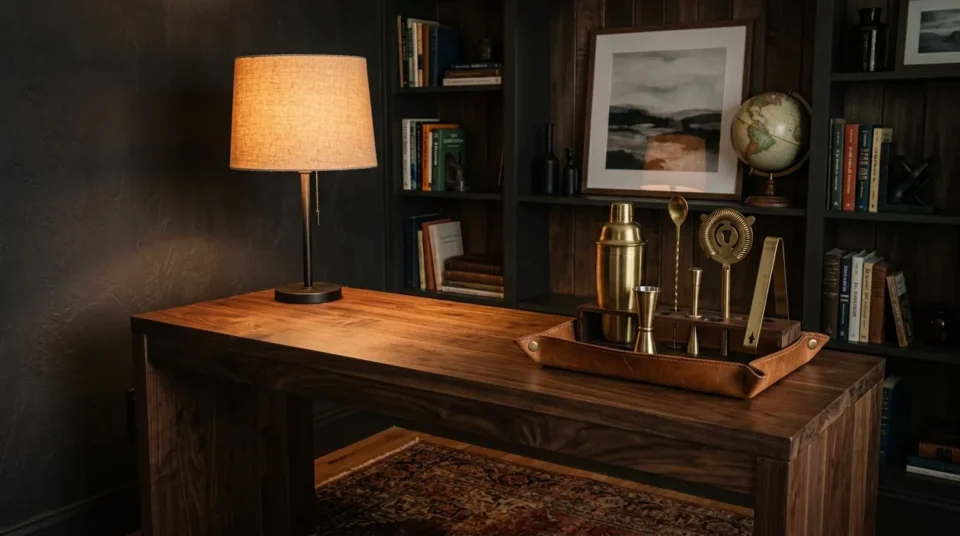
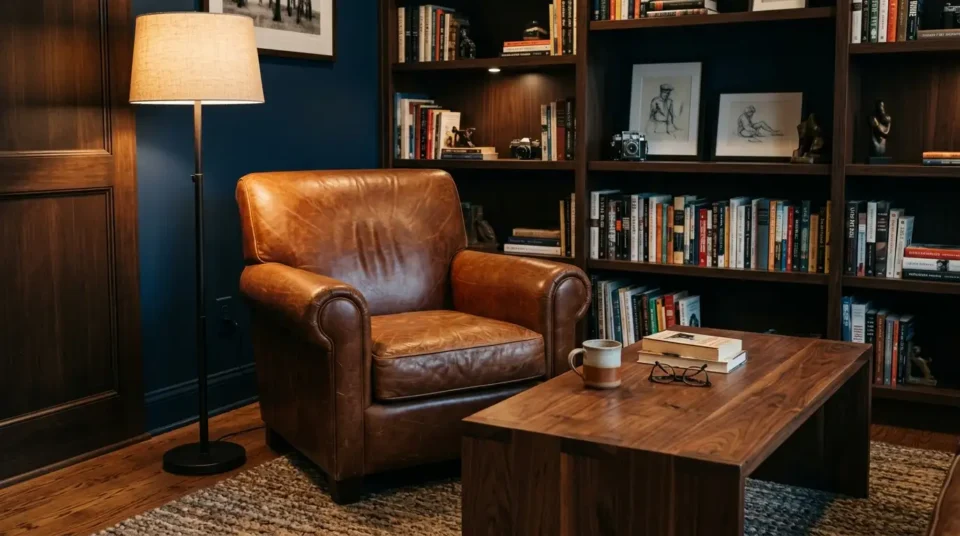
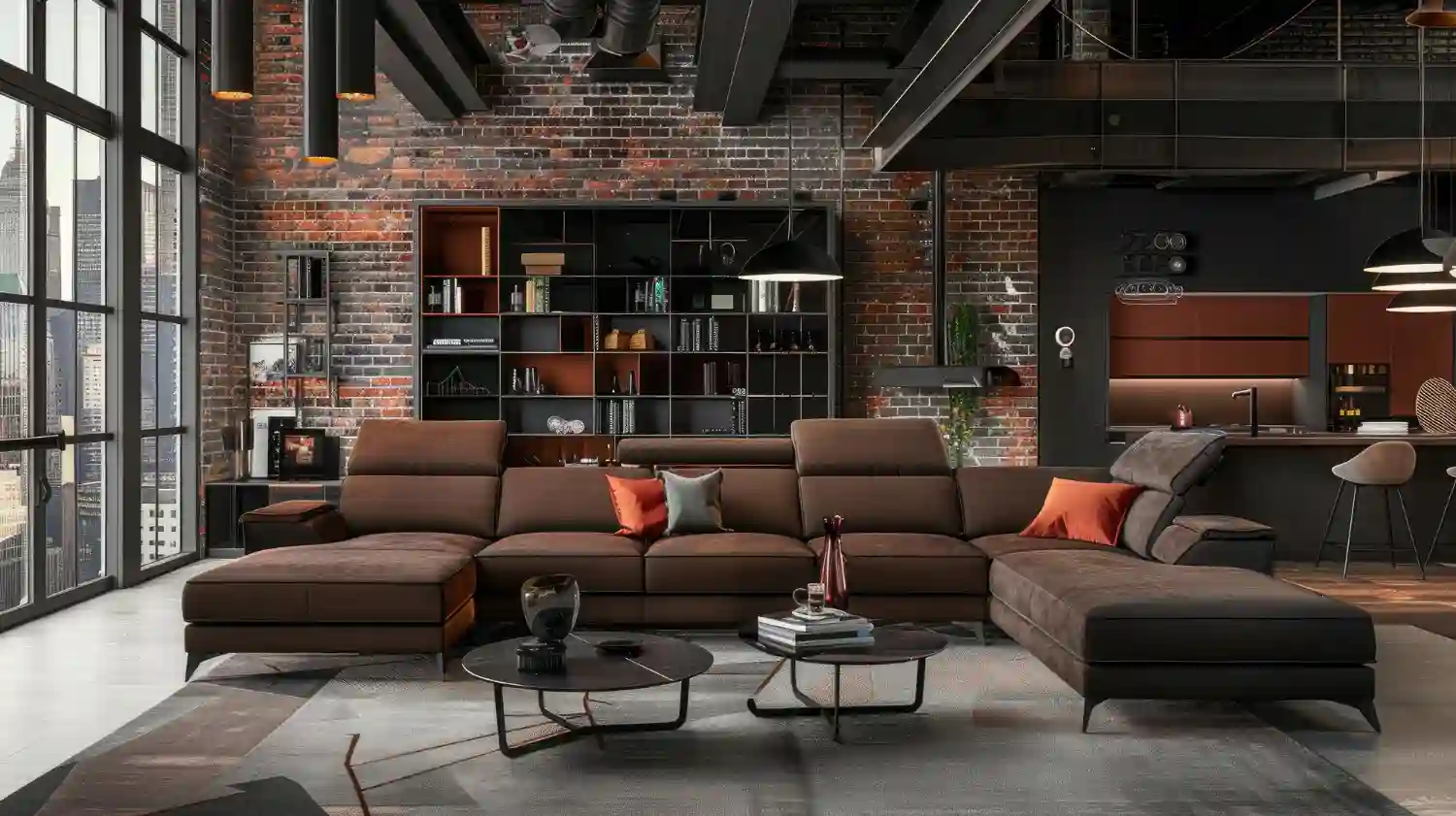
Choose two main colors, one accent, and three repeating materials. Charcoal, cognac leather, dark walnut, and matte black form an easy modern base. The combinations in these classy man cave ideas keep dark finishes balanced. Repeat each finish twice to connect the room.
Step 5 — Buy Seating Before Entertainment Extras
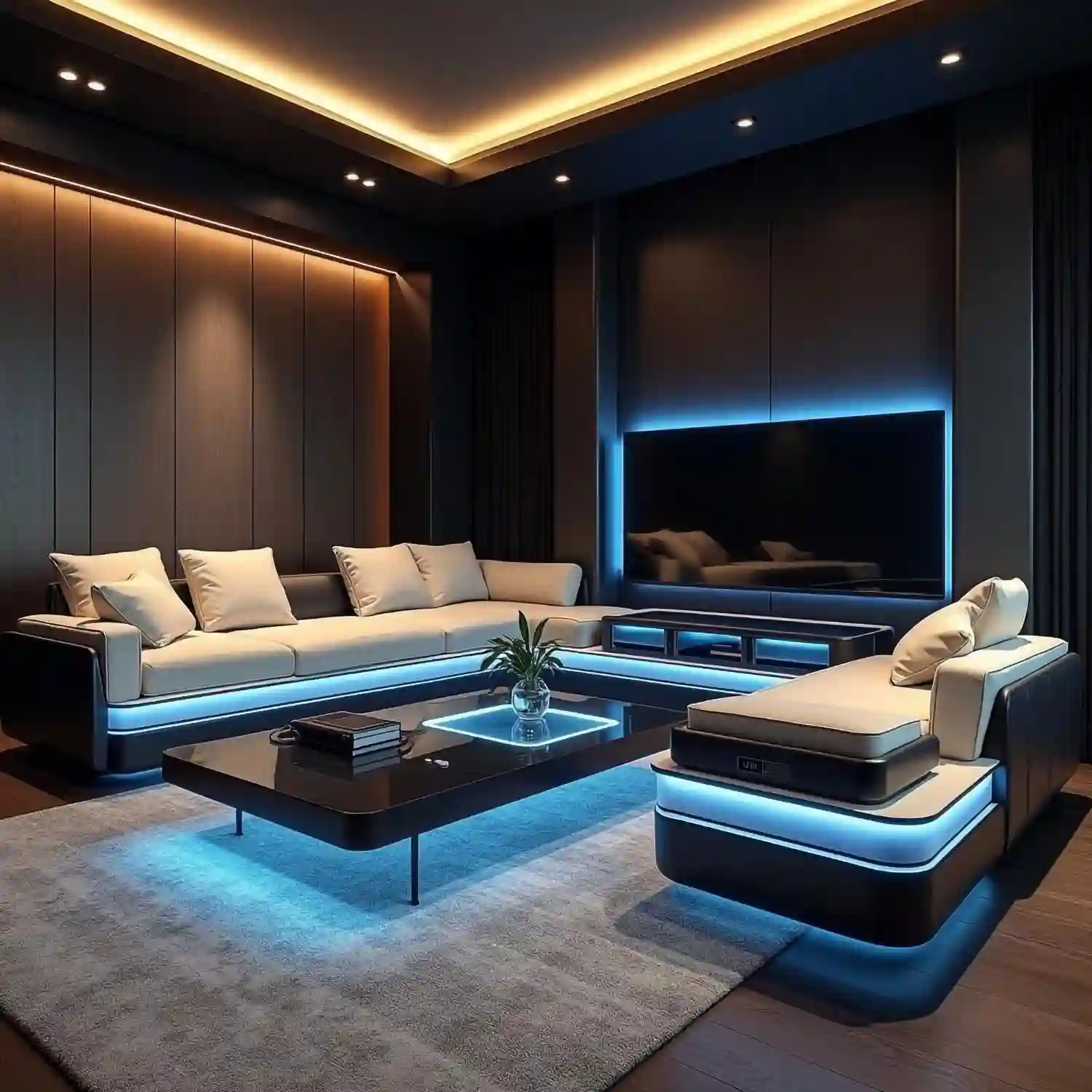
Start with the seat used every day. A deep sofa suits movies; supportive lounge chairs fit reading or music. Check seat depth and the full reclined footprint. For a hybrid retreat, borrow zoning ideas from these man cave office setups. Test comfort for more than a quick sit.
Step 6 — Plan Media, Power, and Cable Control
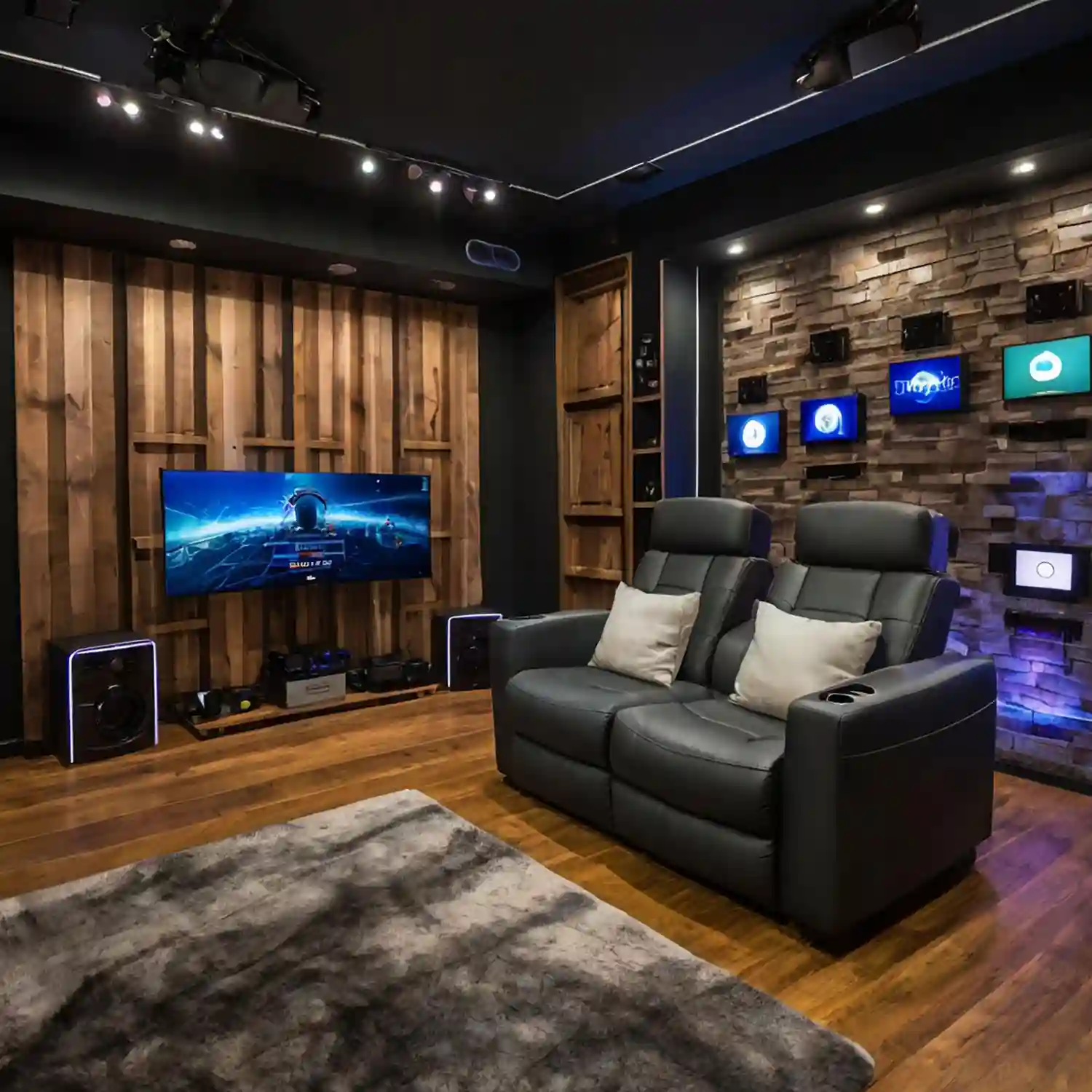
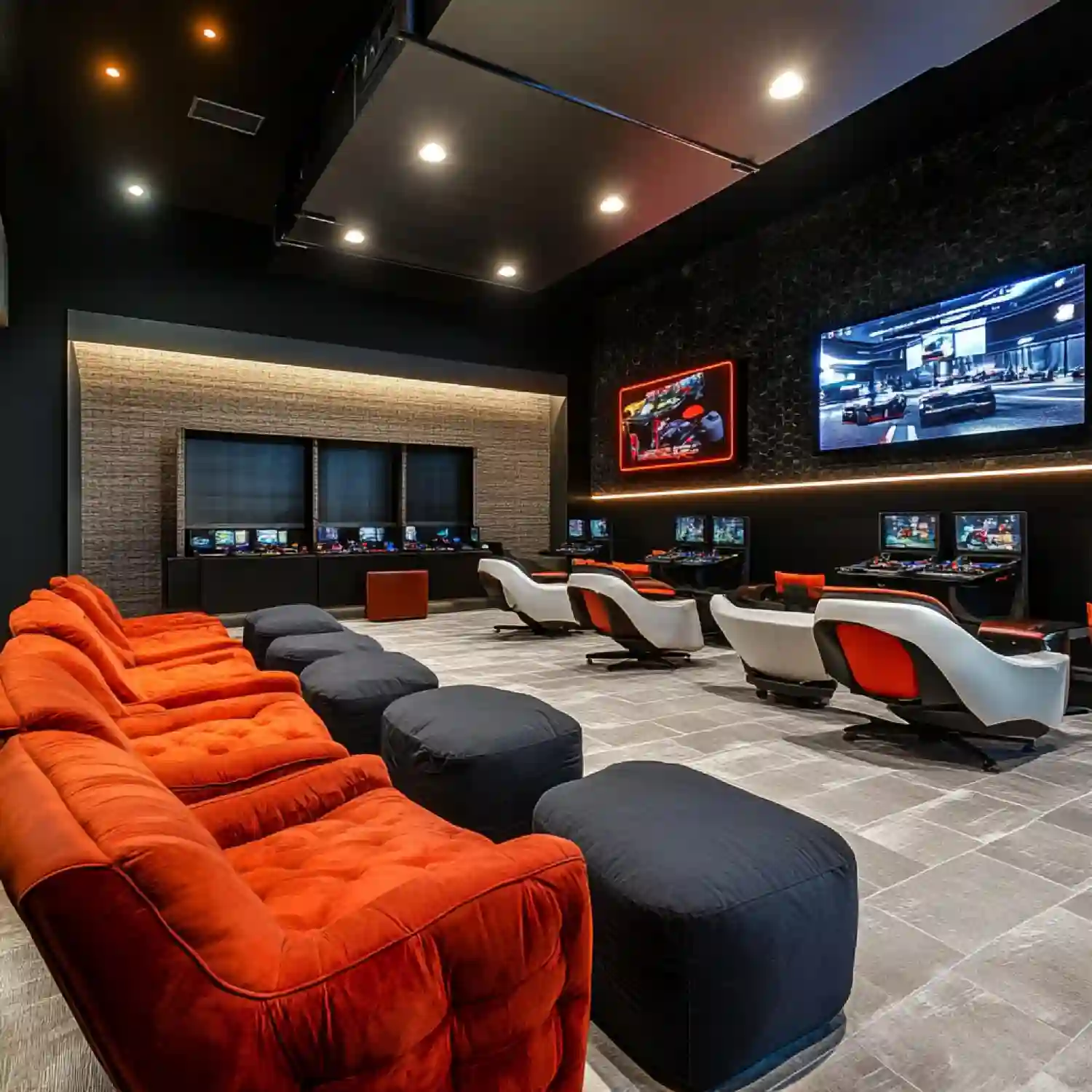
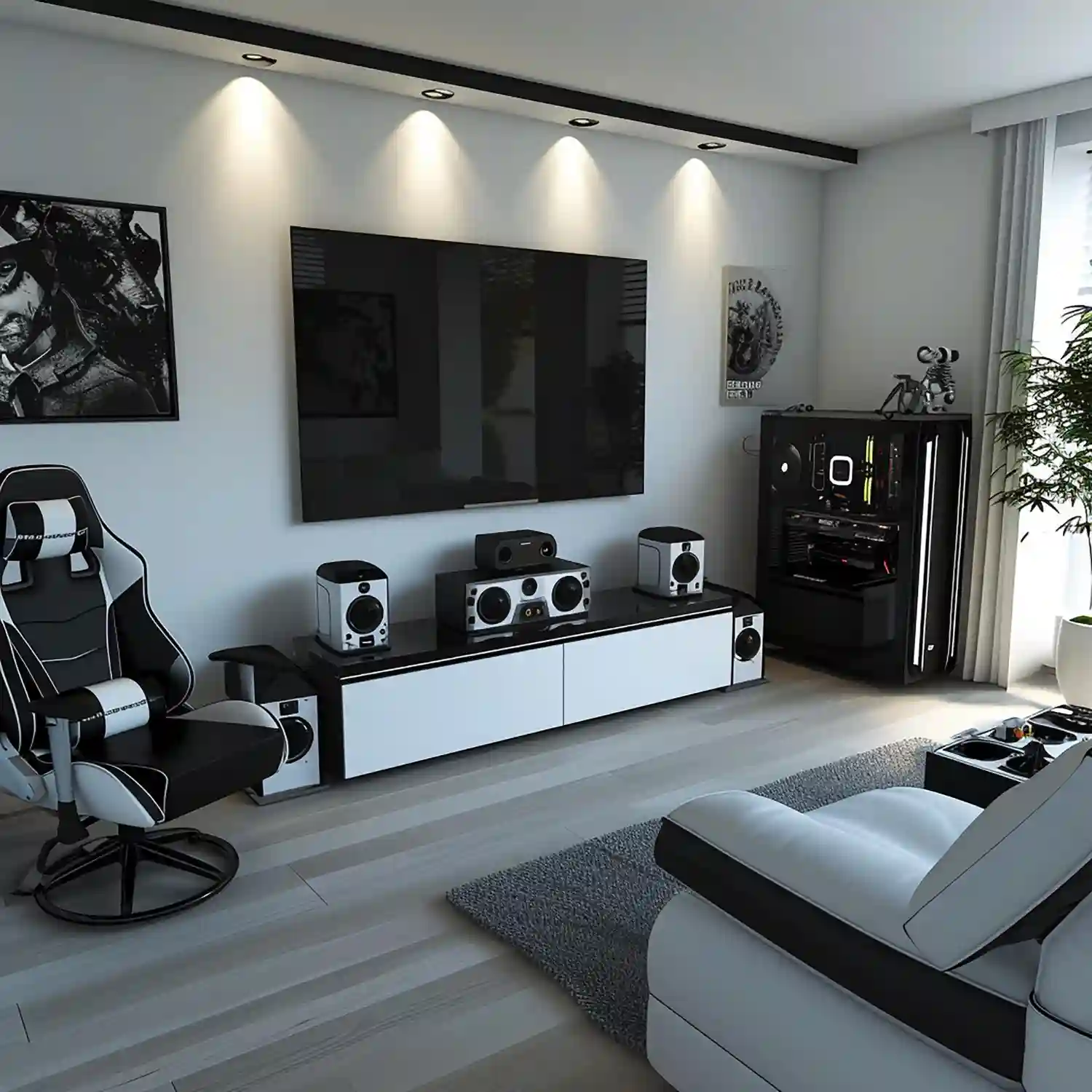
Keep the screen away from window and lamp reflections. List every device, then ask a qualified electrician about fixed power needs. The CPSC’s cord guidance explains key shock and fire risks. A golf simulator man cave also needs equipment-specific clearance.
Safety Note: never run extension cords under rugs, through doors, or as a substitute for permanent wiring.
Step 7 — Layer the Lighting
Use ambient light for movement, task light for games, and accent light for shelves. Warm lamps soften charcoal walls and leather seating. Keep bright sources out of the screen’s reflection. Designer Rule of Thumb: light two levels—the wall or ceiling plane and seated eye level.
Step 8 — Add Storage and Personal Details
Give loose items a home before filling the walls. Use a closed console for cables and drawers for controllers. Add one large artwork or jersey grouping, then leave open space. Mount heavy pieces with suitable wall fixings. Even large pole barn man cave designs benefit from one controlled focal zone.
KEY TAKEAWAY: Finish with storage and personal pieces only after the room works comfortably without them.
Where Do Man Cave Setups Go Off Track?
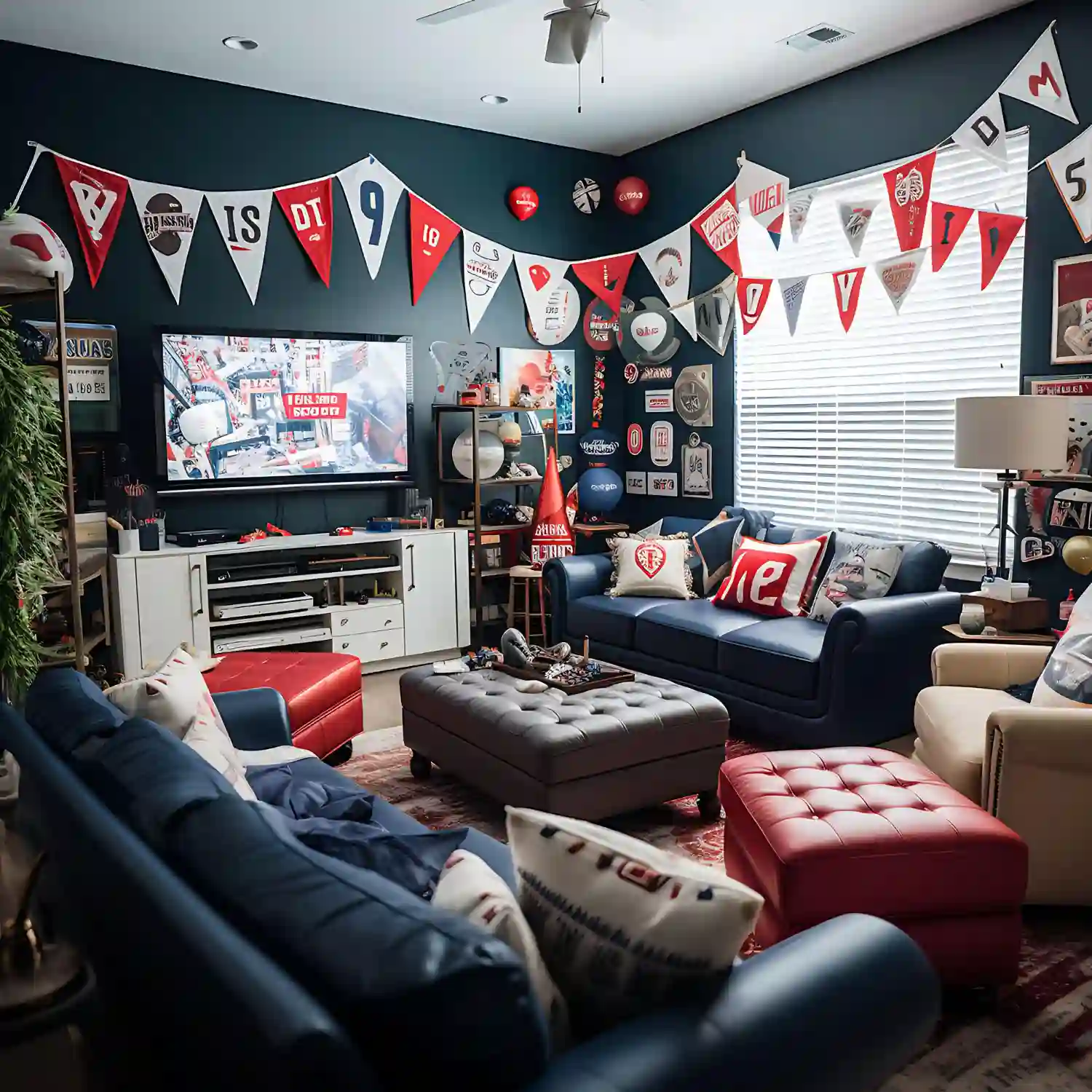
❌ Buying the largest screen first → ✅ Plan seating distance, glare, and wall width before choosing it.
❌ Mixing four unrelated themes → ✅ Keep one main story and one subtle supporting interest.
❌ Relying on one ceiling light → ✅ Add ambient, task, and accent sources for flexible mood.
❌ Filling every wall with memorabilia → ✅ Display fewer pieces with consistent frames and open space.
KEY TAKEAWAY: Most setup mistakes come from buying objects before solving purpose, scale, and comfort.
What If the Room Is Small, Shared, or Unfinished?
In a small room, use a wall-mounted screen, compact seating, nesting tables, and closed storage. In a guest room, keep decor reversible with framed art, plug-in lamps, and a movable media unit — our guest-ready spare room setups work through that trade-off in full. Skip any game table that blocks circulation.
An unfinished basement or garage needs professional assessment before regular use. Keep structural, wiring, insulation, combustion, and ventilation work outside the decor plan. Style the room only after the shell is dry and comfortable.
KEY TAKEAWAY: Reduce the number and scale of functions when the room has physical or shared-use limits.
What Will a Man Cave Setup Cost?
Costs vary by room condition, labor, and equipment. These ranges cover an existing usable room; shell work costs far more. Angi’s basement remodeling cost guide shows how flooring, electrical needs, and specialty features widen the total.
| Project | Estimated Cost | Impact Level |
|---|---|---|
| Paint, lamps, rug, and reused furniture | $300-$1,000 | High |
| New sofa, storage, lighting, and TV | $1,500-$6,000 | Very High |
| Premium seating, media, and custom display | $6,000-$18,000+ | High |
| Professional room-shell corrections | $10,000-$60,000+ | Very High |
Best First Upgrade: Buy comfortable seating and flexible lighting before premium electronics or custom displays.
Skip for Now: Delay a wet bar, built-ins, and collectible cases until the room proves how it is used.
KEY TAKEAWAY: An existing finished room can become useful on a modest budget, while shell corrections and specialty features drive costs sharply upward.
Frequently Asked Questions
Conclusion
How to build a man cave comes down to sequence: define the use, map the layout, solve comfort issues, then add seating, media, lighting, storage, and personality. The room needs a clear reason to exist—not every possible feature. Once the sequence is set, this list of man cave essentials makes sure nothing critical is missing.
Editorial field note: a narrow room with a bulky sectional and scattered art feels cramped; two scaled chairs, one low console, and a single framed display restore movement. Find more planning in the Man Cave archive or wider Rooms collection.