TL;DR
- High ceilings of at least 9–10 feet are mandatory for a safe and full swing.
- Professional-grade impact screens and padded walls provide essential sound dampening.
- Quality launch monitors are the “brain” of the room, providing accurate ball data.
- Dual-purpose furniture allows the space to function as a lounge and a training hub.
Designing Your High-End Virtual Golf Sanctuary
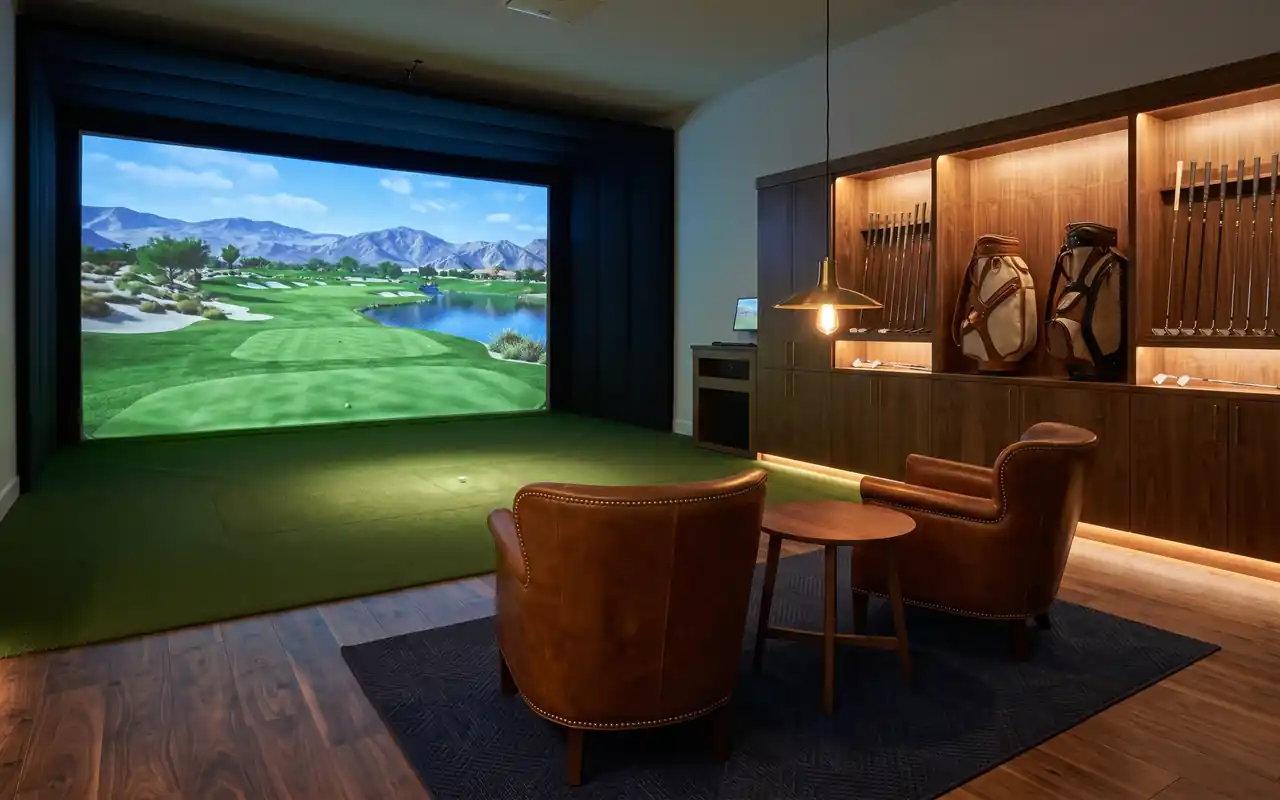
Golf simulator room man cave ideas center on high-ceiling layouts, durable impact screens, and premium turf to replicate a professional course experience at home. To build the ultimate setup, you need at least 9 to 10 feet of vertical clearance and a high-definition projector. By integrating a launch monitor with a comfortable lounge area, you create a dual-purpose sanctuary that serves as a high-tech training facility and a stylish social retreat. Finding the right interior design inspiration is the first step in ensuring your virtual green looks as good as it plays.
Part of our guide to Man Cave Theme Ideas: The Complete Guide to Every Setup.
Successful projects often start in underutilized areas of the house. Many homeowners find that man cave basement ideas offer the best foundation for soundproofing and climate control. If you have even more space available, exploring pole barn man cave designs can provide the massive clearance needed for unhindered swings. Incorporating materials like soft oak accents and matte black hardware ensures the room feels like a classy man cave rather than just a garage stall. Whether you are performing a garage man cave upgrade or building from scratch, focus on a layout that respects the “danger zone” of the swing while providing plenty of room for spectators. Bookmark this guide for quick reference.
KEY TAKEAWAY: A successful golf simulator room requires a balance of high-clearance engineering and comfortable, editorial-style aesthetics.
12 Golf Simulator Room Man Cave Ideas
A golf simulator turns a spare room into a year-round clubhouse. These twelve ideas — pro impact screens, custom turf, and a leather observation lounge — build a setup that’s as playable as it is comfortable.
1. Professional-Grade Impact Screen
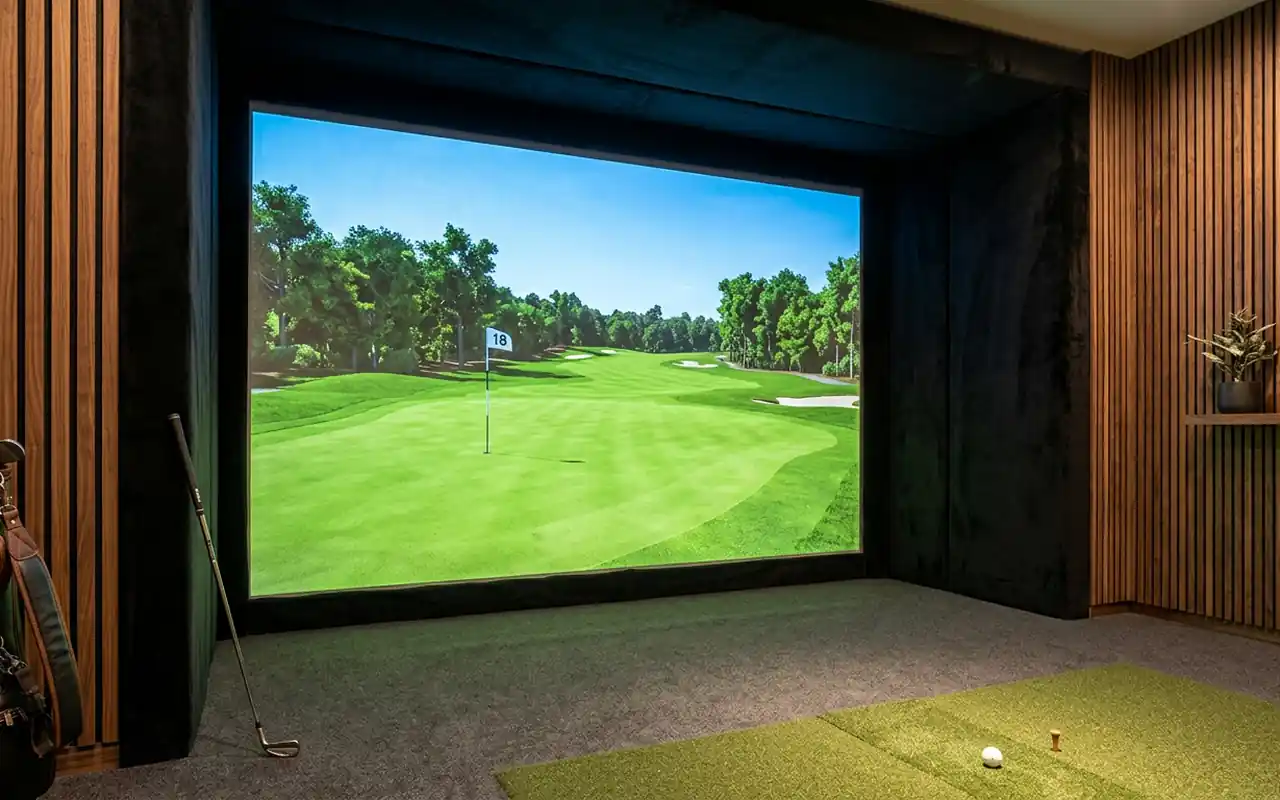
The impact screen is the centerpiece of your virtual golf experience. Choose a high-density, multi-layer polyester screen that can withstand thousands of high-velocity ball strikes while remaining quiet. A smooth, flat surface ensures your high-definition projector displays a crisp, realistic image of the course. For a luxury feel, frame the screen with black velvet padding to eliminate light bounce and provide a clean, professional border that mimics a high-end pro shop.
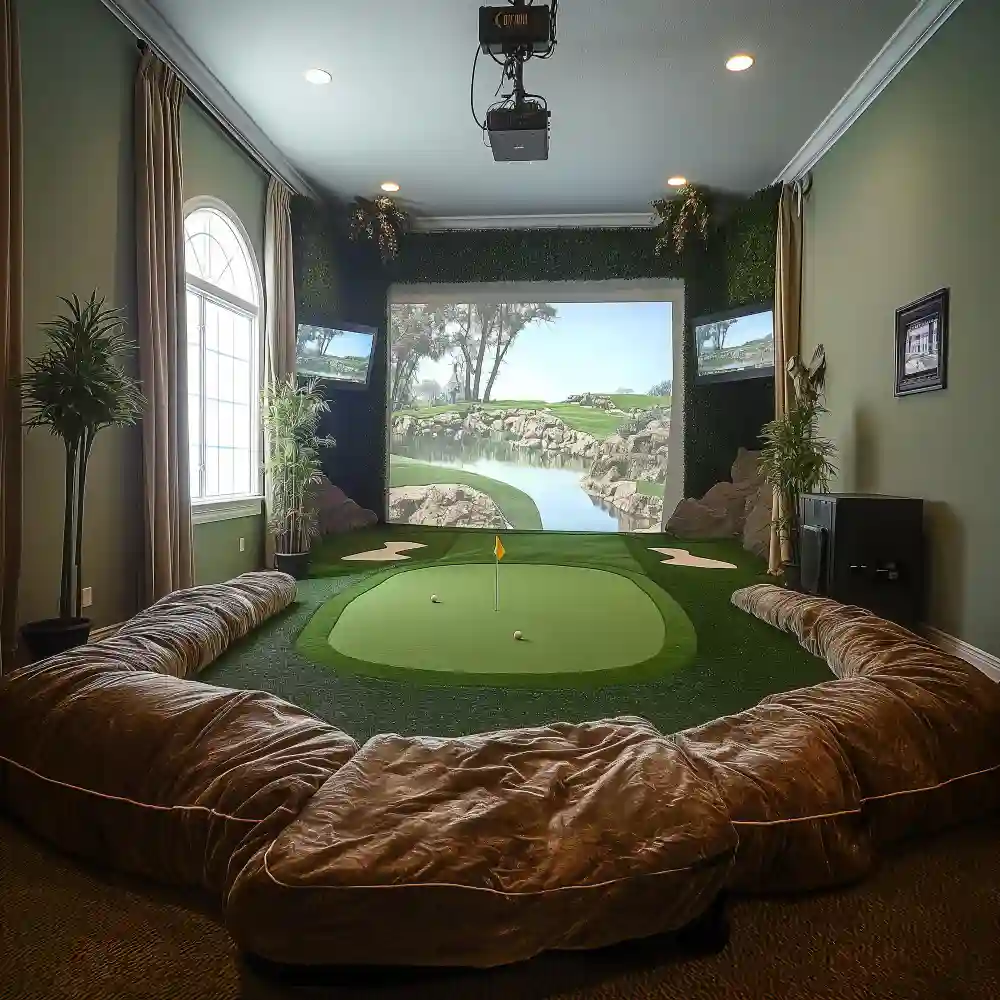
2. Custom Turf and Putting Greens
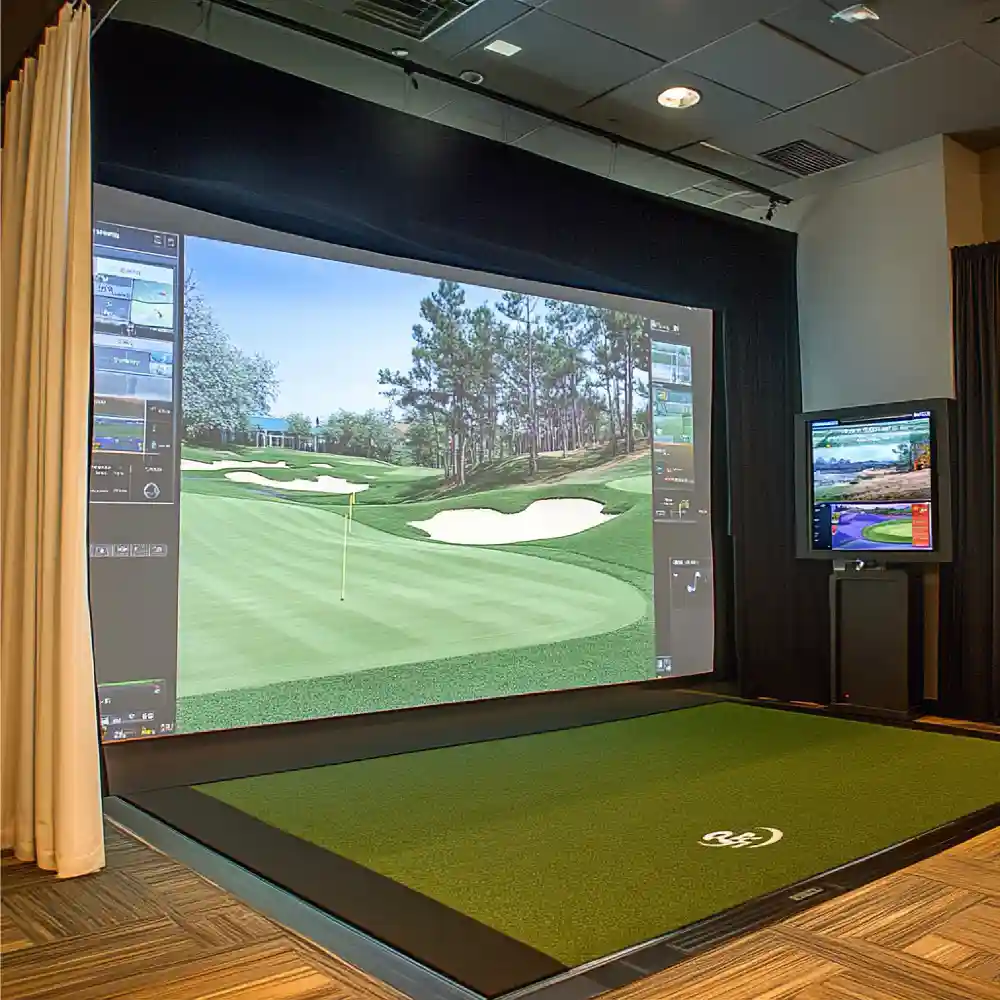
Don’t settle for a basic hitting mat. Install premium artificial turf across the entire floor to create a seamless, lush environment. You can even design a section of the room with a different pile height to act as a practice putting green. Using high-quality turf provides a realistic feel underfoot and helps with sound absorption. This approach is similar to how you would maximize space in a small man cave by using one material to unify the entire floor area.
3. Integrated Launch Monitor Station
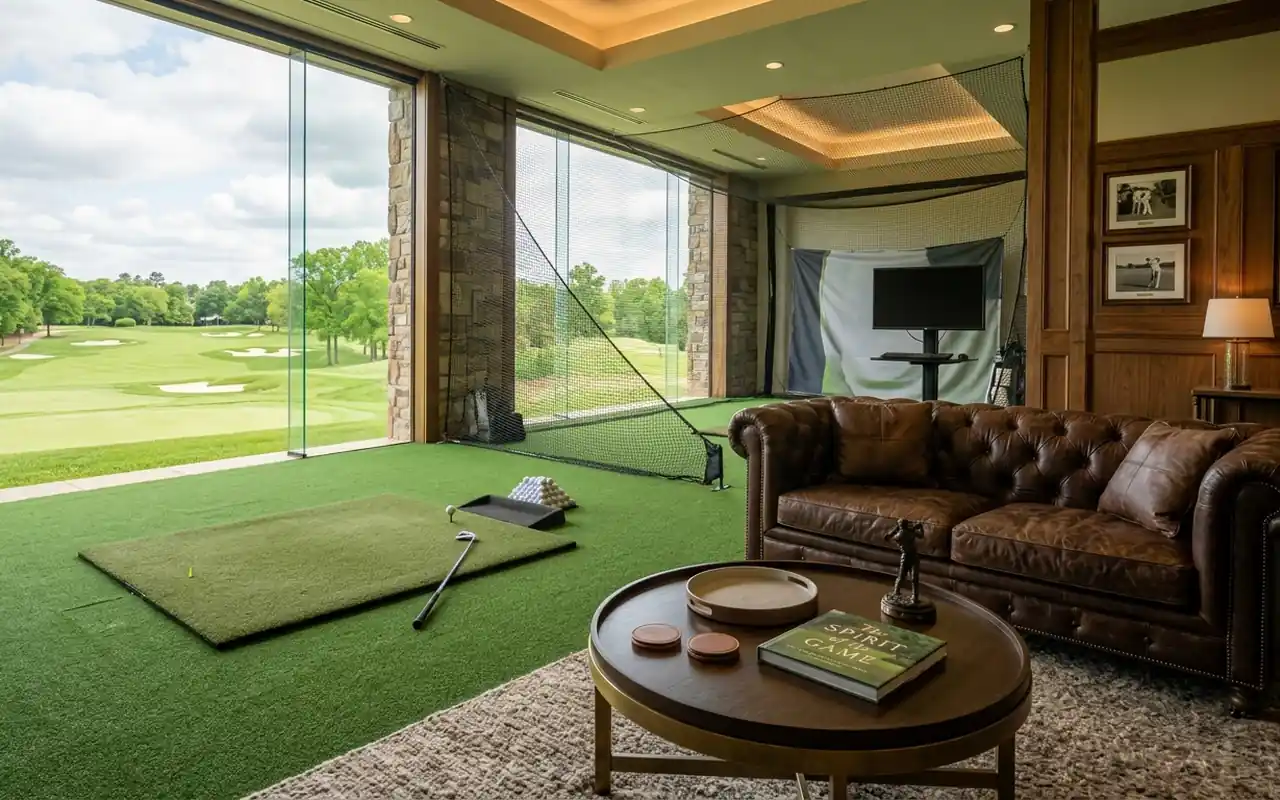
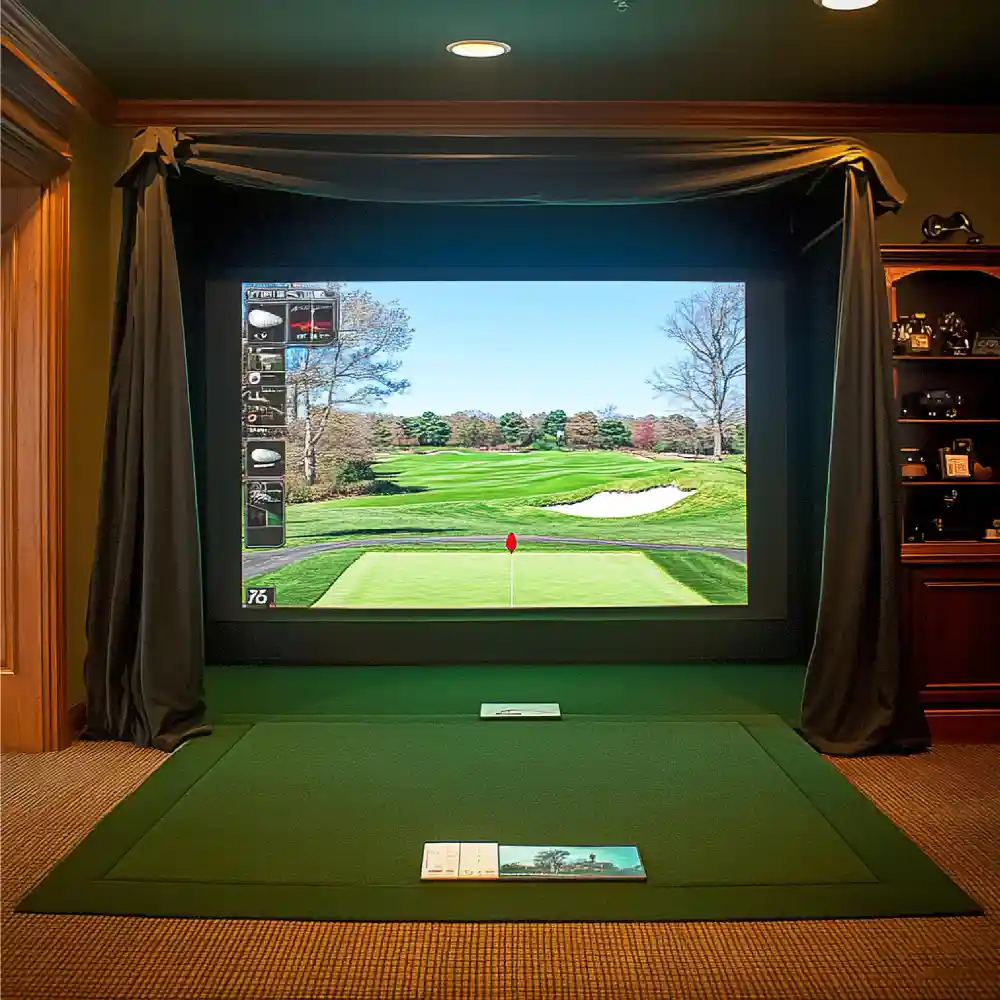
A high-quality launch monitor is the “brain” of your virtual golf room. Whether you choose a floor-mounted unit or an overhead ceiling mount, ensure it is positioned for maximum accuracy. For a clean look, build a small, recessed niche in the floor or wall to house the monitor. This prevents the tech from being a tripping hazard and keeps the focus on the game. Proper tech integration is a hallmark of productive home office ideas where efficiency meets style.
4. Sound-Absorbing Wall Paneling
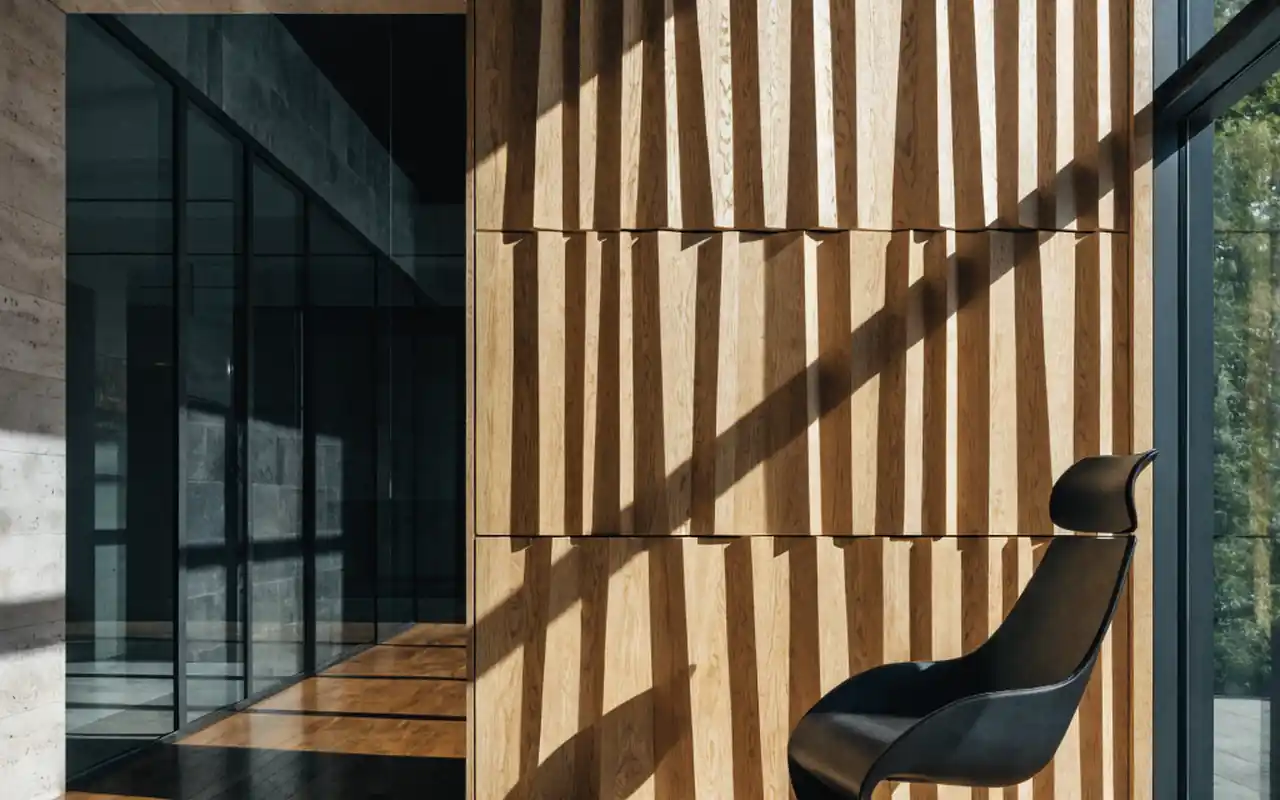
Virtual golf can be loud. To keep the rest of the house quiet, install professional acoustic wall panels. Wood slat panels in a warm walnut or soft oak finish offer a dual benefit: they absorb the “thwack” of the ball and add a modern, architectural texture to the room. If your simulator is in a basement, you can pull from modern basement living and storage ideas to find soundproofing materials that look like high-end decor.
DESIGNER TIP: Use dark-colored acoustic foam on the ceiling directly above the hitting area to catch “skyed” balls and dampen the sound of impact.
5. Built-in Club and Bag Storage
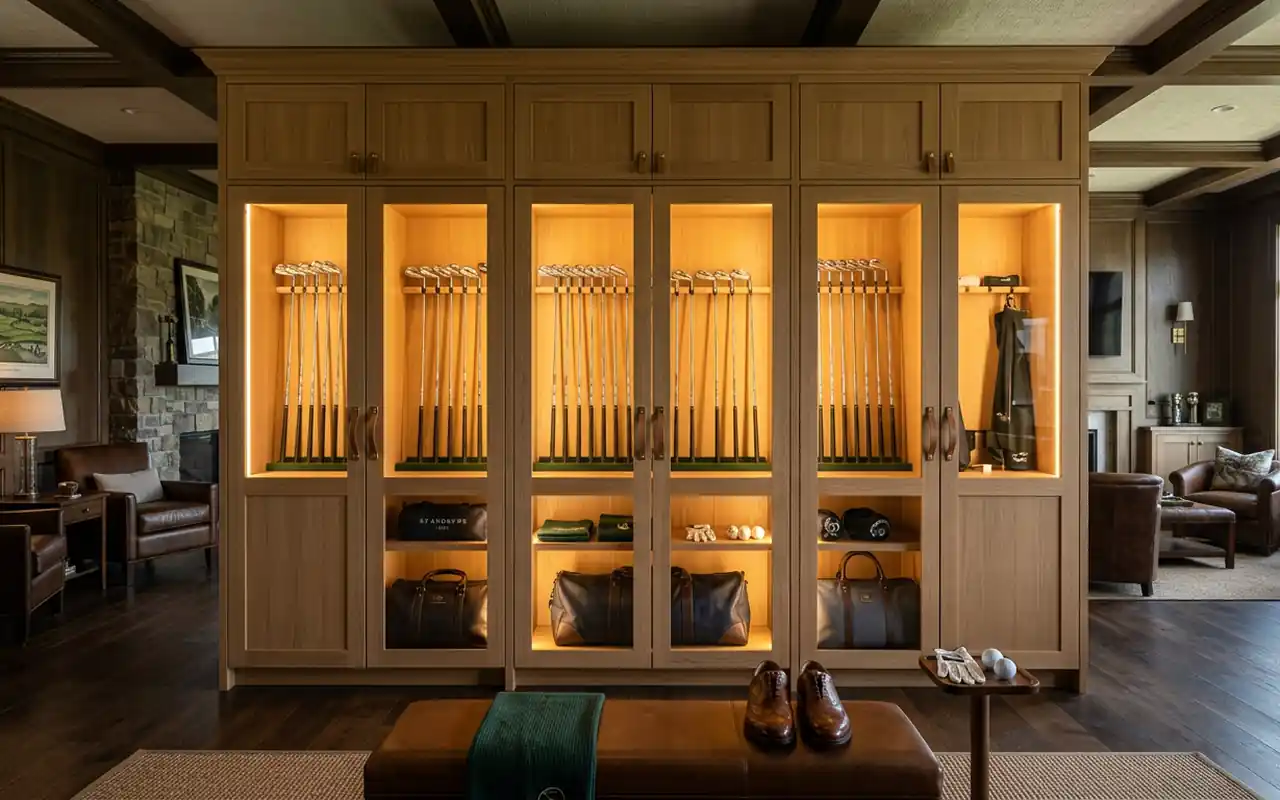
Display your equipment like a pro by installing custom cabinetry. Using laundry room cabinet ideas for storage inspiration, you can create tall, narrow lockers that house your bags, clubs, and shoes. Adding LED strip lighting inside these cabinets highlights your gear and adds a boutique-hotel vibe to the room. This keeps the space organized and ensures your clubs are always ready for the next round.
6. Leather Observation Lounge
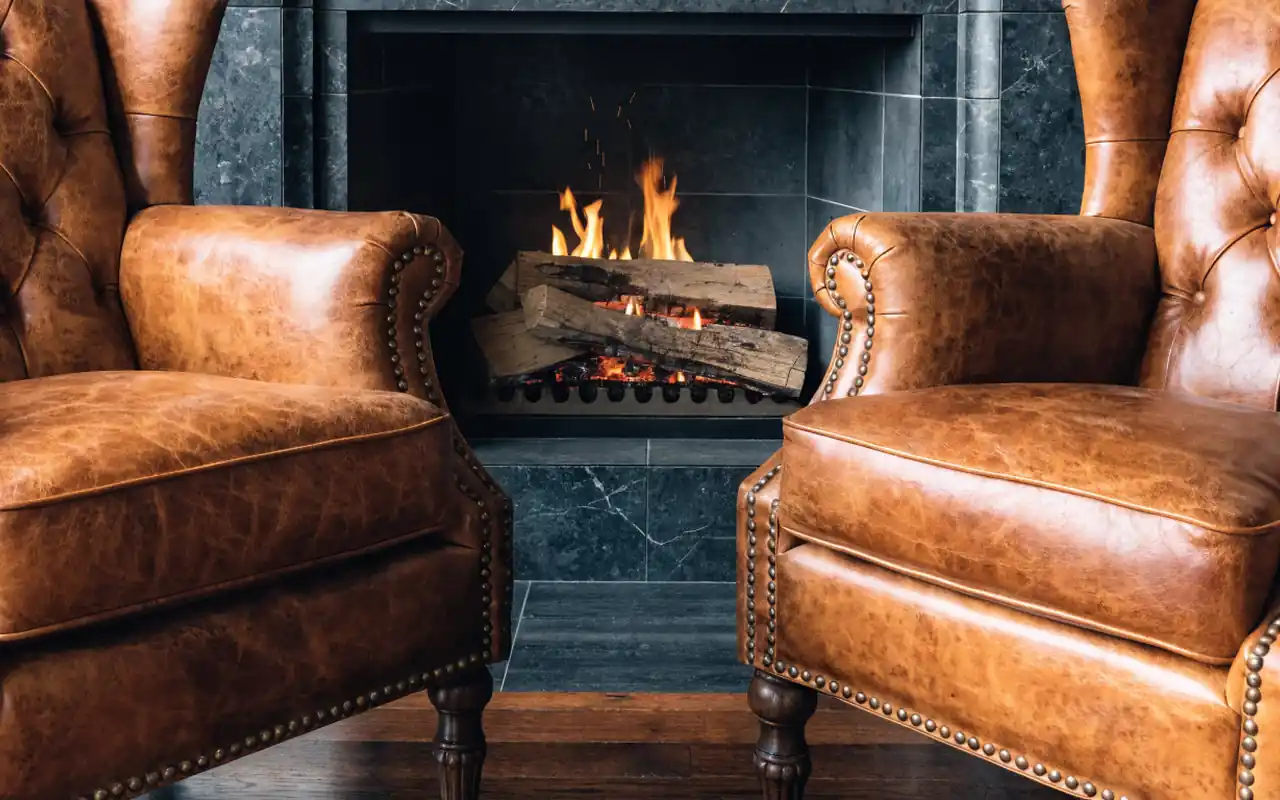
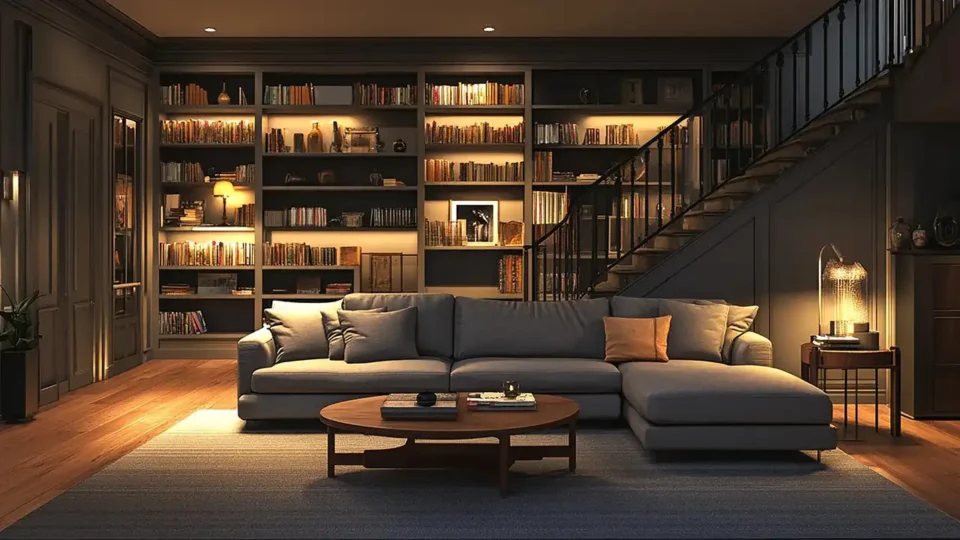
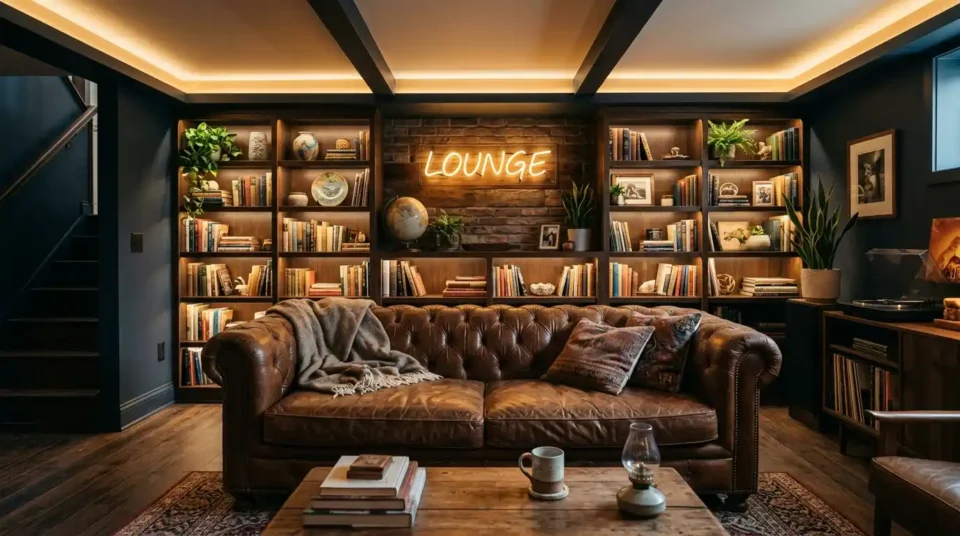
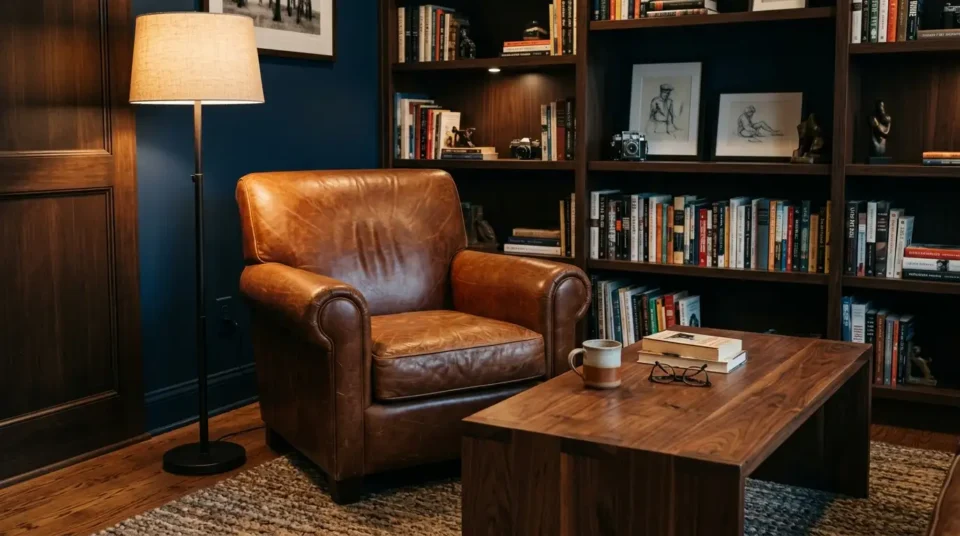
Every great golf simulator needs a spot for spectators. Position a pair of cognac leather club chairs or a deep charcoal sofa behind the hitting area. This creates a comfortable “gallery” for friends to watch and comment on your game. Leather is a durable choice for a man cave as it handles spills well and develops a beautiful patina over time. It adds a layer of sophisticated warmth to the high-tech environment.
7. Dual-Purpose Office Workstation
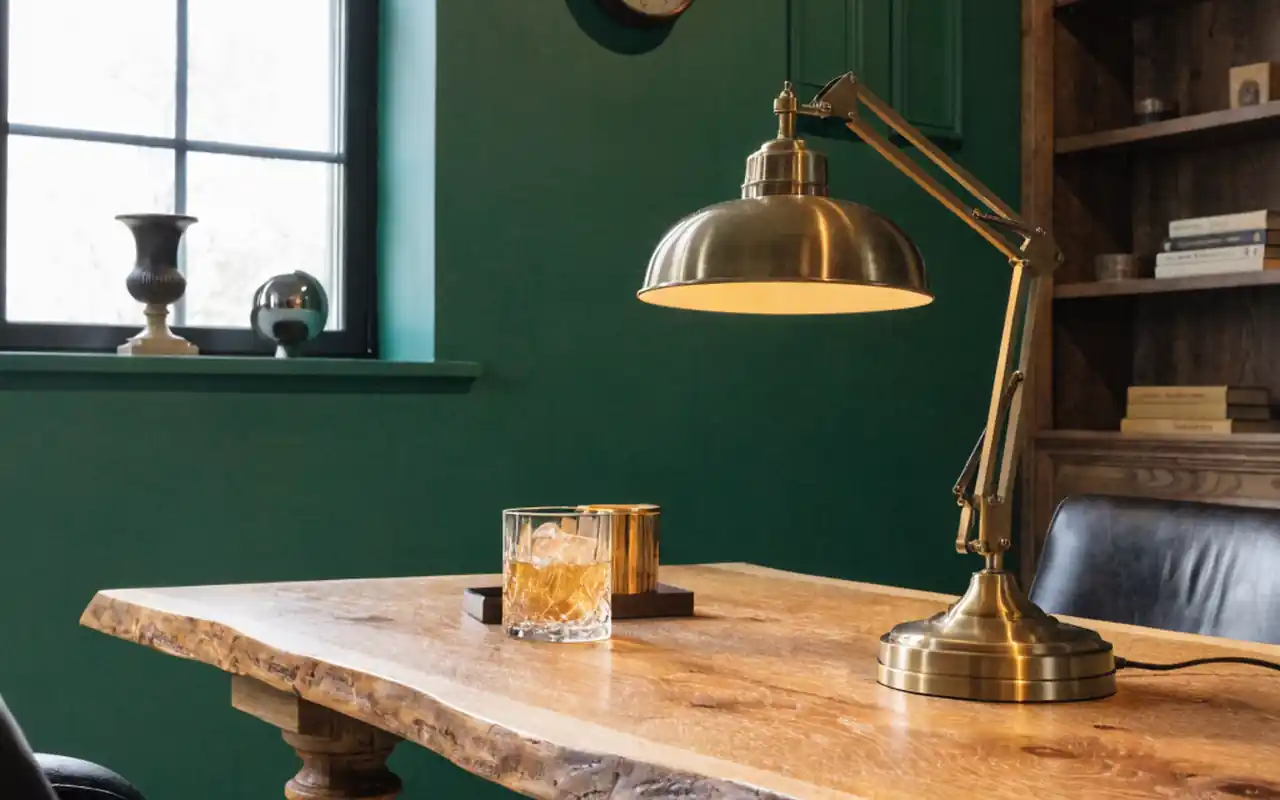
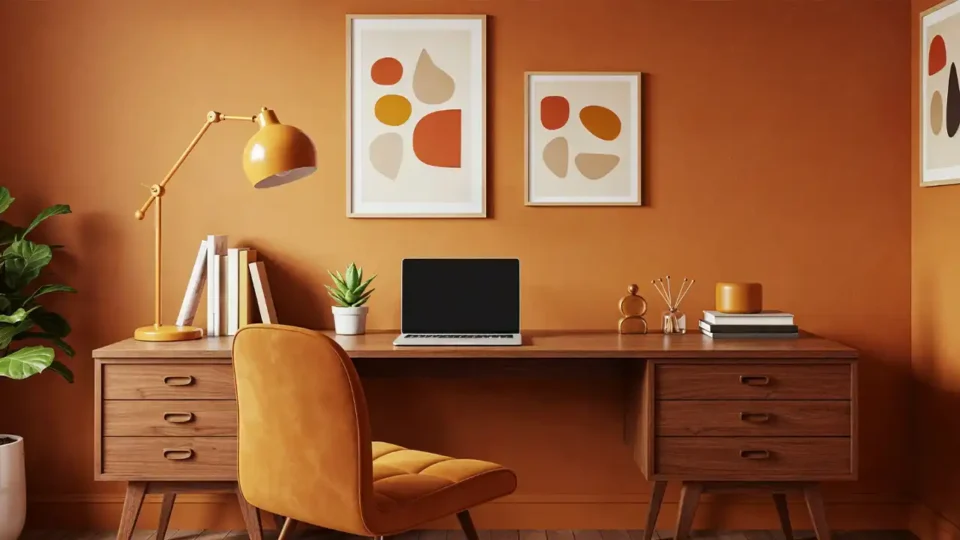
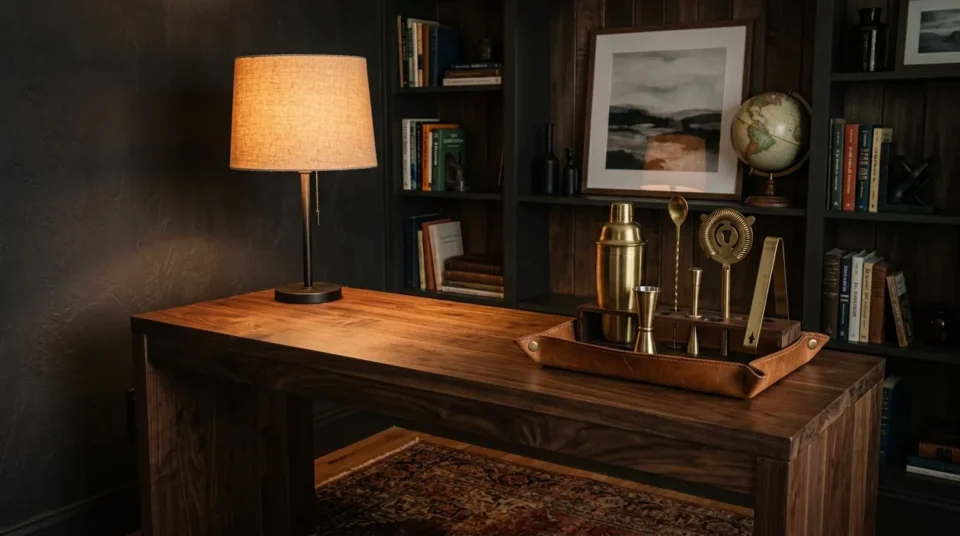
If you need the room to serve multiple roles, integrate a sleek executive desk along a side wall. By using man cave office ideas, you can create a high-performance workspace that faces away from the screen. This allows you to tackle projects during the day and pivot to the virtual links in the evening. A well-designed hybrid space is the ultimate luxury for the modern professional.
8. High-Definition Projector Alignment
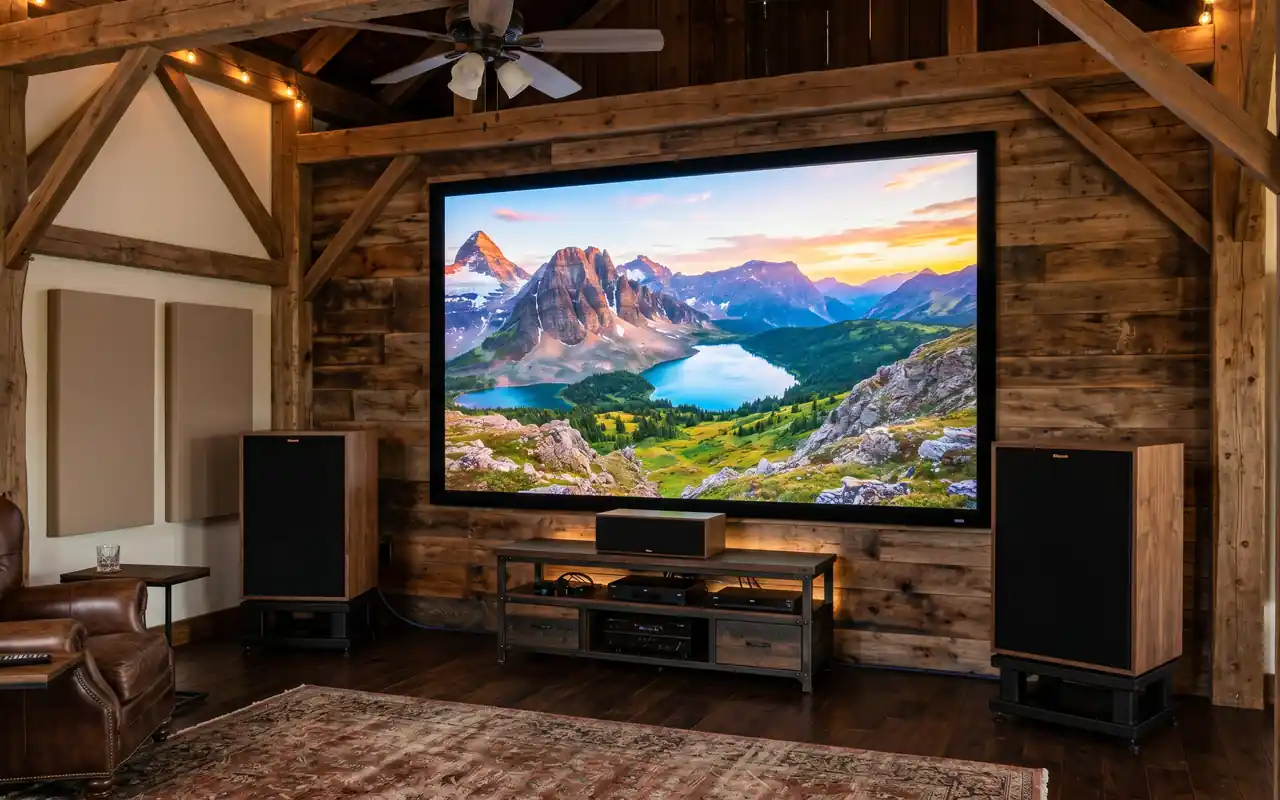
To ensure the best visual experience, invest in a short-throw 4K projector. Mounting the projector on the ceiling keeps it out of the way of your swing path. Proper alignment is critical to prevent shadows from being cast on the screen. For an editorial look, hide the projector within a soffit or a decorative box that matches your ceiling color. This keeps the hardware discreet and the aesthetic high-end.
DESIGNER TIP: Paint the ceiling and the walls near the screen a very dark, matte color to increase the perceived contrast of the projected image.
9. Strategic Ceiling Baffles
In rooms with very high ceilings, ball strikes can create a significant echo. Installing hanging fabric baffles or “clouds” can help break up sound waves and provide a soft, cozy feel. These baffles can be designed to match your color palette, such as cool slate or navy. They add a layer of safety by acting as a soft landing spot for any high-flying balls that miss the impact screen.
10. Moody Task and Mood Lighting
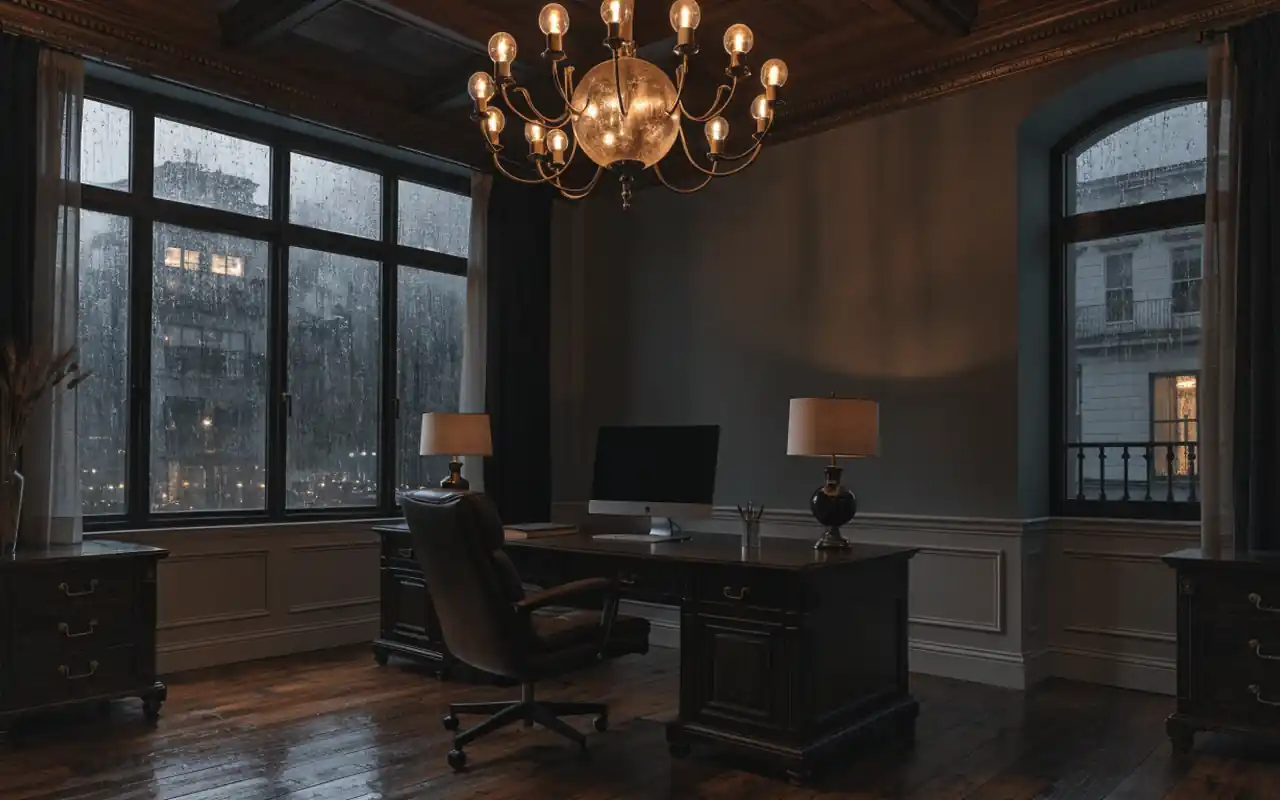
Lighting should be layered to accommodate different activities. Use bright task lighting over the hitting area and dimmable mood lighting in the lounge. Recessed LED strips along the floor or baseboards can guide the way in a darkened room without washing out the screen image. This is a common strategy in man cave ideas for a sanctuary where ambiance is just as important as function.
11. Refreshment and Coffee Station
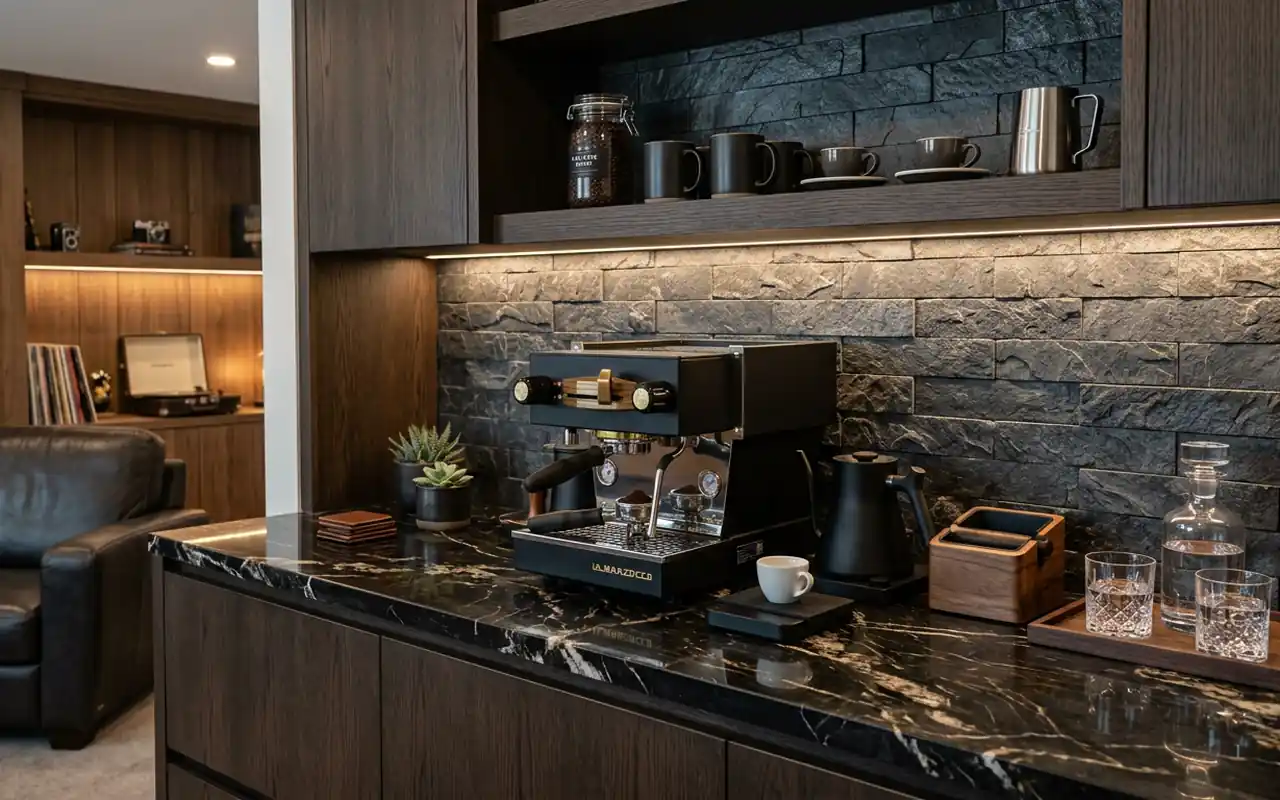
Keep the game going by installing a small refreshment center. A built-in espresso machine or a small fridge for mineral water ensures you never have to leave your sanctuary. For a polished look, use bathroom backsplash ideas like textured stone or matte tiles to define the beverage zone. This adds a touch of hospitality that turns a practice room into a true destination.
12. Multi-Monitor Data Station
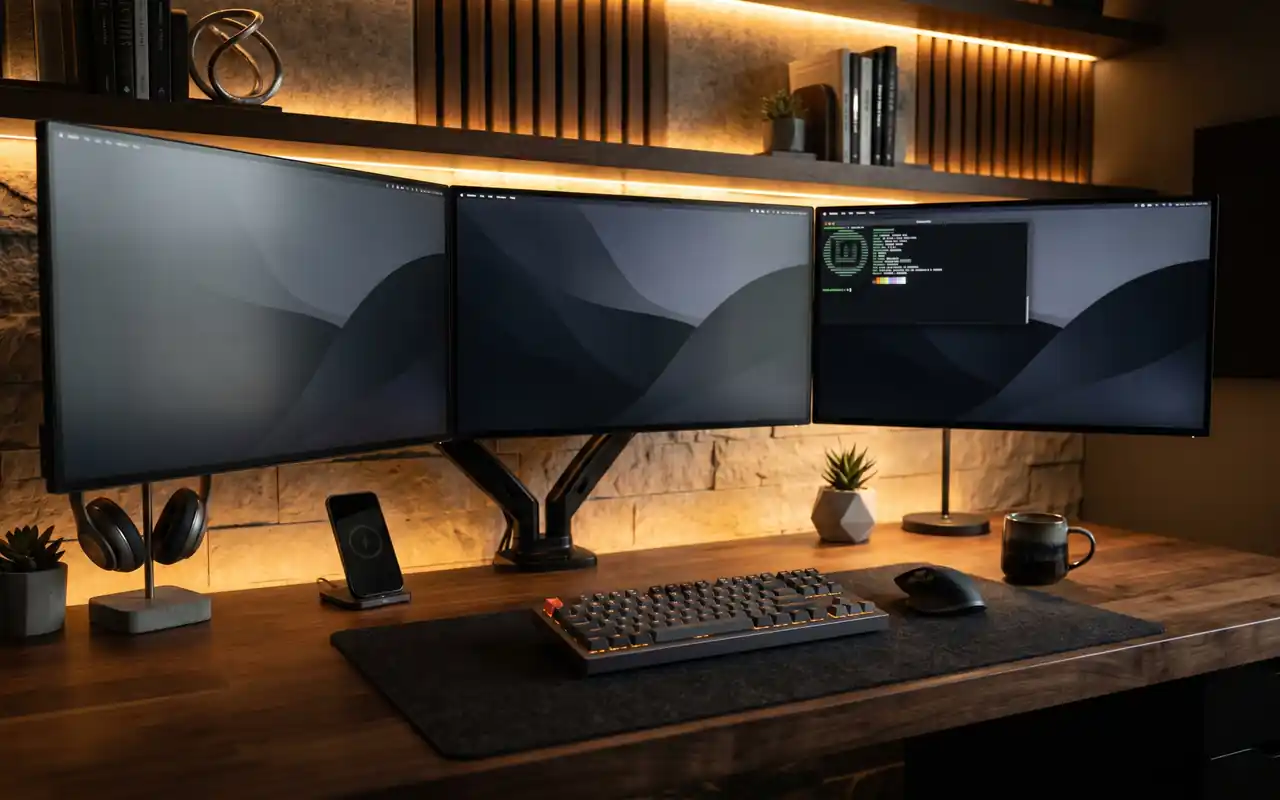
For the serious golfer, a secondary monitor on the side wall is essential for displaying swing data and analytics. This allows you to see your ball speed, launch angle, and spin rate without looking back at the main screen. Mount this monitor on a swivel arm so it can be viewed from the hitting mat or the lounge. It adds a professional “performance lab” feel to your home setup.
KEY TAKEAWAY: The most successful golf simulators blend professional ball-tracking technology with high-end lounge features to create a versatile and inviting sanctuary.
Optimizing Layout and Safety for Golf Simulators
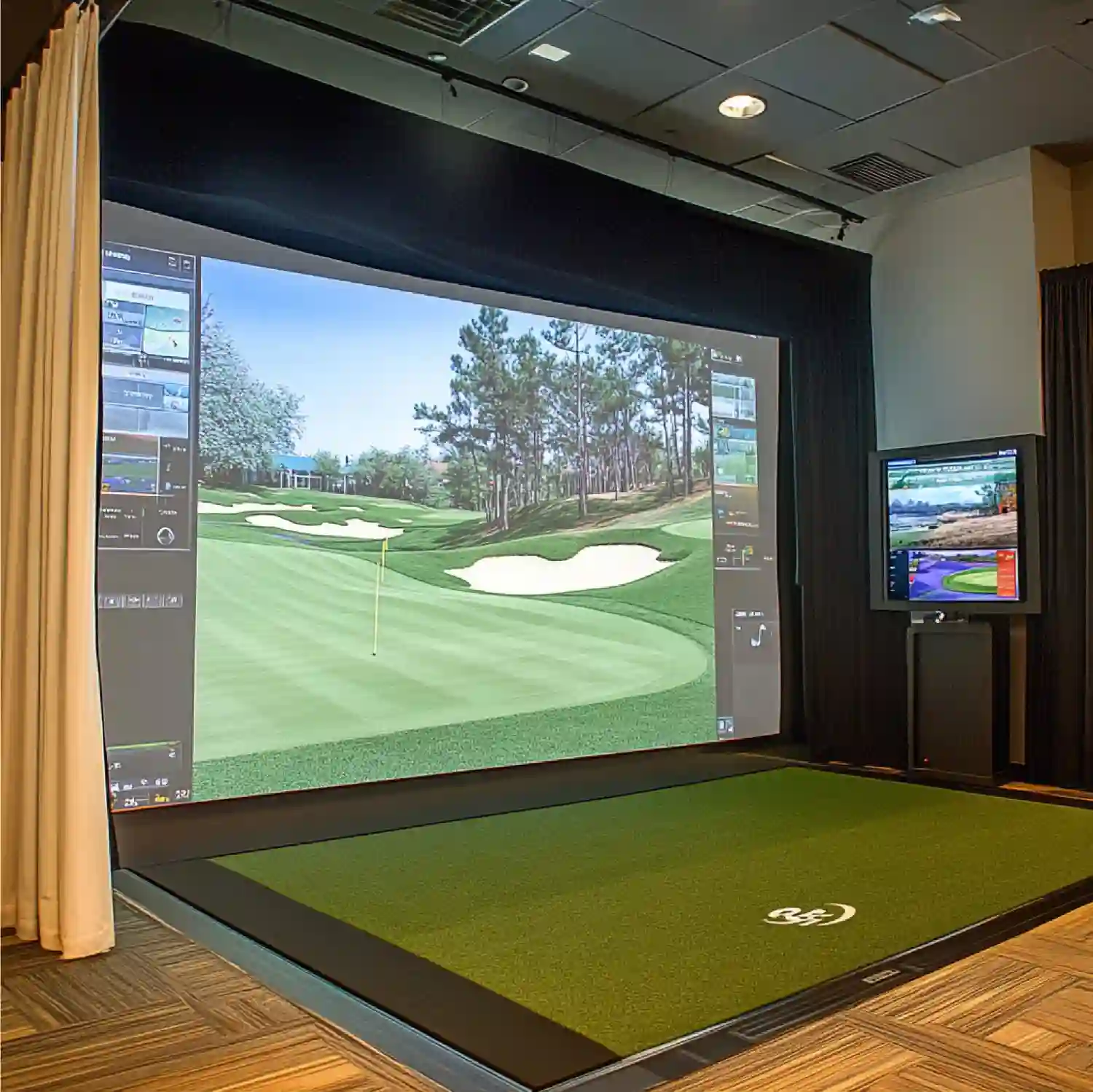
The layout of your golf simulator room man cave ideas must prioritize the safety of both the player and the spectator. A standard full-speed swing covers a wide arc, meaning you need at least 12 to 14 feet of width to avoid hitting the walls. If you are working with small bedroom layouts to maximize space, you may need to center the hitting mat and use minimal furniture on the sides. Always ensure there is a “buffer zone” of at least 8 to 10 feet behind the player to keep onlookers safe from a backswing.
Ventilation is another critical layout factor. High-performance computers and projectors generate a significant amount of heat. Ensure your room has proper air circulation to keep the electronics—and the golfer—cool during intense practice sessions. If the room is in a windowless area, using a high-quality air purifier can help keep the atmosphere fresh. Technical comfort is what separates a DIY garage project from a professional-grade home pro shop.
KEY TAKEAWAY: Prioritizing swing clearance and electronic ventilation ensures your golf sanctuary is safe, comfortable, and durable.
Common Golf Simulator Mistakes to Avoid
- MISTAKE: Insufficient Ceiling Height → FIX: Ensure a minimum of 9 feet; 10 feet is preferred for tall golfers and high-lofted clubs.
- MISTAKE: Using Low-Quality Impact Mats → FIX: Invest in a high-density mat that mimics real turf to prevent joint injury and “fat” shots.
- MISTAKE: Neglecting Lighting Levels → FIX: Use dimmable lights to prevent washing out the projector image while still providing enough light for safety.
- MISTAKE: Ignoring Sound Control → FIX: Install acoustic panels and heavy drapes to stop the “thwack” of the ball from traveling through the house.
KEY TAKEAWAY: Avoiding technical shortcuts in ceiling height and flooring quality prevents long-term frustration and injury.
Budget & Cost
Creating a virtual golf sanctuary is a significant investment that adds unique value to your home. Costs vary based on the tech and the level of interior finish.
| Project | Estimated Cost | Impact Level |
|---|---|---|
| Launch Monitor System | $2,000–$15,000 | High |
| Impact Screen & Enclosure | $1,000–$3,500 | High |
| Premium Artificial Turf | $500–$2,000 | Medium |
| High-HD Projector | $800–$3,000 | High |
KEY TAKEAWAY: Technology represents the largest portion of the budget, but quality turf and soundproofing provide the greatest return on daily enjoyment.
Decisions & Technical Challenges
One of the hardest decisions is choosing between a fixed impact screen or a retractable one. Retractable screens are perfect for multi-purpose rooms, allowing you to hide the simulator when it’s time for a movie or a social gathering. However, fixed screens usually provide a tighter, flatter surface for better projection quality. Consider your lifestyle and how often the room will be used for things other than golf before making your final choice.
Another challenge is the computer hardware needed to run high-end simulator software. You need a PC with a dedicated graphics card to handle the realistic 4K rendering of famous courses. Hide the computer tower inside a ventilated cabinet to keep the room looking tidy. By making these smart technical decisions early, you can enjoy your transforming your home project for years without needing expensive hardware upgrades.
KEY TAKEAWAY: Choose your screen type based on whether the room is a dedicated golf bay or a multi-use social space.
Frequently Asked Questions
Conclusion
Implementing these golf simulator room man cave ideas allows you to enjoy the game you love regardless of the weather or the time of day. By focusing on high-ceiling clearance, professional-grade tech, and a sophisticated lounge aesthetic, you create a sanctuary that is as impressive as it is functional. A well-designed home pro shop is a vital part of your personal lifestyle, offering a place for both intense training and relaxed entertainment.
Taking the time to craft a professional-grade retreat is a rewarding part of transforming your home. When each room is designed with intention and high-quality materials, the entire household feels more organized and luxurious. Start with your technical measurements today and watch your vision for the perfect virtual links come to life.