TL;DR

These 15 man cave essentials move from seating, media, sound, and lighting to storage, refreshments, Wi-Fi, room comfort, and personal details. Buy the everyday basics first.
KEY TAKEAWAY: The best man cave must-haves make the room easier to use, not merely fuller.
What Does Every Man Cave Really Need?
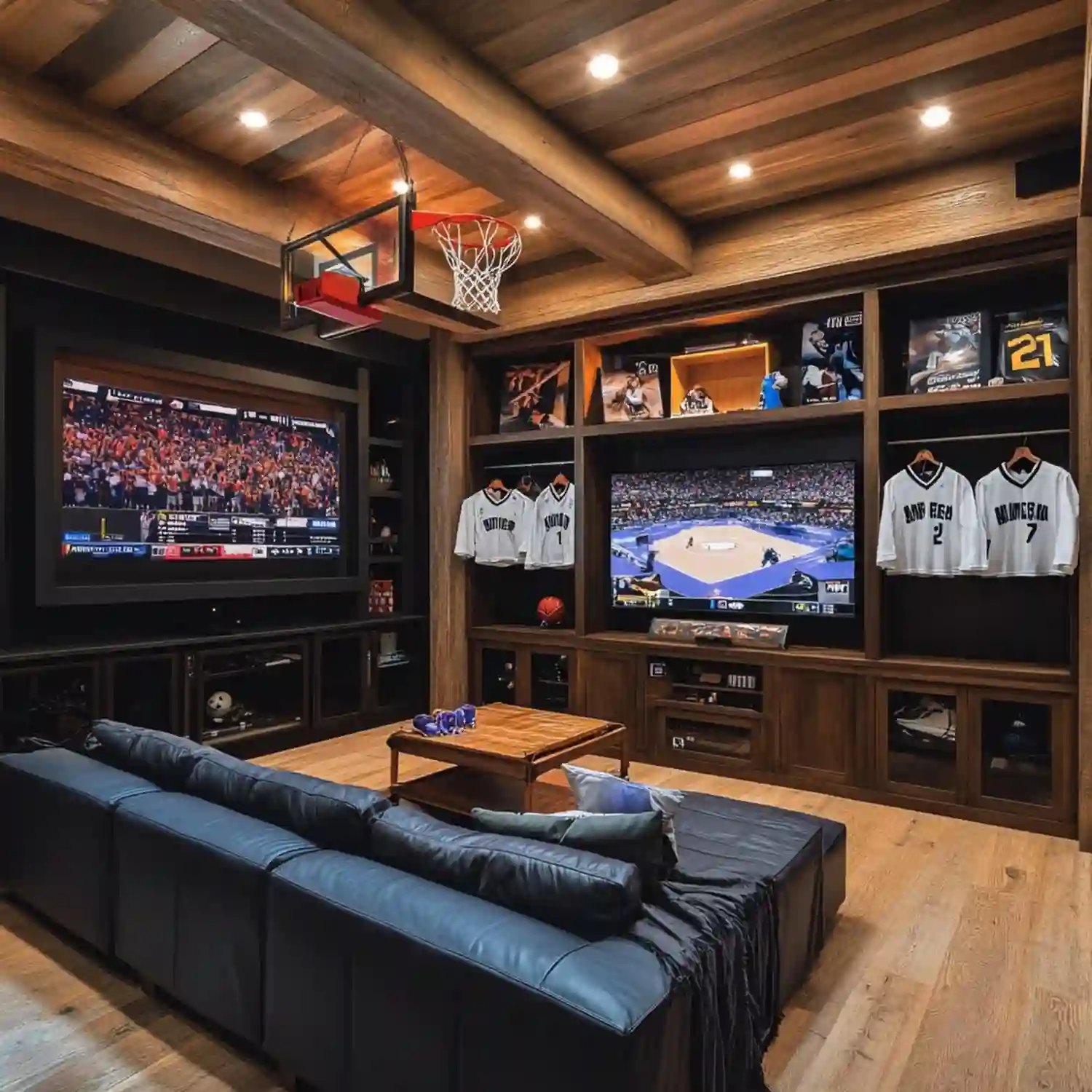
A large television and leather sofa can still leave a room awkward or cluttered. If impressive gear has not made the space comfortable, you are not alone.
Man cave essentials support comfort, entertainment, organization, and daily use. Start with seating, correctly placed media, flexible lighting, controlled cables, useful storage, and a healthy room shell. Use the Man Cave Ideas root guide if the purpose is unclear.
Editorial field note: a room with one bright ceiling light, loose cables, and scattered collectibles feels temporary; two warm lamps, a closed console, and one edited display make it look settled. Browse 101 Home Decor. Bookmark this guide for quick reference.
KEY TAKEAWAY: A complete man cave balances comfort and function before it adds personality.
| Quick Takeaways | |
|---|---|
| Room Shell | Choose the primary seat before sizing tables, screens, or guest furniture. |
| Media | Match the screen and sound system to the viewing distance and room size. |
| Lighting | Use ambient, task, and accent sources instead of one harsh fixture. |
| Storage | Hide cables and everyday clutter while displaying only the best personal pieces. |
| Comfort | Resolve dampness, stale air, and temperature swings before adding soft finishes. |
Man Cave Essentials Checklist
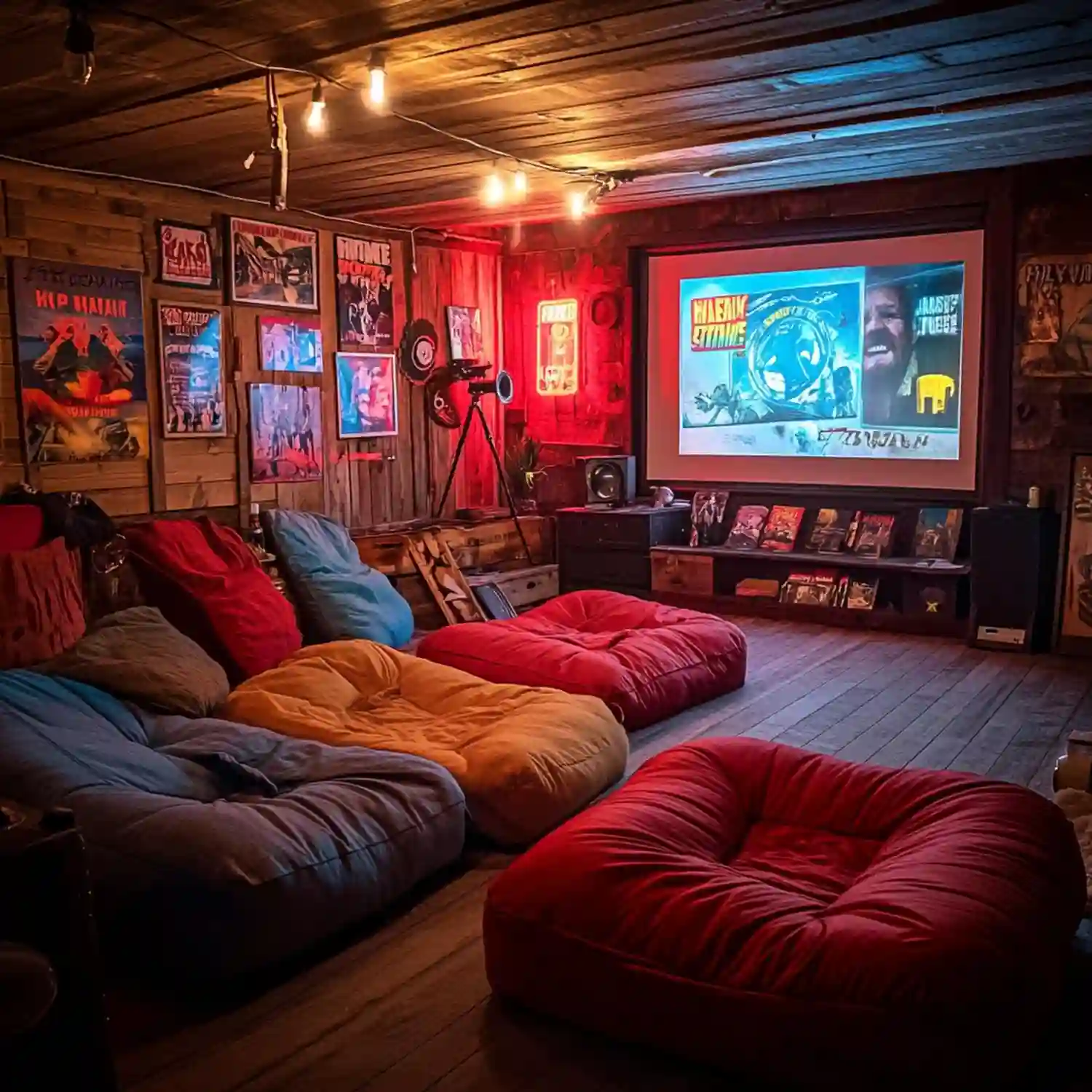
- Choose one primary activity and two supporting uses at most.
- Measure the main seat, screen wall, walkways, doors, windows, and fixed equipment.
- Provide three light types: ambient, task, and accent.
- Reserve closed storage for cables, controllers, games, and refreshment supplies.
- Keep one clear focal point and at least one quiet wall.
- Check ventilation, moisture, temperature, power, and internet reliability.
- Set the budget before buying decorative signs or specialty furniture.
KEY TAKEAWAY: The checklist prevents attractive purchases from crowding out the features the room uses every day.
15 Must-Haves Worth Buying
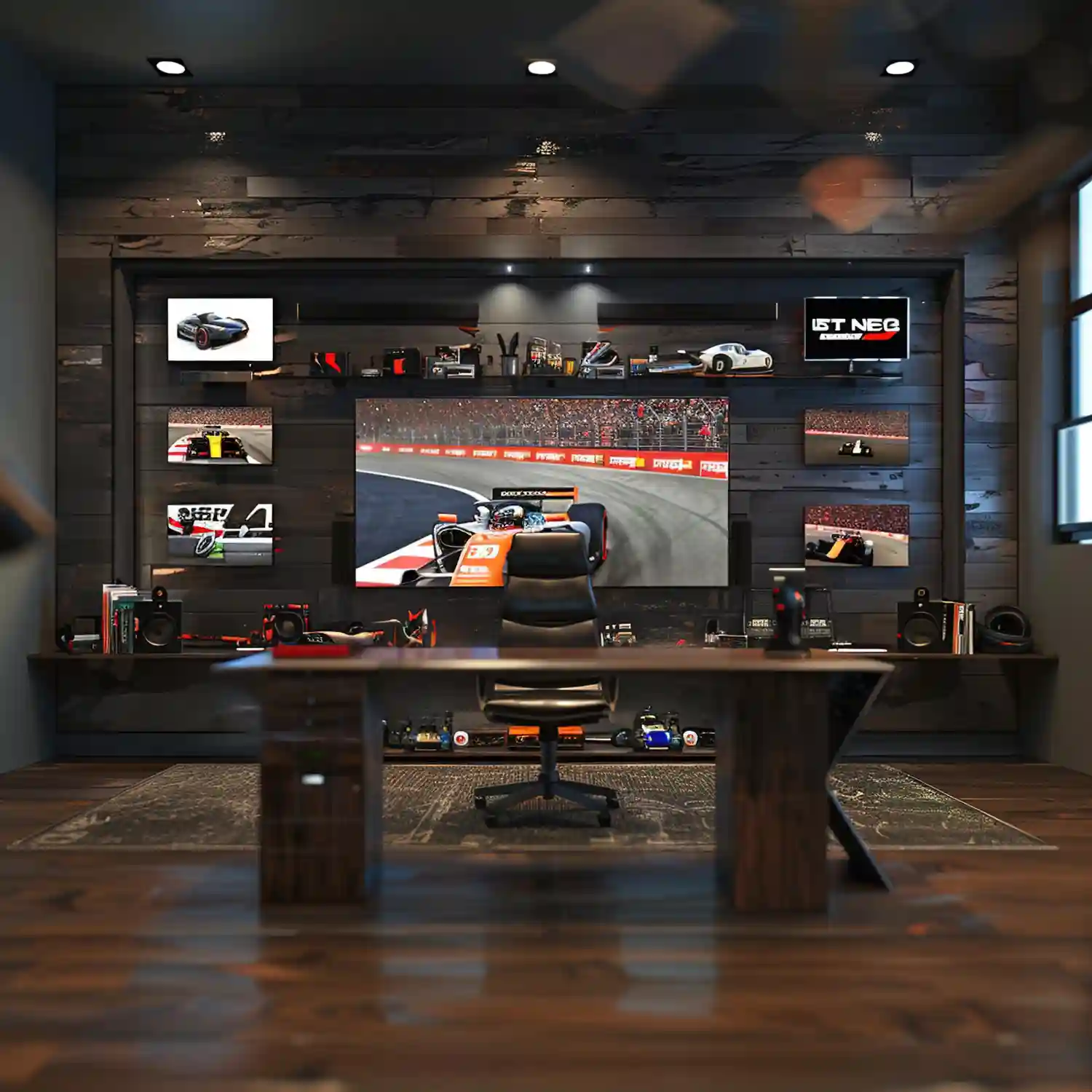
The right mix depends on whether the room supports movies, gaming, sports, music, work, or conversation. Buy in the order below, then adapt the last few pieces to the room’s real purpose.
1. A Supportive Primary Seat
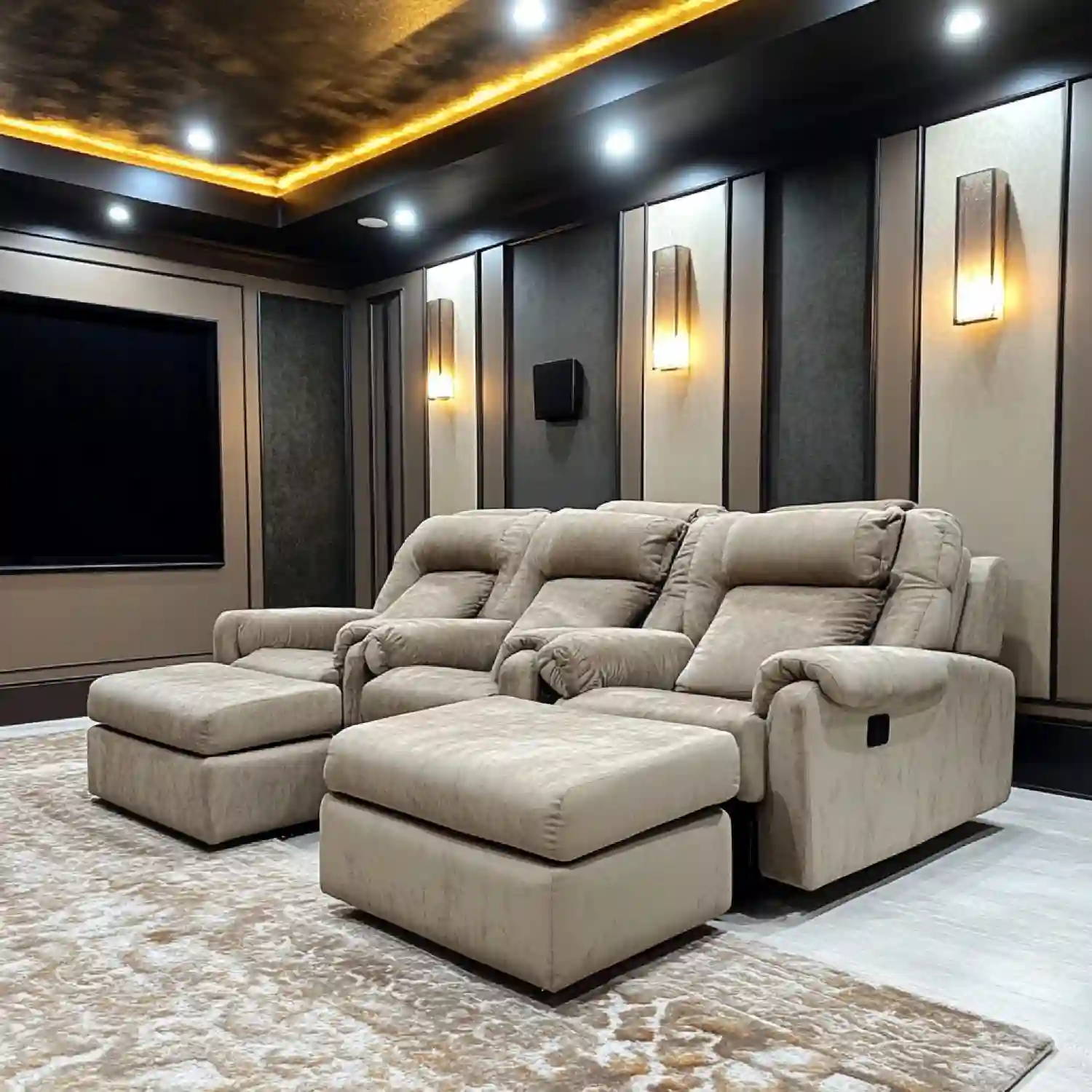
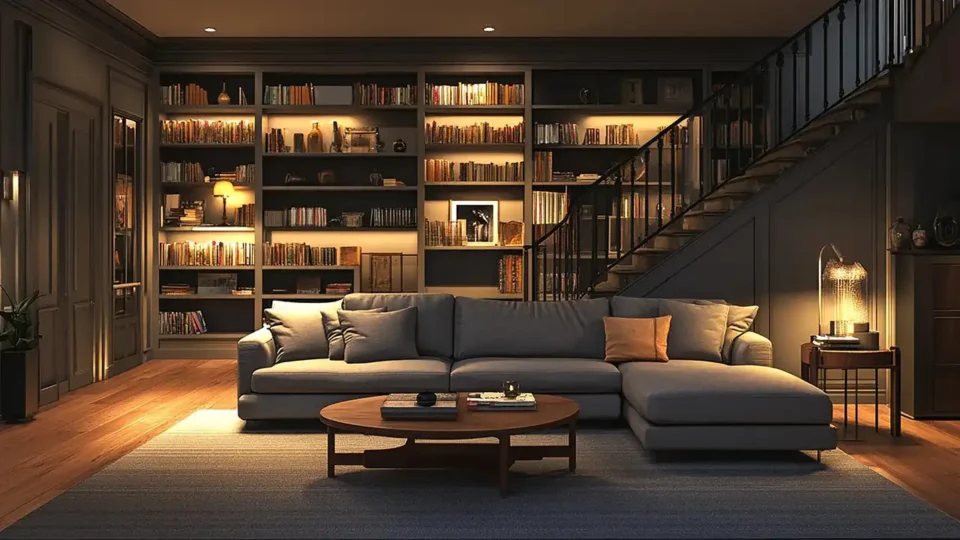
Test seat depth, back support, and the full reclined footprint. A sectional suits movies; a supportive chair fits music or reading. In tight rooms, use these small man cave layout ideas to keep the walkway open.
2. A Screen Sized for the Viewing Distance
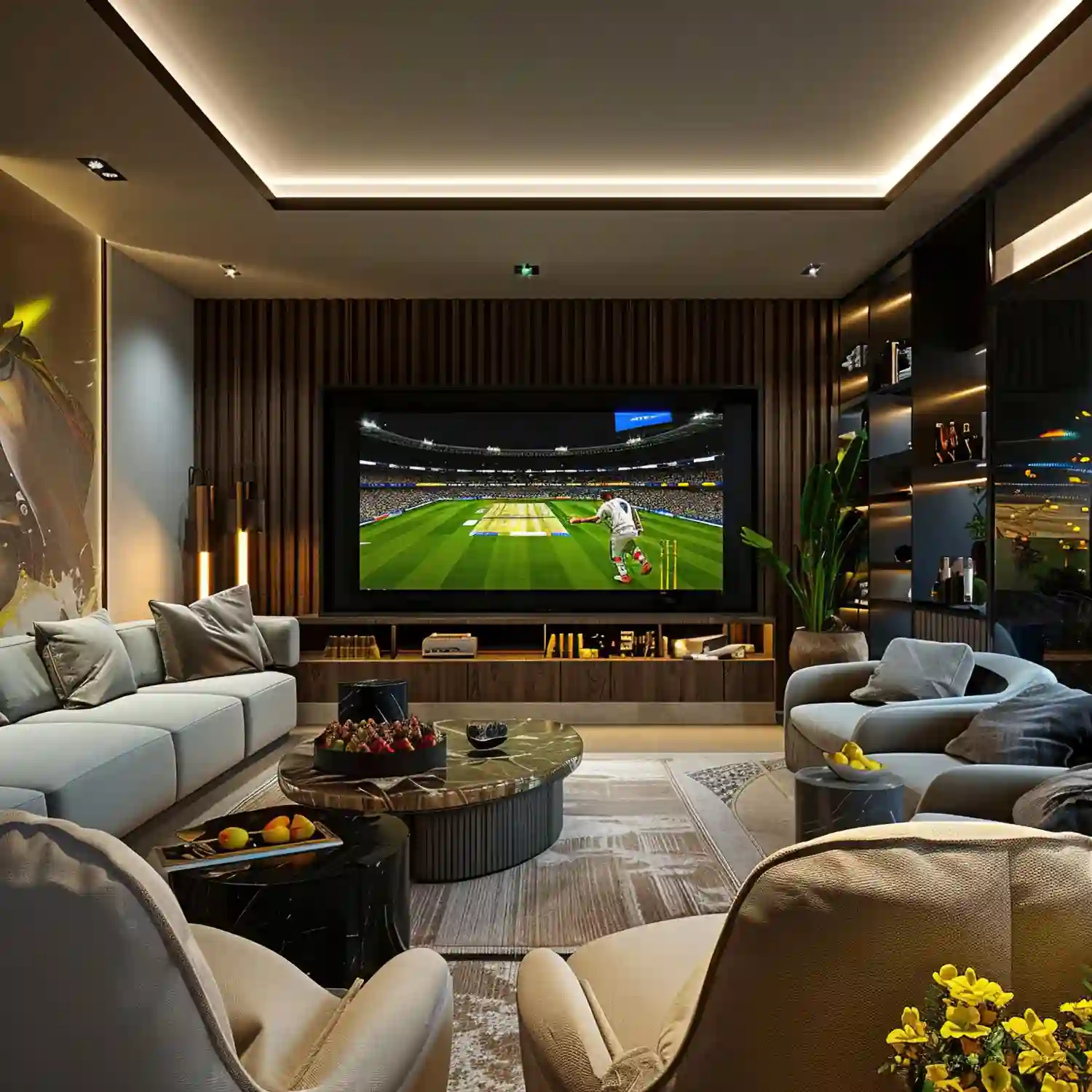
Measure the seat position before choosing a screen. Samsung’s TV sizing guide links size with viewing distance. Avoid window and bare-bulb reflections; a matte charcoal media wall can limit distraction.
3. Clear, Room-Appropriate Sound
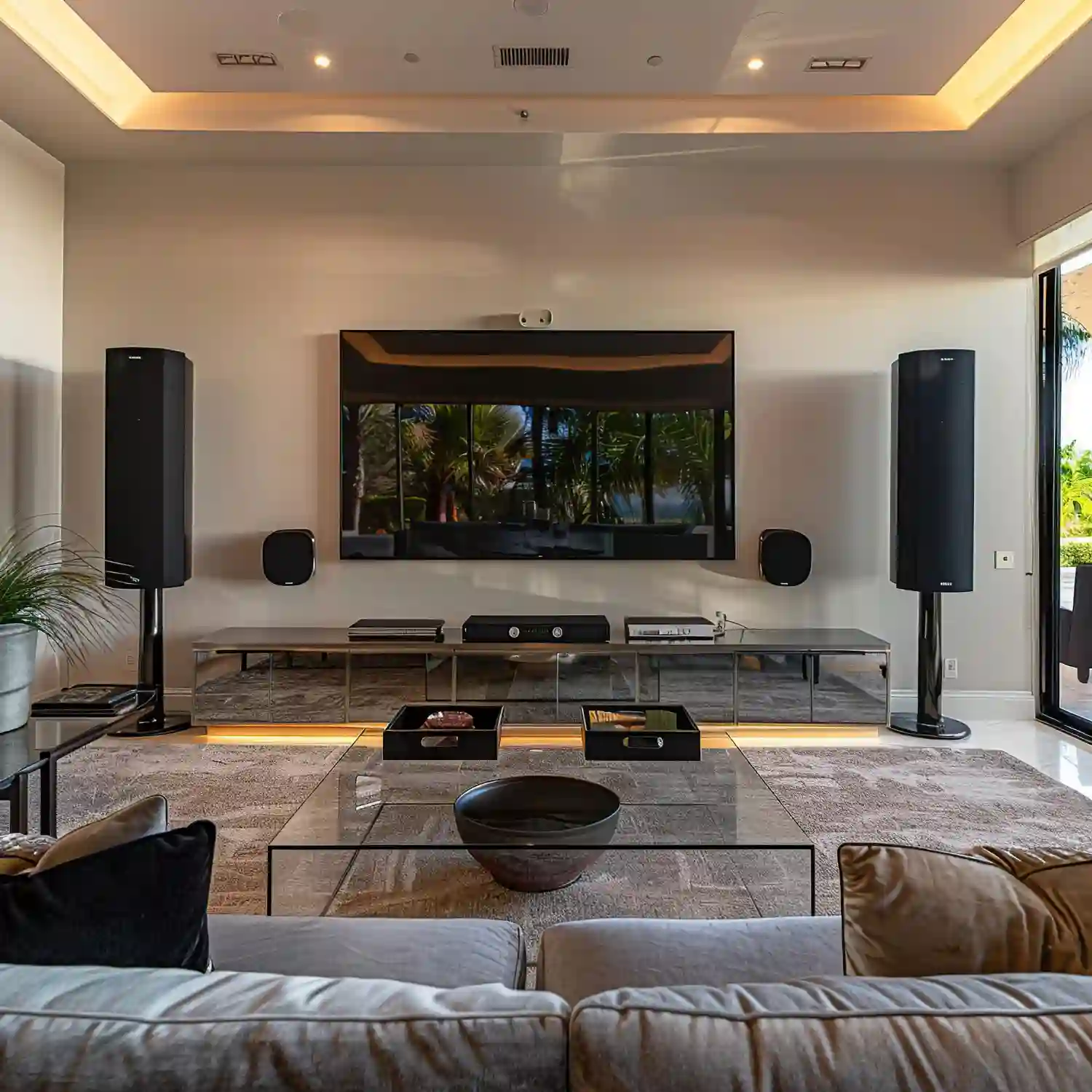
Good sound matters more than maximum volume. A soundbar fits a small room; separate speakers suit a larger space. Keep speakers clear of furniture and soften echoes with fabric seating. The man cave theme guide helps match equipment to use.
4. Layered, Dimmable Lighting
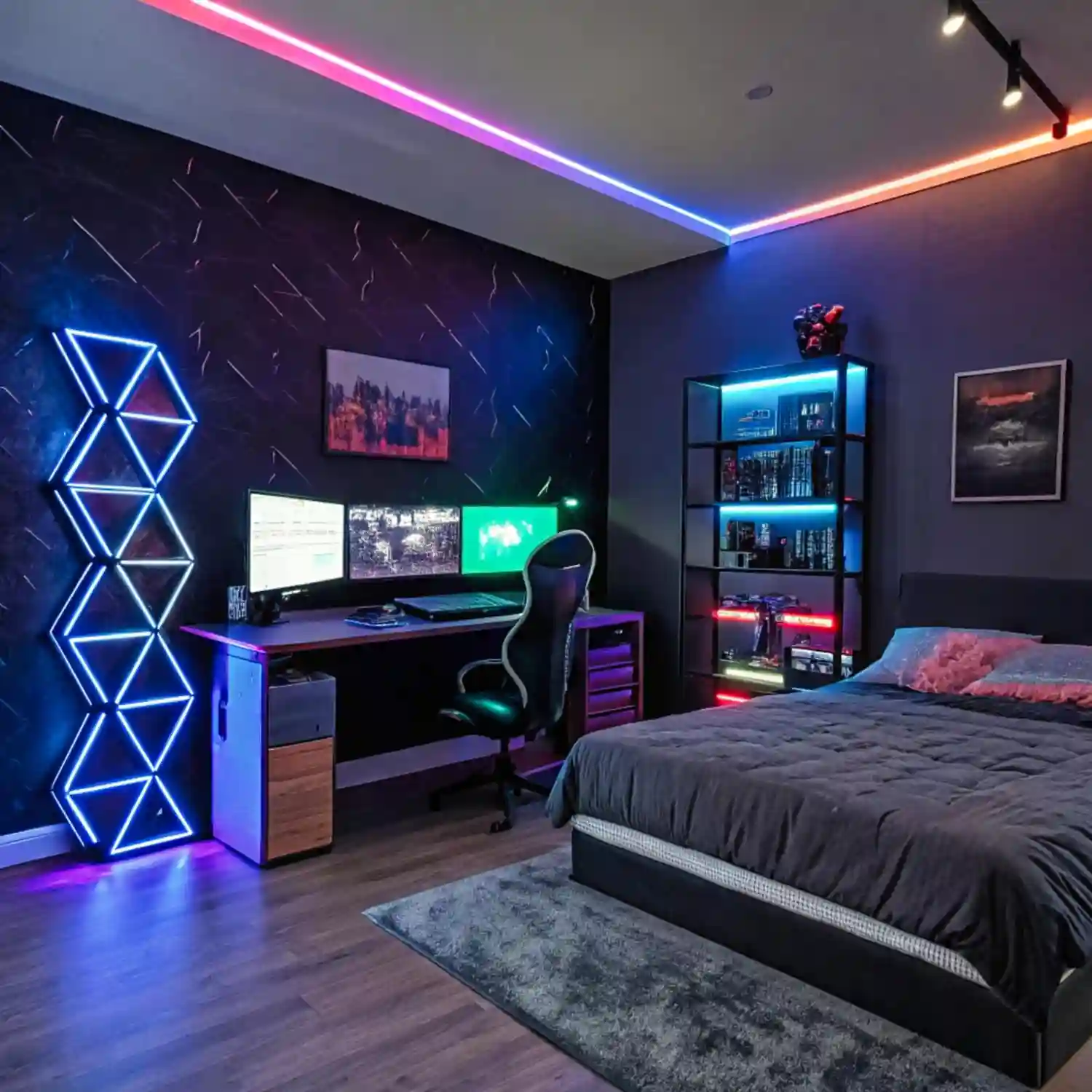
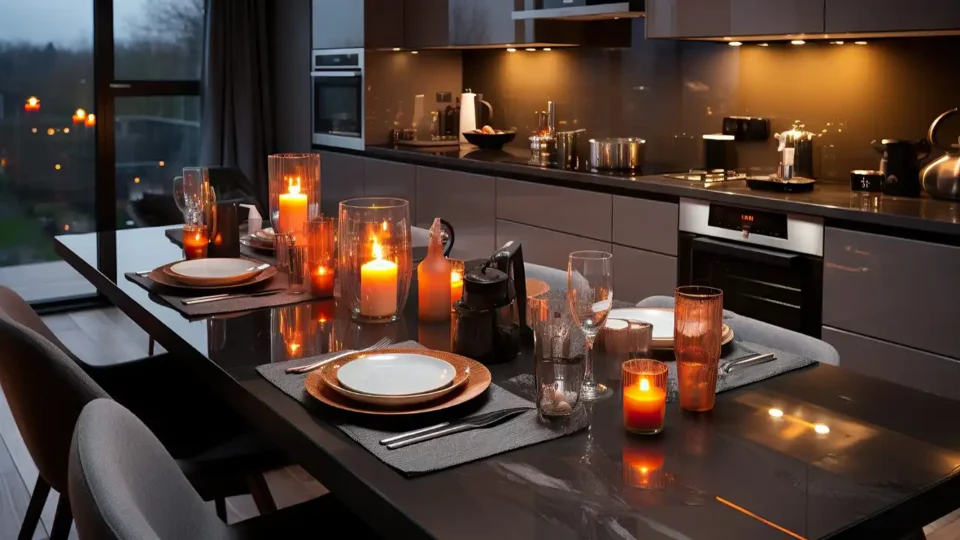
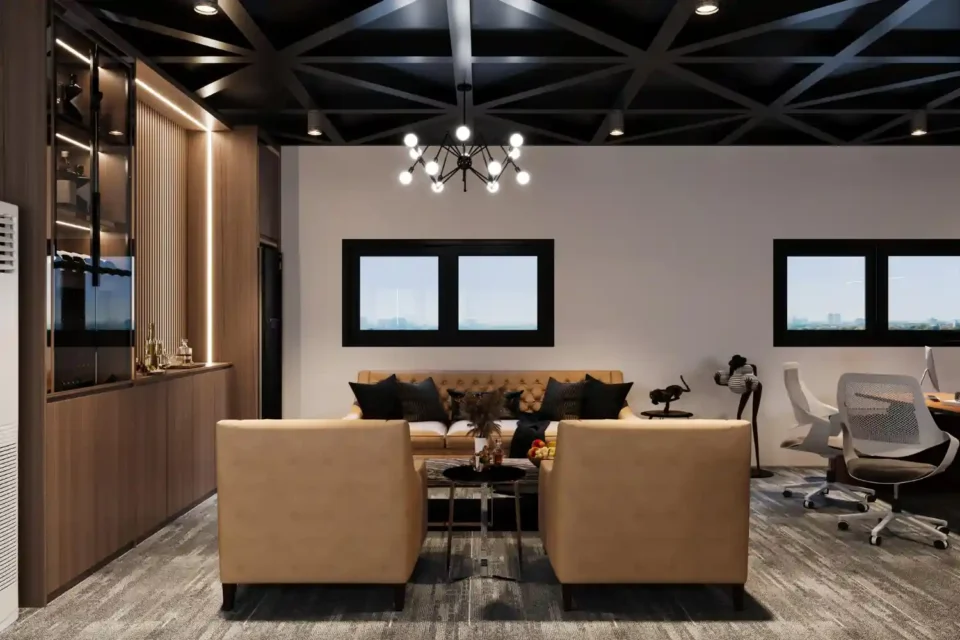
Combine ambient light for movement, task light for games, and accent light for shelves. Warm lamps suit walnut, cognac leather, and charcoal walls. Keep them out of screen reflections. These classy man cave ideas show balanced dark-room lighting.
DESIGNER TIP: Put decorative lights and practical task lights on separate controls so the room can shift from movie night to cleanup.
5. Safe Power and Cable Management
List every powered device before arranging the media wall. Use rated surge protection, ventilated storage, and short cable routes. Ask a qualified electrician about fixed wiring. Safety Note: never hide extension cords beneath rugs, doors, or furniture.
6. A Closed Media Console
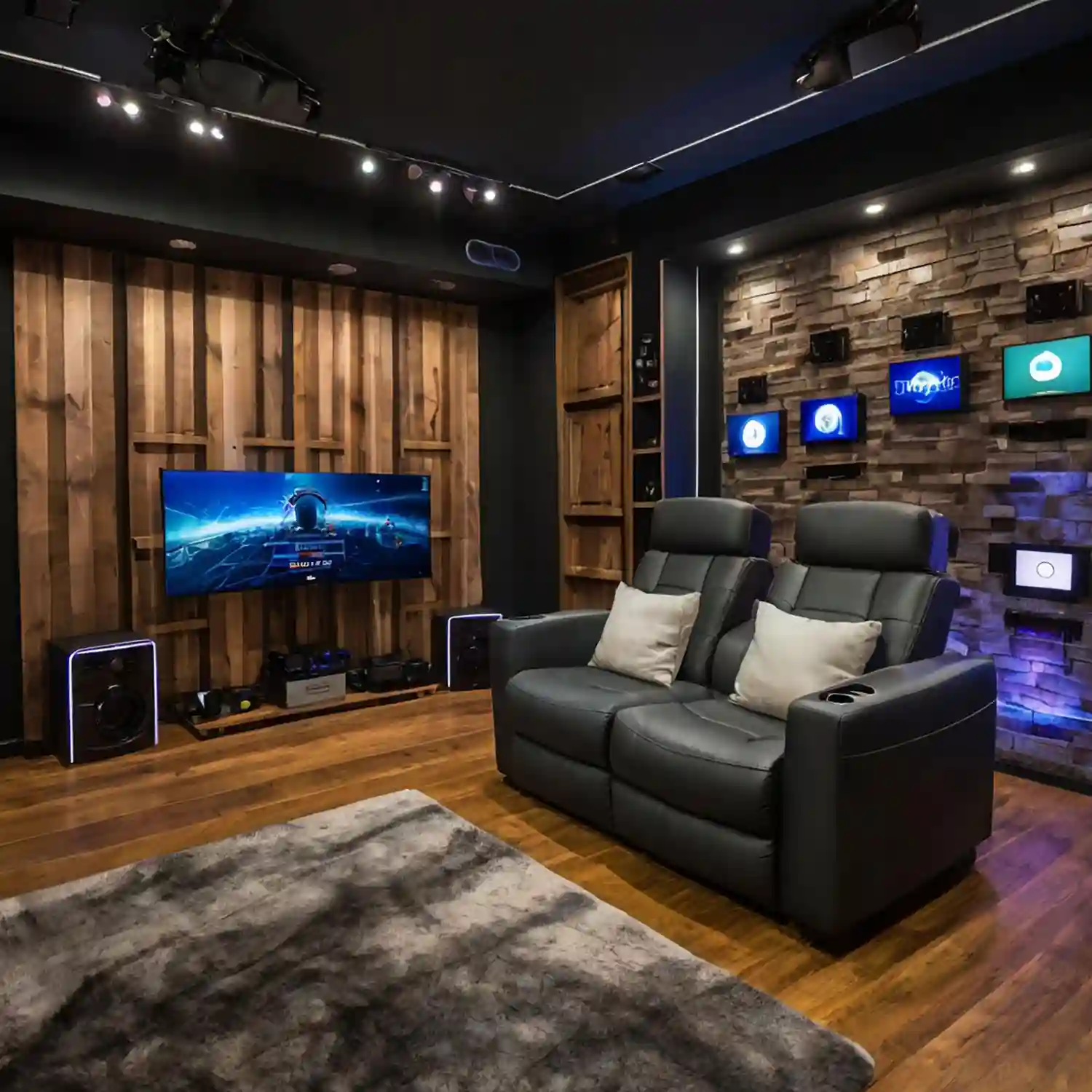
A sturdy console hides controllers and cables while ventilating electronics. Choose adjustable shelves and cable openings. The CPSC’s Anchor It guidance recommends securing TVs and top-heavy furniture. Office hybrids can borrow from these man cave office setups.
7. Tables Within Easy Reach
Give every primary seat a stable surface for a drink or remote. Nesting and C-tables move easily in small rooms. Pair a sectional with one low coffee table and an end table. Choose wipeable wood, powder-coated metal, or stone-look surfaces.
8. A Rug or Other Sound-Softening Layer
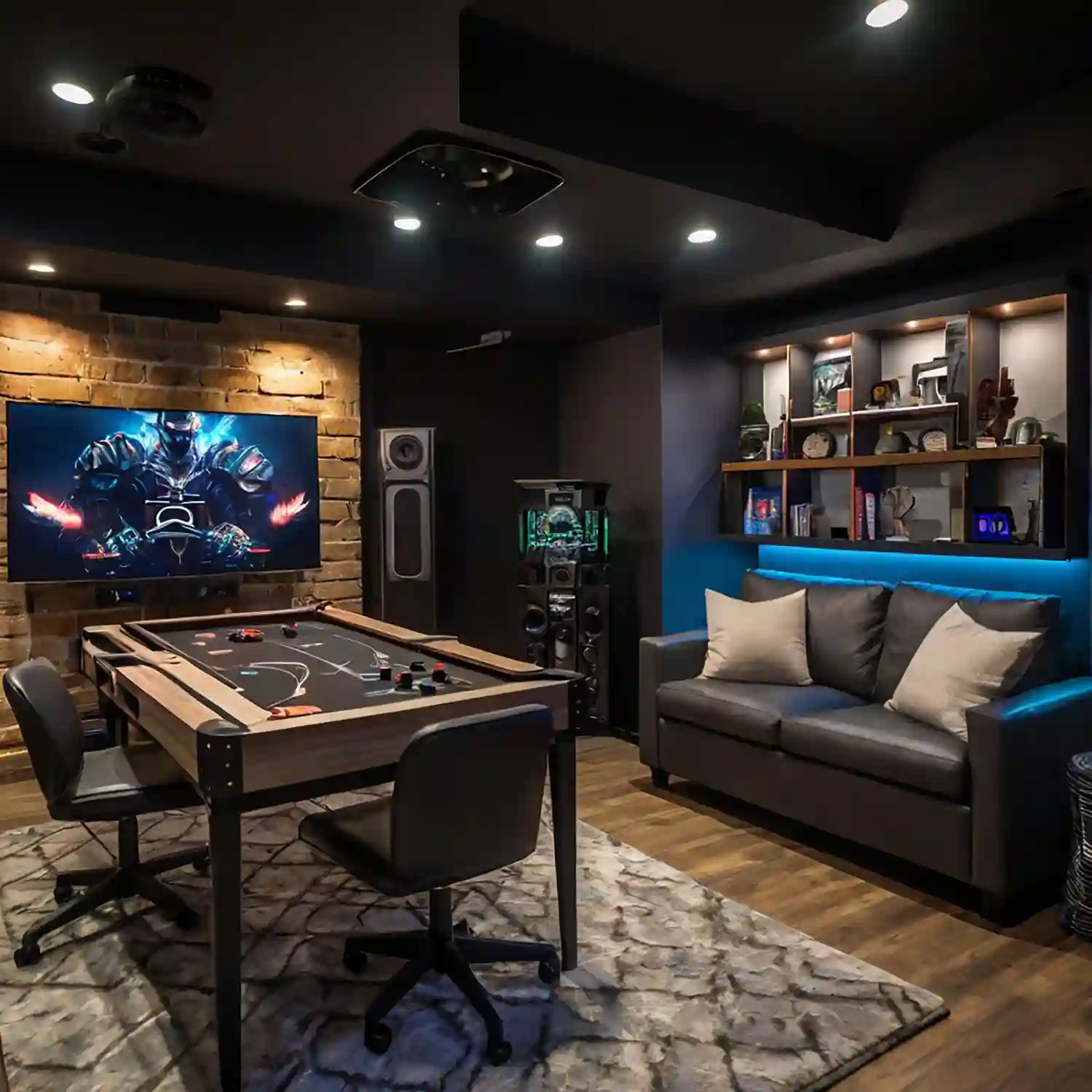
A rug anchors seating and softens echo. Choose low-pile wool, nylon, or a washable performance rug. Keep the front furniture legs on it when possible. Material Note: correct basement dampness before adding any rug or carpet.
9. A Compact Refreshment Station
A mini fridge, tray, opener, and bin cover most refreshment needs. Keep the station away from speakers and walkways. Use a washable appliance mat and follow the fridge’s clearance instructions. A walnut cart adds style without permanent plumbing.
10. Flexible Guest Seating
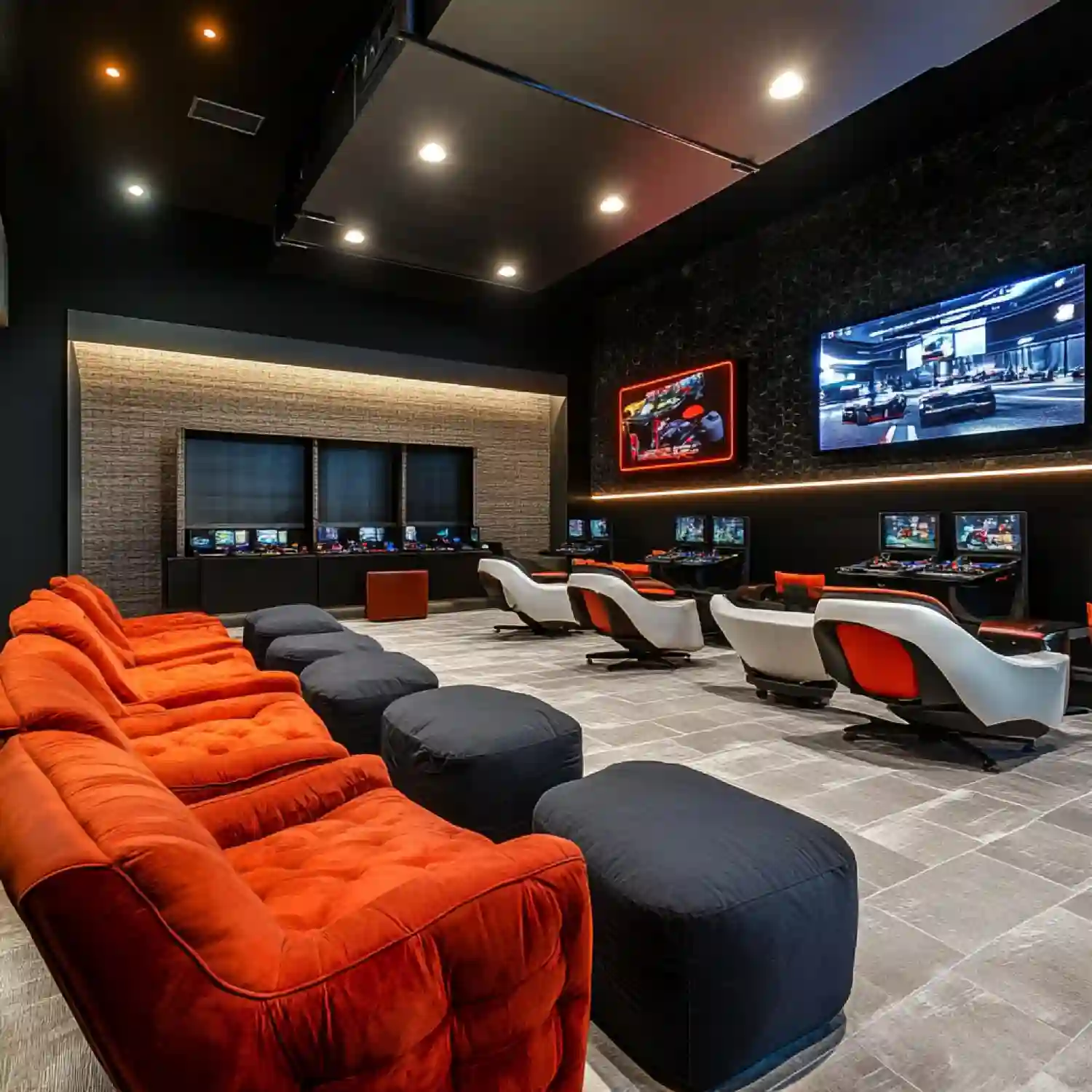
Add guest seats after the main layout works. Stackable stools, a storage ottoman, or a bench handle visitors without daily crowding. The small man cave hub offers more compact options. Store portable seats outside the main route.
11. One Purpose-Built Entertainment Feature
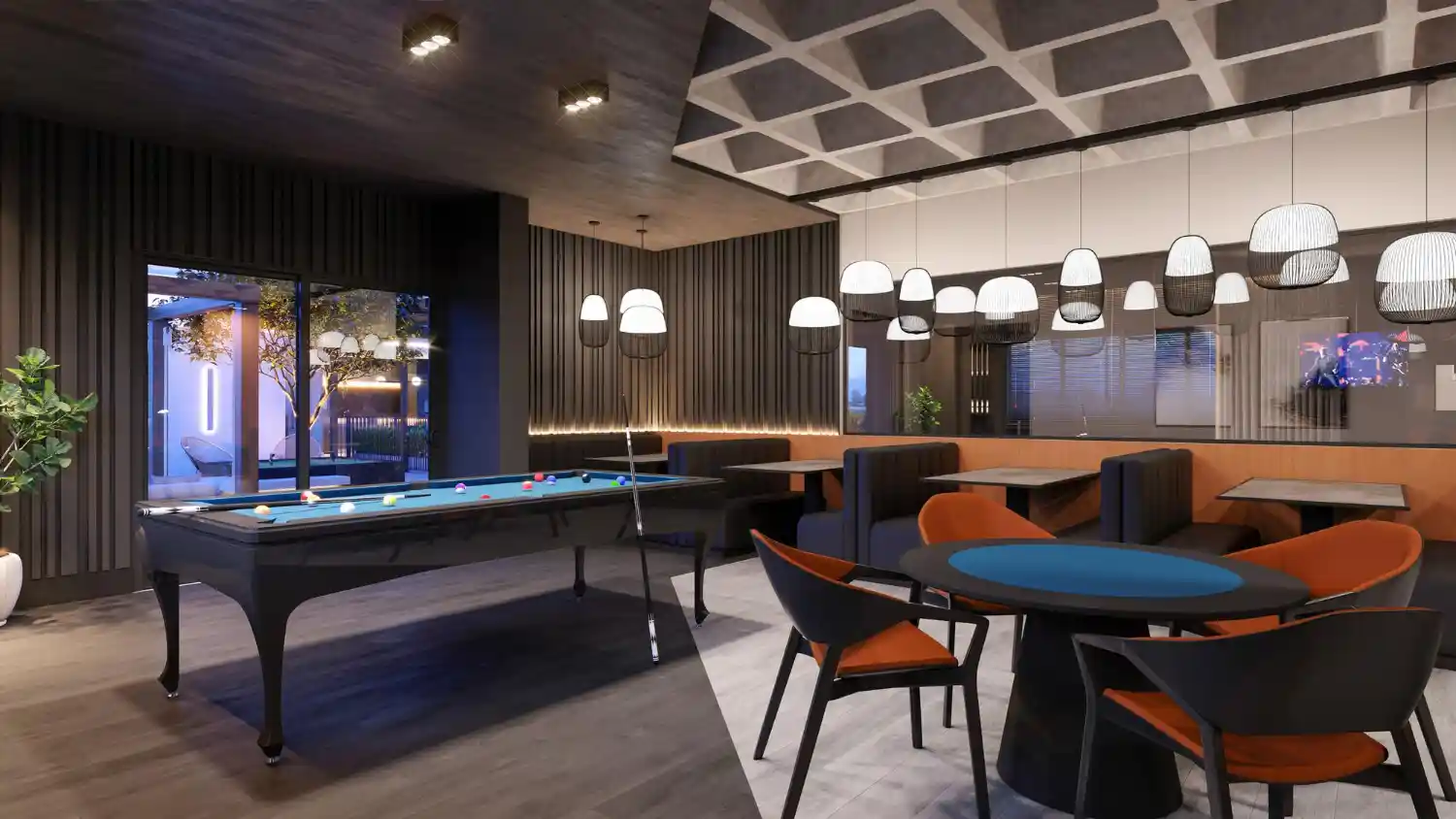
Choose one anchor beyond the TV: a dartboard, card table, record player, arcade, or simulator. Leave its required clearance. A simulator needs more planning than a console; review these golf simulator room ideas before buying.
12. Reliable Wi-Fi and a Charging Point
Test the Wi-Fi signal at the media wall before finishing the layout. Add one accessible charging point with labeled cables. Keep the router open to airflow. A wired connection may better suit latency-sensitive gaming where practical.
13. Ventilation and Temperature Control
Include a basement or garage in the home’s moisture and ventilation plan. The EPA’s remodeling guidance recommends fixing moisture before finishing and testing the lowest lived-in level for radon. See these garage man cave setups for location-specific ideas.
Safety Note: use qualified professionals for ventilation, combustion appliances, electrical work, or room-shell changes.
14. An Edited Personal Display
Group jerseys, records, tools, or prints by color and scale. Use matching black or walnut frames and leave open wall around them. Tall pole barn man cave designs also benefit from one large focal zone instead of scattered decor.
15. A Small Cleanup and Organization Kit
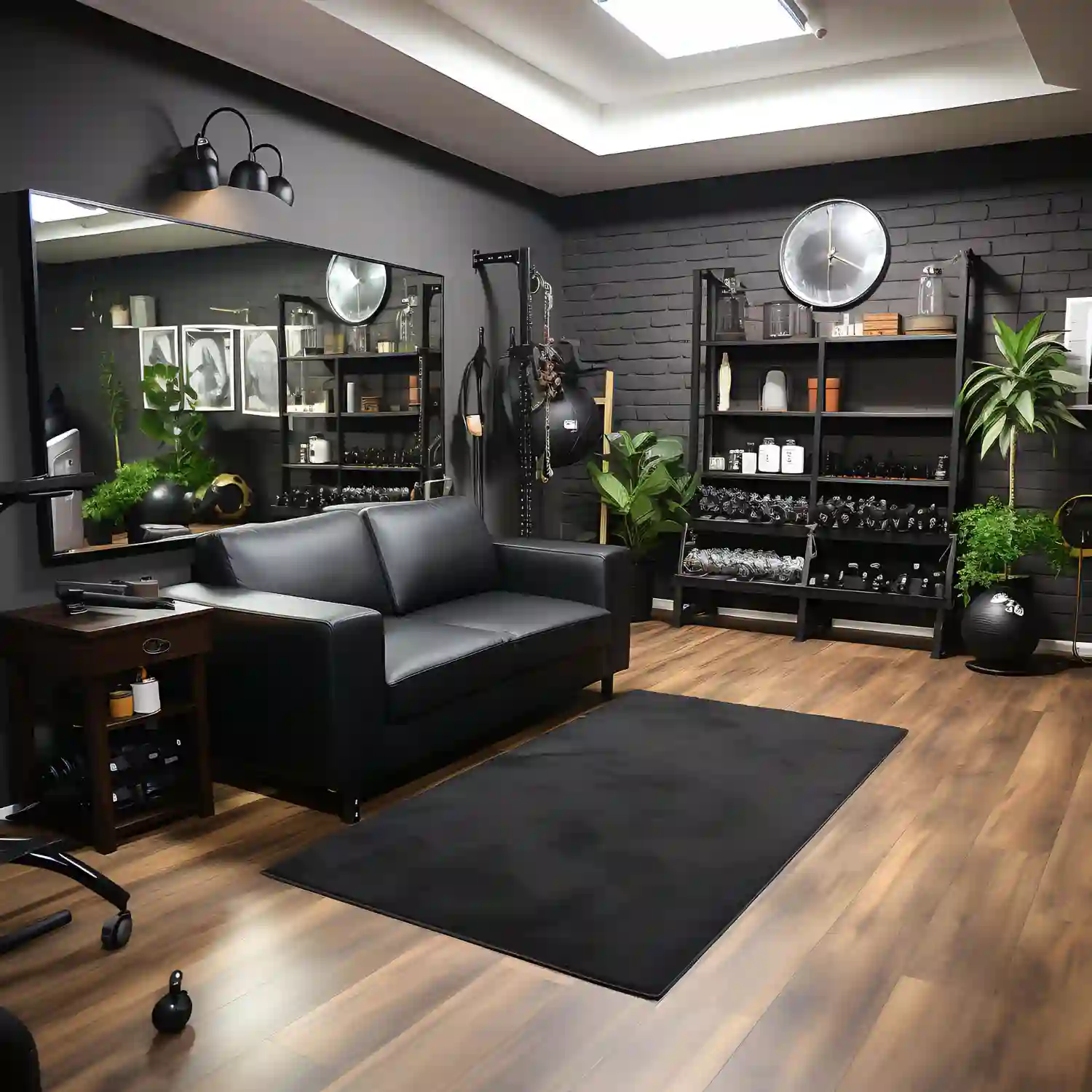
Keep a lined bin, recycling container, microfiber cloth, coasters, and handheld vacuum nearby. Hide them behind a cabinet door. A quick reset protects electronics, prevents cup rings, and keeps game pieces together—more useful over time than another neon sign.
KEY TAKEAWAY: Buy essentials that support the room’s main activity, then add only the specialty pieces that will be used often.
What Should You Buy First on a Small Budget?
Begin with the primary seat, one warm lamp, cable control, and a stable table. Reuse the screen until the viewing distance proves it is too small. A rug and secondhand console can unify mixed furniture.
Spend next on sound and storage. Delay a bar, arcade, built-ins, and display cases until regular use proves they belong.
KEY TAKEAWAY: Seating, light, and organization create a useful room sooner than expensive specialty features.
What Do These Must-Haves Cost?
Designer Rule of Thumb: Use these as planning estimates for an existing usable room; brand, location, and equipment quality can move totals sharply.
| Project | Estimated Cost | Impact Level |
|---|---|---|
| Lamps, cable control, side table, and cleanup kit | $100-$350 | High |
| Rug, closed console, and flexible guest seating | $400-$1,500 | High |
| Primary seating, television, and sound system | $1,500-$6,000 | Very High |
| Premium media and specialty entertainment feature | $6,000-$20,000+ | Medium |
Best First Upgrade: Choose the most comfortable primary seat that fits the measured layout.
Skip for Now: Delay custom cabinetry and novelty equipment until everyday use reveals a real need.
KEY TAKEAWAY: A functional setup can grow in phases, with comfort and organization delivering the strongest early value.
Where Do Man Cave Shopping Lists Go Wrong?
❌ Buying the biggest screen available → ✅ Match screen size to the measured viewing distance.
❌ Filling every wall with memorabilia → ✅ Build one edited display with consistent frames.
❌ Adding guest seats before the main chair → ✅ Set the everyday layout first.
❌ Treating ventilation as an afterthought → ✅ Resolve dampness, stale air, and temperature swings early.
KEY TAKEAWAY: A disciplined shopping list protects the room from clutter, poor scale, and expensive unused features.
Frequently Asked Questions
Conclusion
Man cave essentials should earn their place through comfort, usefulness, or meaning. Start with seating, media, lighting, power, and storage. Add games and specialty gear only when they support the room’s purpose.
Editorial field note: a room with three tables and scattered sports signs feels smaller; one table, a closed console, and a framed jersey group restore movement. Browse the Man Cave archive or Rooms collection.