What an Industrial Man Cave Actually Looks Like
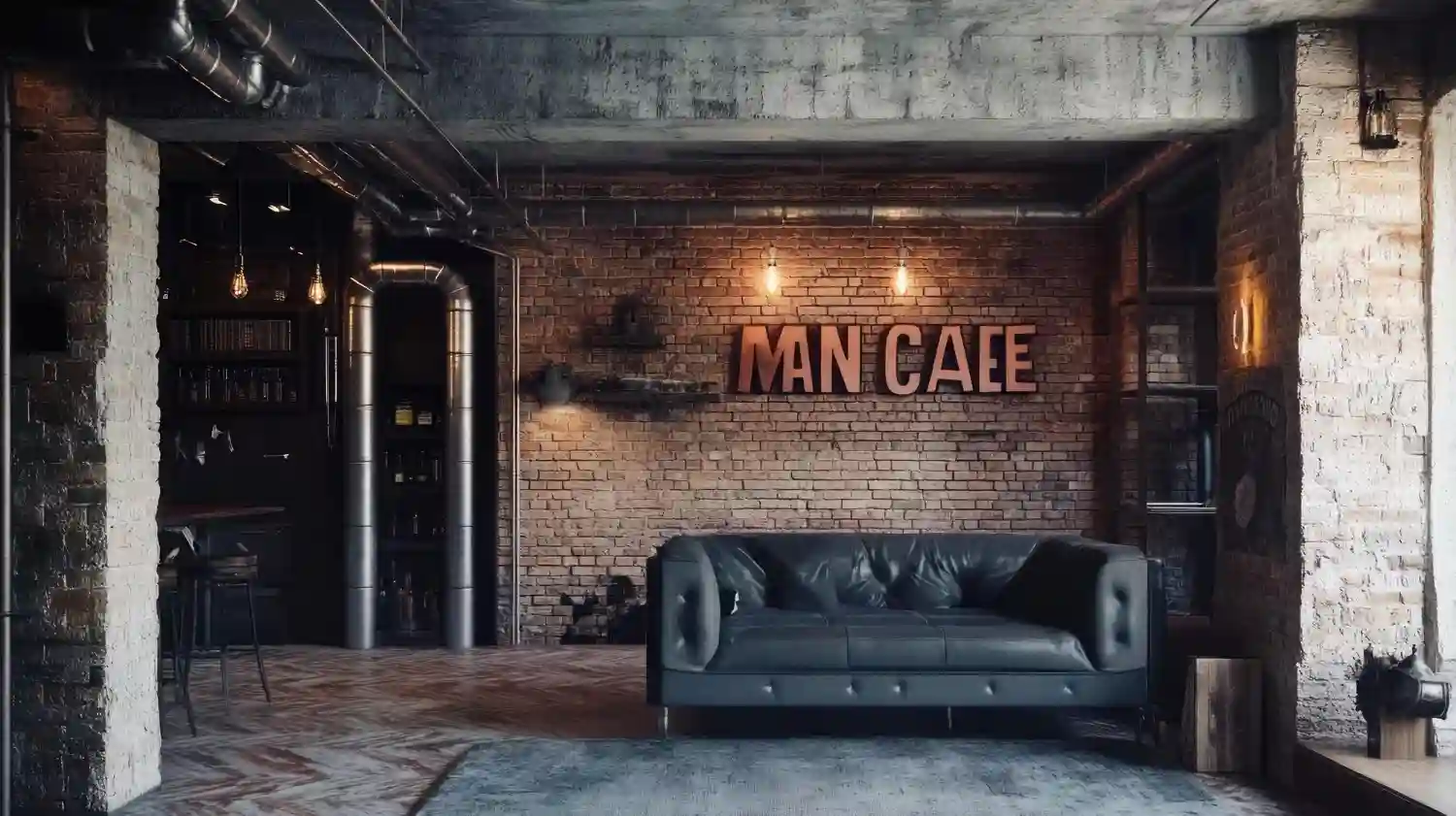
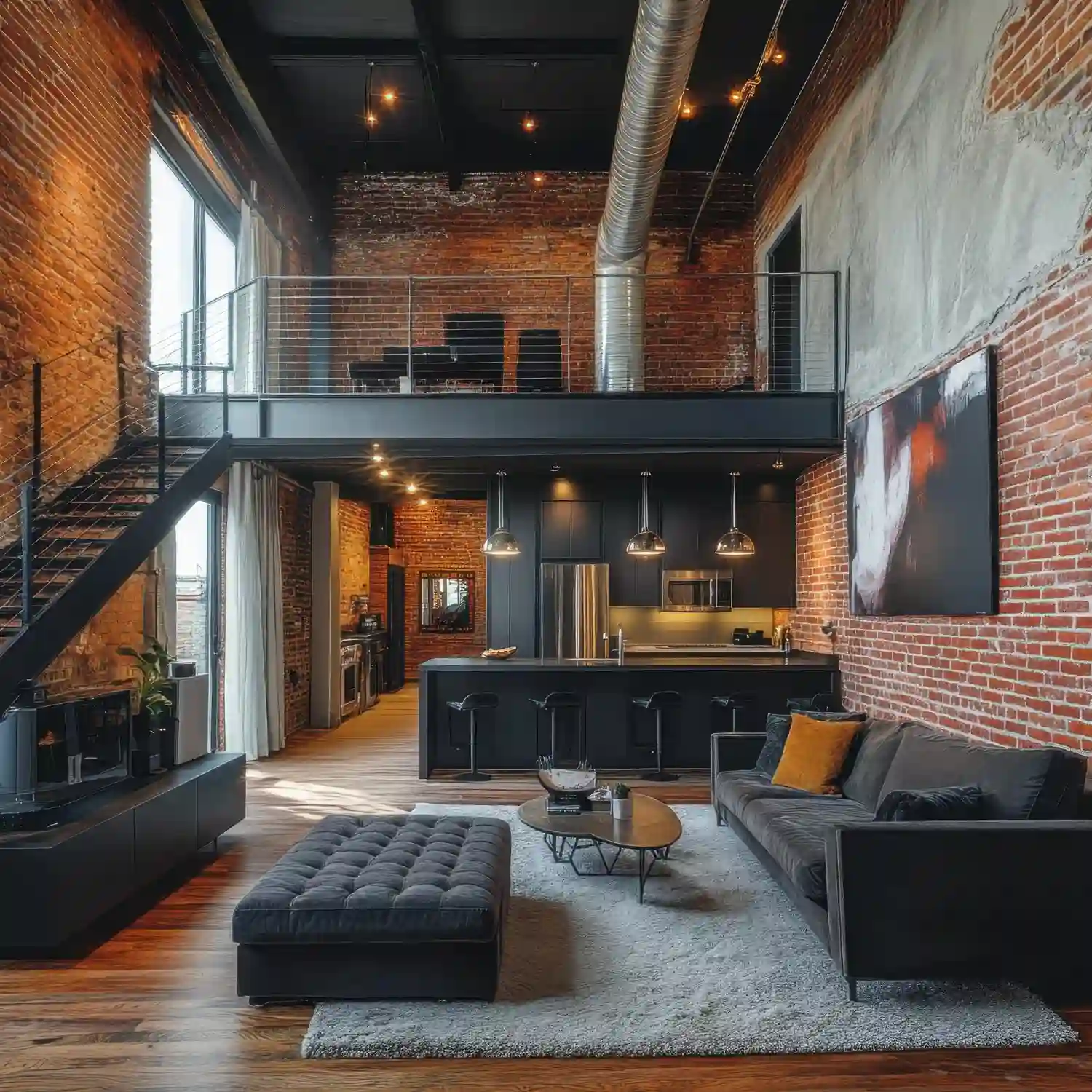
Walk into a converted loft with 12-foot ceilings and notice what’s missing. No crown molding. No soft pastel walls. No furniture trying to look delicate. Bare brick meets black steel meets a leather sofa the color of aged whiskey, and the room feels calmer for it, not harsher.
Looking for more ideas? Explore our full guide to Man Cave Style Ideas.
That loft mood is exactly what industrial man cave ideas are built to capture at home. If you’ve ever finished a man cave and thought it looked unfinished rather than intentional, that flat feeling almost always comes from mixing too many soft, generic pieces with one hard material and calling it a theme. Editorial field note: a converted garage with bare drywall and a rented flat-screen usually looks like storage with a couch. Swap in one exposed-brick panel, a caged pendant light, and a leather sofa, and the same square footage looks like a planned room instead.
These 15 industrial man cave ideas walk through the materials, lighting, furniture, and layout choices that make the factory-loft look work in a real house. If you’re still weighing which overall direction fits your space, start with the full man cave ideas ultimate sanctuary guide before committing to the industrial specifics below. Each idea answers what the piece is, why it works, and how to source or build it affordably, moving from structural choices like flooring and walls into furniture, lighting, and final accents. For more room-by-room inspiration, browse 101homedecor.com. Bookmark this guide for quick reference.
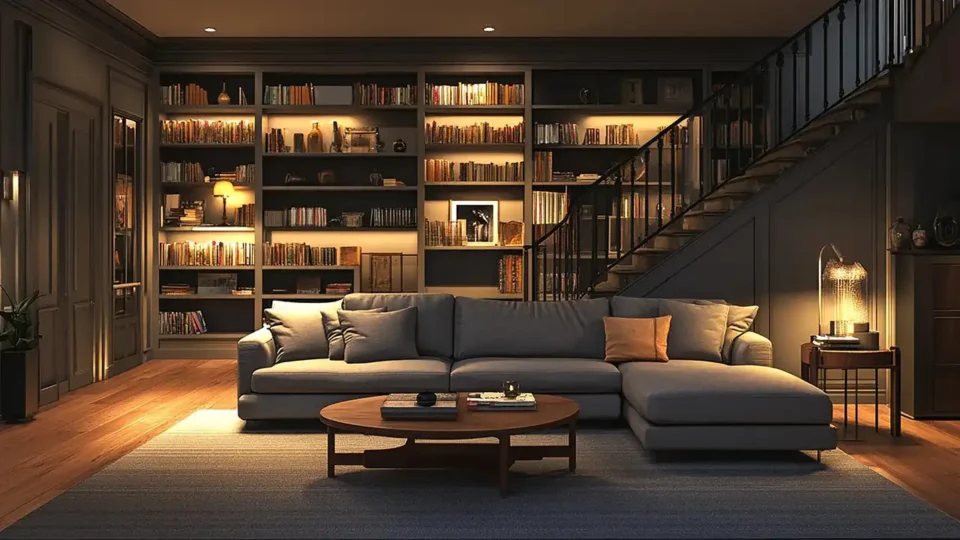
An industrial man cave works by pairing one hard material story — exposed brick, black steel, or poured concrete — with one warm, soft counterweight like leather or reclaimed wood. Skip that pairing and the room reads cold. Get it right and a single accent wall or lighting swap can carry the whole aesthetic without a full renovation.
| Quick Takeaways | |
|---|---|
| Materials | Mix black steel, reclaimed wood, and leather so the room looks finished, not unfinished. |
| Lighting | Layer caged pendants, Edison filament bulbs, and one floor lamp at 2200-2700K. |
| Furniture | A cognac or oxblood leather sofa softens the harder surfaces around it. |
| Flooring | Polished or stained concrete keeps upkeep low and the warehouse mood intact. |
| Palette | Charcoal, matte black, and raw metal tones let one warm material do the work. |
Industrial Man Cave Checklist

Run through this list before you buy a single piece. It keeps the room from turning into a pile of unrelated “industrial-ish” purchases. Still deciding between industrial and a different theme? Compare it against the full man cave theme ideas guide before you commit to materials.
- Pick one dominant material story first — brick, steel, or concrete — instead of all three competing for attention.
- Anchor heavy pipe shelving into wall studs, not just drywall, before loading it with anything.
- Use 2200-2700K bulbs throughout so warm light offsets the cool metal and concrete.
- Budget for one leather seating piece before smaller accents; it does the most to soften the room.
- Add a low-pile rug at least 6×9 feet so the concrete floor doesn’t feel cold underfoot.
- Choose faux-brick veneer panels over full masonry if you’re renting or working with a tight budget.
- Limit wall art and signage to two or three statement pieces instead of covering every wall.
Haven’t picked a room yet? These man cave ideas by room and location cover every option before you commit to a look.
KEY TAKEAWAY: The fastest way into industrial man cave ideas is locking down one material story and one warm leather anchor piece before buying anything else.
15 Industrial Man Cave Ideas Worth Building
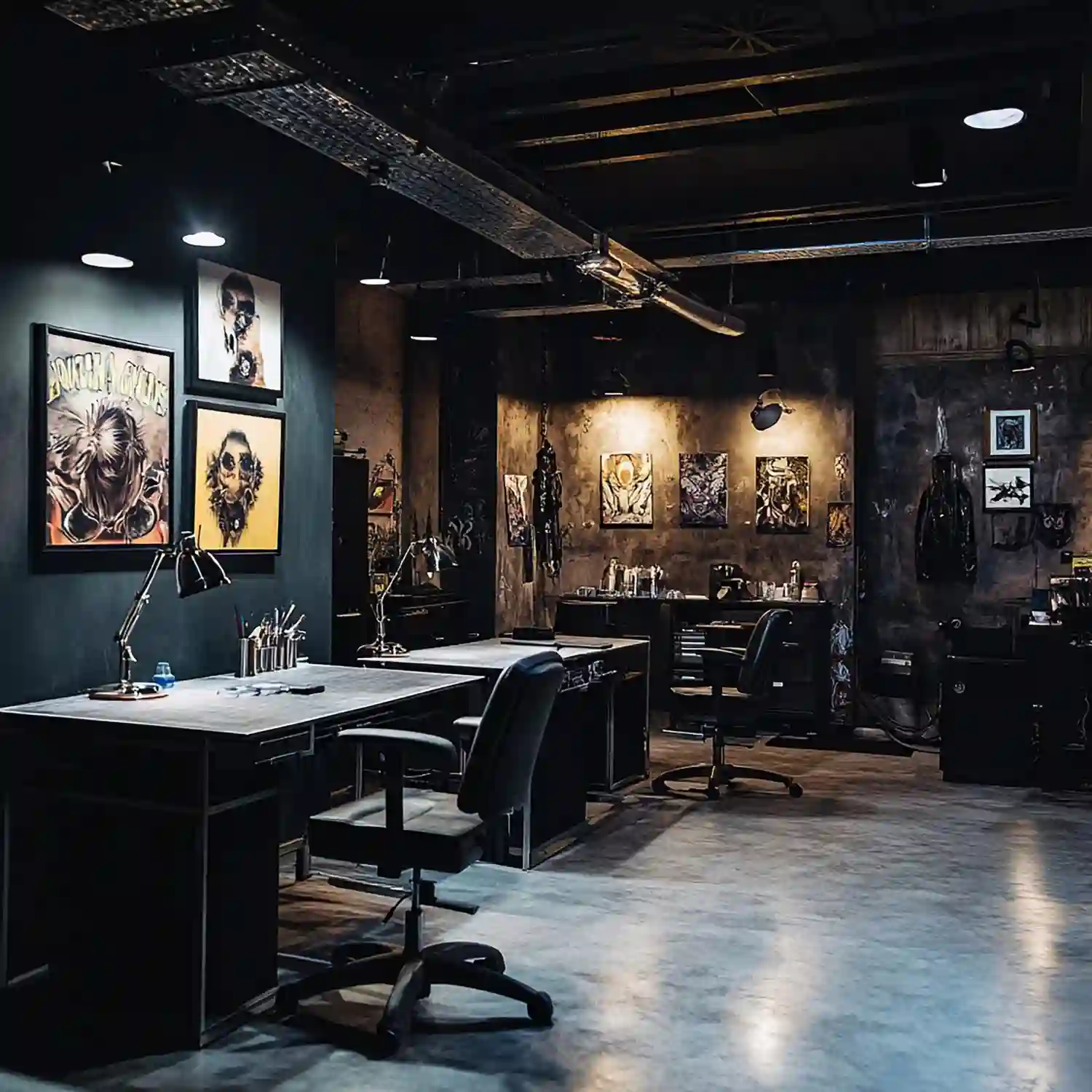
Each idea below works as its own project or as one piece of a larger room. Start with whichever fits your current layout, then layer in the rest over time.
1. Exposed Brick or Faux-Brick Accent Wall
Real thin-brick veneer runs $8-$18 per square foot installed and gives a single wall genuine texture and depth. If drilling into masonry isn’t an option, peel-and-stick faux-brick panels get you 80% of the look for a fraction of the cost and no demolition. Either version works as one of the most reliable man cave accent wall ideas because it reads as structure, not decoration. Keep the brick to one wall — usually behind the TV or bar — so the rest of the room can stay quieter.
2. Black Steel Pipe Shelving
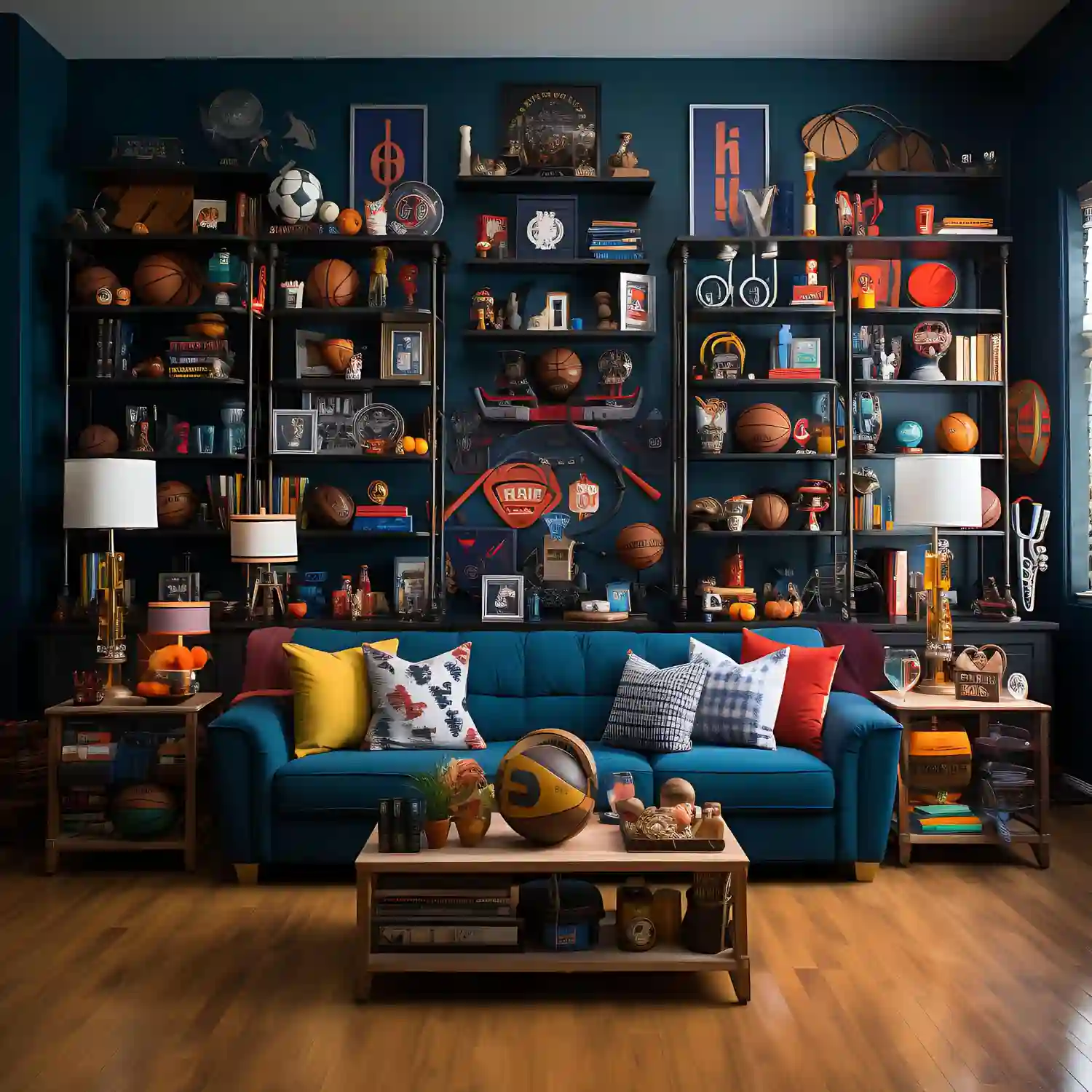
Black iron pipe fittings paired with reclaimed wood boards display vinyl, boots, and memorabilia while adding real structure to a plain wall. Standard pipe brackets typically hold 75-100 pounds each; heavy-duty versions anchored into wall studs hold far more, according to bracket load-capacity guidance from Right On Bracket. Safety Note: the Consumer Product Safety Commission’s AnchorIt campaign recommends securing tall or loaded shelving into studs, not drywall alone, to prevent tip-overs.
3. Caged Factory Pendant Lighting
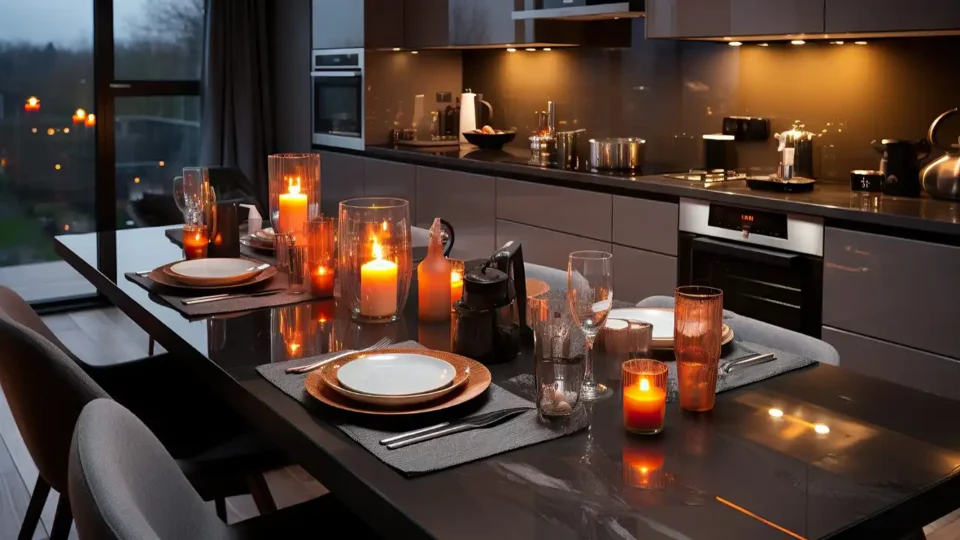
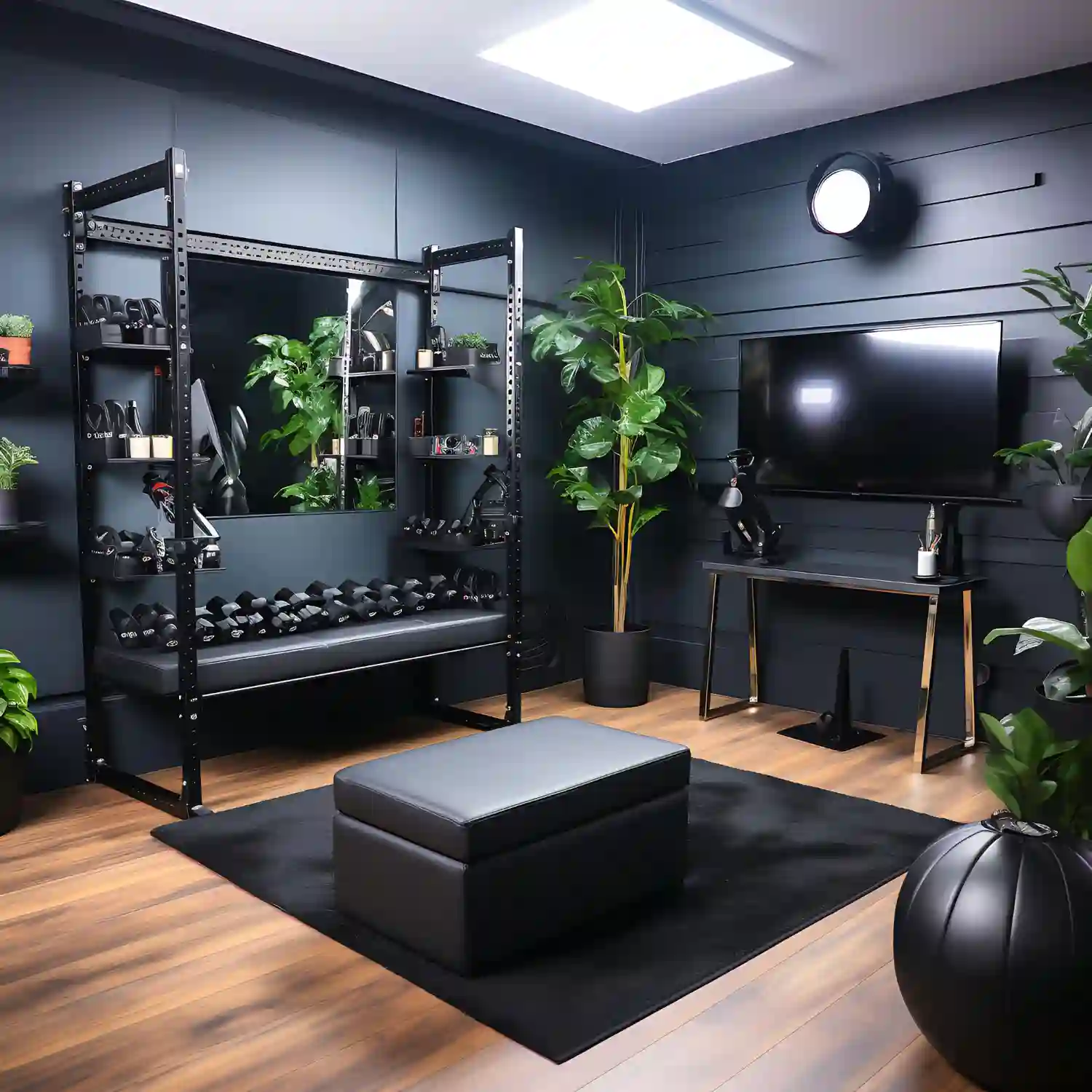
Black wire-cage pendants with exposed filament bulbs hung 30-36 inches above a bar counter give both task light and mood. This is one of the most effective man cave lighting ideas because the cage itself doubles as a design object, not just a fixture. Pair two or three pendants in a row rather than one centered light for even coverage.
4. Polished or Stained Concrete Flooring
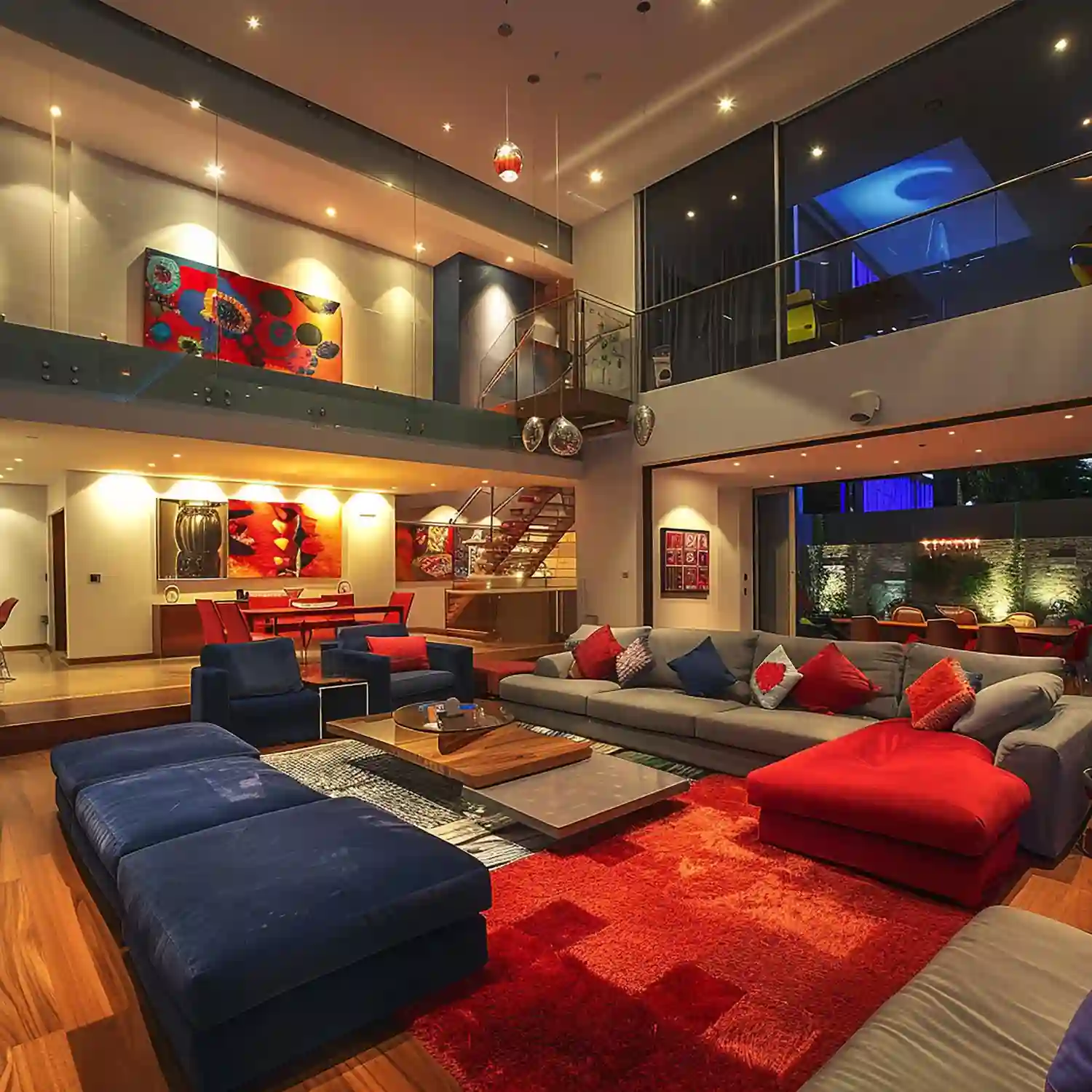
An existing slab, ground and polished or stained charcoal, is durable, easy to clean, and reads exactly like a warehouse floor. Material Note: polished concrete typically needs resealing every two to five years depending on foot traffic and finish. Professional coating runs $2-$12 per square foot, so a 300-square-foot man cave lands roughly $800-$3,200 depending on prep work. For a similar raw-floor approach with a garage-conversion angle, these garage man cave ideas cover the concrete-and-epoxy route in more depth.
5. Cognac Leather Chesterfield Sofa
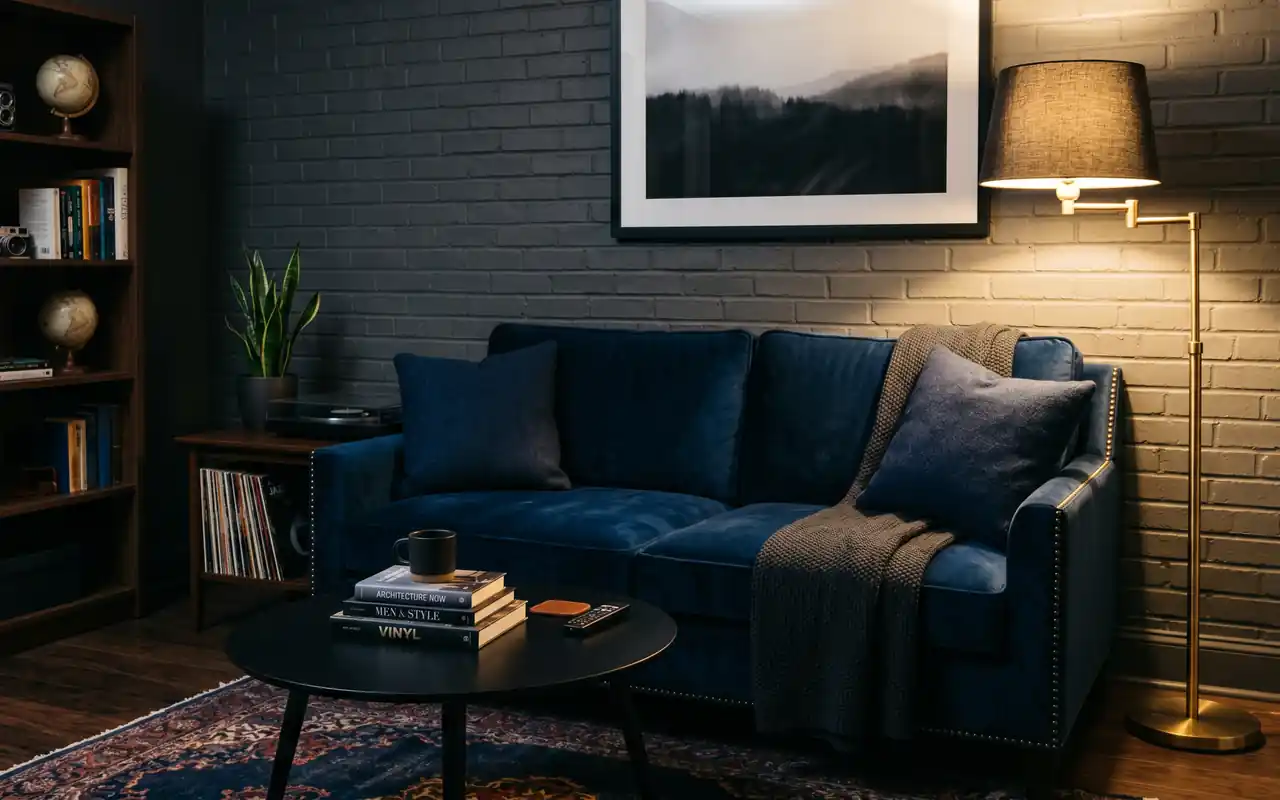
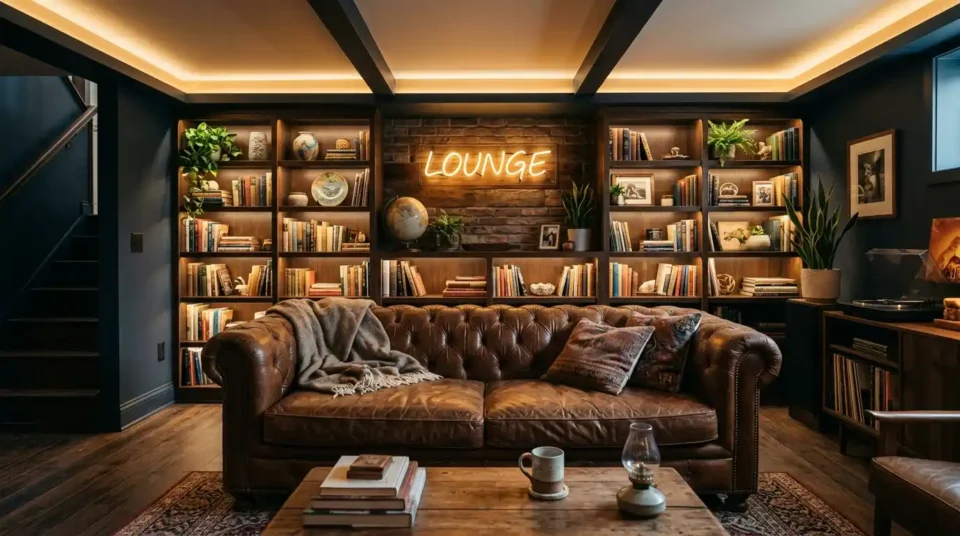
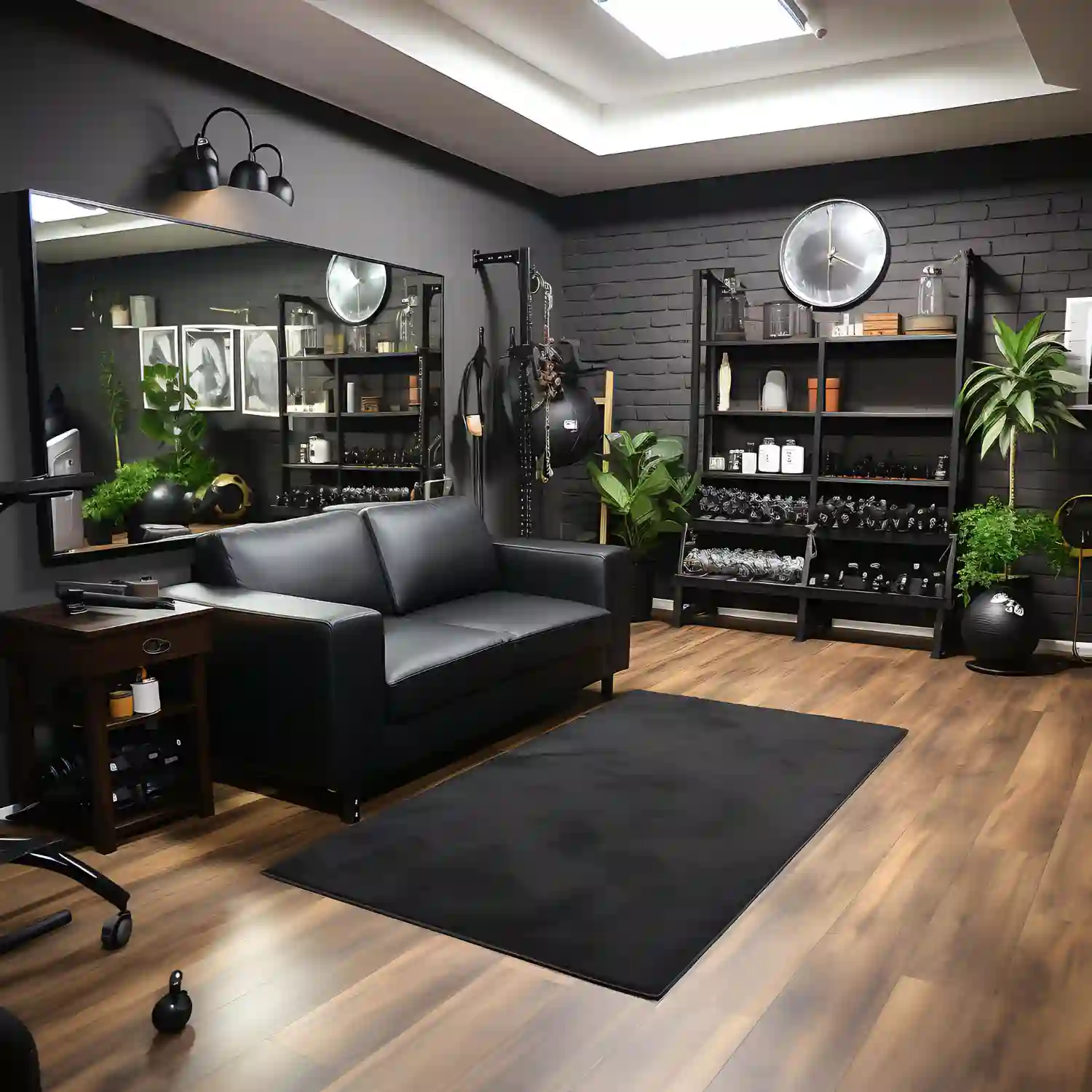
A deep-tufted cognac or oxblood leather sofa is the single furniture piece that does the most to soften a room built from brick, steel, and concrete. Pair it with a low-pile wool or jute rug so the seating area doesn’t feel like it’s floating on cold flooring. This is where most of your man cave furniture ideas budget should go first.
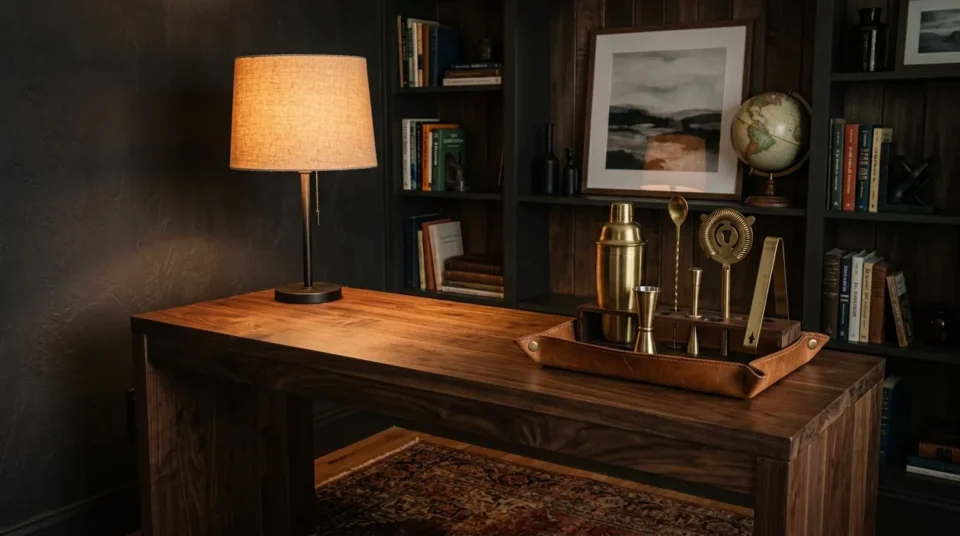
6. Reclaimed Wood and Iron Bar Cart Station
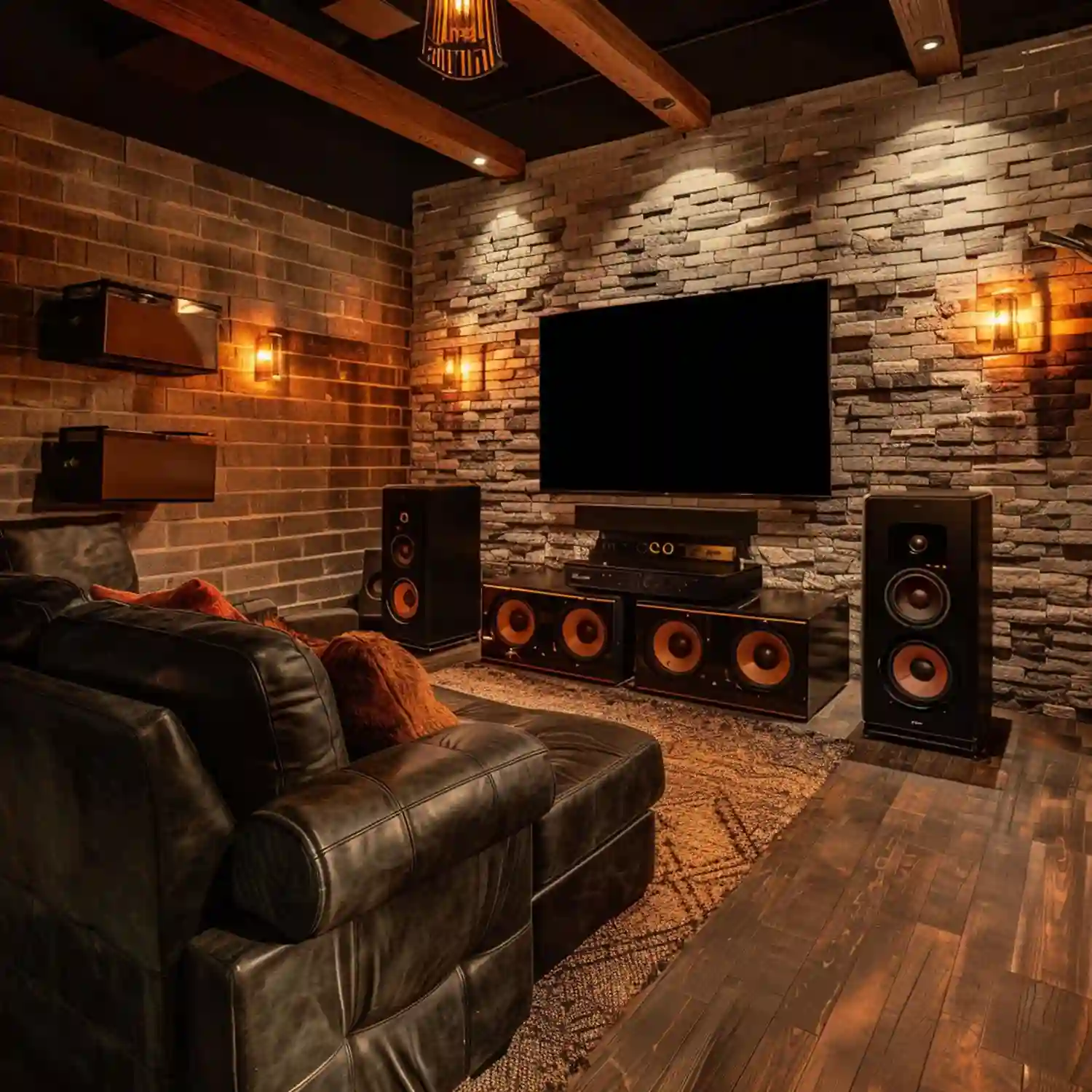
A rolling bar cart or fixed counter with a reclaimed wood top and black iron legs gives the room a functional gathering point without requiring a full wet bar build-out. Keep bottles and glassware on open shelves below and reserve the top surface for pouring, so the station stays usable during game nights instead of just decorative. If poker nights and pool are the real draw, plan the room around them with dedicated game room man cave ideas.
7. Repurposed Metal Lockers for Storage
Vintage or new steel gym lockers, left raw or painted matte black, keep gear and clutter out of sight while staying on theme. Unlike open shelving, lockers hide the mess that comes with a real hangout space — remotes, controllers, extra glassware — without breaking the industrial look. Two or three lockers side by side read as a designed storage wall, not an afterthought.
8. Corrugated Metal Wall or Ceiling Panels
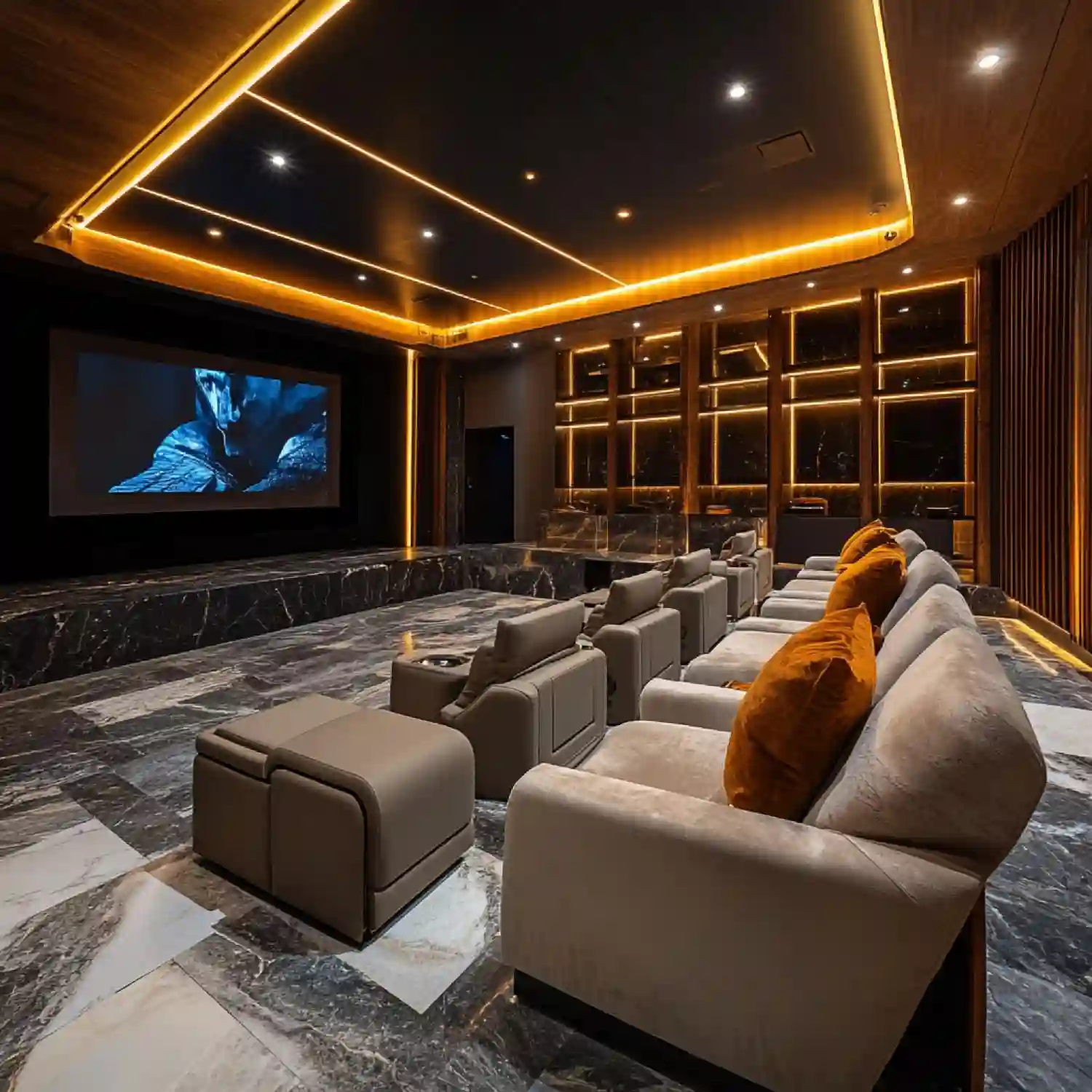
Galvanized or blackened corrugated sheet metal on one wall or across the ceiling gives a genuine factory feel and hides ductwork better than drywall. This idea works especially well in rooms with exposed rafters or higher ceilings — the same raw-structure appeal covered in these pole barn man cave designs. Keep panel runs horizontal for a calmer look; vertical runs read busier in a smaller room.
9. Edison Filament String Lighting
String lights with visible filament bulbs, draped along an exposed beam or wall, add ambient warmth without the glare of overhead fixtures. Edison-style filament bulbs typically run 2000-2700K, according to lighting spec data from Nostalgic Bulbs — solidly on the warm end of the color spectrum. Use this as a secondary light layer, not the only source, since string lights alone leave most rooms too dim for reading or games.
10. Vintage Industrial Signage and Metal Wall Art
Reclaimed factory signs, gear-shaped wall art, and black metal frames add personality without softening the room. Two or three well-placed pieces read stronger than a wall covered edge to edge — this is one of the simpler man cave wall decor moves that photographs well and costs little if you’re sourcing from salvage yards or flea markets.
11. Rolling Steel Barn Door Divider
A black steel-framed sliding door on an exposed track zones off part of the room — a media corner, a game table, a small office nook — without a permanent wall. It keeps sightlines open and stays fully in theme, which is especially useful in below-grade rooms; these man cave basement ideas cover more ways to divide a below-grade layout without losing floor space.
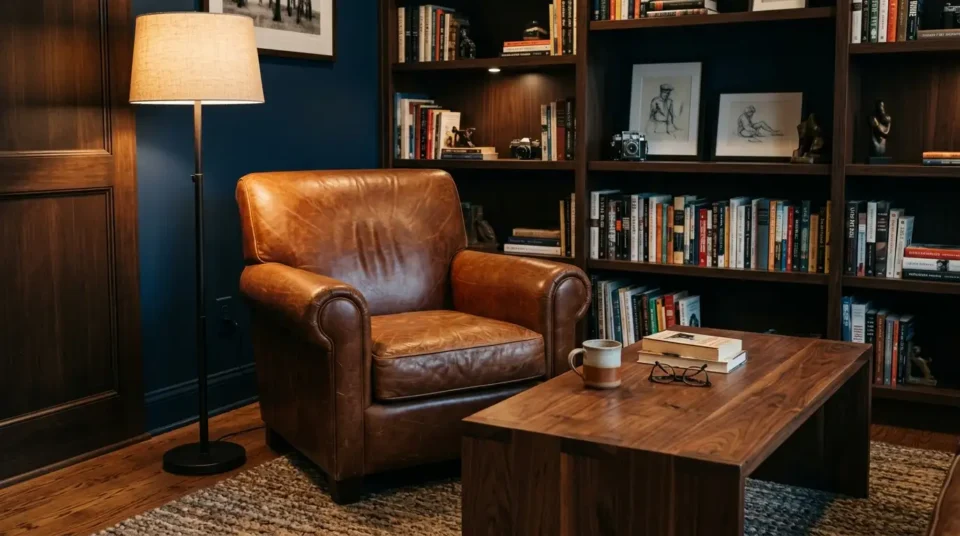
12. Distressed Leather Club Chairs
Worn leather club chairs with a cracked-patina finish create a reading or lounge corner separate from the main seating area. They pair naturally with a small side table and a single floor lamp. If your household wants something closer to a polished counterpart to this rougher-edged look, these classy man cave ideas show the more refined end of the same masculine spectrum.
13. Reclaimed Wood and Steel Coffee Table
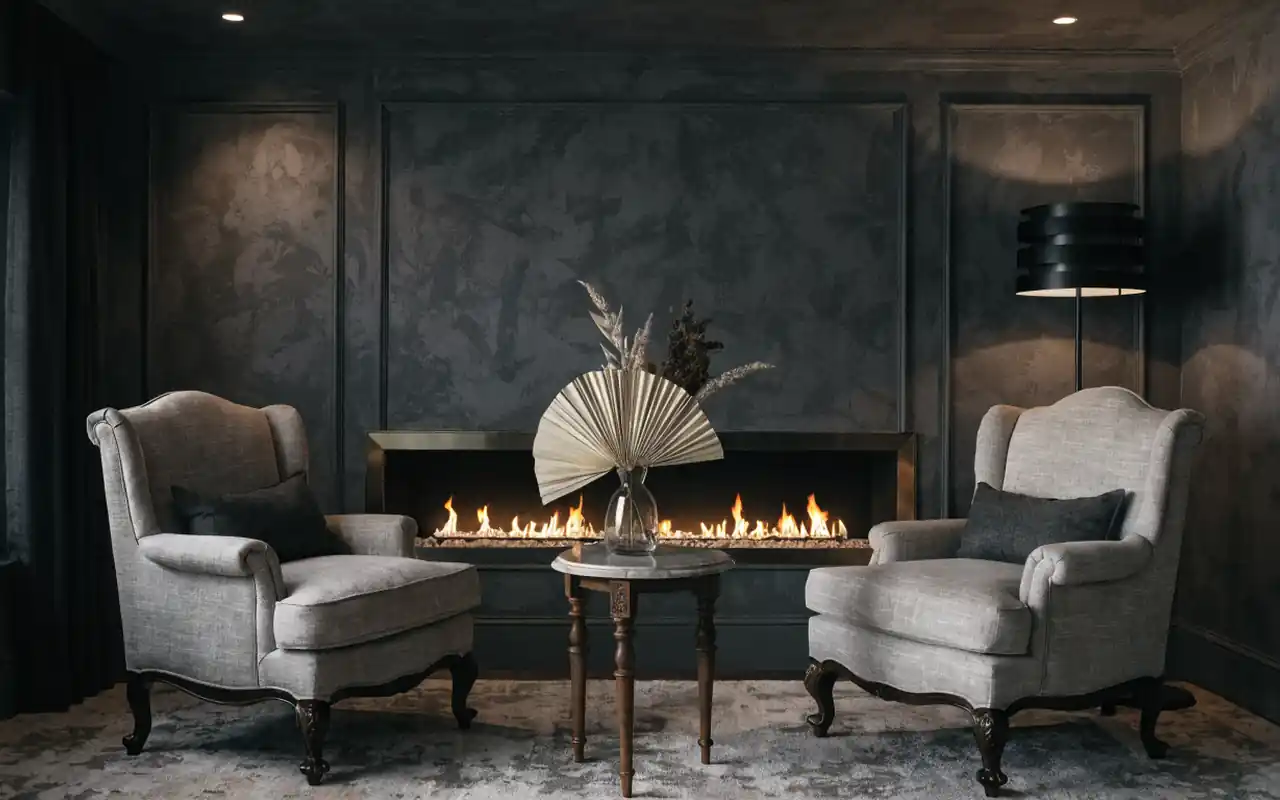
A thick reclaimed wood slab on a black steel trestle base anchors the seating area and holds up to drinks, controllers, and game night wear better than a glass top. Look for a slab at least 1.5 inches thick — anything thinner tends to flex and feels cheap next to heavier furniture.
14. Moody Charcoal and Matte Black Paint Palette
Deep charcoal or matte black walls make steel, leather, and wood stand out instead of competing with a busy backdrop. This is one of the most requested man cave paint colors for the style, and it works as a man cave color idea even in smaller rooms as long as lighting is layered well — dark walls paired with dim, single-source lighting is what actually makes a room feel small, not the color itself.
15. Industrial Area Rug in Low-Pile Wool or Jute
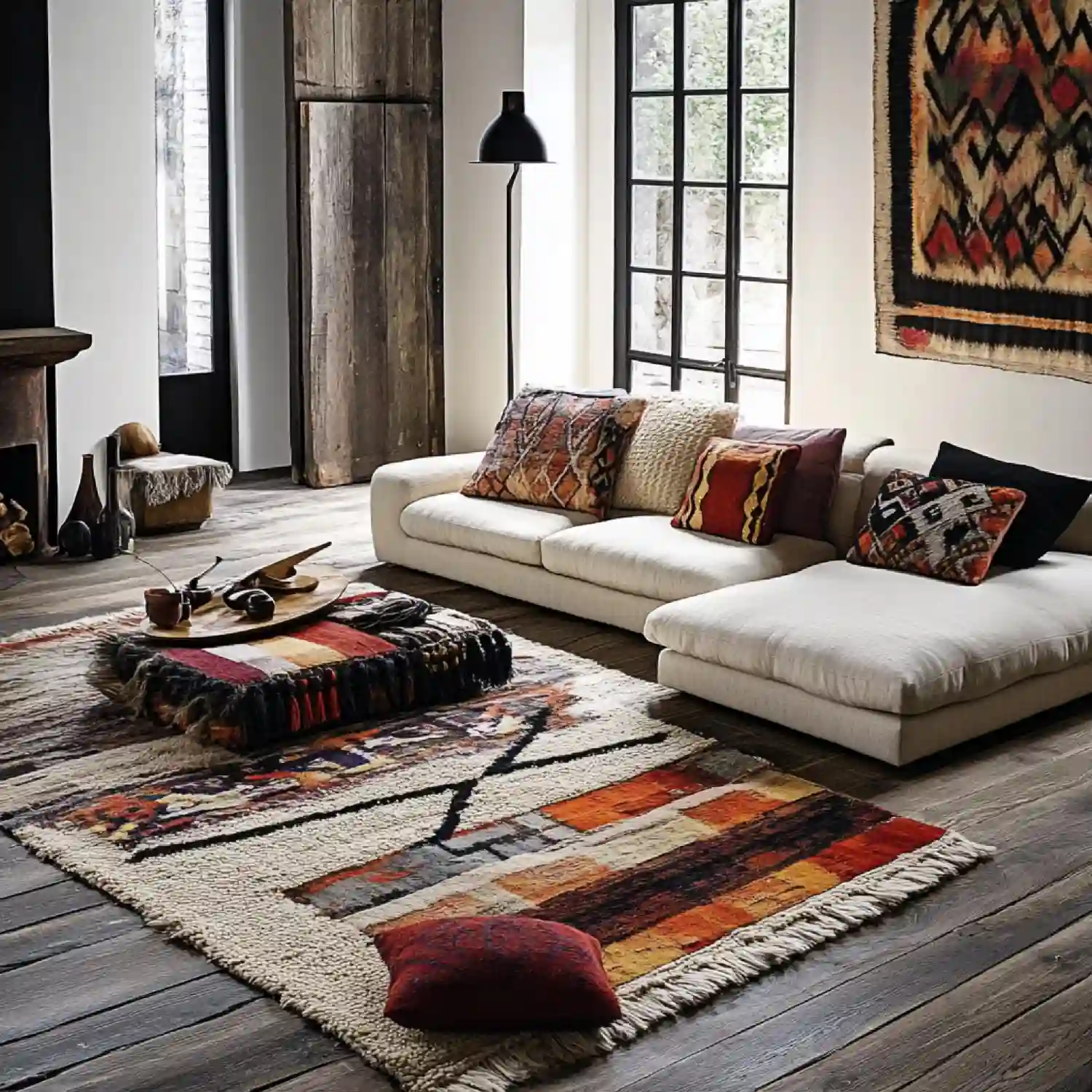
A charcoal, rust, or graphite geometric rug in a low-pile weave adds warmth underfoot without softening the look too much. Size it so the front legs of your seating sit on the rug — an 8×10 rug works for most man cave-sized rooms, while a 6×9 suits a smaller layout. This single flooring layer solves more “why does this room feel unfinished” complaints than almost any other man cave flooring ideas fix.
Can a Small Man Cave Still Feel Industrial?
Yes. A small room can absolutely pull off industrial man cave ideas — it just needs fewer, better-chosen materials instead of a scaled-down version of every idea on this list. Pick one accent wall (brick or corrugated metal, not both), one lighting layer beyond ambient, and one leather seating piece, then stop. Dark walls read as expansive rather than boxy once the lighting is layered correctly, which is one of the most common misconceptions about small industrial rooms.
If you’re working with a genuinely tight footprint, these small man cave ideas cover space-saving furniture and layout tricks that pair directly with the industrial materials above. Renters should lean on faux-brick panels, freestanding pipe shelving instead of wall-mounted units, and command-strip-friendly wall art so nothing requires permanent changes to the space. For a broader room-by-room archive, browse our man cave ideas.
What Makes an Industrial Man Cave Feel Cold Instead of Cool?
The style has a few specific failure points, and all of them are fixable without starting over.
Covering every surface in metal and concrete without any leather, wood, or textile turns the room sterile instead of inviting. The fix is the same pairing rule from the top of this guide — one hard material, one warm counterweight, always.
Mixing cool-white bulbs with warm filament bulbs makes a room feel unfinished even when the furniture is right. Stick to 2200-2700K across every fixture in the room, including any recessed or accent lighting.
Covering every wall with signs, flags, and posters flattens whatever real focal point the room has. Two or three curated pieces outperform a wall packed edge to edge.
Skipping structural anchoring on heavy pipe shelving or wall-mounted lockers is a safety issue, not just a style shortcut. Loaded shelving needs to sit on studs, and any wall-mounted TV or cabinet over 50 pounds should be checked the same way. For more full-room inspiration beyond the man cave, browse our complete rooms archive.
Cost Breakdown for an Industrial Man Cave
Industrial man cave ideas can start small with a paint and lighting refresh or scale into a full flooring and furniture overhaul.
| Project | Estimated Cost | Impact Level |
|---|---|---|
| DIY faux-brick accent panels | $100-$300 | Medium |
| Black pipe shelving + reclaimed wood boards | $150-$400 | Medium |
| Professional epoxy or stained concrete coating | $800-$3,200 | High |
| Full room build-out (flooring, lighting, leather seating, storage) | $3,500-$9,000 | Very High |
Best First Upgrade: Repaint in charcoal or matte black and swap in caged pendants with 2200-2700K bulbs — it changes the whole mood for under $300.
Skip for Now: Don’t commit to a full concrete resurfacing job before you’ve settled on your palette and main seating piece; it’s the most expensive item to redo.
For a wider range of budget-friendly builds across every room size, see the small man cave ideas hub.
Frequently Asked Questions
Conclusion
Industrial man cave ideas come down to one pairing rule: a hard material like brick, steel, or concrete next to one warm counterweight like leather or reclaimed wood. Editorial field note: rooms that skip the warm half of that pairing almost always end up looking unfinished, no matter how much steel or concrete goes into them. Start with the home decor inspiration at 101homedecor.com for more room ideas, then build your own industrial man cave one material decision at a time.
Next Steps
- Pick your one dominant material story — brick, steel, or concrete — before buying any furniture.
- Repaint in charcoal or matte black and switch every bulb to 2200-2700K for the fastest visual change.
- Anchor any wall-mounted shelving or lockers into studs before loading them with weight.
- Add one leather seating piece and a low-pile rug to finish the room’s warmth.