TL;DR
- 12 styles covered: Modern, rustic, industrial, luxury, classy, mid-century modern, retro/vintage, dark and moody, sports, gaming, western, and farmhouse.
- Anchor materials first: Most styles build from three materials — pick those before any furniture, paint, or decor purchase.
- Color signals the mood: Dark charcoal and matte black read modern or moody. Warm walnut and aged leather read rustic or retro.
- Function shapes the style: A dedicated gaming setup has different lighting and seating needs than a bourbon lounge or sports bar.
- Hub guide: This page maps every man cave aesthetic — dedicated style posts link from each section as they publish.
What Style Is Right for Your Man Cave?
Most man cave advice sends people straight to the same four looks — dark wood paneling, a flat-screen wall, team memorabilia, and a mini-fridge. The result is a room that functions but never fully commits to a style. It ends up feeling assembled rather than designed.
Looking for more ideas? Explore our full guide to Man Cave Ideas.
Man cave style ideas cover far more than that shortlist. The real spectrum runs from a refined mid-century lounge to a dark moody bourbon bar, a western ranch room, a retro arcade setup, or a light farmhouse retreat. Each aesthetic has its own palette, its own anchor materials, and a different approach to lighting. Knowing which one you’re aiming for changes every purchase decision that follows.
This guide walks through 12 man cave styles in full — palette, materials, defining design decision, and what makes each one succeed or fall flat. Use it to identify the one style that fits your room, your budget, and what you actually plan to do in the space.
This guide is part of the man cave section at 101homedecor.com — home decor inspiration for every room. Start with the broader man cave ideas collection if you’re still deciding on your room type. For room-specific guides, see 15 garage man cave ideas and 10 creative man cave basement ideas.
Bookmark this guide for quick reference.
KEY TAKEAWAY: Your man cave style sets the tone for every material, color, and furniture decision that follows — lock in one clear aesthetic before buying anything.
| Quick Takeaways | |
|---|---|
| Modern | Dark palette, clean lines, matte black hardware, and one strong media wall. |
| Rustic | Reclaimed wood, leather, warm amber light, and no high-gloss surfaces. |
| Industrial | Raw brick or concrete, black metal pipe shelving, and distressed leather. |
| Luxury | Rich velvet or leather, stone bar top, brass hardware, and full millwork. |
| Sports / Gaming | One accent wall carries the personality — neutral furniture lets it lead. |
The 12 Man Cave Styles Worth Knowing
Every aesthetic in this list comes with a palette, anchor materials, and the one design decision that defines the look. The styles are independent — pick one and commit, rather than blending two into something that reads as unfinished.
1. Modern Man Cave
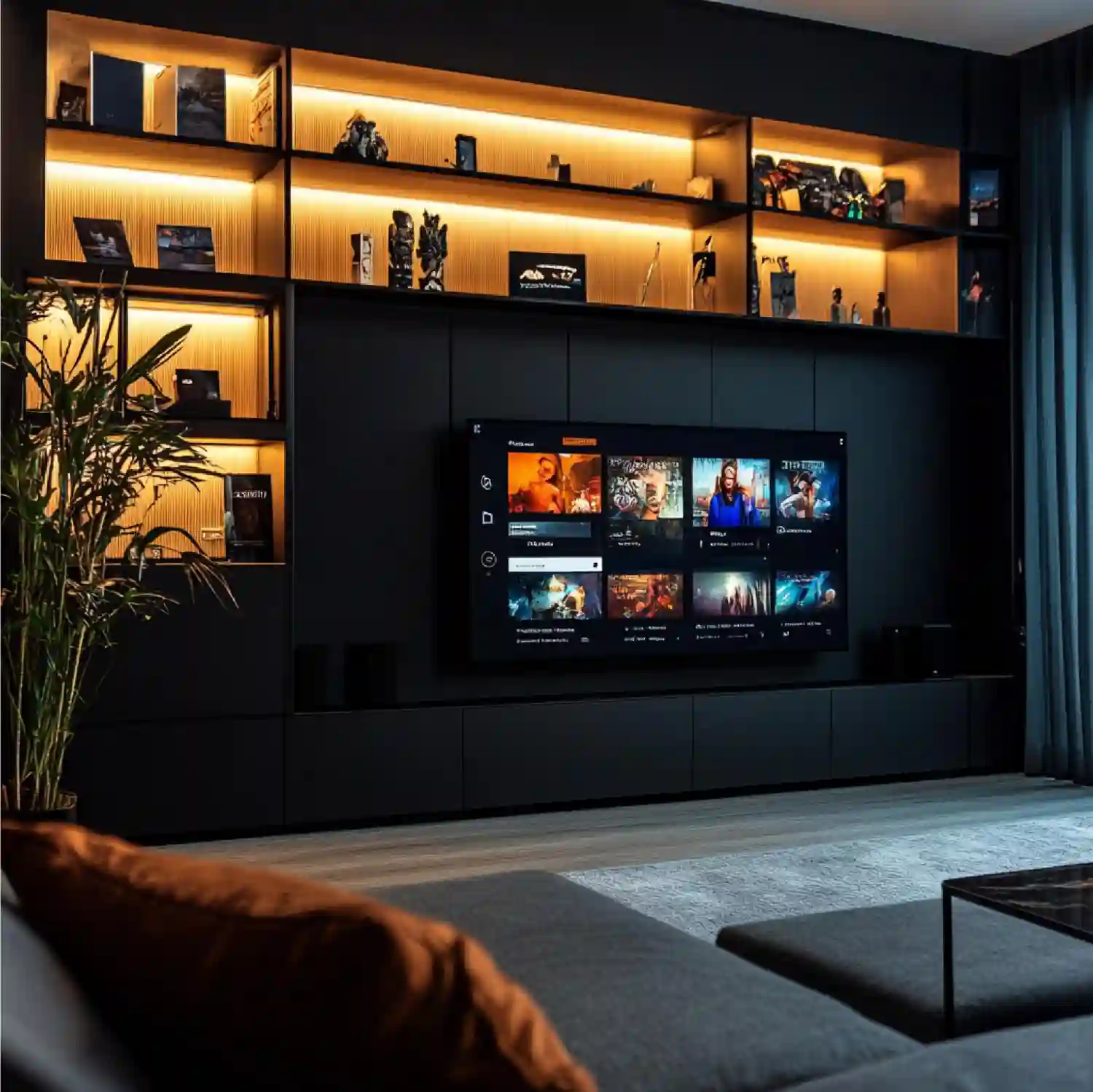
A modern man cave keeps things controlled. The palette runs dark — charcoal grey, matte black, warm cream, and occasionally deep navy as an accent. Furniture is low-profile with clean geometry: a sectional sofa with sharp arms, a floating media console, and bar stools in brushed steel or matte black. Surfaces are flat. No team logos, no neon signage, no mixed metals.
The defining design decision in a modern man cave is the media wall. A floor-to-ceiling built-in with integrated LED strip lighting behind the panel, a flush-mounted TV, and open shelving for audio equipment creates a single strong focal point. Lighting runs recessed or indirect throughout the room — always warm-toned at 2700K to soften the hard palette and prevent the space from feeling sterile. Primary materials: polished concrete or large-format slate tile flooring, velvet sofa in deep slate or charcoal, walnut floating shelves, and matte black metal hardware on every surface.
DESIGNER TIP: Run LED strip lights behind the media wall at 2700K amber — the warm glow against a dark wall makes the room feel more expansive than any overhead fixture alone.
KEY TAKEAWAY: Modern man caves succeed or fail on one strong media wall — design that first, then furnish around it.
2. Rustic Man Cave
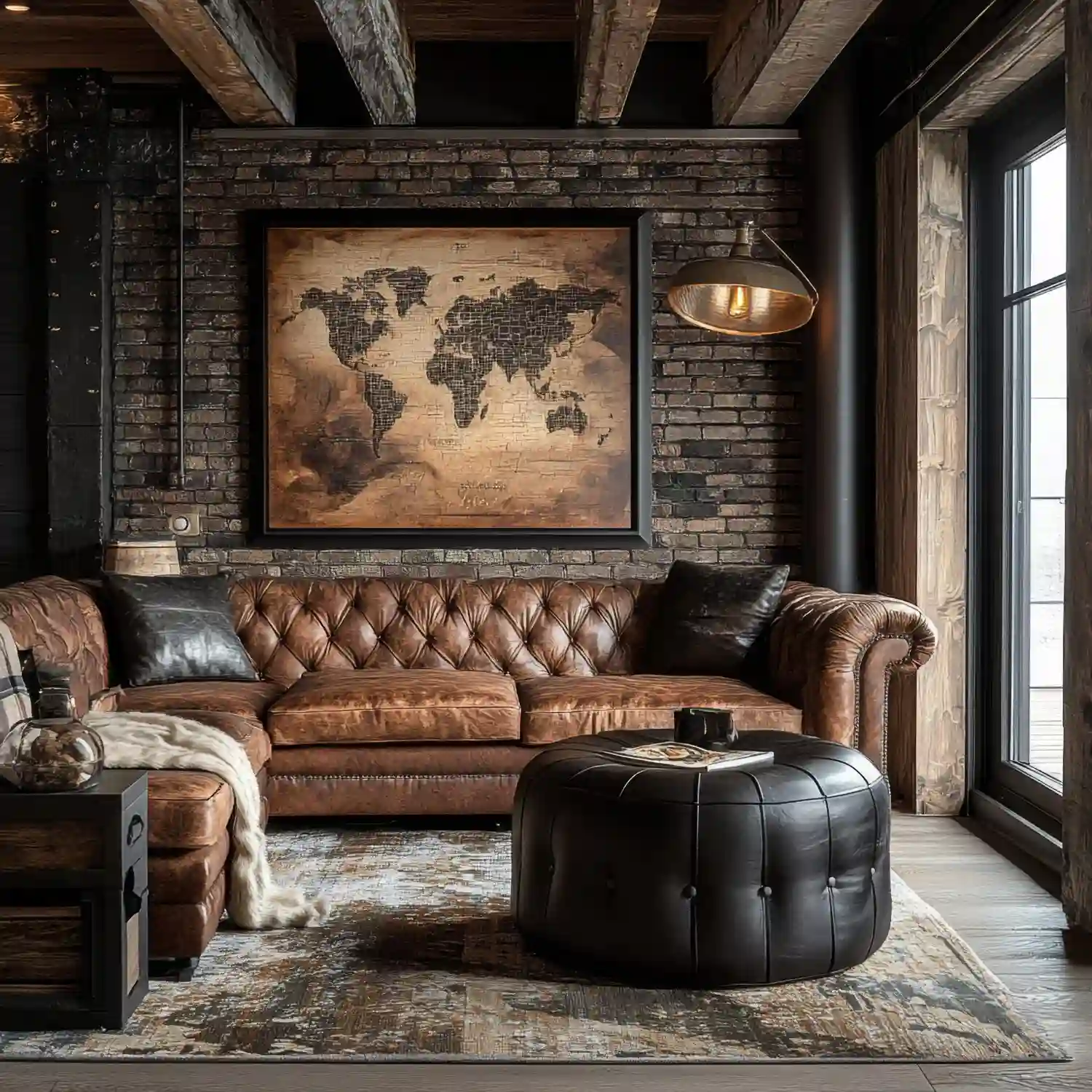
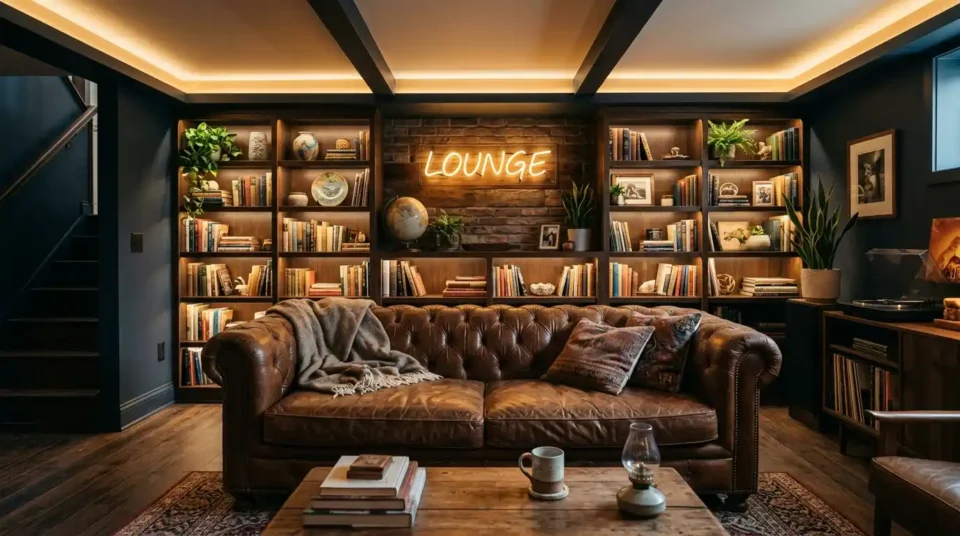
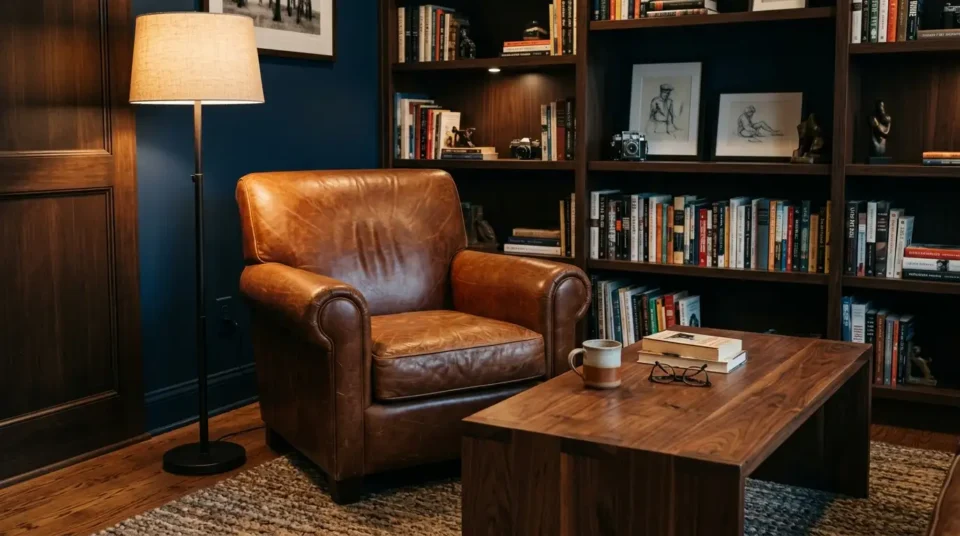
Rustic is the most searched man cave aesthetic, and the reason is straightforward — the look is warm, textured, and genuinely livable. The palette runs warm: walnut brown, aged wood, hunter green, cream, and matte black accents. Primary materials include reclaimed wood planks, weathered leather in cognac or chestnut, jute or wool area rugs, and natural stone for accent surfaces.
The anchor piece in a rustic man cave is the accent wall — reclaimed barn wood planks, stone veneer, or shiplap painted in warm greige or left natural. A leather recliner or sofa in cognac or dark saddle tan grounds the seating area. Lighting goes pendant, almost always with Edison filament bulbs at 2200–2700K for the warm amber glow the style depends on. No high-gloss surfaces, no chrome, no acrylic. If it looks like it belongs in a lakehouse or a hunting lodge, it belongs here.
DESIGNER TIP: Lay a jute or wool area rug under the seating before adding any wall treatment — the texture of the rug sets the rustic foundation and guides every other material purchase.
3. Industrial Man Cave
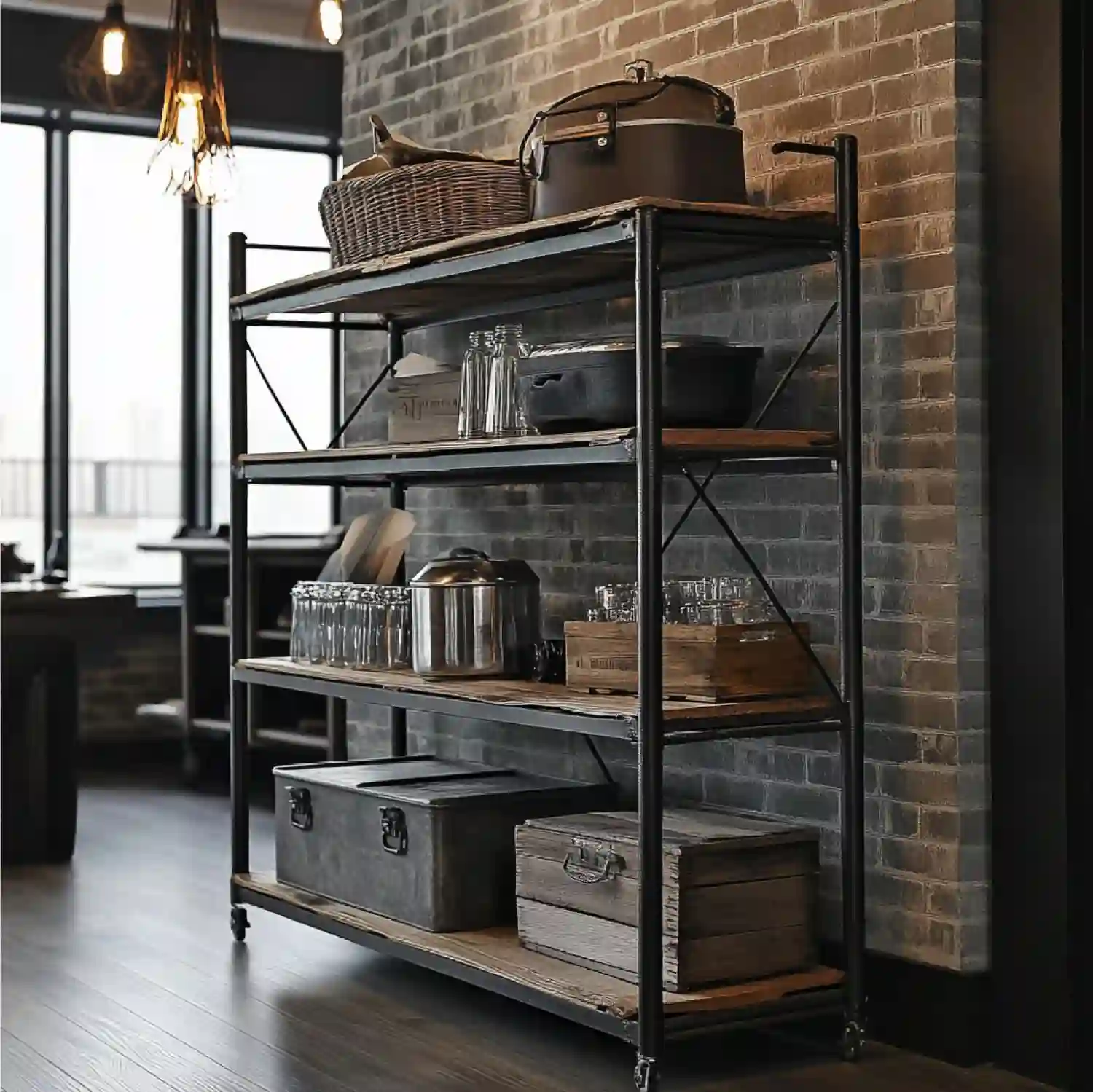
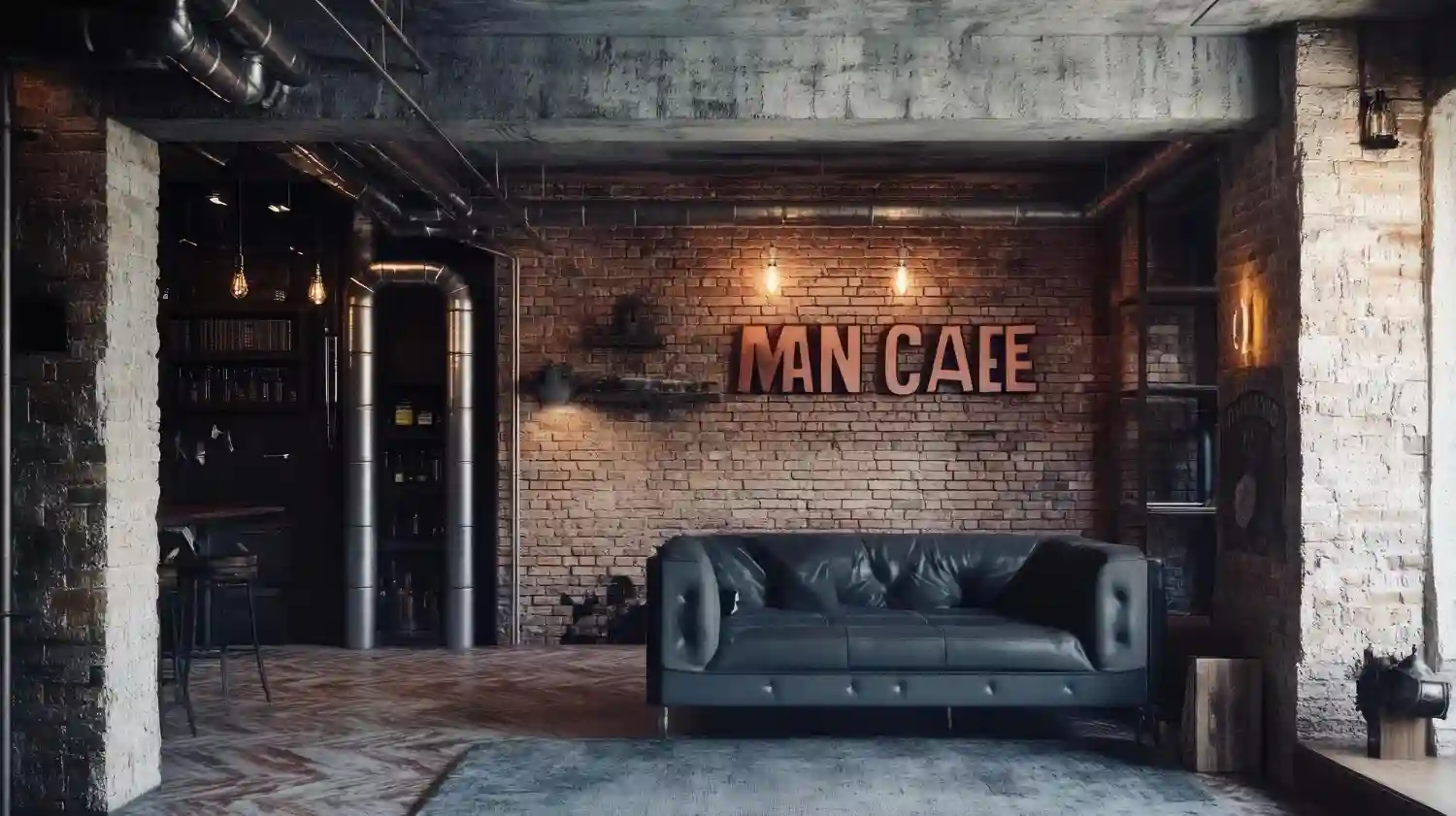
Industrial style strips the room to its structure. Exposed concrete, raw brick or brick veneer, black metal pipe shelving, and aged steel furniture define the look. The palette runs cool: concrete grey, raw steel, charcoal, aged brown leather, and matte black throughout. This style rejects softness — no warm cream walls, no light wood, no soft textiles.
An industrial man cave feels like a converted warehouse loft. Flooring is polished concrete or dark-stained hardwood. Lighting uses black metal cage pendants or Edison bulbs on exposed conduit track systems. Seating goes distressed leather in dark brown or black with black steel legs. One raw brick wall — or a high-quality brick veneer panel — carries the room. Everything else supports it.
Material Note: Brick veneer panels install directly over drywall without masonry work and cost $4–$8 per square foot — a realistic DIY option for a single accent wall without structural changes.
KEY TAKEAWAY: Industrial man caves need one raw-material statement wall (exposed brick or raw concrete) — every other material choice builds from that anchor.
4. Luxury Man Cave
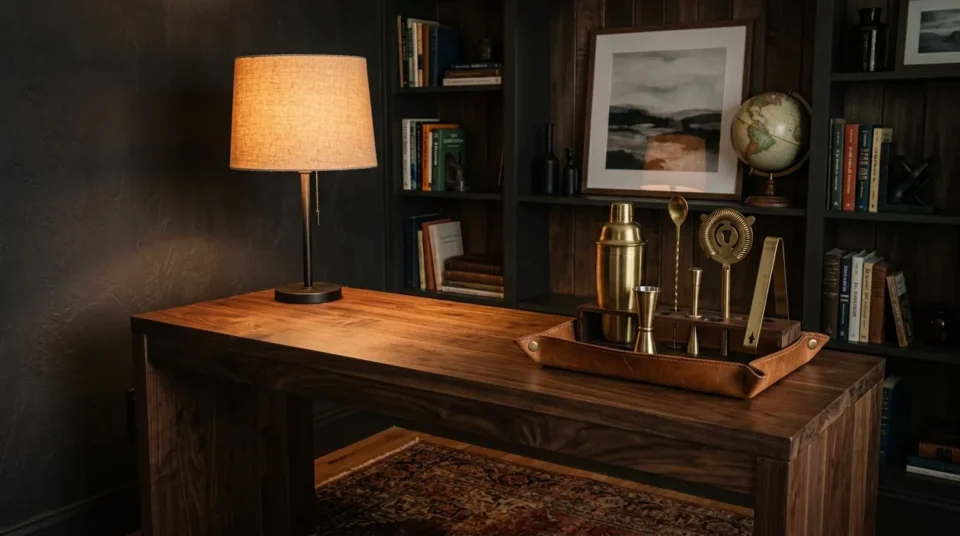
A luxury man cave looks like a high-end hotel bar relocated into a private room. Rich velvet or thick leather seating in deep forest green, midnight navy, or charcoal. A marble or quartz bar top. Brass or aged gold hardware throughout. Dark walnut wood paneling on at least one wall. Recessed ceiling lights at 2700K on dimmers in every zone.
The palette stays controlled: deep jewel tones anchored by black, aged brass, and dark walnut. Millwork is what separates a luxury man cave from a classy one — built-in cabinetry floor to ceiling, a custom bar back with lit display shelving, and architectural crown molding signal the investment level. A luxury man cave is not about quantity of items; it’s about material quality in every visible surface. Low-quality materials at high prices don’t achieve the look.
Material Note: The bar area drives most of the cost. Natural stone countertops run $60–$120 per square foot installed. Quartz offers similar visual weight at $50–$100 per square foot and handles scratches and spills better in a bar environment.
5. Classy / Sophisticated Man Cave
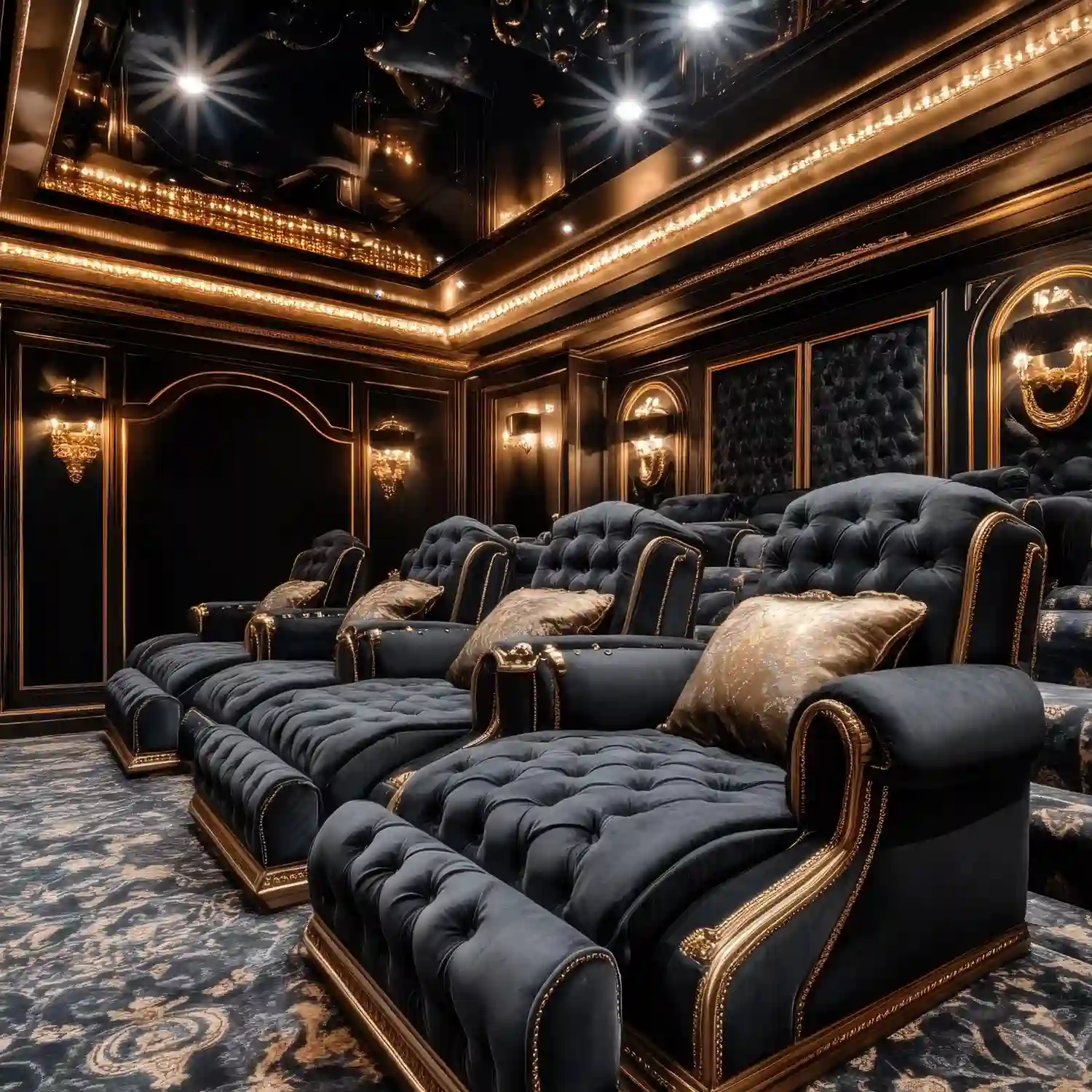
Classy sits between luxury and modern — polished without being opulent, refined without feeling cold. The palette runs in navy, warm charcoal, cream, and brushed brass. Materials stay quality but restrained: leather or boucle upholstered seating, a solid wood bar or shelving unit, framed artwork or a curated gallery wall with glass and metal frames.
The classy man cave avoids neon signage, novelty items, and quantity-over-quality decoration. Every decorative piece earns its place through material quality — a vintage crystal decanter set, a properly framed fine-art print, a quality area rug in a subtle geometric pattern. The full breakdown of this aesthetic, with 15 specific design choices, lives in the classy man cave ideas guide.
KEY TAKEAWAY: Classy man caves depend on restraint — three well-chosen pieces in quality materials outperform a room full of novelty decor every time.
6. Mid-Century Modern Man Cave
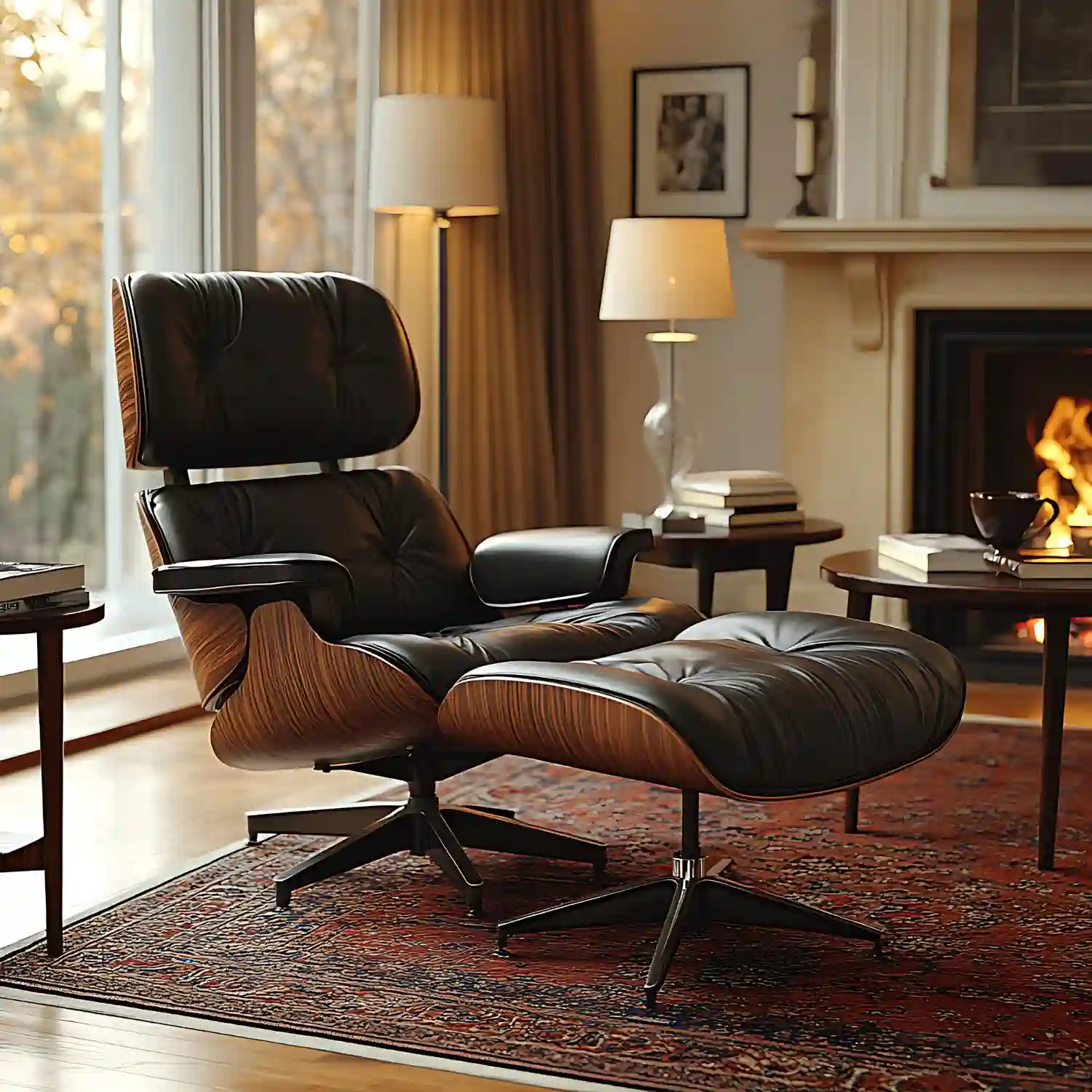
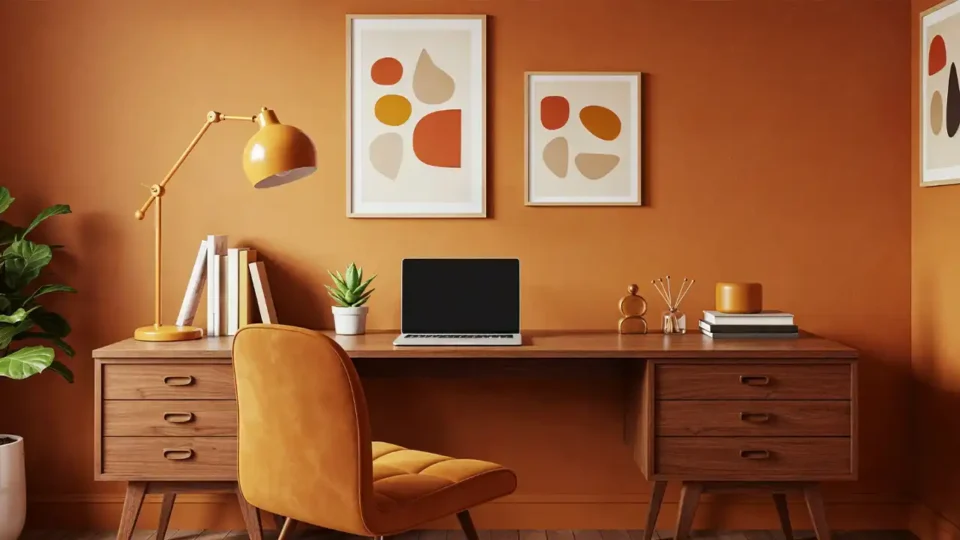
Mid-century modern brings 1950s–1960s American design into the man cave: warm walnut furniture with tapered legs, low-profile seating, and bold vintage accent colors — burnt orange, mustard yellow, or avocado green against warm cream or white walls. The aesthetic balances restraint in structure with personality in color.
The signature MCM piece in a man cave is the lounge chair — an Eames-style leather and walnut recliner placed at a precise angle to a low walnut console sets the entire room’s tone. A turntable or record player on a walnut sideboard adds function and visual character. Lighting goes for dome pendants in aged brass or matte black, never modern recessed grid systems. No chunky sectionals, no dark industrial tones. The room feels curated and considered — a designed room, not a decorated one.
7. Retro / Vintage Man Cave

Retro leans into a specific era and commits fully. The most common references are the 1950s American diner (red vinyl, chrome, cream tile), the 1970s rec room (wood paneling, harvest gold, shag carpet), and the 1980s arcade (neon on black, exposed grid ceilings, glowing backlit cabinets). The palette depends on the decade — picking one era is the first and most important decision.
The defining feature of a retro man cave is the hero piece: a vintage arcade machine or pinball table, a properly restored jukebox, a period neon sign, or a complete vintage bar setup in the right era’s materials. This style is the most personality-driven of the 12. It’s also the easiest to overcrowd. The key is editing — pick one decade, three or four hero pieces, and let the room breathe around them.
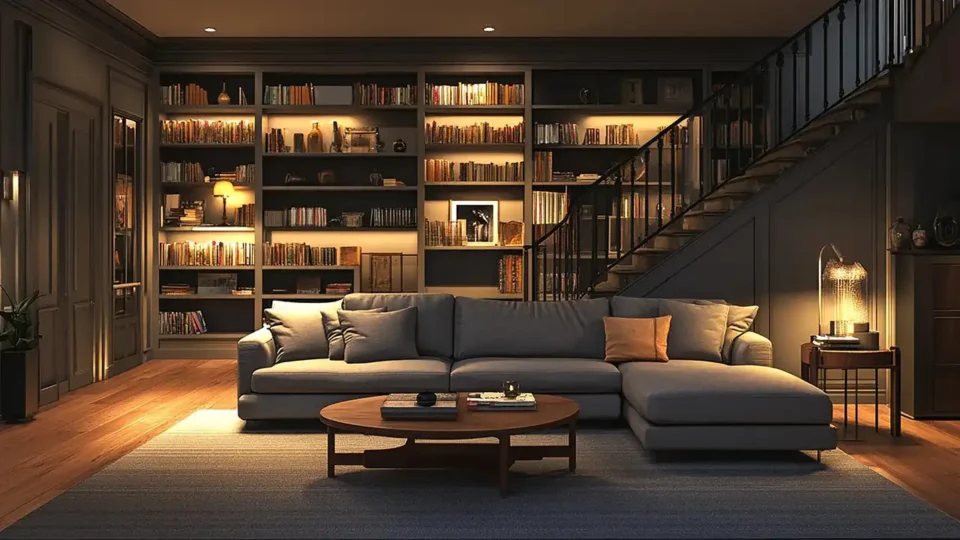
8. Dark & Moody Man Cave
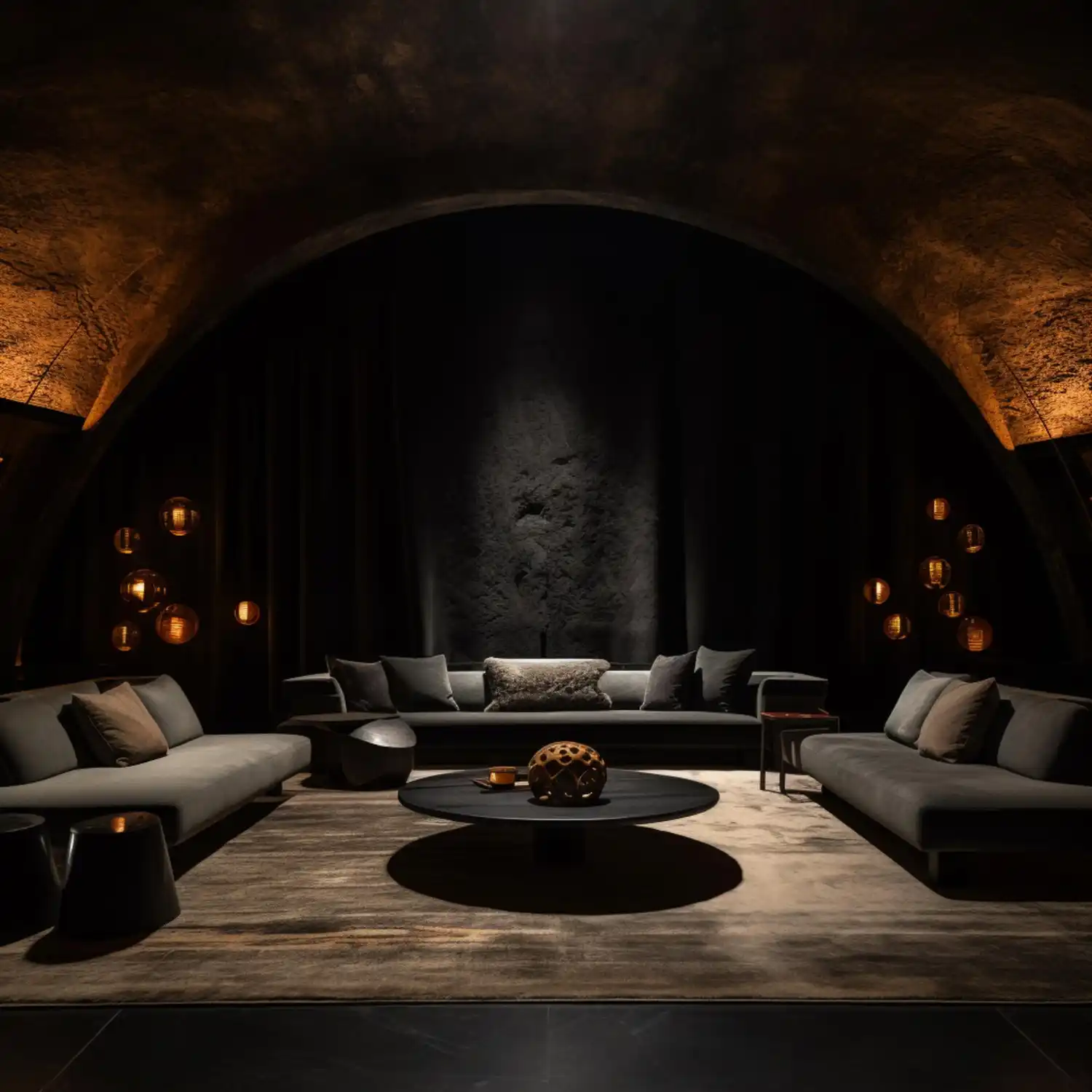
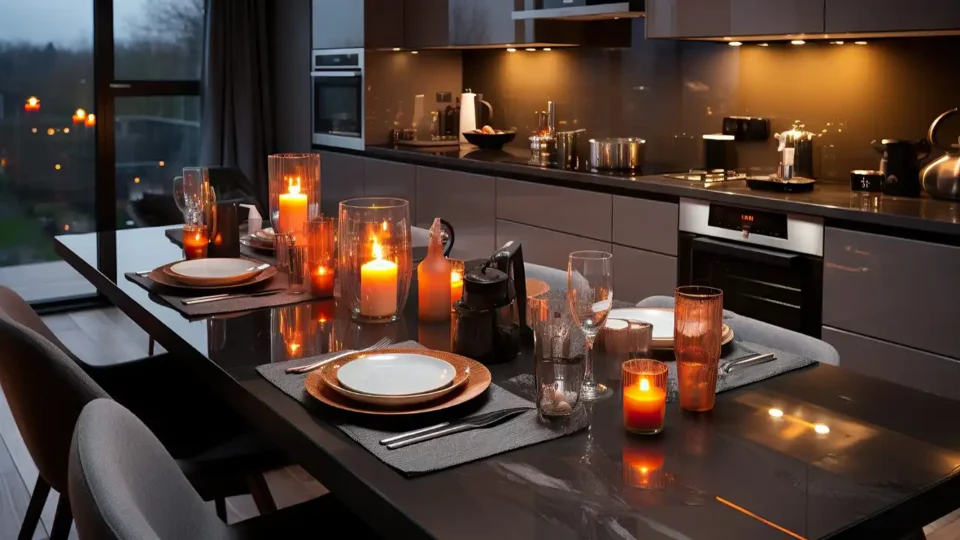
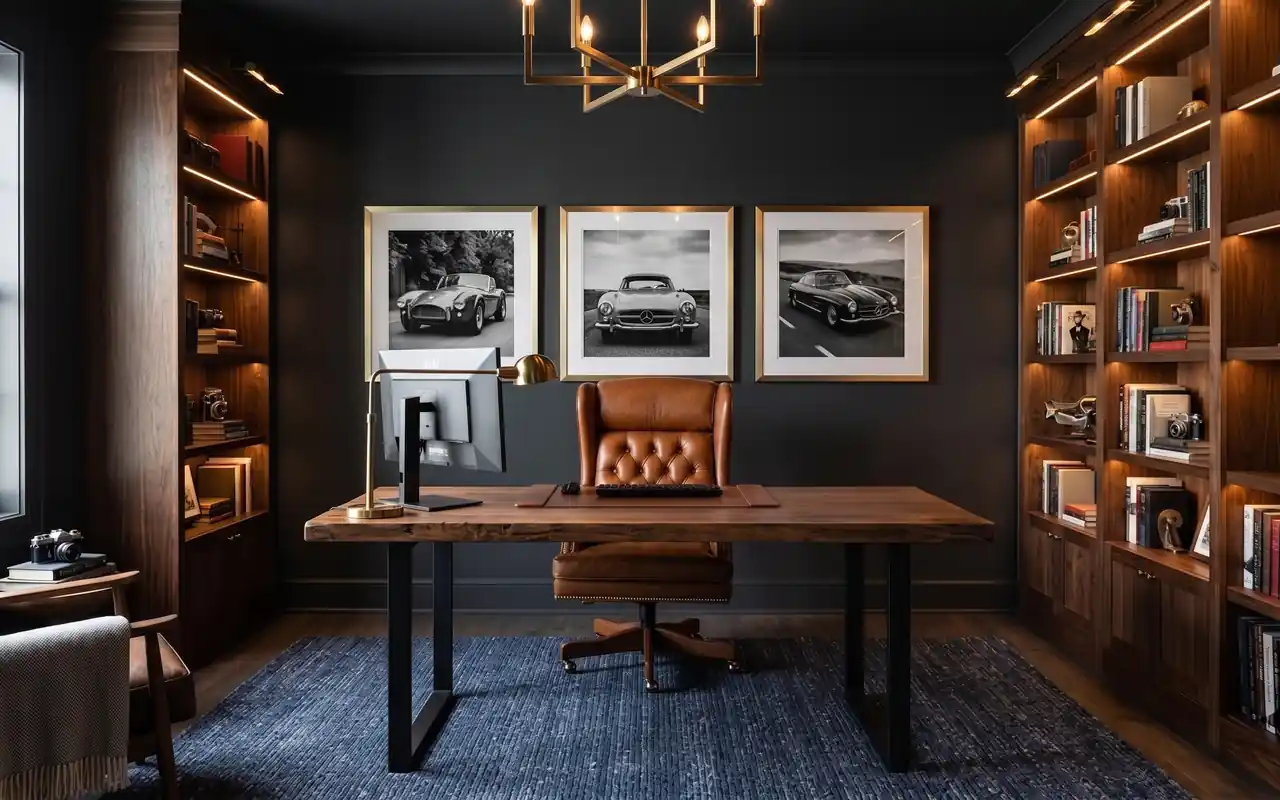
Dark and moody man caves lean into contrast and atmosphere above everything else. Deep charcoal or near-black walls — Benjamin Moore Onyx, Sherwin-Williams Inkwell, or similar — anchor the room. Furniture stays dark throughout: black velvet, dark cognac leather, or blackened walnut. Lighting is layered: low ambient overhead, accent LED strips behind shelving, and a single dramatic warm-toned pendant over a bar or game table.
The dark moody style rewards a tight edit more than any other aesthetic. Mirrors expand the perceived space without adding unwanted brightness. Matte black metal frames and hardware unify all visible surfaces. One warm light source — a brass floor lamp or a wall sconce at 2200K — keeps the room from reading as clinical. No bright accessories, no mixed metal finishes, no cream or beige in the palette. Every surface, every piece of furniture, and every light source serves the atmosphere.
9. Sports Man Cave
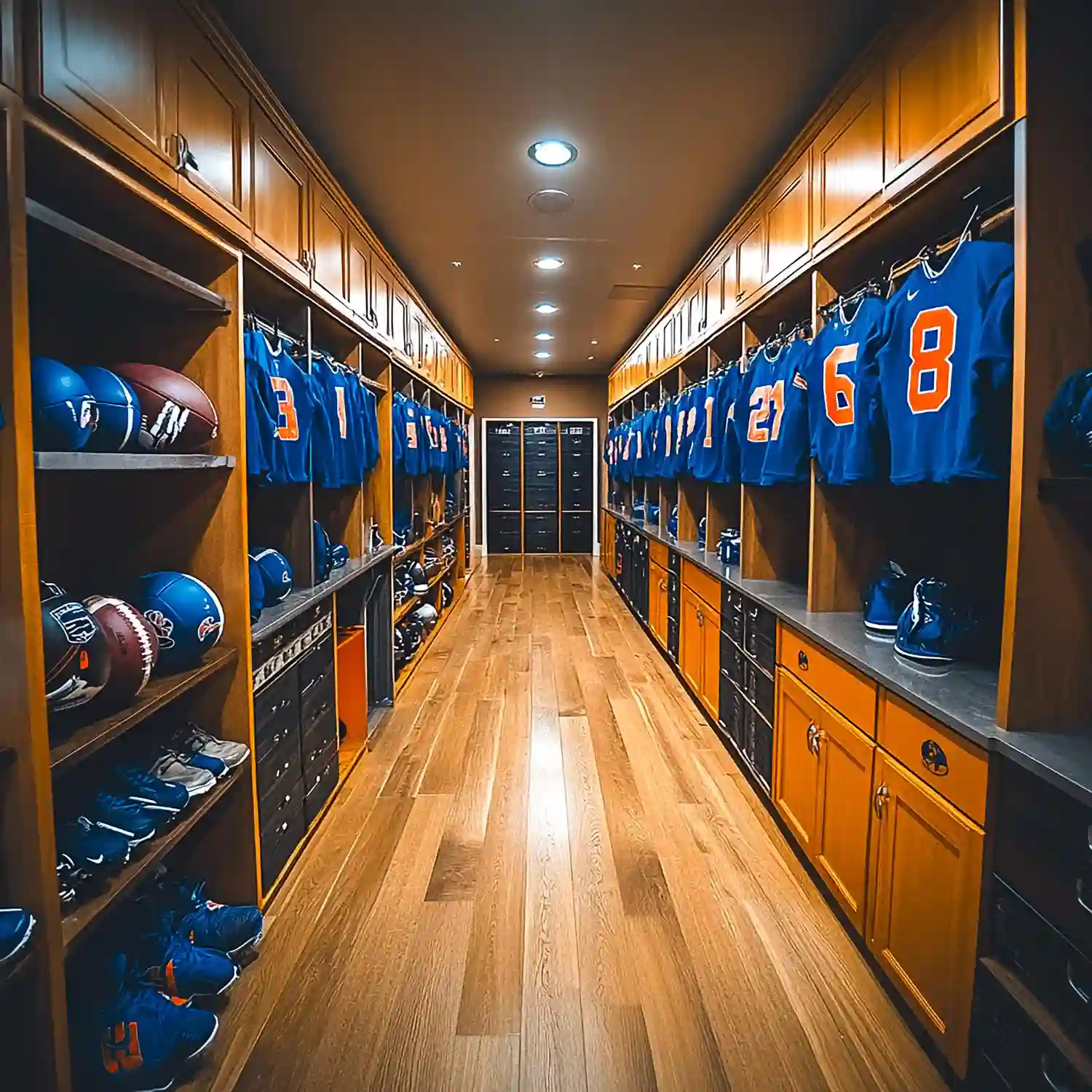
The sports man cave is theme-driven, built around a team, sport, or memorabilia collection. It’s one of the highest-searched man cave types and works best when it follows one design principle: the memorabilia and displays are the art, so the furniture and walls should serve as the frame rather than compete.
Man cave style ideas for sports-themed rooms start with the palette — team colors, whatever they are, become accent colors against a neutral backdrop. Dark navy, forest green, burgundy, or charcoal typically serve as the single accent wall color, with neutral upholstered furniture in cream, grey, or dark leather holding the seating area. A sports man cave with dark walnut floors, grey upholstered seating, and one team-color accent wall feels designed. The same room with team colors on every surface feels cluttered.
For specialty sports setups, 12 golf simulator room man cave ideas covers the specific layout, lighting, and screen placement requirements for a dedicated simulator bay.
DESIGNER TIP: Use a floating display shelf system in black powder-coated metal for jerseys, helmets, and signed items — it reads purposeful rather than cluttered, and you can reconfigure without new wall holes.
KEY TAKEAWAY: In a sports man cave, keep the palette neutral everywhere except one accent wall — the memorabilia provides the color and personality; the room structure shouldn’t compete.
10. Gaming / Entertainment Man Cave
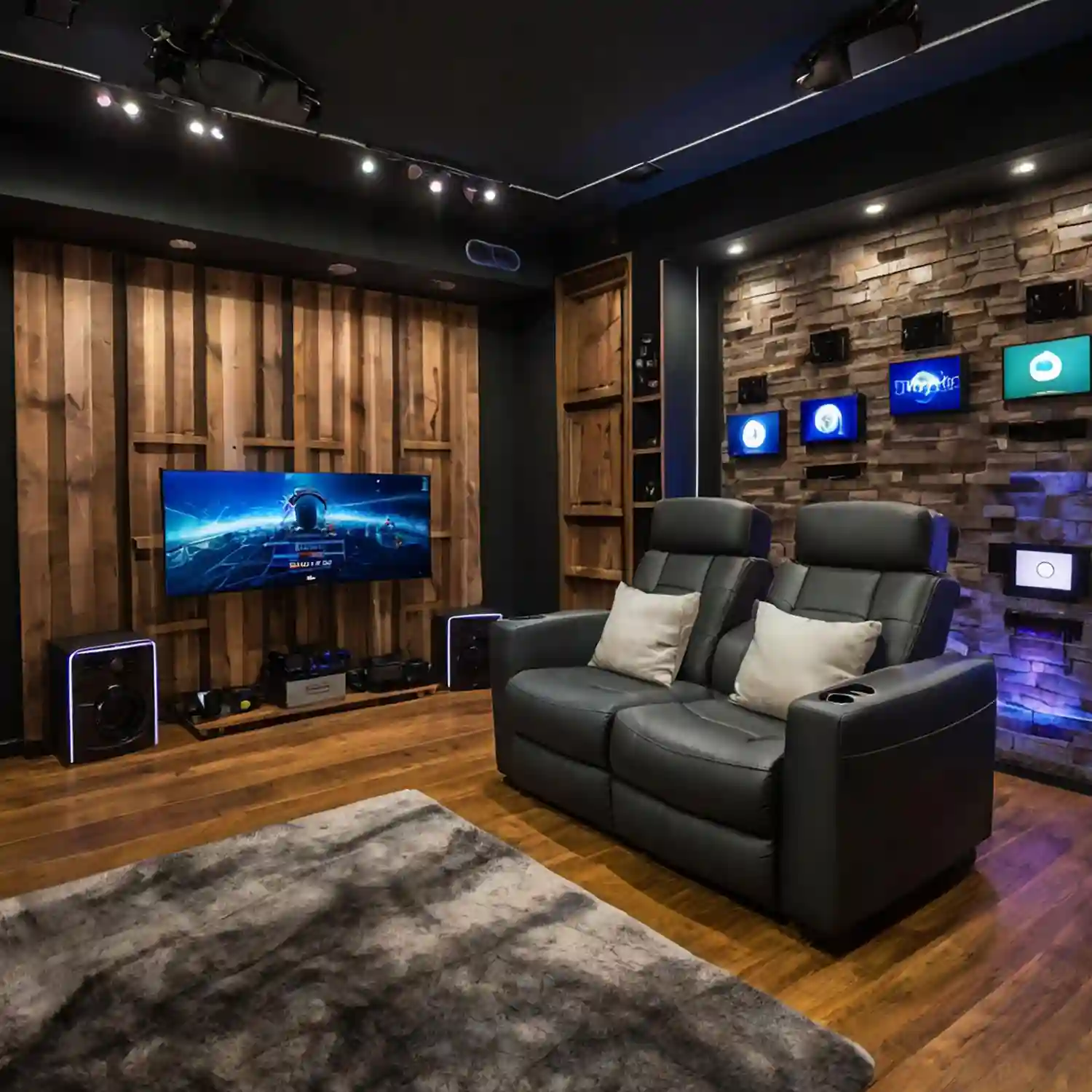
A gaming man cave is built around the screen setup, seating ergonomics, and ambient lighting control. The aesthetic splits into two distinct versions: the sleek gaming lounge — dark walls, LED backlighting, modular open shelving, and streamlined gaming chairs — or the home cinema theater, with acoustic wall panels, blackout drapes, tiered cinema seating, and full surround sound positioning.
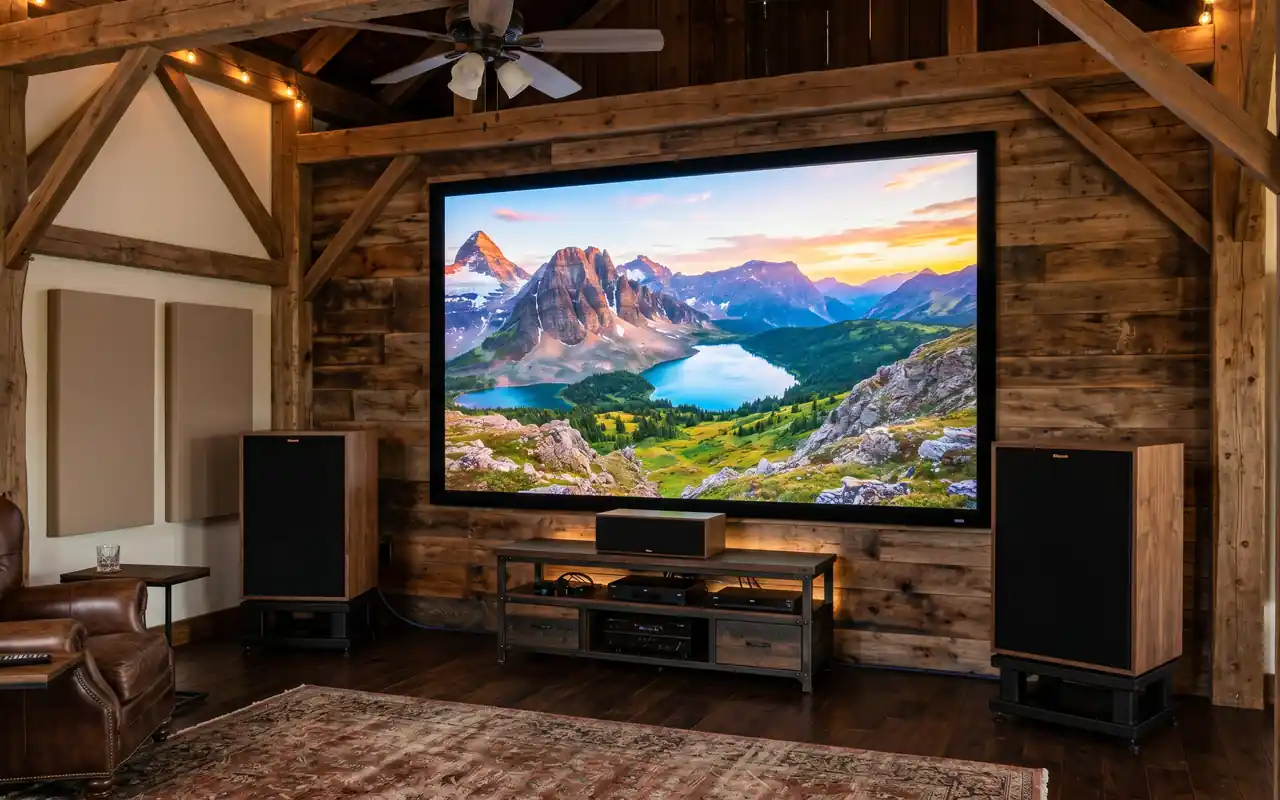
Both versions share the same core decisions. Screen mounting height: the center of the primary screen should sit at seated eye level, roughly 42–48 inches from the finished floor. Seating distance: minimum 1.5 times the screen’s diagonal measurement for comfortable viewing. Lighting: no overhead sources that create glare on the screen — indirect ambient or LED strip lighting only. Shelving for consoles and media components should be ventilated to prevent heat buildup, which is a common failure point in enclosed entertainment setups.
For office-integrated man cave spaces, 12 man cave office ideas covers how to balance work and entertainment functions in the same room.
11. Western / Cowboy Man Cave
A western man cave is rustic in materials but specific in personality — cowhide or hide-print upholstery, horseshoe or iron accents, antler details, aged leather everywhere, and a saloon bar or poker table as the room’s centerpiece. The palette runs warm: tobacco brown, saddle tan, rust, hunter green, and aged black iron.
The western style works best in rooms with natural wood plank flooring or wide-plank laminate, exposed ceiling beams or a simple wood beam detail, and walls in warm cream, aged taupe, or a muted terracotta. Vintage tin signs, old maps, and framed western prints serve as the artwork. A custom poker or whiskey bar in distressed oak or pine ties the room together. This style handles more visual complexity than most — the personality comes from accumulated character pieces, not from restraint.
12. Farmhouse Man Cave
A farmhouse man cave softens the traditional retreat edge. Shiplap walls in soft white or warm grey, distressed wood accents, vintage lantern pendants, and muted neutrals — warm cream, greige, dusty sage — replace the darker palettes most man cave styles rely on. Upholstery goes linen or thick cotton rather than leather. The room feels relaxed rather than rough.
This style works especially well for shared man cave and family room spaces, or for homeowners whose partners will also use the room regularly. A deep linen sectional, a weathered wood coffee table, chunky knit throws, and open shelving styled with a mix of vintage finds and practical storage make it approachable. The farmhouse man cave is the crossover pick — masculine enough to function as a personal retreat, welcoming enough that visitors don’t feel like they’ve entered a restricted zone.
KEY TAKEAWAY: Farmhouse man caves are the obvious choice for shared spaces — the palette and materials read as warm and inviting rather than territory-specific.
How Do You Choose a Man Cave Style?
Man cave style ideas become useful only when they’re matched to your specific room. Three questions narrow the field faster than browsing photos.
What does the room need to do? A dedicated gaming setup needs screen-optimized lighting, ergonomic seating, and ventilated shelving. A bourbon lounge needs a strong bar installation, dimmable ambient light, and comfortable seating within conversation distance. A sports room needs display infrastructure. Function shapes every material decision before aesthetics enter the picture.
What materials can your room support — and what’s your budget? Concrete floors work naturally for industrial and modern styles. Hardwood or wide-plank flooring suits rustic, farmhouse, and mid-century modern. Luxury and classy styles need quality materials on every visible surface — that costs more than a rustic setup where raw wood and worn leather are part of the aesthetic. Industrial and rustic can look intentional on tighter budgets; luxury cannot.
Who else will use the space? A fully private man cave can commit to a dark moody palette, a neon gaming aesthetic, or a full whiskey bar that wouldn’t work anywhere else in the house. A shared space — used by family, guests, or a partner — needs to function beyond one narrow personality. Farmhouse, mid-century modern, and classy styles translate the best into dual-use rooms.
Once you answer all three, match your answers to two or three styles on this page. The overlap in palette and materials between them is your style. For compact rooms, 15 small man cave ideas shows how any of these 12 aesthetics apply in tighter square footage. High-ceiling rooms open up differently — 12 pole barn man cave designs covers the specific layout and design decisions that scale-appropriate spaces require.
KEY TAKEAWAY: Match your man cave style to what the room does, what materials the floor and ceiling support, and who else will use the space.
Mistakes That Wreck the Man Cave Look
❌ Mixing two or more full styles → ✅ Pick one dominant aesthetic and use it to guide every material and color decision — partial commitment to two styles reads as unfinished.
❌ Buying furniture before locking in a palette → ✅ Set your 3–4 color palette first; furniture that doesn’t match it becomes an expensive correction.
❌ Single overhead lighting only → ✅ Add at least two secondary light sources — a floor lamp, wall sconce, or LED strip — to create depth, warmth, and atmosphere.
❌ No anchor area rug under the seating → ✅ Place an 8×10 ft minimum area rug under the main seating group before adding decor — it grounds the arrangement and defines the primary zone.
Investment Levels
One quick note before the table: the biggest style mistake in any man cave is spending on decor before the three core investments are in place — seating, lighting, and one statement wall treatment. Everything else is secondary.
| Project | Estimated Cost | Impact Level |
|---|---|---|
| Statement wall treatment (shiplap, brick veneer, paint, or paneling) | $50–$600 | Very High |
| Seating upgrade (leather recliner, sectional, or gaming chair) | $400–$2,500 | Very High |
| Lighting upgrade (pendants, wall sconces, LED strips, dimmers) | $100–$600 | High |
| Bar, media console, or shelving unit (the functional centerpiece) | $300–$3,000 | High |
Best First Upgrade: Replace single overhead lighting with layered sources. A floor lamp, wall sconce, or LED strip system costs $100–$300 and changes the feel of a room more decisively than any furniture purchase.
Skip for Now: Branded signage, novelty accessories, and decorative items. Add these last — after the palette, materials, and lighting are fixed — so they enhance the style rather than define it by default.
Frequently Asked Questions
Conclusion
Man cave style ideas cover a wider range than most people realize before they start planning. The right look for your room depends less on what’s trending and more on how the space needs to function, what materials the room can carry, and who else might walk through the door.
Editorial field note: The most common failure point in man cave styling is not a wrong color or an ugly furniture choice — it’s the absence of a committed palette. Rooms styled without one read as assembled from separate purchases rather than designed with intention. The fix is simple: decide the style, identify three anchor materials, then build the palette from those materials before any shopping begins. That sequence — style, then materials, then palette, then furniture — is the difference between a room that feels finished and one that doesn’t.
Pick one style from this guide. Identify its anchor materials. Then explore all man cave ideas to find the room type and specific setup that fits your space. Browse all rooms and spaces for broader design inspiration across the whole house.
Explore Man Cave Style Ideas
- 12 Farmhouse Man Cave Ideas for a Warm, Rustic Retreat
- 12 Luxury Man Cave Ideas for a High-End Personal Retreat
- 12 Modern Man Cave Ideas for a Sleek, Streamlined Retreat
- 12 Rustic Man Cave Ideas for a Warm, Woodsy Hideaway
- 12 Western Man Cave Ideas for a Rugged, Rustic Retreat
- 15 Classy Man Cave Ideas for a Sophisticated and Refined Sanctuary
- 15 Industrial Man Cave Ideas for a Bold, Raw-Edged Retreat
- Dark Man Cave Ideas: 12 Moody Looks for a Bold Retreat