TL;DR
- These 12 cheap upgrades focus spending on comfort, warm light, storage, and one clear focal point.
- Reuse the television and speakers you own, then shop secondhand for seating and tables.
- Paint one wall, frame a small collection, and hide cables before buying themed signs.
- Most ideas cost less than $150; larger seating and media upgrades can wait.
- Fix moisture, ventilation, or wiring concerns before decorating a basement or garage.
KEY TAKEAWAY: A cheap man cave feels finished when a few useful pieces share one palette and purpose.
Why Can a Low-Cost Man Cave Still Look Finished?
A tight budget often leads to random purchases: a used recliner, one neon sign, a sports flag, and a television balanced on whatever table is free. If you have ever thought a personal retreat needed a renovation budget, you are not alone.
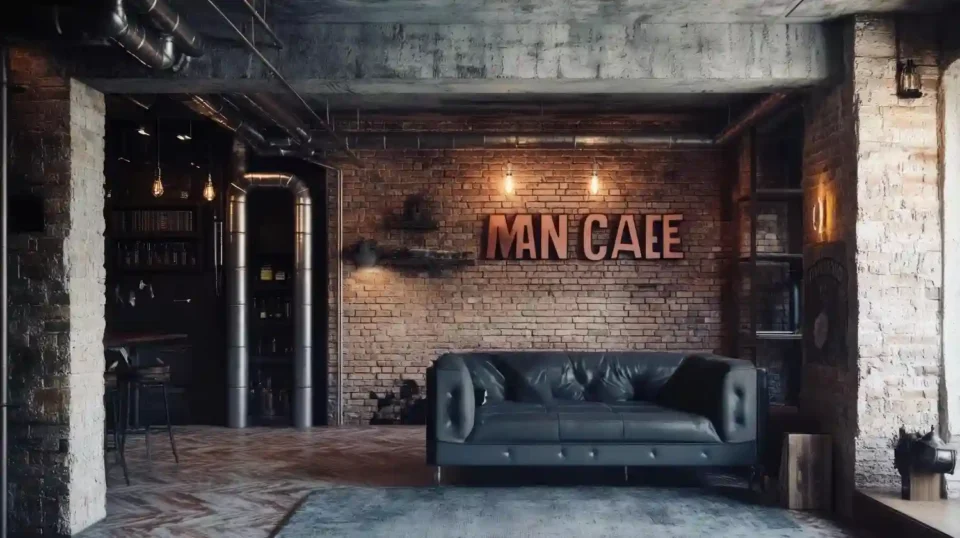
Man cave ideas on a budget work because layout, light, and repetition matter more than brand names. Choose one main activity, repeat two or three finishes, and keep the room easy to use. Start with the broader Man Cave Ideas root guide if the room still lacks a clear purpose.
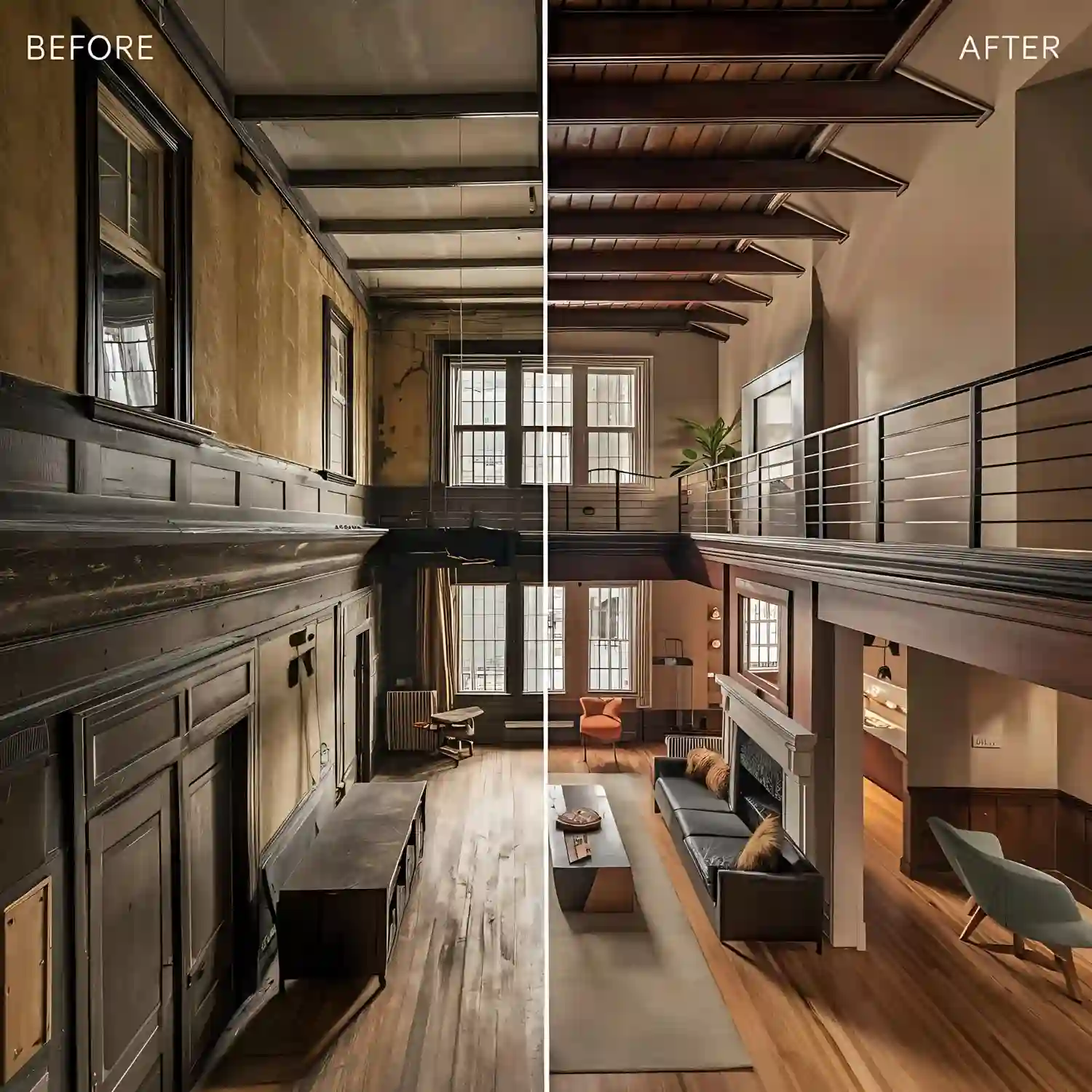
Editorial field note: a spare room with mismatched black furniture can feel temporary. Repeating dark walnut, charcoal, and warm cream across a lamp, rug, and frames makes the same furniture look planned. Browse more practical design help at 101 Home Decor. Bookmark this guide for quick reference.
KEY TAKEAWAY: A limited palette and clear focal point can make inexpensive pieces look like one complete room.
| Quick Takeaways | |
|---|---|
| Spend First | Prioritize one comfortable seat, two light sources, and concealed storage. |
| Reuse | Keep working screens, speakers, tables, and shelving in the first version. |
| Palette | Repeat charcoal, warm wood, and one accent color throughout the room. |
| Decor | Group a small collection instead of spreading memorabilia across every wall. |
| Safety | Resolve dampness and overloaded power arrangements before adding finishes. |
Cheap Man Cave Planning Checklist
- Set one total budget and hold back 15 percent for overlooked supplies.
- Choose one main use: gaming, movies, sports, music, reading, or casual drinks.
- Measure the wall, door swing, windows, outlets, and largest furniture pieces.
- Reuse at least three items before creating a shopping list.
- Pick two main colors, one accent, and three repeating materials.
- Plan one ambient lamp and one task light beyond the ceiling fixture.
- Give controllers, cables, remotes, and drinks a closed storage spot.
For a tighter footprint, these small man cave ideas show how compact seating and wall storage preserve floor space.
KEY TAKEAWAY: A written budget and reuse list stop small purchases from quietly becoming the most expensive part of the room.
12 Man Cave Ideas on a Budget That Make a Big Difference
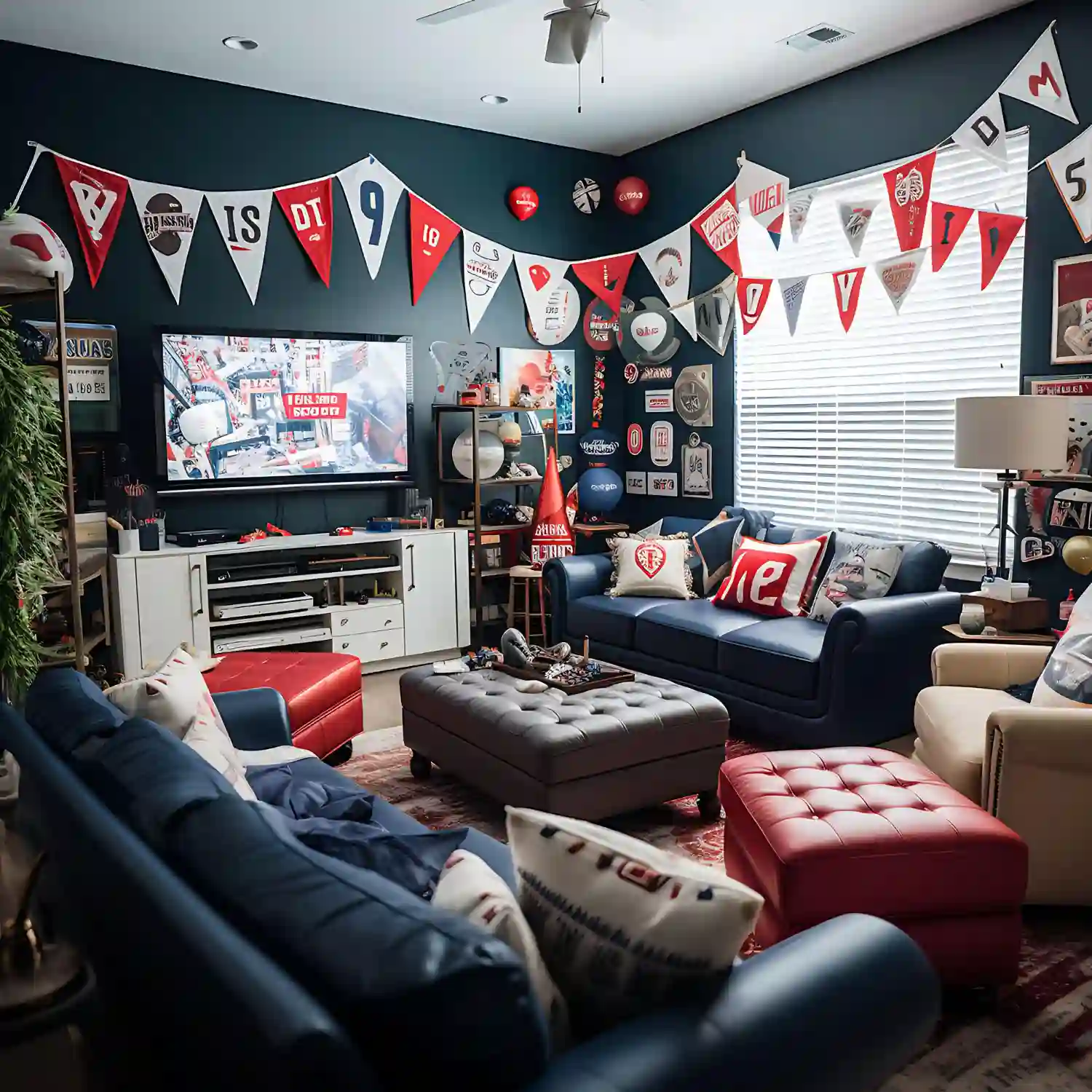
The best budget upgrades solve something visible or annoying. Each idea below can stand alone, but the room will look strongest when the same colors and materials repeat across several changes.
1. Start With Secondhand Seating
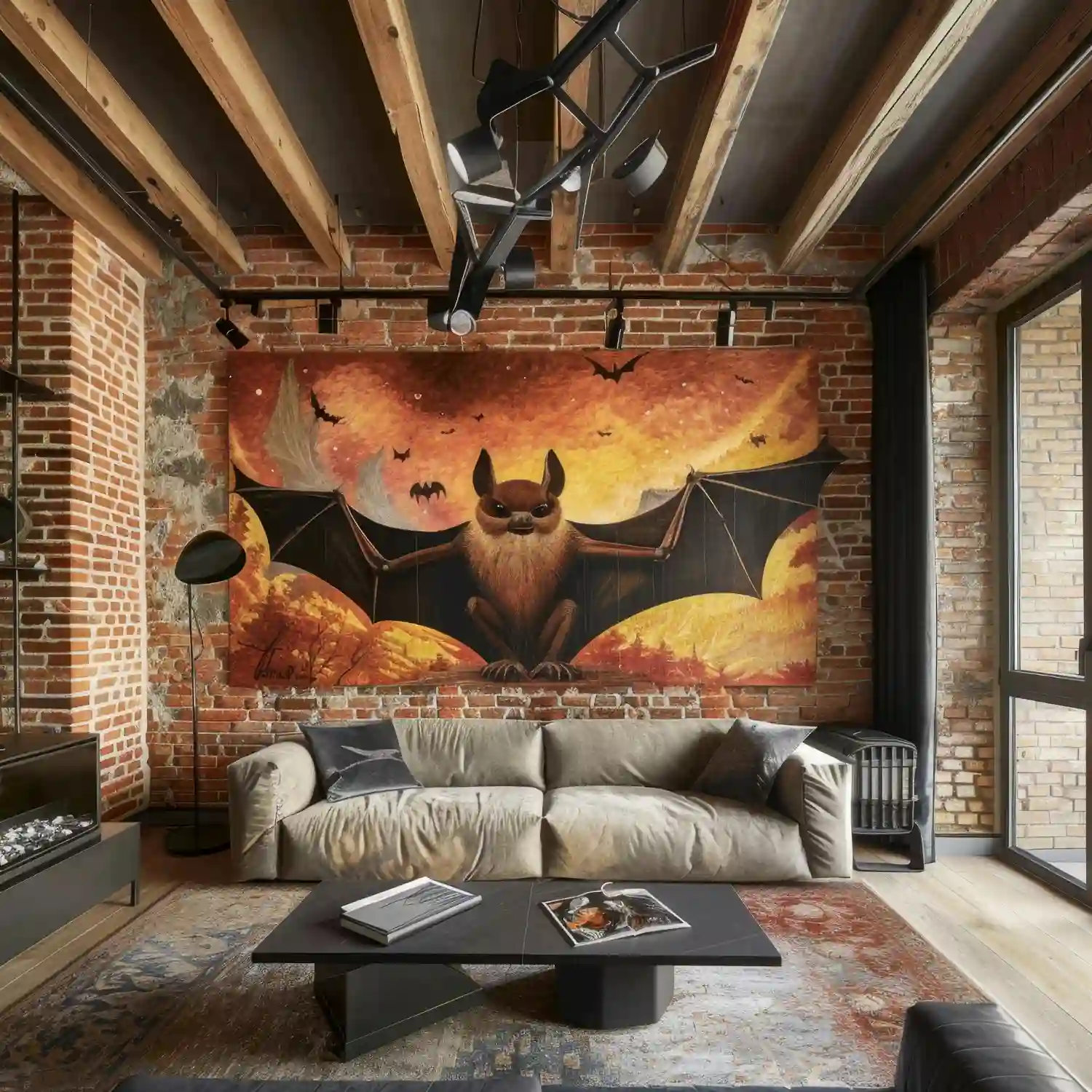
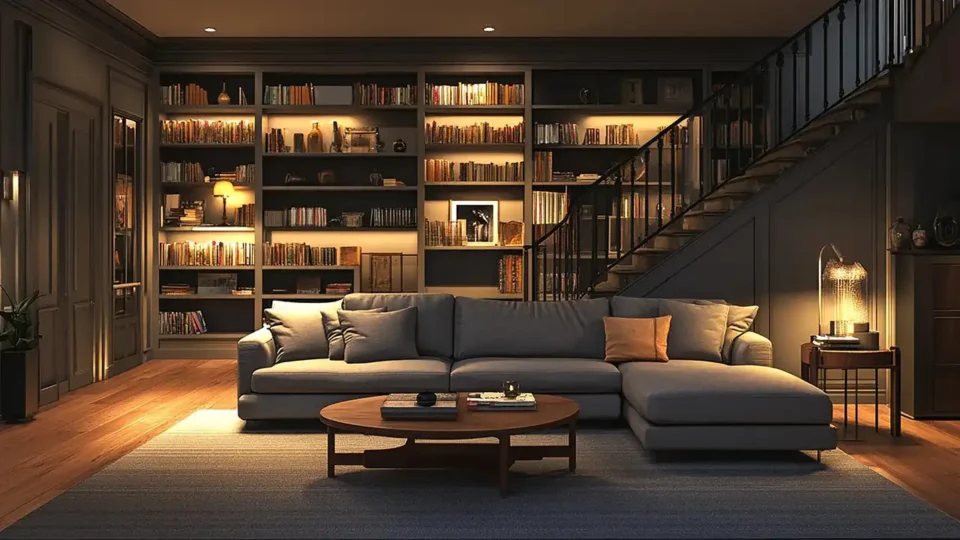
A used leather chair or compact sofa often delivers more comfort per dollar than a new budget recliner. Check the frame, seat support, odor, seams, and full reclined footprint before buying. Clean leather with a suitable product and add one washable throw. A cognac chair beside a charcoal wall also brings warmth to the darker palettes shown in these classy man cave ideas.
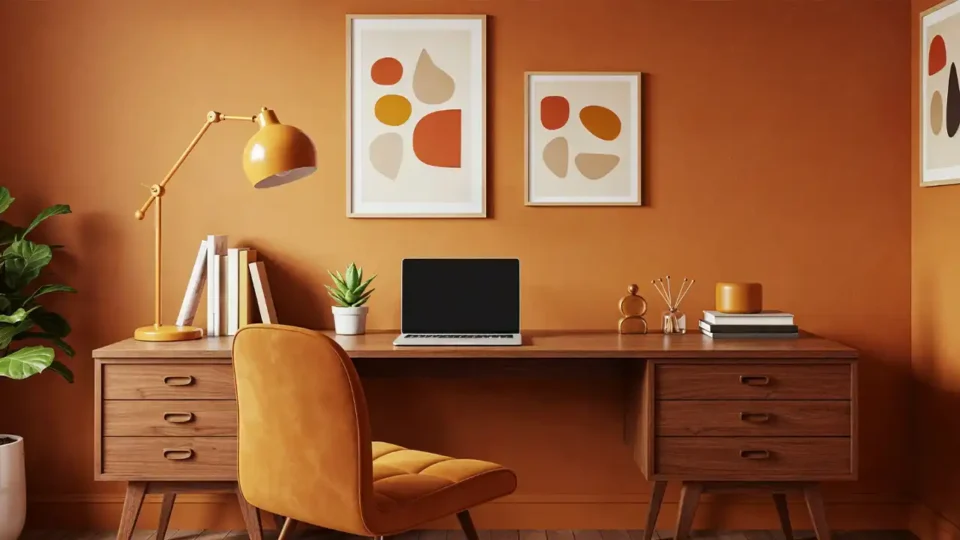
2. Paint One Focal Wall
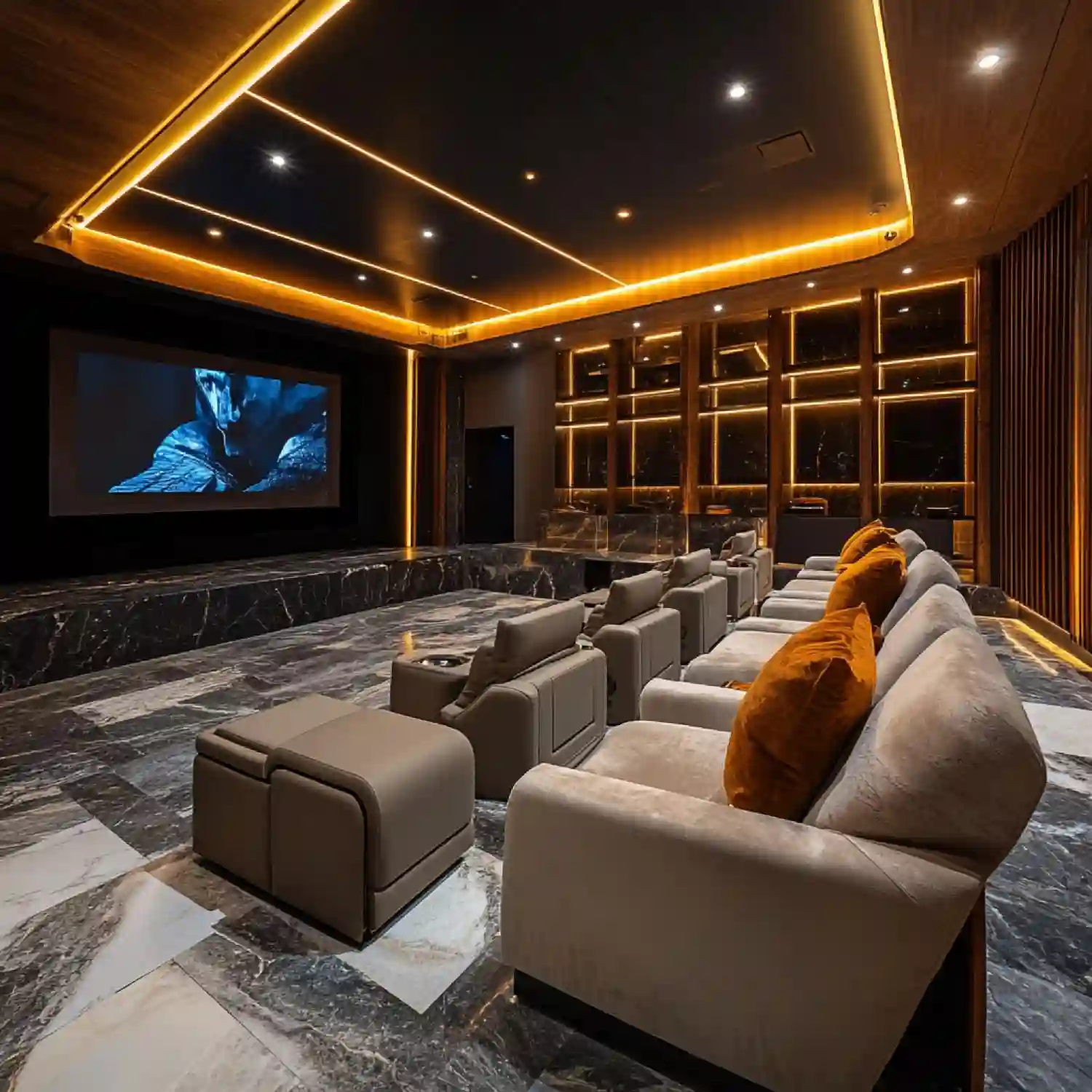
One gallon of paint and basic supplies can define the media or display wall without coating the whole room. Deep charcoal, forest green, muted navy, or warm taupe can hide visual clutter and make secondhand wood furniture feel richer. Paint is a finish, not a moisture fix. Basements with stains, leaks, or musty air need assessment first; the EPA recommends correcting basement moisture problems before remodeling.
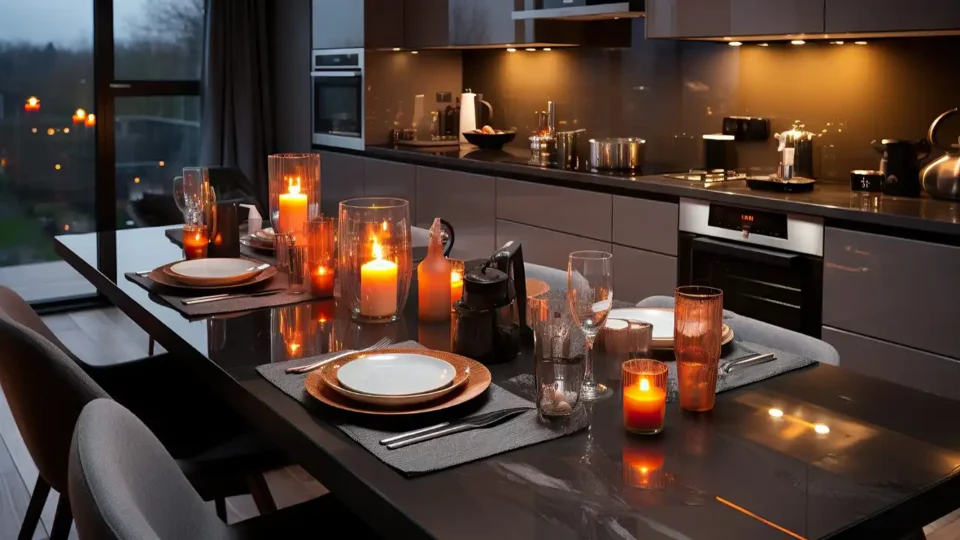
3. Replace Harsh Light With Two Warm Lamps
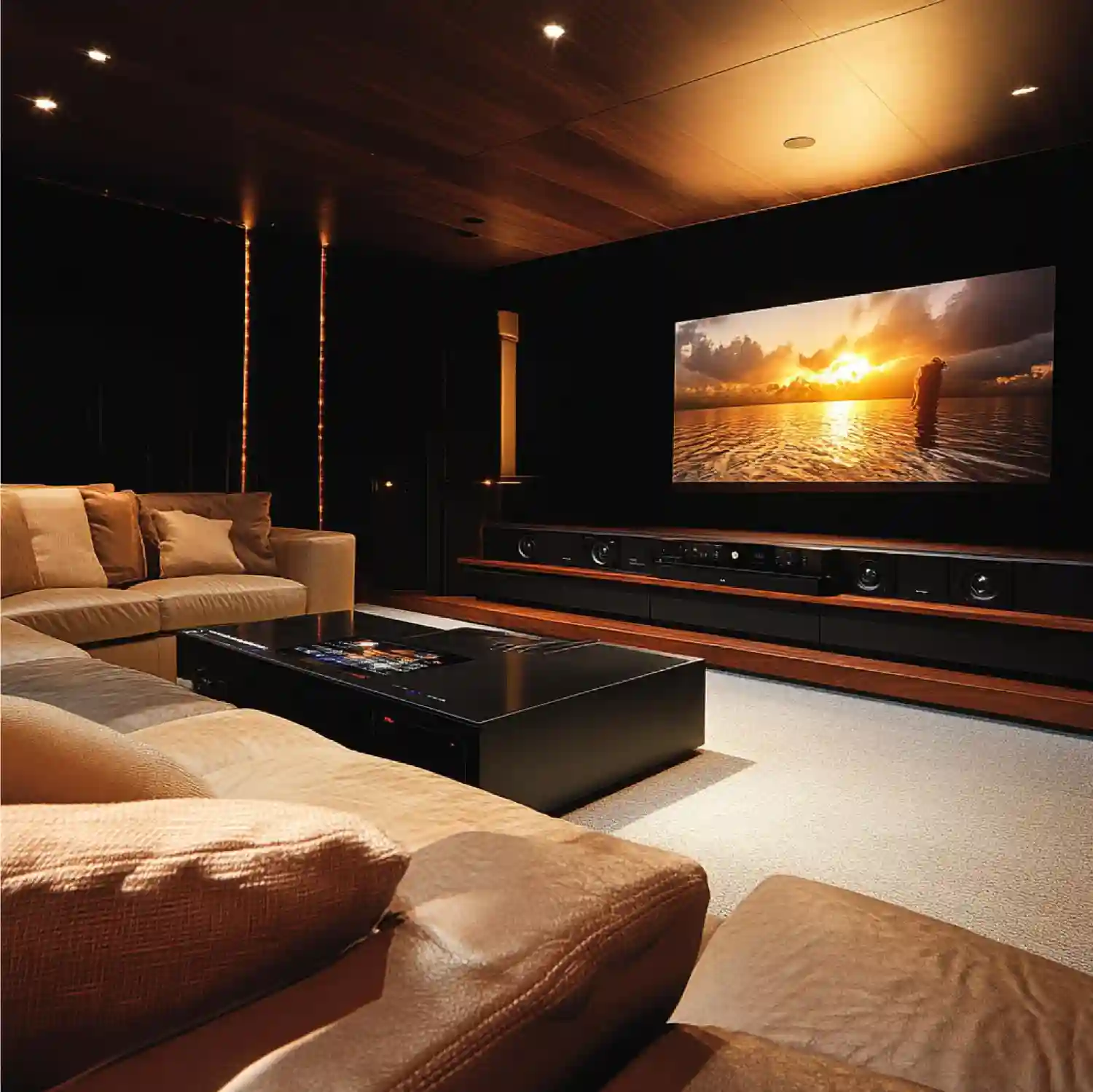
Two plug-in lamps create more depth than one bright ceiling fixture. Place a shaded floor lamp beside the main chair and a small table lamp near games, drinks, or records. Bulb brightness is measured in lumens, not watts, while color temperature controls how warm or cool the light looks. ENERGY STAR’s LED guide notes that LED products use light and energy more efficiently than incandescent bulbs.
DESIGNER TIP: Put ambient and task lamps on separate switches so movie mode does not leave the whole room dark.
4. Build the Room Around the Screen You Own
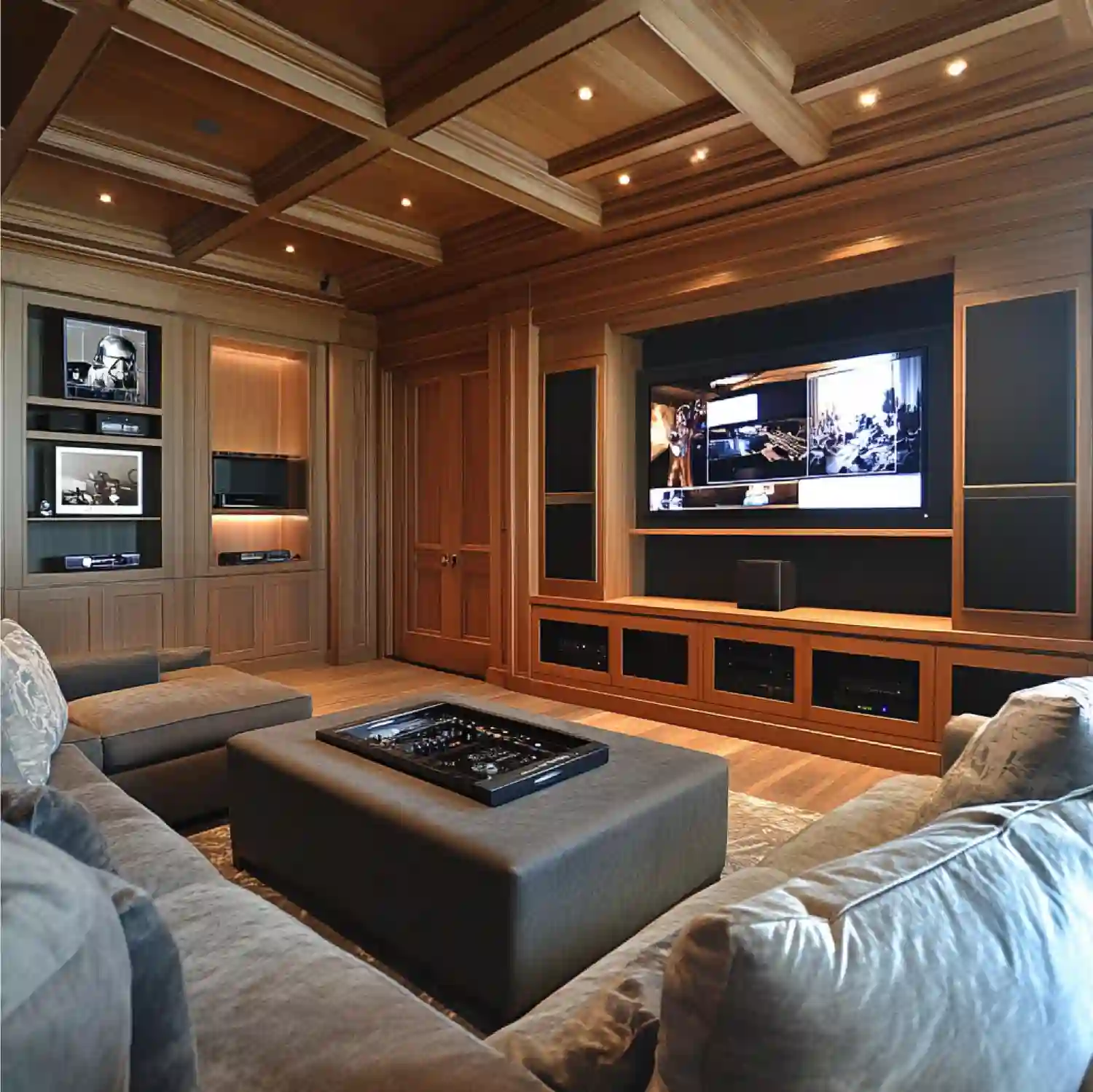
An existing television is usually good enough for the first setup. Improve its effect by moving seating out of window glare, centering the media console, and clearing small objects around the screen. A low dark-walnut console makes an older display look more settled. Study the zoning in these man cave office ideas if the same room must support work and entertainment.
5. Make a Simple TV Wall With Paint and Cable Covers
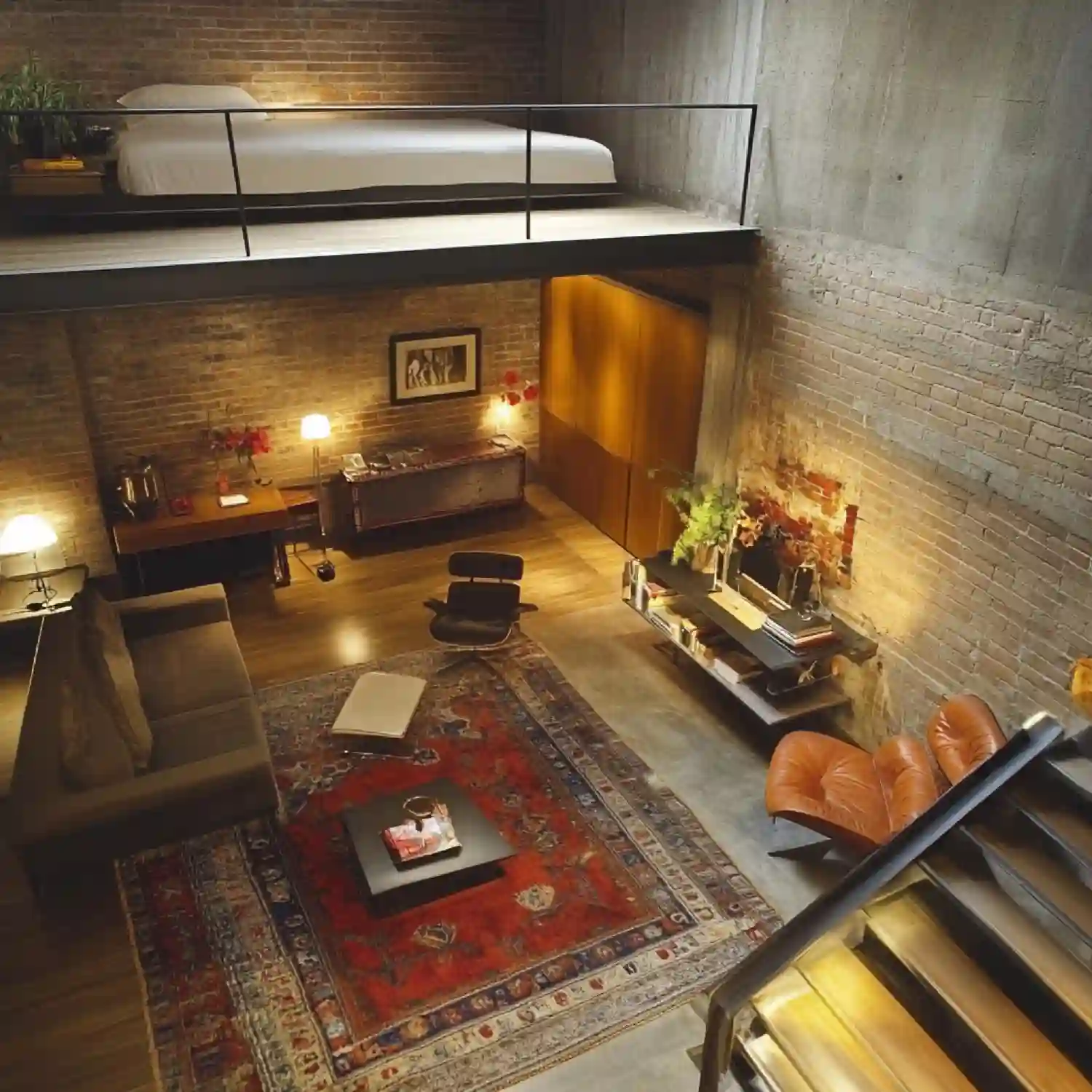
A clean TV wall needs fewer materials than a slat-wall makeover. Use one paint color, a reused console, and surface-mounted cable raceways that match the wall. Keep vents clear and avoid trapping hot electronics in closed boxes. Safety Note: Extension cords are temporary tools, not hidden wiring; CPSC guidance warns against running cords under rugs.
6. Ground the Seating With a Used Low-Pile Rug
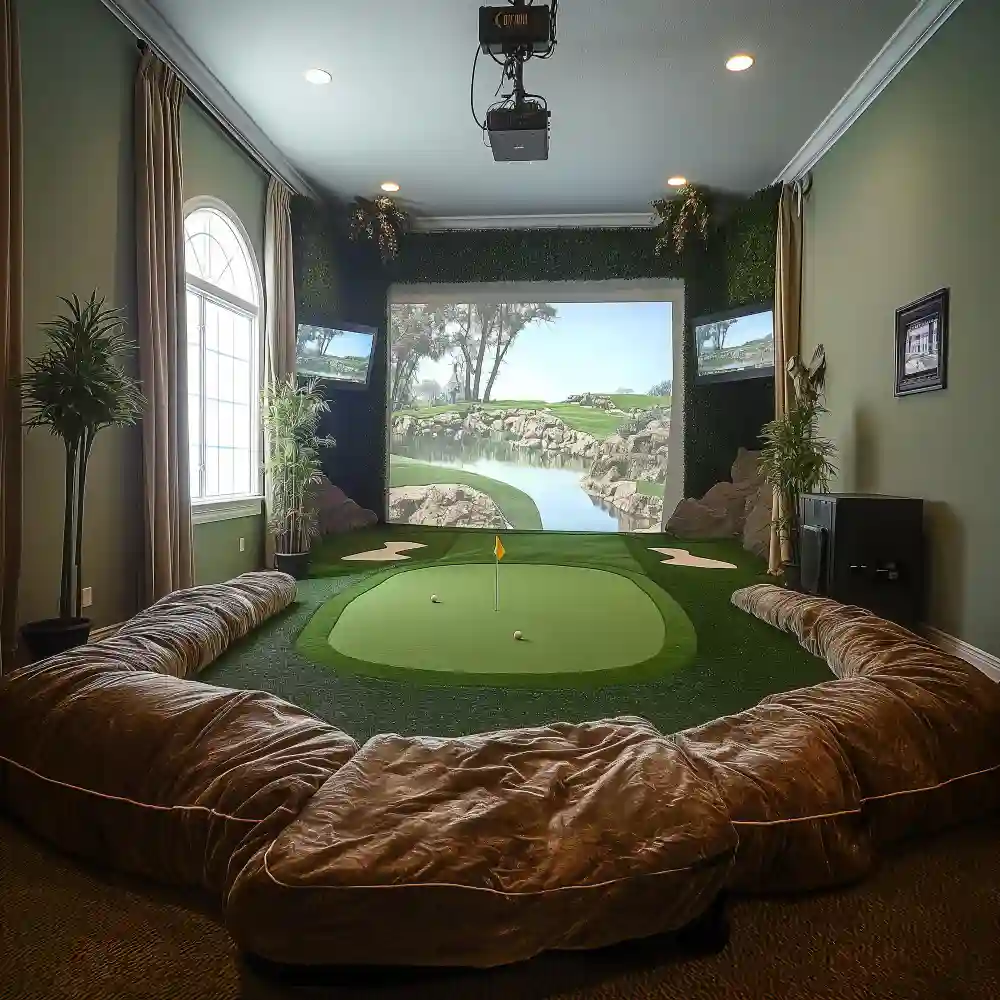
A low-pile area rug defines the lounge, softens echoes, and covers a worn but dry floor. Choose charcoal, rust, olive, or a faded geometric pattern that can hide minor marks. At minimum, place the front legs of the main seating on the rug. Material Note: Avoid secondhand rugs with damp odors or unknown stains, especially in below-grade rooms; compare room-shell options in these basement man cave ideas.
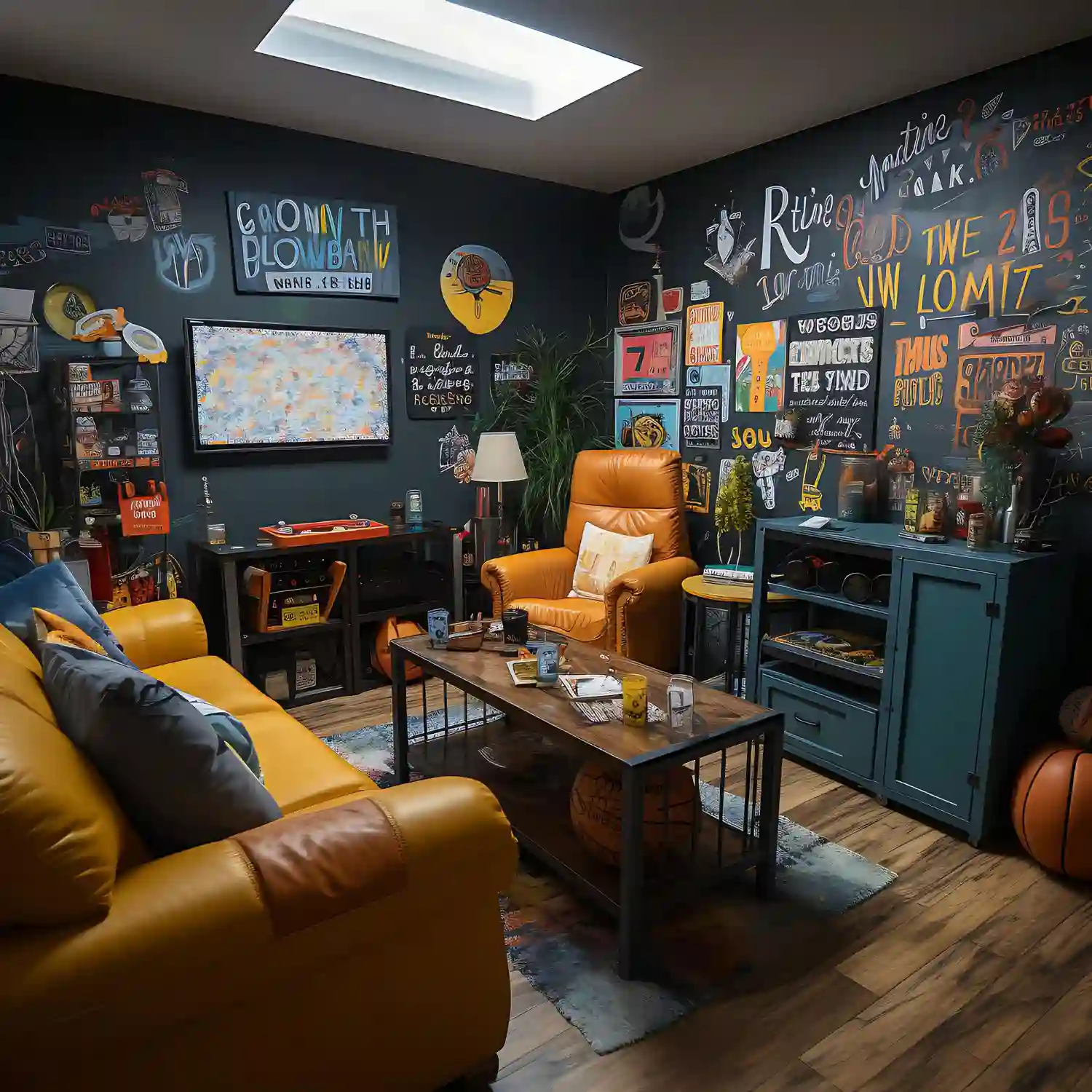
7. Turn Personal Items Into One Gallery Wall
Tickets, record sleeves, maps, jerseys, and family photos become decor when their frames share one finish. Use matte-black frames, equal spacing, and one larger anchor piece. Templates made from paper help test the arrangement without extra holes. A single edited display looks more polished than signs scattered around the room, and the man cave themes guide can help keep the collection tied to one story.
8. Use a Bar Cart Instead of Building a Bar
A secondhand cart, narrow console, or rolling utility shelf creates a drink station without plumbing or cabinets. Add a tray, bottle opener, coasters, and a lined waste bin. Keep the top mostly clear so it still works as a serving surface. A matte-black cart with walnut shelves fits a media lounge, while a painted wood cart works in rustic garage man cave designs.
DESIGNER TIP: Match the cart height to nearby seating arms so drinks remain easy to reach without adding another table.
9. Add Storage With Crates and Cube Shelves
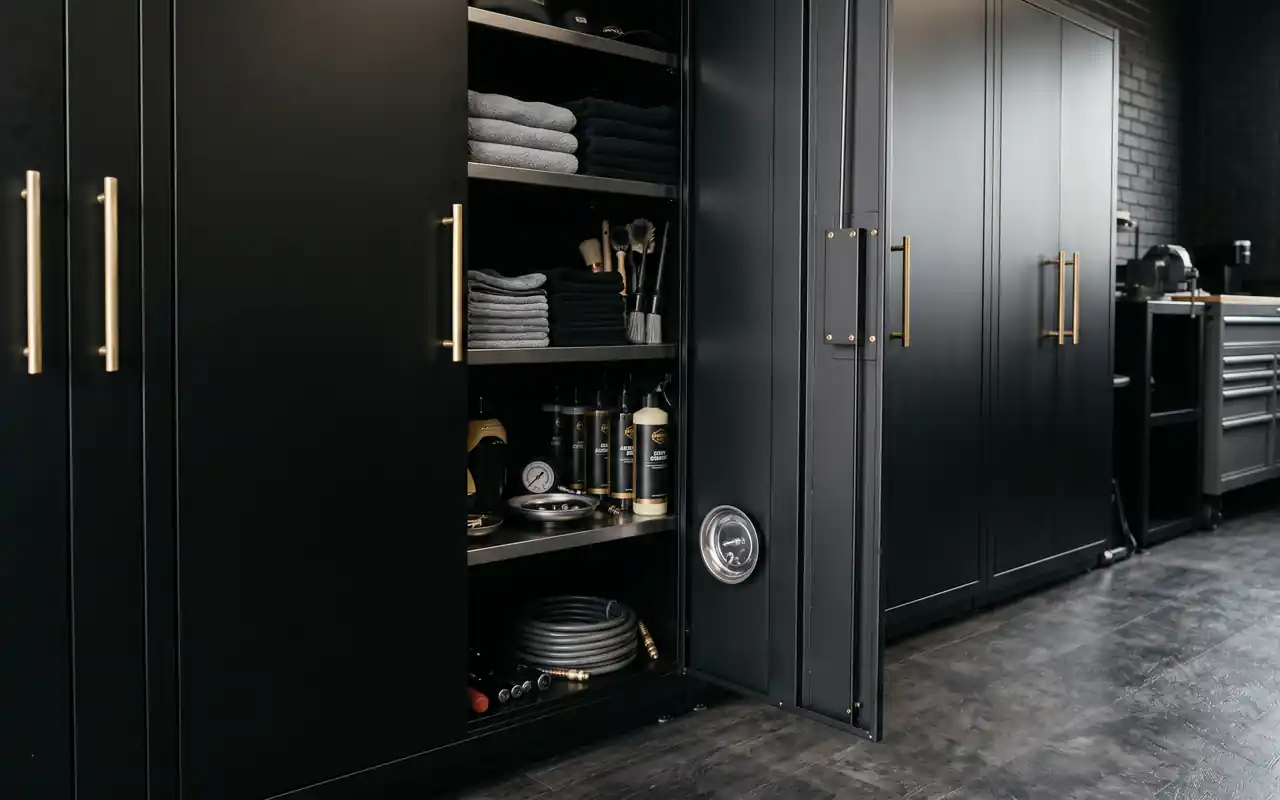
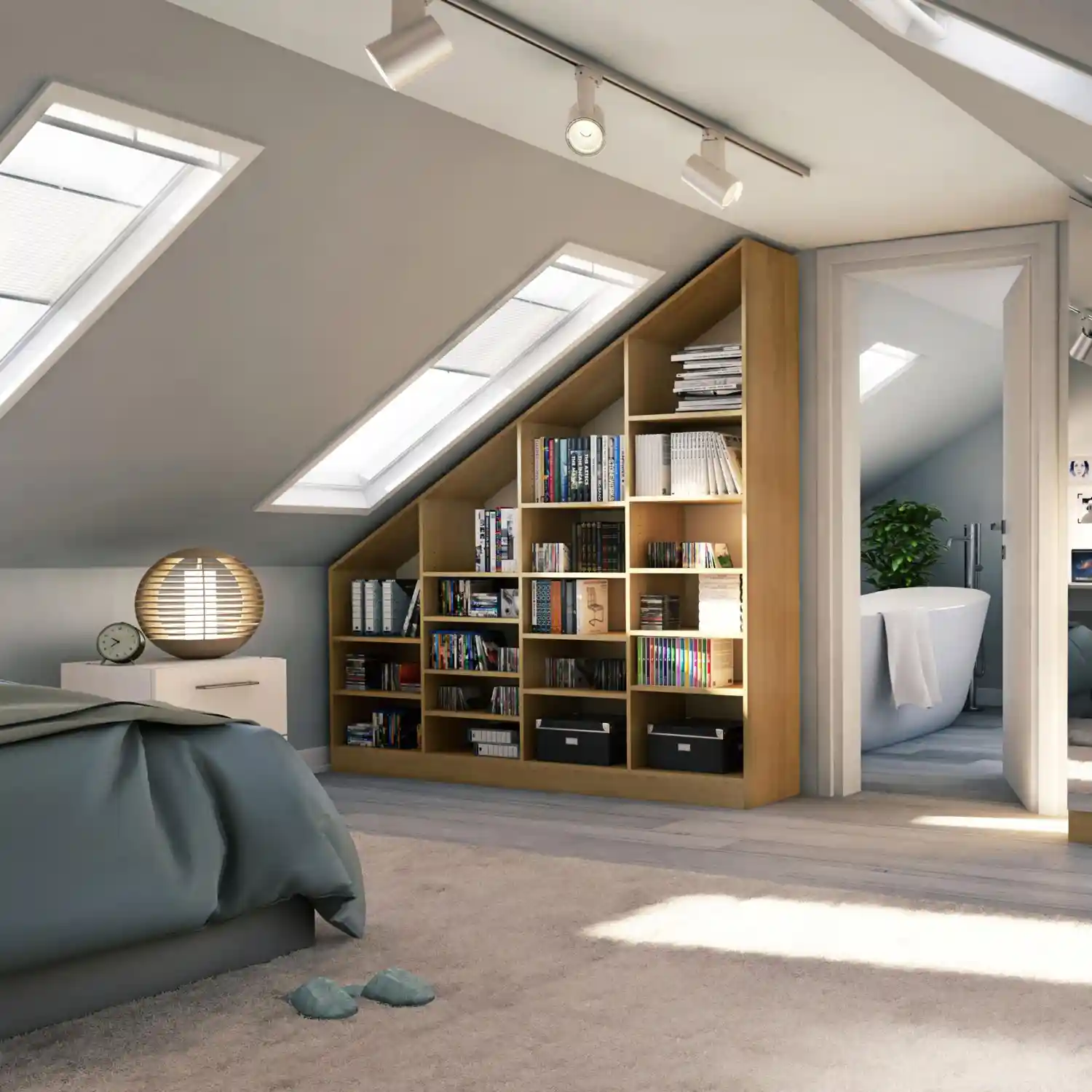
Wood crates, cube shelves, and lidded fabric bins can organize games, records, tools, and spare cables at low cost. Paint or stain all visible units the same shade so the storage feels built as a set. Closed bins work best below eye level; display only the items worth seeing. Leave enough air around consoles and amplifiers, and never block mechanical equipment in a garage or unfinished room.
10. Improve Sound With Soft Surfaces
Curtains, a wool-blend rug, fabric seating, and framed textile panels reduce the hard, empty-room echo that makes cheap speakers sound worse. Place soft materials across from the television or speakers rather than bunching them in one corner. This treatment will not soundproof the room, but it can make conversation and movies clearer. A large pole-barn room may need more coverage; see these pole barn man cave designs.
11. Make a Flexible Game Table
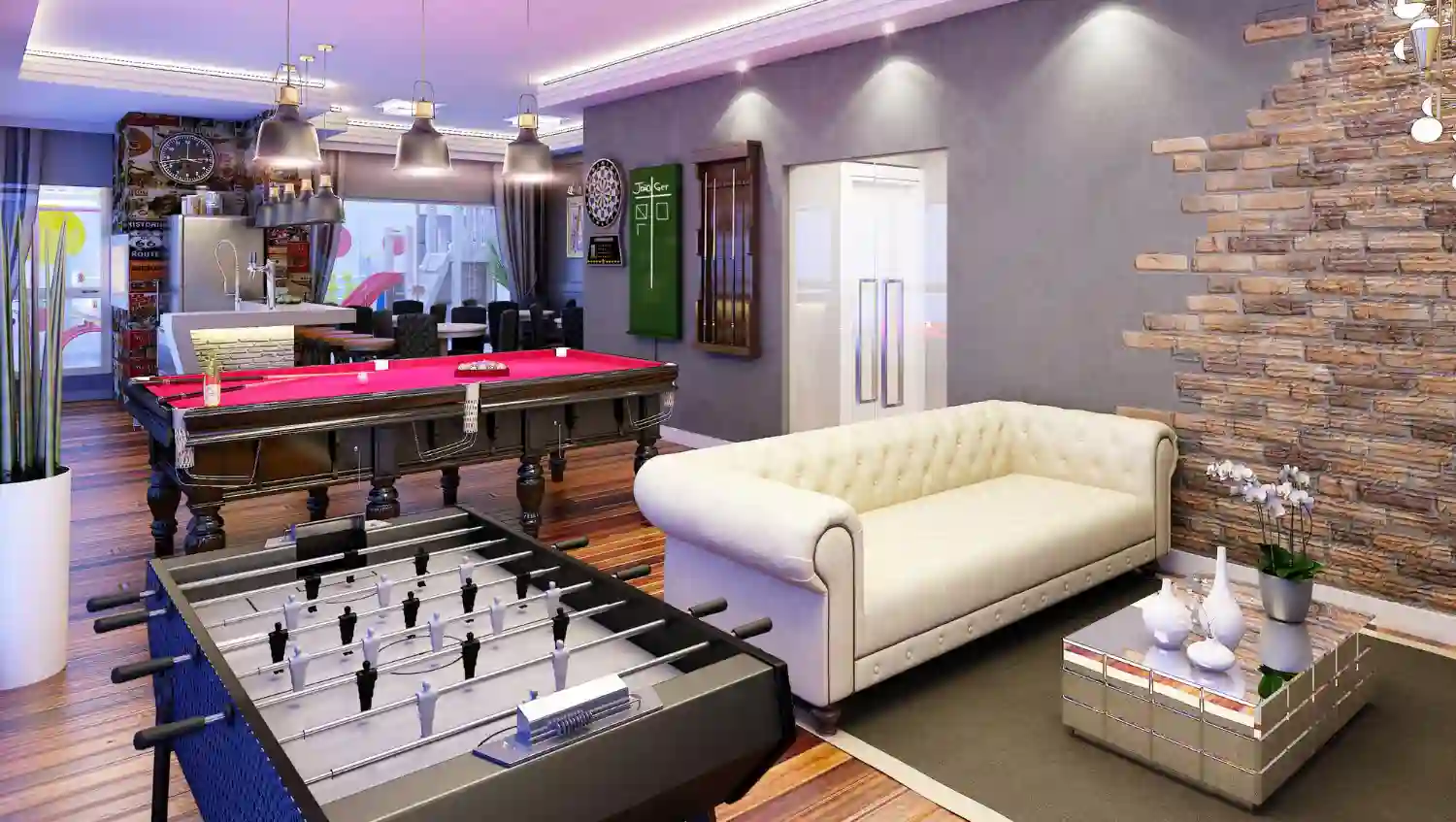
A sturdy secondhand dining table can handle cards, board games, hobbies, or snacks. Paint the base matte black, keep the wood top, and add stackable stools that move away when not needed. A removable felt mat gives poker night a dedicated surface without creating a single-use table. Leave the main walking route open. Specialized equipment can come later, including the larger clearance needs shown in these golf simulator man cave ideas.
12. Finish With One Affordable Statement Piece
One oversized clock, vintage sign, framed jersey, or plug-in LED artwork can finish the room. The piece should support the palette rather than introduce three new colors. Hang it at seated eye level near the main focal zone. Safety Note: Heavy wall decor needs fasteners suited to both its weight and the wall material; use a professional when the substrate or load is uncertain.
KEY TAKEAWAY: The highest-impact cheap upgrades improve comfort, light, organization, or visual focus before they add novelty.
What Should You Buy First With $100, $250, or $500?
A $100 plan should improve light and clutter: buy two warm LED bulbs, one thrifted lamp, cable covers, and matching bins. A $250 plan can add paint and a used rug. A $500 plan can include secondhand seating while keeping the rest simple.
The budget-friendly small man cave guide offers another path when both money and floor space are limited.
Man cave ideas on a budget are easier to control when each tier has one anchor purchase. Do not split $250 across ten small signs. Put most of it toward the item used every day, then reuse what already works. The wider Rooms collection offers more layout references for shared and converted spaces.
KEY TAKEAWAY: Give each budget tier one anchor upgrade, then use smaller purchases to support it.
What Will These Cheap Man Cave Upgrades Cost?
The ranges below are planning estimates for an already dry, usable room. Secondhand prices, room size, and local retail costs will change the total. Structural, electrical, plumbing, HVAC, and moisture work sit outside this decor budget.
| Project | Estimated Cost | Impact Level |
|---|---|---|
| Two lamps, LED bulbs, and cable covers | $40-$100 | High |
| Accent-wall paint and supplies | $60-$150 | High |
| Used rug, frames, and storage bins | $100-$300 | Medium |
| Secondhand seating plus the basic refresh | $300-$500 | Very High |
Best First Upgrade: Add one comfortable secondhand seat and two useful lamps before replacing working electronics.
Skip for Now: Delay built-in bars, custom cabinets, premium projectors, and large collections until the room proves how it is used.
Find more reuse-first planning in the Budget Decor archive, especially when the shopping list starts growing faster than the room plan.
KEY TAKEAWAY: A visible refresh can stay below $500 when the room shell and main electronics are already usable.
Where Do Cheap Man Caves Go Wrong?
❌ Buying many tiny novelty signs → ✅ Save for one larger piece that supports the room’s palette.
❌ Choosing the cheapest new chair → ✅ Compare a solid secondhand chair with better frame and seat support.
❌ Hiding dampness with rugs or panels → ✅ Correct moisture and ventilation problems before covering surfaces.
❌ Powering every device from one cord → ✅ Ask a qualified electrician about safe permanent power when outlets are inadequate.
KEY TAKEAWAY: Budget design fails when low prices replace checks for comfort, condition, scale, and safety.
Frequently Asked Questions
Conclusion
Man cave ideas on a budget are most effective when every purchase solves a real problem. Start with comfort, warm light, cable control, and storage. Paint and personal decor can then give the room character without forcing a costly theme.
Editorial field note: a garage corner with a folding chair, bare bulb, and scattered tools feels leftover. A used lounge chair, shaded lamp, matching crates, and one framed display create a clear retreat while the structure stays unchanged. Browse the Man Cave archive for more focused setups.