TL;DR
- Copy what a store charges for size, quantity or surface — a six-foot ghost, twelve matching bats, a painted finish.
- Buy what a store charges for a motor, a pump, a blower or an outdoor-rated cord. A still copy of a moving prop has nothing left in it.
- Dollar Tree works because $1.25 buys repetition. One object twelve times looks like a decoration; twelve different objects look like a junk drawer.
- Budget the finishing supplies before the base objects. Three moves near the end of this guide turn a cheap haul into one set.
The Shopping List Decides More Than the Tutorial
The honest problem with most Halloween craft advice, this site’s included, is that it recommends projects that are fun to make. Fun to make and worth making are two different tests, and only one of them shows up on a shelf in October. The best-looking tutorial is often the worst use of a Saturday.
DIY Halloween decorations are worth making when the store price is paying for size, quantity or surface treatment. A six-foot ghost costs a lot because it is big. A set of twelve bats costs a lot because there are twelve of them. Both are easy to copy at home for a fraction of the price. A fog machine costs a lot because of the pump inside it, and no amount of craft time replaces a pump.
Looking for more ideas? Explore our full guide to Halloween Ideas.
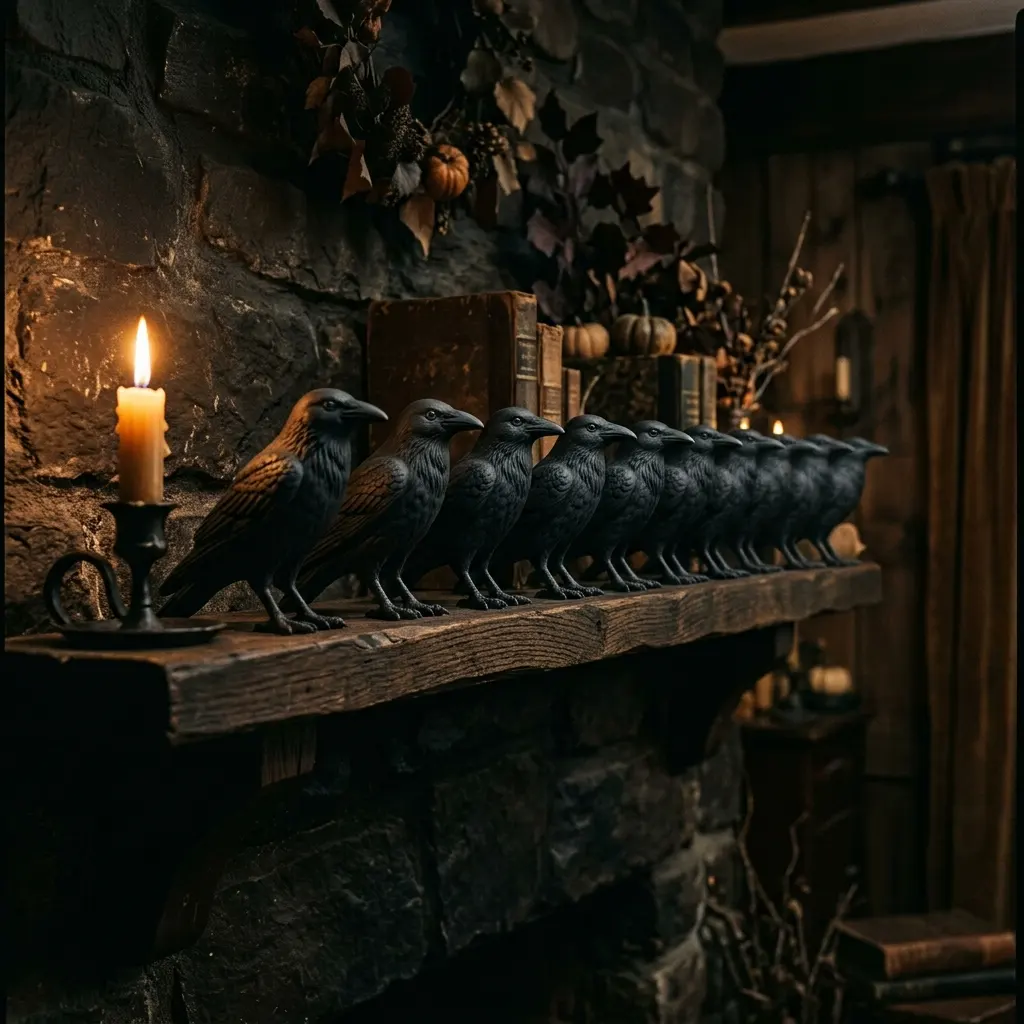
The arithmetic behind that is blunt. Dollar Tree’s base price is $1.25, so twelve matching plastic ravens cost about fifteen dollars — less than one mid-range store prop, and far more effective on a shelf.
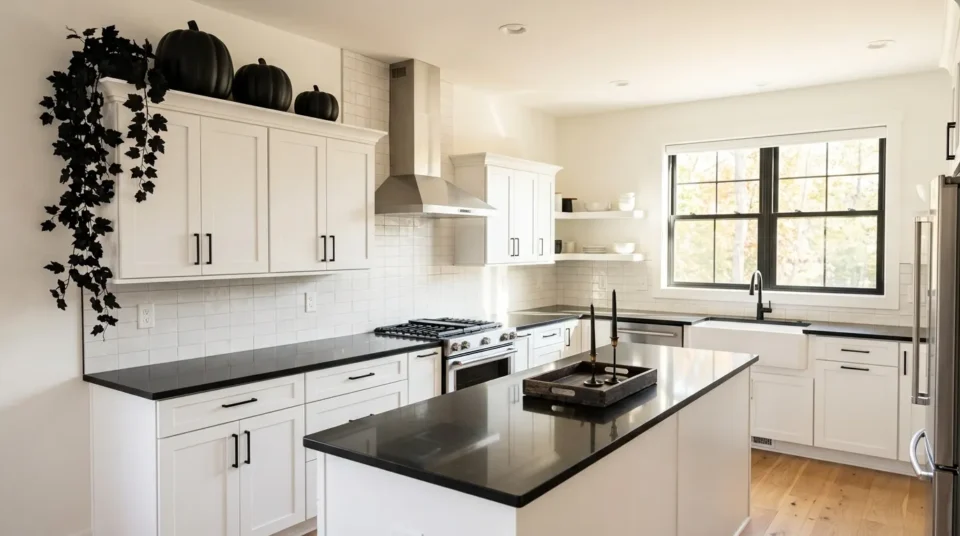
Editorial field note: A console table holding one carefully made papier-mâché skull and four random plastic pumpkins looks worse than the same table holding six matching black glass bottles and nothing else. The skull was the better object and the worse decision. Quantity did the work the craftsmanship could not, and that pattern runs through most of the seasonal projects in our home decor inspiration.
This guide sits above the individual project lists. It covers the decision layer: what a store price is actually buying, why the dollar aisle became its own category, what to buy somewhere else, when to paint, and what the whole thing costs. For finished project roundups and haul-by-haul breakdowns, the Halloween decorating archive is where those live.
✦ Free for readers
500+ Original Home Decor Images, Yours to Keep.
Curated room by room, high‑resolution and royalty‑free — created in‑house by 101HomeDecor, not stock. No attribution needed.
Free forever · about one email a month
Store Props Got Big, and the Craft Aisle Followed
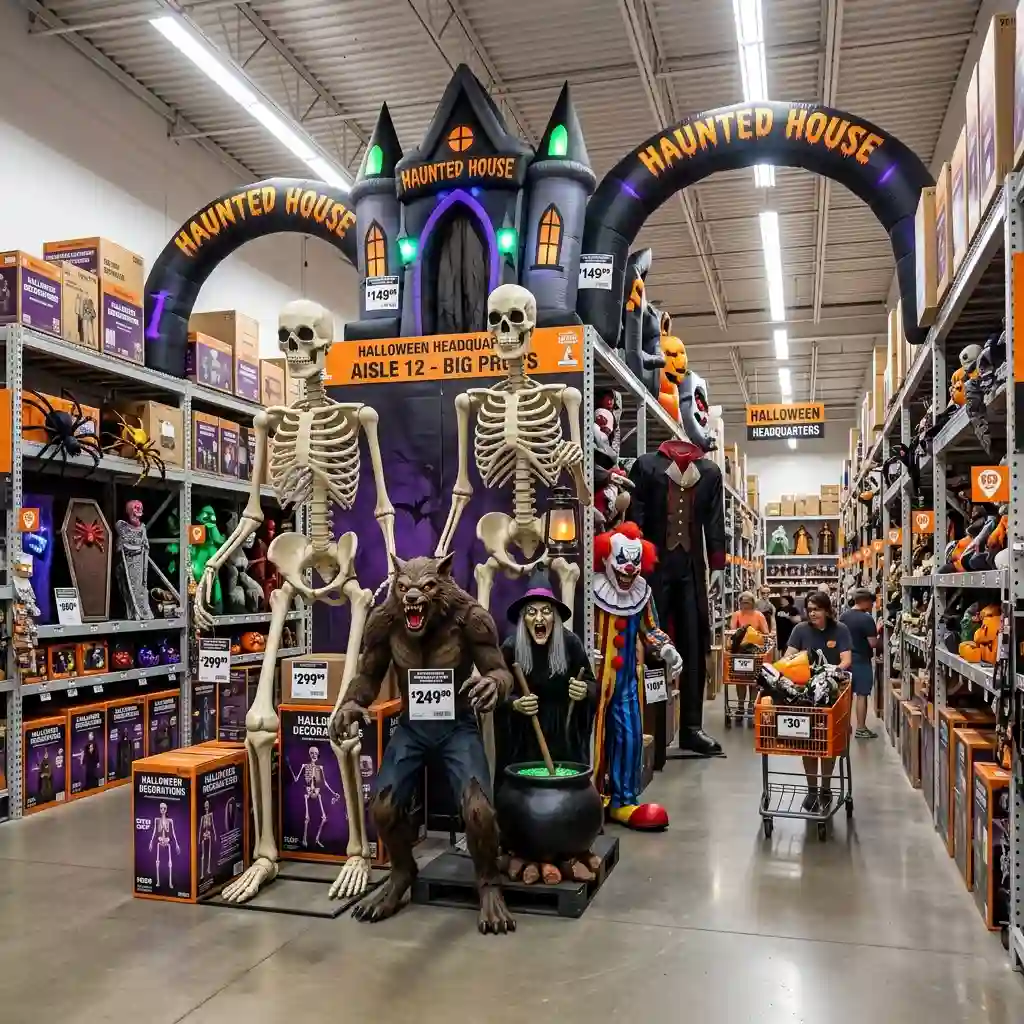
Halloween retail spent the last few years scaling up. Twelve-foot skeletons, eight-foot inflatable arches and lit animatronics turned the front of a house into a size competition, and the price tags followed the height. That created an obvious gap. A giant object is mostly air, fabric and PVC pipe, which are three of the cheapest things in a hardware store.
The dollar-store response grew at the same time, from the opposite direction. Instead of one huge object, it offers many small identical ones. Both answers work because Halloween decorating rewards scale, and scale comes from either one big thing or many repeated things.
Signs This Is Catching On:
Dollar Tree has kept $1.25 as its primary price point while adding higher price points above $1.25 in more than 6,000 stores, and seasonal décor is one of the categories that got the widest range. The cheap aisle and the not-quite-cheap aisle now sit side by side.
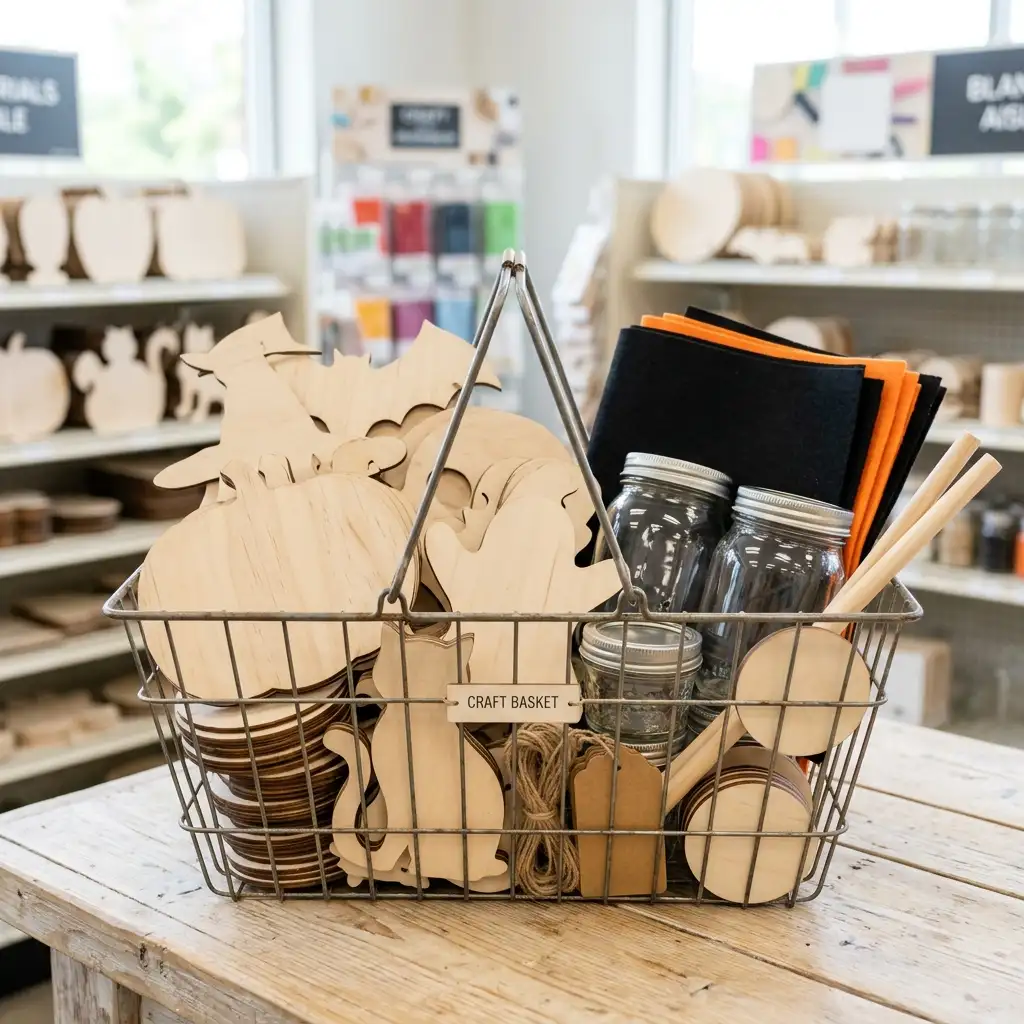
Bare craft bases — blank wood cutouts, undyed cheesecloth, plain glass bottles, unfinished lanterns — now get their own seasonal endcap rather than hiding in the year-round craft section. Our DIY fall decor guide uses the same bases in a harvest palette. Retailers only stock blanks when people are finishing things themselves.
Big-box Halloween has moved toward props priced by mechanism: a motor, a projector, a sound module. Those are the exact items nobody tries to copy, and the split is visible in the aisle layout.
Halloween is now the biggest making season after Christmas, which is why it sits alongside the rest of our seasonal decorating ideas rather than off to one side.
What Is a Store Price Actually Paying For?

Pick up any Halloween item you are tempted to copy and ask one question: what is this price actually buying? Every Halloween price is carried by one of two things. It is carried by physical stuff — size, quantity, surface treatment — or it is carried by an engineered part, meaning a motor, a pump, a blower, a speaker or a weather-rated electrical cord.
That single question sorts almost every project. Physical stuff is copyable, because a craft table can produce size, quantity and surface. Engineered parts are not, because a craft table cannot produce a motor. Most disappointing DIY Halloween decorations are copies of the second kind, made still, and a still copy of a moving object has lost the only thing it had.
You will find the same test working under most of the projects in our DIY decorating ideas, seasonal or not. It is the fastest filter there is.
Size, Quantity and Surface Are Easy to Copy
Size is the cheapest thing to fake. A six-foot ghost is a length of cheesecloth over a tomato cage and a foam ball, and the cage is the expensive part at about eight dollars. A four-foot spider is PVC pipe and pool noodle. Nothing structural is happening, so nothing structural has to be bought.
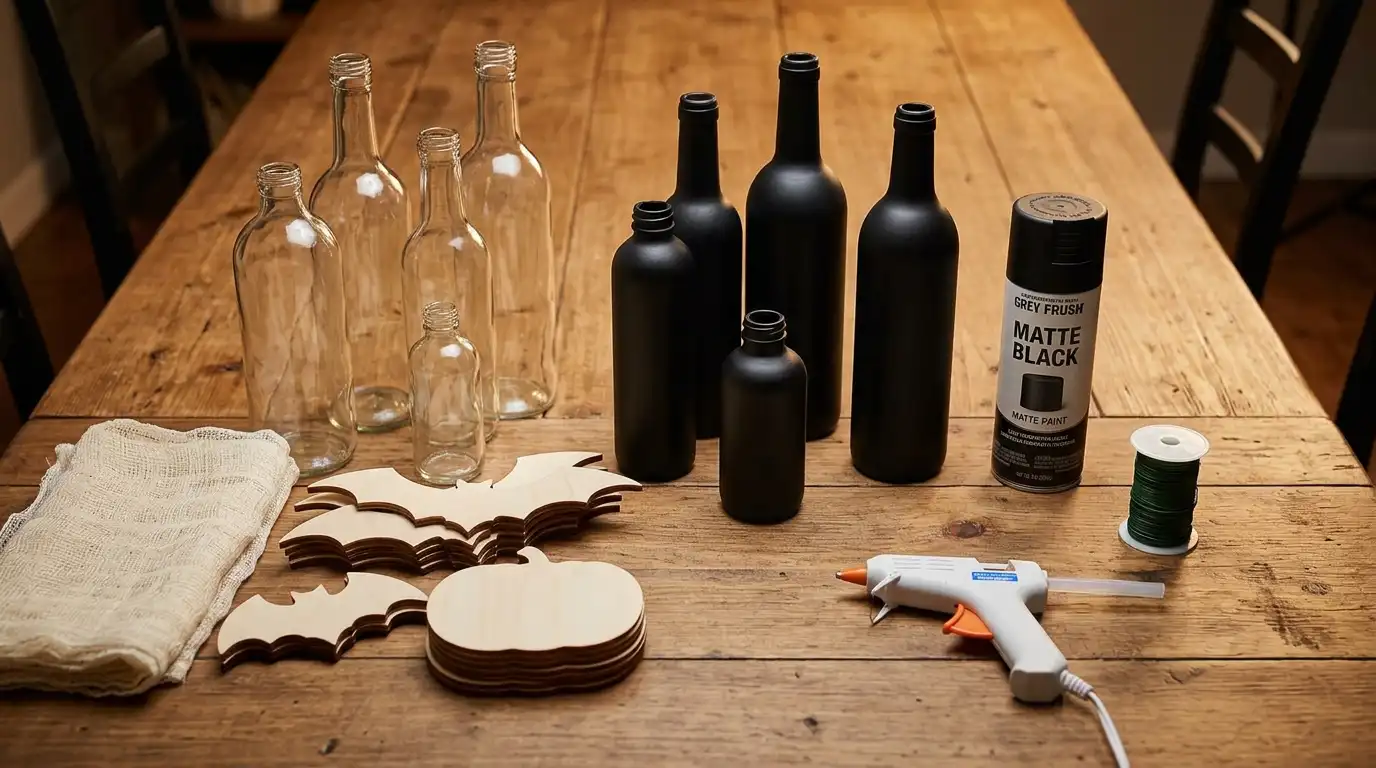
Quantity is the second copyable thing. Nine matching bats cost nine times almost nothing, and a swarm across a stair wall is one of the strongest Halloween effects available at any price. Surface is the third. A shiny orange plastic bottle and a matte charcoal one are the same object with two dollars of paint between them.
DESIGNER TIP: Lay the whole haul out on the driveway before you paint anything and remove the two objects you like least. A set of ten matching pieces looks better than twelve where two are almost-matching.
Motors, Blowers and Outdoor Wiring Are Not
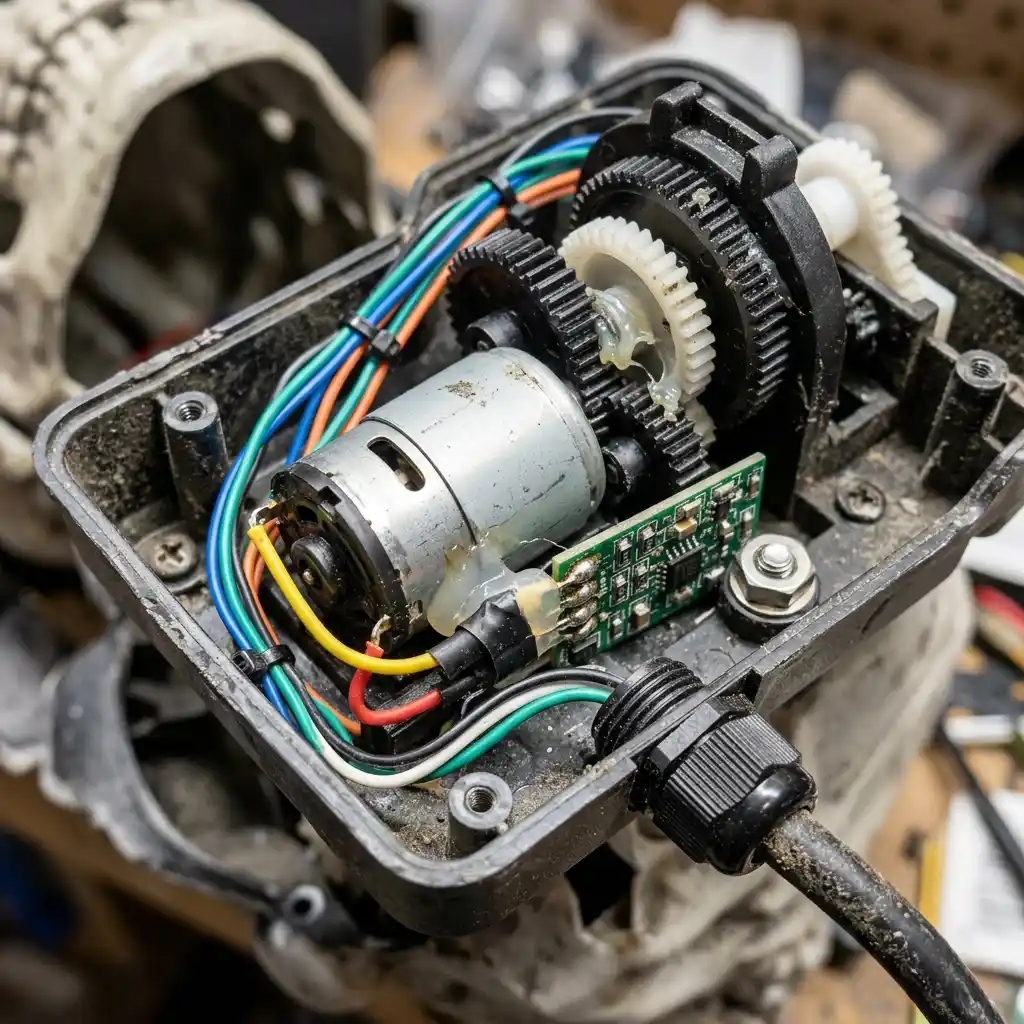
Anything that moves, glows on a timer, blows air, projects an image or plays a sound is priced by its mechanism, and the mechanism is the reason it works. A homemade version of a rising ghost that does not rise is just fabric on a stick. Buy those, buy them once, and buy them outdoor-rated if they live outside.
Weather ratings are the second thing you cannot make. An extension cord rated for indoor use is not a cheap version of an outdoor one — it is a different product, and October rain is the test.
Safety Note: Spray only outdoors or in a garage with the door open, and light anything you make from cheesecloth, paper or dried stems with battery tea lights rather than flame.
What Makes Dollar Tree Its Own Category?
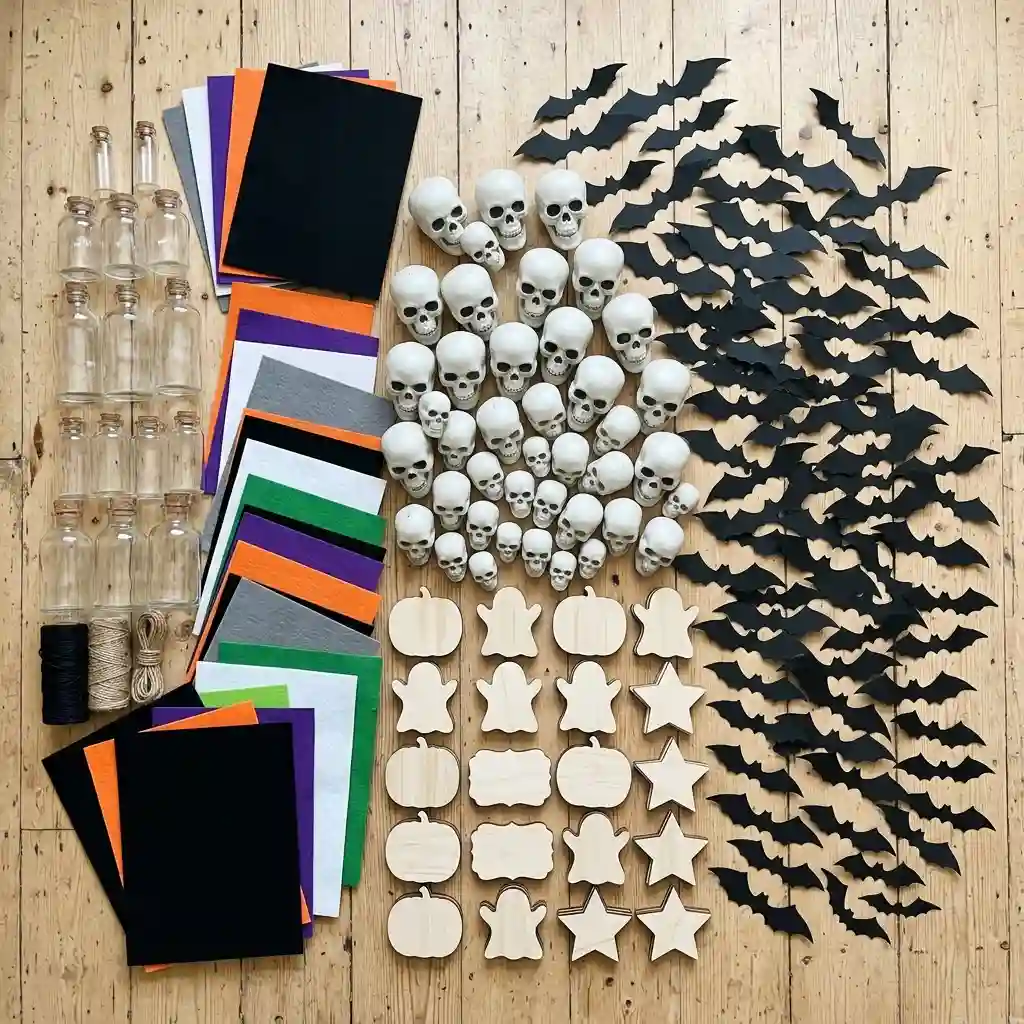
Dollar Tree stopped being a place people mention and became a genre of project, and the reason is arithmetic rather than loyalty. A craft store sells you one good object for fifteen dollars. Dollar Tree sells you twelve mediocre ones for the same money. Halloween runs on repetition, so the twelve mediocre ones win almost every time.
This is the opposite of how the rest of the year works. In March, one good ceramic vase beats twelve cheap ones. In October, a row of nine identical black bottles along one shelf beats a single beautiful apothecary jar, because the repeat is the effect. The same logic drives the best of these cheap Valentine’s Day decorations, where the count matters more than the individual piece.
Source Note: Dollar Tree now runs price points above $1.25 in thousands of stores, so a basket of “dollar store” items can quietly land at $4 or $5 each. Check the shelf label, not the reputation.
What Does the Dollar Aisle Do Well?
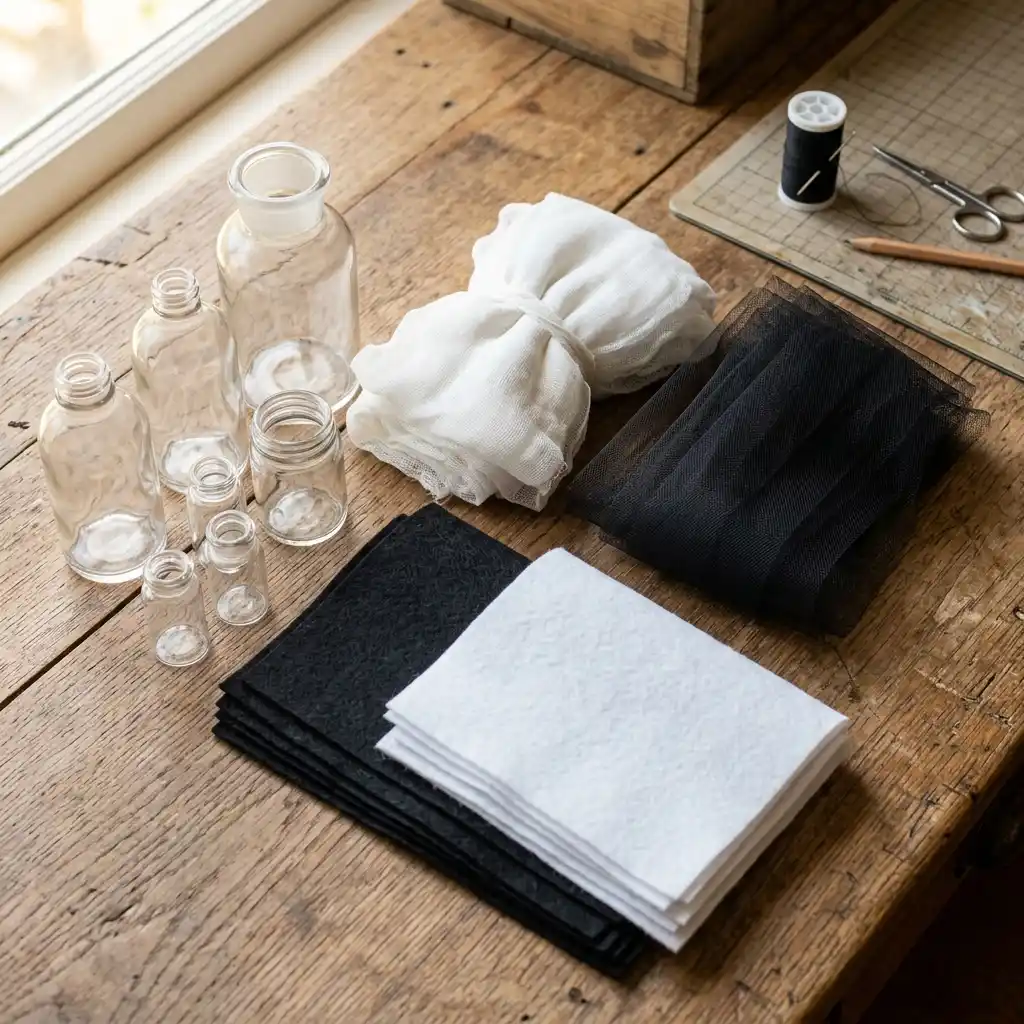
The dollar aisle is excellent at base forms — objects you intend to change. Plain glass jars and bottles, blank wood cutouts, plastic skulls, foam pumpkins, cheesecloth, tulle, pool noodles, wire wreath rings, felt sheets and plastic ravens all take paint and glue well and cost almost nothing per unit. Wire rings are the starting point for our Halloween wreath ideas, and foam pumpkins for the no-carve methods in our pumpkin decorating ideas.
It is also good at anything you need in a set of six or more. Nine plastic ravens, twelve bats, six bottles, eight small frames. Buy the whole set in one trip, because seasonal stock does not come back once it clears.
Felt deserves a specific mention. It cuts with scissors, needs no hemming and holds a shape, which is why it turns up in so many good projects — the same reason these felt flower craft ideas work for people who do not sew.
What Should You Buy Somewhere Else?
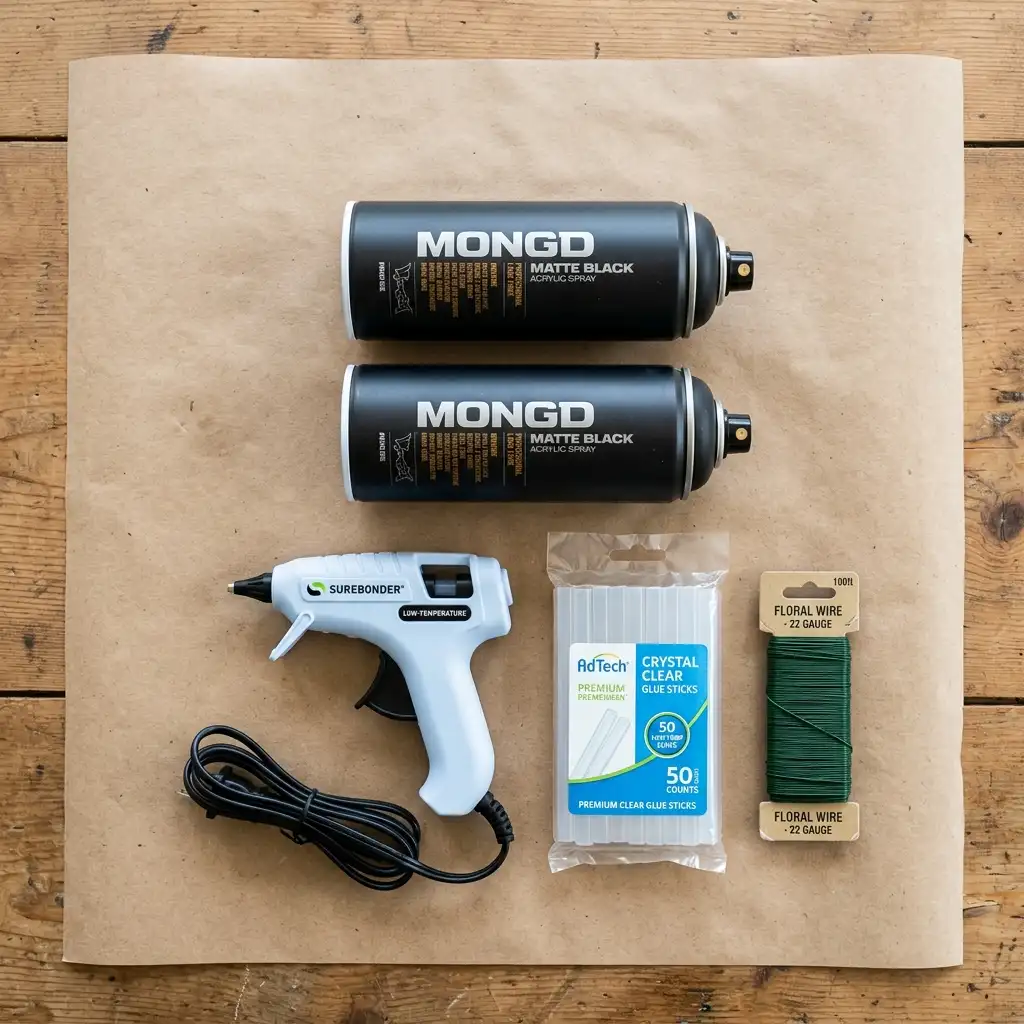
Adhesive, paint and anything structural should come from a hardware or craft store. Dollar-store glue sticks and craft paint are the most common reason a finished project falls apart or looks patchy, and they are the cheapest part of the budget to upgrade.
Material Note: Surebonder puts a standard hot glue gun at roughly 380°F and a low-temperature gun at roughly 300°F, with the low-temp version made for delicate materials such as foam and fabric. That is most of what the dollar aisle sells.
Skip dollar-store spray paint entirely. Coverage is thin, so you use three cans where one good can would do, and the finish stays tacky. Two cans of proper matte black cost around twelve dollars and will pull an entire haul together. There is more on where to spend and where to save in our budget decorating ideas.
October Is the Worst Month to Paint Anything
Spray paint is the most weather-sensitive step in Halloween crafting, and October is exactly when the weather stops cooperating. A gritty, chalky or tacky finish is almost never a technique problem. It is a temperature problem, and it is the single most common reason a homemade piece looks homemade.
Source Note: Krylon advises applying spray paint when the temperature is between 55°F and 75°F and relative humidity is below 60 percent, because paint applied outside that range can set too quickly and trap air bubbles. Most of its finishes are dry to the touch in 20 to 25 minutes and ready to handle in about an hour.
The practical version: paint in early September, or paint at midday in a garage with the door open. Do not paint at 8am in mid-October and expect a clean matte surface. This is also why many people move the job indoors and switch to no-spray finishes entirely, the way these spring upcycling crafts handle it.
Turning a Cheap Haul Into One Set
A bag of dollar-store objects is not a decoration. Three moves turn it into one.
- Sort by shape before you paint. Group the haul into tall, round and flat. Anything that does not belong to one of those three groups goes back in the bag. A display built from nine tall bottles and three round forms looks planned. A display of one of everything looks like a shelf clear-out.
- Give the whole group one shared treatment. One can of paint across every object in a group is what turns fifteen unrelated purchases into a set. It matters less which finish you choose than that every piece in the group gets the same one. Cutting machines do the same job on flat pieces, which is why these Christmas Cricut decor ideas hold together so well as a group.
- Buy the count before you buy the object. Decide you need nine of something first, then walk the aisle looking for the cheapest thing there are nine of. This is the reverse of how everyone shops, and it is the whole reason a $15 haul can outperform a $60 prop.
The Real Price of a $1.25 Project
A homemade Halloween is genuinely cheap, but the money moves to a place most people do not budget for. The base objects are the cheap half. The finishing supplies are the half that decides whether the result looks like a set or a pile.
| Project | Estimated Cost | Impact Level |
|---|---|---|
| Dollar-store base haul (12-16 objects for one grouped display) | $15-$20 | High |
| Finishing supplies (2 cans matte spray paint, low-temp glue sticks, floral wire) | $18-$30 | Very High |
| Six-foot cheesecloth ghost (tomato cage, foam ball, 5 yards cheesecloth) | $20-$35 | High |
| One thrifted glass or brass piece to lead the group | $10-$25 | Medium |
| Bought instead of built: fogger, projector or lit animatronic | $60-$250 | High |
Best First Upgrade: Two cans of good matte spray paint at around twelve dollars, because they are the cheapest thing that changes every object you already own.
Skip for Now: A second dollar-store trip for more variety. Variety is the problem, not the fix.
The same spend pattern shows up across autumn projects generally, and it is worth reading alongside these fall and autumn decor ideas if you are decorating from September through November.
Are DIY Halloween Decorations Actually Cheaper?
Not in year one. Once you count the paint, the glue, the wire and the Saturday, a set of nine painted bottles costs roughly what nine decent store-bought ones cost. The saving arrives in year two, when the objects come back out and only the arrangement changes.
That is the real case for making things. Painted glass, wood cutouts, wire forms and felt survive storage indefinitely. Paper, cardboard, untreated foam and anything hot-glued at the wrong temperature do not. Build the reusable half and buy the disposable half, the same way these felt Christmas decorations get pulled out again every December instead of being remade.
Cheap Materials Are Not the Reason Projects Fail
Most failures are not craft failures. They are decisions made before anything was cut, and the same six turn up again and again.
Starting with the hardest project is the most expensive mistake in the list. People build the six-foot ghost first, lose the whole weekend to it, and never make the twelve small pieces that would have carried the display. Build the repeatable things first and treat the showpiece as the reward.
Using a standard hot glue gun on foam and thin plastic ruins the object immediately. The foam pits, the plastic warps, and the join still fails. A low-temperature gun costs about ten dollars and solves it permanently.
Buying one of everything instead of many of one is the shopping mistake that undoes a whole haul. Fifteen different objects have no repeat in them, so nothing on the shelf points at anything else.
Making outdoor pieces from indoor materials ends the project at the first rain. Paper, cardboard, untreated cotton and raw foam are all indoor materials. Outside, use plastic, coated wire, treated wood or nothing.
Copying a prop whose entire effect is the mechanism leaves you holding the shell. A motionless version of a moving figure, or an unlit version of a lit one, is not a budget alternative — it is a different and much worse object.
Spending the whole budget on base objects leaves nothing for the supplies that pull them together. Forty items and no paint is the single most common way a fifty-dollar haul ends up looking like a fifty-dollar haul.
Here is the short version of everything above, in the order you will need it.
| Quick Takeaways | |
|---|---|
| Sort first | Copy size, quantity and surface. Buy motors, blowers and outdoor cords. |
| Quantity | Nine of one object beats one of nine objects, every time. |
| Dollar aisle | Excellent for base forms; poor for glue, paint and anything structural. |
| Paint window | 55°F to 75°F, humidity under 60 percent, ideally early September. |
| Glue | Low-temp gun near 300°F for foam and thin plastic, not the 380°F standard. |
| Outdoors | Plastic, coated wire or treated wood only. Paper and raw foam stay inside. |
| Payback | Making it saves money in year two, not year one. |
Five Decisions That Come Before the First Cut
- Decide indoor or outdoor first, because it eliminates half the materials before you shop.
- Count the objects you need for one grouped display — aim for six to twelve of the same thing.
- Set aside $18 to $30 for paint, glue and wire before you spend anything on base objects.
- Check the ten-day forecast for one afternoon between 55°F and 75°F, and book the painting into it.
- Pick one surface and finish it completely before you start a second.
KEY TAKEAWAY: Finishing one surface properly beats spreading the same budget across four rooms.
Can You Do Anything Useful in Two Hours?
Cut the project count to one and raise the object count. Two hours is enough to paint twelve dollar-store objects matte black and line them up on one surface, and that will outperform a single elaborate piece built over the same time. Skip anything that needs to dry twice.
Rental Note: Use removable adhesive hooks or a length of black cord strung between two hooks for bats and garlands, and keep all of it off painted walls that a lease covers.
If two hours is really all you have, buy the base objects pre-coloured rather than painting them. It costs a little more per piece and removes the only step that depends on weather.
Related Halloween and Craft Ideas:
- Beautiful Wall Hanging Craft Ideas to Elevate Your Gallery Wall
- Elegant DIY Floral Wall Hangings That Will Transform Your Room
- 12 Upcycled Valentines Day Decorations You Will Proudly Display
Frequently Asked Questions
Conclusion
The one thing worth carrying out of this is the sorting question: is the store charging for the size of the thing, or for the machine inside it? DIY Halloween decorations built on the first answer almost always work, and the ones built on the second almost never do. There is more seasonal making and budgeting across our home decorating ideas.