
TL;DR
These 12 home gym man cave ideas focus on flooring, lighting, mirrors, and storage — the choices that turn a garage, basement, or spare room into a real gym instead of storage with a rack in it. Start with rubber flooring and one storage wall, add layered LED lighting and a safety-glass mirror, then budget for a rack upgrade and a turf lane once the basics are solved.
Why Home Gyms Turn Into Expensive Storage Rooms

Most home gym advice starts with equipment — a rack, a bench, a bar. That’s how so many garages end up with a full setup nobody uses: a treadmill buried under laundry, a bar shoved against moving boxes, one bare bulb overhead lighting the whole room.
If you’ve bought the gear and still avoid the room, you’re not alone. The right home gym man cave ideas fix the room first, not just the rack.
Editorial field note: A one-car garage with painted concrete floors and a single overhead bulb reads like storage, even with a full rack inside it. Rubber flooring, one mirror wall, and warm LED strips over the rack turned that same footprint into a room people used every day, without moving a single piece of equipment.
This guide walks through 12 ideas covering flooring, lighting, storage, and layout — the choices that make the equipment easier to use, not just harder to ignore. For more themed layouts, see the full man cave theme ideas guide. Each idea below covers what to buy, why it works, and roughly what to budget. For more room inspiration beyond this one, browse our full home decorating library.
Bookmark this guide for quick reference.
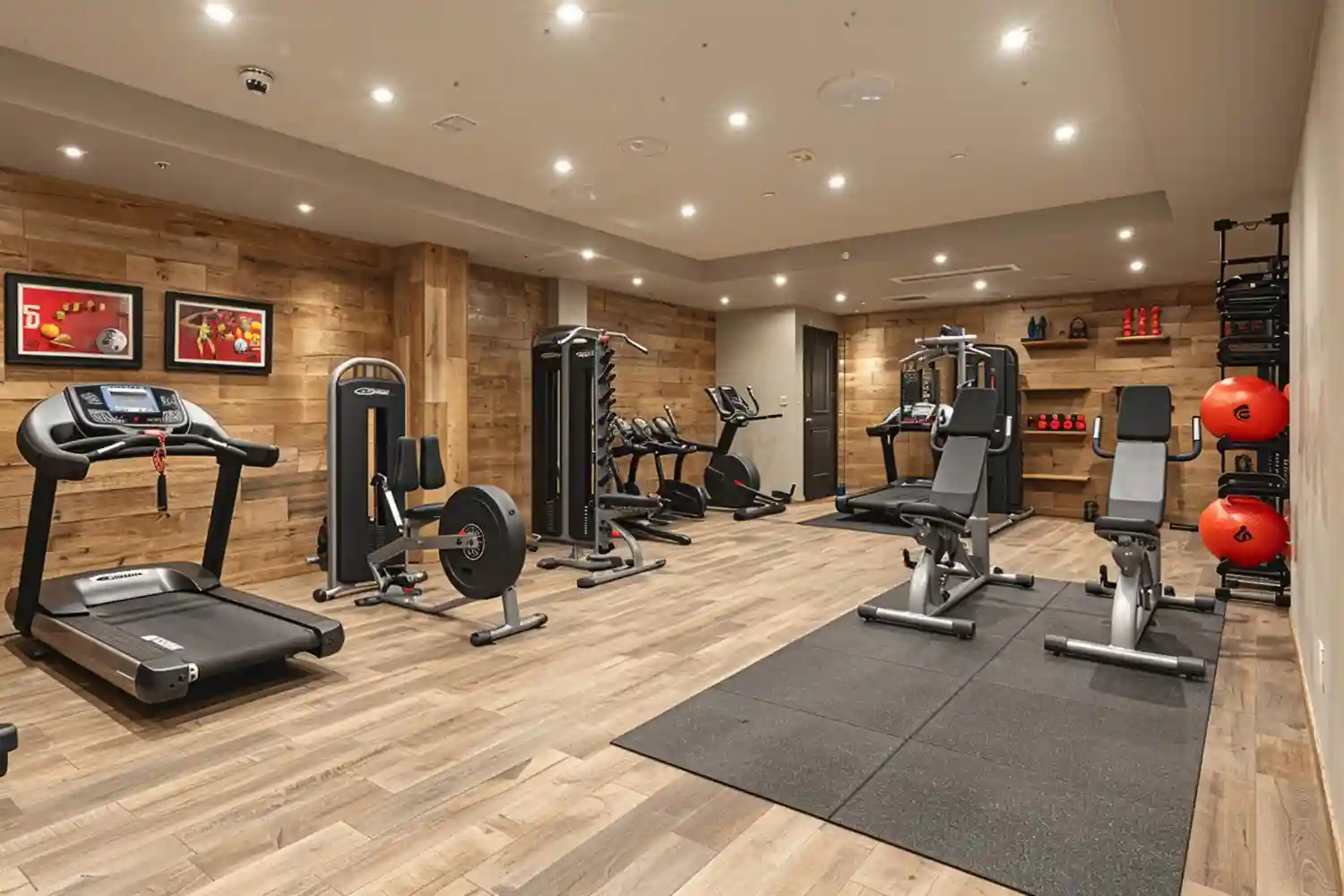
Home gym man cave ideas work best when the room does two jobs at once — real training space and a place worth walking into. The strongest setups start with rubber flooring, one dedicated storage wall, and lighting that doesn’t wash out a mirror. Add one accent color and a focal wall, and the room stops looking like a garage with weights in it.
| Quick Takeaways | |
|---|---|
| Flooring | 3/4-inch rubber tiles handle dropped weights and protect concrete. |
| Mirror | A 48×84-inch safety-glass panel covers most compound lifts. |
| Lighting | Layered LED strips parallel to the mirror remove shadow lines. |
| Storage | One slat-wall keeps plates, bands, and mats off the floor. |
| Climate | A dehumidifier near 45-50% humidity protects steel from rust. |
| Layout | Reserve 12 inches of flooring past the rack on every side. |
12 Home Gym Man Cave Ideas Worth Building
These 12 home gym man cave ideas build on the basics from our 25 man cave ideas for a personal sanctuary guide, focused specifically on training space rather than a general room refresh. Each idea below answers what it is, why it works, and how to build it.
What Flooring Works Best for a Home Gym Man Cave?

Rubber flooring is the foundation of any home gym man cave. Interlocking tiles at 3/4-inch thickness handle dropped barbells and Olympic lifts without cracking the concrete underneath, while thinner 3/8-inch mats work fine under cardio machines. Rubber runs $2 to $5 per square foot for tiles, or less for horse-stall mats cut to fit. Material Note: 3/4-inch to 1-inch rubber is the standard recommendation for any area that takes dropped weight, according to Greatmats’ flooring thickness guide. Designer Tip: Extend flooring 12 inches past your rack’s footprint on every side — that’s where plates and dumbbells actually land.
What Size Mirror Should a Home Gym Man Cave Use?
A 48×84-inch mirror covers most compound lifts, letting you check squat depth and overhead press form without cropping your feet or the bar. Smaller rooms can use a 36×72-inch panel instead. Safety Note: Gym mirrors should use 1/4-inch glass with a Category II safety backing so the panel won’t shatter into sharp pieces if it ever cracks, per Dulles Glass’s installation guide. Mount the bottom edge about 12 inches off the floor and secure the panel on a J-channel base, not adhesive alone.

A Matte Black Motivation Wall
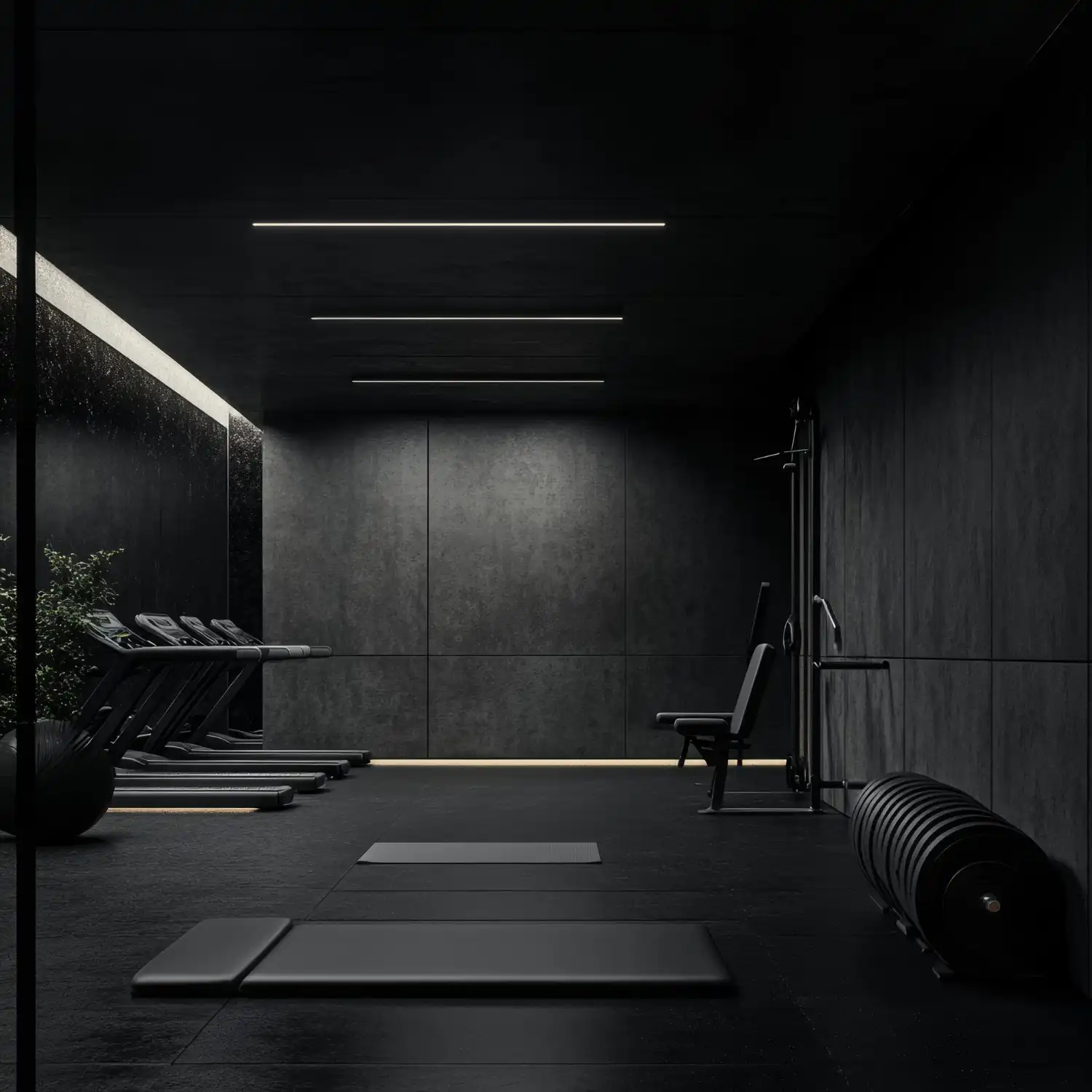
One matte black or deep charcoal wall behind the rack gives the room a clear focal point and hides scuffs better than bright white paint. Pair it with one line of bold typography or a simple decal instead of covering every surface. The dark backdrop makes chrome plates and a brushed-steel rack read as gear, not clutter. Keep the other three walls lighter so a low ceiling doesn’t feel closed in.
Slat-Wall Storage for Every Plate and Band
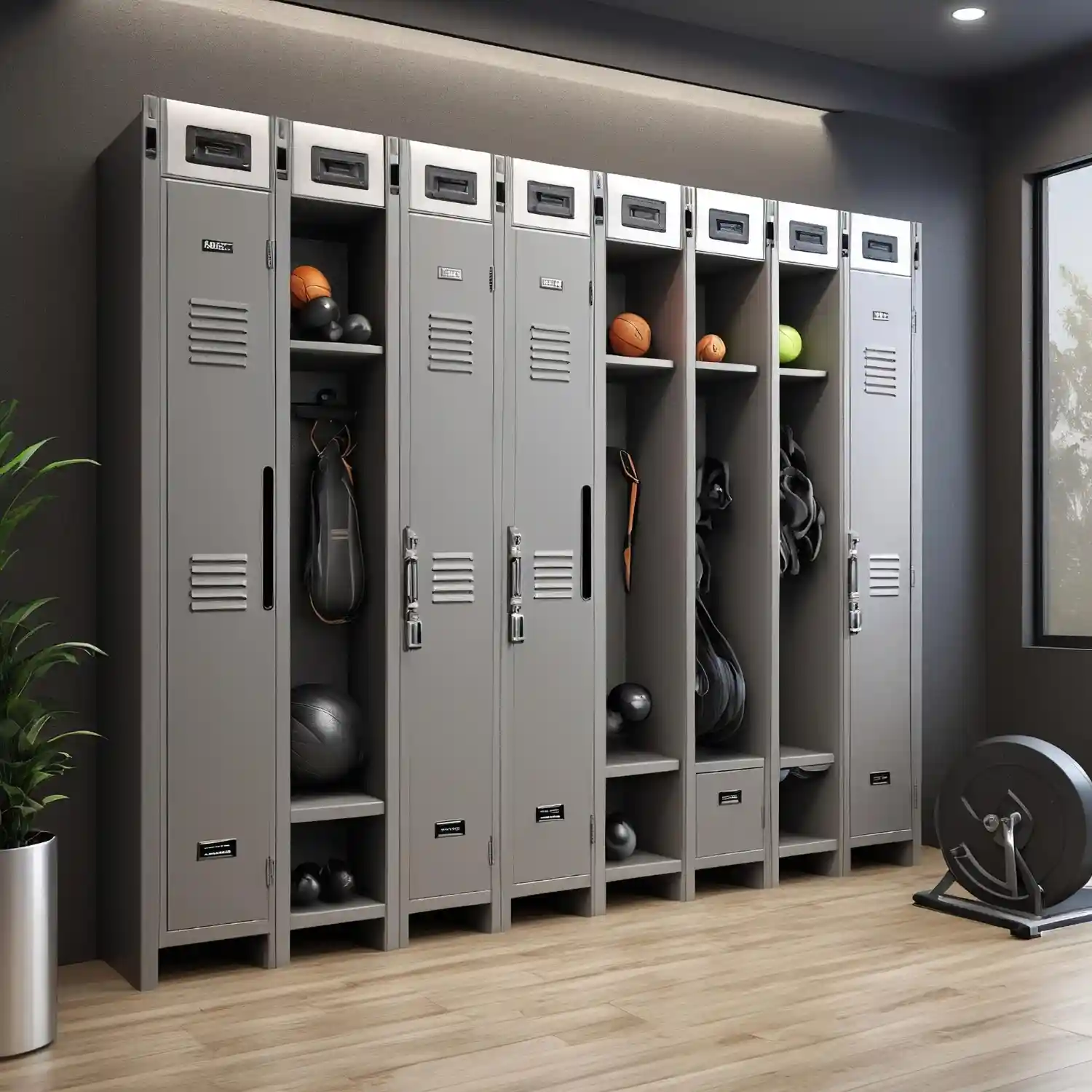
A slat-wall or pegboard section keeps plates, resistance bands, and jump ropes off the floor, which is the single biggest thing separating a home gym man cave from a storage unit with weights in it. Add hooks for bands, a horizontal rack for bars, and open bins for smaller accessories. Floor clutter is the fastest way a clean setup starts looking neglected again within a month.
Layered LED Lighting for Every Lift
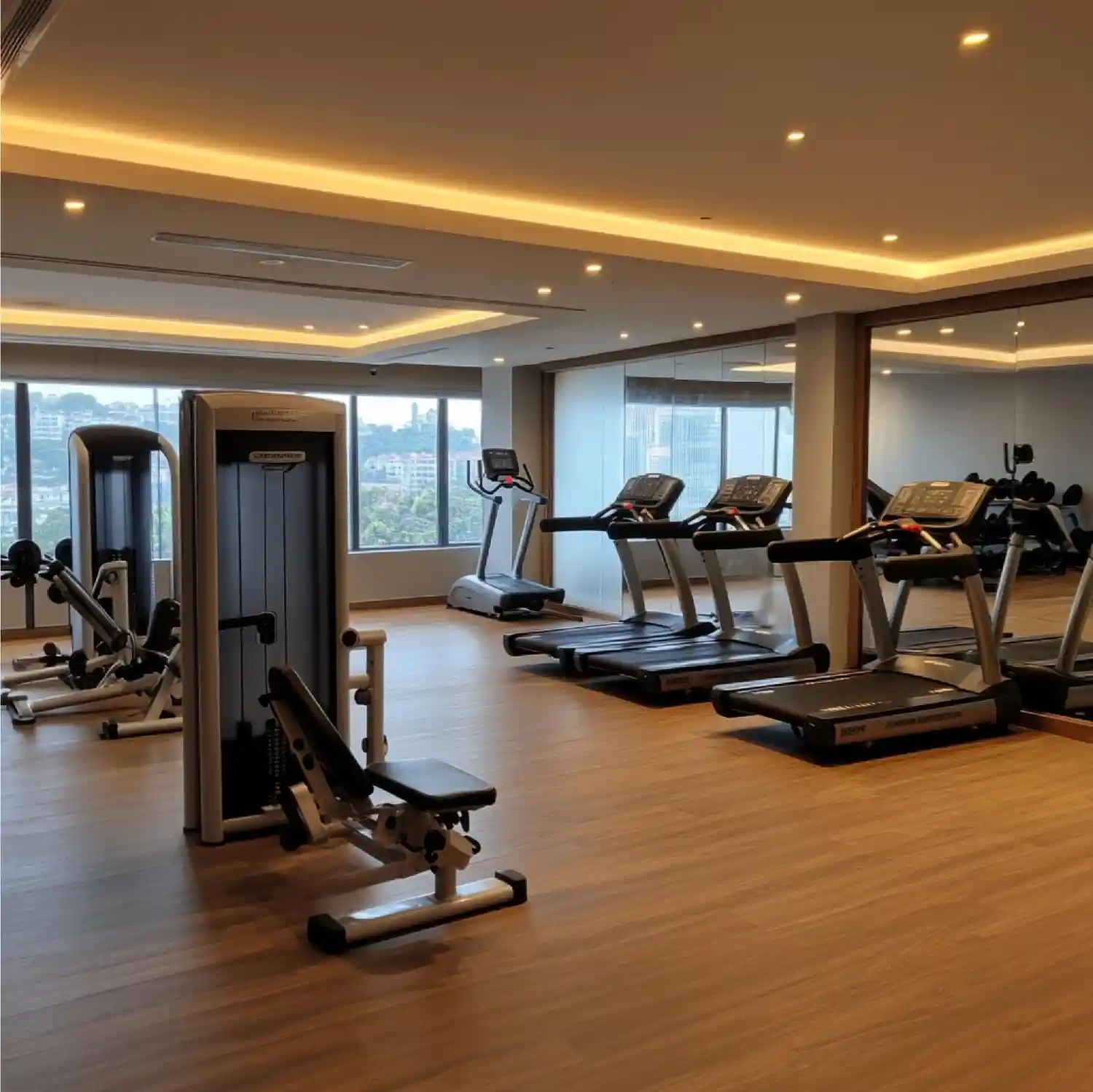
LED track lighting or strip lighting produces even light without the harsh shadows a single overhead bulb throws across a lifting platform. Cooler white light near 5000K works well over the rack and mirror for energy and focus, while a warmer 2700-3000K lamp in a recovery corner feels calmer for stretching. Designer Tip: Mount one LED strip parallel to the mirror, not perpendicular — cross-lighting creates shadow lines that make form checks harder to read.
A Turf Lane for Sled Pushes and Mobility Work
A strip of artificial turf, roughly 3 to 4 feet wide, gives you a dedicated lane for sled pushes, mobility drills, and stretching without tearing up rubber flooring. Rooms with enough depth for a mat and a screen can also borrow layout ideas from a golf simulator room man cave, which uses similar projector and flooring logic in a comparable footprint. Turf works as a visual break between the lifting zone and everything else in the room.
How Do You Add a TV to a Home Gym Man Cave Without Wasting Space?
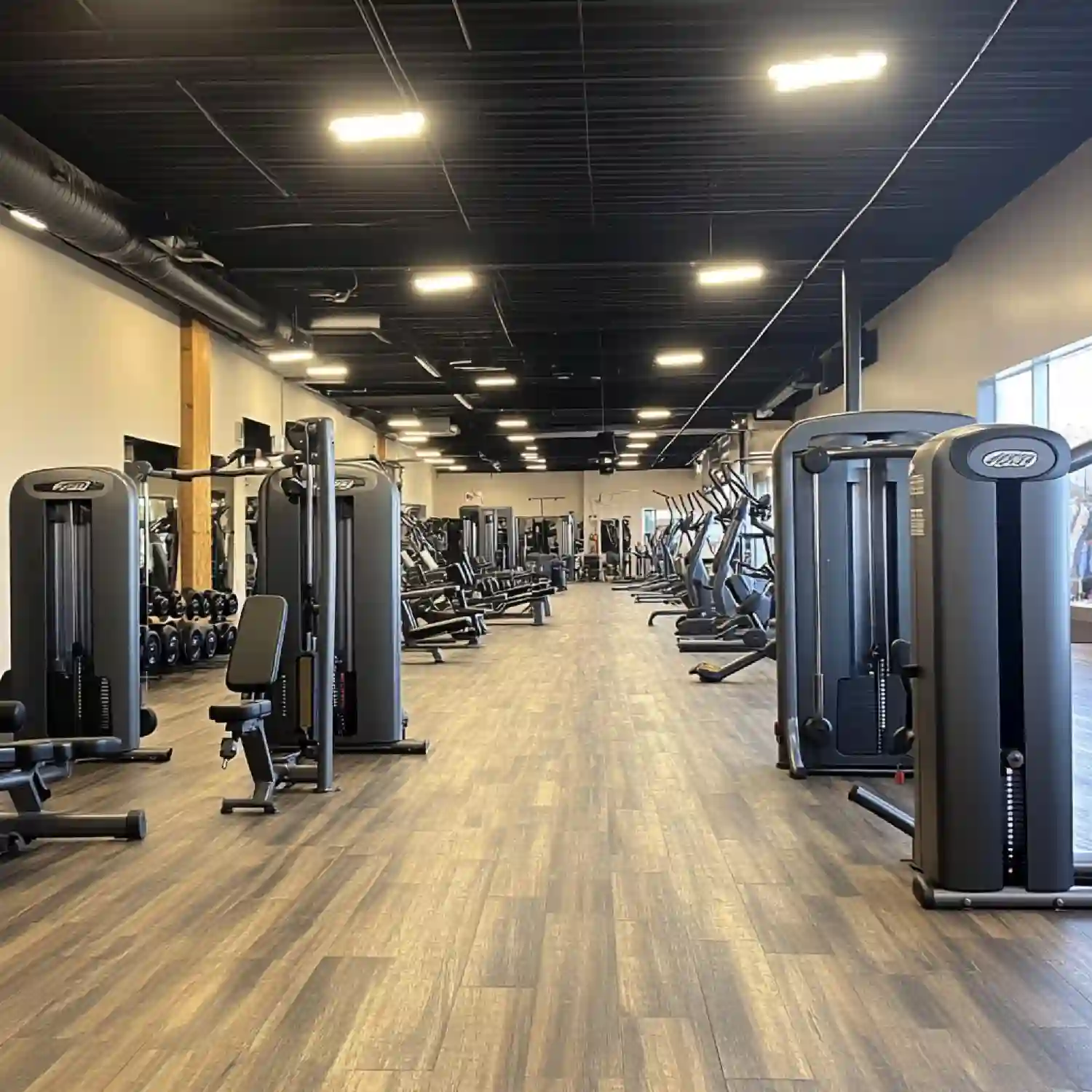
A single wall-mounted TV or tablet arm placed opposite the cardio equipment covers most media needs without eating floor space. Pair it with a compact soundbar rather than full surround sound, since most home gyms don’t have the depth for proper speaker placement. If your room needs to flex between workouts and a project station, borrow layout ideas from man cave office ideas that balance productivity and comfort for the desk-and-storage side of a dual-purpose space.
How Much Ceiling Height Does a Home Gym Man Cave Need?
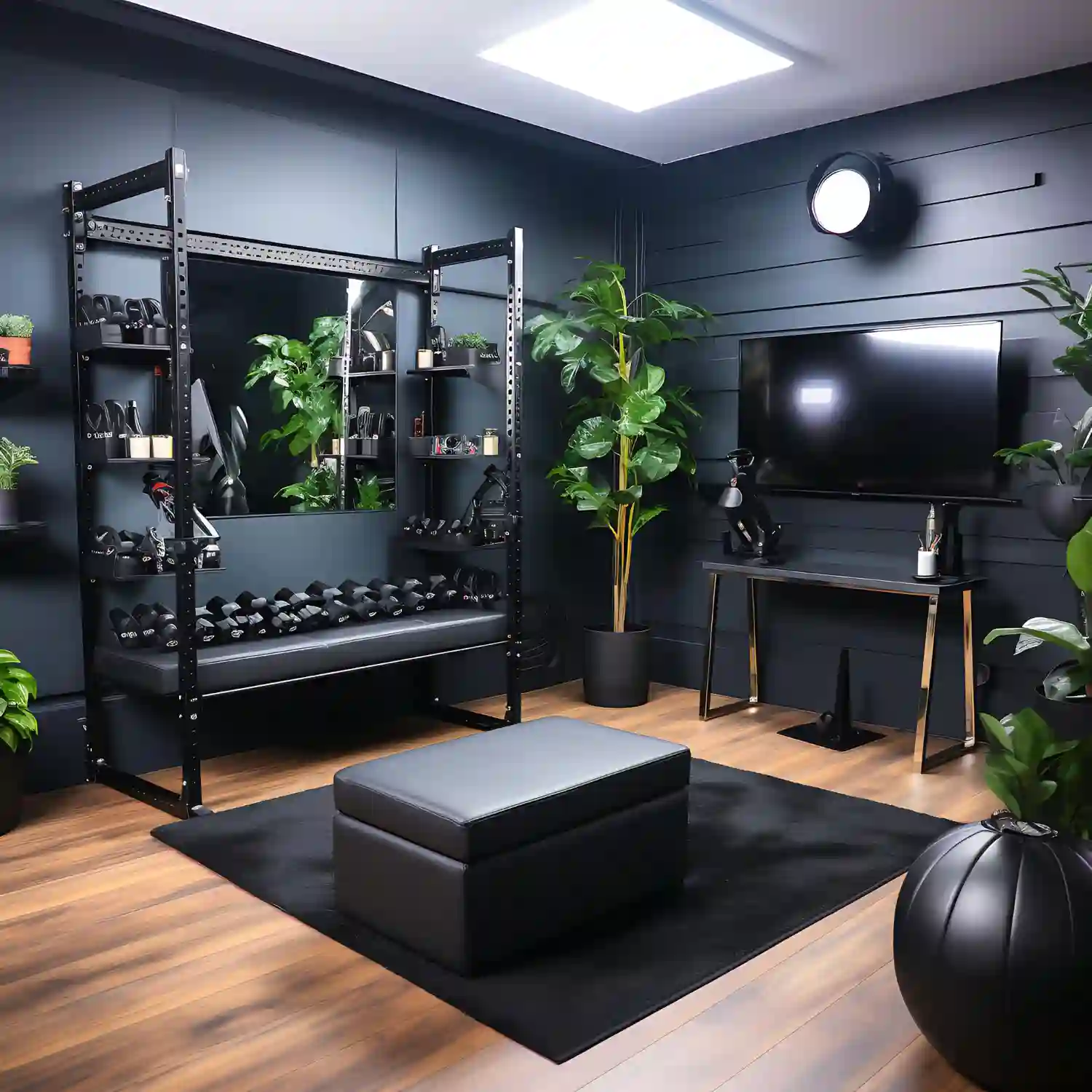
A ceiling height of 8.5 to 9 feet gives enough clearance for a full-size rack with an integrated pull-up bar and room for overhead presses. Standard 8-foot ceilings still work with a short power rack, which typically stands around 72 inches tall. If your garage ceiling can’t clear a full rack, a pole barn man cave shows what’s possible with extra vertical space, including exposed trusses useful for hanging rings or bands.
A Recovery Corner That Doesn’t Feel Like an Afterthought
A dedicated recovery corner with a stretching mat, foam roller storage, and a softer color like sage green or warm cream signals that the room supports more than just lifting. Keep this zone away from the rack so mobility work doesn’t compete with weight storage for floor space. A low shelf or basket keeps rollers and bands from becoming visual clutter on the main floor.
How Do You Stop a Garage Gym From Rusting Your Equipment?
A portable dehumidifier set to maintain 45-50% humidity is the single most effective fix for rust on steel plates and barbell knurling. Source Note: Humidity above 60% is the biggest driver of rust and corrosion on gym equipment, according to Zerust’s rust-prevention guidance. Wipe down bars and plates after every session, and choose a dehumidifier styled as a simple cabinet piece so it blends into the room instead of looking like a utility appliance.
Frosted Garage Door Film for Privacy and Light
Frosted or etched window film on garage door windows lets daylight in while blocking the view of a bar-and-plate setup from the street. It’s a simple upgrade that makes a garage gym feel like a private room rather than a converted parking space. Pair it with a blackout curtain on any side window if the room doubles as an evening wind-down space.
A Fold-Down Layout for Small Home Gym Man Caves
A wall-mounted, fold-down rack frees the entire floor when you’re not training, which matters most in rooms under 80 square feet. Combine it with interlocking foam tiles that lift up for storage or cleaning, and a leaning mirror instead of a wall-mounted panel. This layout proves a home gym man cave doesn’t need a dedicated room — just a wall and a plan.
What Turns a Home Gym Man Cave Into a Storage Room?
Instead of buying the biggest rack that fits on paper, Try measuring 3 feet of clearance on every working side first. A rack you can’t walk around gets used less, no matter how good it looks in the room.
Instead of painting the whole room matte black before living in it, Try testing the color under your real LED lighting first. A dark room without enough light bouncing back can feel like a cave instead of a gym.
Instead of routing power cords under rubber flooring tiles, Try a wall-mounted power strip at bench height instead. Cords under tiles wear a groove into the rubber and create a trip hazard near loaded bars.
Instead of buying equipment before mapping the door swing and walk path, Try sketching the layout on paper first. A rack that blocks the door gets moved once, then avoided for good.
Investment Levels for a Home Gym Man Cave
A home gym man cave doesn’t have to start expensive — flooring and lighting make the biggest visible difference for the smallest spend, and equipment can be added or upgraded later.
| Project | Estimated Cost | Impact Level |
|---|---|---|
| Rubber tile flooring (100-150 sq ft) | $250-$650 | High |
| Safety-glass mirror wall (48×84 to full wall) | $300-$1,200 | High |
| Rack, bench, and LED lighting upgrade | $900-$2,500 | Very High |
| Full custom build (turf, slat-wall, sound, climate control) | $4,000-$9,000+ | Medium |
Best First Upgrade: Rubber tile flooring — it protects the floor, cuts noise, and instantly makes the room look like a gym instead of a garage with weights in it.
Skip for Now: A turf lane or built-in sound system — both look great but matter far less than flooring, a rack, and lighting until those basics are already solved. Browse all our rooms ideas for more spaces to style once your budget is set.
How Do You Fit a Home Gym Man Cave Into a Small Space?
A home gym man cave still works in 60 to 80 square feet if the layout leans vertical instead of wide. Fold-down wall-mounted racks free the floor when not training, and interlocking foam tiles lift up for storage without damaging a rented floor. Rental Note: skip adhesive mirror mounts in a rented unit — a freestanding leaning mirror is safer, since heavy wall mirrors need permanent J-channel anchoring most leases don’t allow.
Many home gym man caves live inside a garage. The garage man cave ideas guide covers insulation and finish details for that same space.
A basement works just as well, especially with a dropped ceiling already in place. See man cave basement ideas for ceiling height and moisture questions specific to below-grade rooms.
For a footprint under 100 square feet, the small man cave ideas that maximize every square inch guide applies directly to compact gym layouts. Vertical storage and fold-down furniture matter more than total square footage in these rooms.
When square footage is the real constraint rather than layout, the budget-friendly small man cave designs hub has more floor plans sized for tight spaces.
Frequently Asked Questions
Conclusion
These home gym man cave ideas work because they fix the room before the equipment — flooring, lighting, and one storage wall solve most of what makes a garage gym feel unfinished. Editorial field note: the same one-car garage gym gets used daily once the floor, mirror, and lighting change, even though the rack never moved. For more layouts like this one, browse our full home decorating library.
Next Steps
- Measure your ceiling height and floor space before buying a rack or bench.
- Order 3/4-inch rubber tiles for the area under any barbell or drop zone.
- Pick one accent color and one storage wall before adding anything else.
- Add a dehumidifier if your gym lives in a garage or unfinished basement.