
TL;DR
These 9 techniques cover every design lever that makes a bedroom feel cozy — work through them in order for the fastest visible shift.
- Lighting: Swap overhead lights for 2700K warm lamps and add at least two bedside sources.
- Textiles: Layer cotton, linen, and a chunky knit throw over a full-weight duvet for depth.
- Color: Choose walls in warm greige, soft clay, or muted mushroom — not cool grey or stark white.
- Scent and sound: Use a wax melt or diffuser safely, and let rugs plus curtains quiet the room.
- Natural materials and calm surfaces: Bring in raw oak, rattan, and linen — then clear the clutter.
- Small spaces and finishing details: Apply all 9 techniques at the right scale; coziness does not require square footage.
Why Does One Bedroom Feel Cozy and Another Feel Cold?
Walk into a hotel room at dusk — not the lobby, but an actual guest room with the bedside lamps already on. Notice what you feel before you look at anything: warmth, quiet, a sense of arrival. That sensation does not come from expensive furniture. It comes from layered light, soft surfaces, and a room that is not trying to do too much at once.
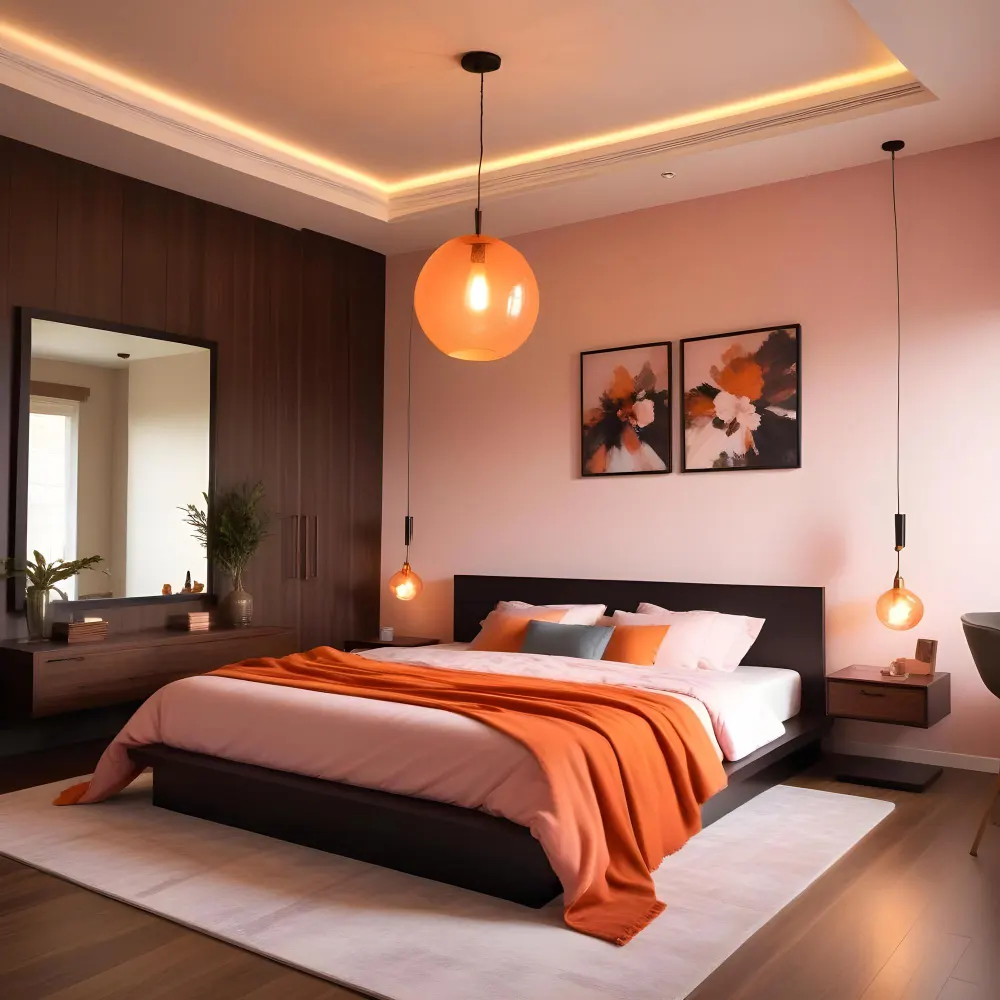
Most bedrooms miss coziness because they rely on a single ceiling light, a too-small rug, and surfaces that collect clutter. The room ends up looking occupied rather than settled.
To learn how to make a bedroom feel cozy, you need to work through the room’s design levers one at a time. Coziness is not a style — it is a condition created by warmth, texture, quiet, and calm surfaces working together. This guide covers nine specific techniques you can apply in any bedroom, at any budget.
You will find the full bedroom decorating ideas picture at our complete guide. Whether you are starting from scratch or refreshing a room you already live in, 101homedecor.com covers the full design process from layout to finishing details. Browse all our bedroom ideas and inspiration for more starting points. Bookmark this guide for quick reference.
KEY TAKEAWAY: Coziness in a bedroom comes from layered light, soft surfaces, warm color, and calm surfaces — not from expensive furniture or a complete renovation.
| Quick Takeaways | |
|---|---|
| Lighting | Two bedside lamps at 2700K do more than any ceiling fixture. |
| Textiles | Layer at least three fabric weights: cotton sheet, linen duvet, wool or knit throw. |
| Color | Warm-undertone walls (greige, clay, mushroom) feel warmer than cool greys or bright whites. |
| Sound | A thick rug, heavy curtains, and upholstered furniture together reduce echo by a noticeable amount. |
| Clutter | One cleared surface signals calm faster than any new purchase. |
Cozy Bedroom Checklist
- Set all lamps to 2700K bulbs and remove harsh white overhead bulbs from the bedroom.
- Add a minimum of two bedside light sources — one per side, or a sconce plus a floor lamp.
- Layer your bed with at least three fabric weights: base sheet, duvet, and one throw.
- Choose a rug sized 8×10 feet for a queen bed, or 9×12 feet for a king, with 18–24 inches showing on each exposed side.
- Paint walls in a warm-undertone color (LRV 40–65 range works well) — warm greige, soft clay, or muted mushroom.
- Replace synthetic throws with natural-fiber options: wool, cotton knit, or linen.
- Add one natural-material element: a rattan lamp base, an oak nightstand, or a jute rug.
- Clear one horizontal surface in the bedroom completely and keep it that way for one week.
- If using scented candles, keep them at least 12 inches from curtains and bedding, and never leave them burning unattended.
KEY TAKEAWAY: Work through the checklist in order — lighting first, then textiles, then color — and you will feel each shift before moving to the next.
The 9 Techniques That Make a Bedroom Feel Cozy
Coziness is the result of a few specific, repeatable techniques. These nine — layered lighting, textiles, warm wall color, scent, and sound absorption among them — turn any bedroom into a genuine retreat.
Technique 1 — Layer Your Lighting (Don’t Rely on the Ceiling)
Lighting is the single fastest change you can make to a bedroom. A single ceiling light at full brightness flattens the room, casts hard shadows, and signals “functional space” rather than “retreat.”
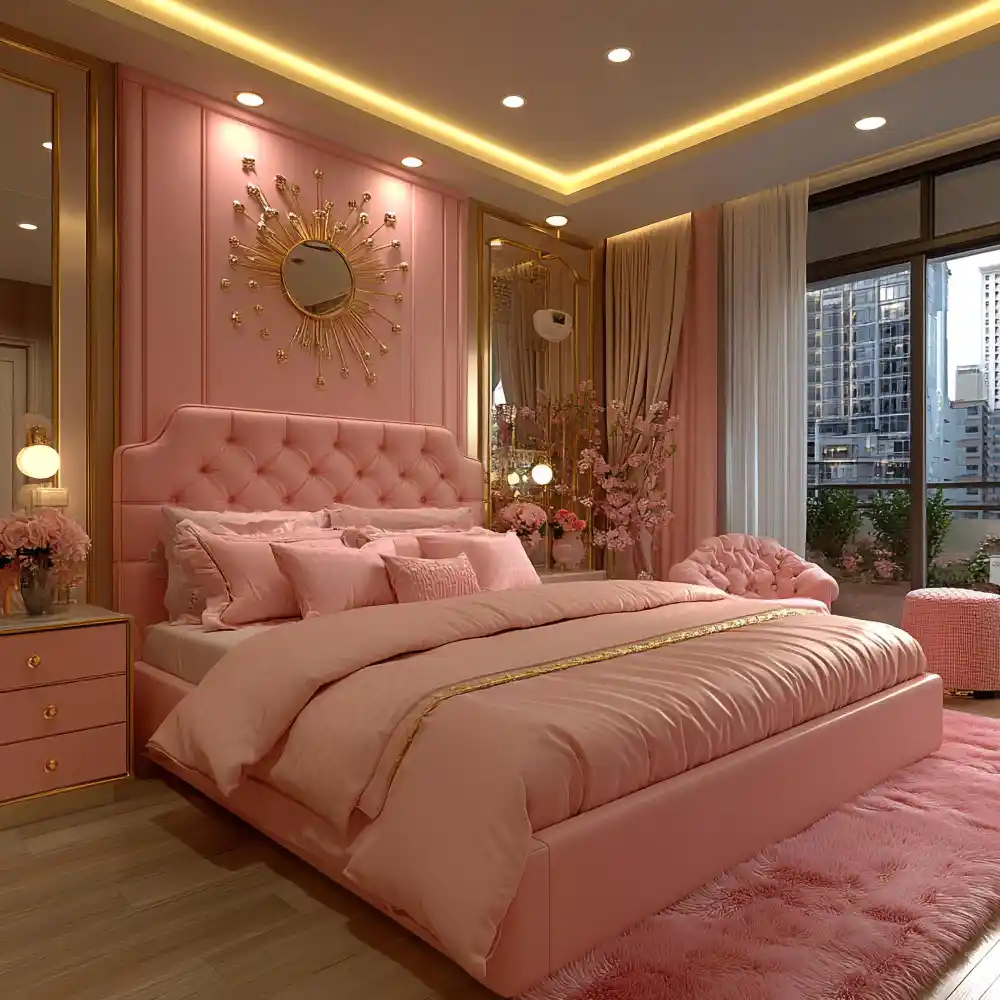
Replace or supplement the overhead with at least two floor-level or table-height sources. A bedside lamp on each nightstand is the minimum. Add a floor lamp in the corner if the room is larger than 120 square feet.
Source Note: Feit Electric recommends 2700K (Soft White) as the ideal bedroom color temperature, stating that it “promotes relaxation and supports healthy sleep by minimizing blue light exposure” — Feit Electric Lighting Guide.
Set your bedside lamps to 450–800 lumens. That range is bright enough to read by without flooding the room. Dim the ceiling fixture — or remove it from your nightly routine entirely. The difference you will notice immediately: the room starts to have corners rather than just a ceiling.
For more on bedroom lighting layers, the full cozy bedroom lighting ideas guide covers fixture placement, sconce heights, and dim-to-warm bulbs in detail.
KEY TAKEAWAY: Two warm bedside lamps at 2700K transform a bedroom faster than any other single change — replace or minimize the overhead light first.
Technique 2 — Layer Textiles for Depth and Weight
A flat bed with a single duvet does not feel cozy. A bed layered with cotton sheets, a linen or velvet duvet cover, and a chunky knit or wool throw draped at the foot does.

The principle is contrast in weight and texture. Smooth cotton percale under a textured linen cover, then a heavier knit on top — each layer adds tactile depth. The eye reads it as generous even before you get into the bed.
Start with a fitted cotton sheet in 200–400 thread count. Add a duvet with a cover in linen or cotton percale — linen softens with every wash and breathes well in all seasons. Finish with a single throw across the bottom third of the bed: a chunky knit in cream or camel, or a wool blanket in warm grey.
Material Note: Linen bedding typically weighs 150–250gsm — lighter than velvet but more textured than plain cotton, and it improves with washing rather than pilling.
For a full technique breakdown, how to style a bed like a designer covers the exact pillow layering order and throw placement.
KEY TAKEAWAY: Three fabric weights — cotton sheet, linen or velvet duvet cover, wool or knit throw — create the layered look a cozy bedroom needs.
Technique 3 — Choose a Warm-Undertone Wall Color
Cool grey walls look cozy in paint swatches. In a bedroom, especially under artificial light, they read cold. The same goes for stark white with a blue or green undertone.
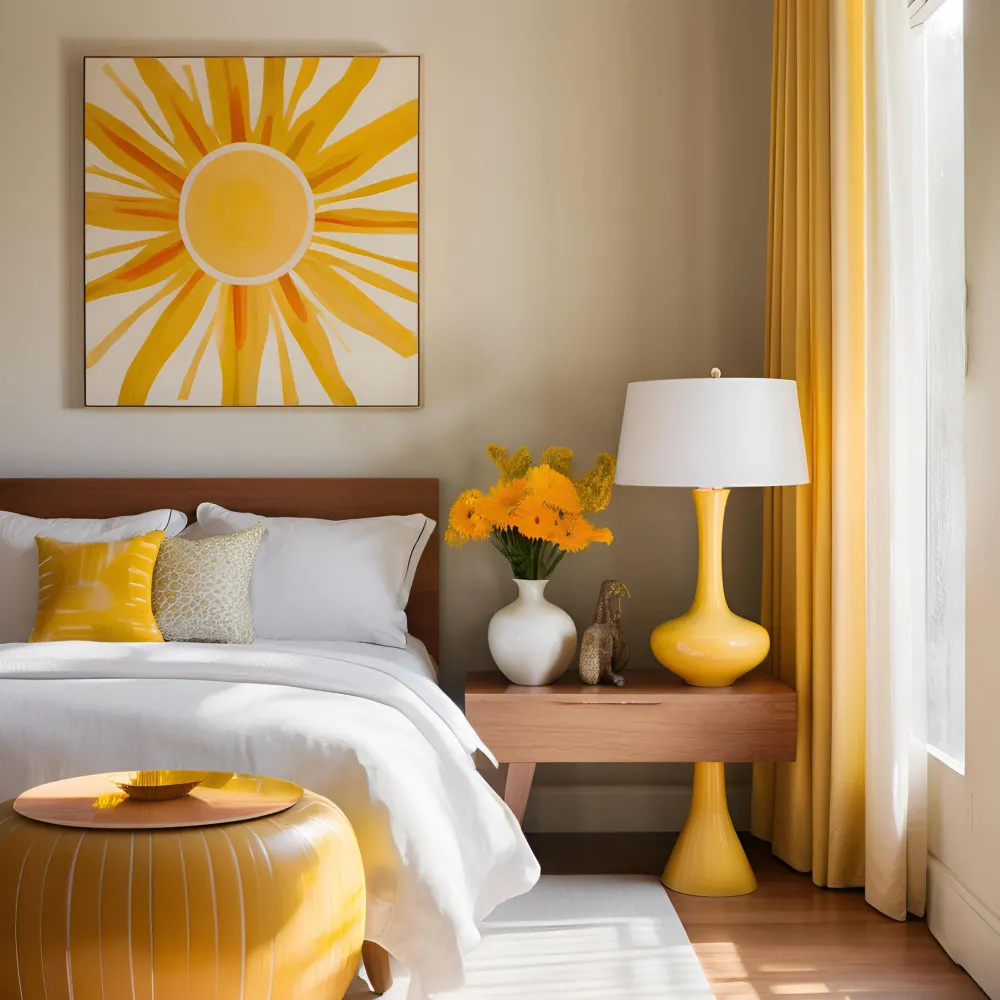
Warm-undertone colors — warm greige, soft clay, muted mushroom, or earthy taupe — absorb light rather than reflecting it with a cold edge. They make the room feel enclosed in a good way: settled and private.
Designer Rule of Thumb: Test your paint color on an actual wall panel (at least 12 x 12 inches) before committing. Check it at three times of day: morning natural light, afternoon sun, and evening lamp light. Colors with warm undertones often look their best under the 2700K light you will be using in the room.
Good starting directions: Benjamin Moore Pale Oak (OC-20), Sherwin-Williams Accessible Beige (SW 7036), or any warm greige in the LRV 40–65 range. For the full color palette breakdown, bedroom color ideas and schemes covers palettes by mood and finish.
KEY TAKEAWAY: Warm-undertone walls (greige, clay, mushroom) in the LRV 40–65 range make a bedroom feel warmer under evening lamp light than cool greys or bright whites.
Technique 4 — Use Scent to Signal Rest
Scent is one of the fastest ways to shift a room from functional to retreat-like. The brain associates certain smells with relaxation — lavender, cedarwood, vanilla, and sandalwood are the most widely used in bedrooms for this reason.
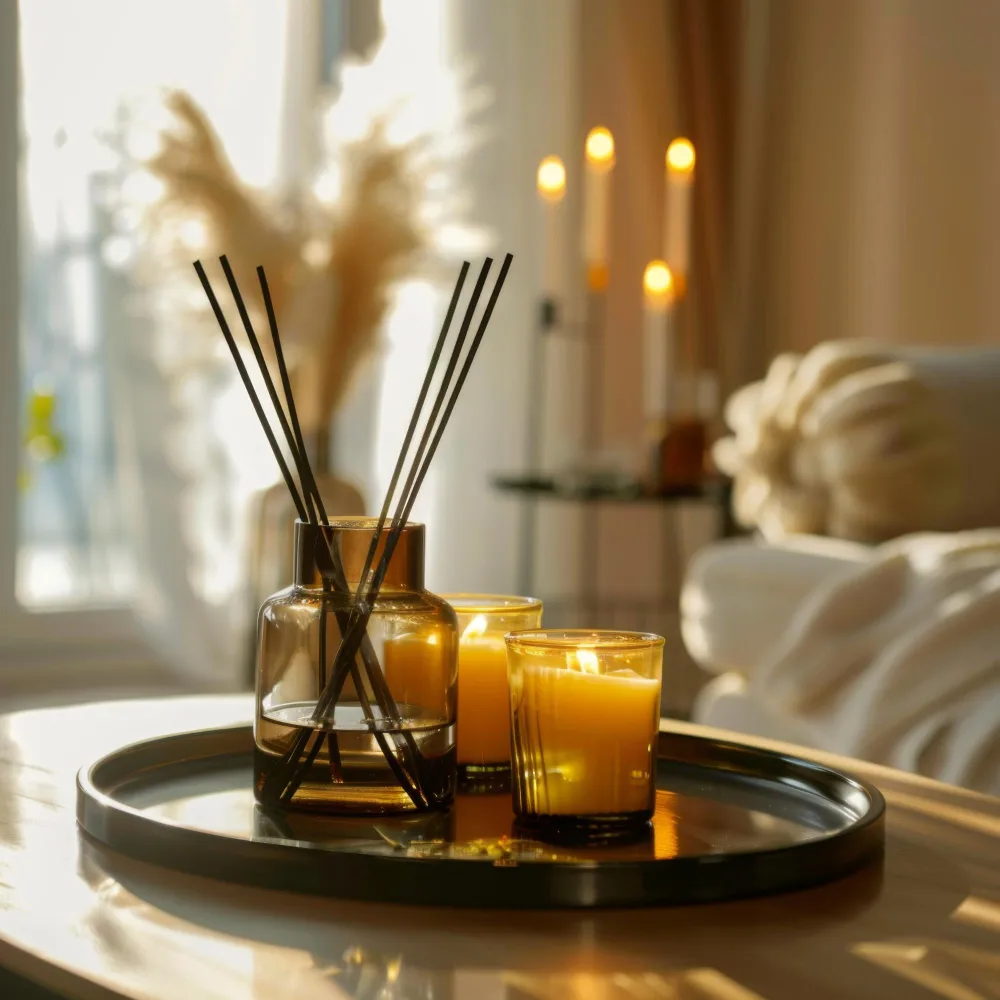
A few safe, practical options: a ceramic wax melt warmer with a beeswax or soy blend melt, a reed diffuser on the nightstand, or a linen spray on your pillows before bed. Each delivers ambient fragrance without an open flame.
Safety Note: If you use wax candles, the National Candle Association recommends keeping them at least 12 inches from curtains and bedding, trimming the wick to ¼ inch before each use, and never burning a candle unattended in a bedroom — National Candle Association Safety Tips. A battery-powered flickering candle is a risk-free alternative that delivers the warm visual effect.
Aim for light to moderate scent in a bedroom — heavy fragrance can feel artificial. A diffuser on a timer set to 30 minutes before bed works better than a candle burning all evening.
KEY TAKEAWAY: Wax melts and reed diffusers deliver safe, consistent bedroom fragrance — use the lightest concentration that still reads in the room.
Technique 5 — Absorb Sound With Soft Materials
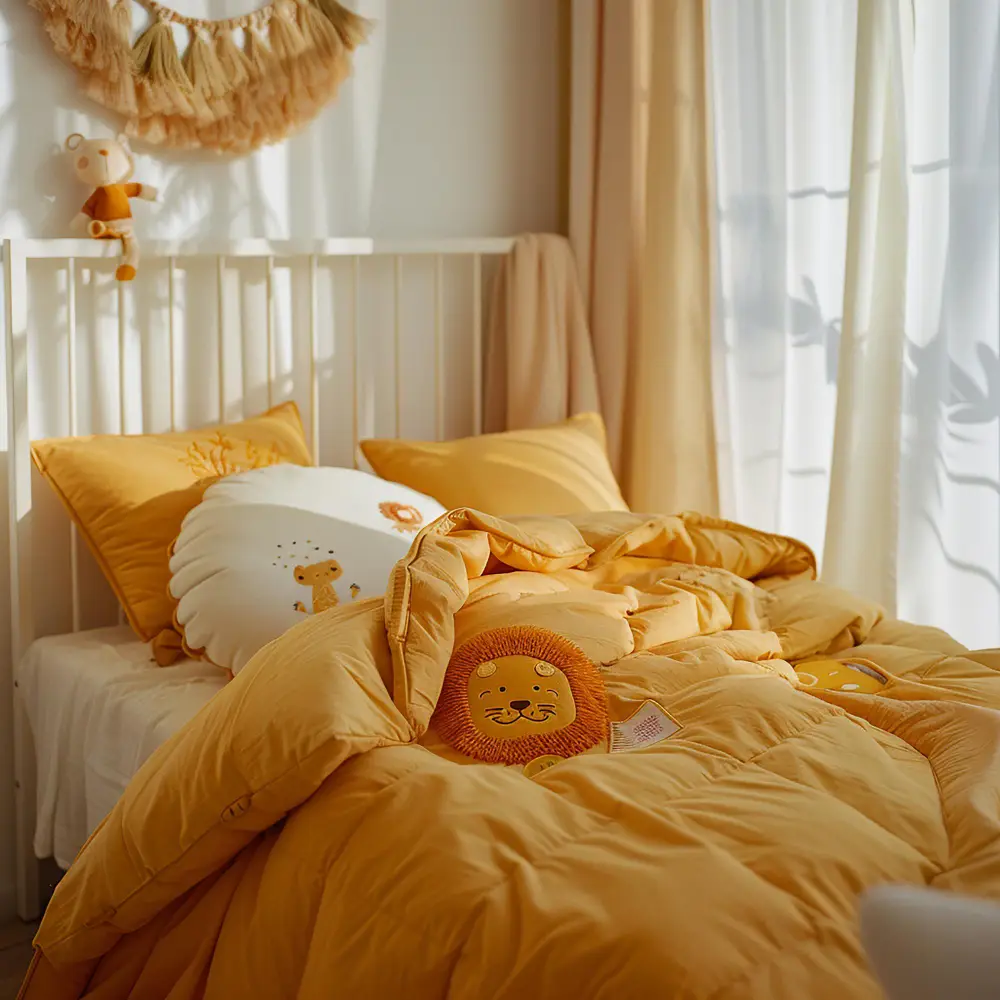
A quiet bedroom is a cozy bedroom. Hard floors, bare walls, and a single thin rug make a room echo. That echo registers in the body as restlessness even if you cannot consciously identify it.
Soft materials absorb sound: wool rugs, heavy curtain panels, upholstered headboards, and even a wall-hung textile all reduce reverberation. An 8×10 wool or wool-blend area rug under a queen bed (with 18–24 inches showing on each exposed side) will make a noticeable difference in room acoustics.
Designer Rule of Thumb: Bassett Furniture guidelines suggest an 8×10 for queen beds and a 9×12 for king beds, extending the rug at least 18–24 inches beyond the sides of the mattress.
Floor-length curtain panels — hung as close to the ceiling as possible — absorb sound from the window wall. If your curtains are thin or short, replacing them with a heavier linen or velvet panel is one of the fastest cozy-bedroom upgrades you can make. The small bedroom ideas guide covers rug-and-curtain sizing rules for tighter floor plans.
KEY TAKEAWAY: A thick rug, full-length curtain panels, and an upholstered headboard working together make a bedroom measurably quieter and perceptibly cozier.
DESIGNER TIP: Hang curtain rods 4–6 inches above the window frame and extend them 8–12 inches past the frame on each side. Ceiling-height curtains read as a permanent architectural feature, not a window treatment.
Technique 6 — Bring In Natural Materials
Natural materials — raw oak, rattan, jute, linen, and unglazed ceramic — feel warmer than synthetic alternatives. They also photograph warmer, which is part of why rooms with natural materials tend to look cozy in both photos and in person.

A few specific swaps that make a real difference:
- Replace a lacquered or painted nightstand with a raw oak or walnut piece.
- Swap a synthetic rug for a wool or jute blend.
- Add a rattan lamp base or a woven bedside tray.
- Place one or two dried stems (pampas, eucalyptus, dried wheat) in a simple ceramic vase on the dresser.
You do not need to replace everything at once. Adding one natural-material element at a time gives each piece room to read. Three natural materials in a bedroom create warmth; eight compete with each other. The bedroom decor ideas hub covers how to layer accent pieces, textiles, and furniture by material type.
KEY TAKEAWAY: Three well-chosen natural materials (oak, jute, linen or rattan) make a bedroom feel warmer than a room full of matching synthetic pieces.
Technique 7 — Calm the Surfaces
Clutter is the opposite of cozy. A nightstand covered in water glasses, chargers, receipts, and half-read books does not feel warm — it feels unsettled. Same goes for a dresser buried in folded laundry or a desk wedged into a corner with papers spreading off the edge.
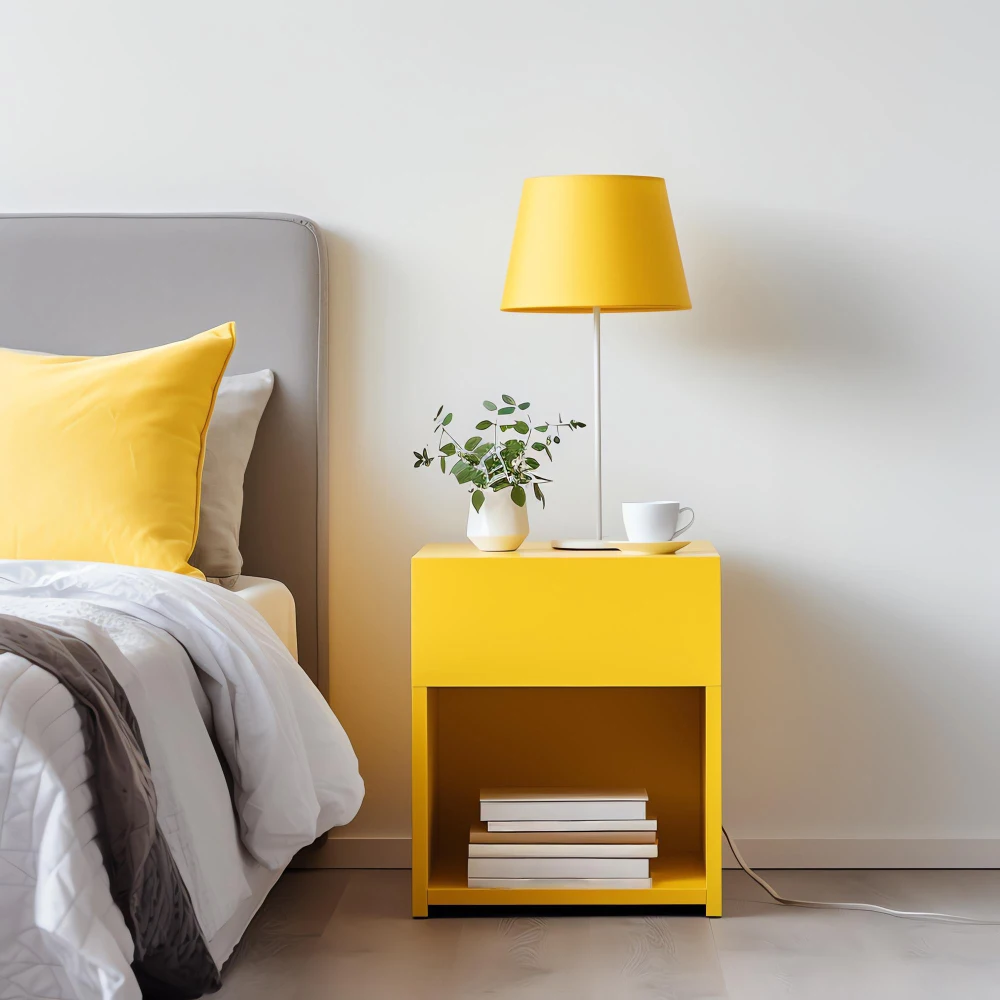
Coziness requires calm horizontal surfaces. The goal is not perfection — it is editing. On the nightstand, keep only: one lamp, one book, one small tray for a phone and glasses. That is it. The tray contains the small objects and makes the whole surface look considered.
For the dresser, a single tray, a small plant, and one framed photo is enough. If the dresser collects clutter within 24 hours of being cleared, add a lidded box or a small decorative basket as a soft catch-all.
The nightstand decor ideas guide covers the lamp-tray-single-object framework in more detail.
KEY TAKEAWAY: A cleared, edited nightstand with only a lamp, tray, and one object does more for bedroom coziness than almost any new purchase.
Technique 8 — Apply the Same Techniques in a Small Bedroom
A small bedroom can feel just as cozy as a large one — sometimes cozier. The challenge is scale. A rug that is too small for the space makes the floor look disjointed. A lamp that is too tall makes the ceiling feel lower. A throw that is too heavy reads as suffocating rather than warm.
Apply every technique above with scale awareness:
- In a small room, a 5×7 rug under only the foot of the bed works if an 8×10 will not fit.
- One well-placed bedside lamp (instead of two) is enough if the nightstand is narrow.
- A lighter linen throw works better than a heavy wool blanket in a small, enclosed space.
- Keep the wall color in the LRV 45–65 range — warm enough to feel cozy without making the room feel smaller.
Rental Note: If you cannot paint, warm up the room with an accent wall using removable peel-and-stick wallpaper in a warm tone, or drench the space in warm textiles and warm-light sources. The effect is substantial even without a single brushstroke. The cozy aesthetic small bedroom ideas collection shows how this plays out in real small-room scenarios.
KEY TAKEAWAY: Every coziness technique scales down for small bedrooms — adjust rug size, lamp height, and textile weight rather than skipping steps.
Technique 9 — Layer the Finishing Details
The last 10% of a cozy bedroom is the detail layer: the objects on the nightstand, the way the throw is folded, the curtain length, the artwork above the bed.
These are not decorative extras. They are the difference between a room that reads as “nice” and a room that feels genuinely warm when you walk in.
A few specific moves:
- Fold the throw off-centre at the foot of the bed — one corner pulled back, not symmetrically folded.
- Add artwork above the headboard that is at least two-thirds the width of the headboard. Art that is too small floats.
- Keep curtains floor-length. Even a 2-inch gap from the floor makes the whole room feel slightly provisional.
- Add one plant: a pothos, snake plant, or small fiddle-leaf in a ceramic pot brings life into the room without demanding attention.
For the style-specific version of these finishing moves, cozy bedroom ideas that feel warm and luxurious is the ideas companion to this technique post. For the full aesthetic direction, bedroom aesthetic ideas covers every cozy style from japandi to warm farmhouse. The bedroom mistakes to avoid guide covers the most common finishing-detail errors in more detail.
KEY TAKEAWAY: Finishing details — throw placement, art sizing, curtain length, one plant — complete the cozy bedroom and are often the fastest things to fix.
What Keeps a Bedroom from Feeling Cozy?
Understanding how to make a bedroom feel cozy also means knowing what blocks the effect. The most common barriers are not about spending more money. They are about the wrong default choices.
❌ Relying on a single ceiling light → ✅ Add two bedside lamps at 2700K and dim or remove the overhead
❌ A too-small rug (5×7 under a queen bed) → ✅ Size up to 8×10 for a queen or 9×12 for a king with 18–24 inch overhang
❌ Cool-grey or bright-white walls with blue undertones → ✅ Repaint in a warm greige, soft clay, or muted mushroom in the LRV 40–65 range
❌ Cluttered nightstand with chargers, glasses, and three books → ✅ Edit to one lamp, one tray, one object — and keep the tray
KEY TAKEAWAY: The most common coziness mistakes — wrong lighting temperature, undersized rug, cool wall color, cluttered surfaces — are all fixable without major spending.
What These Changes Cost
A cozy bedroom does not require a full renovation. Most of these techniques cost under $150 when done one at a time.
| Upgrade | Estimated Cost | Impact Level |
|---|---|---|
| 2700K bulbs (set of 4) + dimmer switch | $20–$60 | Very High |
| Linen duvet cover + chunky knit throw | $60–$180 | High |
| 8×10 wool or wool-blend area rug | $120–$500 | High |
| Bedroom repaint (warm greige, DIY) | $50–$120 | Very High |
Best First Upgrade: Swap the bulbs. A set of 2700K soft-white bulbs costs under $30 and the shift in how the bedroom feels at night is immediate.
Skip for Now: A new bed frame. The cozy effect comes from textiles and light — not the frame itself — so upgrade those first before replacing furniture.
Frequently Asked Questions
Conclusion
Learning how to make a bedroom feel cozy is mostly a process of removing the wrong defaults and adding the right layers. The wrong defaults are a cold ceiling light, a cool-grey wall, a thin blanket on a flat bed, and a nightstand that doubles as a charging station. The right layers are warm light at 2700K, textiles with genuine weight and texture, a wall color that does not fight the lamp, and surfaces that do not demand your attention.
Editorial field note: A north-facing bedroom with stark white walls and a single LED ceiling light will feel cold in the evening no matter how much furniture you add. Switching the bulbs to 2700K and painting the walls in warm greige changed the feel of the room completely — before any other purchase. The textiles and accessories came later, but the warmth was already there.
Start with the bulbs this week. Then layer the bed. Then address the walls. Work through the nine techniques in order and the room will feel meaningfully different at each step. Find more bedroom design guidance and inspiration across every style at 101homedecor.com, where the full room-by-room decor guide covers every space in the house.
More Bedroom Decorating Ideas
- 12 Fall Bedroom Refresh Ideas for a Cozy, Layered Seasonal Look
- 15 Winter Hygge Bedroom Ideas for a Warm, Candle-Lit Retreat
- Bedroom Makeover on a Budget That Looks Like You Spent More
- Bedroom Mistakes to Avoid for a More Luxurious Space
- Bedroom Trends 2026: What’s In, What’s Out, and What to Follow
- Cozy Bedroom Ideas That Feel Warm and Luxurious