TL;DR
When a room has a single window, that window controls your light, your view, and your airflow, so the whole layout should be built around it. Read the window’s direction, keep the bed from blocking the glass, hang curtains high and wide, add a mirror across from the window to bounce daylight, and leave clear walking paths. The result is a bright, balanced room that uses its one light source fully.
Part of our guide to Bedroom Decorating Ideas.
Where to Start When the Room Has One Window?
One window changes how a bedroom works. That single opening is your only source of daylight, your only view, and often your only fresh-air vent. So the smart move is to plan the room around the window, not around the bed. To arrange a bedroom with one window, start by reading what the window gives you, then place the bed, curtains, mirror, and storage so nothing fights that light. Get the order right and even a dim, narrow room can feel open and calm.
Most single-window bedrooms feel off for one reason: the furniture blocks or ignores the light. If you’ve ever walked in and thought “this room feels dark no matter what I do,” you’re not alone. It usually isn’t the window’s fault. It’s the layout.
Editorial field note: A small bedroom with one north-facing window often looks flat and grey when a tall dresser sits beside the glass. Move that dresser to an inside wall and add a mirror across from the window, and the same room reads brighter before a single bulb is switched on.
This guide walks through six clear steps, from reading the window’s direction to balancing the light. Each step ends with the room in a better place than the one before. If you want a wider view of the category first, start with our home decor inspiration and these smart small bedroom layouts to maximize your floor space. Bookmark this guide for quick reference.
KEY TAKEAWAY: In a one-window room, plan the whole layout around the window first, because that single opening controls light, view, and airflow.
| Quick Takeaways | |
|---|---|
| Light | Read the window’s direction before you move any furniture. |
| Bed | Place it so it does not block or cover the glass. |
| Curtains | Hang the rod high and wide so the window looks bigger. |
| Mirror | Put a large mirror across from the window to bounce daylight. |
| Flow | Keep 24-30 inches of clear walking space around the bed. |
One-Window Bedroom Checklist
- Note which way the window faces (north, south, east, or west) before choosing the layout.
- Place the bed on a wall that keeps the glass clear and uncovered.
- Mount the curtain rod 4-6 inches above the frame and 8-12 inches past each side.
- Hang one large mirror on the wall opposite or next to the window.
- Keep at least 24-30 inches of walking space on the main side of the bed.
- Move tall, heavy furniture to the darkest inside wall, away from the light.
- Add a bedside lamp and one corner light so the room works after dark.
KEY TAKEAWAY: A one-window bedroom comes together when the bed clears the glass, the curtains sit high, and a mirror spreads the daylight.
What You’ll Need
You don’t need much to fix a one-window bedroom. Most of the work is layout. A few low-cost pieces do the heavy lifting on light.
- A tape measure (to check window height, wall length, and bed clearance)
- A curtain rod wider than the window, plus sheer panels and heavier curtains
- One large wall mirror, ideally 30 inches wide or taller
- A bedside table lamp with a warm 2700K bulb
- One corner light: a floor lamp or a plug-in wall sconce
- Optional: a slim dresser or nightstand that fits an inside wall
DESIGNER TIP: Buy curtains long enough to almost touch the floor. Short, cafe-length panels make a single window look smaller and the ceiling look lower.
KEY TAKEAWAY: The fix is mostly free layout work, with a mirror, the right curtains, and two warm lights doing the rest.
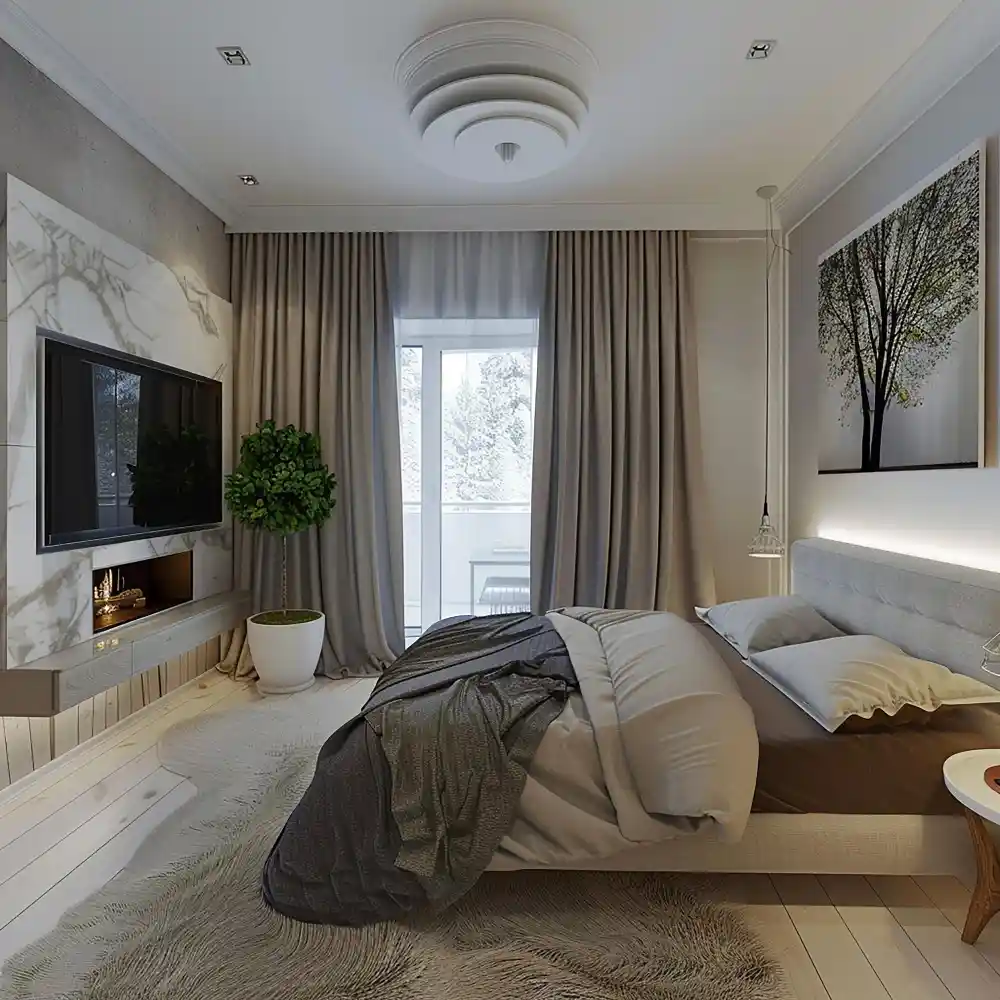
Step-by-Step: Arranging a One-Window Bedroom
A single window makes bed placement and light your top priorities. These five steps — reading the light, placing the bed, framing the window, bouncing light with a mirror, and arranging the rest — build the room around it.
Step 1 — Read the Window’s Direction and Light
Before moving anything, learn what your window gives you. The direction it faces changes the light all day. South-facing windows get the most sun and feel warmest and brightest. East-facing windows get soft morning light. West-facing windows get strong afternoon and evening sun. North-facing windows get the least direct light and stay cool and even, with no glare. You can read more on how window direction shapes daylight from this Bob Vila guide.
Your direction sets your plan. A north-facing room needs every trick for brightness: pale walls, a big mirror, and warm bulbs. A west-facing room may need sheer panels to soften harsh evening glare. Stand in the room at two times of day and watch where the light lands. That spot is your brightest zone, and you’ll want to keep it open.
Outcome: You now know your room’s light type and where the daylight falls.
Step 2 — Place the Bed So It Doesn’t Block the Light
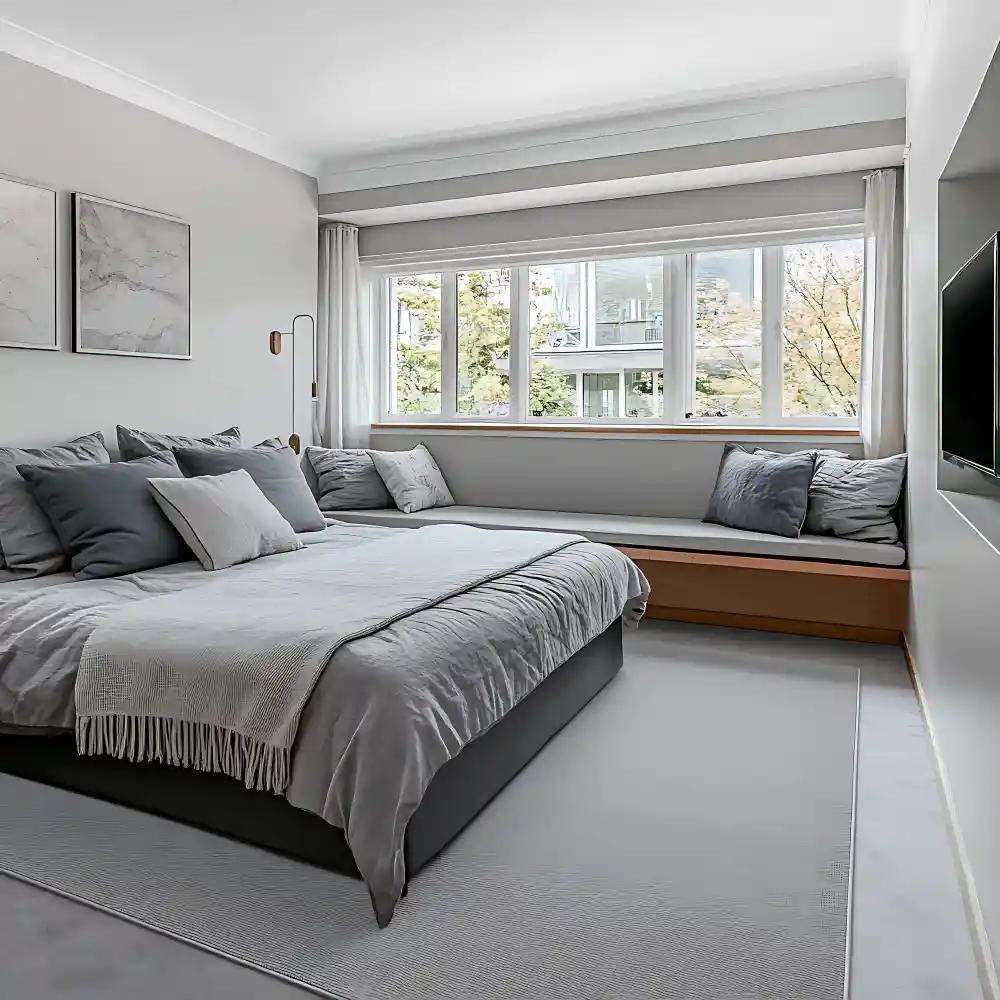
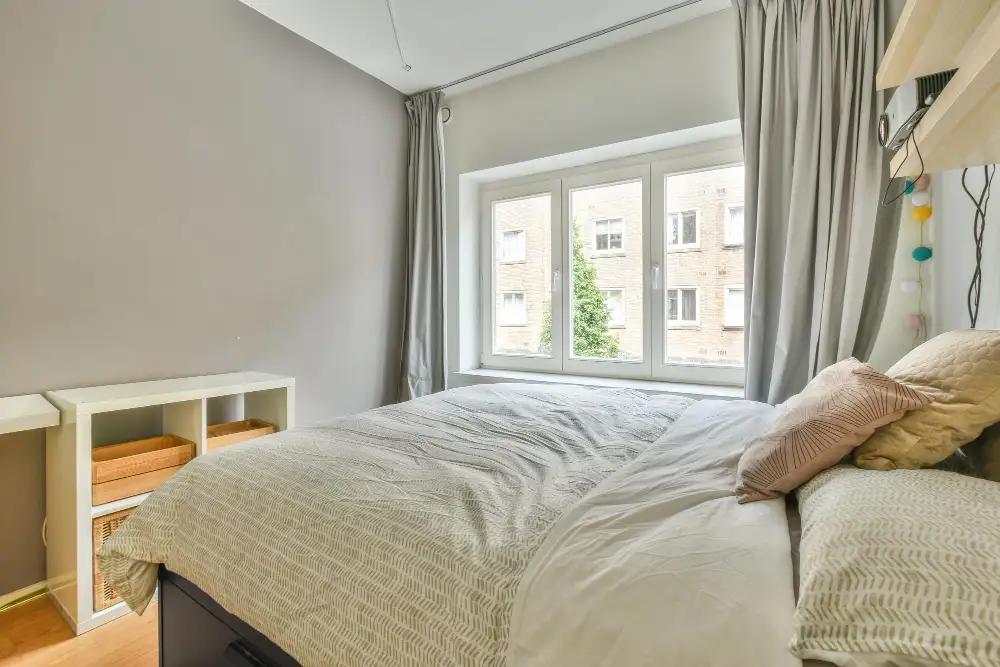
The bed is your largest piece, so its spot decides the whole room. The rule is simple: the bed should not block or cover the window. Daylight is the room’s best feature, and a headboard pushed across the glass kills it. The best wall is usually the one across from or next to the window, where you wake facing the light without blocking it.
In a narrow room, place the bed against the longest solid wall and leave the window wall open. This keeps the floor in front of the window clear and the light moving. If the window sits high on the wall, you have more freedom, since a low bed won’t reach the glass. For more ways to fit a bed into a tight footprint, see these functional ways to arrange furniture in very small bedrooms.
Outcome: The bed has a clear, light-friendly home, and the window stays open and visible.
Step 3 — Frame the Window With Curtains at the Right Height
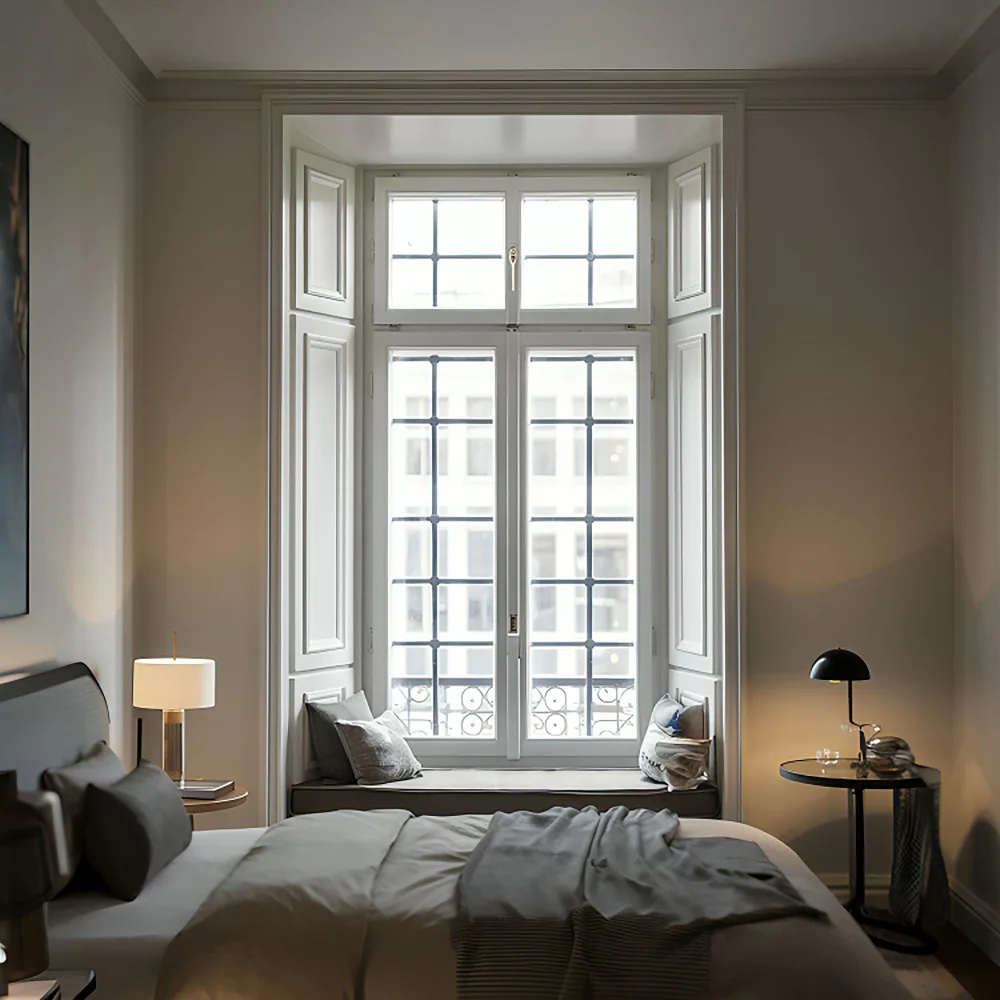
Now make the single window look bigger and brighter. The trick is height and width. Hang the curtain rod 4-6 inches above the window frame on a standard 8-foot ceiling, and extend it 8-12 inches past each side of the frame. This curtain rod height guidance from NICETOWN explains the numbers. Mounted this way, the curtains frame the wall, not just the glass, so the window reads taller and wider.
Layer two treatments when you can. Sheer panels filter daylight and keep the room soft and private during the day. Heavier curtains behind them block light for sleep and trap drafts at night. In a one-window room, this layered setup matters more than usual, since you can’t borrow light from a second window. Pull the panels fully off the glass during the day so nothing covers your only light source.
DESIGNER TIP: Mount the rod closer to the ceiling than the window in a low-ceilinged room. The eye reads the full drop as one tall window, and the room feels bigger.
Outcome: The window now looks larger, and you control the light from soft daytime to full blackout.
Step 4 — Add a Mirror to Bounce the Single Light Source
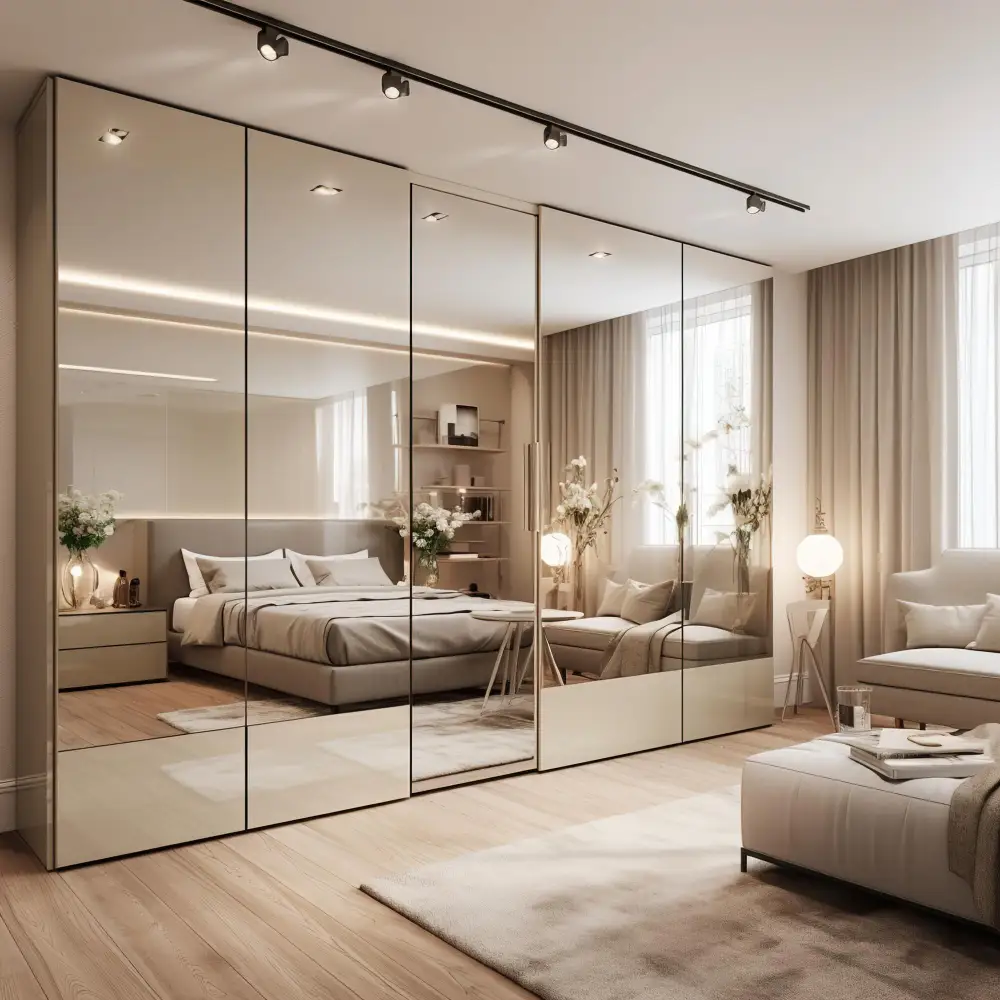
With one window, you have one stream of daylight, so spread it. A large mirror is the fastest way. Place a mirror on the wall opposite or next to the window so it catches the daylight and throws it back across the room. Light reflects at the same angle it arrives, so a mirror facing the window sends that light deep into the darker corners. A 300-square-foot room with one window can read like it has two once a big mirror reflects the glass.
Go large. A full-length or oversized mirror, 30 inches wide or more, catches far more light than a small one. Lean a tall mirror against the wall opposite the window, or mount it over a dresser on that wall. Avoid placing the mirror so it reflects a cluttered corner. It will double whatever it sees, so point it at the light and a clean view. A soft refresh like this pairs well with the ideas in our simple small bedroom refresh ideas.
Safety Note: Anchor a heavy wall mirror into studs or use rated wall anchors, since a large glass mirror can be heavy and unsafe if it pulls loose.
Outcome: Daylight now reaches the back of the room, and the space feels brighter and larger.
Step 5 — Arrange the Rest of the Furniture and Traffic Flow

With the bed, curtains, and mirror set, place the supporting pieces. The hardest part of learning to arrange a bedroom with one window is keeping the floor open while still fitting your storage. The goal is clear paths and an open window wall. Keep at least 24-30 inches of walking space on the main side of the bed, and 24-36 inches at the foot, so you can move and make the bed easily. This expert guide to bedroom clearances from Homes & Gardens lists the spacing by bed size.
Push tall, heavy furniture to the darkest inside wall, away from the window. A bulky dresser beside the glass blocks light and casts shadow; the same dresser on an inner wall disappears and keeps the light clear. Use the wall under or beside the window for low pieces only, like a bench or a slim console, so nothing rises into the daylight. Choose nightstands that fit the clearance you measured. For room-specific bed layouts, these small bedroom ideas with a single bed and these small bedroom ideas with a king size bed that actually work show how the same rules scale up and down.
Outcome: The room has clear walking paths, an open light wall, and no furniture fighting the daylight.
Step 6 — Balance and Maximize the Light

The last step ties it together. One window can’t light a room after dark, and on grey days it may struggle even at noon. So build light in layers. Add a warm 2700K bulb in the bedside lamp for soft evening light, and one corner light, a floor lamp or plug-in sconce, to erase the dark corner the single window can’t reach. Three light points, the window plus two lamps, keep the room even at every hour.
Help the daylight too. Paint walls in soft white, warm greige, or another pale tone so they bounce light instead of soaking it up. Keep the window glass clean and the sill clear. Skip dark, heavy blackout panels as your only curtain, since they swallow the little light you have; layer them behind sheers instead. A pale rug and light bedding finish the bounce. For the paint side of this, our guide to the best paint colors for a small bedroom pairs directly with a one-window layout.
Outcome: The room stays bright in daylight and warm after dark, using its one window to the fullest.
KEY TAKEAWAY: Layer the single window with two warm lamps and pale, light-bouncing surfaces so the room works at every hour, not just at noon.
What Trips People Up With a One-Window Bedroom
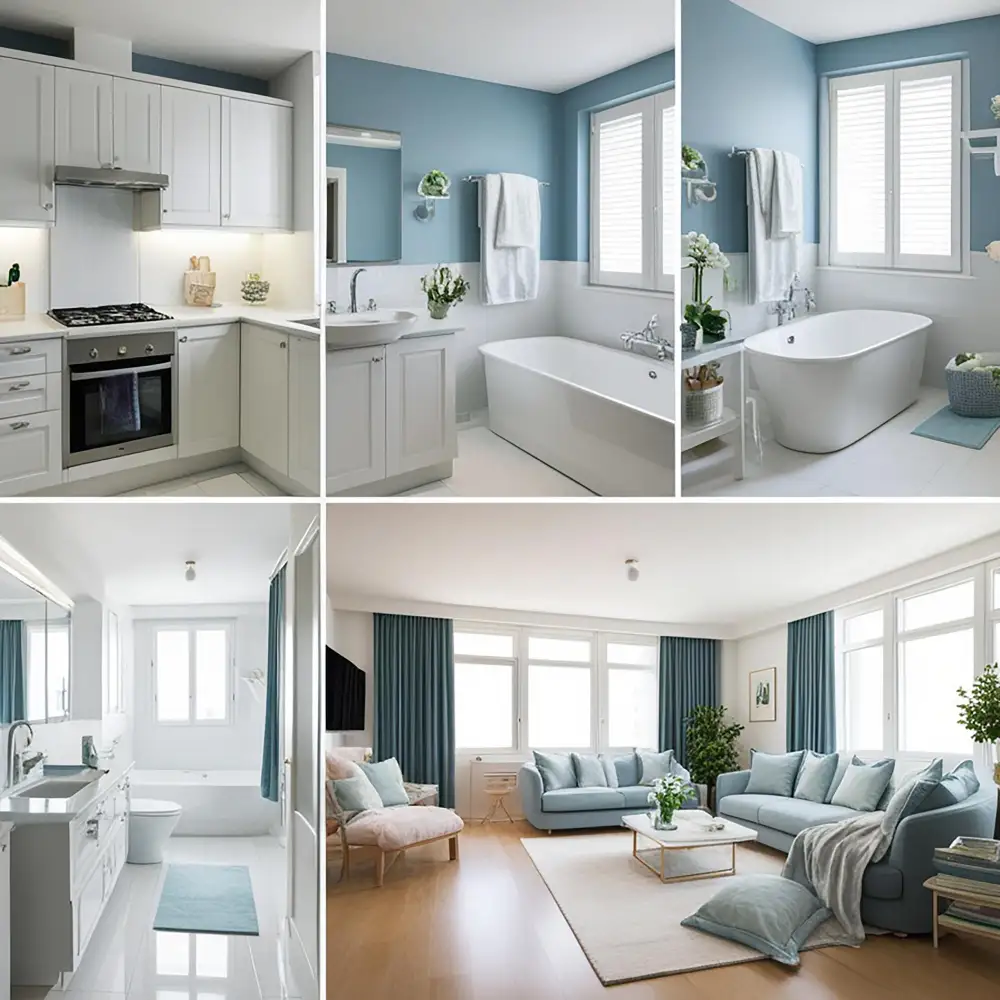
A few common moves quietly cancel out the light. Avoid these.
❌ Blocking the window with the headboard or a tall dresser → ✅ Keep the glass clear and move tall pieces to an inside wall.
❌ Hanging curtains right on the frame, narrow and short → ✅ Mount the rod high and 8-12 inches wider on each side.
❌ Using one heavy blackout curtain alone → ✅ Layer sheers for day and heavier panels for night.
❌ Relying only on the overhead light after dark → ✅ Add a bedside lamp and one corner light at 2700K.
KEY TAKEAWAY: Most one-window rooms fail because furniture blocks the glass or curtains sit too low and tight, both easy fixes.
When the Room Fights Back: Troubleshooting Tricky Layouts
Some rooms won’t follow the rules. Here’s how to handle the common problems.
The bed must go under the window. Sometimes the only wall long enough is the window wall. That’s fine. Designers do it on purpose for symmetry, and modern, insulated windows rarely cause real drafts. Use lined or layered curtains to block morning light leaks, and keep the rod wide so panels don’t crowd the bed. A low headboard or none at all keeps the glass visible above the bed.
There’s a radiator under the window. Don’t trap the heat behind a bed or a long curtain. Leave a gap above the radiator, use sill-length curtains instead of floor-length ones over it, and place a slim bench or open piece in front so airflow stays clear.
The room is long and narrow. Push the bed to the far short wall and keep the window wall open. Use the mirror on a long side wall to widen the room visually. A pale, single-color palette stops the narrow shape from feeling like a hallway.
The window is north-facing or just dark. Lean into brightness. Use the palest walls you’re comfortable with, the biggest mirror you can fit, and warm 2700K bulbs so the room feels cozy rather than cold. Add a second lamp; a dim window needs more help after dusk. Couples balancing storage and light in a tight room may also like these small bedroom ideas for couples that stop the clutter wars.
KEY TAKEAWAY: Hard layouts like a bed-under-window or a dark north-facing room still work once you adjust curtains, mirrors, and lighting to fit.
What It Costs to Light and Frame One Window
Most of this project is free rearranging. The spending goes to curtains, a rod, a mirror, and a lamp or two. Costs are estimates and vary by size and brand.
| Project | Estimated Cost | Impact Level |
|---|---|---|
| Wider curtain rod plus sheer and heavier panels | $40-$120 | High |
| Large wall or leaning mirror (30 in or taller) | $80-$250 | Very High |
| Bedside lamp plus one corner light, warm bulbs | $60-$180 | High |
| Full refresh: curtains, mirror, two lights, pale paint | $250-$600 | Very High |
Best First Upgrade: A large mirror across from the window — it spreads your one light source the most for the least money and no rewiring.
Skip for Now: Pricey motorized blinds or a full window replacement; layout, a mirror, and good curtains fix the light first.
KEY TAKEAWAY: For under a few hundred dollars, a mirror, layered curtains, and two warm lamps make a one-window room feel bright and finished.
Frequently Asked Questions
Conclusion
A bedroom with one window isn’t a problem to fix; it’s a layout to plan well. Once you read the window’s direction, keep the bed off the glass, frame the window high and wide, and add a mirror to spread the light, a single window does the work of two. Layer in two warm lamps and pale walls, and the room stays bright by day and calm by night.
Editorial field note: A long, narrow room with one west-facing window often glares in the late afternoon and goes dark by the inside wall. Adding sheer panels over the glass and a tall mirror on the long side wall softens the glare and pulls light to the dark end. The room feels even and wider without moving a single large piece. That’s the quiet payoff of learning to arrange a bedroom with one window. For more layout help, browse all our bedroom design ideas and our wider rooms inspiration, or see these effortless very small bedroom ideas that look designer-made.
More Bedroom Decorating Ideas
- How to Decorate a Bedroom (Step-by-Step)
- How to Make a Bedroom Feel Cozy (9 Designer-Approved Techniques)
- 12 Fall Bedroom Refresh Ideas for a Cozy, Layered Seasonal Look
- 15 Winter Hygge Bedroom Ideas for a Warm, Candle-Lit Retreat
- Bedroom Makeover on a Budget That Looks Like You Spent More
- Bedroom Mistakes to Avoid for a More Luxurious Space