TL;DR
- Anchor first: Style the bed as the room’s center, then work outward to lighting, walls, and floor.
- Headboard: A taller, wider headboard sets the scale for everything else above and around the bed.
- Lighting: Layer warm 2700K light at three levels — overhead, bedside, and a soft accent glow.
- Walls and floor: Hang art 6 to 10 inches above the headboard; float a rug 18 to 24 inches past the bed.
- Surfaces: Keep nightstands level with the mattress top and style them in odd-numbered groups.
- Where to go deeper: Every piece below links to a dedicated guide for the full how-to.
How to Layer Bedroom Decor From the Bed Outward
Walk into a well-decorated bedroom at dusk and notice the order your eye travels. It lands on the bed first, then drifts up to the art, out to the lamplight, and down to the rug. That path is not an accident. The best rooms are built in that exact order, one piece at a time, with the bed as the anchor.
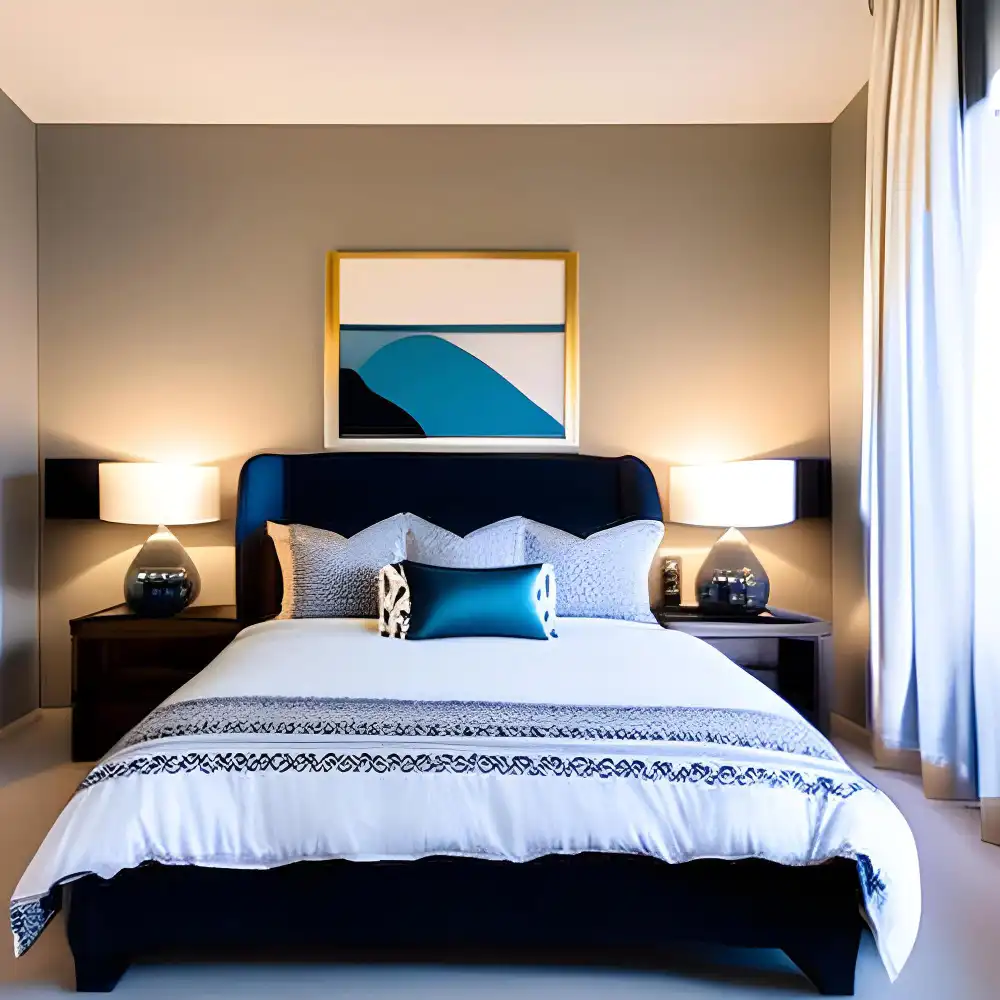
Looking for more ideas? Explore our full guide to Bedroom Decorating Ideas.
Most people decorate a bedroom by buying things they like and hoping they fit together. The rooms that look planned do the opposite. They start with the bed, set the scale with the headboard, then add lighting, walls, soft layers, and surfaces in sequence. If you are building a full room from scratch, our home decor inspiration follows the same logic across every space.
These bedroom decor ideas are organized by the piece itself — headboard, lighting, rug, nightstand — not by color or style. The goal is to give you the one move or measurement that makes each piece work, then point you to a deeper guide. Bookmark this guide for quick reference.
KEY TAKEAWAY: A bedroom looks finished when you decorate from the bed outward in order, not by buying pieces at random.
Bedroom decor is the mix of furniture and accents — headboard, bedding, lighting, wall art, rug, nightstands, storage, and finishing touches — styled so the room feels settled rather than furnished. Start with the bed as the anchor, set the scale with the headboard, then add light, walls, and floor layers. The single most useful rule is to prioritize lighting and the headboard first, because they shape the whole room before any small accent does.
| Quick Takeaways | |
|---|---|
| Anchor | The bed and headboard set the scale for every other piece. |
| Lighting | Three warm 2700K sources beat one cold overhead light. |
| Walls | Art hangs 6 to 10 inches above the headboard, two-thirds its width. |
| Floor | A rug floats 18 to 24 inches past the bed on three sides. |
| Surfaces | Nightstands sit level with the mattress; style in odd groups. |
Bedroom Styling Checklist
- Style the bed first, then move outward to lighting, walls, rug, and surfaces in that order.
- Match your headboard height to the bed: about 28 inches above the mattress for a queen, taller for a king.
- Add three warm light sources at 2700K — overhead, bedside, and one accent glow.
- Hang art 6 to 10 inches above the headboard at roughly two-thirds the headboard width.
- Float the rug 18 to 24 inches beyond the bed, with the front two-thirds of the bed on it.
- Keep nightstand surfaces within 2 inches of the mattress top for easy reach.
- Leave one quiet surface empty so the room does not read as cluttered.
KEY TAKEAWAY: This checklist is the whole hub in one place — anchor the bed, layer light, then dress the walls, floor, and surfaces.
The Headboard: Setting the Scale of the Room
The headboard does more than back the bed. It sets the vertical scale of the whole room and gives your eye a clear stopping point. A bed without one always looks slightly unfinished, like a sentence with no period. A headboard that is too short makes even a good bed feel low and temporary.
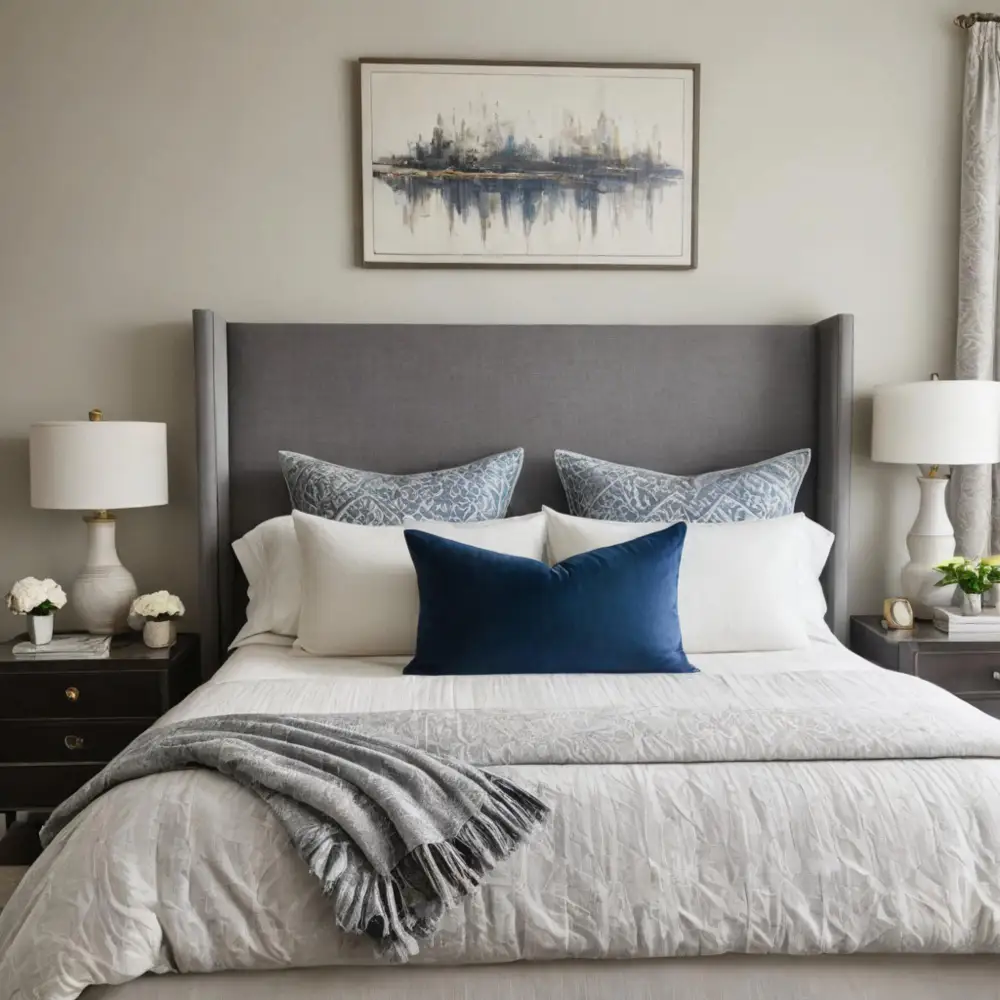
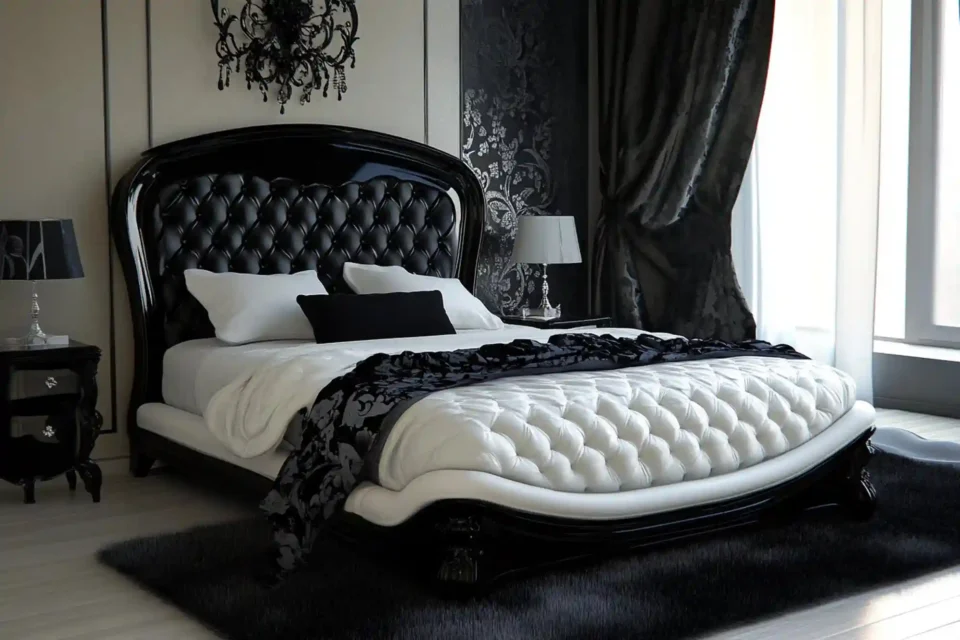
Height is the move that matters most here. A queen headboard usually reaches about 28 inches above the mattress, while a king headboard can climb to 58 inches for real presence. Upholstered linen reads soft and quiet; a tall rattan or carved-wood headboard adds texture and weight. For the full range of materials and shapes, see our guide to headboard ideas that make a bedroom feel luxurious.
A headboard works as the anchor when its height matches the bed and its width spans the full mattress. The most common mistake is choosing one too short for the ceiling. For most rooms, start with an upholstered or wood headboard that rises at least 14 inches above the mattress, then scale up if your ceilings are tall.
DESIGNER TIP: In a low-ceiling room, a tall headboard draws the eye upward and makes the wall feel higher than it is.
KEY TAKEAWAY: Match the headboard height to your bed size first — it sets the scale every other piece follows.
Styling the Bed: The Room’s Anchor

The made bed is the single biggest piece of decor in the room, so it earns the most layering. A flat duvet and two pillows looks bare. A styled bed builds in layers: a fitted sheet, a duvet or quilt, two sleeping pillows, two euro shams behind them, and one lumbar or throw pillow in front. A folded throw across the foot adds the last bit of depth.
Texture does the heavy lifting. Pair a cream linen duvet with a chunky knit throw and a velvet lumbar pillow so no two surfaces feel the same. Odd numbers read more natural than even ones, which is why most designers stop at five pillows, not six. Our full walk-through on how to style a bed like a designer breaks the layering into clear steps.
A styled bed works best when you layer three textures and stop at an odd pillow count. The main mistake is over-piling decorative pillows until you have to remove eight every night. For most beds, start with two euro shams, two sleeping pillows, and one lumbar, then add a folded throw.
KEY TAKEAWAY: Layer the bed in odd numbers and mix three textures — linen, knit, and velvet — for a put-together look.
Bedroom Lighting: Building a Warm, Layered Glow
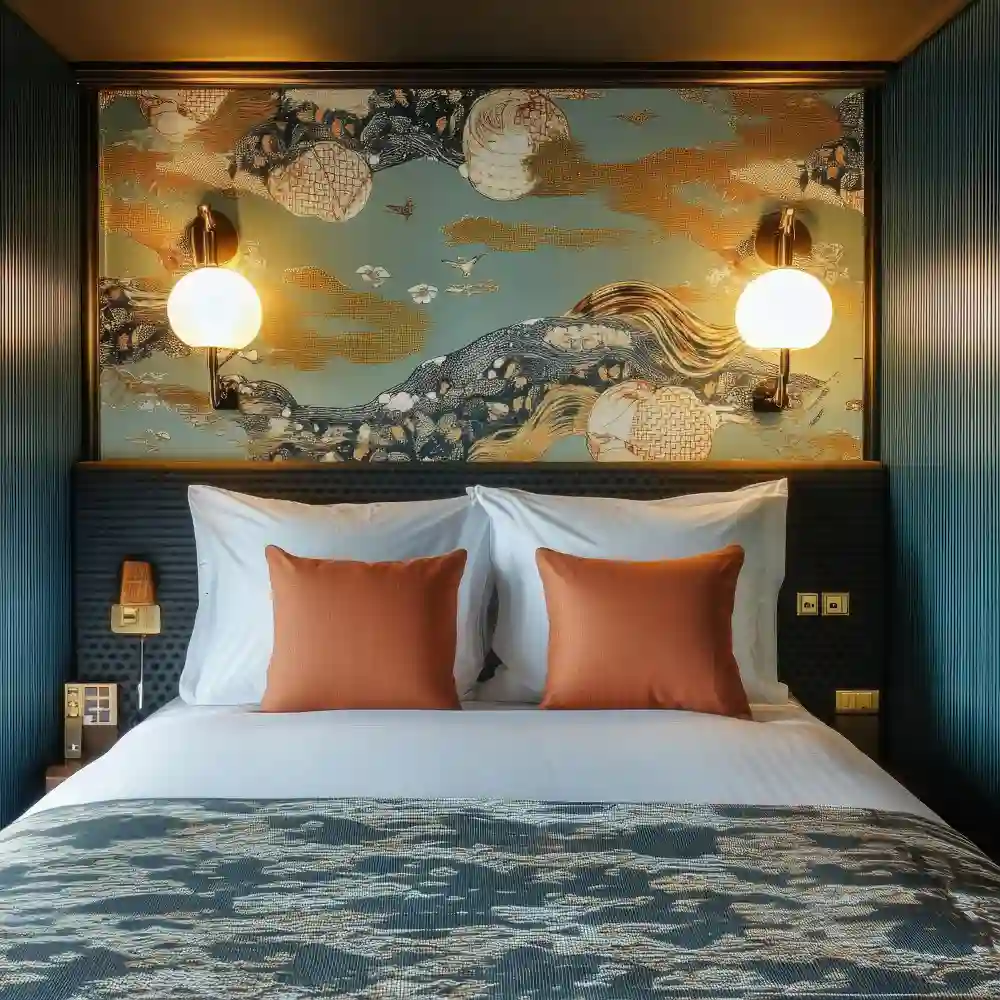
Lighting is the piece that changes a bedroom most and gets skipped most. One cold overhead bulb flattens the room and kills any mood. The fix is layering — three separate sources at different heights so the light feels soft and even, with no harsh shadows or dark corners.
Color temperature matters as much as placement. Warm 2700K bulbs give off the amber, golden glow that suits an evening bedroom and supports natural wind-down, while anything cooler reads clinical after dark, according to lighting brand Feit Electric. Add a bedside lamp or swing-arm sconce for reading, then a low accent source — a small table lamp or LED strip behind the headboard — for ambient glow. For more layouts, see our cozy bedroom lighting ideas for a warm, layered glow.
Bedroom lighting works best as three warm layers: ambient, task, and accent, all at 2700K. The biggest mistake is relying on a single overhead fixture. For most rooms, start by adding two bedside lamps on dimmers, then layer in one accent light.
DESIGNER TIP: Put your main lights on dimmers — the same room reads bright for cleaning and soft for evening with one switch.
KEY TAKEAWAY: Trade one overhead bulb for three warm 2700K sources at different heights to make the room feel calm.
Wall Decor Above the Bed: Filling the Space Right
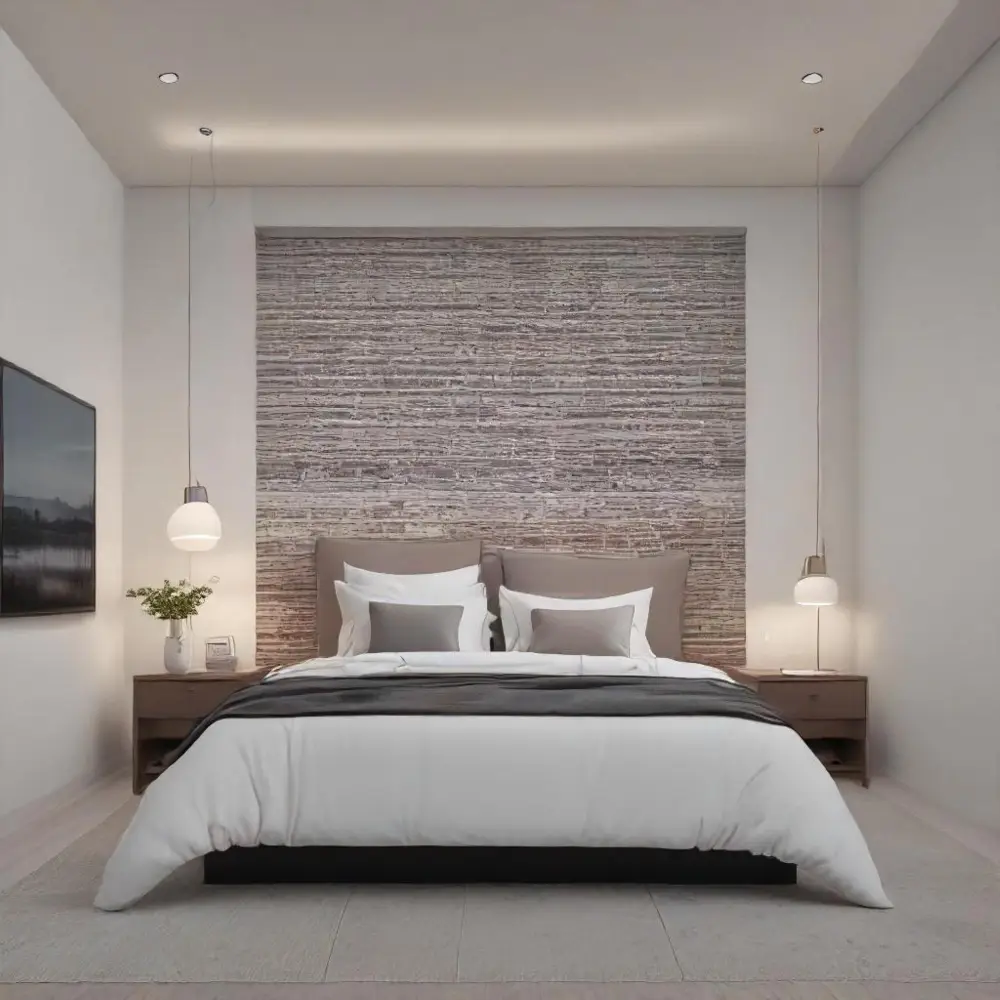
The wall above the bed is the biggest blank surface in most bedrooms, and an empty one leaves the room feeling half-done. The challenge is scale. Art that is too small floats awkwardly over a wide headboard and makes the whole wall look unbalanced.
The measurements are simple once you know them. Hang art so the bottom edge sits 6 to 10 inches above the headboard, and size the piece — or grouping — to roughly two-thirds to three-quarters of the headboard width. A single large piece, a tight pair, or a gallery wall all work as long as the total spread hits that two-thirds mark. Our guide to bedroom wall decor ideas for above the bed covers each layout in detail.
Wall decor above the bed works when art spans two-thirds of the headboard width and hangs 6 to 10 inches above it. The common mistake is hanging one small frame that gets lost over a king bed. For most rooms, start with one oversized piece or a balanced pair sized to the headboard.
KEY TAKEAWAY: Size art above the bed to two-thirds of the headboard width and hang it 6 to 10 inches up.
Accent Walls: Adding Depth Behind the Bed
An accent wall turns the wall behind the bed into a built-in focal point, so the room has somewhere to land before you add a single accessory. It is one of the highest-impact changes you can make, and it frames the bed instead of leaving it floating against a plain backdrop.
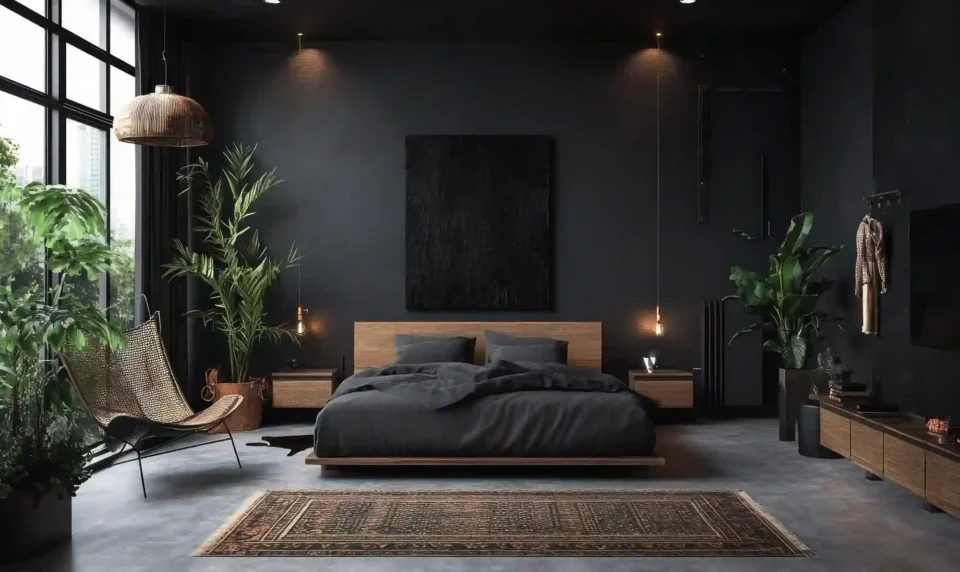
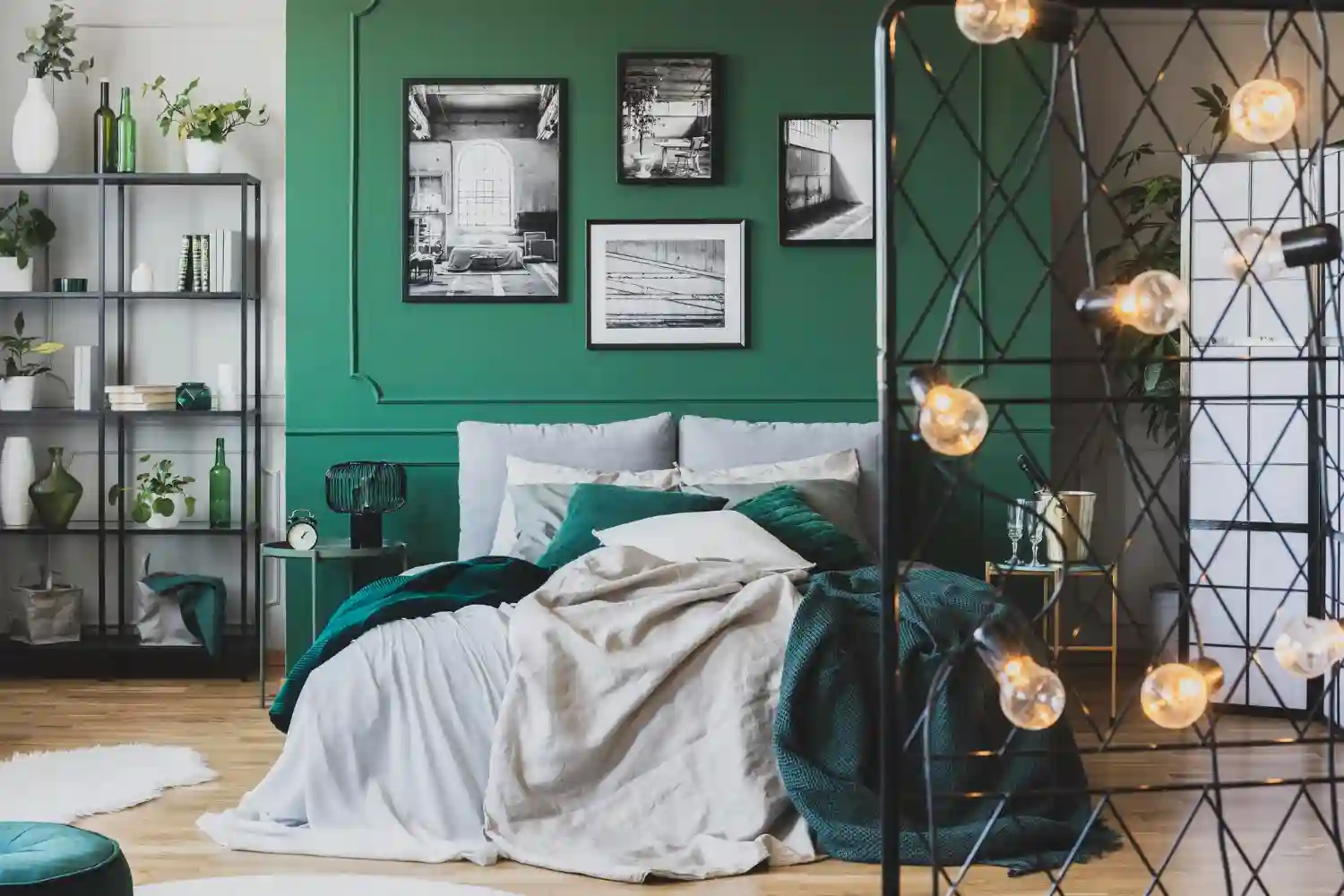
The behind-the-bed wall is almost always the right one to treat, because that is where the eye already goes. A moody charcoal or deep green paint color adds instant depth; wood slats, fluted panels, or a textured plaster finish add the same drama without color. Limewash gives a soft, cloudy depth that photographs beautifully. For thirteen worked examples, see our bedroom accent wall ideas that transform a master bedroom.
DESIGNER TIP: Match your headboard tone to the accent wall — a wood headboard on a charcoal wall reads richer than a white one.
KEY TAKEAWAY: Treat the wall behind the bed as your accent wall — it is already where the eye lands.
Nightstands and Bedside Styling: The Surfaces You Touch Daily
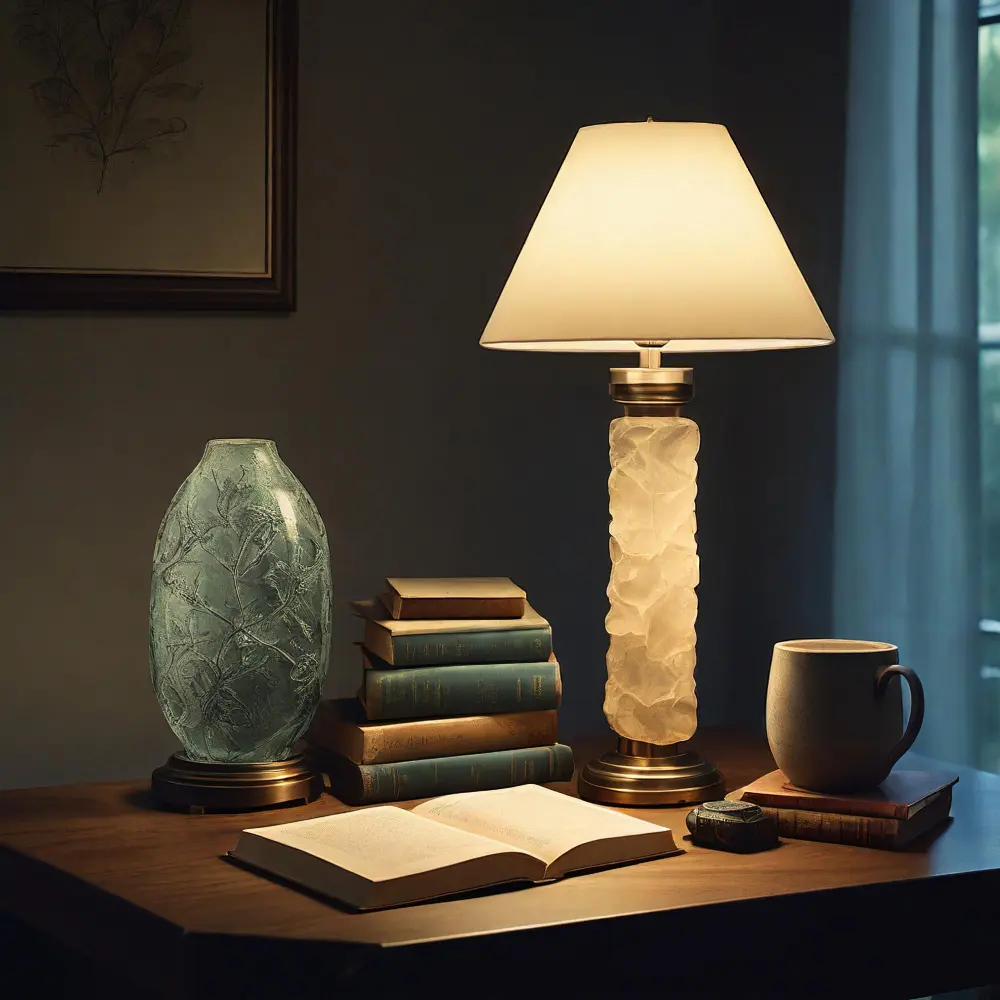
Nightstands are working surfaces and decor at the same time, which is why they are easy to get wrong. Pile them with clutter and the whole room reads messy. Leave them bare and the bed looks unanchored. The goal is a styled surface that still holds your phone, water, and a book.
Height is the quiet rule most people miss. The nightstand surface should sit within about 2 inches of the mattress top — usually 24 to 28 inches tall — so your hand glides sideways instead of reaching up or down. Style the top with a lamp, a small stack of books, and one organic object like a ceramic dish or a short plant, grouped in an odd number. Our nightstand decor ideas for a styled bedroom show several ways to balance the two sides.
A nightstand works best level with the mattress and styled in three pieces — lamp, books, object. The main mistake is letting daily clutter live on top. For most rooms, start with a lamp on one side and matched-but-not-identical decor on the other.
KEY TAKEAWAY: Keep the nightstand level with the mattress top and style it in odd-numbered groups of three.
Rugs and Placement: Grounding the Bed
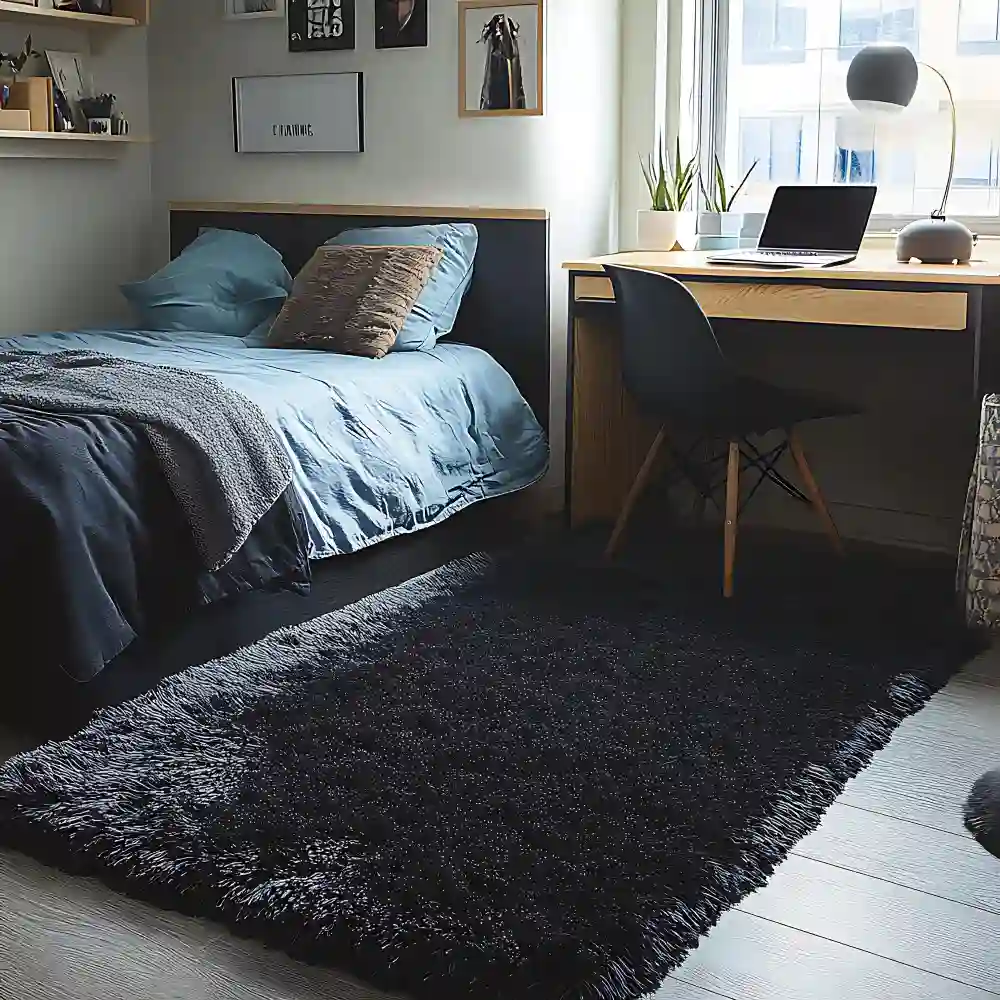
A rug grounds the bed and gives your feet a soft landing, but rug placement is where most bedrooms slip. A rug that is too small sits marooned under the bed like a bath mat and makes the floor look fragmented. The right size pulls the whole room together.
The placement rule is worth memorizing. Float the rug so it extends 18 to 24 inches beyond the bed on the two sides and the foot, with the front two-thirds of the bed sitting on top. An 8-by-10-foot rug suits most queen beds; a 9-by-12 fits a king. Wool and jute wear well underfoot, while a low-pile rug stays easy to vacuum. A bedroom rug guide goes deeper on layering and runners, but this overhang rule covers most rooms.
A bedroom rug works when it floats 18 to 24 inches past the bed and the front two-thirds of the bed sits on it. The common mistake is buying a 5-by-7 rug that disappears under the frame. For most rooms, start with an 8-by-10 for a queen or a 9-by-12 for a king.
KEY TAKEAWAY: Size the rug so it floats 18 to 24 inches past the bed — an 8-by-10 for a queen, a 9-by-12 for a king.
Curtains and Window Treatments: Framing the Window
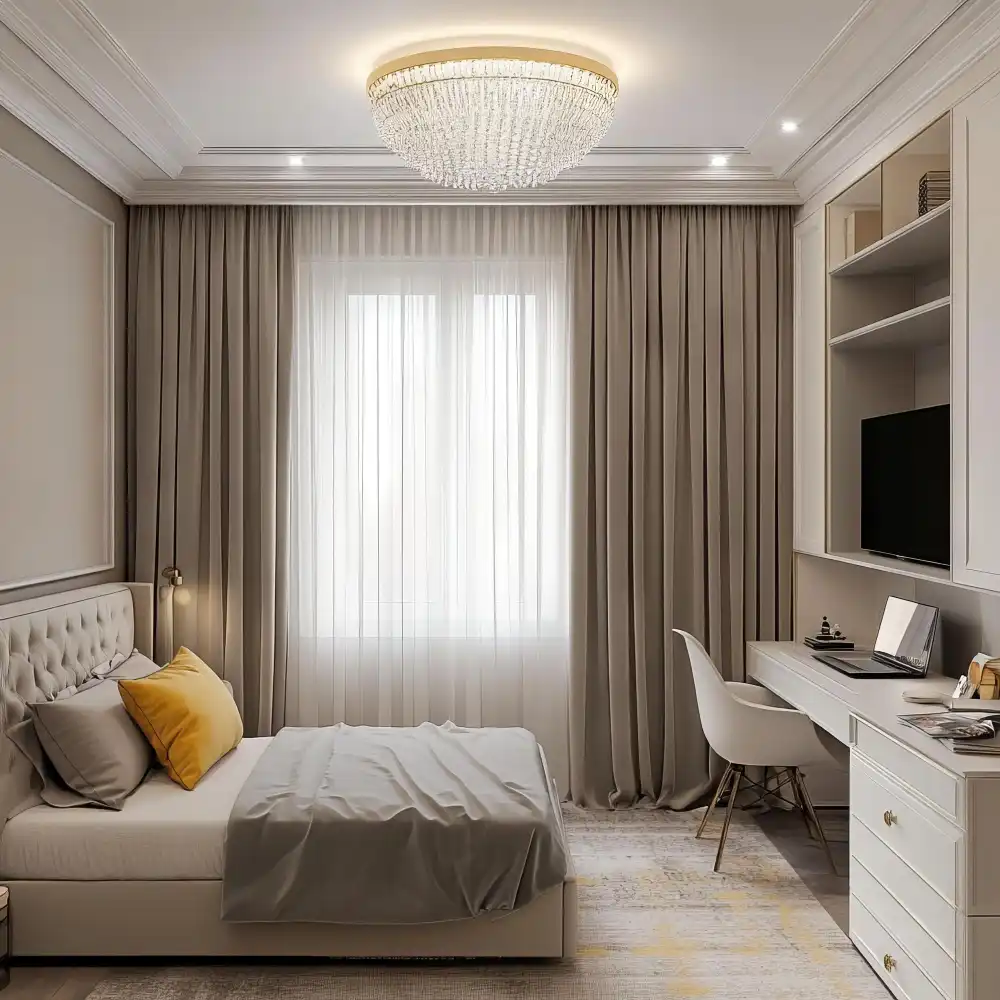
Curtains frame the window and control light, and the way you hang them changes the height of the whole room. Hung low and narrow, panels make a window look squat and the ceiling feel lower. Hung high and wide, the same window suddenly looks grand.
The hanging rule is the move that matters. Mount the rod 2 to 4 inches below the ceiling rather than just above the window frame, and extend it 6 to 12 inches past each side so the panels stack off the glass, a height designers use to make windows look taller. Let the panels reach the floor with a slight break. Layer sheer linen for daytime softness with a blackout panel behind it for sleep. A dedicated bedroom curtain guide covers fabric weights and blackout options in full.
DESIGNER TIP: Hang curtains as close to the ceiling as you can and let them just kiss the floor — it is the cheapest way to make a room feel taller.
KEY TAKEAWAY: Hang curtains 2 to 4 inches below the ceiling and to the floor to make the window and room feel taller.
Storage That Looks Good: Hiding the Clutter
Storage is the piece that decides whether all your styling holds up day to day. A beautiful bedroom buried in clutter never reads as finished. Good storage hides the mess and doubles as decor, so the room stays calm without feeling stripped bare.
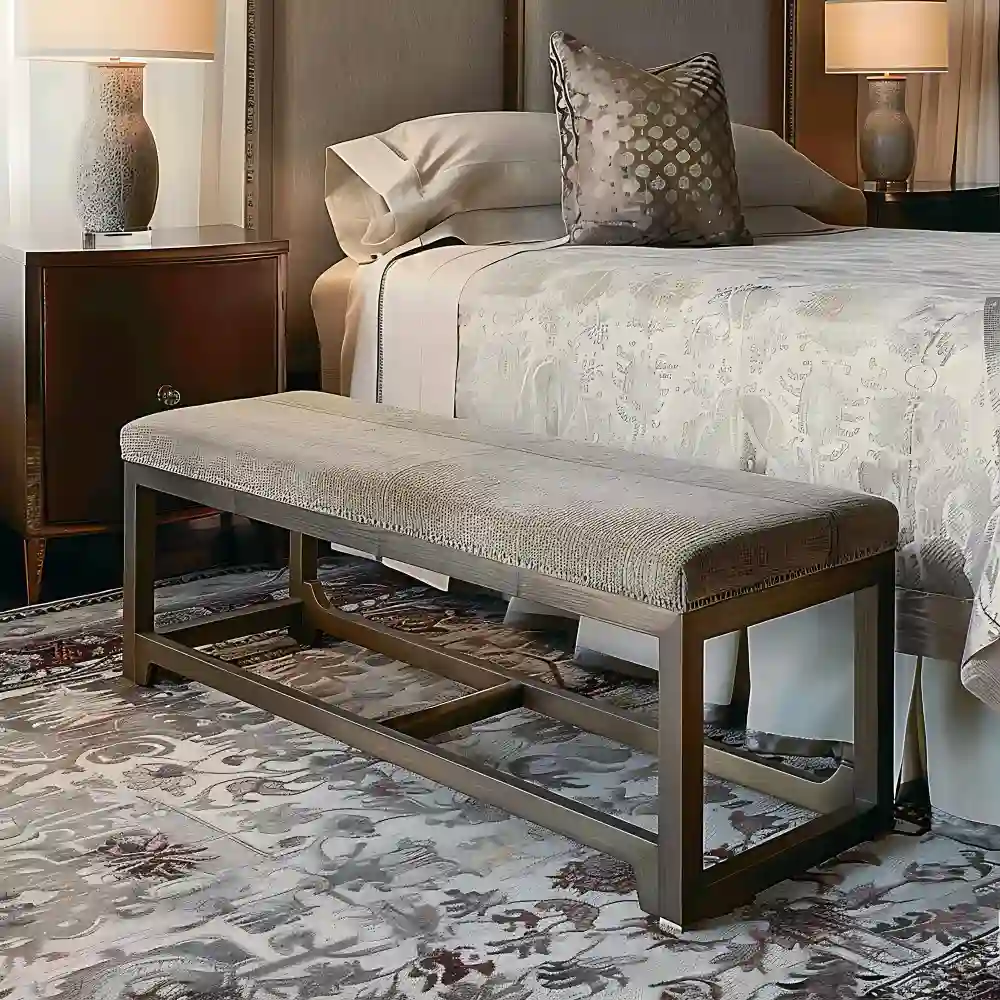
The trick is choosing storage that earns its footprint. A storage bench at the foot of the bed holds extra bedding and gives the room a finishing line. A dresser styled with a lamp, a tray, and a piece of art works as a surface and a hideaway at once. Woven baskets and lidded boxes tuck clutter out of sight while adding texture. Our bedroom storage ideas that look stylish, not cluttered show how to keep storage from feeling bulky.
Bedroom storage works best when each piece hides clutter and earns its spot as decor too. The main mistake is adding open shelving that just displays more visual noise. For most rooms, start with one storage bench and two lidded baskets before buying more furniture.
KEY TAKEAWAY: Choose storage that hides clutter and styles well — a bench, a dresser surface, and woven baskets do both.
Vanity and Corner Nooks: Using the Forgotten Space
The empty corner of a bedroom is wasted potential, and a small vanity is one of the best ways to claim it. A corner nook gives you a spot to get ready that is separate from the bed, which makes even a modest bedroom feel more like a suite.
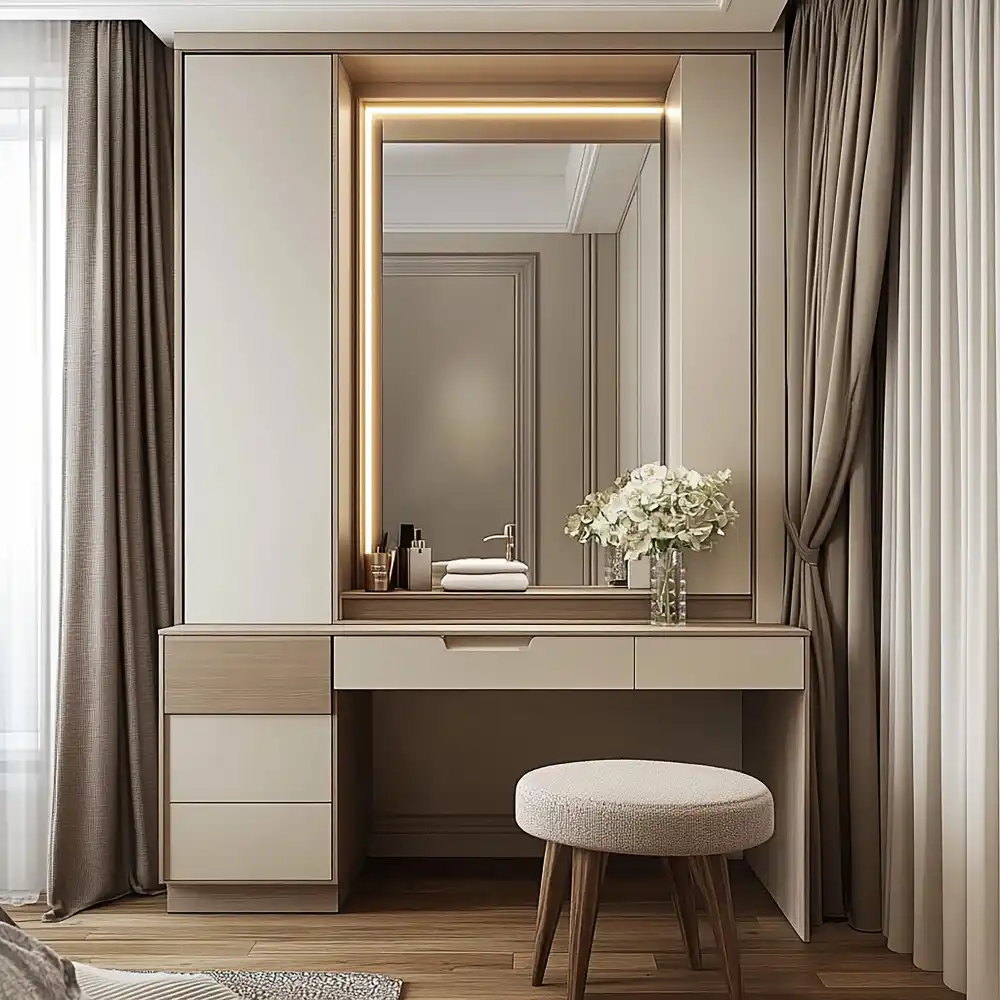
Scale is everything in a corner. A floating wall-mounted ledge or a slim writing-desk vanity keeps the floor clear and works where a full table will not fit. Add a round or arched mirror, a small stool that tucks fully under the top, and one warm sconce or LED-lit mirror for shadow-free light. Our chic vanity ideas for bedroom corners that save serious space cover compact layouts in detail.
A corner vanity works best when it is slim enough to keep the floor clear and lit from the front. The common mistake is choosing a deep table that crowds the walkway. For most rooms, start with a floating ledge or narrow desk, a stool, and one front-facing light.
KEY TAKEAWAY: Claim the empty corner with a slim floating vanity, a tucked stool, and one warm front-facing light.
Mirrors: Bouncing Light and Adding Space
A mirror is the quiet workhorse of bedroom decor. It bounces daylight deeper into the room, makes a small space feel larger, and adds a reflective surface that breaks up flat walls. One well-placed mirror often does more than three small accessories.
Placement decides how much it helps. Hang or lean a tall mirror across from a window so it catches and spreads the daylight, never facing a dark corner. A full-length leaning mirror adds height and a useful dressing surface; an arched or round mirror softens a room full of straight lines. Keep the frame finish — brass, black, or natural wood — consistent with your other metals so the room stays settled.
A mirror works best placed across from a window so it bounces daylight through the room. The main mistake is hanging it over a dark wall where it only reflects shadow. For most rooms, start with one large leaning mirror angled toward the light.
KEY TAKEAWAY: Place a large mirror across from a window so it spreads daylight and makes the room feel bigger.
Plants and Greenery: The Finishing Layer
Plants are the last layer that makes a bedroom feel alive instead of staged. A room of furniture and textiles can still feel flat without something growing in it. Greenery adds soft, organic shapes that no hard piece of furniture can.
Choose by light and habit, not just looks. A snake plant or ZZ plant handles the low light of most bedrooms and forgives a missed watering, while a trailing pothos softens the edge of a tall dresser or shelf. Vary the heights — one floor plant in a corner, one tabletop plant on the dresser, one small piece on the nightstand — so the green reads as layered, not lined up. Skip fussy, high-light plants in a windowless room; a good faux stem looks better than a dying real one.
DESIGNER TIP: Group plants in odd numbers at three different heights so they look gathered rather than spaced out like a showroom.
KEY TAKEAWAY: Add greenery in odd-numbered heights and pick low-light plants like snake plant or pothos for most bedrooms.
What You’ll Spend
Bedroom decor scales to almost any budget, and you do not need everything at once. The smartest order is to fund the pieces that shape the whole room first — lighting and the headboard — then add accents over time. Prices below are typical ranges, not fixed quotes.
| Project | Estimated Cost | Impact Level |
|---|---|---|
| Warm 2700K bulbs plus two bedside lamps | $60-$150 | Very High |
| Curtain panels (per window, off-the-shelf) | $40-$100 | High |
| Simple upholstered headboard | $300-$600 | High |
| 8-by-10 wool or jute area rug | $150-$500 | Medium |
Best First Upgrade: Swap to warm 2700K bulbs and add two bedside lamps — it changes the whole mood for under $150.
Skip for Now: Hold off on a custom headboard or premium rug until the lighting and layout are settled.
KEY TAKEAWAY: Fund lighting and the headboard first, then layer in the rug, curtains, and accents as the budget allows.
What Makes a Decorated Bedroom Look Unfinished?
Even with good pieces, a few habits keep a bedroom from looking pulled together. Most are easy to fix once you see them. These are the slips that show up most often across the pieces in this hub.
❌ One cold overhead light → ✅ Three warm 2700K sources at different heights
❌ Art floating too high or too small → ✅ Bottom edge 6 to 10 inches above the headboard, two-thirds its width
❌ A rug stranded under the bed → ✅ A rug floating 18 to 24 inches past the bed on three sides
❌ Cluttered nightstands → ✅ A lamp, a short stack of books, and one object in odd numbers
KEY TAKEAWAY: Most unfinished bedrooms share four fixable slips — cold light, tiny art, a small rug, and cluttered surfaces.
Frequently Asked Questions
Conclusion
The fastest way to decorate a bedroom well is to stop thinking room and start thinking pieces. Anchor the bed, set the headboard scale, layer warm light, then dress the walls, floor, and surfaces in order. Each of these bedroom decor ideas works on its own, and together they make a room that feels settled rather than just furnished.
Editorial field note: A bedroom with one cold ceiling light and a too-small rug usually feels flat and temporary. Swapping in three warm 2700K sources and floating an 8-by-10 rug past the bed makes the same room feel calm and grounded — before a single piece of furniture changes. Start with one piece this week, then work outward. For more room-by-room styling, browse our full home decor ideas and bedroom design inspiration, or explore all our room ideas for the rest of the house.
Explore Bedroom Decor & Accent Pieces
- 12 Chic Vanity Ideas for Bedroom Corners That Save Serious Space
- 13 Bedroom Accent Wall Ideas That Transform a Master Bedroom
- 17 Dorm Bedding Ideas for a Cozy, Aesthetic College Room
- Bedroom Storage Ideas That Look Stylish, Not Cluttered
- Bedroom Wall Decor Ideas for Above the Bed
- Cozy Bedroom Lighting Ideas for a Warm, Layered Glow
- Headboard Ideas That Make a Bedroom Feel Luxurious
- How to Style a Bed Like a Designer?
- Nightstand Decor Ideas for a Styled Bedroom