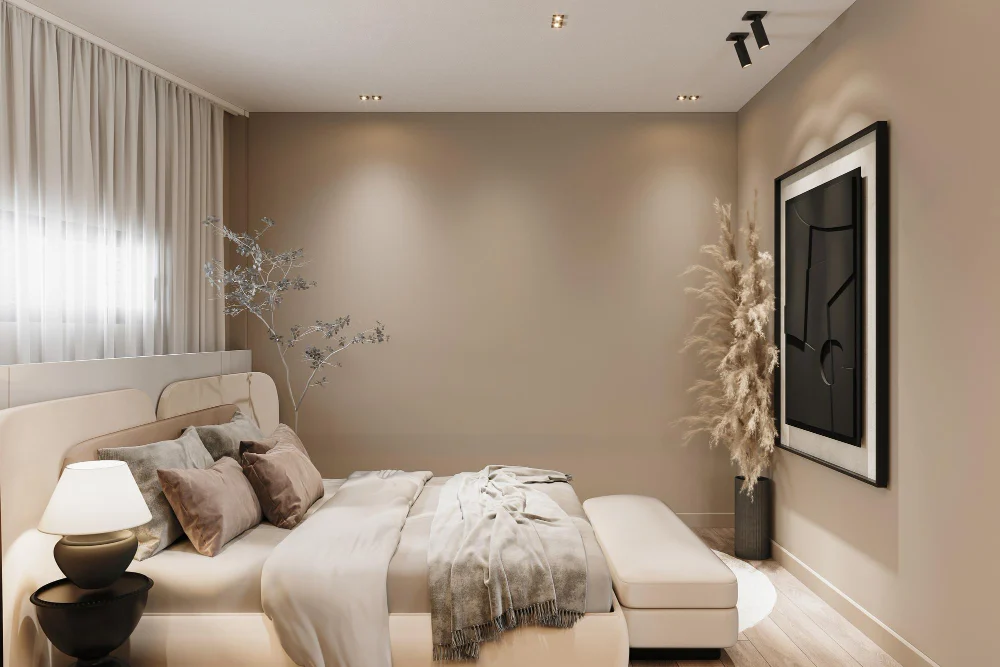
TL;DR
- Pick a paint color by its LRV and undertone, not just how pale it looks on the chip.
- Warm whites (LRV 80+) and soft greiges (LRV 60-70) are the safest space-stretching picks.
- Muted sage, soft blue, and warm blush add color while still feeling calm and open.
- A dark, drenched room can feel bigger too — when you paint walls, trim, and ceiling one shade.
- Match warm undertones to north-facing rooms and cooler tones to bright south-facing ones.
Why the Right Paint Color Decides Everything in a Small Room
For years the standard advice was simple: small room, paint it white. I followed that rule too. Then I kept noticing the same problem — a tiny bedroom in flat builder-white that felt colder and somehow smaller, with every shadow showing on the wall. The shift came from undertone and light, not just lightness. Paint is the cheapest way to open a tight room, and our small bedroom ideas guide explains how color works alongside layout and storage.
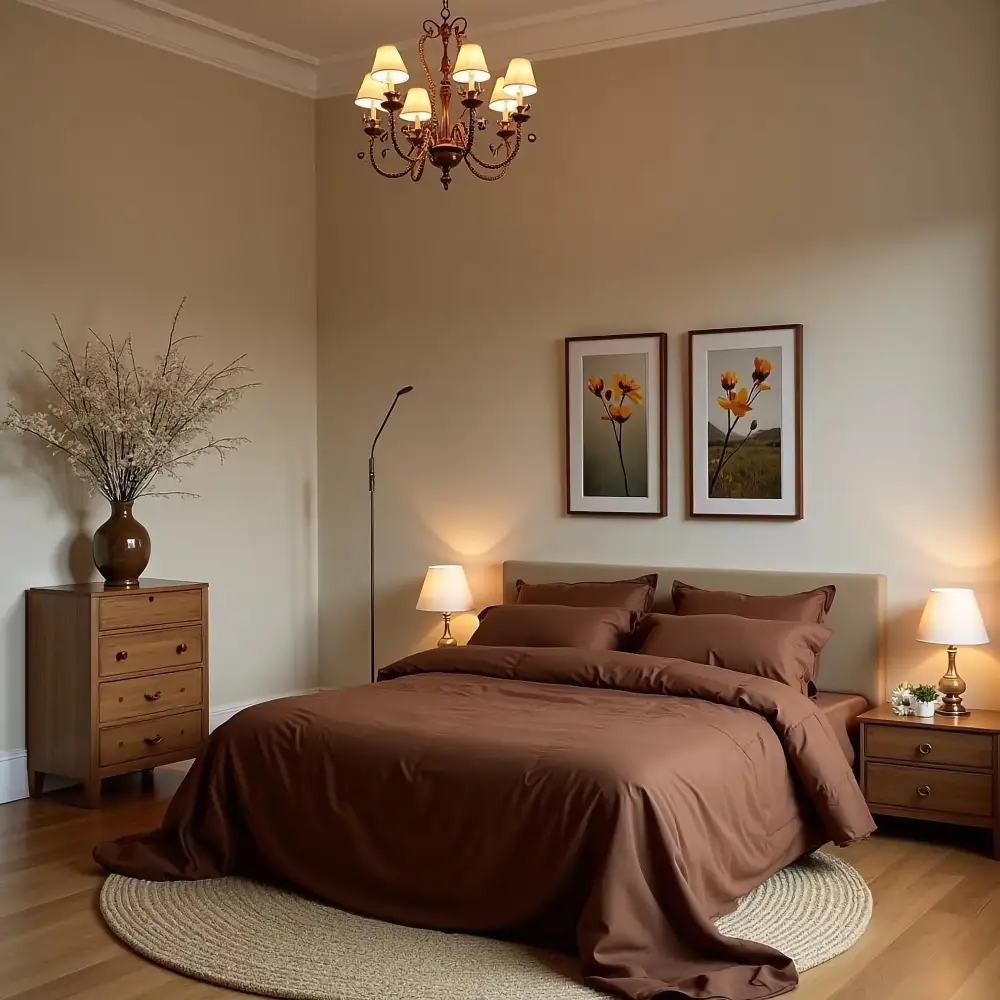
The best paint colors for a small bedroom are warm whites, soft greiges, muted sage, gentle blue, and warm blush — plus one moody color done right. Each works because it controls how light bounces around the room. A color with the right Light Reflectance Value spreads daylight instead of fighting it. The wrong undertone does the opposite, even at a high LRV. Start with light, then pick the shade.
If you are refreshing the whole space, browse our home decor inspiration first to set a direction. This guide gives you named colors, real LRV numbers, undertone rules, and honest costs. For more wall ideas, our 15 grey bedroom design ideas pair well with the greige picks below. Bookmark this guide for quick reference.
KEY TAKEAWAY: A small bedroom feels bigger when the paint color matches the room’s light and undertone, not just its paleness.
| Quick Takeaways | |
|---|---|
| LRV | Pick LRV 60+ for most small rooms; it reflects more daylight. |
| Undertone | Warm undertones fix cool north light; cooler tones suit bright rooms. |
| Finish | Matte or eggshell hides wall flaws; satin handles scuffs. |
| Drenching | One color on walls, trim, and ceiling erases lines and feels larger. |
| Test | Sample two shades on two walls and view them day and night. |
What to Look For Before You Pick a Paint Color?
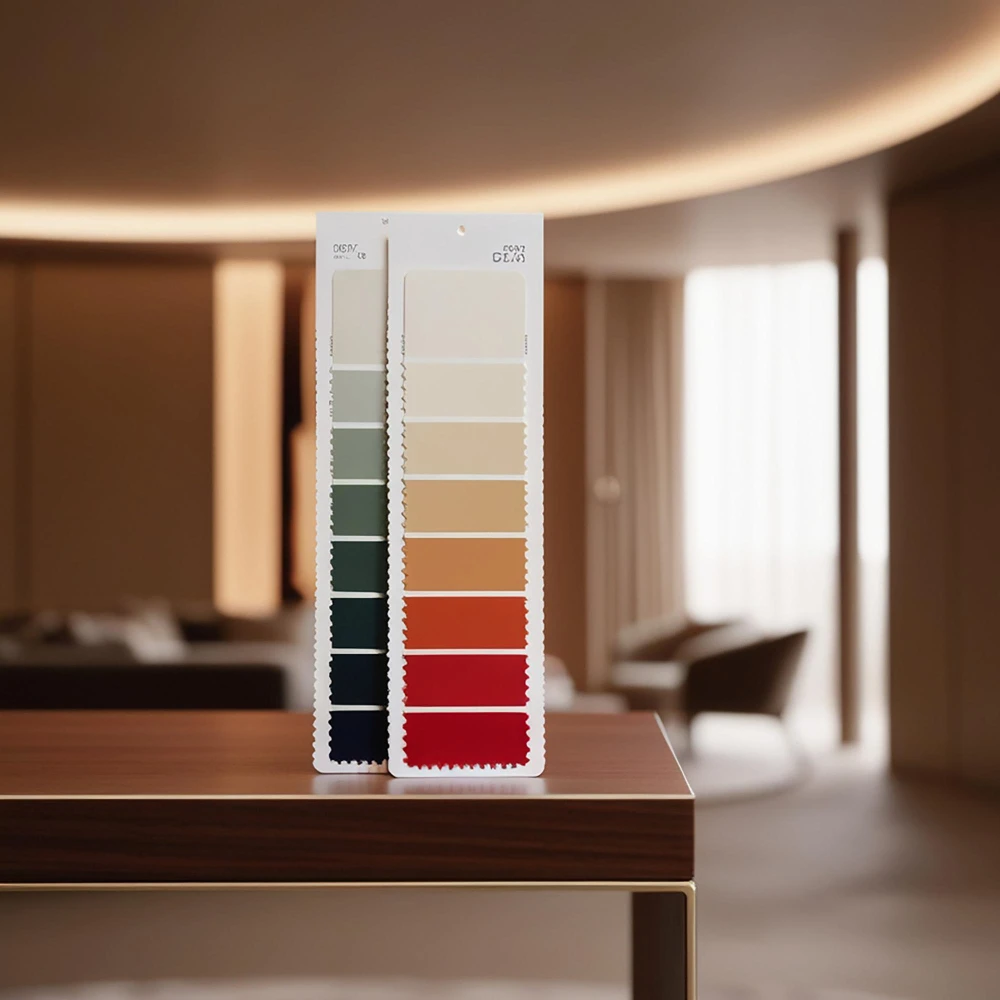
Light Reflectance Value, or LRV, measures how much light a color bounces back. The scale runs from 0 (pure black) to 100 (pure white). Higher LRV means more reflected light and a more open feel. For a small bedroom, colors with an LRV around 60 or higher usually keep the room bright and airy.
But LRV is only half the story. Undertone decides whether a color feels warm or cold once it is on the wall. A bright white at LRV 85 can read cold and show every shadow, which can make a room feel tighter. A warm greige at a lower LRV often feels larger because it is softer and more even. Sherwin-Williams advises choosing paint colors based on your room’s orientation, since the direction your windows face changes how every undertone reads.
Room direction is the last filter. North-facing rooms get cool, blue-leaning light, so warm undertones balance them. South-facing rooms get strong warm light all day and can handle cooler colors. East and west rooms shift from morning to evening, so pick the color for when you use the room most. If your space is truly tight, our effortless very small bedroom ideas help the color do more work.
KEY TAKEAWAY: Read three things on every paint chip before buying — its LRV, its undertone, and how it suits your window direction.
Small Bedroom Paint Checklist
- Measure your wall area; one gallon covers about 350-400 square feet, so most small bedrooms need two gallons for two coats.
- Choose an LRV near 60 or higher for walls if your main goal is a brighter, larger feel.
- Match warm undertones to north-facing rooms and allow cooler tones in bright south-facing ones.
- Order two peel-and-stick samples and tape them to two different walls before you commit.
- View each sample in morning daylight and again under your warm 2700K lamp at night.
- Pick a matte or eggshell finish to hide minor wall flaws on older drywall.
- If you want a moody room, plan to paint walls, trim, and ceiling the same shade for the open effect.
KEY TAKEAWAY: A quick checklist of LRV, undertone, samples, and finish prevents the most expensive small-room paint mistakes.
The Best Paint Colors for a Small Bedroom
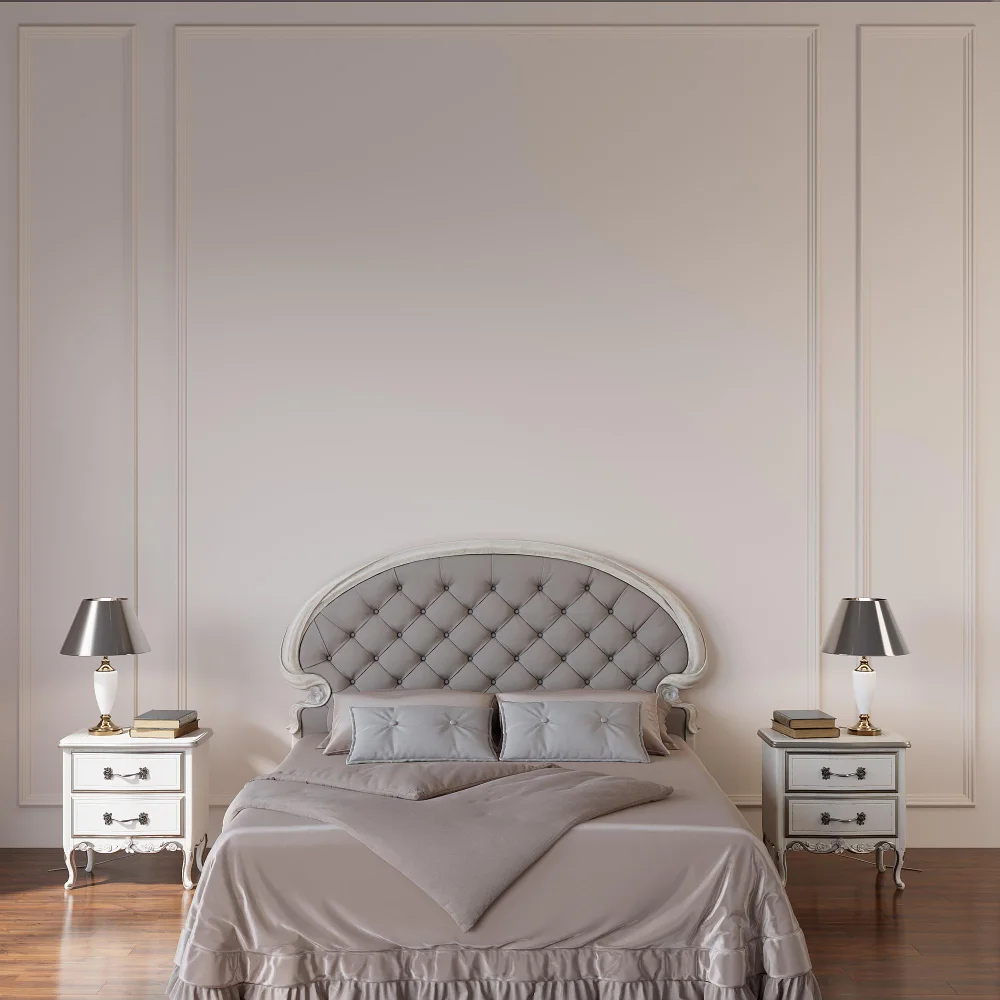
These are the color directions that hold up best in tight rooms. Each entry covers what it is, who it fits, a quick pros and cons read, and a real shade to start from.
Warm White for Maximum Light
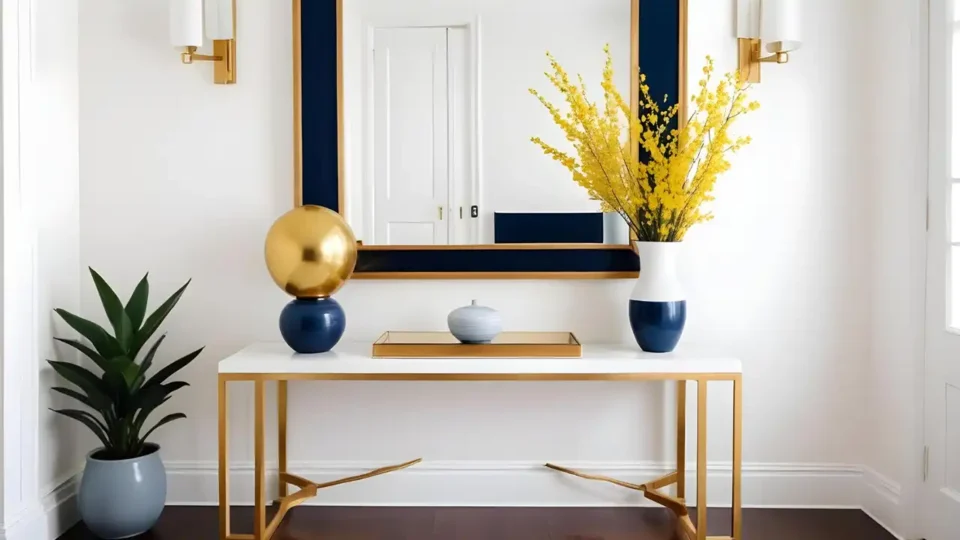
A warm white reflects the most daylight while staying soft, not sterile. Sherwin-Williams Alabaster SW 7008 is the classic choice, with an LRV around 82 and gentle beige undertones that keep it from feeling stark. This pick fits any small bedroom that needs to feel as open and bright as possible, especially rooms with limited windows.
Pros:
Reflects the most light of any color group
Goes with every bedding and wood tone
Timeless and easy to resell
Cons:
Can feel flat without texture layers
Shows scuffs near light switches
DESIGNER TIP: Add a linen headboard, a jute rug, and one oak nightstand so a warm-white room still feels layered, not blank.
Soft Greige for a Calm, Modern Base
Greige blends gray and beige into one warm neutral that feels current and quiet. Benjamin Moore Pale Oak OC-20 is a reliable example, with an LRV near 69 and a soft warm base. It reads almost like a warm white in bright light and turns cozier in dim rooms. This fits anyone who wants color depth without a bold hue. Our cozy bedroom ideas that feel warm and luxurious show how to build on a greige base.
Pros:
Hides minor wall flaws better than pure white
Pairs with both cool and warm decor
Cons:
Can shift gray or pink in tricky light
Needs a true sample test to confirm
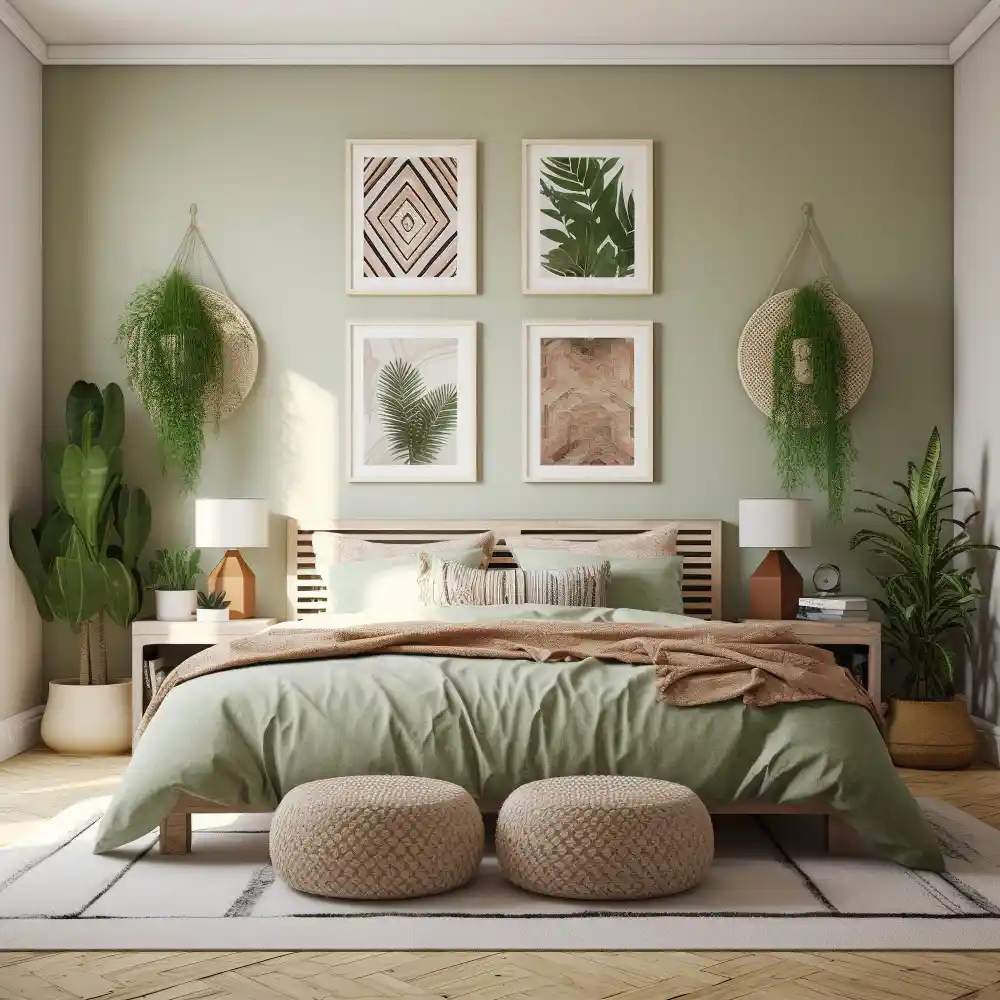
Muted Sage for Quiet Color
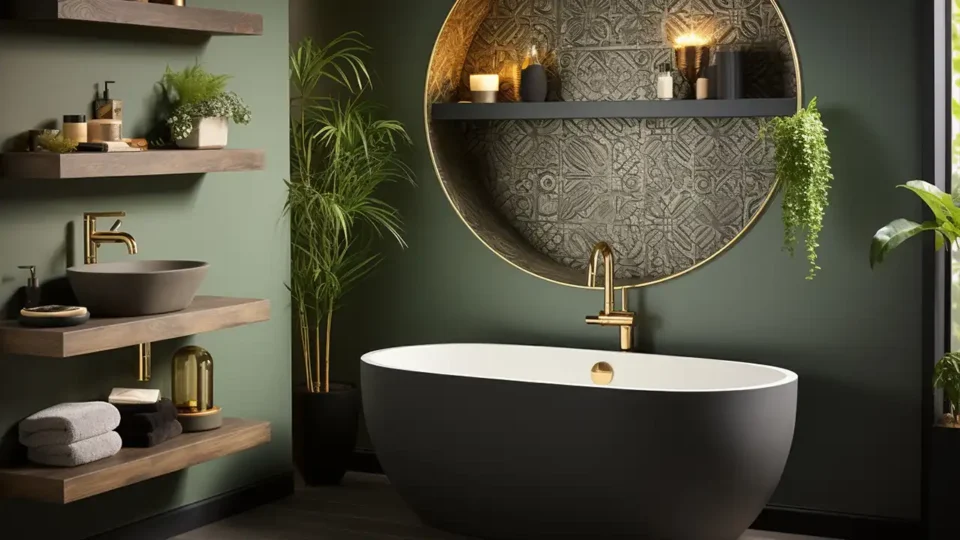
A muted sage green adds soft color while staying calm and grounded. Sherwin-Williams Evergreen Fog SW 9130 sits around LRV 30, so it is a deeper, cozier pick rather than a brightener. Sage works because green reads as restful and easy on the eyes in a bedroom. It suits a small room that gets decent light and wants character without going dark.
Pros:
Adds personality while staying restful
Flatters oak, walnut, and brass accents
Cons:
Lower LRV means less reflected light
Best in rooms with at least one good window
For more on styling this exact palette, our sage green nursery decor ideas show the soft green layered out.
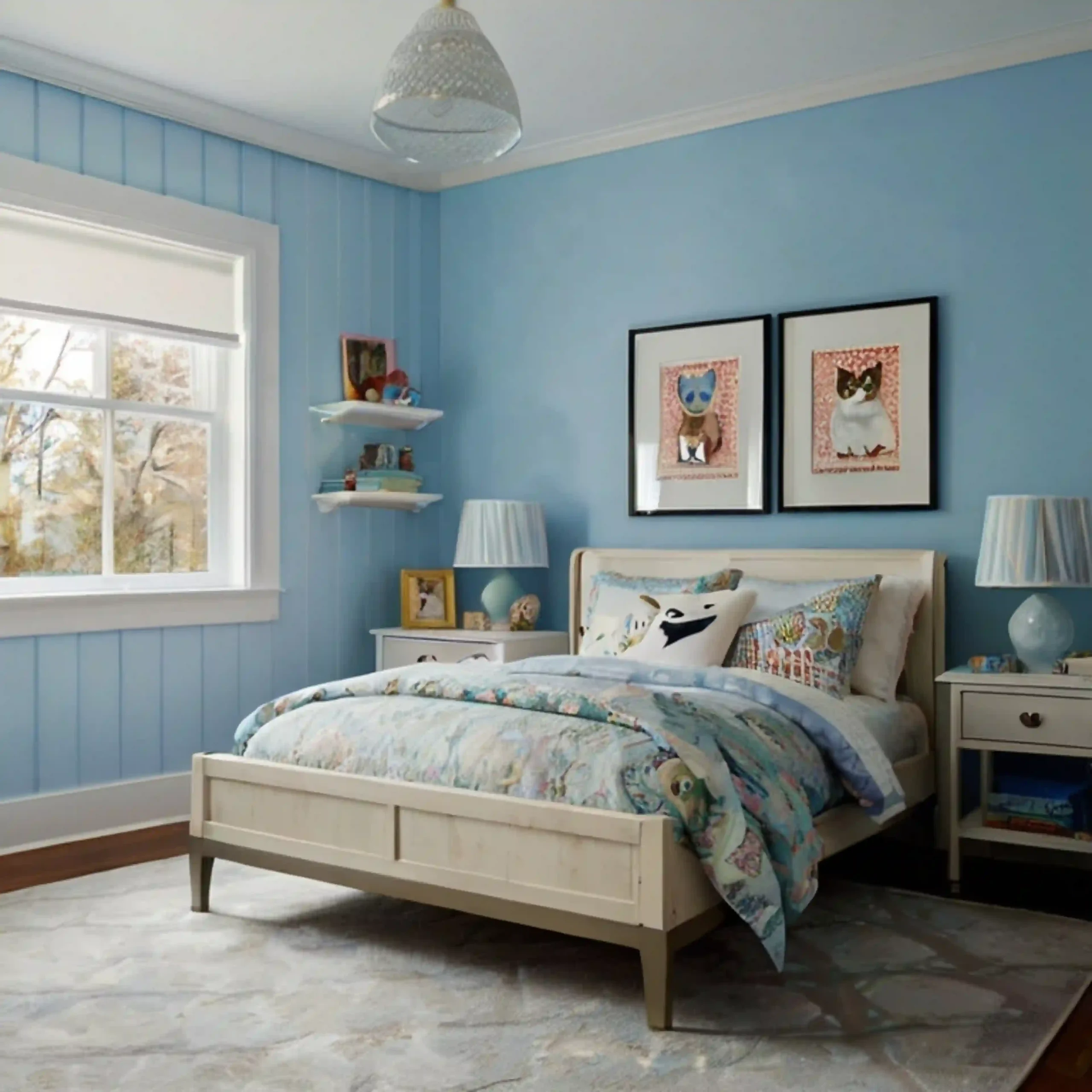
Soft Blue for a Restful Feel
A soft, warm-leaning blue calms a bedroom without the chill of a true sky blue. Benjamin Moore Quiet Moments 1563 is a good example, with an LRV near 61 and a gray-green cast that keeps it gentle. This pick fits a small bedroom you use mainly for sleep and unwinding. In a north-facing room, lean toward blues with a green base so they do not feel cold.
KEY TAKEAWAY: Among the best paint colors for a small bedroom, warm white and soft greige stretch the space most, while sage and soft blue add calm color.
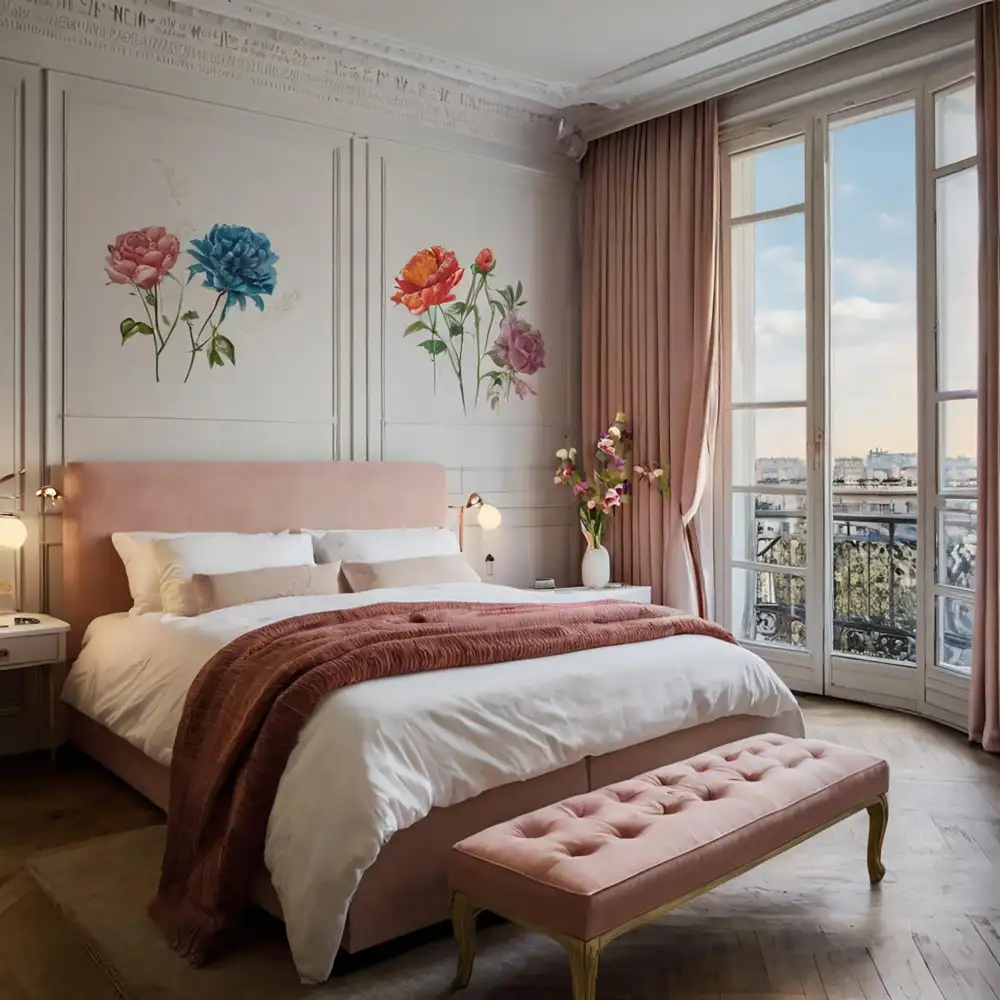
Warm Blush for Soft Warmth
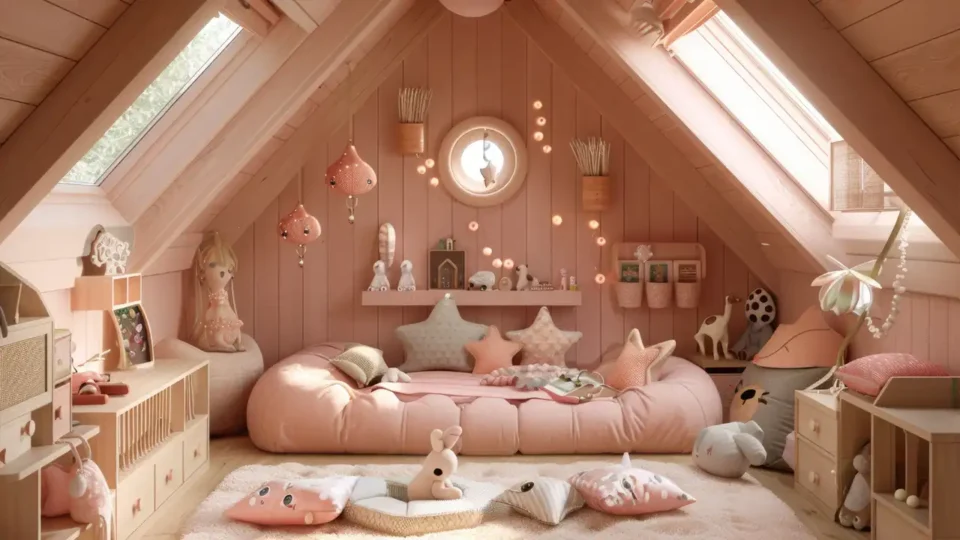
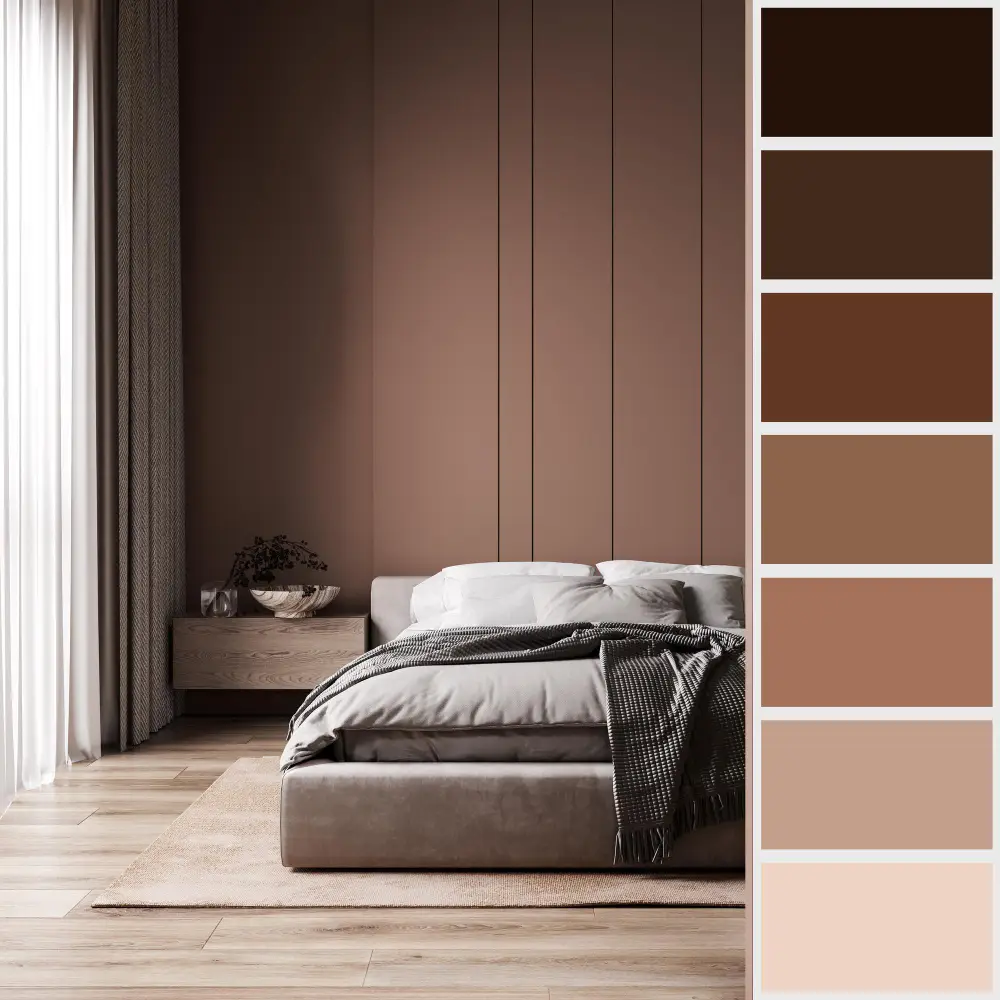
A muted, dusty blush brings warmth that flatters skin and morning light. Farrow & Ball Setting Plaster No. 231 is the well-known shade — a soft pink softened by yellow, so it reads more like a warm beige-pink than a bright pink. It suits a small bedroom that feels cold or north-facing and needs a gentle lift. Blush pairs beautifully with cream linen and warm-toned wood. See more in our pink small bedroom ideas.
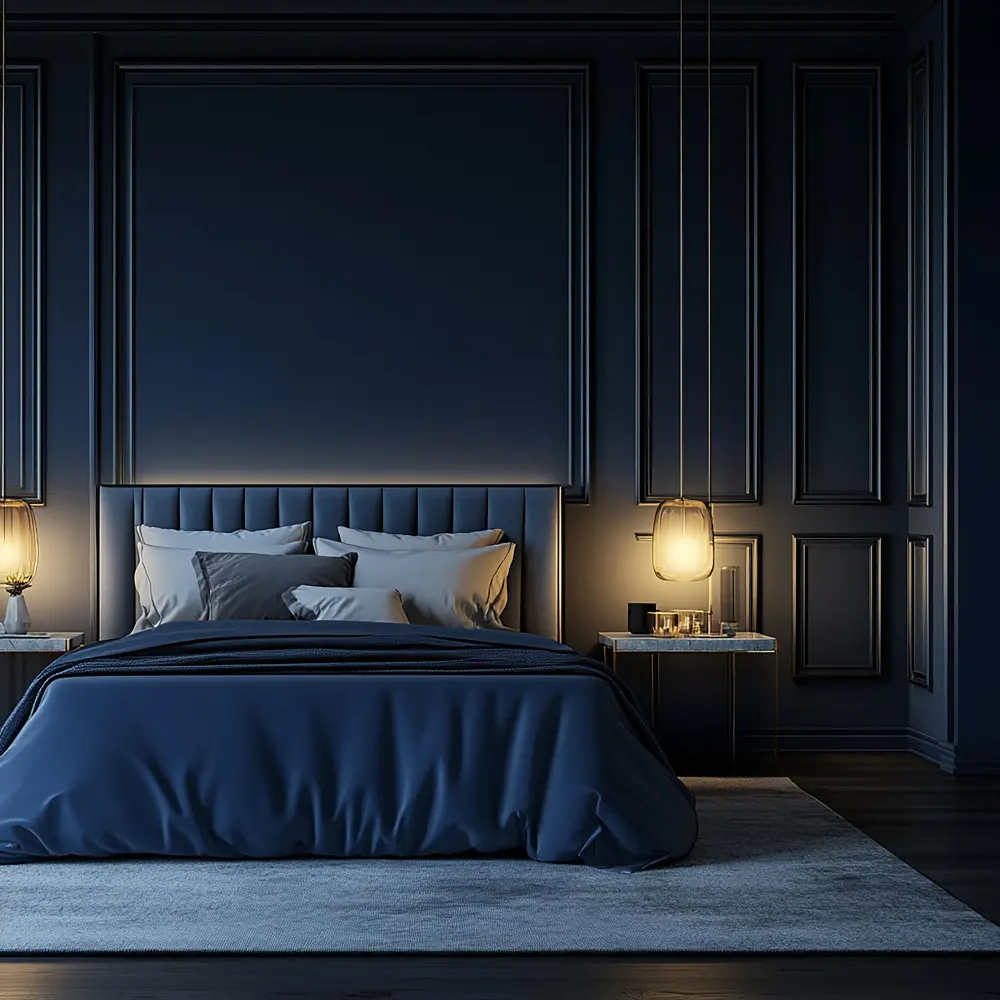
Moody Drench, Done Right
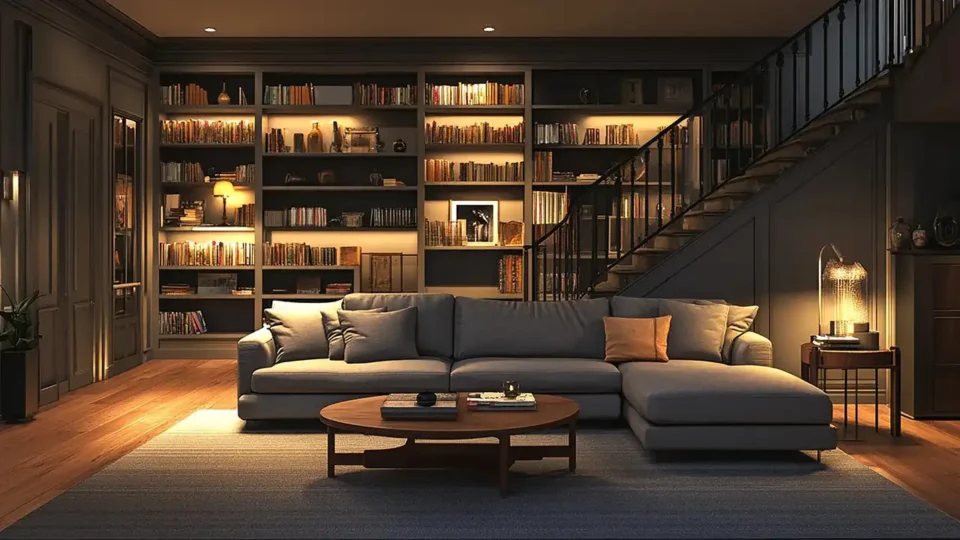
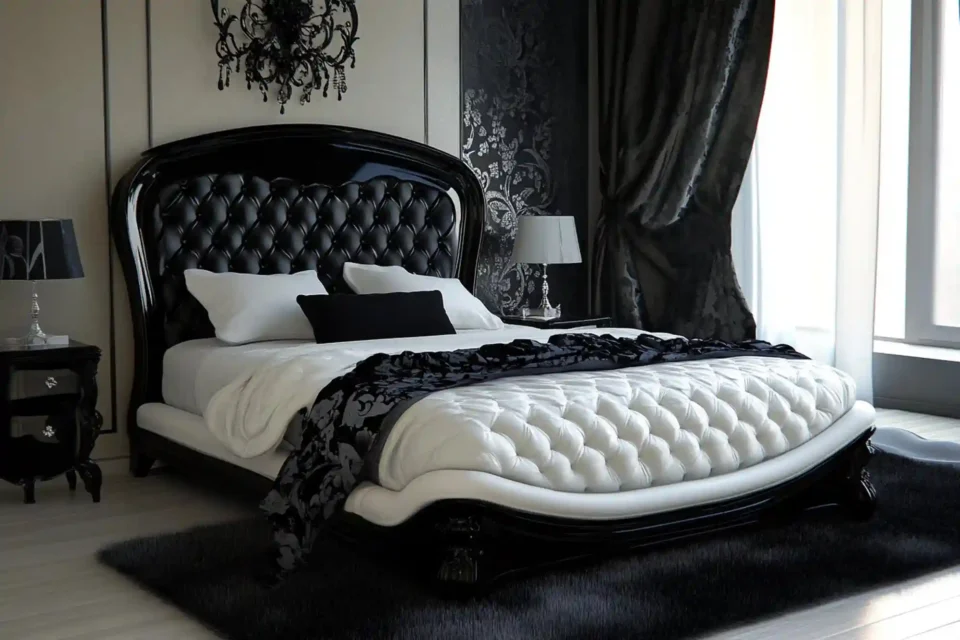
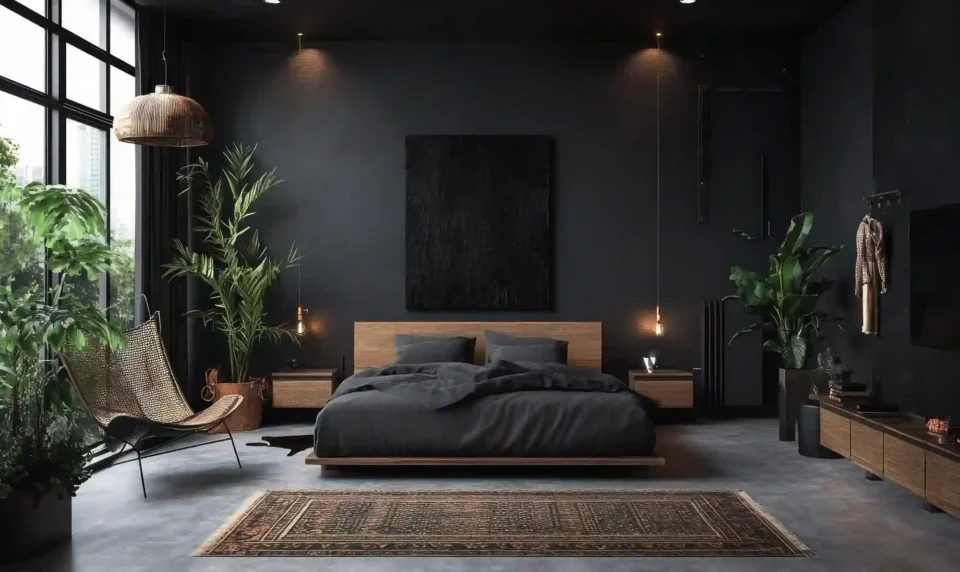
A dark, drenched room can feel bigger, not smaller — when done correctly. Color drenching means painting walls, trim, and the ceiling the same shade, which erases the lines that chop up a small room. Farrow & Ball Hague Blue and Calke Green are designer favorites for this cocooning look. The effect works because there is no contrast to mark where the wall stops and the ceiling starts, so the eye reads one continuous, restful space. For a full moody scheme, our navy blue bedroom ideas for a moody retreat show the look styled out.
Designer Rule of Thumb: Reserve the moody drench for a bedroom you mostly use at night, then add warm 2700K lamps and pale bedding so the dark walls feel cozy, not cave-like.
KEY TAKEAWAY: A small bedroom can go dark and still feel open if you drench every surface in one shade and light it warmly.
How Do You Match a Paint Color to Your Room’s Light?
Window direction changes a color more than most people expect. North-facing bedrooms get cool, steady light that pulls blues and grays colder, so warm whites, greige, and warm-based greens balance them. South-facing rooms get strong warm light, so they can carry cooler blues and grays without feeling chilly. The same gray can look warm in one room and cold in the next.
East and west rooms shift through the day. An east-facing bedroom gets warm morning light and cooler evening light, while a west-facing room does the opposite. Pick the color for the time you use the room most. If you wake up there, test it in the morning. If it is mainly an evening retreat, judge it at night under your lamps.
Composite example: picture a small north-facing bedroom painted in a cool gray that looked great in the store. On the wall it turned flat and bluish by afternoon. Switching to a warm greige like Pale Oak softened the light and the room felt a size larger without any furniture change.
KEY TAKEAWAY: Test every color in your own room’s light, because window direction can turn a warm color cold or a cold color warm.
Quick Reference: Which Paint Color Wins for Each Need
Best for maximum light: Sherwin-Williams Alabaster SW 7008, a warm white near LRV 82.
Best calm modern neutral: Benjamin Moore Pale Oak OC-20, a soft greige near LRV 69.
Best quiet color: Sherwin-Williams Evergreen Fog SW 9130, a muted sage.
Best restful blue: Benjamin Moore Quiet Moments 1563, near LRV 61.
Best for cold rooms: Farrow & Ball Setting Plaster, a warm dusty blush.
Best moody pick: Farrow & Ball Hague Blue, drenched on every surface.
KEY TAKEAWAY: Start from the single job your room needs most — more light, more calm, or more warmth — then pick the matching color.
What Does It Cost to Paint a Small Bedroom?
Painting a small bedroom is one of the cheapest ways to change how the whole room feels. A standard 10-by-12 bedroom needs about two gallons of paint for two solid coats, since one gallon covers roughly 350-400 square feet.
A budget DIY job runs about $100-$300 once you add a quality gallon, painter’s tape, a roller kit, and drop cloths. A mid-range route uses premium paint with better coverage and a built-in primer, which often saves a coat. A premium option is hiring a pro, which for a small bedroom typically lands around $350-$850 depending on your area and wall condition.
| Project | Estimated Cost | Impact Level |
|---|---|---|
| DIY paint and basic supplies (2 gallons) | $100-$300 | Very High |
| Premium paint with primer built in | $160-$350 | High |
| Professional painter, small bedroom | $350-$850 | High |
| Peel-and-stick samples before you commit | $10-$40 | Medium |
Best First Upgrade: Buy two large peel-and-stick samples first — a few dollars saved here prevents a costly wrong-color repaint.
Skip for Now: Skip designer-only specialty paints until you have tested the color and confirmed the undertone in your room.
KEY TAKEAWAY: A small bedroom repaint costs $100-$300 as a DIY job, making it the highest-impact change for the money.
For a full low-cost plan, see our smart hacks to decorate a small bedroom on a budget.
Paint Color Traps That Shrink a Small Room
❌ Picking the palest white on the card → ✅ Choose a warm white like Alabaster so the room feels soft, not cold and shadowy.
❌ Ignoring undertones in a north-facing room → ✅ Use warm-based colors to balance cool blue light.
❌ Skipping samples to save time → ✅ Test two shades on two walls in day and night light first.
❌ Painting trim bright white against a dark wall → ✅ Drench trim and ceiling in the same shade for an open, seamless look.
KEY TAKEAWAY: Most small-room paint regret comes from skipping samples and ignoring undertones, not from the color itself.
The Bottom Line
Designer’s Verdict: For most small bedrooms, a warm greige like Benjamin Moore Pale Oak OC-20 is the safest winner — it brightens the room like a near-white, hides wall flaws, and flatters both cool and warm decor. If your room is bright and you want maximum openness, switch to warm white Alabaster instead.
For a calm, restful retreat with a little color, muted sage or soft blue both hold up well in a small room with at least one good window. And if you love drama, a drenched Hague Blue room proves dark can still feel open. To carry a calm palette through the rest of your home, browse all our bedroom ideas for matching looks.
KEY TAKEAWAY: When in doubt, start with a warm greige — it is the most forgiving of the best paint colors for a small bedroom.
Frequently Asked Questions
Conclusion
The best paint colors for a small bedroom are not about chasing the palest white. They are about matching light reflectance and undertone to the way your room actually feels at different times of day. A warm greige or warm white brightens and opens most rooms, sage and soft blue add quiet color, blush warms a cold space, and a careful drench proves dark can feel cozy and open at once.
Editorial field note: A cramped bedroom in flat builder-white often feels colder and smaller than expected, with every shadow showing on the wall. Repainting in a warm greige and testing it in real morning and evening light usually makes the same room feel a size larger before a single piece of furniture moves. Start with a sample, trust your own light, and the rest gets easy. For color ideas in other spaces, browse our room-by-room decorating ideas and keep the palette consistent from one room to the next. When you are ready to plan a wider refresh, our home decor ideas and inspiration can guide the next step.
More Small Bedroom Ideas
- 10 Smart Small Bedroom Ideas for 2 Sisters That Stop Clutter
- 11 Small Bedroom Ideas With a Single Bed to Maximize Your Space
- 12 Cozy Aesthetic Small Bedroom Ideas That Feel Like a Warm Hug
- 12 Functional Ways to Arrange Furniture in Very Small Bedrooms
- 12 Small Bedroom Ideas for Couples That Stop the Clutter Wars
- 12 Smart Small Bedroom Layouts to Maximize Your Floor Space
- 12 Very Small Boho Bedroom Ideas to Maximize Your Cozy Space
- 15 Pink Small Bedroom Ideas to Brighten Your Tiny Space
- 15 Small Bedroom Ideas for Teens That Maximize Every Square Inch
- 9 Small Bedroom Ideas With a King Size Bed That Actually Work