TL;DR
Bedroom ideas by room work best when you start from the person, not the paint chip. Decide who sleeps there and how they use the space, then match the palette, layout, storage, and durability to that life. This hub covers 12 room types — from master and men’s to teen, guest, dorm, studio, and rental — with one core move each. Each section points to a deeper guide so you can go room by room without guessing.
Looking for more ideas? Explore our full guide to Bedroom Decorating Ideas.
How to Decorate a Bedroom for a Specific Person or Room
Most bedroom advice starts with a color or a style. That is the wrong starting point. If you have ever pinned 40 rooms and still felt stuck, you are not alone — the rooms were built for different people. A good bedroom answers one question first: who sleeps here, and how do they live in it?
Bedroom ideas by room mean choosing the palette, layout, storage, and durability to fit the occupant, not a trend. A guest room needs comfort and flexible storage. A teen room needs personality that can grow. A master bedroom needs a calm, hotel-like retreat. A rental needs removable, reversible updates. Once you name the person, every other choice gets easier.
Editorial field note: A spare room styled like a showroom often leaves guests living out of a suitcase, because nothing was built for an actual visitor. Adding a luggage bench, six empty hangers, and a water carafe changes how the room feels overnight. The space reads as welcoming before a single new pillow goes in.
This guide is the umbrella. Start here, then follow the link in each section to the full room-by-room page. If you want the broad foundations first, our home decor inspiration and the full bedroom design archive give you the wider context. Bookmark this guide for quick reference.
KEY TAKEAWAY: Name the occupant first, then let palette, layout, storage, and durability follow their real daily life.
Master Bedroom Ideas for a Calm Retreat
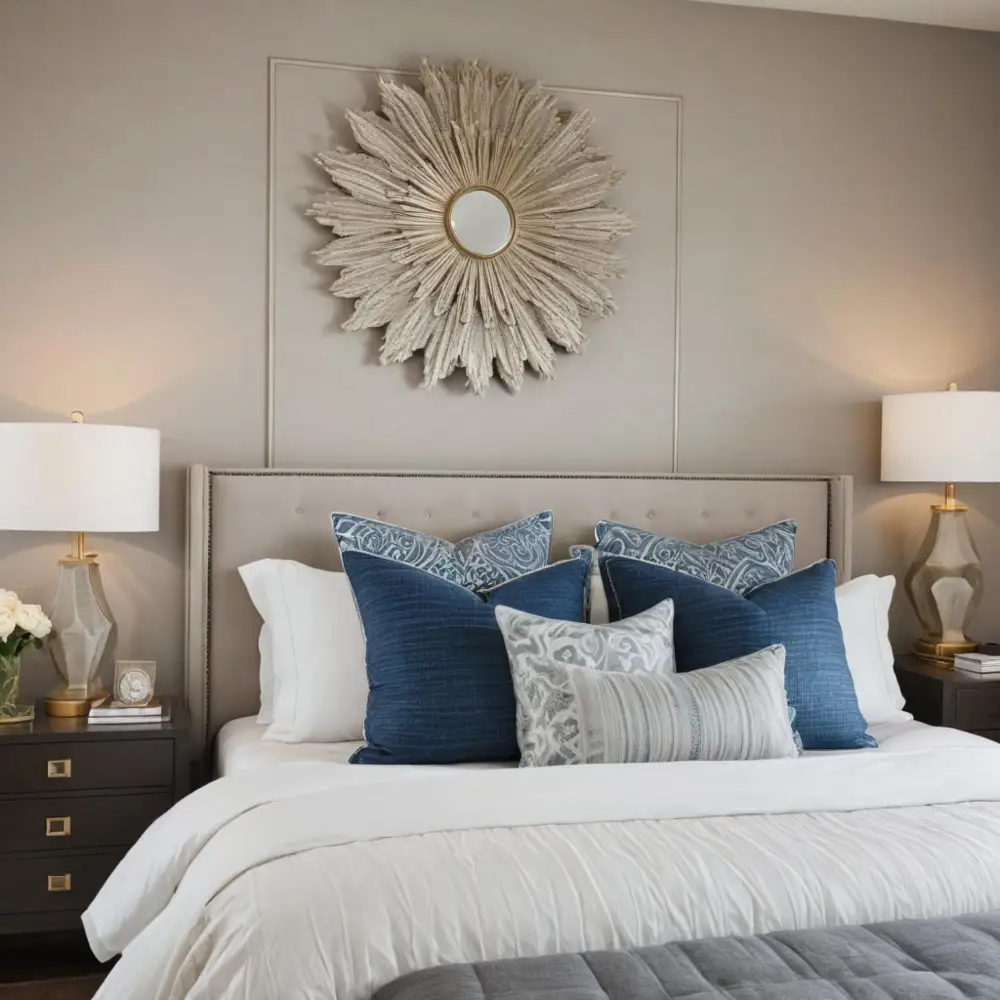
A master bedroom is the adult retreat, so calm wins over busy. Keep the palette soft and warm — greige walls, cream linen bedding, and a deep charcoal or muted clay accent. Anchor the room with an upholstered platform bed and a pair of matching nightstands at mattress height. Layer one warm 2700K lamp on each side for an even, restful glow.
The layout move that matters most here is clearance. Leave 30–36 inches at the foot of a queen and 24–30 inches on each side so the room walks like a suite. For a polished or warm version of this room, see our luxury master bedroom ideas and these cozy master bedroom ideas. One styling cue: fold a chunky knit throw at the foot of the bed for instant softness.
KEY TAKEAWAY: A master bedroom feels like a retreat when the palette stays calm and the bed has real walking space around it.
Men’s Bedroom Ideas That Feel Modern and Grounded
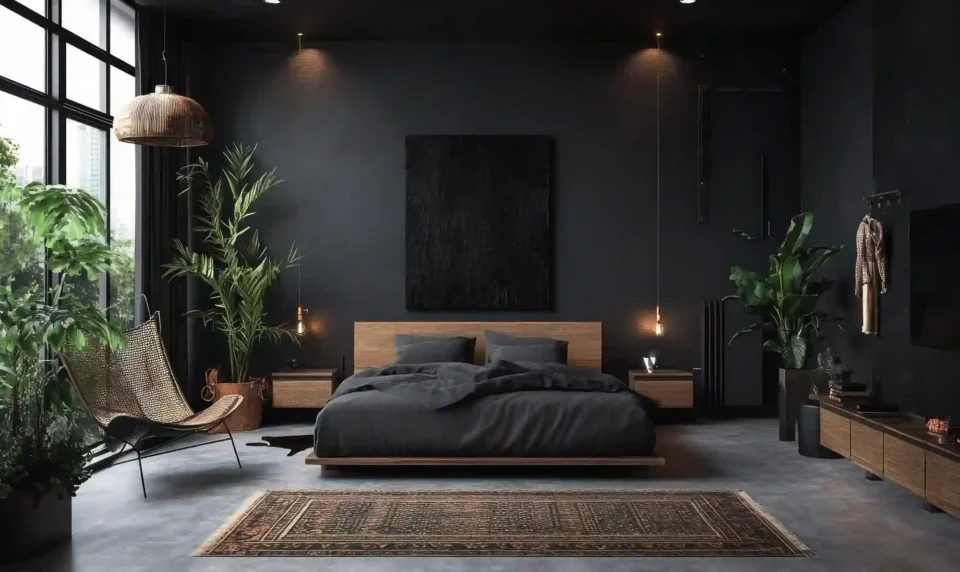
A men’s bedroom usually wants a grounded, modern feel without going cold. Lean on deeper tones — charcoal, washed denim blue, warm walnut, and matte black hardware. Pick clean-lined furniture with low visual weight: a platform bed, a slim dresser, and one leather or boucle accent chair. Skip the clutter and let two or three solid materials carry the room.
The core move is texture over pattern. A wool area rug, linen bedding, and a single oak nightstand read as put-together without looking fussy. For a full breakdown of this look, see our 15 men’s bedroom ideas that feel modern and masculine. One styling cue: hang a single large piece of art above the bed instead of a busy gallery wall.
KEY TAKEAWAY: A men’s bedroom looks modern when deep tones and a few strong materials replace clutter and pattern.
Women’s and Feminine Bedroom Ideas
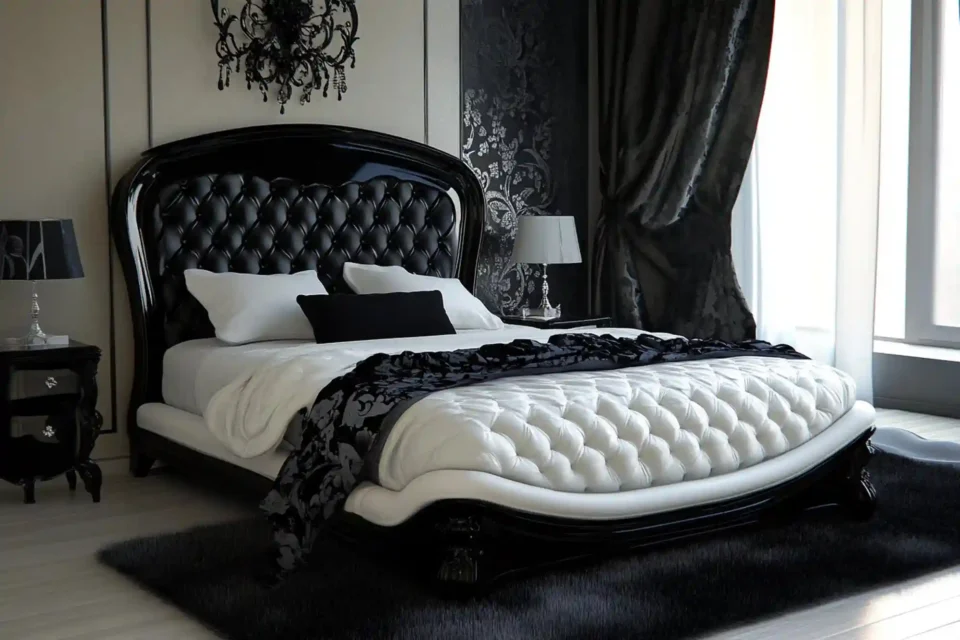
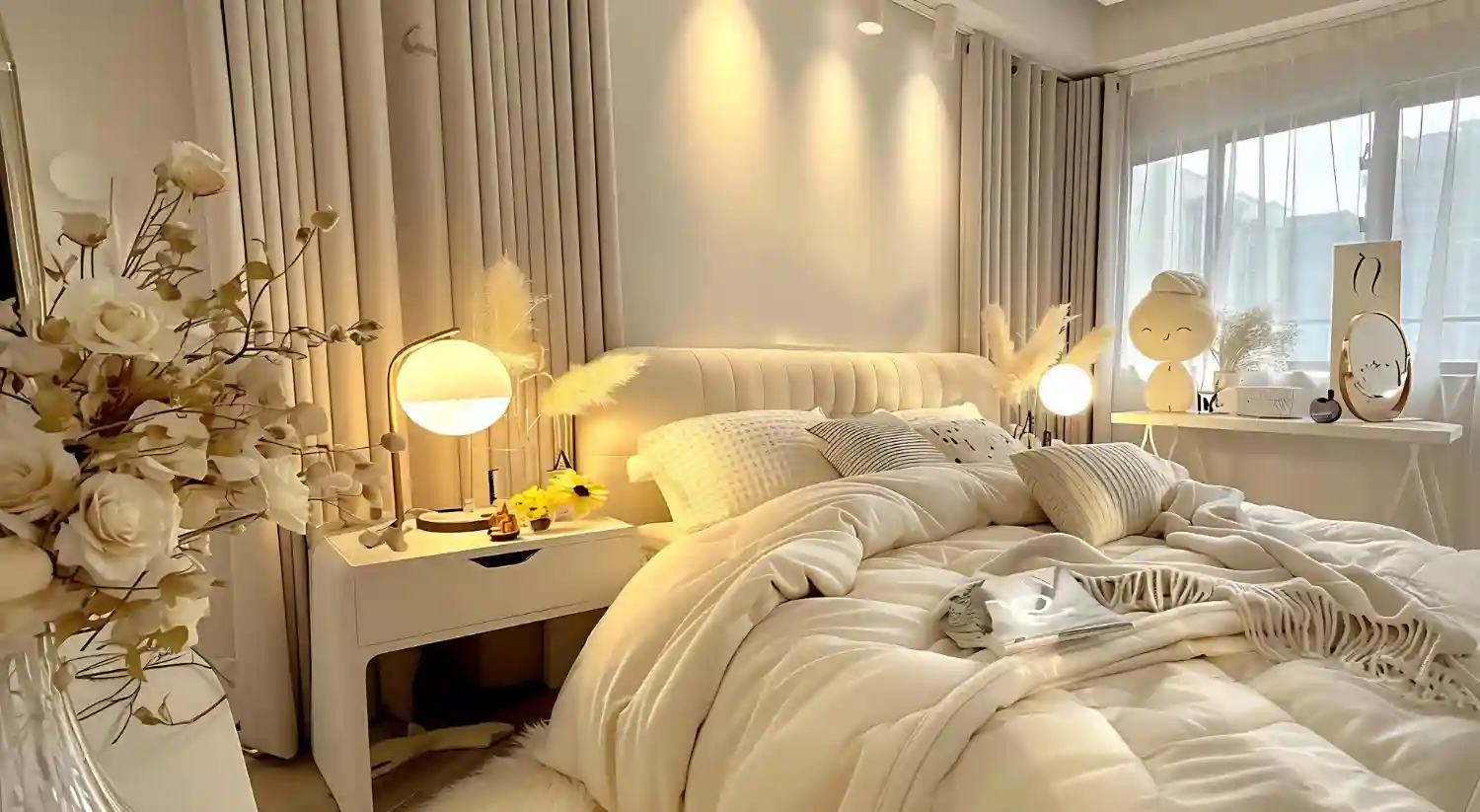
A feminine bedroom leans soft and layered without tipping into fussy. Build from a warm base — soft white, blush pink, warm greige, or sage green — then add texture through linen, velvet, and a low-pile rug. A curved or upholstered headboard brings a gentle shape, while brushed brass or antique gold hardware adds quiet shine. Keep one or two accent colors so the room feels collected, not crowded.
The move that pulls it together is layered softness. Mix a linen duvet, a velvet lumbar pillow, and a knit throw in tones of the same family. Add a small vanity or a styled dresser as a personal corner. One styling cue: place fresh stems or dried pampas in a ceramic vase on the dresser for an easy, save-worthy finish.
KEY TAKEAWAY: A feminine bedroom works when a soft base gets depth from mixed textures in one or two accent colors.
Teen Boy Bedroom Ideas That Grow With Them
A teen boy’s room needs personality now and room to grow later. Pick a flexible base — charcoal, slate blue, forest green, or warm grey — then let bedding, posters, and shelf decor carry the changing interests. Choose furniture that lasts past the teen years: a sturdy platform bed, an adult-height desk, and a dresser they can keep into a first apartment. That way the bones survive three style changes.
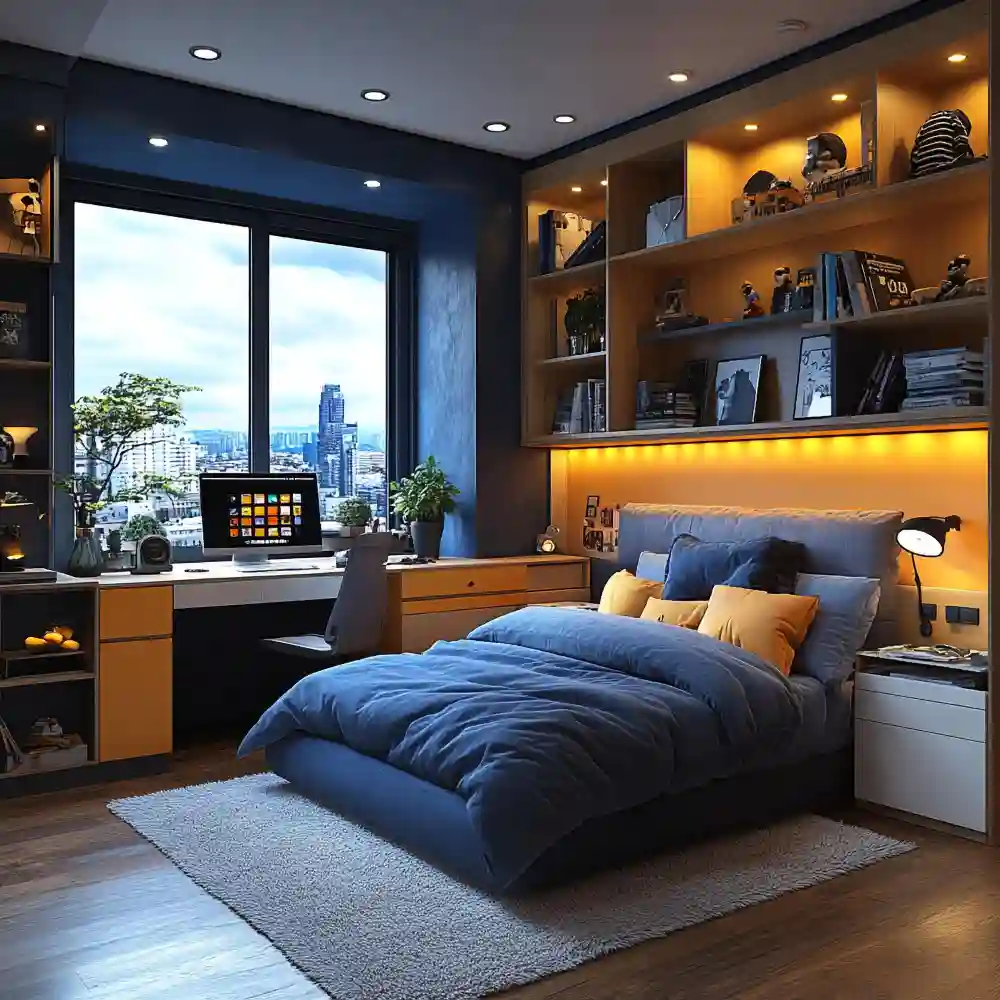
The smart move is future-proofing. Keep walls and big pieces neutral, and let the cheap, swappable layers hold the trend. For a complete plan, see our 14 teen boy bedroom ideas that are cool, functional, and clean. One styling cue: add a pegboard or wall grid for gear that doubles as decor.
KEY TAKEAWAY: A teen boy’s room lasts when the base stays neutral and personality lives in swappable, low-cost layers.
Teen Girl Bedroom Ideas With Personality
A teen girl’s room is where personality matters most, so give it a clear point of view. Start with a base she loves — blush, sage, lavender, or warm white — then build a styling zone she controls. A small vanity, a gallery wall, and string or warm LED lighting let her own the space without a full redo. Keep the big furniture calm so the bold choices stay easy to change.
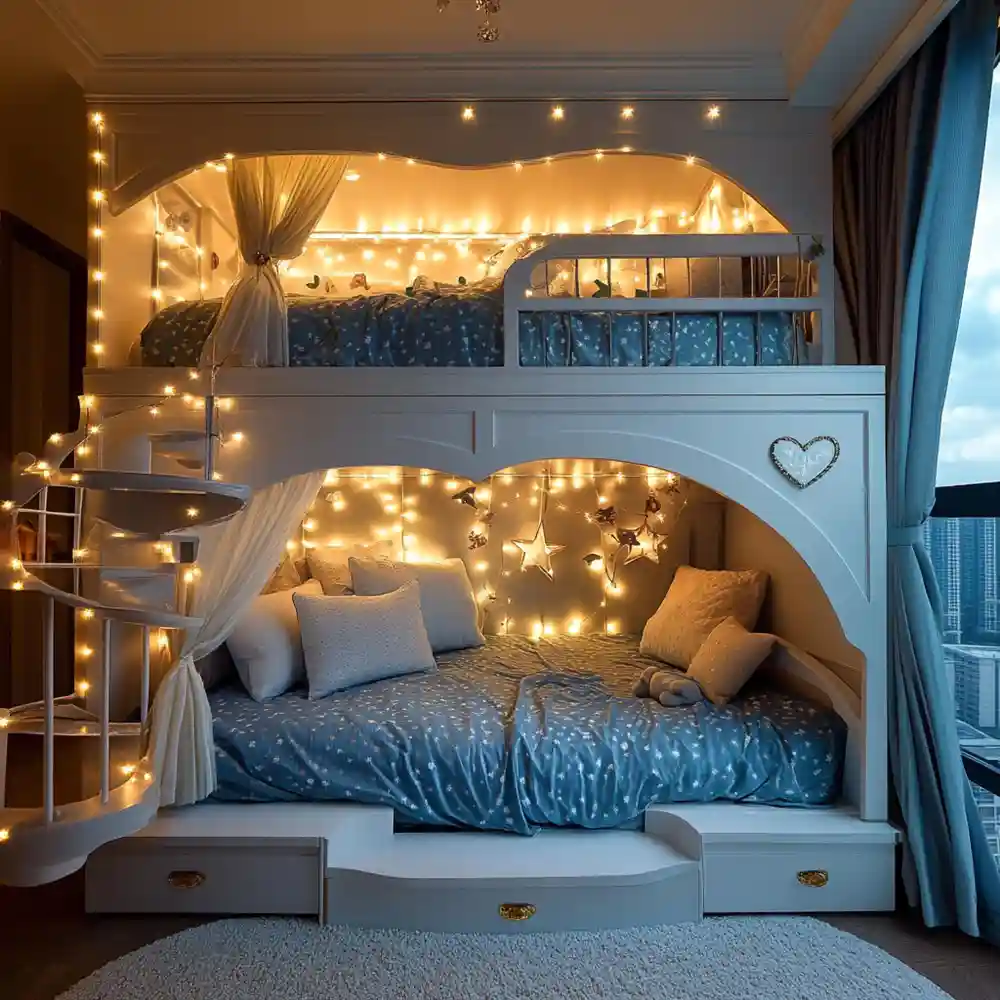
The core move here is a personal styling corner. Pair a vanity or desk with a mirror, soft task light, and open shelving for the things she actually uses. For tight rooms, these small bedroom ideas for teens show how to fit a vanity and a desk in one footprint. One styling cue: frame her own art or photos for a wall that feels personal, not bought.
KEY TAKEAWAY: A teen girl’s room shines when a calm base supports one styling corner she fully controls.
Kids and Shared Sibling Bedroom Ideas
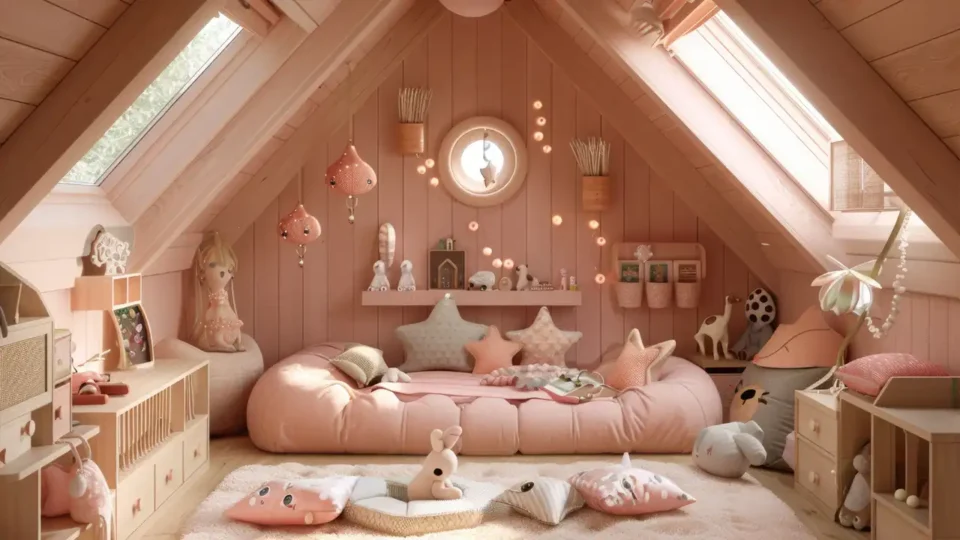
A kids’ room has to handle play, sleep, and mess, often for two children at once. Choose durable, spill-friendly fabrics, washable rugs, and rounded furniture edges. For a shared room, give each child a clear zone: their own bedding color, a personal shelf, and a light they control. Bins and low open cubbies beat tall dressers because kids can reach and reset them.
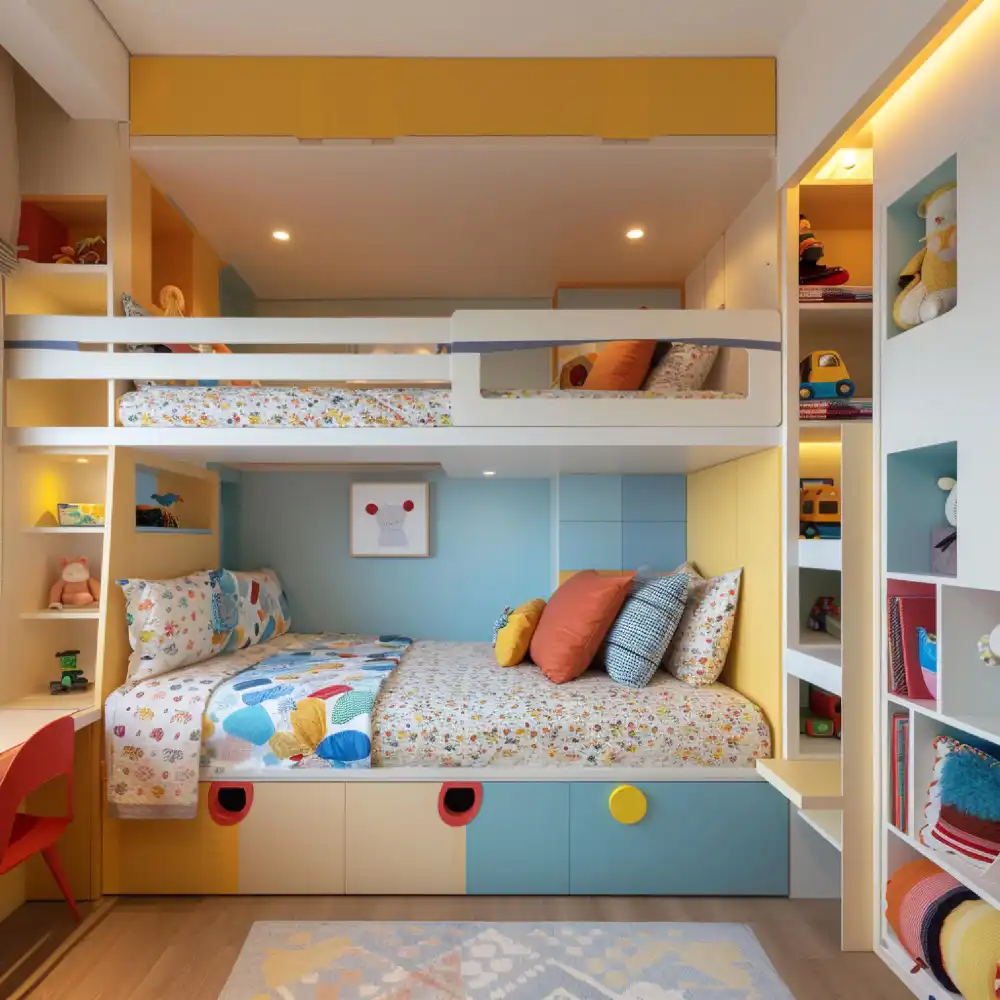
The layout move that keeps the peace is real separation. When two beds sit in one room, leave about 24–36 inches between them so each child has access and a little privacy. For a same-room plan, our smart small bedroom ideas for 2 sisters show how to split storage fairly. One styling cue: label bins with pictures so young kids can tidy on their own.
KEY TAKEAWAY: A shared kids’ room works when each child gets a clear zone, reachable storage, and 24–36 inches of space between beds.
Guest Bedroom Ideas That Feel Welcoming
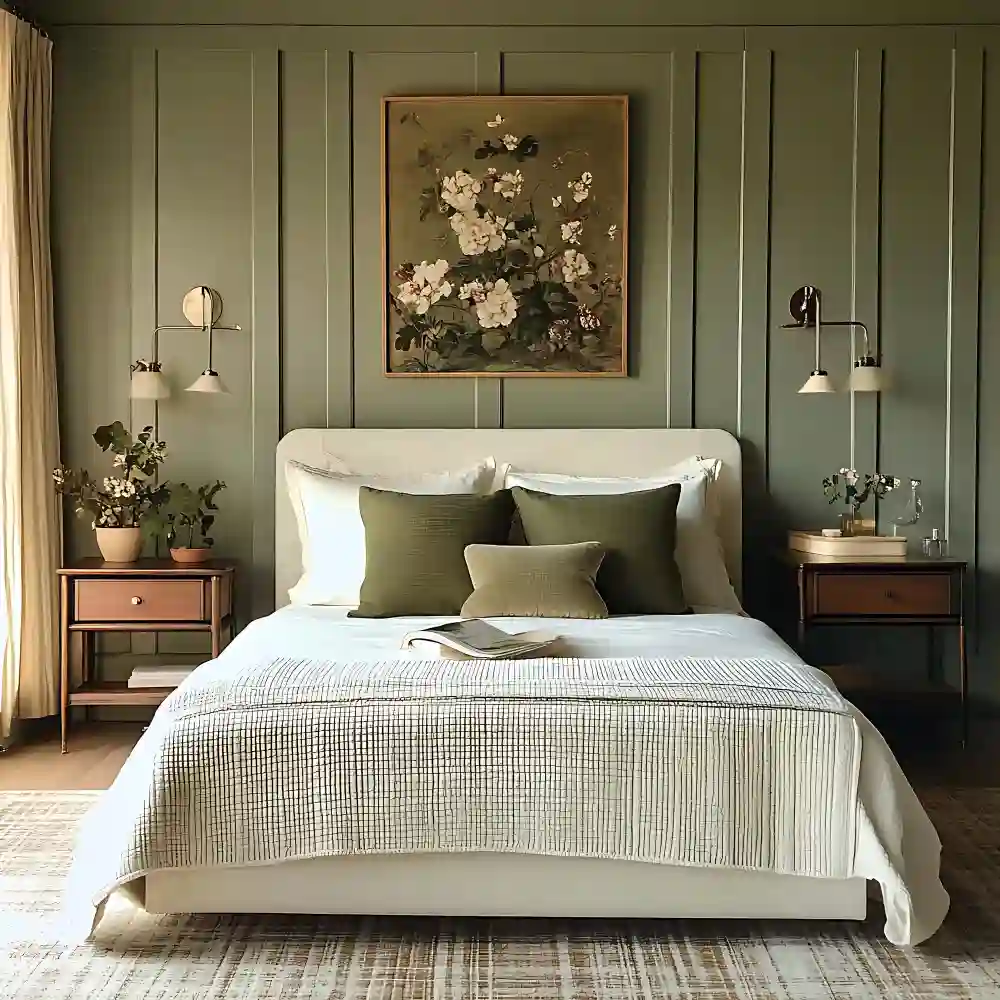
A guest bedroom should anticipate what a visitor forgets to pack. Comfort and flexible storage come first: layered bedding, a spot for a suitcase, and a clear surface to set things down. Keep the palette neutral and calm — warm white, greige, soft sage — so any guest feels at ease. The goal is a short, easy stay, not a showroom.
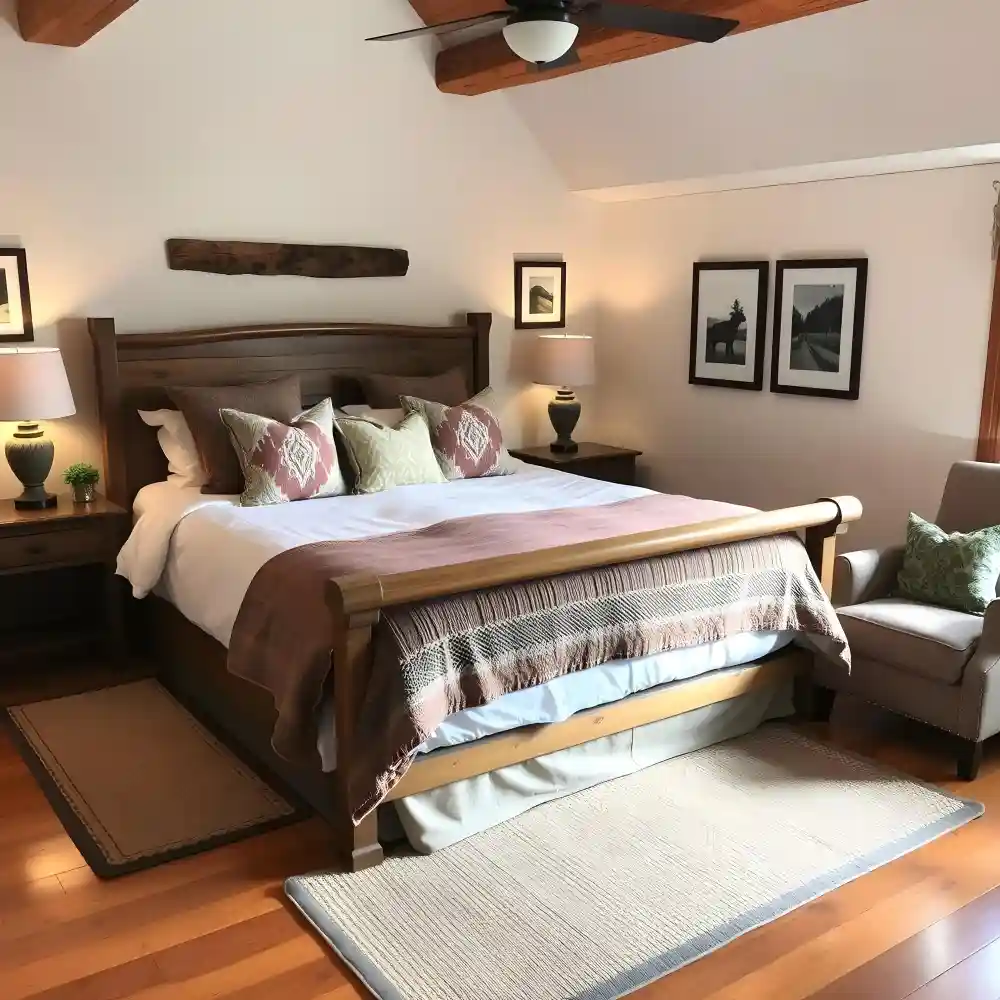
The move that turns a spare room into real hospitality is the welcome kit. Add a luggage bench or rack, six empty hangers, a water carafe with a clean glass, a bedside reading lamp, and a few extra blankets in a floor basket. A full-length mirror and a phone charger round it out. For narrow spare rooms, our very small guest bedroom ideas make a tight footprint feel generous. One styling cue: leave one empty drawer so guests can unpack instead of digging.
KEY TAKEAWAY: A guest bedroom feels welcoming when comfort basics — blankets, water, hangers, and luggage space — are ready before anyone arrives.
Couples and Shared Bedroom Ideas
A shared adult bedroom has to balance two people’s stuff, sleep needs, and taste. Start with a neutral base both partners like, then split the room evenly. Matching nightstands, two reading lights, and two-sided closet or dresser zones keep the peace. The palette stays calm so neither person feels the room belongs only to the other.
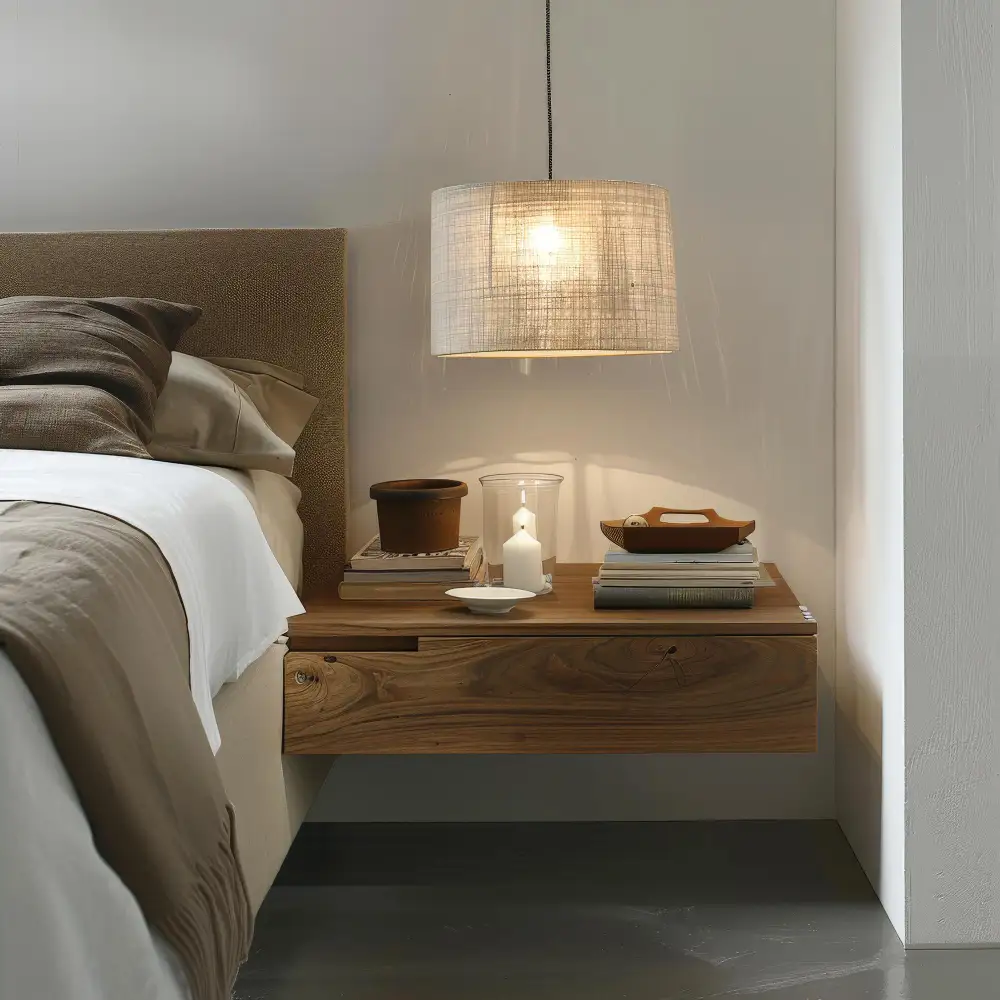
The core move is symmetry plus fair storage. Give each side its own lamp, outlet, and surface, and divide drawers down the middle. Leave 24–30 inches on each side of a queen so both can get in and out easily, per general bedroom clearance guidance from Homes & Gardens. For tighter rooms, our small bedroom ideas for couples stop the clutter wars. One styling cue: choose one shared accent color so the room feels like a team, not a compromise.
KEY TAKEAWAY: A couples’ bedroom works when both sides get equal light, storage, and clearance around a calm shared palette.
Dorm Room Ideas That Stay Compact and Multi-Use
A dorm room has to be a bedroom, study, and lounge in one small footprint, often on a strict no-damage rule. Every piece should earn its place: lofted or raised beds free floor space, under-bed bins hold off-season clothes, and a slim desk doubles as a nightstand. Keep the palette light and warm so the small space feels open rather than boxed in.
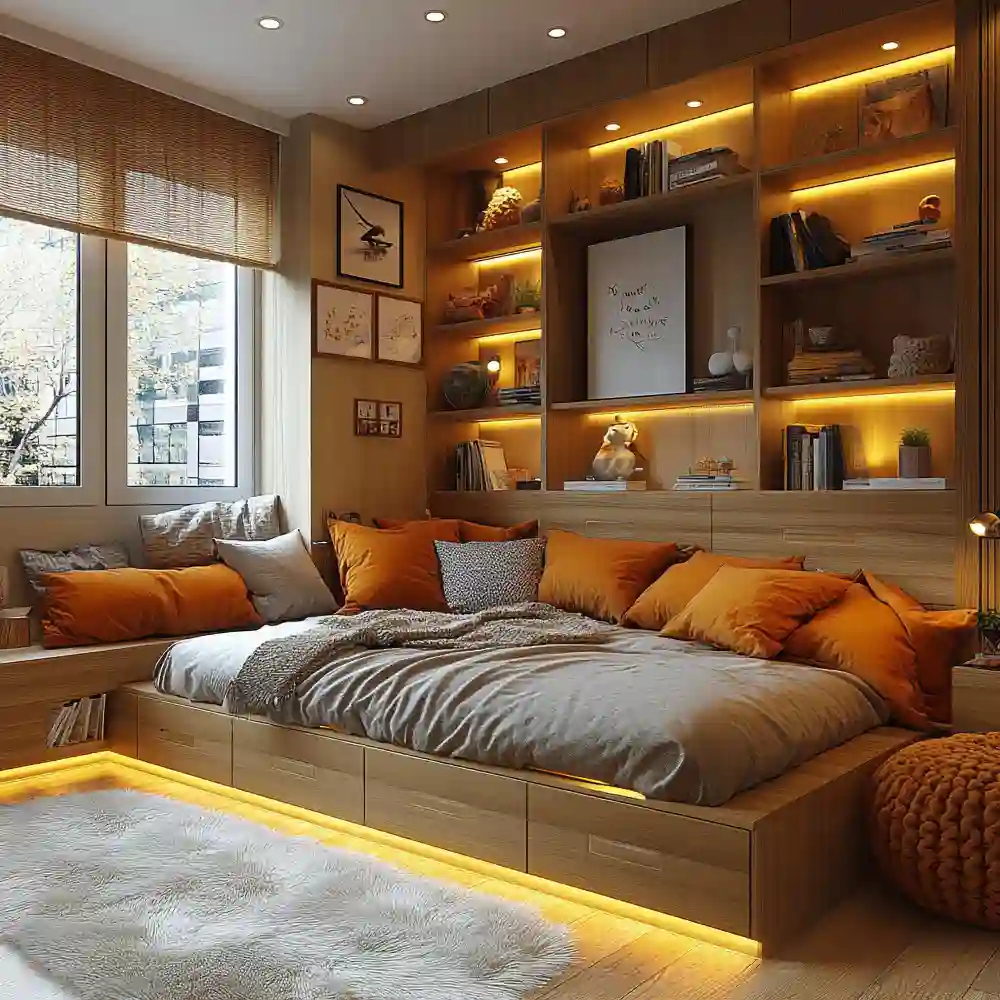
The smart move is going vertical and removable. Use over-door hooks, tension rods, and Command strips instead of nails, and add one warm 2700K lamp so the overhead fluorescent is not the only light. For more compact tricks, browse our small spaces ideas for layouts that stretch every inch. One styling cue: add a peel-and-stick accent behind the bed for personality you can remove on move-out day.
KEY TAKEAWAY: A dorm room works when furniture multitasks, storage goes vertical, and every update peels off without damage.
Studio Apartment Bedroom Ideas
A studio apartment bedroom has no walls to hide behind, so the sleep zone needs a soft boundary. Use a rug, a low bookshelf, or a curtain track to separate the bed from the living area. Keep one palette across the whole studio so the bedroom flows with the rest of the room. A storage bed or a bed with drawers underneath does double duty in a space with no spare closet.
The move that defines the zone is a visual divider plus shared color. A platform bed against one wall, a sheer panel on a ceiling track, and a small rug mark the sleep area without blocking light. For full layout help, our studio apartment layout ideas plan the whole open floor. One styling cue: face the bed away from the kitchen so the sleep zone reads as its own corner.
KEY TAKEAWAY: A studio bedroom feels separate when a rug, divider, and shared palette set off the sleep zone without closing it in.
Rental and Renter-Friendly Bedroom Ideas
A rental bedroom needs to feel like yours while staying fully reversible. Everything should come off cleanly when you move, so no holes and no permanent paint. Removable peel-and-stick wallpaper makes an instant accent wall behind the bed, and a quality version peels away in full strips without residue. Layer in a big rug, warm bedding, and a floor lamp to add character no lease can stop.
The core move is removable everything. Hang art and a full-length mirror with Command strips, add tension-rod curtains, and use freestanding storage instead of built-ins. Rental Note: Removable wallpaper and adhesive hooks protect your deposit, but always test one strip on your wall first and follow the product’s removal steps. One styling cue: clip-on or plug-in 2700K sconces give you bedside light without rewiring.
KEY TAKEAWAY: A rental bedroom feels personal and stays deposit-safe when every update — wallpaper, art, and lighting — is removable.
Apartment Bedroom Ideas for Everyday Living
An apartment bedroom sits between a rental and a forever room — often small, sometimes shared, and short on closet space. The job is to make a compact, ordinary room feel calm and finished. Use a light, warm palette to open the space, a headboard to create a focal point, and vertical storage to keep the floor clear. Wall-mounted shelves and over-the-door organizers add room without a renovation.
The smart move is going up, not out. Float a shelf above the dresser, mount reading lights to free the nightstands, and pick a bed with drawers if the closet is tight. For broader compact strategies, our creative small apartment ideas help the whole home feel larger. One styling cue: hang curtains close to the ceiling to make a low apartment wall feel taller.
KEY TAKEAWAY: An apartment bedroom feels finished when a light palette, a clear focal point, and vertical storage do the heavy lifting.
Bedroom Planning Checklist by Occupant
Before you shop, run this quick checklist for whoever sleeps in the room. It keeps the palette, layout, and storage tied to a real person instead of a mood board.
- Name the occupant and their top need: rest, focus, play, or a short, comfortable stay.
- Set a palette that fits that need — calm neutrals for rest, bolder accents for personality.
- Leave 24–36 inches of walking clearance on the main side of the bed.
- Match storage to their stuff: closet rod height for adults, bins and open cubbies for kids.
- Choose durability for the user: spill-friendly fabrics for kids, removable updates for renters.
- Add one warm 2700K light source for wind-down, plus a task light for reading or study.
- Pick one styling cue — a headboard, a rug, or art — so the room has a clear focal point.
KEY TAKEAWAY: A seven-line occupant checklist turns a vague refresh into a room built for one real person.
| Quick Takeaways | |
|---|---|
| Start Point | Choose the occupant before the color or style. |
| Layout | Keep 24–36 inches of clear walking space beside the bed. |
| Storage | Match storage type to the user, from closet rods to kid bins. |
| Lighting | Use one warm 2700K source for rest, plus task light to read. |
| Durability | Pick spill-friendly or removable finishes for kids and renters. |
What Most People Get Wrong by Room
Decorating by room goes sideways when the design ignores the person. These are the slips that show up most often.
❌ Styling a guest room like a showroom → ✅ Add luggage space, empty hangers, water, and extra blankets first.
❌ Locking a teen room into one trend → ✅ Keep walls and furniture neutral; let cheap layers carry the trend.
❌ Drilling holes in a rental → ✅ Use peel-and-stick wallpaper and Command strips that peel off clean.
❌ Crowding a shared bed against a wall → ✅ Leave 24–30 inches on each side so both people get in easily.
KEY TAKEAWAY: Most room-by-room mistakes come from designing for a look instead of the person who actually lives there.
What You’ll Spend by Room
Costs swing widely by occupant, so plan the spend around what each room truly needs. A guest refresh can be done for under $150, while a master retreat is where a bigger investment pays off. The table below shows realistic ranges to prioritize.
| Project | Estimated Cost | Impact Level |
|---|---|---|
| Guest room welcome kit (carafe, hangers, basket, blankets) | $80-$150 | High |
| Renter-friendly refresh (peel-and-stick wall, rug, lamp) | $150-$400 | High |
| Teen or kids room update (bedding, storage bins, desk) | $300-$700 | Medium |
| Master retreat anchor (upholstered bed, two lamps, rug) | $700-$1,800 | Very High |
Best First Upgrade: Buy the one piece the occupant uses daily — a comfortable bed for a master, a luggage bench for guests, a sturdy desk for a teen.
Skip for Now: Hold off on matching furniture sets; they cost more and lock the room into one look too early.
KEY TAKEAWAY: Spend where the occupant lives — daily-use pieces first, decorative sets last.
Choosing the Right Room Type for Your Space
Some rooms wear more than one hat, and that is where people stall. A guest room that doubles as an office, or a kids’ room that will soon be shared, needs a flexible plan. Pick the room’s primary job first, then add the second use with furniture that folds, rolls, or tucks away. A daybed serves guests and a home office. A bunk or trundle bed turns a single kids’ room into a shared one later.
When a room must flex, build the bones for the main use and keep the second use removable. The same rule covers color and style choices: those belong to their own guides, so this hub stays focused on who uses the room. For palette help and more room types, the full rooms inspiration archive points you to the right next page. Bookmark this guide so each room gets its own plan.
KEY TAKEAWAY: For dual-purpose bedrooms, build for the main occupant first and make the second use foldable or removable.
Frequently Asked Questions
Conclusion
Bedroom ideas by room come down to a simple habit: decide who the room is for, then let the palette, layout, storage, and durability follow that person. A master wants calm. A teen wants room to grow. A guest wants comfort that is ready on arrival. A rental wants every change to peel off clean. Match the room to the life inside it and the styling choices stop feeling random.
Editorial field note: A spare room that doubles as an office often feels like neither until one piece does both jobs. Swapping a standard bed for a daybed gives guests a real place to sleep and the owner a usable desk wall. The room finally works for both people instead of fighting them. Use this hub as your map, then open the full guide for whichever room you are planning next, and keep exploring our home decor inspiration for the bigger picture.
Explore Bedroom Ideas by Room Type
- 14 Apartment Bedroom Ideas That Make a Rental Feel Like Home
- 14 Teen Boy Bedroom Ideas That Are Cool, Functional, and Clean
- 15 Men’s Bedroom Ideas That Feel Modern and Masculine
- 15 Rental Bedroom Ideas That Look Stylish Without Risking Your Deposit
- 15 Studio Apartment Bedroom Ideas That Make One Room Feel Like Two
- 15 Women’s Bedroom Ideas That Feel Elegant, Feminine, and Fully Yours
- 16 Dorm Room Ideas That Make Any Tiny Space Feel Like Home
- 16 One Bedroom Apartment Ideas That Feel Bigger and Look Expensive
- 16 Teen Girl Bedroom Ideas for Every Aesthetic and Personality
- Cozy Master Bedroom Ideas That Feel Warm and Inviting
- Luxury Master Bedroom Ideas for a Hotel-Worthy Retreat