Small apartment living is a masterclass in editing. Every piece of furniture must earn its keep, often serving two or three purposes at once. The goal is to reduce visual “noise” while increasing utility. Whether you are dealing with a studio in the city or a compact guest suite, the principles of spatial expansion remain the same.
In this guide, we explore 14 actionable ways to reclaim your space. These tips work perfectly alongside other home projects, such as small bedroom furniture arrangement ideas, ensuring every inch of your home is optimized. From clever layout hacks to psychological color tricks, you’ll learn how to stop seeing walls and start seeing potential.
Bookmark this guide for quick reference.
Key Takeaway: Expanding a small space is about reducing visual clutter and maximizing the flow of natural light.
14 Creative Small Apartment Ideas
1. Use Floor-to-Ceiling Curtains
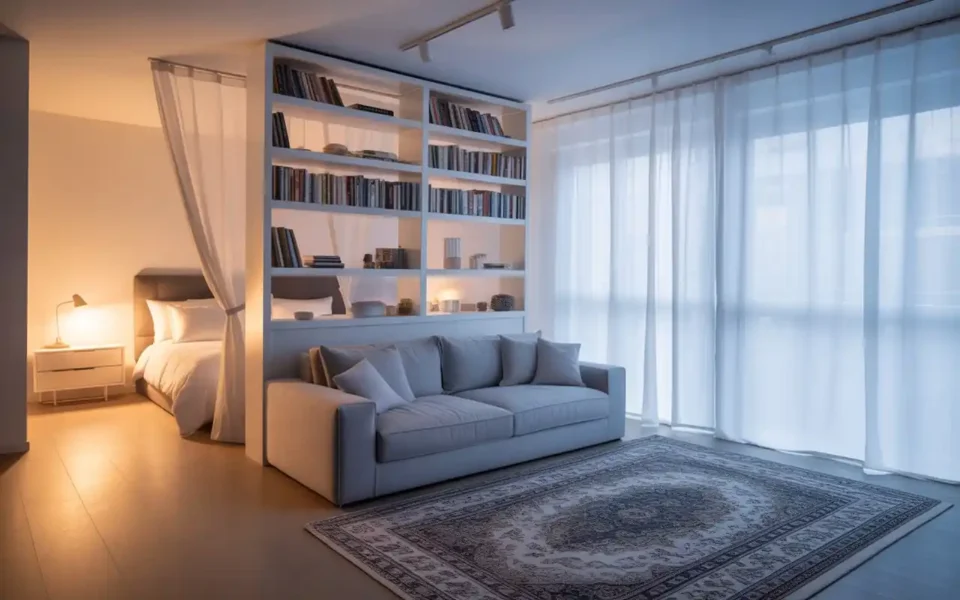
Hang your curtain rod just a few inches below the ceiling rather than right above the window frame. This creates long vertical lines that make the room feel much taller. Use sheer fabrics to let in natural light while maintaining privacy.
2. Incorporate Oversized Mirrors
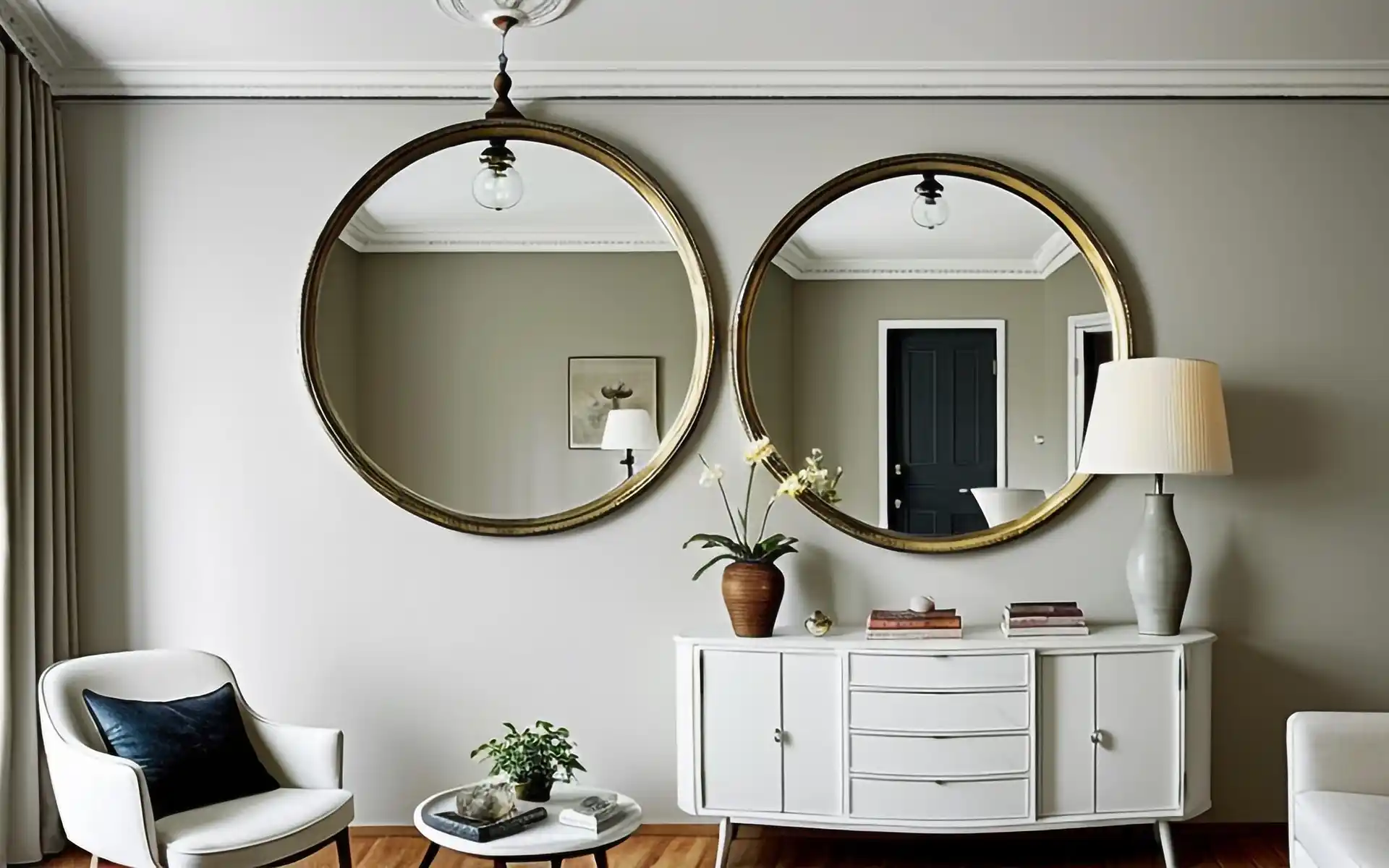
A large floor mirror or a wall of mirrored panels is the oldest trick in the book for a reason. It doubles the visual depth of the room and bounces light into dark corners. For a stylish touch, place a mirror opposite a window to “bring the outdoors in.”
3. Choose Furniture with Legs
Avoid “skirted” or blocky furniture that sits flush with the floor. Instead, choose sofas and chairs with tapered legs. Seeing the floor continue under the furniture makes the room feel less crowded and more open.
4. Multi-Functional Ottomans
Swap a traditional coffee table for a storage ottoman. It provides a place to rest your feet, extra seating for guests, and a hidden compartment for blankets or seasonal decor.
5. The “Ghost” Furniture Trick
Acrylic or glass coffee tables and chairs are “invisible” to the eye. They provide the necessary surface area without taking up any visual weight. This is perfect for maintaining an airy feel in a tight living room.
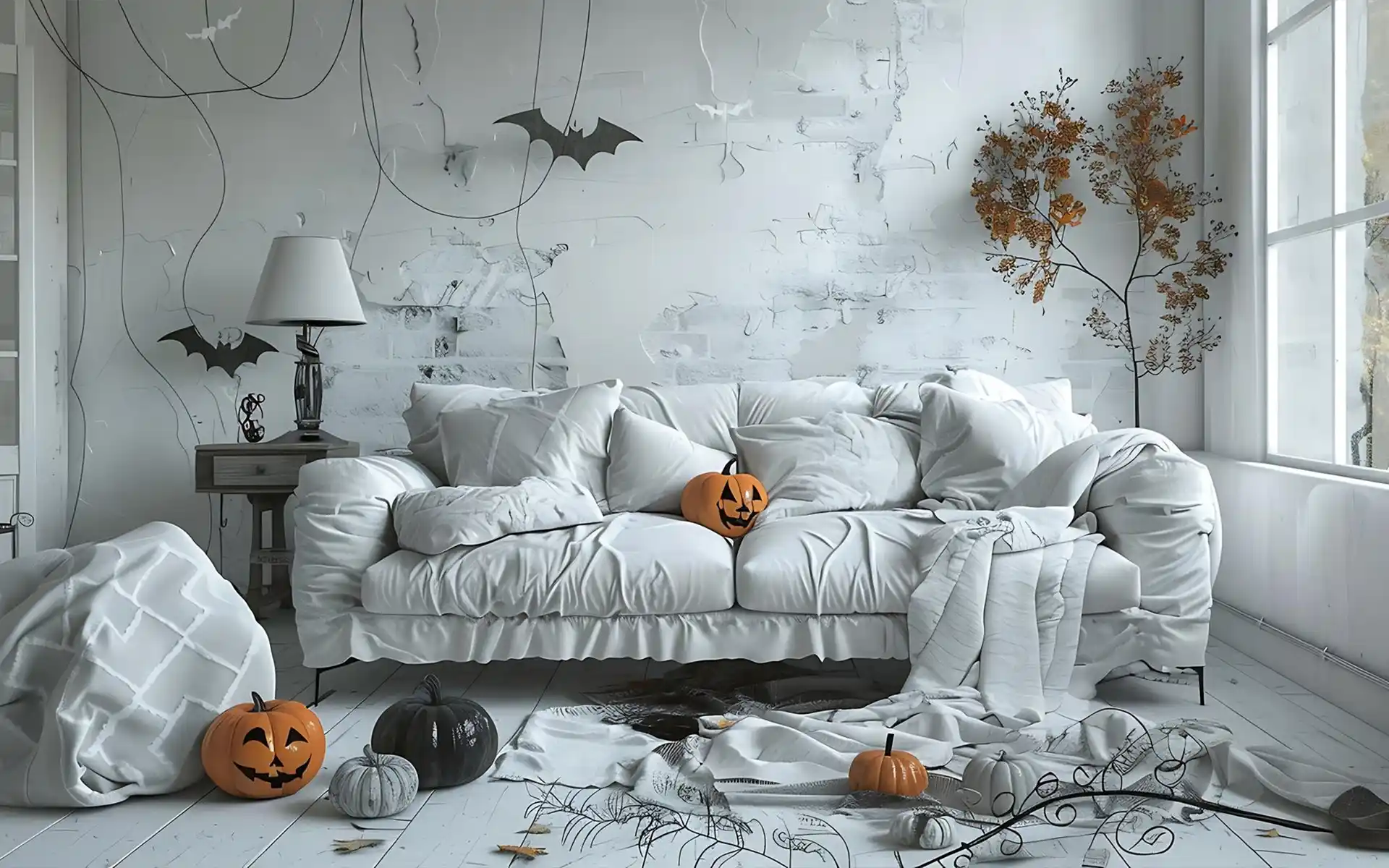
Designer Tip: Pair a glass table with soft oak accents to keep the space from feeling too cold or clinical.
6. Utilize the Space Above Doors
The 12 inches of wall space above a doorway is often wasted. Install a floating shelf here to store books or decorative bins. It’s out of the way but adds significant storage for items you don’t use daily.
7. Use Consistent Flooring
Avoid breaking up the floor with different materials in every room. Using the same wood or laminate throughout the entire apartment creates a seamless flow that makes the total area feel like one large, continuous space.
8. Opt for Sliding Barn Doors
Traditional doors need “swing space,” which can kill a small room’s layout. Sliding doors or pocket doors sit flush against the wall, freeing up valuable square footage for furniture or movement.
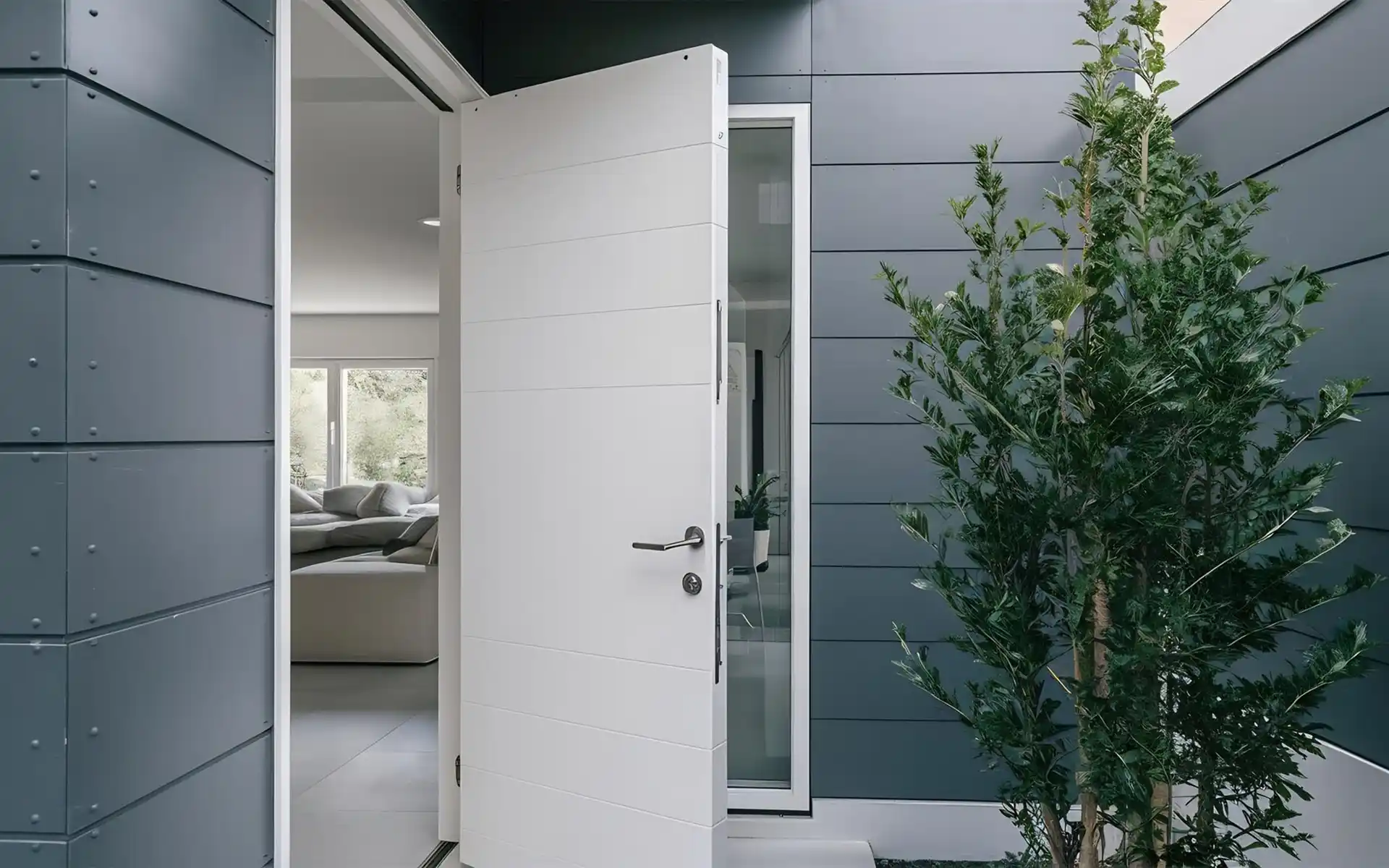
Designer Tip: Use a white-painted barn door with minimalist hardware to blend into the wall and minimize visual distraction.
9. Vertical Garden Walls
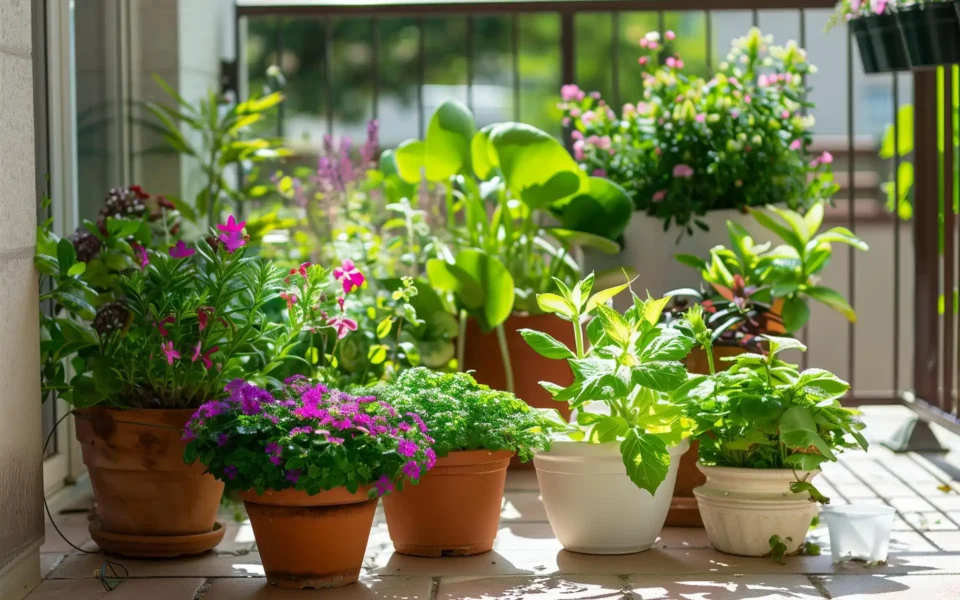
Don’t let plants take up floor or table space. Use wall-mounted planters or hanging pots to bring in greenery. It adds life to the room without encroaching on your living area.
10. Under-Bed Storage Drawers
If your bed doesn’t have built-in drawers, use low-profile rolling bins. This is the best place to store out-of-season clothing or extra linens, keeping your closet from overflowing.
11. Define Zones with Rugs
In a studio, use different rugs to define the “bedroom” from the “living room.” This creates psychological boundaries that make the apartment feel like it has multiple rooms rather than just one.
12. Floating Desks and Vanities
Wall-mounted desks eliminate the need for bulky legs. This keeps the floor line clean and makes a home office corner feel much less intrusive.
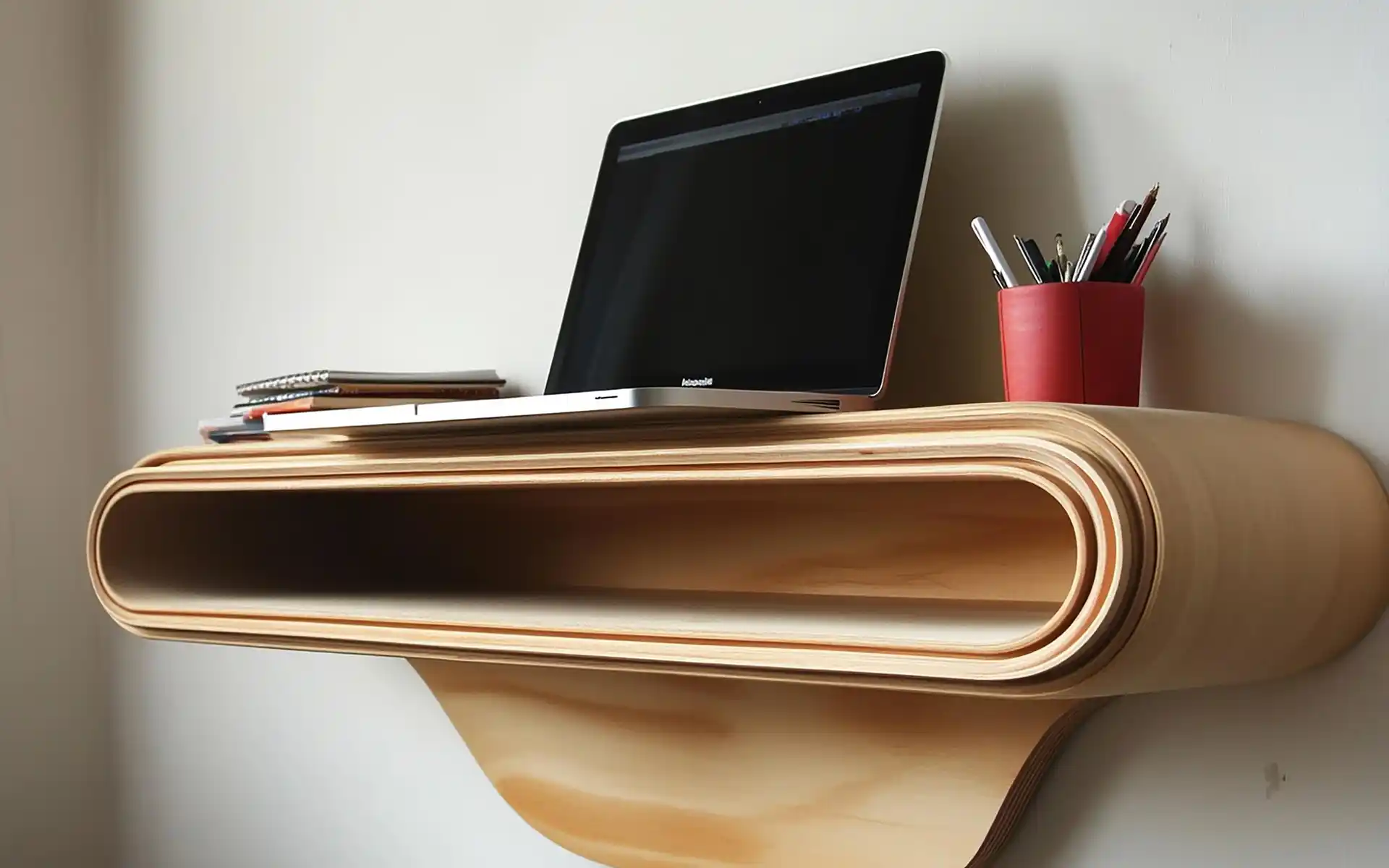
Designer Tip: Paint the floating desk the same color as the wall to make it “disappear” when not in use.
13. High-Mounted Shelving Perimeter
Run a shelf around the entire perimeter of a room about 18 inches below the ceiling. This provides massive storage for books and collectibles while keeping the lower walls clear for art or furniture.
14. Scale Your Art Corrected
One large piece of art looks better than a gallery wall of ten small items. Small items can feel “cluttered,” whereas one large focal point gives the eye a place to rest and makes the wall feel more expansive.
Key Takeaway: Prioritize verticality and transparency to keep the floor plan feeling open and unobstructed.
Maximizing Every Corner
Every nook in a small apartment is an opportunity. If you have a basement, you might already be looking for modern basement ideas to handle the overflow, but for those in true apartments, the entryway is often the first challenge. Applying spring entryway decor ideas can help keep that first impression bright and organized.
Even the smallest spaces, like the bathroom, can be elevated. A simple update using bathroom backsplash ideas can add depth and style without taking up a single inch of floor space.
Key Takeaway: Small-space success is found in the details—use your walls and vertical gaps to save your floor for living.
Common Small Apartment Mistakes to Avoid
- ❌ Pushing All Furniture Against Walls → ✅ Float the sofa a few inches away to create a sense of “air” and depth.
- ❌ Using Small Rugs → ✅ A rug that is too small makes the room look tiny; ensure all furniture legs sit on the rug.
- ❌ Heavy Window Treatments → ✅ Avoid thick, dark drapes that block light and shrink the window’s visual size.
- ❌ Cluttering Flat Surfaces → ✅ Keep countertops and coffee tables 75% clear to maintain a sense of calm.
Key Takeaway: Avoid the “perimeter” layout; pulling furniture inward actually makes a room feel wider.
Budget & Cost
| Project | Estimated Cost | Spatial Impact |
|---|---|---|
| Floating Shelves | $20 – $50 | High (Vertical) |
| Large Floor Mirror | $80 – $200 | Very High (Depth) |
| Acrylic Furniture | $100 – $300 | High (Visual) |
| Light Paint Refresh | $50 – $100 | Medium (Brightens) |
Key Takeaway: Mirrors and paint offer the highest “return on investment” for making a room feel larger.
FAQ’s
Conclusion
Living small is an art form that rewards creativity. By choosing pieces that offer transparency and utility, you can turn a cramped apartment into a sophisticated home.
Next Steps:
- Identify one piece of “heavy” furniture to replace with a “leggy” or glass version.
- Measure your highest wall for a new floating shelf.
- Add a large mirror opposite your primary light source.
- Purge items you haven’t used in six months to clear visual clutter.