TL;DR
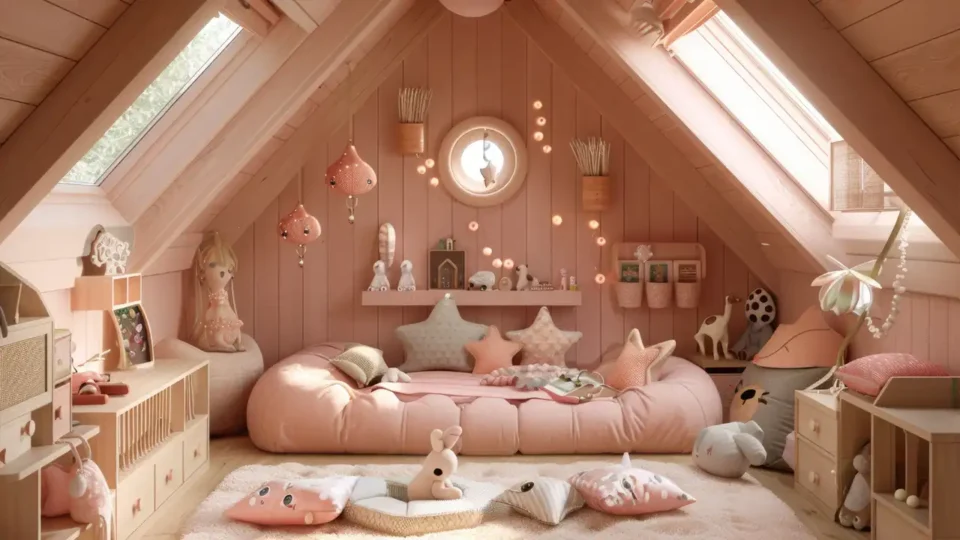
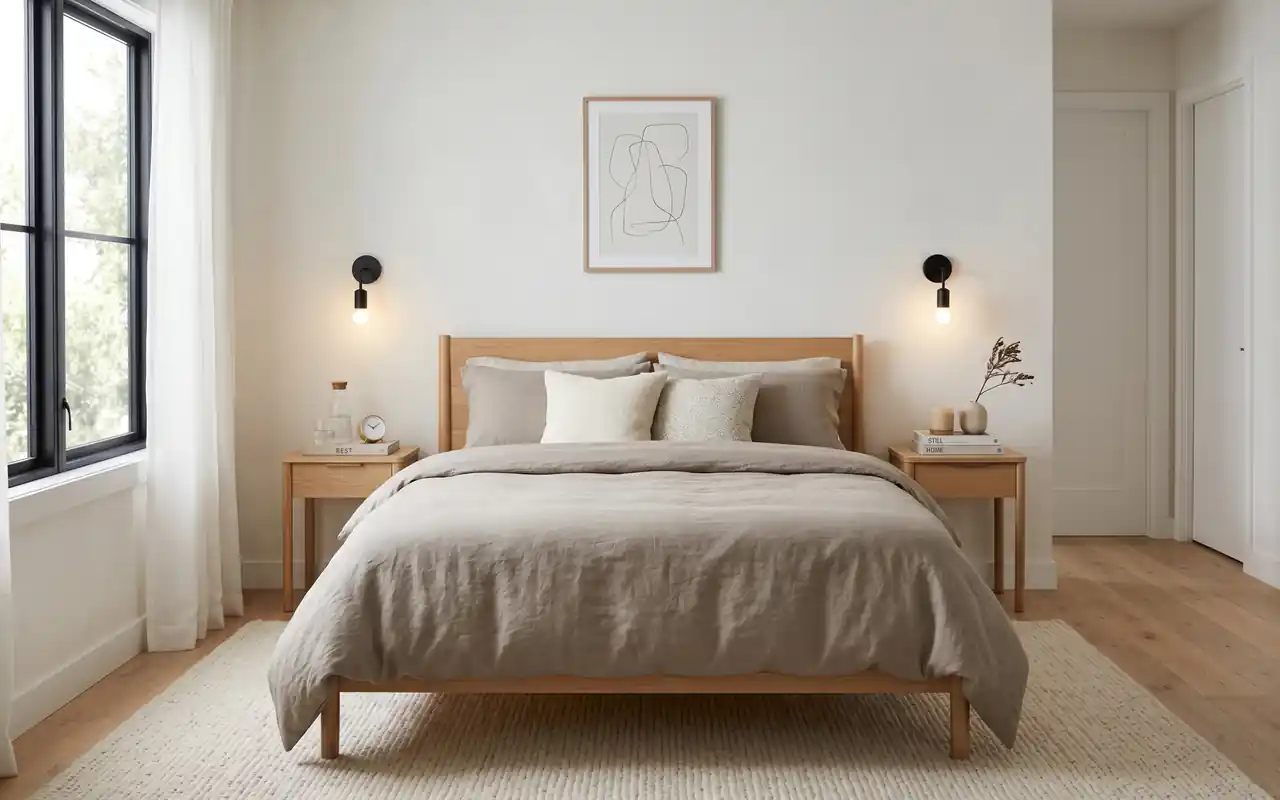
- Position your bed in a corner or against the main wall to open up central floor area.
- Use vertical space with tall shelving and wall-mounted lighting to reduce floor clutter.
- Incorporate multifunctional furniture like storage beds or floating desks for efficiency.
- Keep the color palette light with warm greige or soft whites to enhance the sense of space.
Strategic Planning for Small Bedroom Layouts
Creating efficient small bedroom layouts is all about prioritizing your movement and essential furniture. To maximize your space, the best approach is to place the bed against the primary wall or tucked into a corner, which clears the central path for walking. When you 101HomeDecor helps you visualize these changes, you realize that even a few inches of cleared floor can transform the room’s energy. These layouts are one piece of the puzzle — our broader small bedroom ideas guide ties them together with storage and style.
Using smart design principles allows you to fit a queen bed, a workspace, and storage into a tiny footprint without feeling cramped. You might want to explore our small bedroom furniture arrangement ideas to see how specific pieces can shift the feel of the room. By focusing on “zones” for sleep and storage, you ensure every square inch serves a purpose. Bookmark this guide for quick reference.
KEY TAKEAWAY: The most effective layouts push larger furniture to the perimeter to keep the center of the room open and airy.
12 Small Bedroom Layouts Ideas
Where you place the bed sets everything else in a small room. These twelve layouts solve for storage, a workspace, or a sense of balance — find the one that matches your room’s shape and what you need most.
1. The Corner Bed Anchor
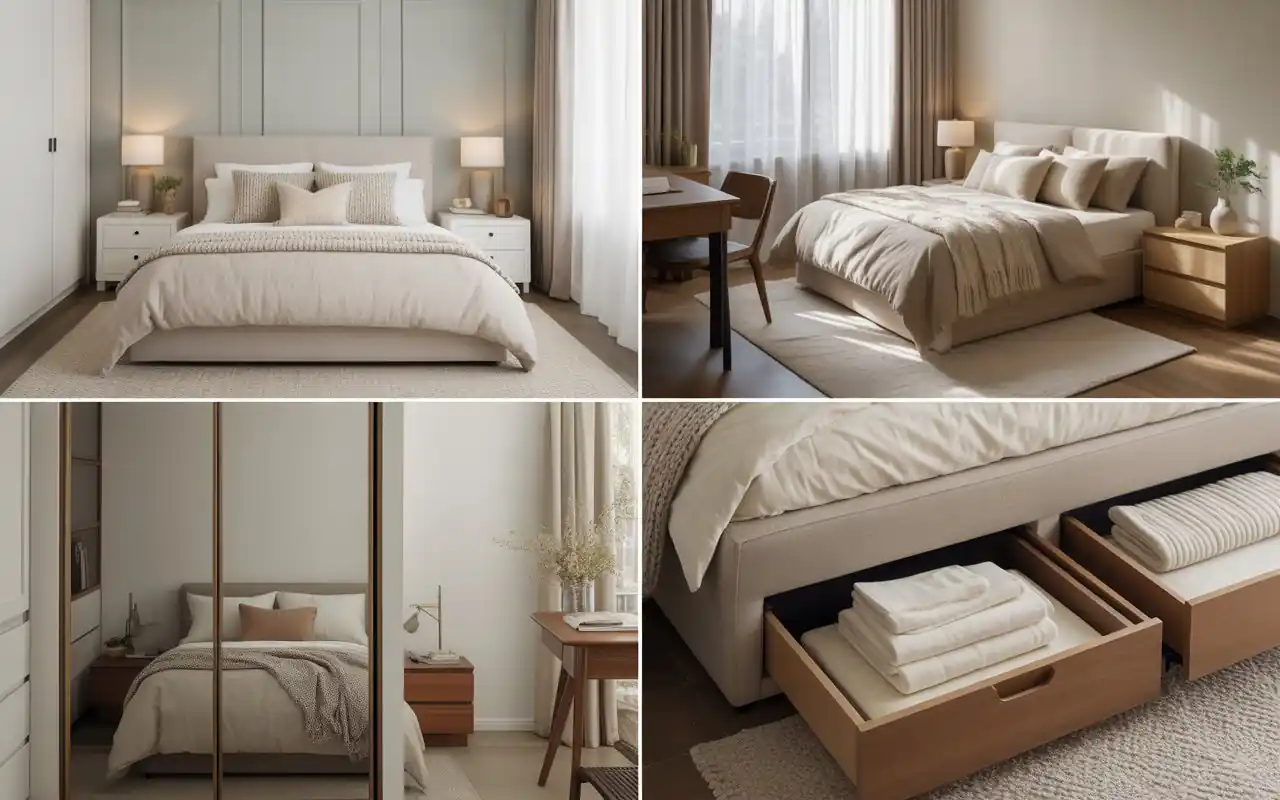
Placing your bed in the corner is a classic move for tight spaces. It creates a cozy nook and leaves the rest of the floor open for a dresser or a small armchair. This layout works best in long, narrow rooms where a centered bed would block the walkway. Use a low-profile frame to keep the sightlines clear.
2. The Symmetry Focus
If your room is square, try centering the bed on the main wall with two slim nightstands. This creates a balanced look that feels intentional and high-end. For more inspiration on balancing tight quarters, check out these creative small apartment ideas which often use symmetry to trick the eye into seeing more space.
3. The Floating Desk Hybrid
Incorporate a desk that doubles as a nightstand. By mounting a floating shelf next to the bed, you save the floor space usually taken up by legs. This is perfect for those needing a home office setup without sacrificing a bedside surface for lamps or books.
4. The Foot-of-the-Bed Storage
When wall space is limited, place a low storage bench or a slim dresser at the foot of the bed. This utilizes the “dead space” that usually exists in front of the mattress. It provides a spot for linens or shoes while keeping the walls clear for art or mirrors.
DESIGNER TIP: Use wall-mounted sconces instead of bulky table lamps to free up at least 12 inches of surface space on your nightstands.
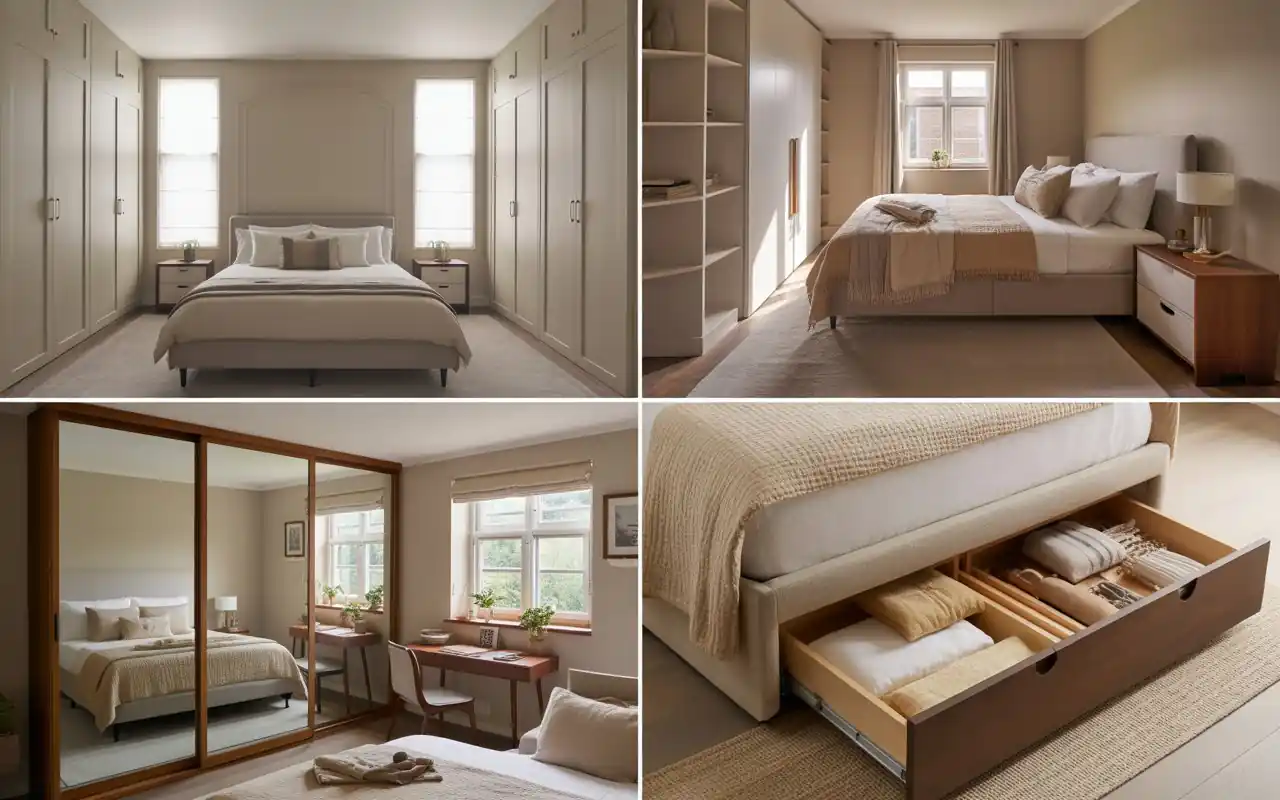
5. The Wardrobe Wall
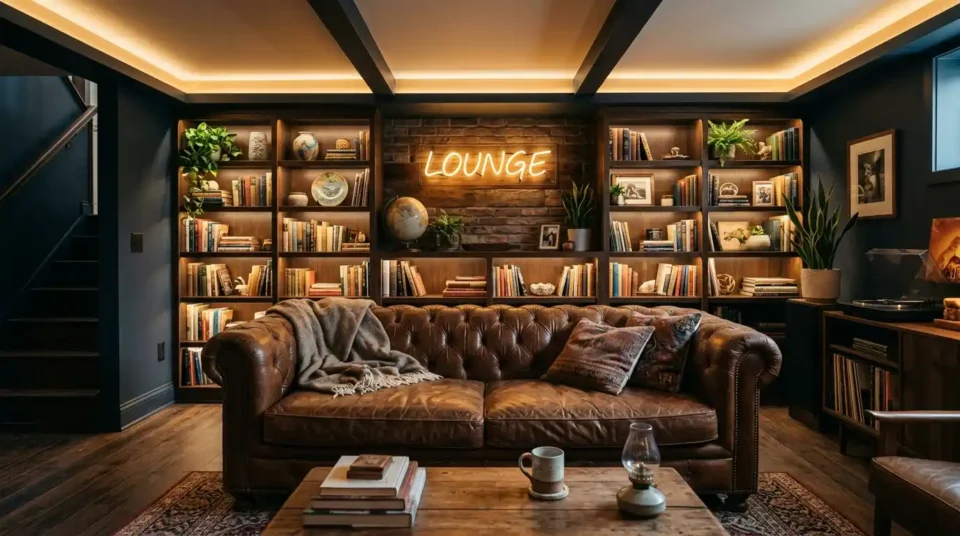
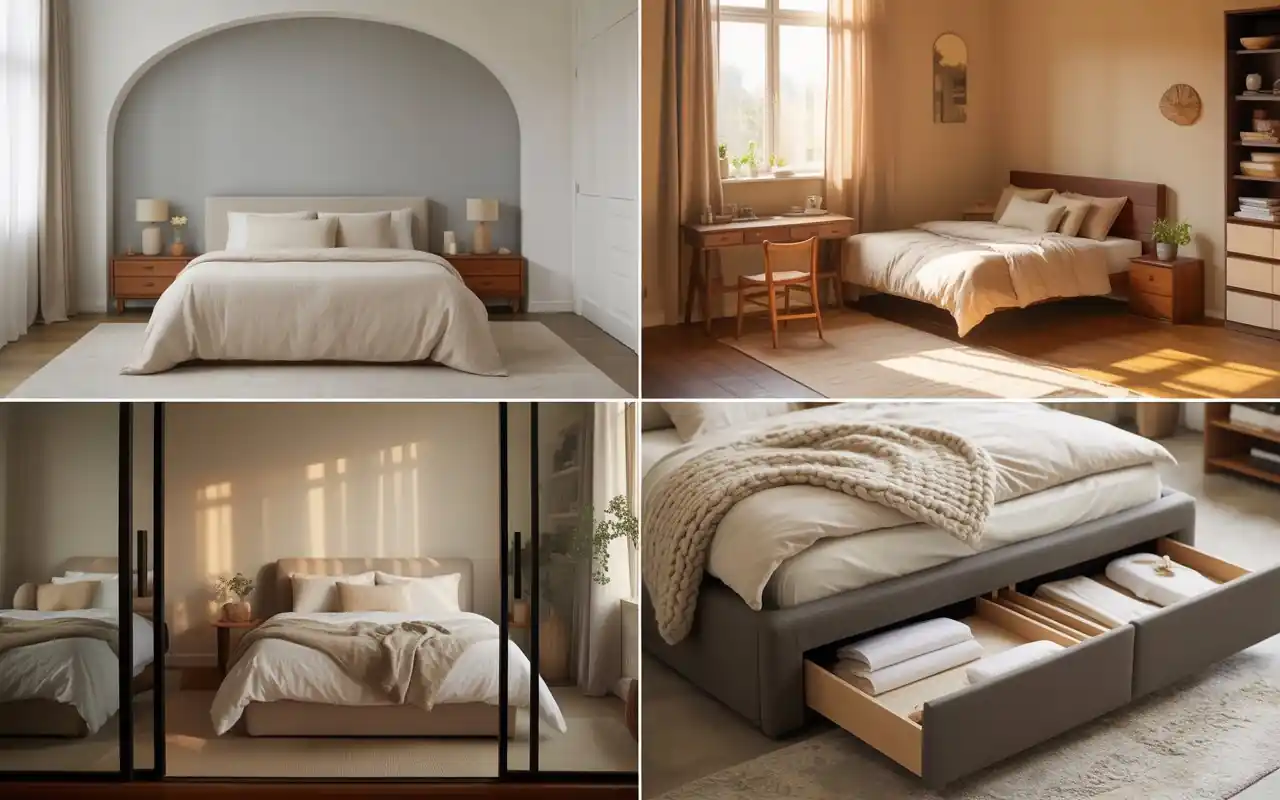
Line one entire wall with floor-to-ceiling closets. While it takes up some floor depth, the massive increase in storage prevents clutter from spilling into the rest of the room. You can find similar streamlined storage solutions in our guide to modern basement living and storage ideas for a seamless look.
6. The Window-Centered Bed
Placing your bed directly under or in front of a window can act as a natural headboard. This saves space on the other walls for taller furniture like armoires. Use sheer panels to let light in while maintaining privacy.
7. The Lofted Sleeping Nook
For rooms with high ceilings, a lofted bed is the ultimate space-saver. By elevating the mattress, you create an entire “room” underneath for a sofa, a desk, or a walk-in closet. This layout effectively doubles your usable square footage instantly.
8. The Murphy Bed Transformation
A Murphy bed allows the room to serve as a high-functioning office during the day and a restful bedroom at night. This is a favorite in studio apartment layout ideas where one room must perform multiple roles seamlessly.
DESIGNER TIP: Choose furniture with exposed legs; seeing the floor underneath a bed or dresser makes a small room feel significantly larger.
9. The Diagonal Bed Placement
Placing the bed at a slight angle in a corner can sometimes make a cramped square room feel more dynamic. It creates small triangular pockets behind the bed for floor lamps or plants, adding depth to the room’s architecture.
10. The Mirrored Wall Layout
Install large floor-to-ceiling mirrors opposite your bed. This doesn’t change the physical layout, but it visually doubles the room size. Pair this with 15 grey bedroom design ideas for a sophisticated, expansive aesthetic that feels cool and slate-toned.
11. The Wrap-Around Headboard
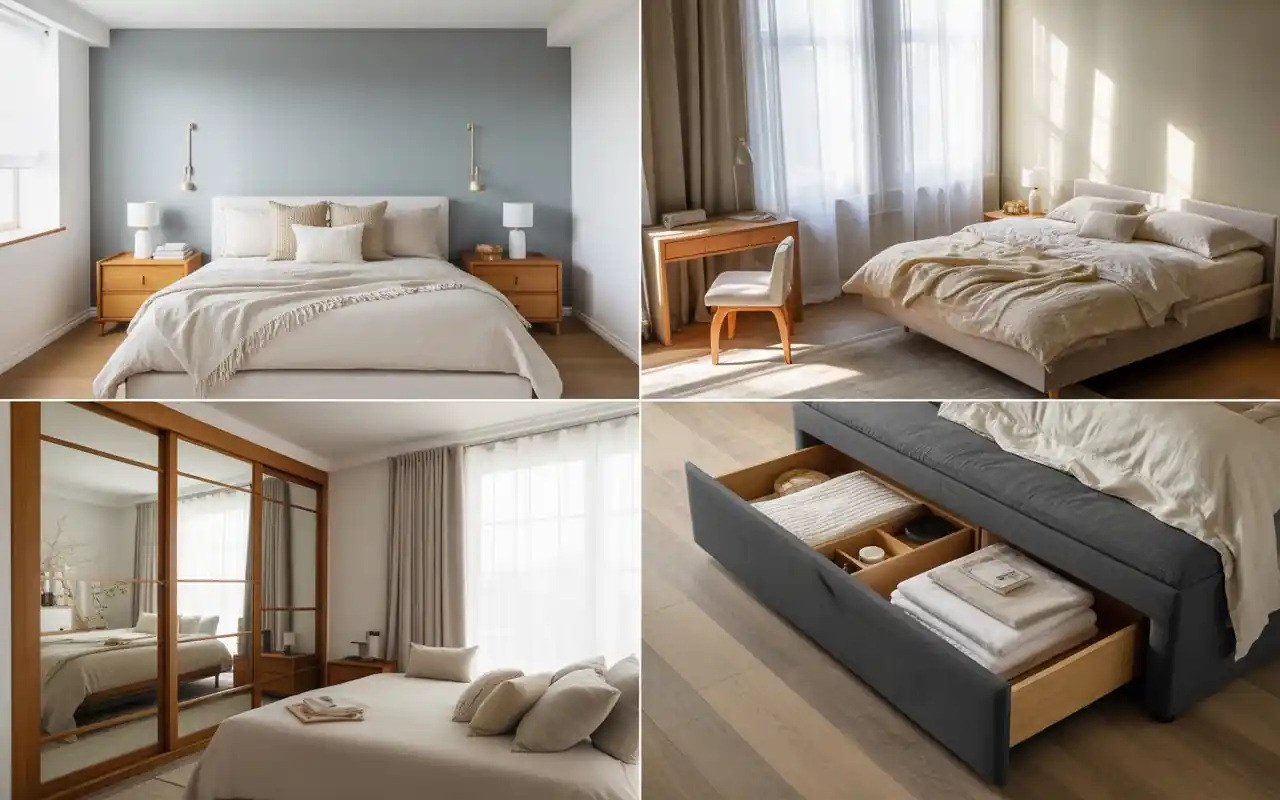
Custom cabinetry that wraps around the head of the bed provides integrated shelving, lighting, and storage. This eliminates the need for separate nightstands and bookcases, keeping the layout extremely tight and organized.
12. The Minimalist Platform
Using a very low-pile rug and an upholstered platform bed keeps the vertical profile of the room low. This prevents the furniture from “eating” the walls, making the ceiling appear higher. For a seasonal touch, see how this fits with elegant spring bedroom decor ideas to keep the vibe fresh.
KEY TAKEAWAY: Combining multifunctional furniture with perimeter placement is the most effective way to maximize small bedroom footprints.
Essential Elements for Small Space Success
When designing your layout, lighting and color play massive roles in how the physical space is perceived. Soft oak accents and brushed brass hardware add warmth without the visual “weight” of dark woods. If you are starting fresh, a small bedroom refresh focusing on paint and textiles can be just as impactful as moving furniture.
Another trick is to use verticality. Tall, thin bookshelves draw the eye upward, making the room feel loftier. If you’re also managing guests, our tips for very small guest bedroom ideas provide specialized layouts for occasional-use spaces that still need to feel luxurious.
KEY TAKEAWAY: Decor choices like mirrors and light colors are the necessary finishing touches that make a small layout feel intentional rather than cramped.
Common Small Bedroom Layouts Mistakes to Avoid
- MISTAKE: Oversized Furniture → FIX: Use “apartment scale” pieces that leave at least 24 inches of walking space.
- MISTAKE: Blocking Windows → FIX: Keep furniture low or use open-frame headboards to let natural light flow.
- MISTAKE: Ignoring the Door Swing → FIX: Ensure there is a 3-foot clearance for the door to open fully without hitting the bed.
- MISTAKE: Using Too Many Small Rugs → FIX: Use one large rug that goes under the bed to ground the space and make it look bigger.
KEY TAKEAWAY: Avoiding visual “clutter” is just as important as the physical placement of the furniture itself.
Budget & Cost
Maximizing your layout can be done through simple rearrangement or by investing in custom storage.
KEY TAKEAWAY: High-impact changes like lighting and storage beds offer the best return on investment for small spaces.
Decisions & Layout Challenges
One of the biggest challenges is deciding between a larger bed or more storage. If you choose a queen bed in a 10×10 room, you will likely need to sacrifice a traditional dresser. In these cases, look for beds with built-in drawers. This is a common hurdle in urban living, often discussed in our studio apartment layout ideas section.
Another challenge is the “long and narrow” room. In this scenario, avoid placing all furniture against one long wall, which creates a “bowling alley” effect. Instead, use a rug to zone the sleeping area and place a small piece of furniture, like a chair, at an angle to break up the lines.
KEY TAKEAWAY: Every layout requires a trade-off; choose the furniture that supports your primary activity first.
Frequently Asked Questions
Conclusion
Mastering small bedroom layouts is a blend of smart furniture choices and strategic placement. By focusing on keeping the center of the room clear and utilizing vertical space for storage, you can turn a cramped room into a serene sanctuary. Whether you are using warm greige tones to soften the walls or installing floating shelves to save floor space, the key is intentionality.
Explore 101HomeDecor for more styling tips to complete your look. Remember that a small room doesn’t have to mean small style; it just means being more creative with the space you have.
More Small Bedroom Ideas
- 10 Smart Small Bedroom Ideas for 2 Sisters That Stop Clutter
- 12 Small Bedroom Ideas for Couples That Stop the Clutter Wars
- 12 Very Small Boho Bedroom Ideas to Maximize Your Cozy Space
- 12 Very Small Guest Bedroom Ideas That Make Narrow Rooms Feel Huge
- 14 Minimalist Small Bedroom Ideas to De-Clutter Your Space
- 15 Simple Small Bedroom Refresh Ideas for a Cozy Makeover
- 15 Small Bedroom Ideas for Teens That Maximize Every Square Inch
- 7 Effortless Very Small Bedroom Ideas That Look Designer-Made
- 9 Small Bedroom Ideas With a King Size Bed That Actually Work
- Best Paint Colors for a Small Bedroom That Make It Feel Bigger